Entrepreneurial judgment & the venture life cycle
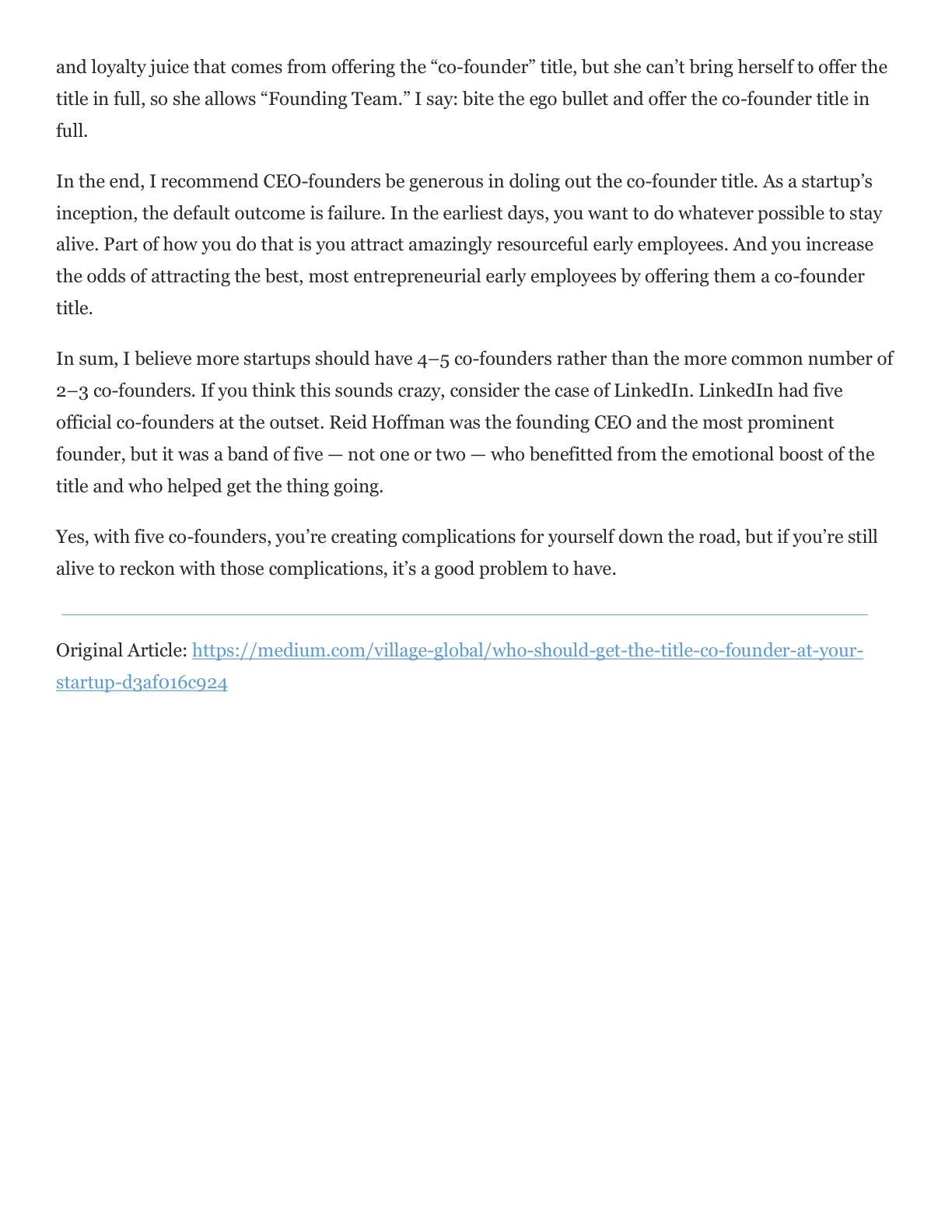
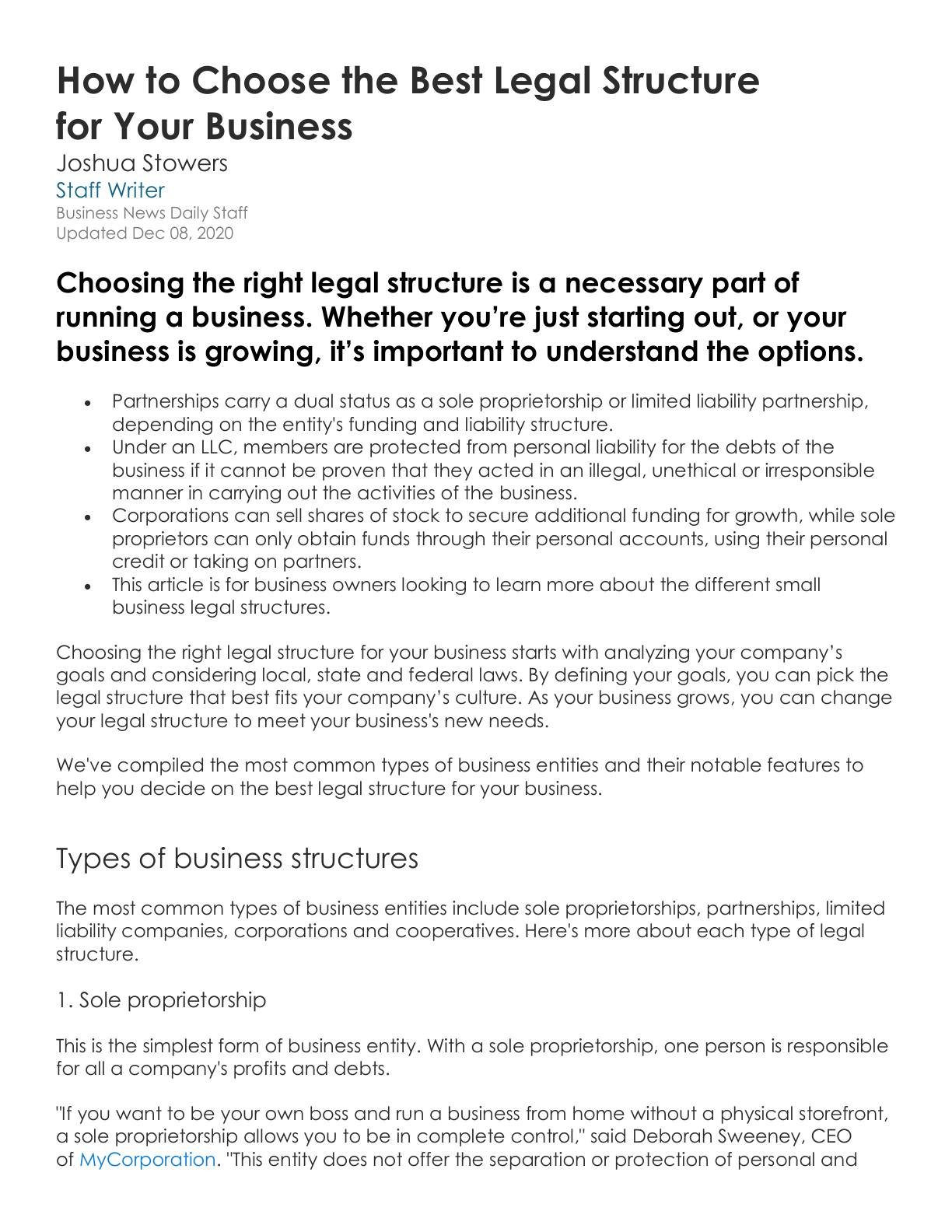
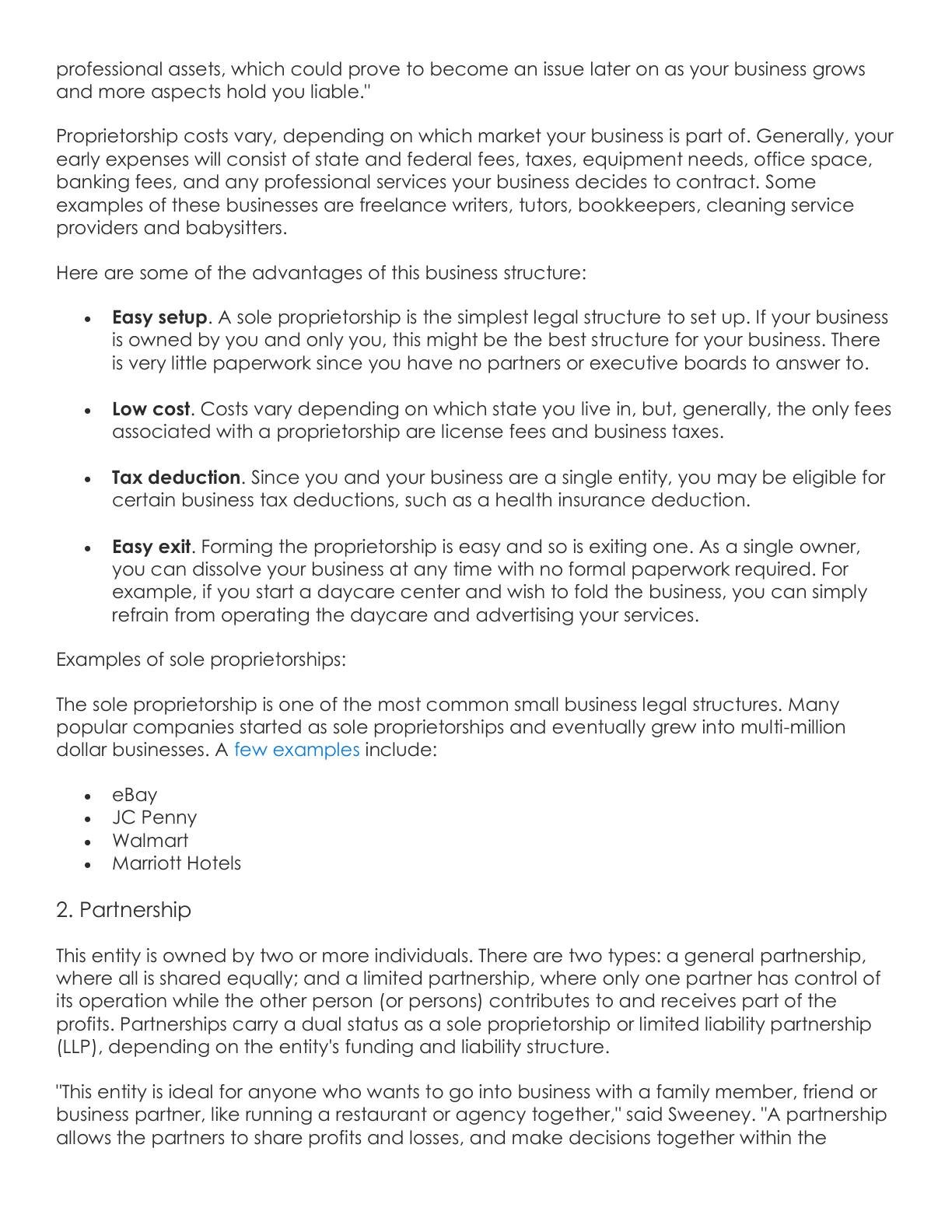
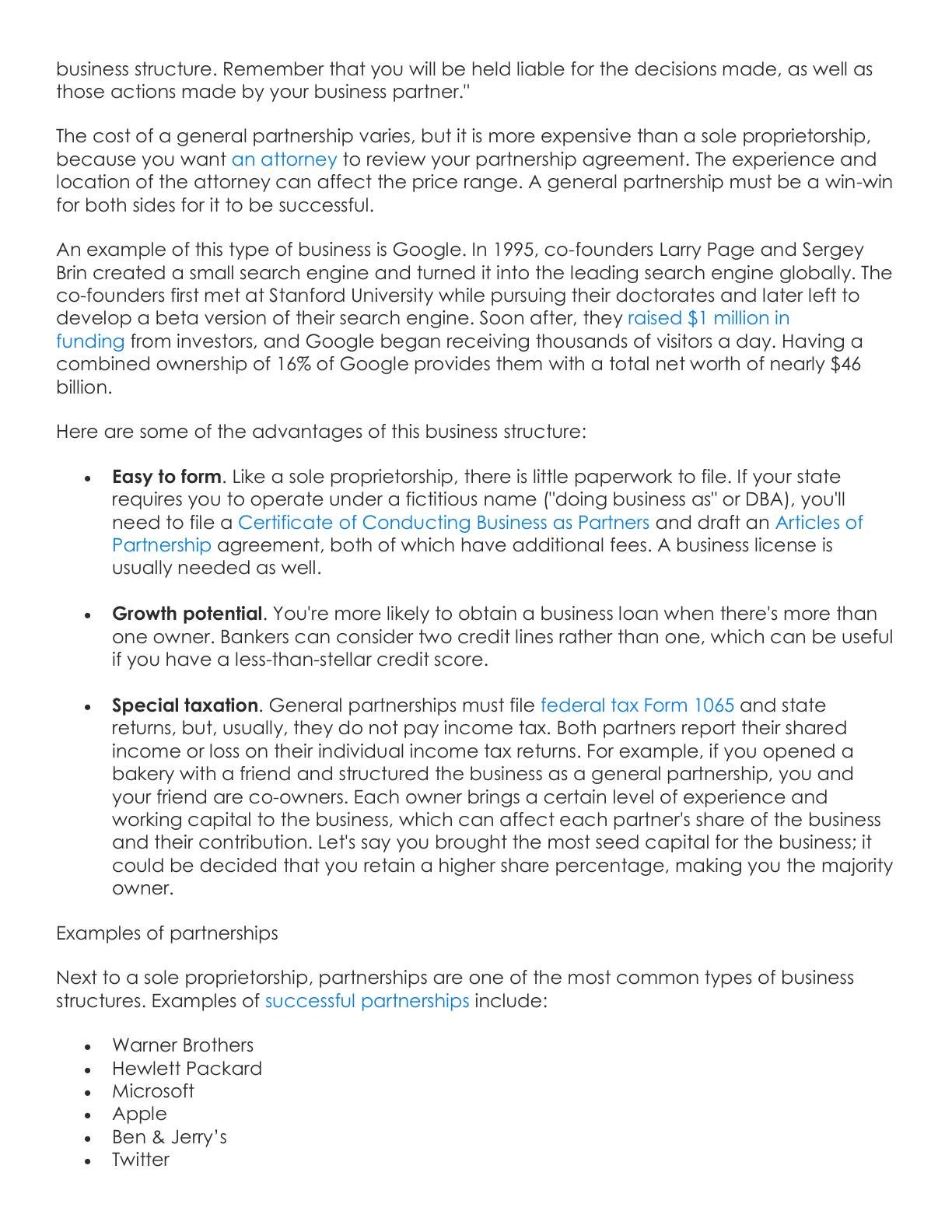
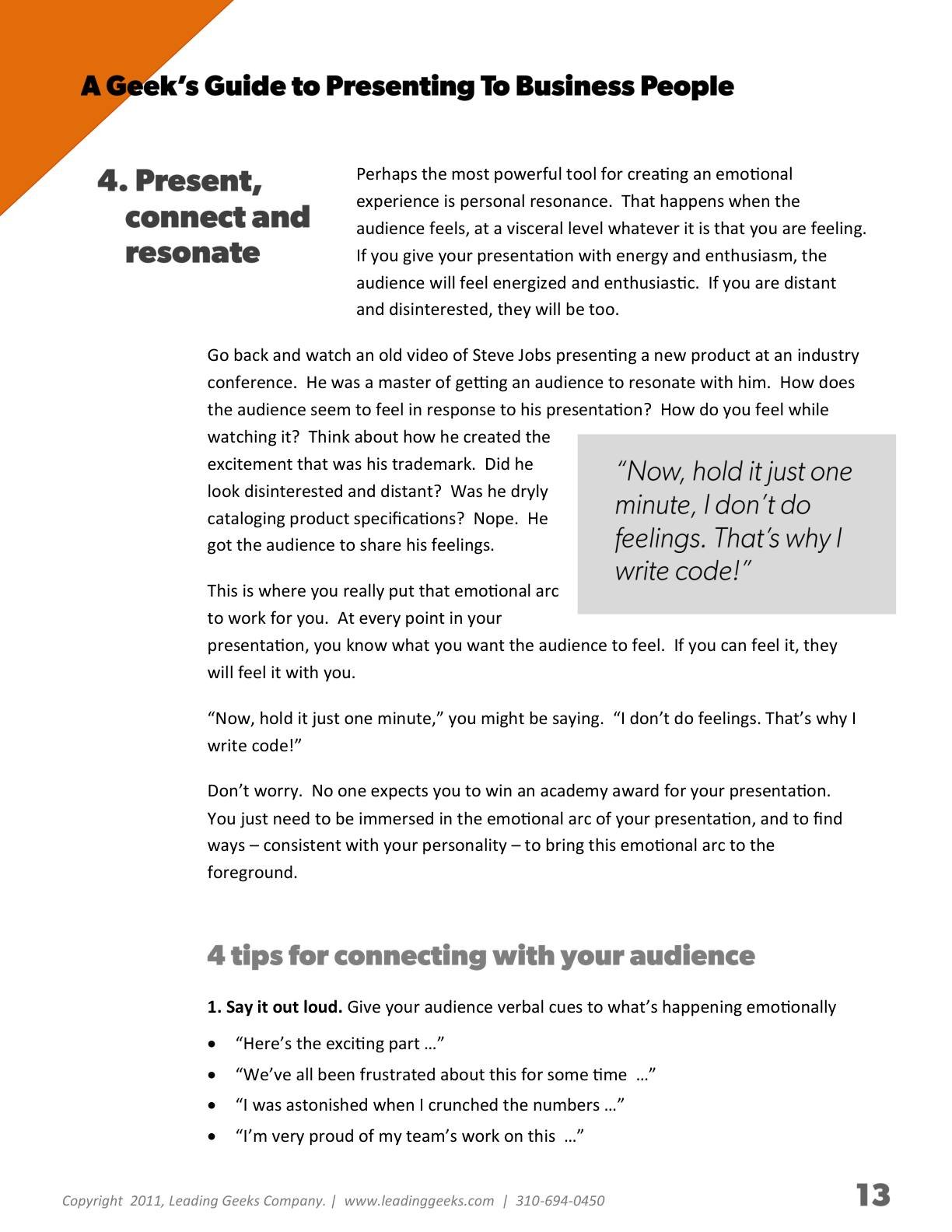
What must be true before an idea deserves more time and resources?
Relay · Relay opportunity and uncertainty brief
Ignite · Business foundations for founders
Library edition · switch to openForty lessons across eight modules. You reason through real cases, work the numbers, and build one venture from first evidence to a Series A decision.
Relay fills last-minute appointment cancellations at physical-therapy clinics by texting waitlisted patients and rebooking the slot automatically.
Maya Chen ran operations for a six-location clinic group and watched front-desk staff spend an hour a day phoning patients to fill gaps. With Daniel Okafor, an engineer who had built scheduling and messaging systems, she starts Relay in Austin, Texas. Across forty lessons you take Relay from an untested idea through customer discovery, positioning, unit economics, a pivot to multi-location groups and an AI scheduling assistant, its first financial statements, a post-money SAFE, a seed round and a Series A term sheet, a 42-location negotiation, and the final board presentation.
Each lesson ends with one venture step. Together they form a single, connected portfolio: the evidence behind the decision you defend in Lesson 40. All Relay figures are illustrative.
Module 01
Build the habits needed to reason, explain and work with others.
You will makeA decision journal, a short explanation and a working agreement.
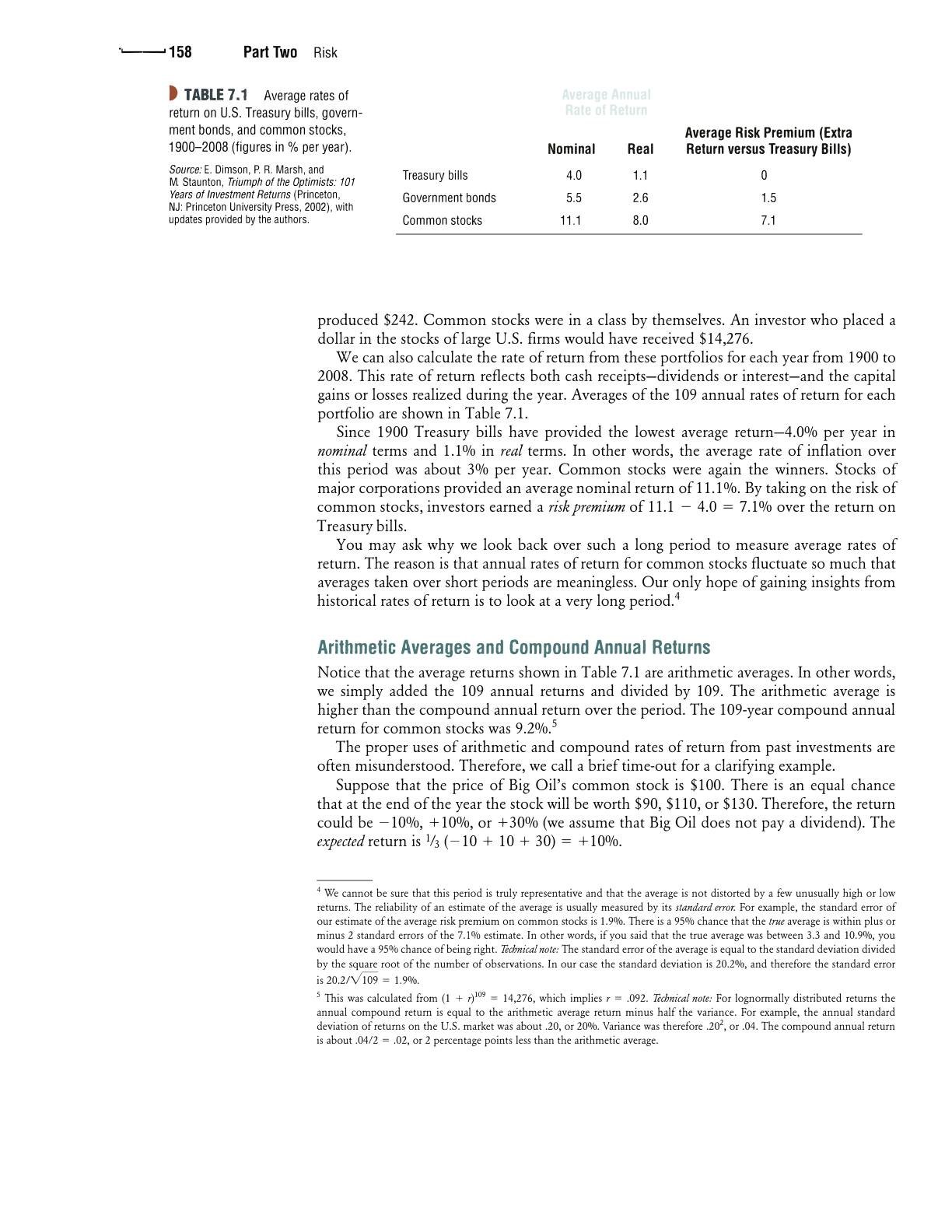
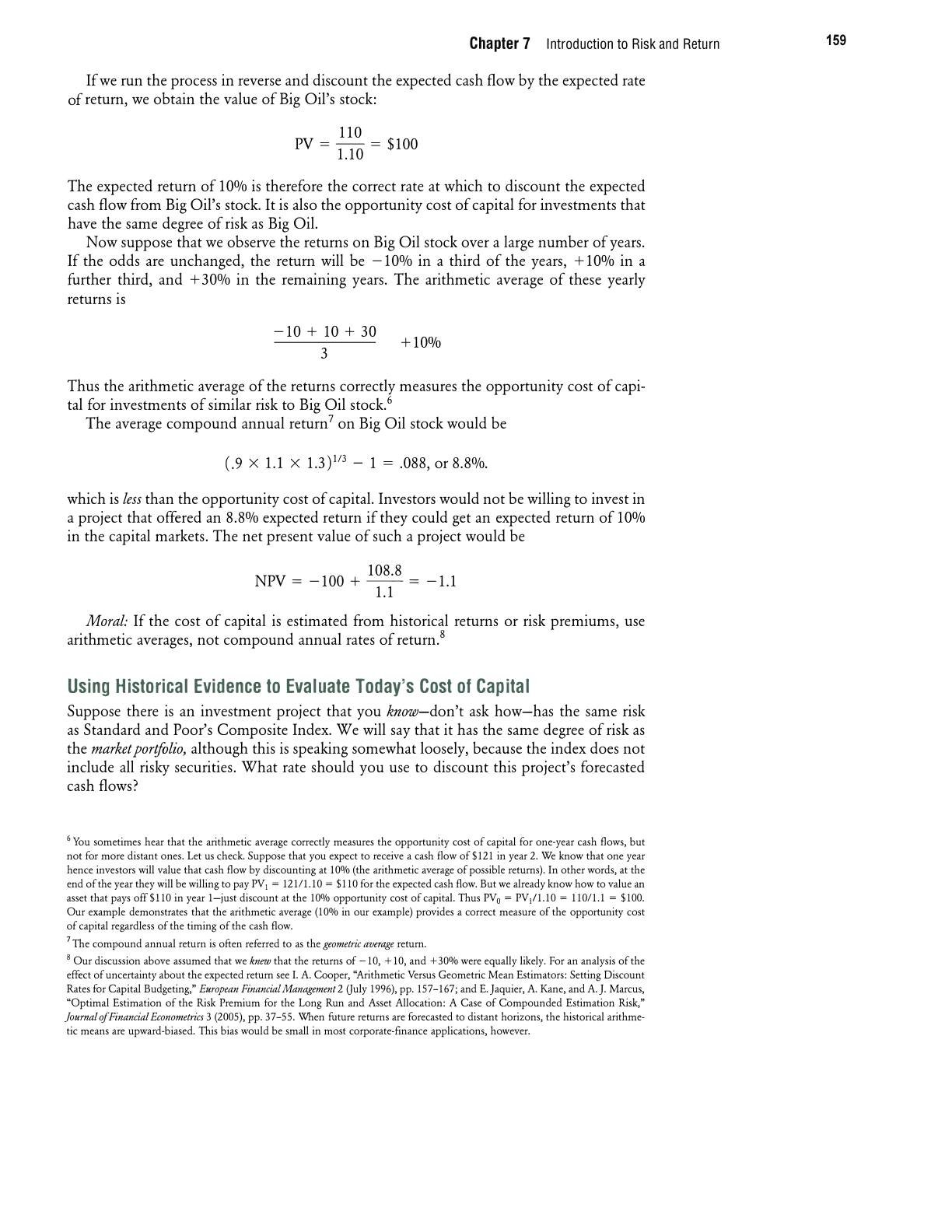
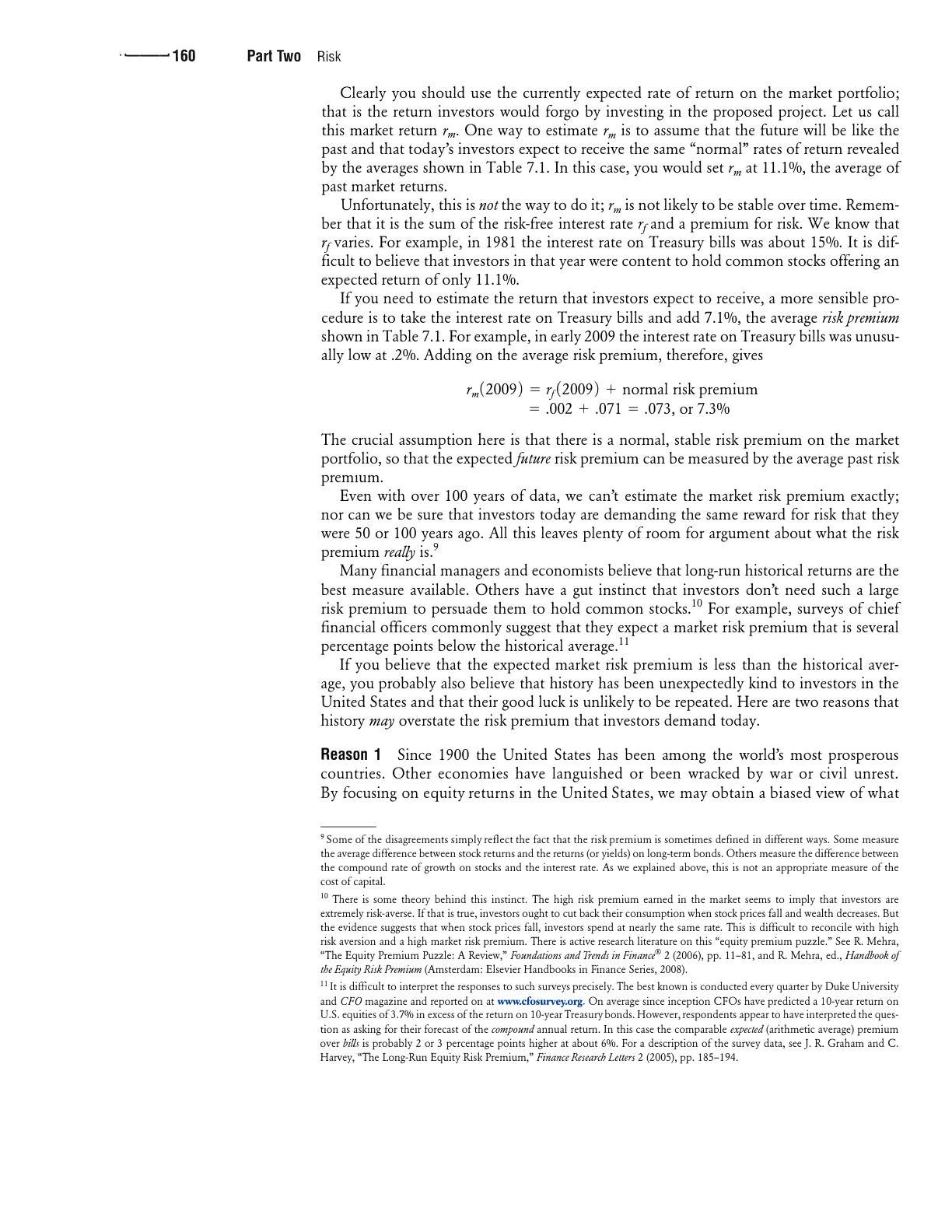
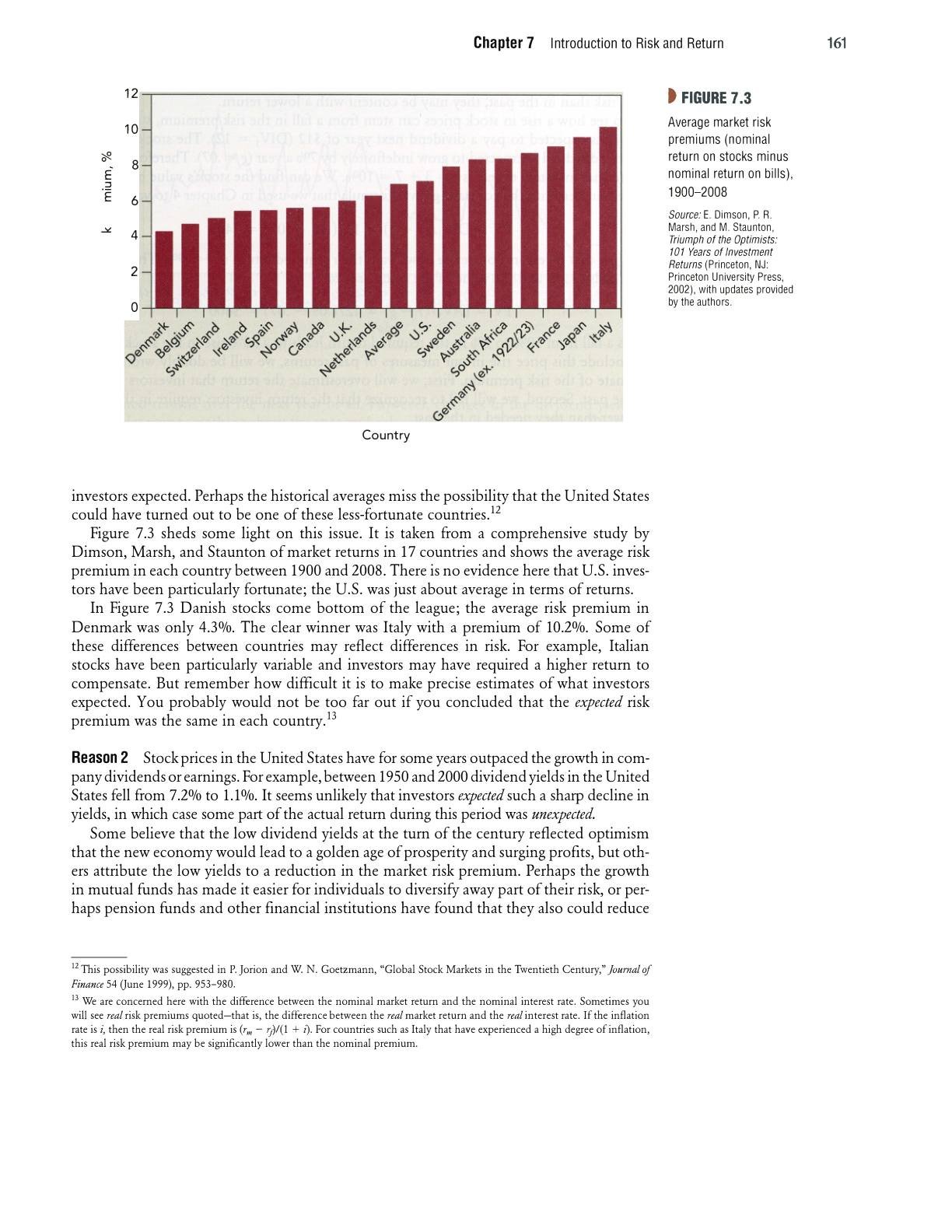
What must be true before an idea deserves more time and resources?
Relay · Relay opportunity and uncertainty brief
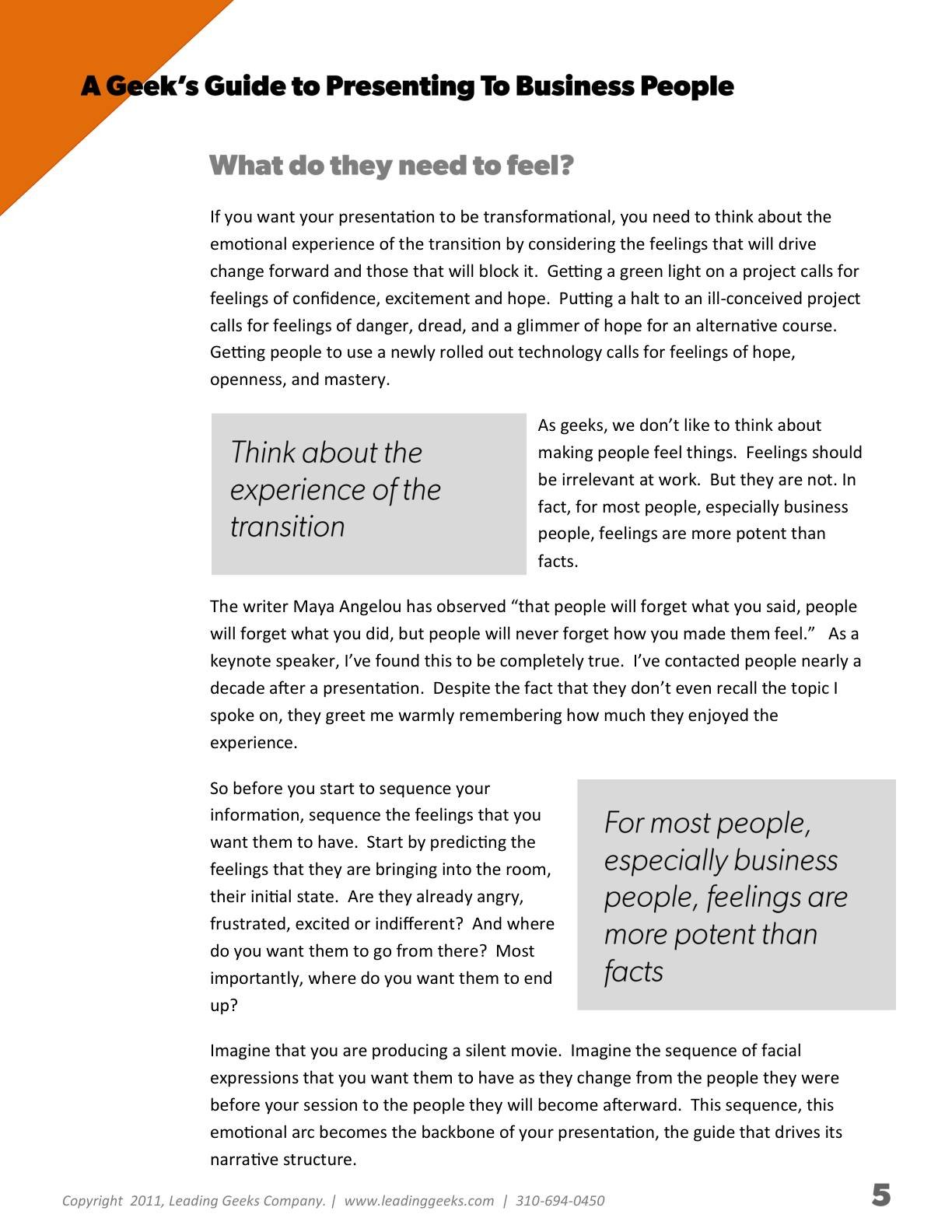
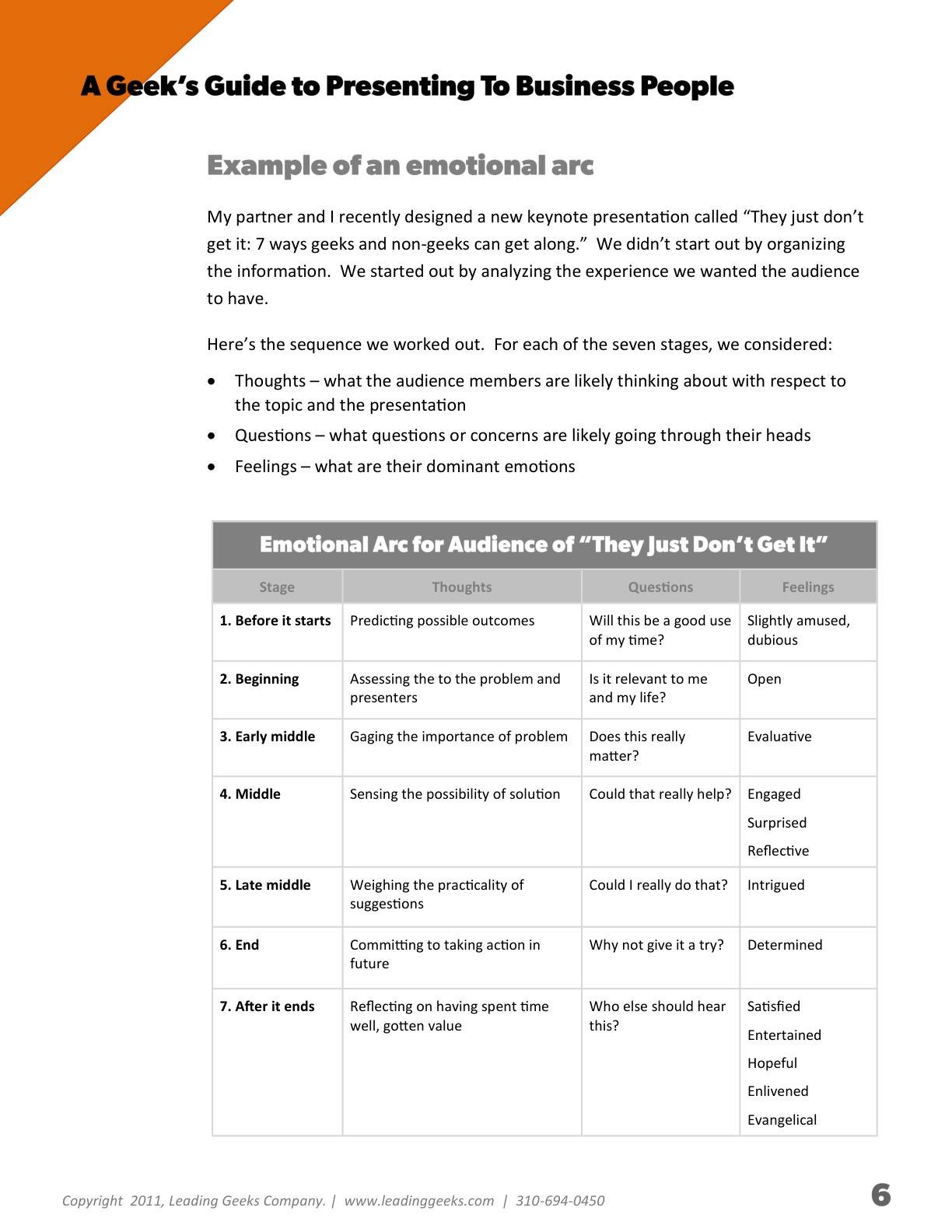
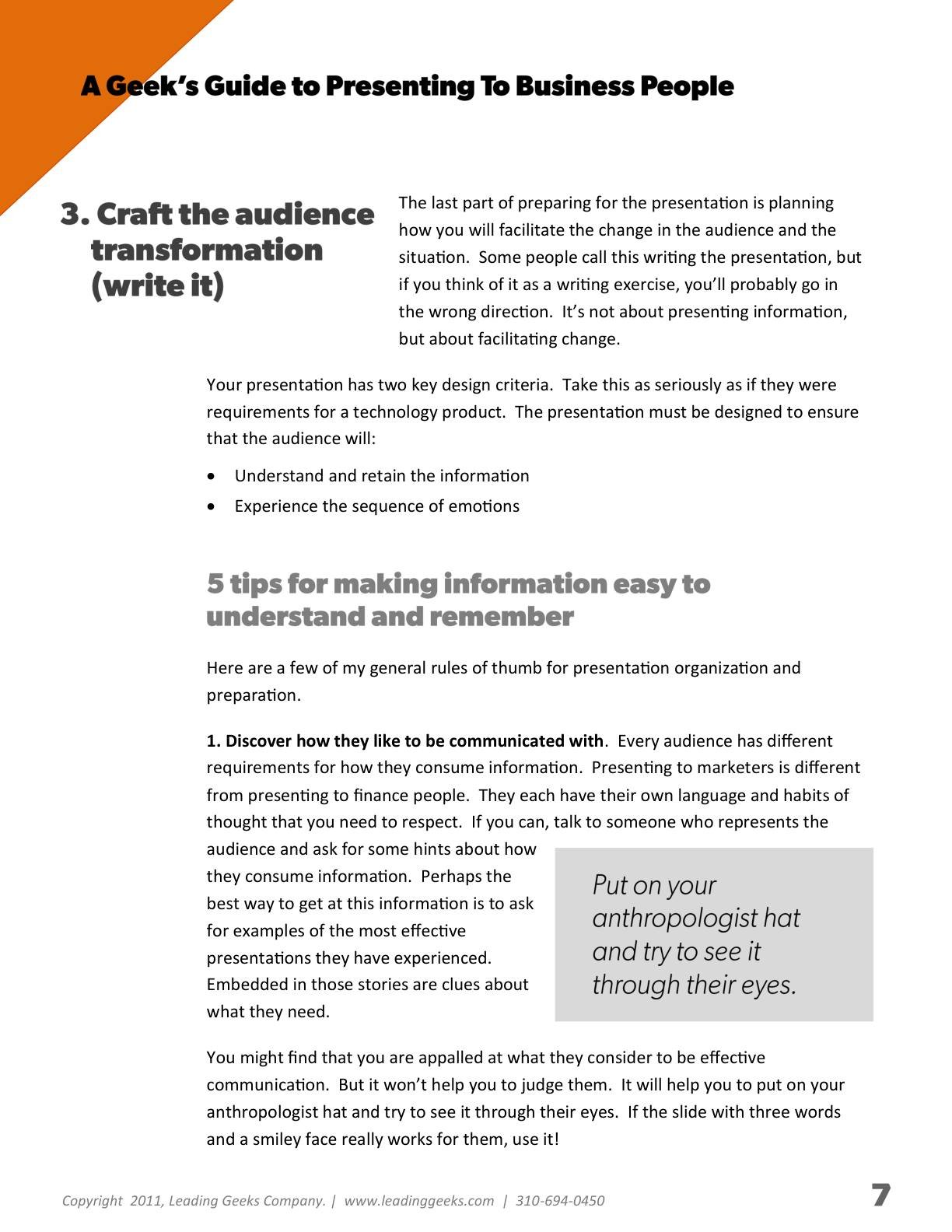
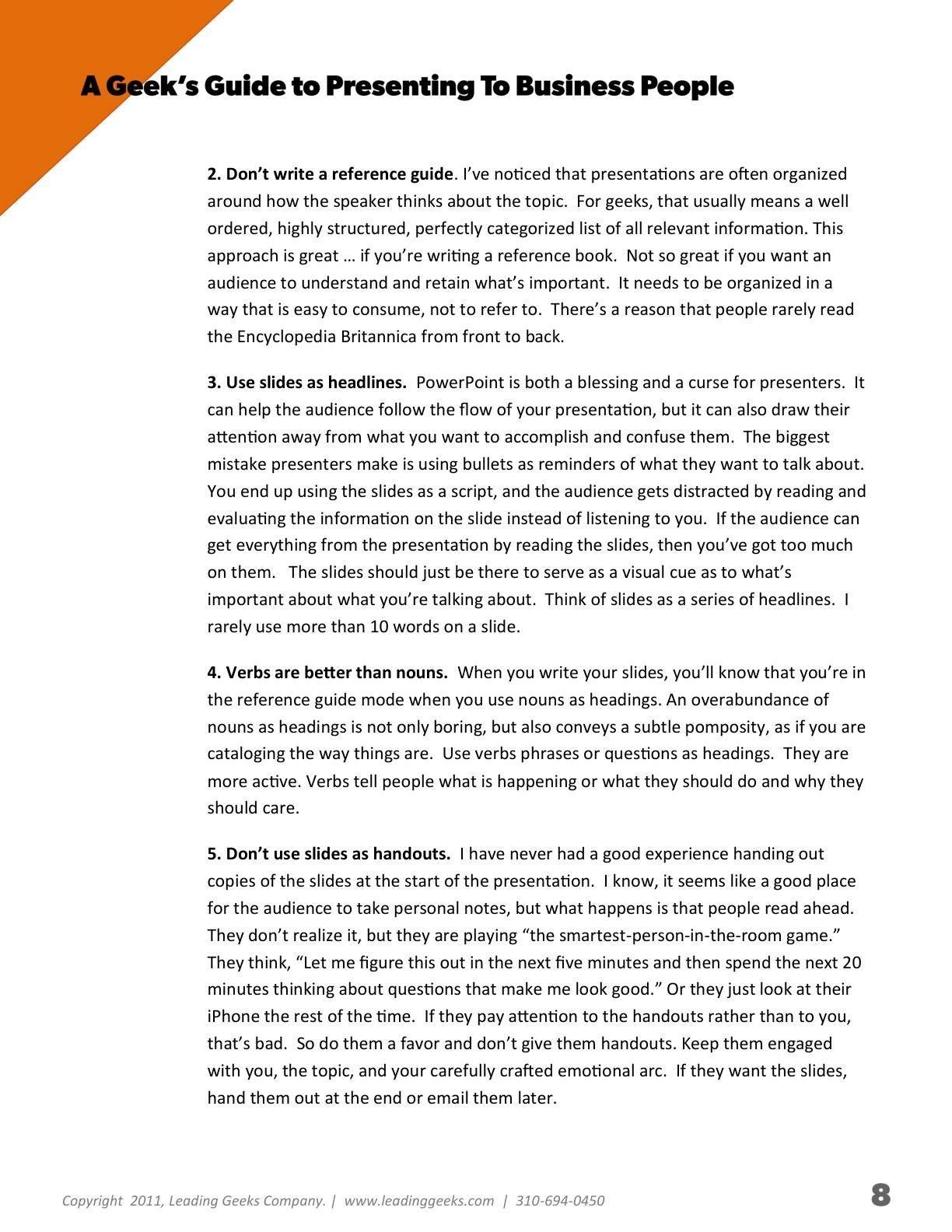
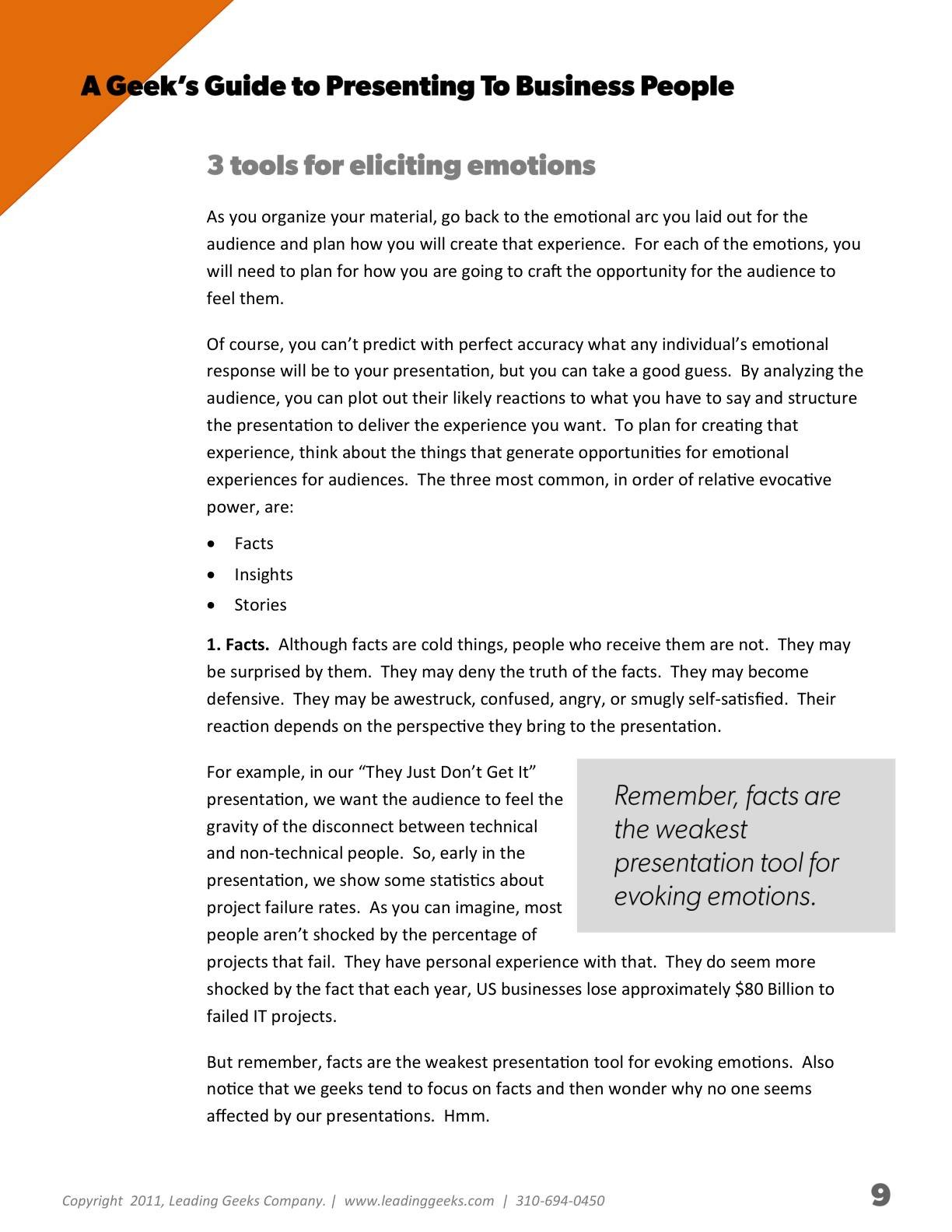
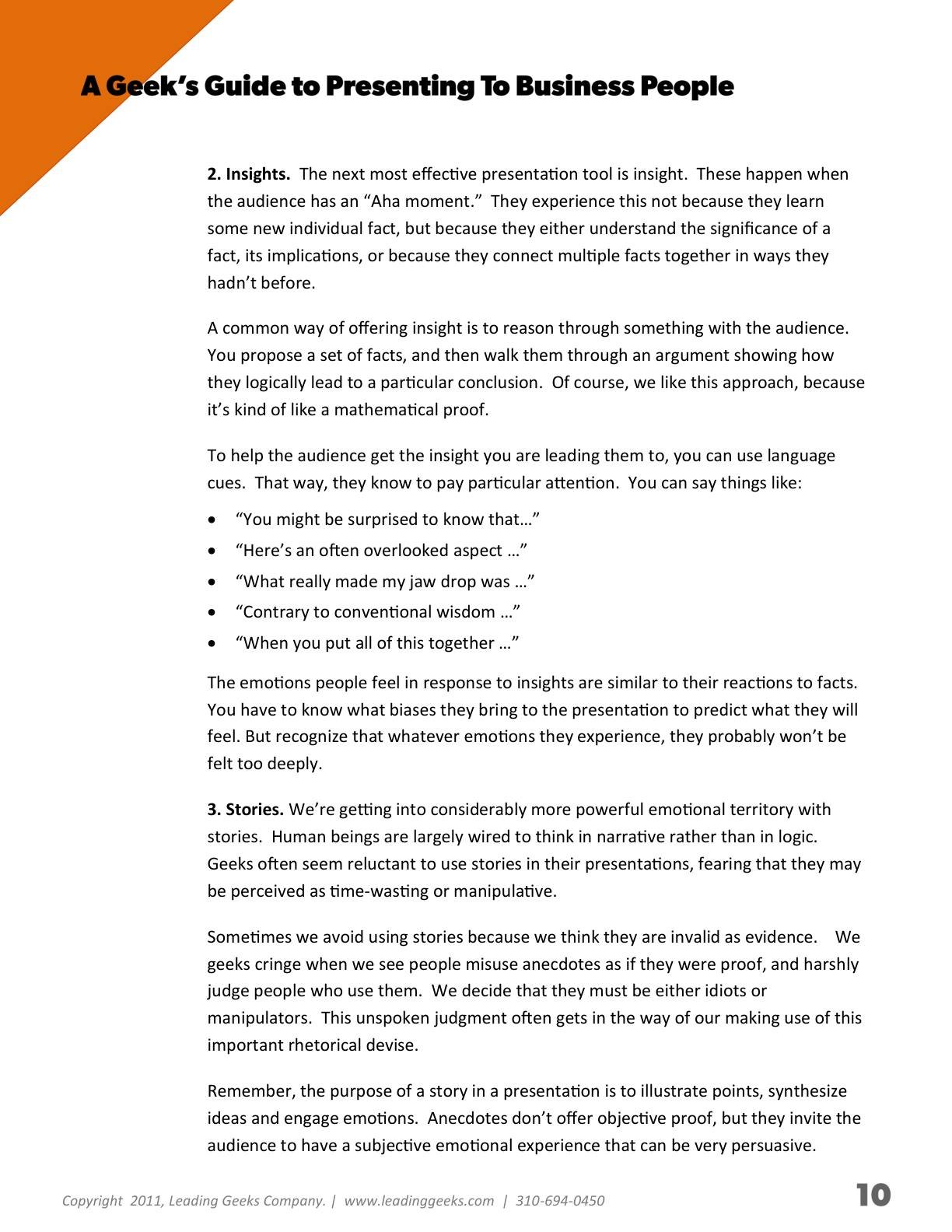
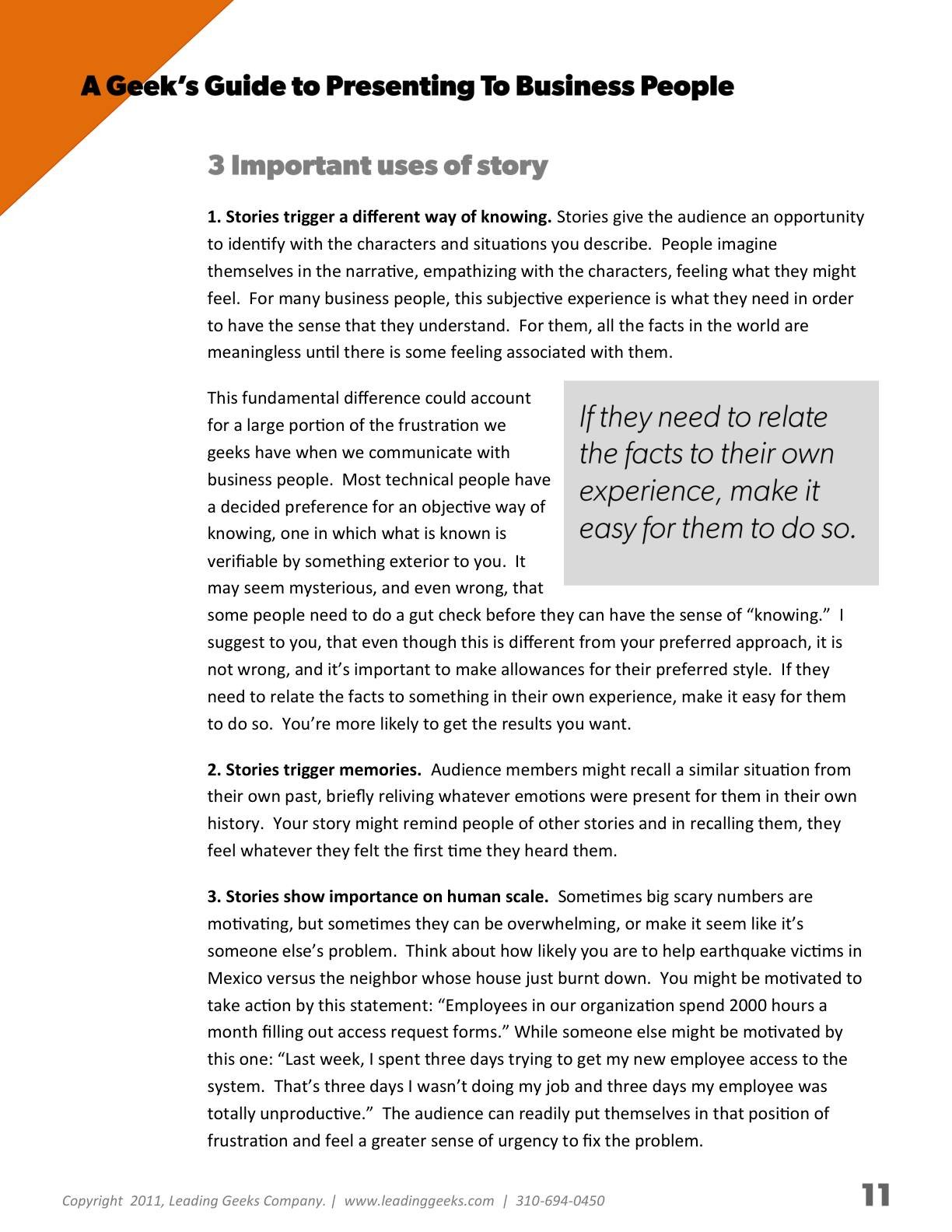
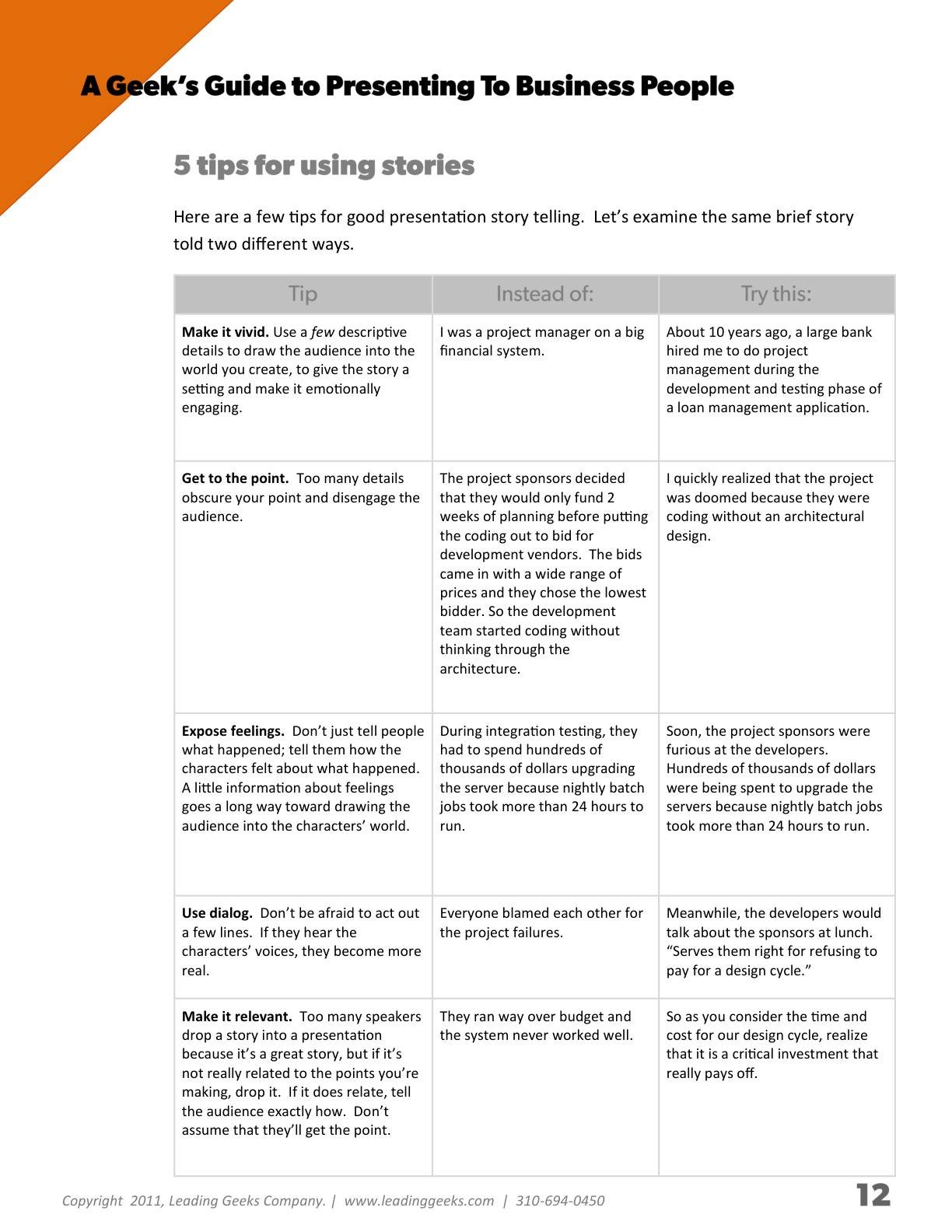
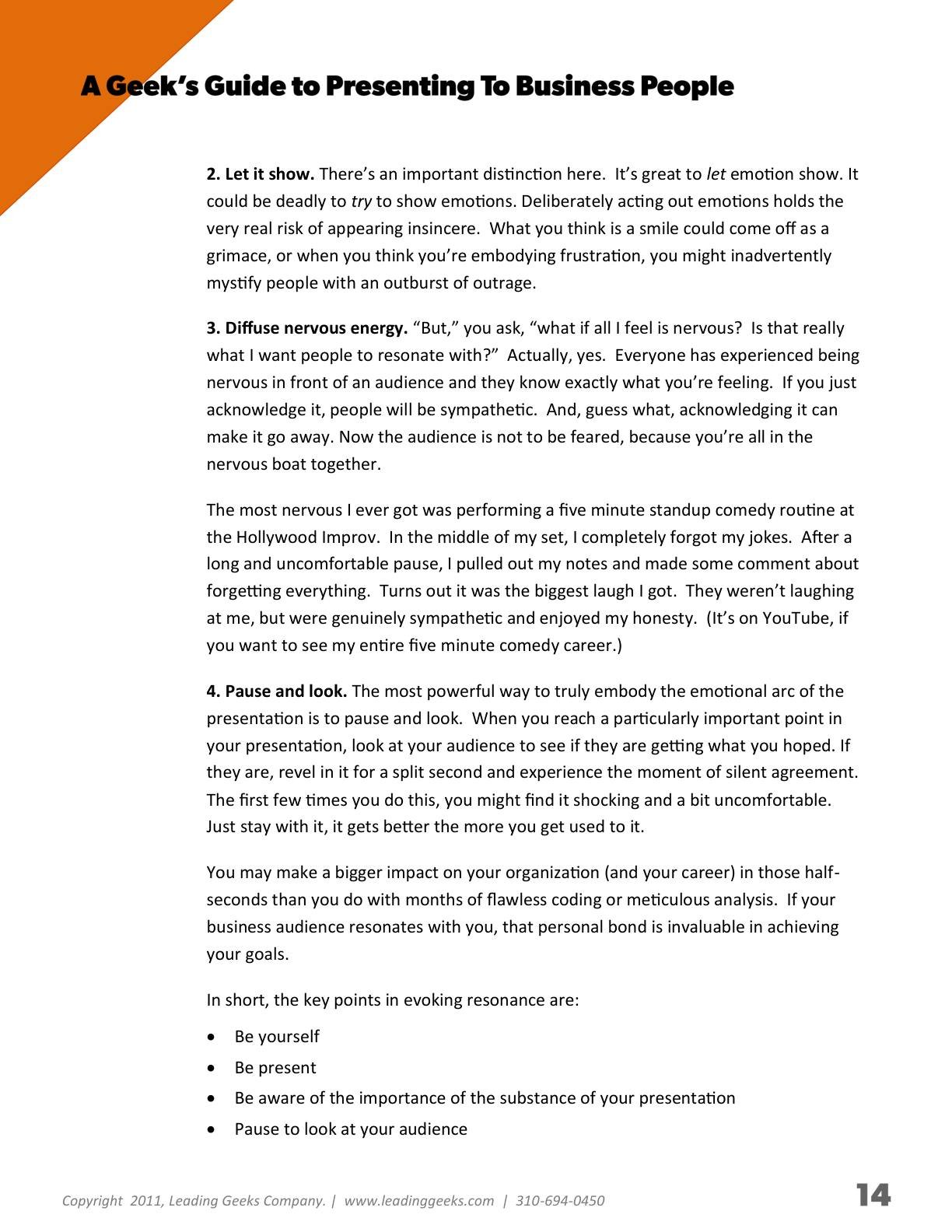
How do you make a complex idea useful to a business audience?
Relay · Relay in 60 seconds, with objection handling
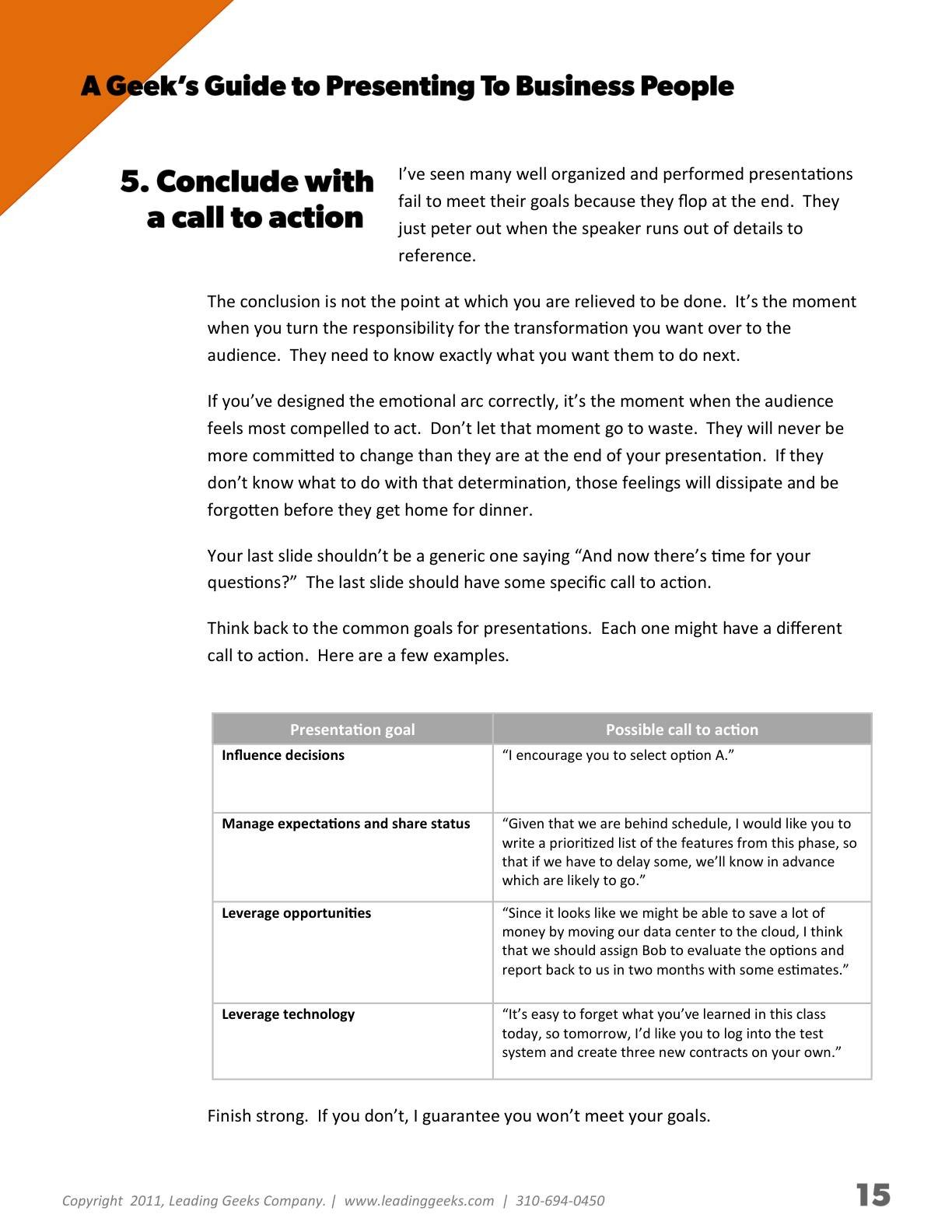
What working agreements help a team make and execute better decisions?
Relay · Maya and Daniel's founder working agreement
Module 02
Move from observed needs to a focused market proposition.
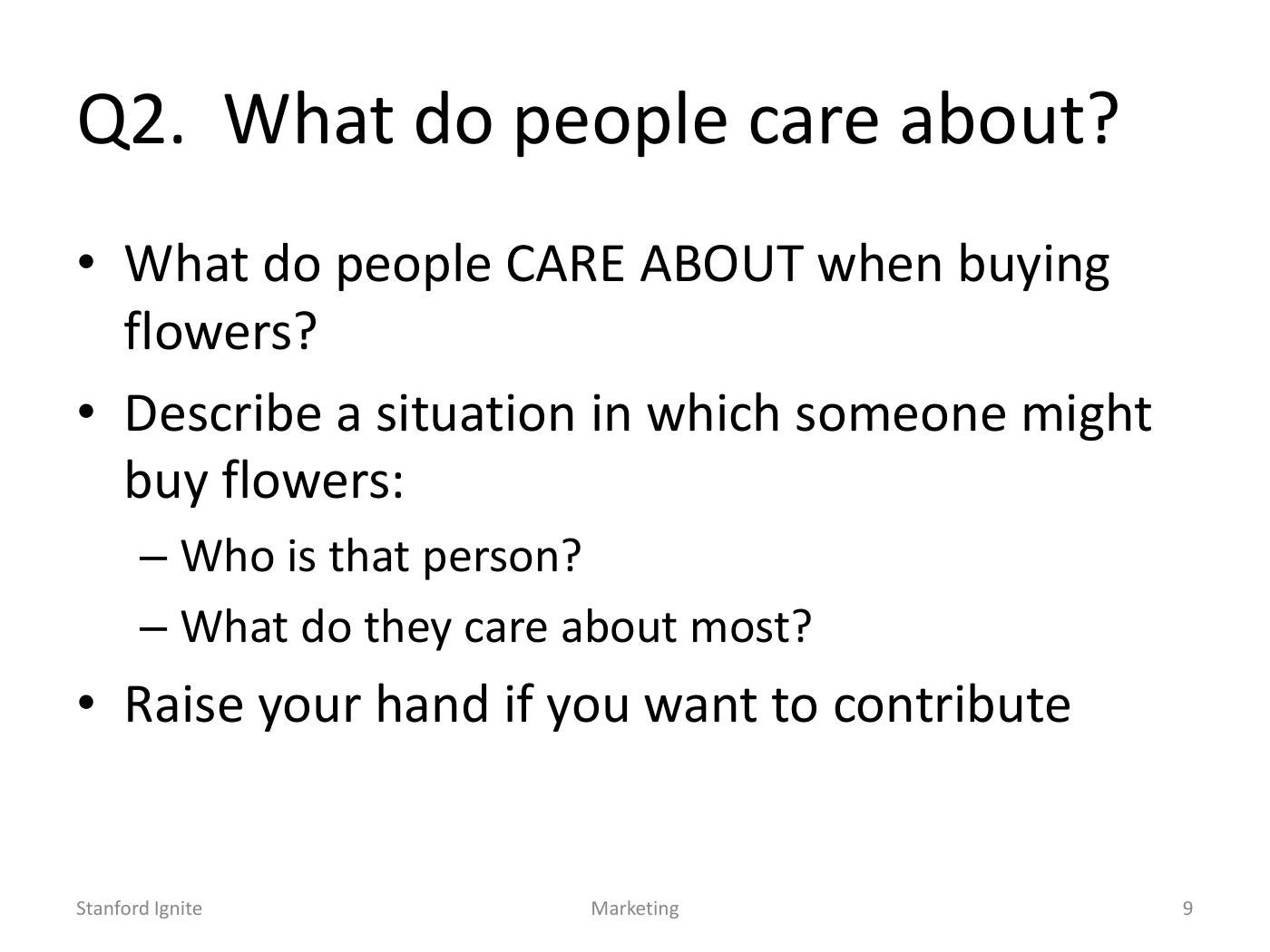
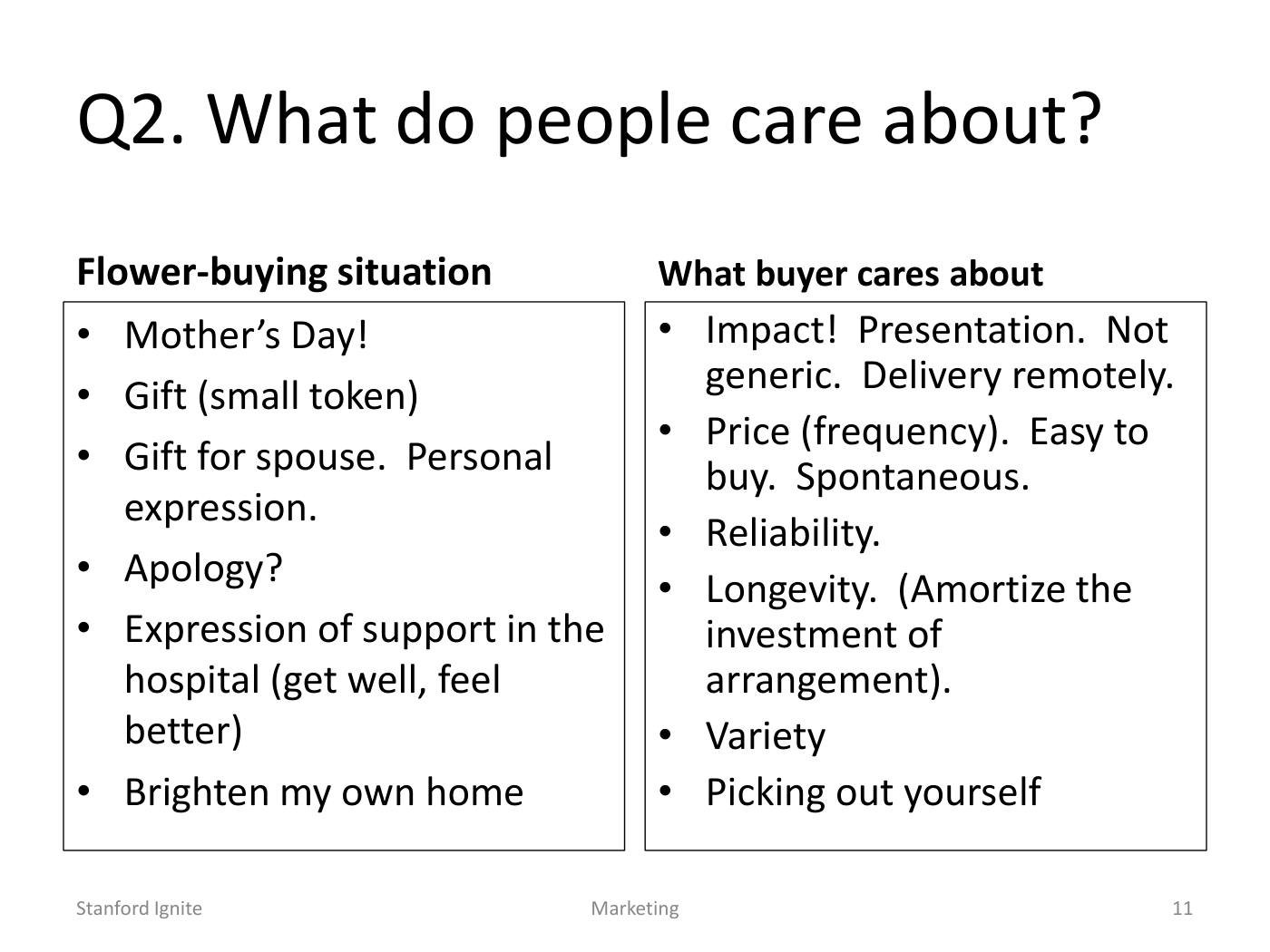
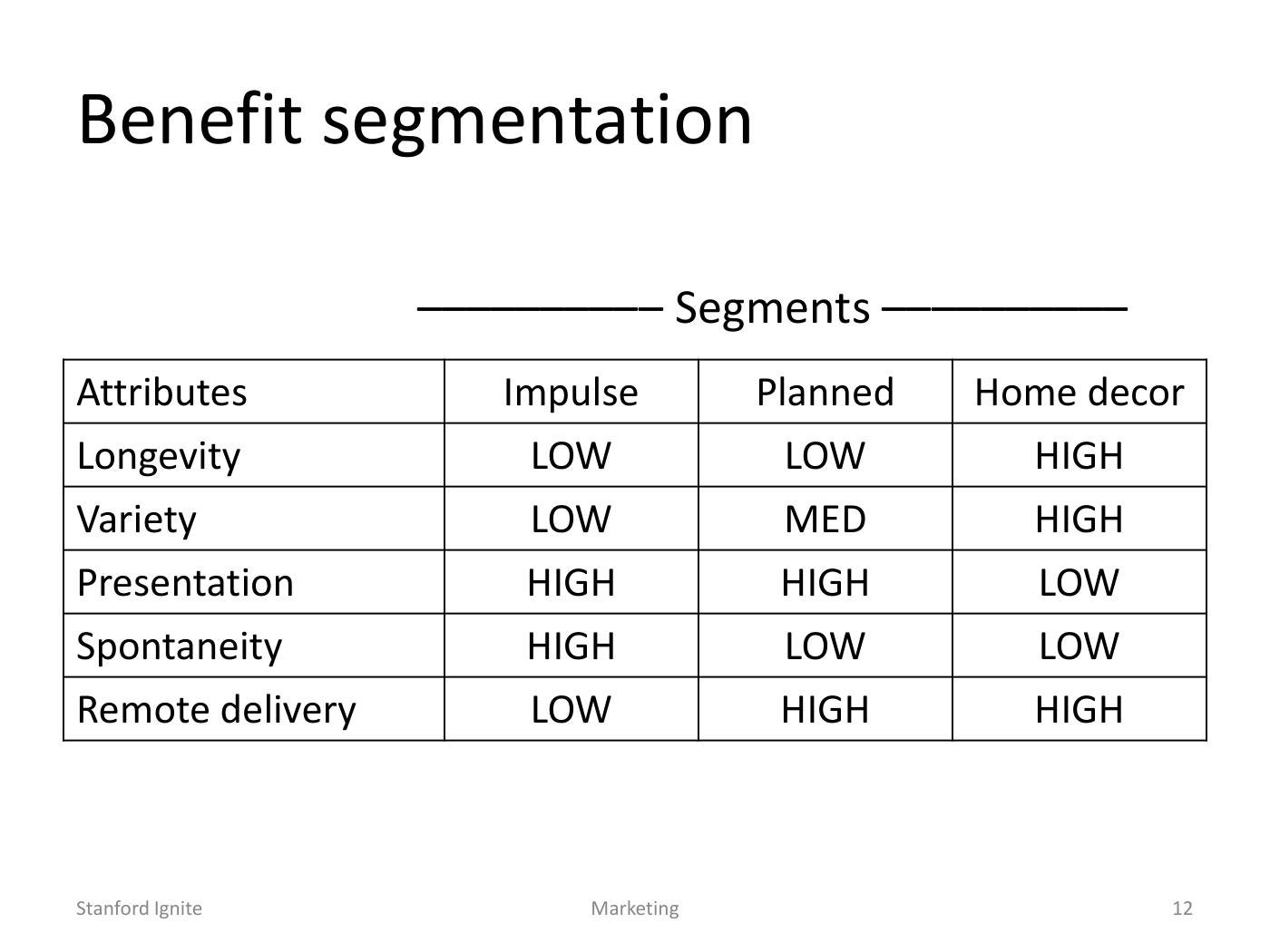
You will makeAn evidence log, problem frame, prototype, segment choice, positioning and route to market.
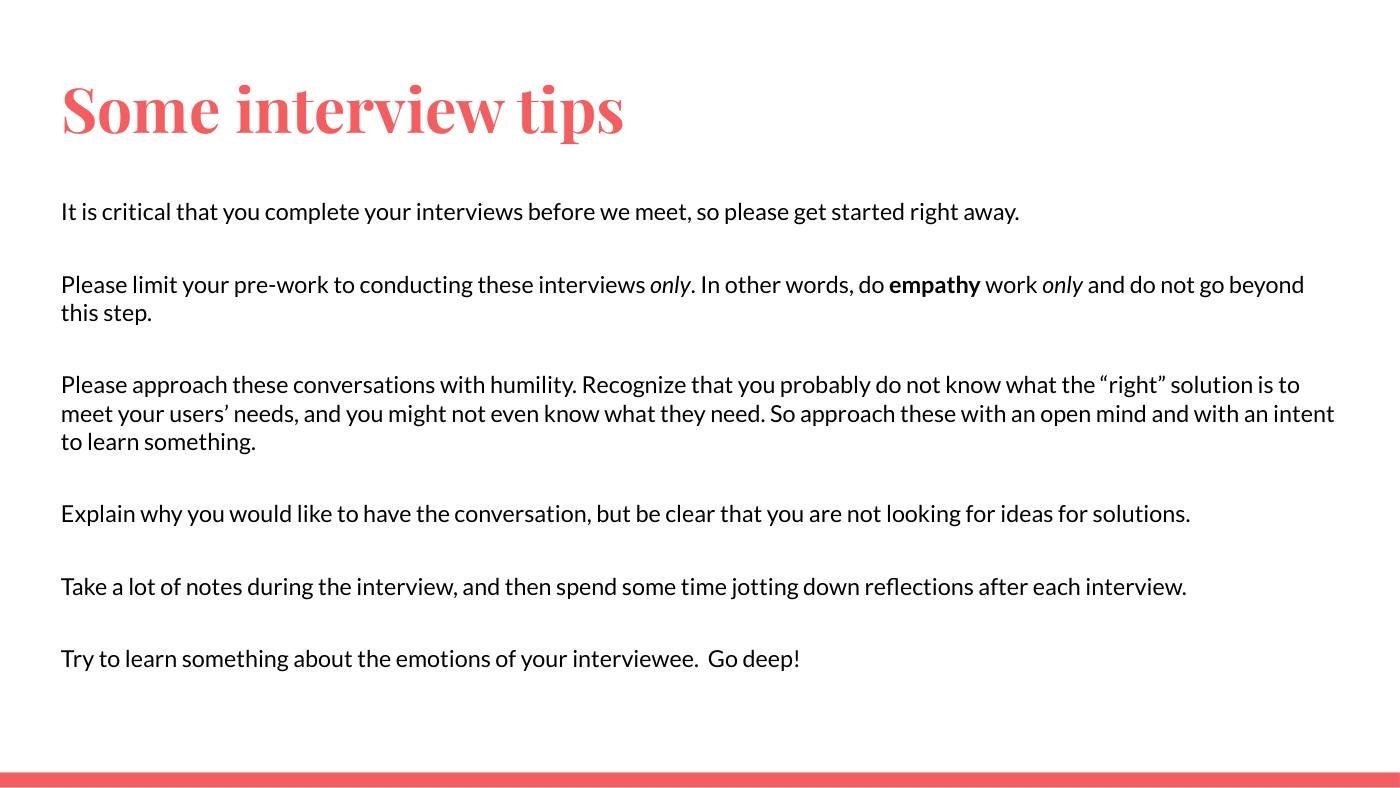
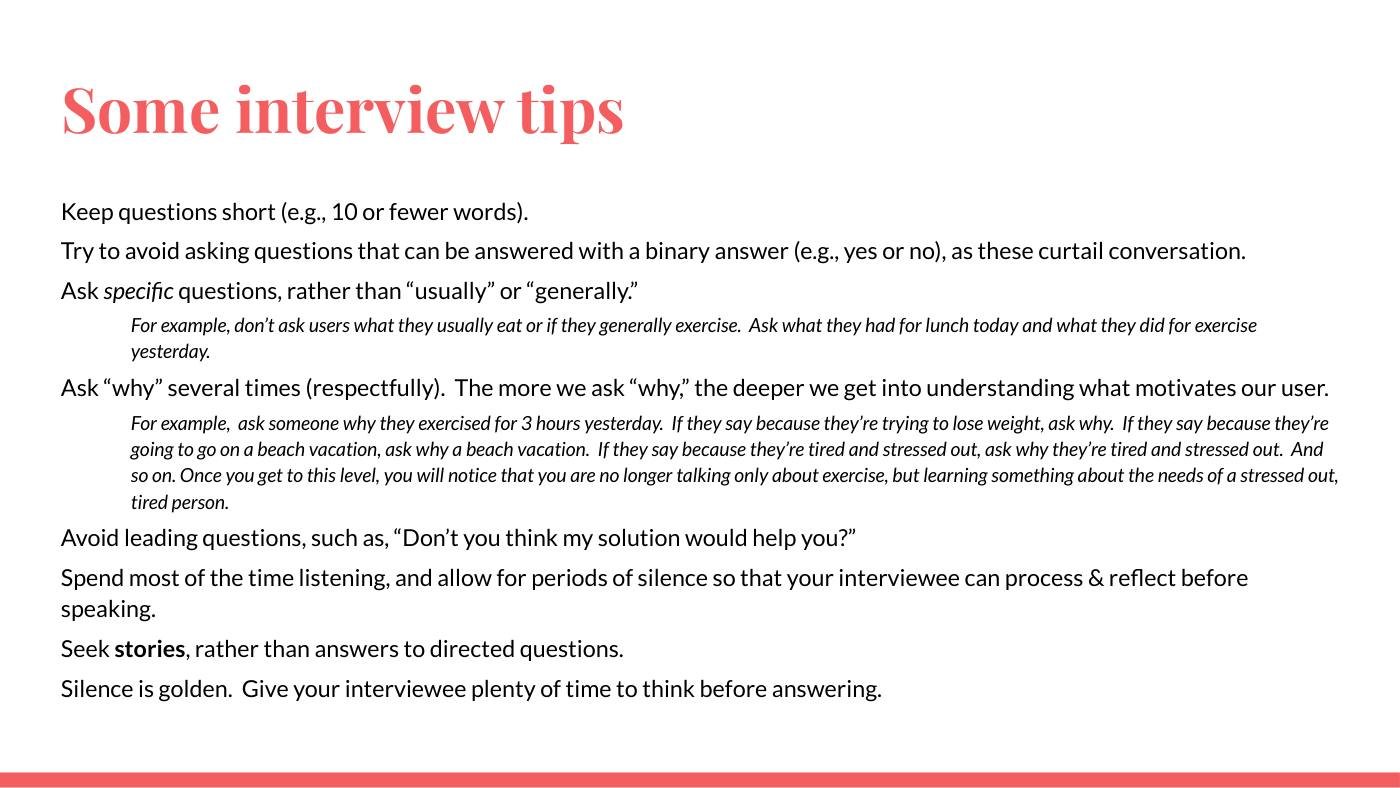
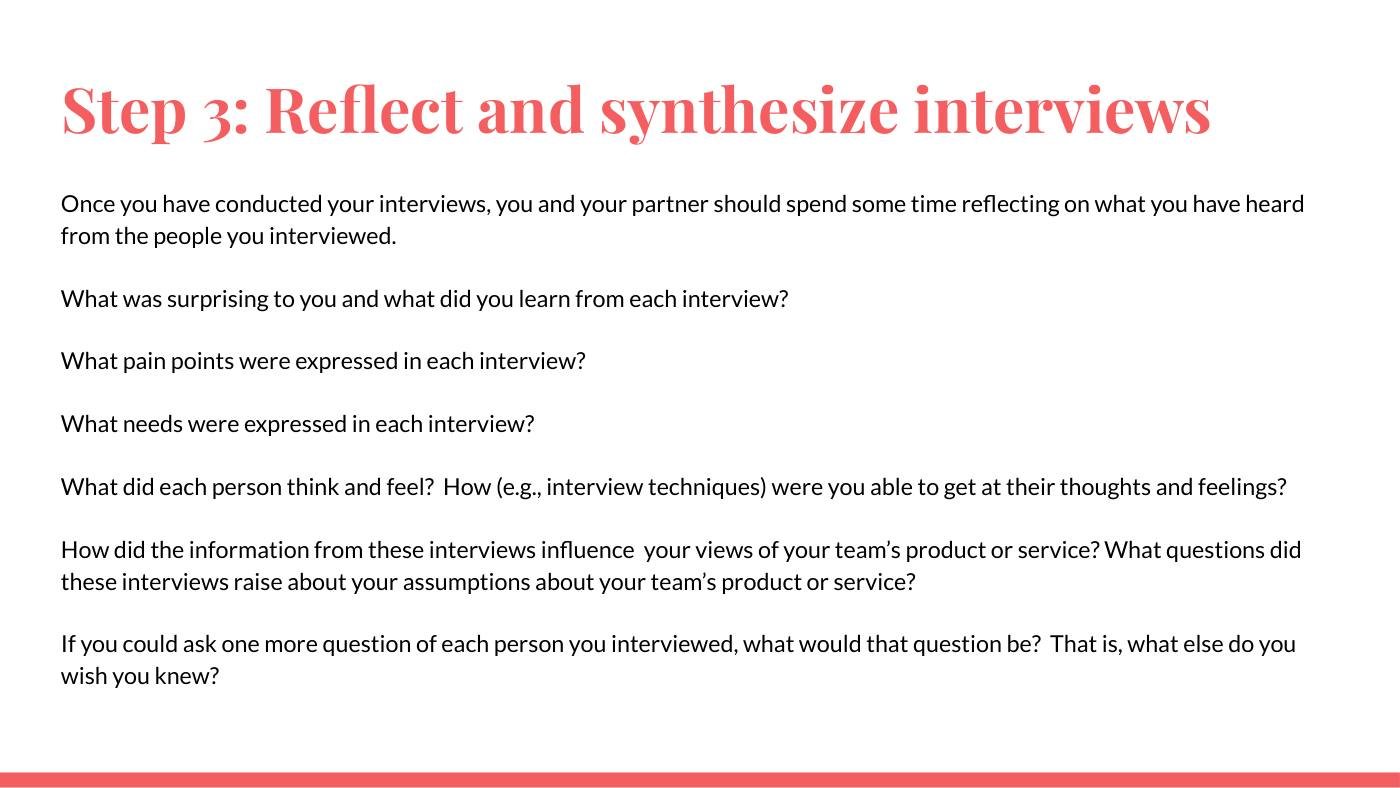
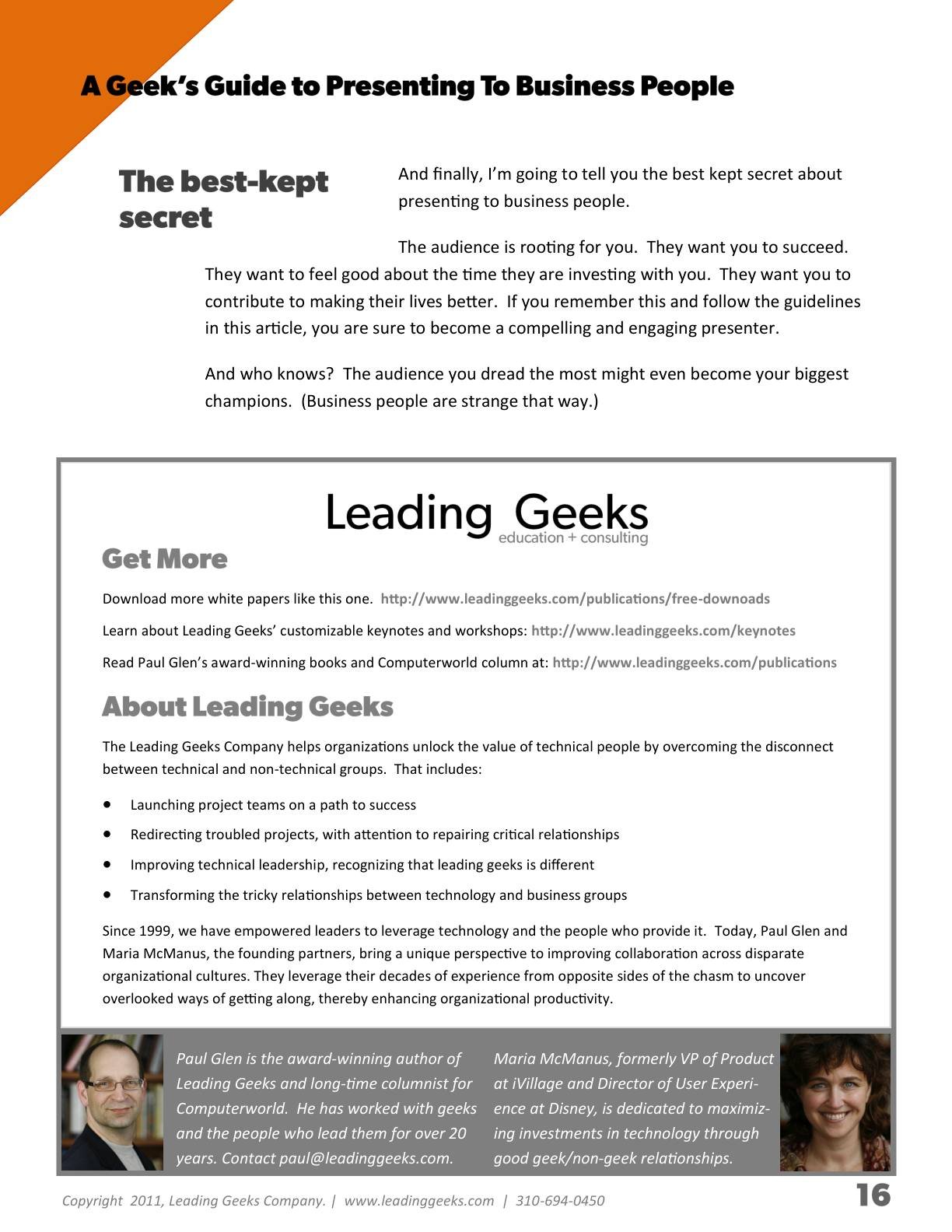
How can you uncover a need without pitching your solution?
Relay · Front-desk empathy plan and interview guide
How can reframing a need lead to a more useful prototype?
Relay · Reframe the problem and design the Wizard-of-Oz pilot
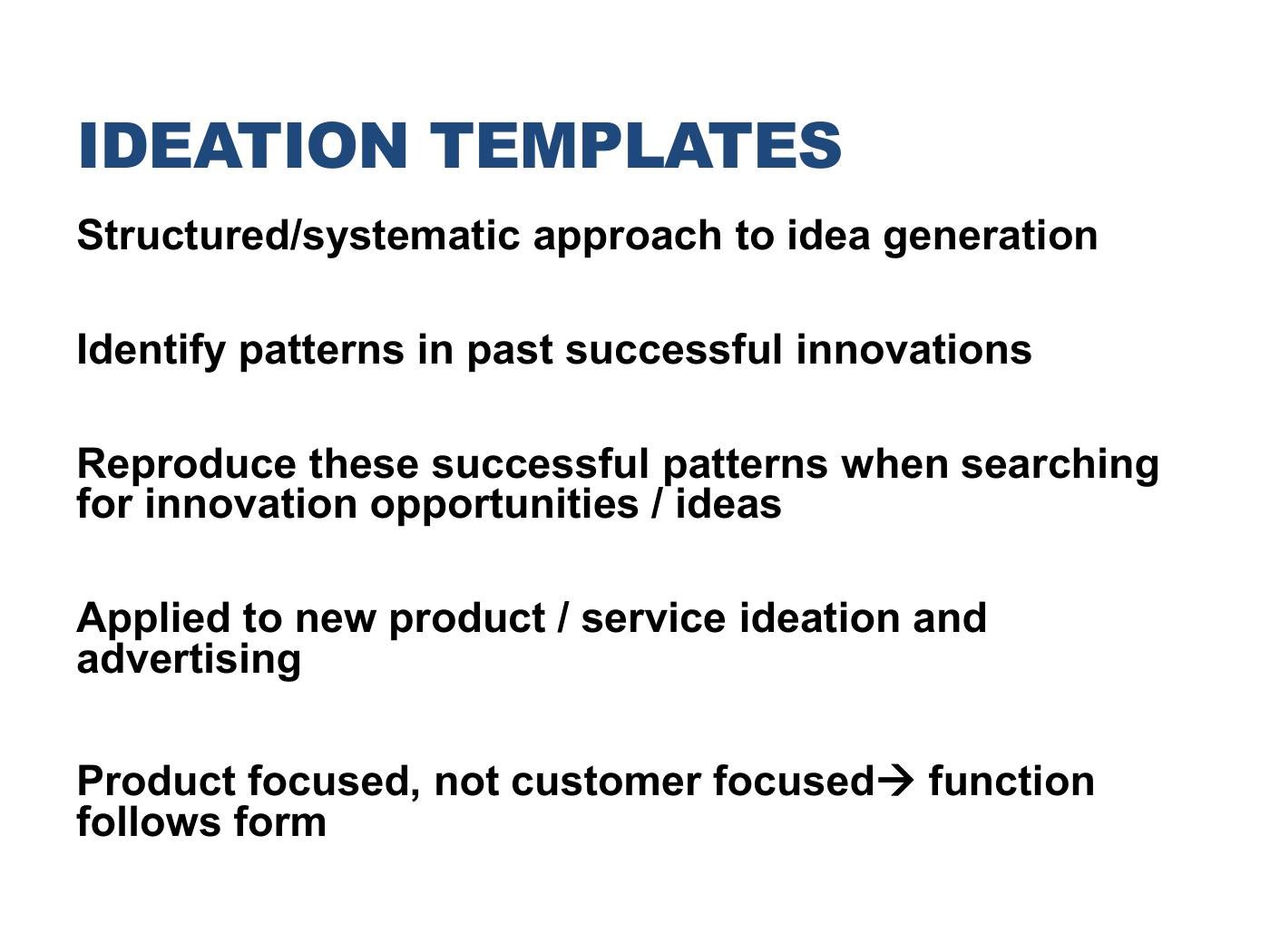
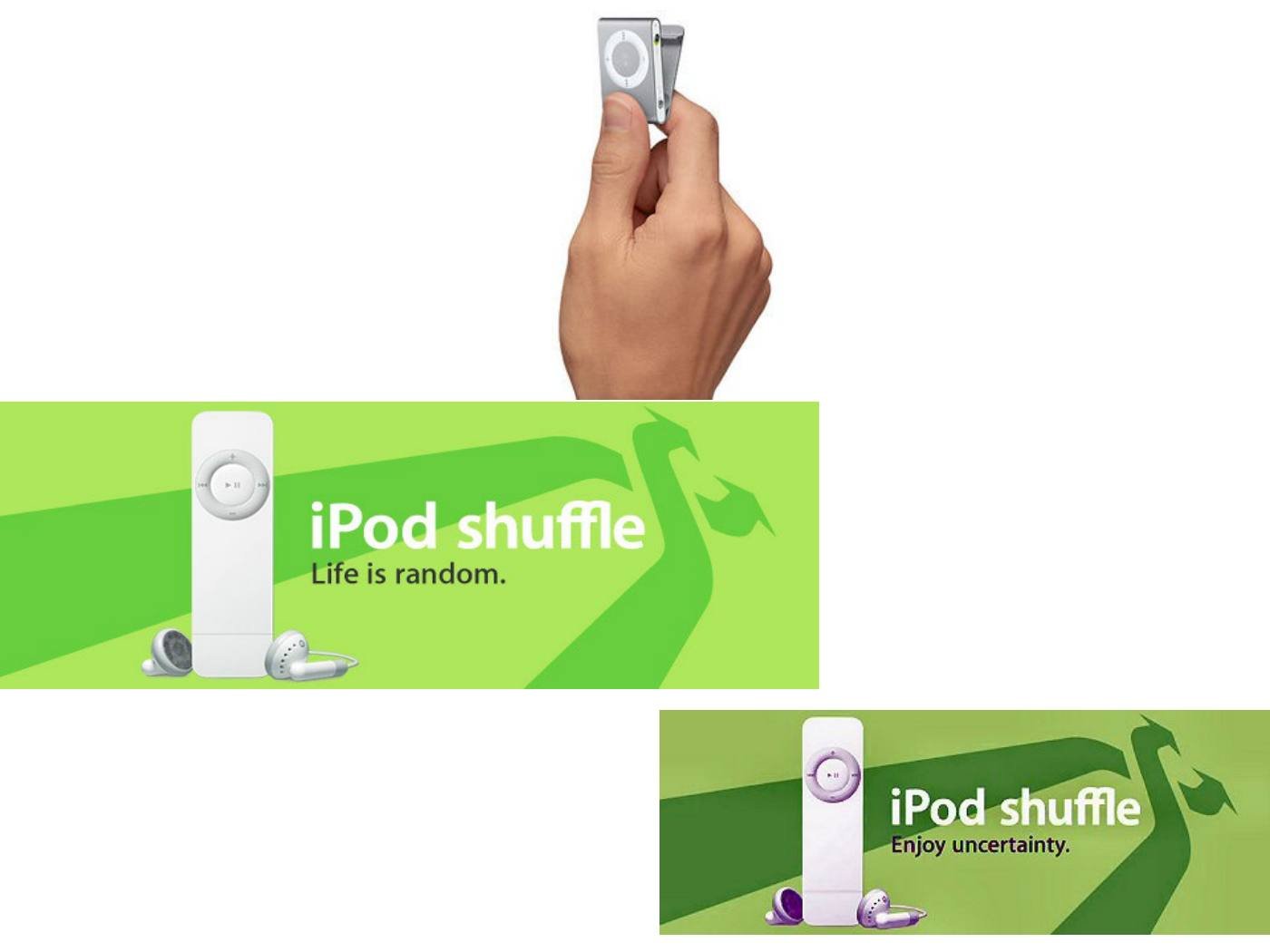
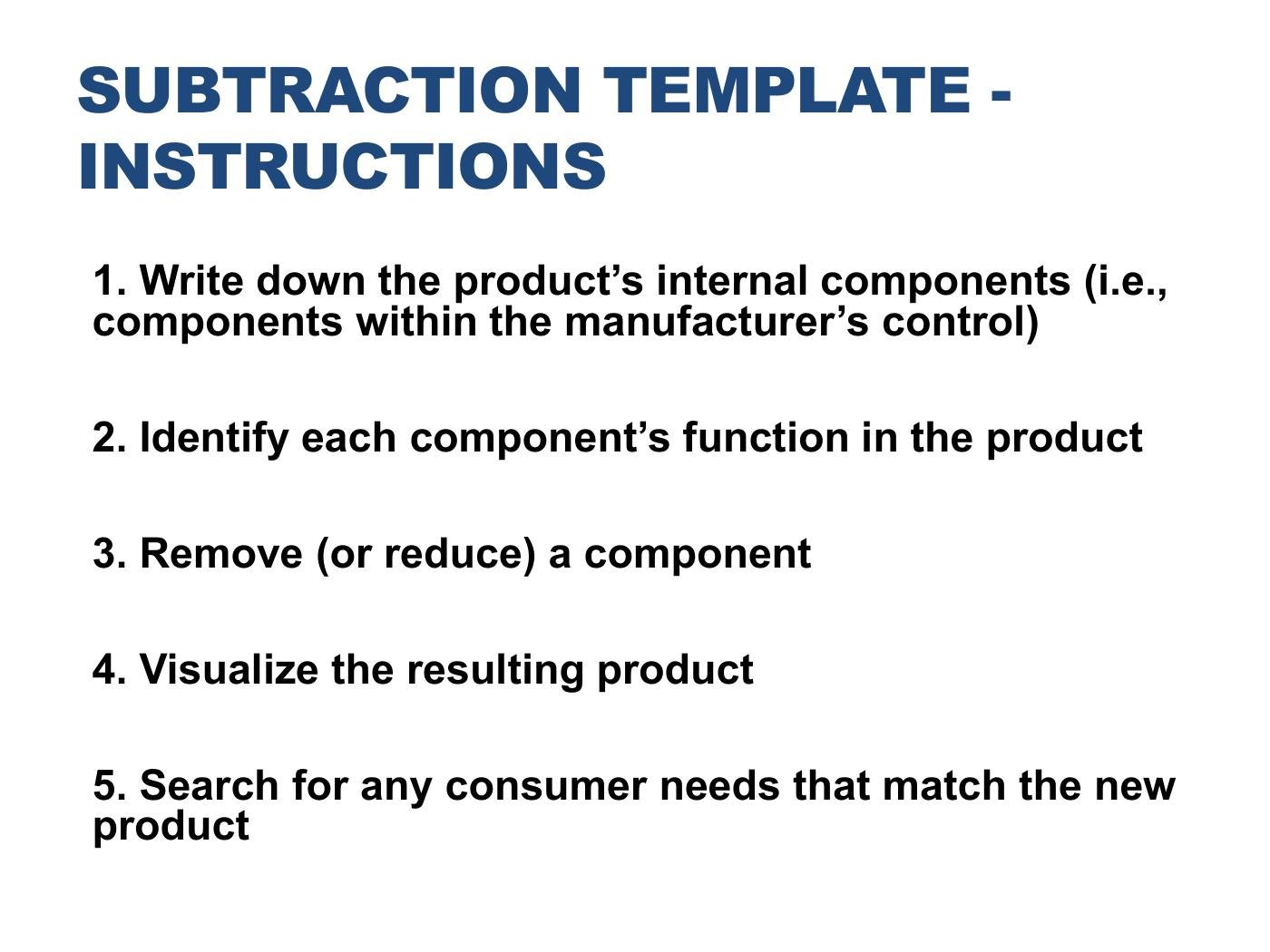
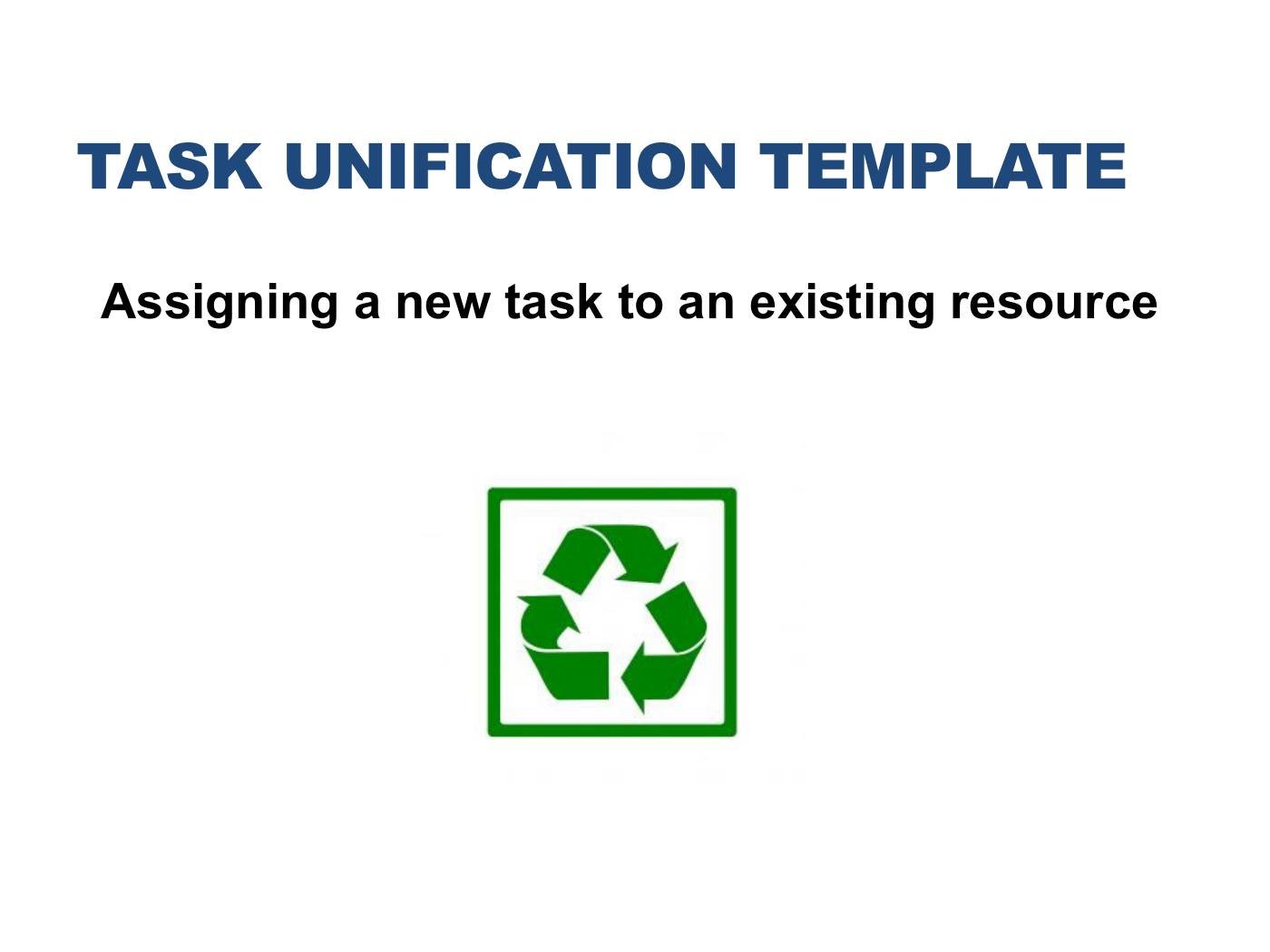
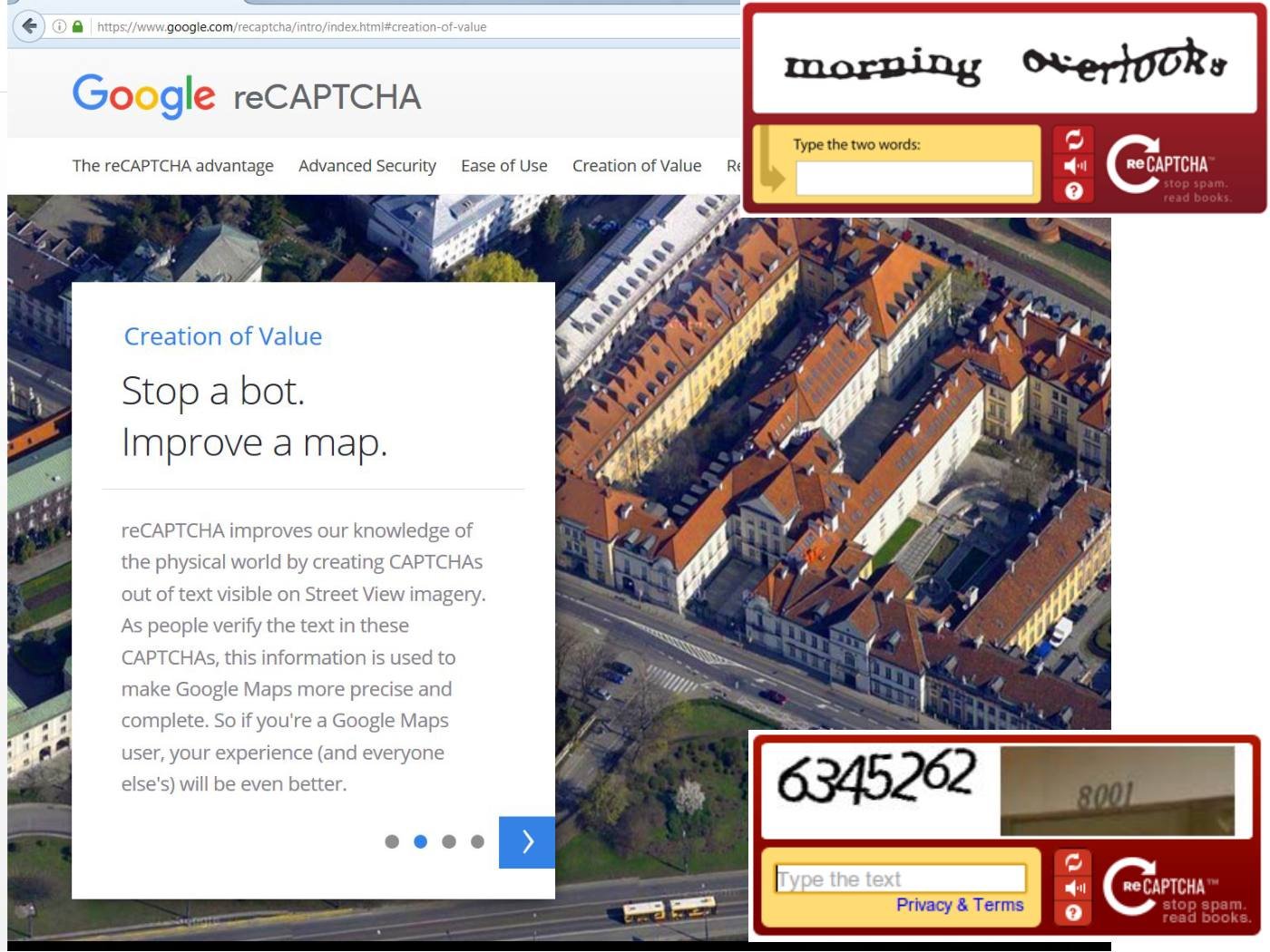
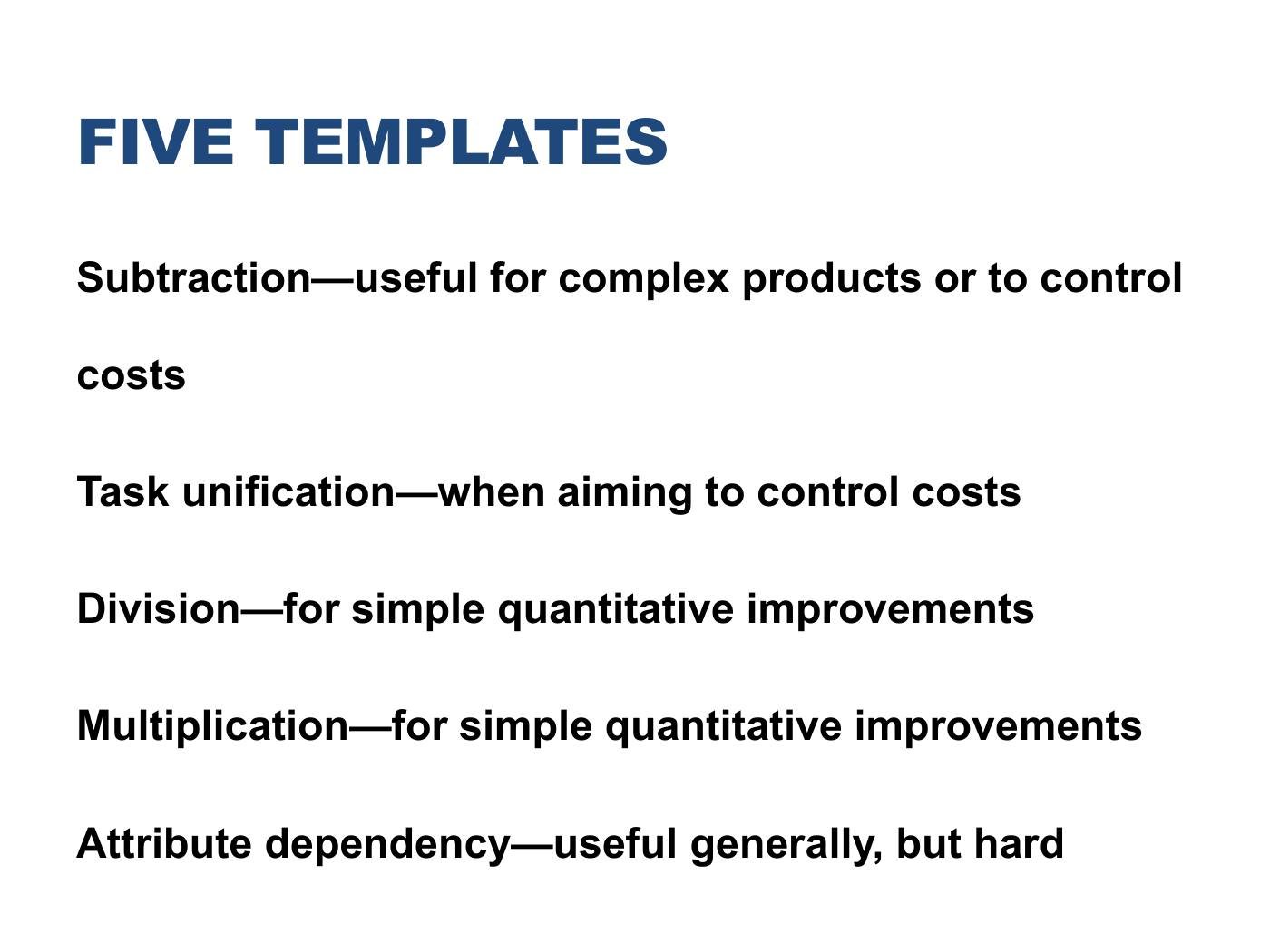
Can constraints create useful product ideas?
Relay · three Relay concepts from templates
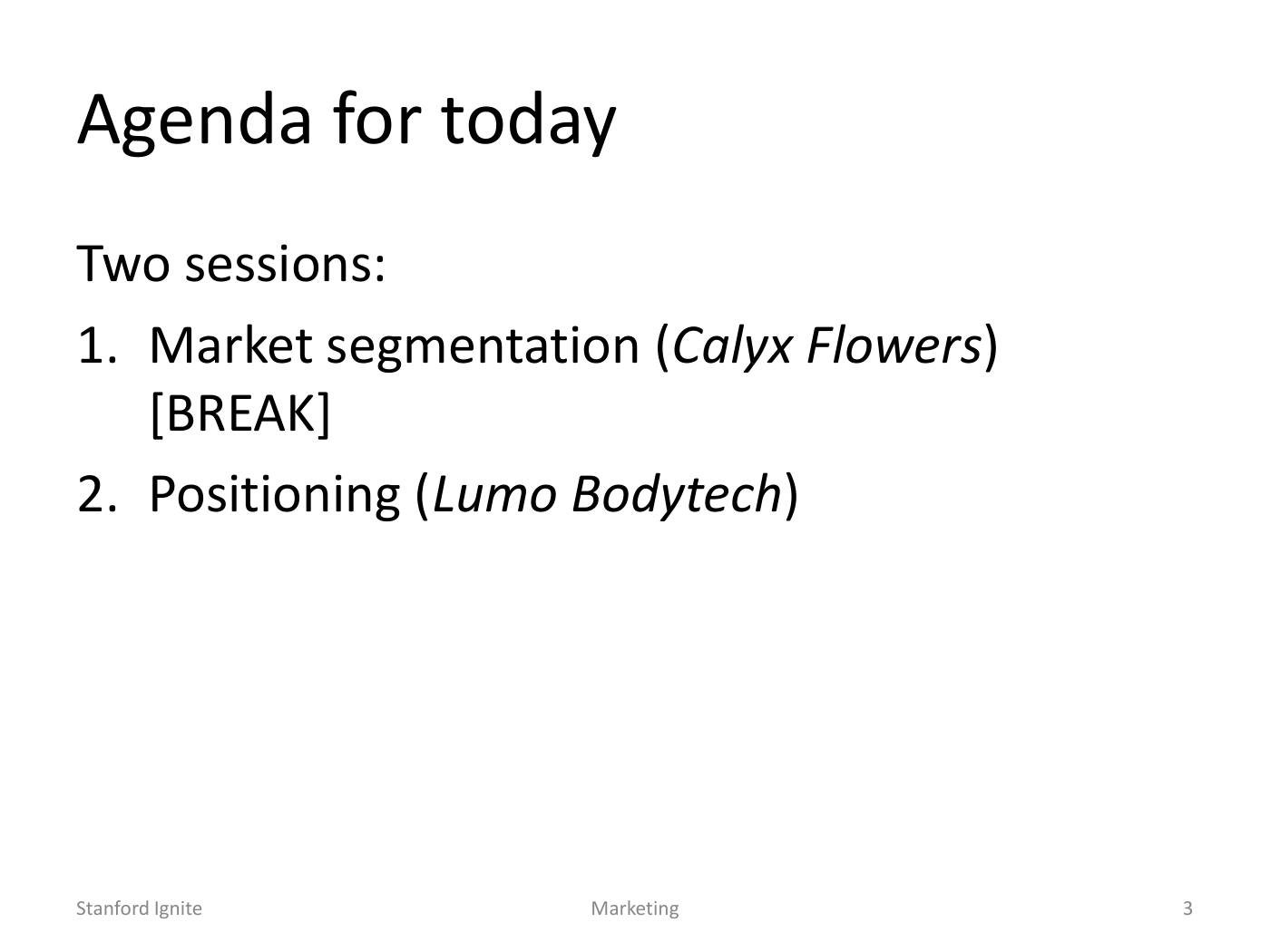
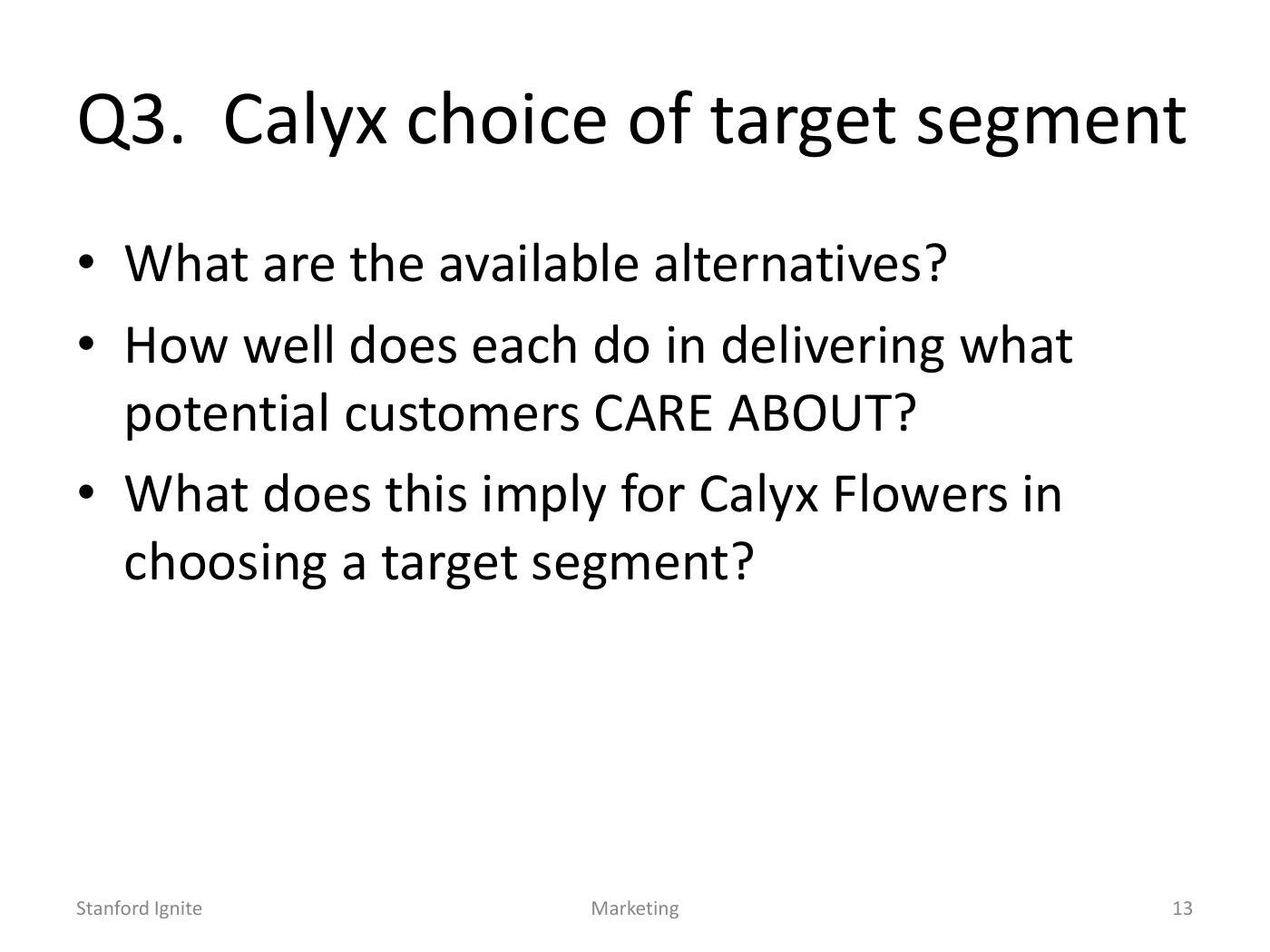
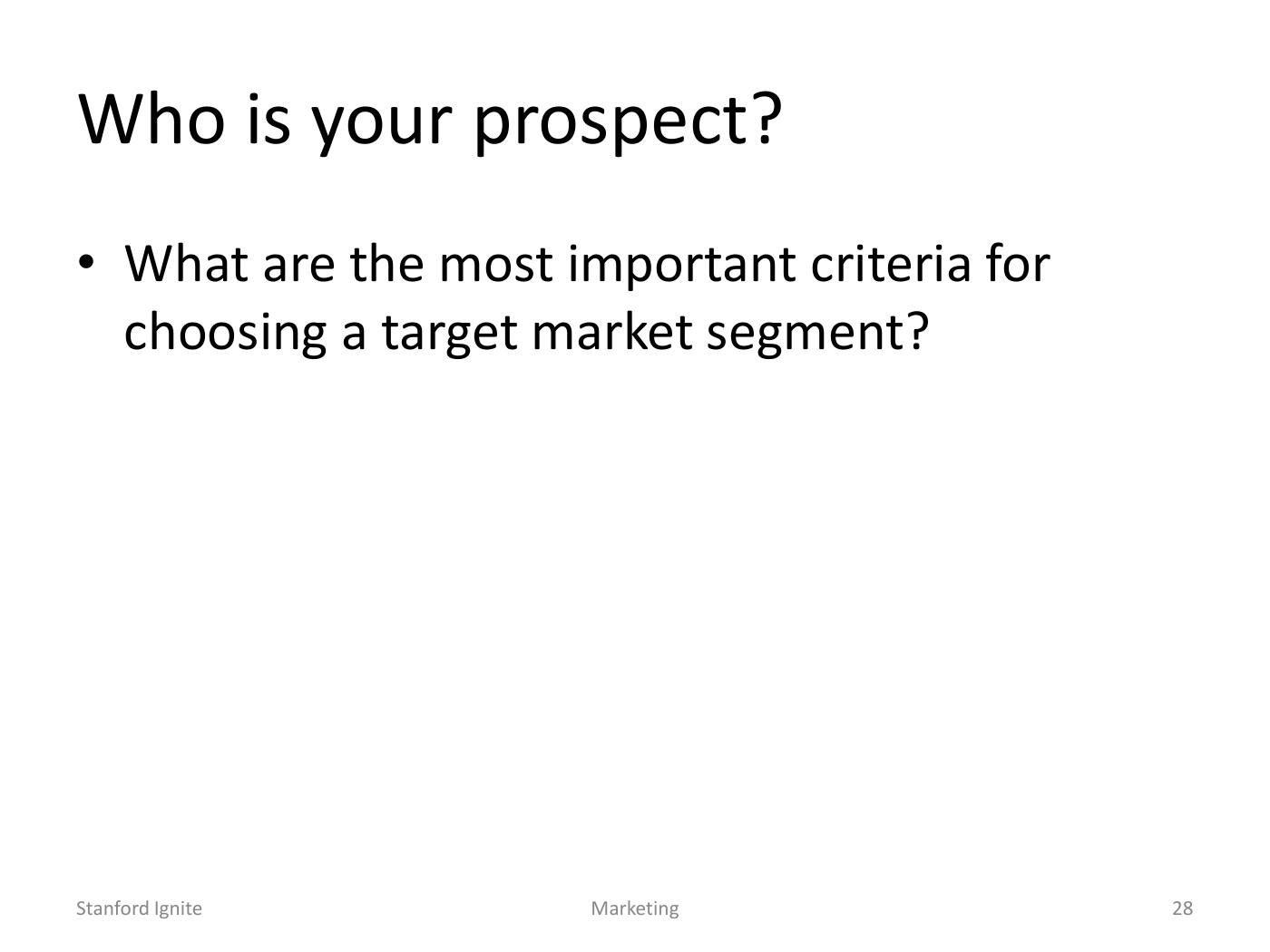
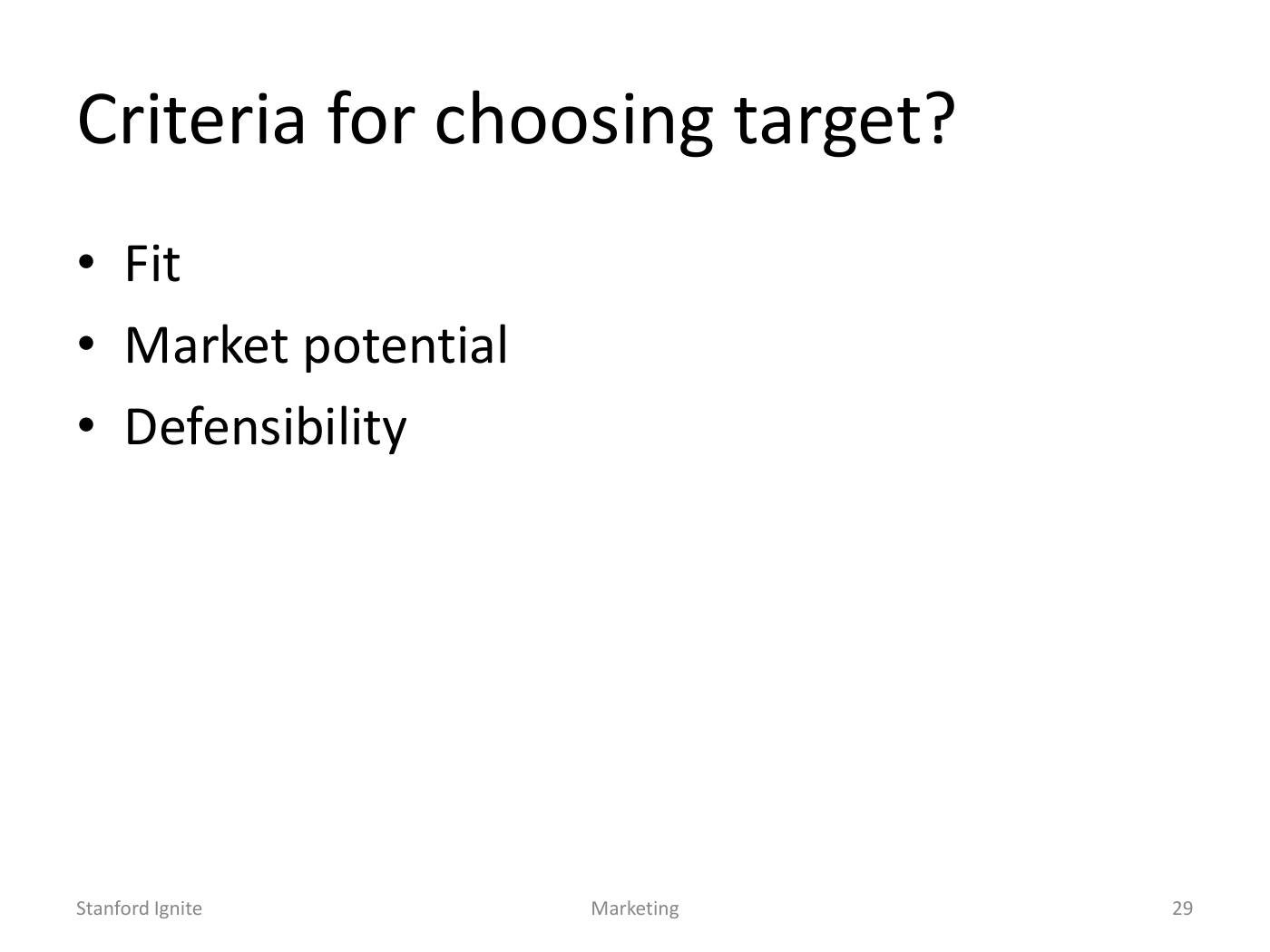
Which customer group fits the value you can actually deliver?
Relay · choose Relay's first target segment
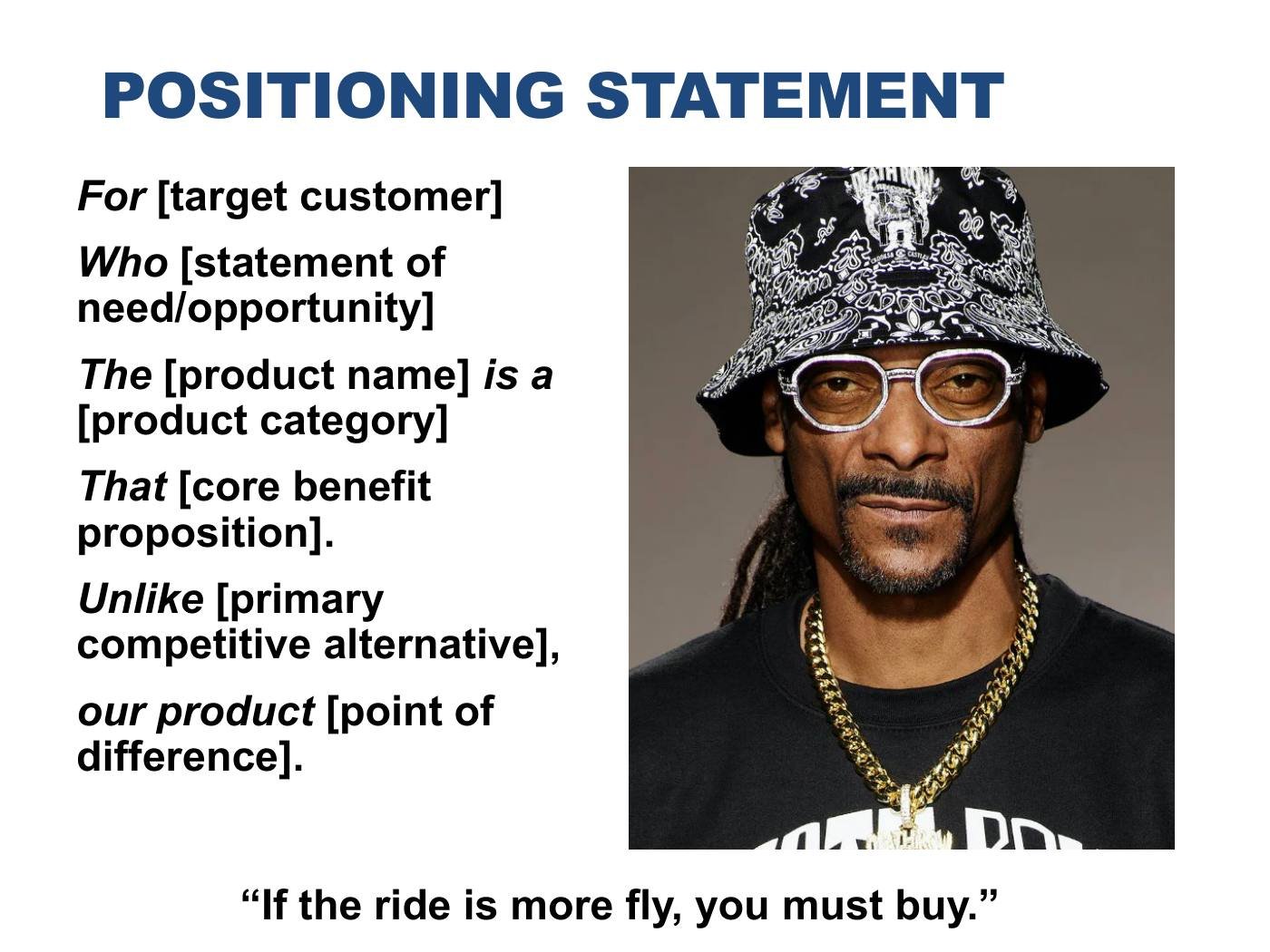
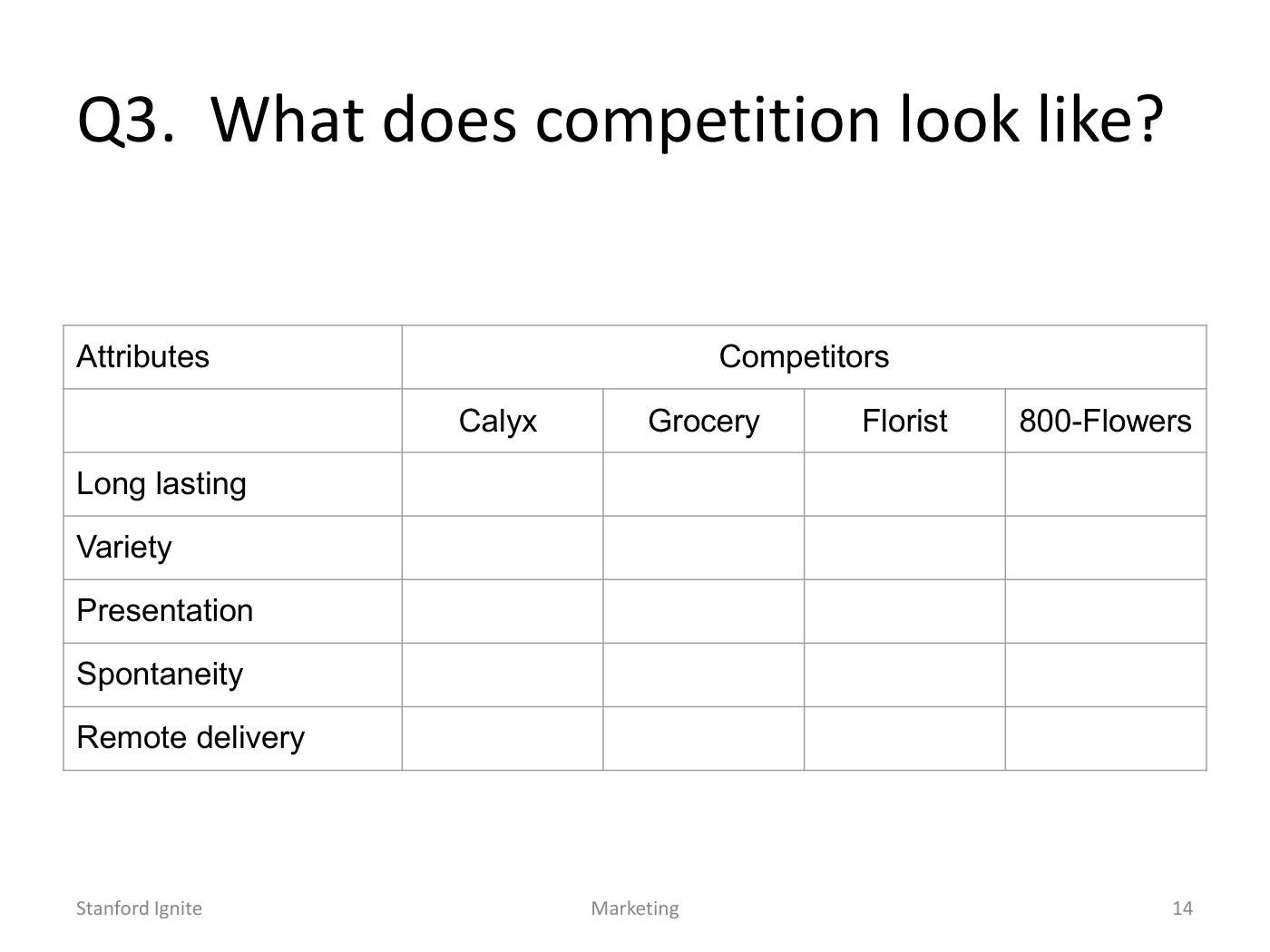
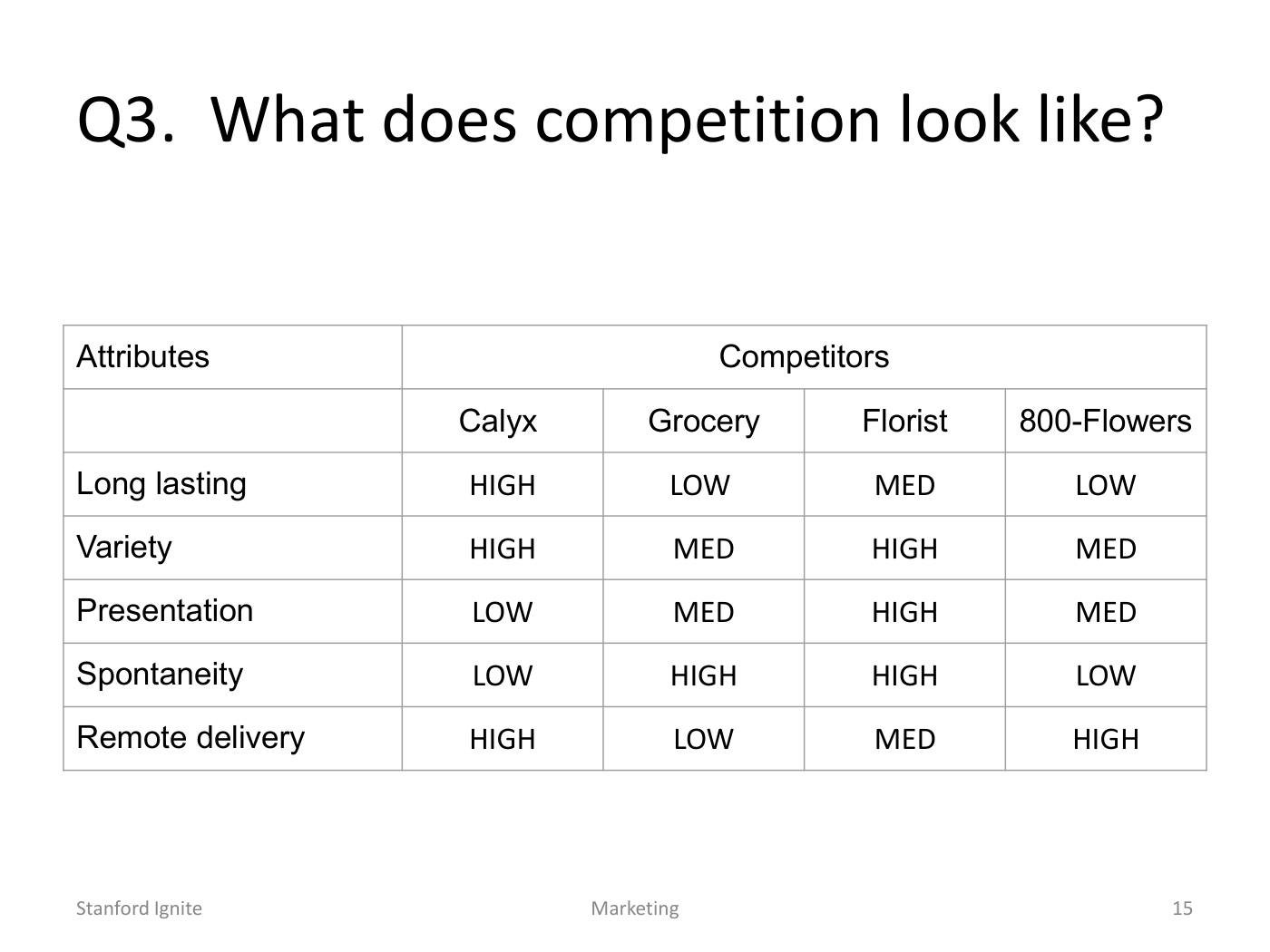
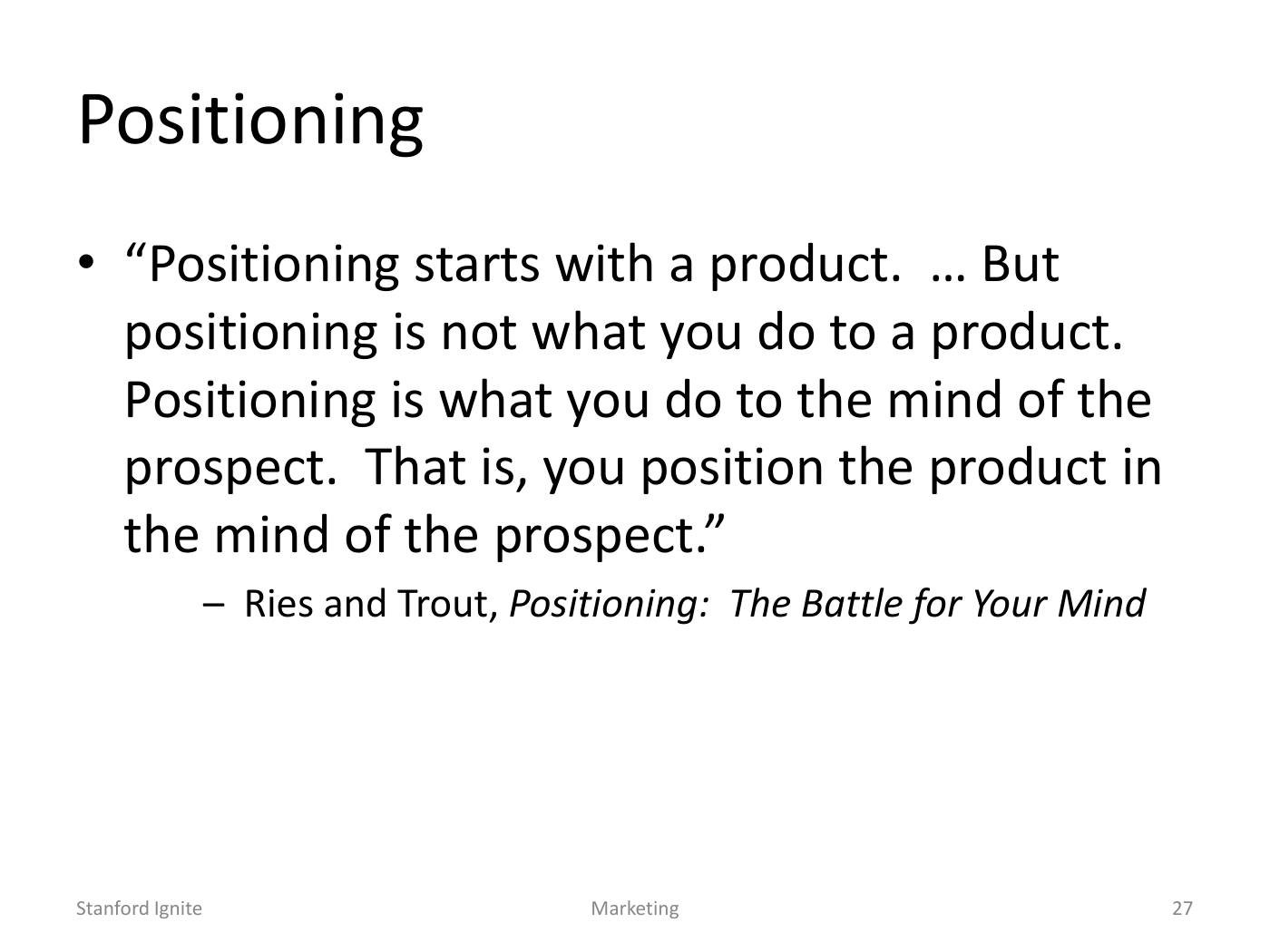
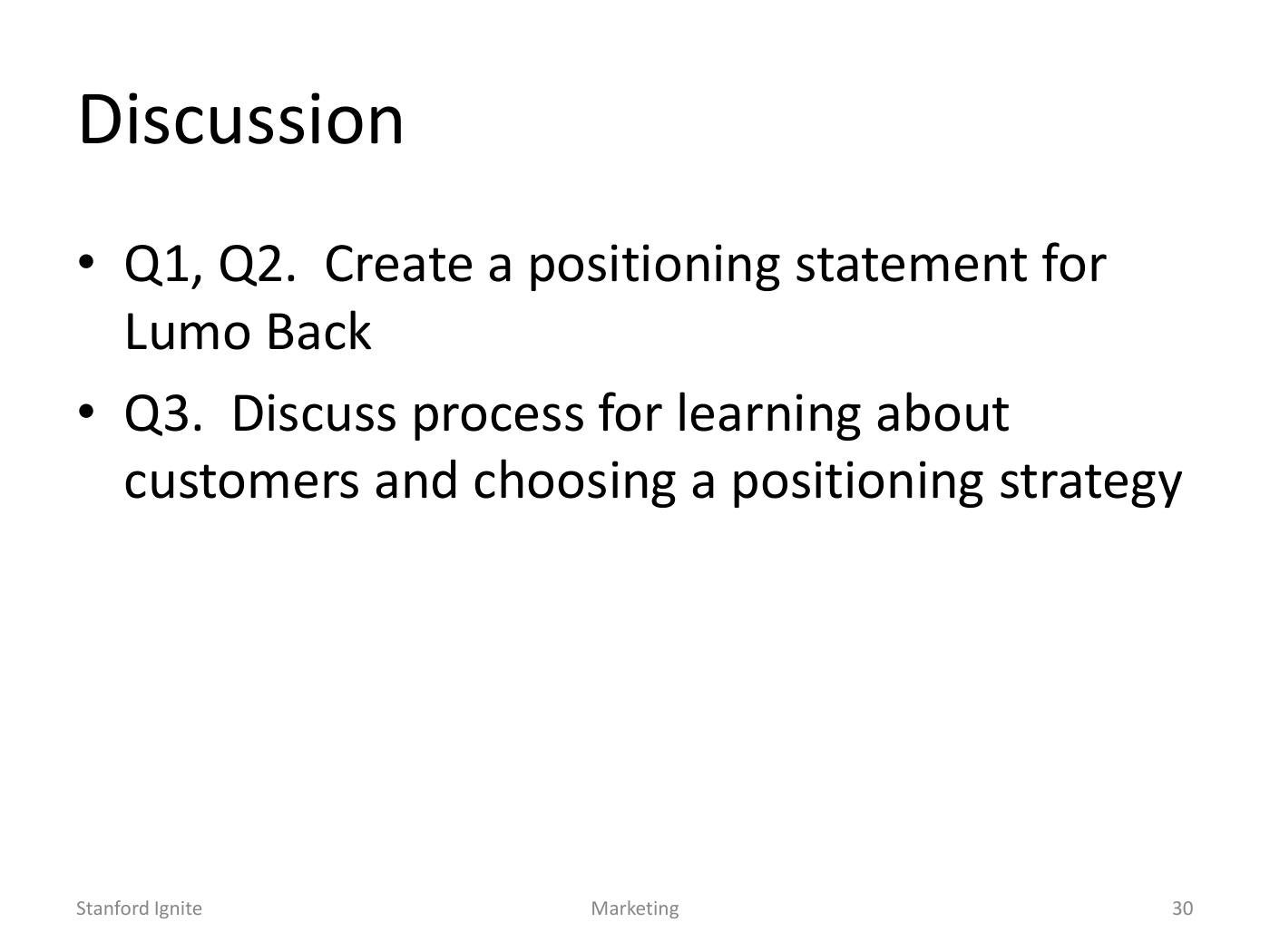
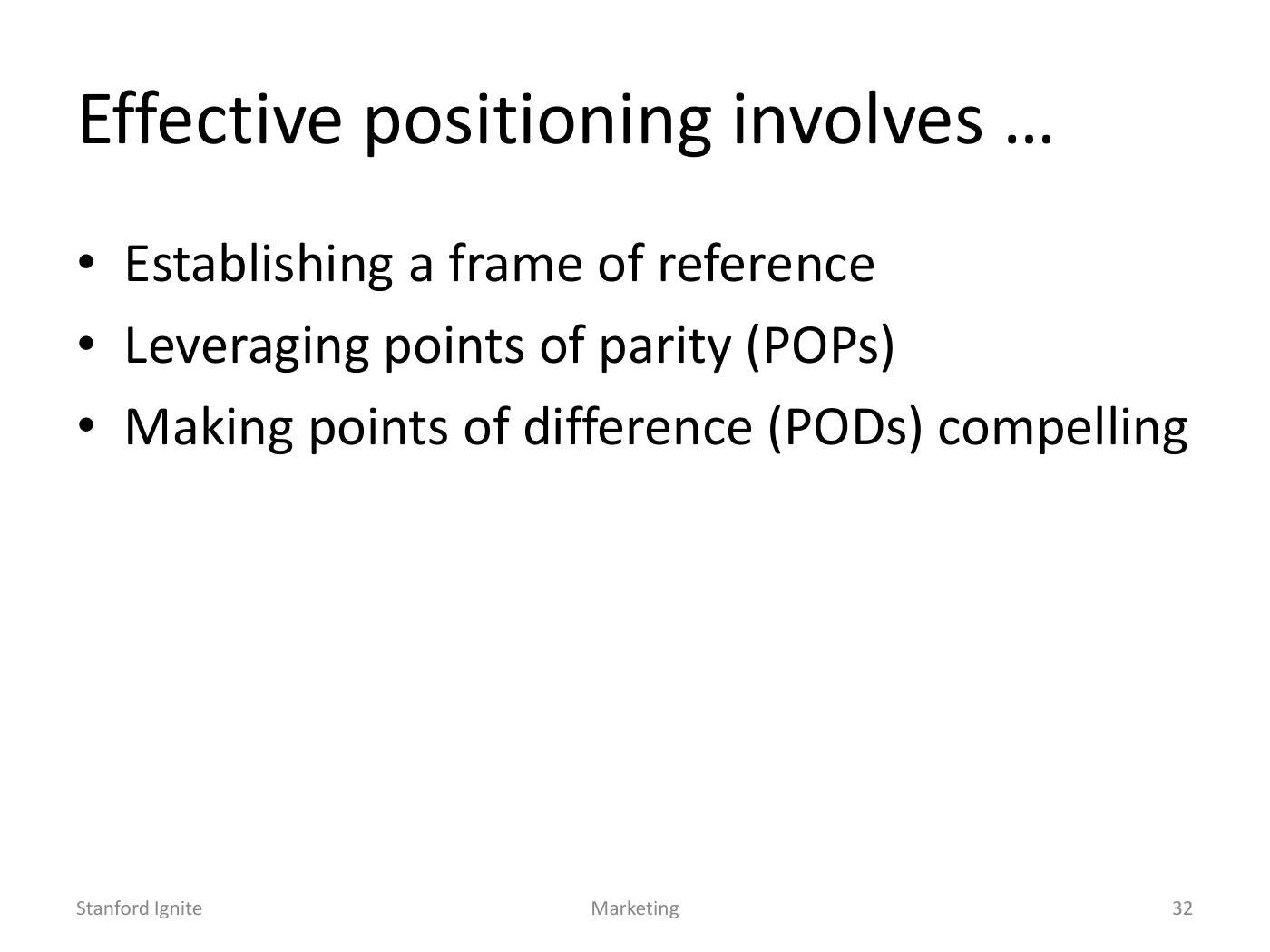
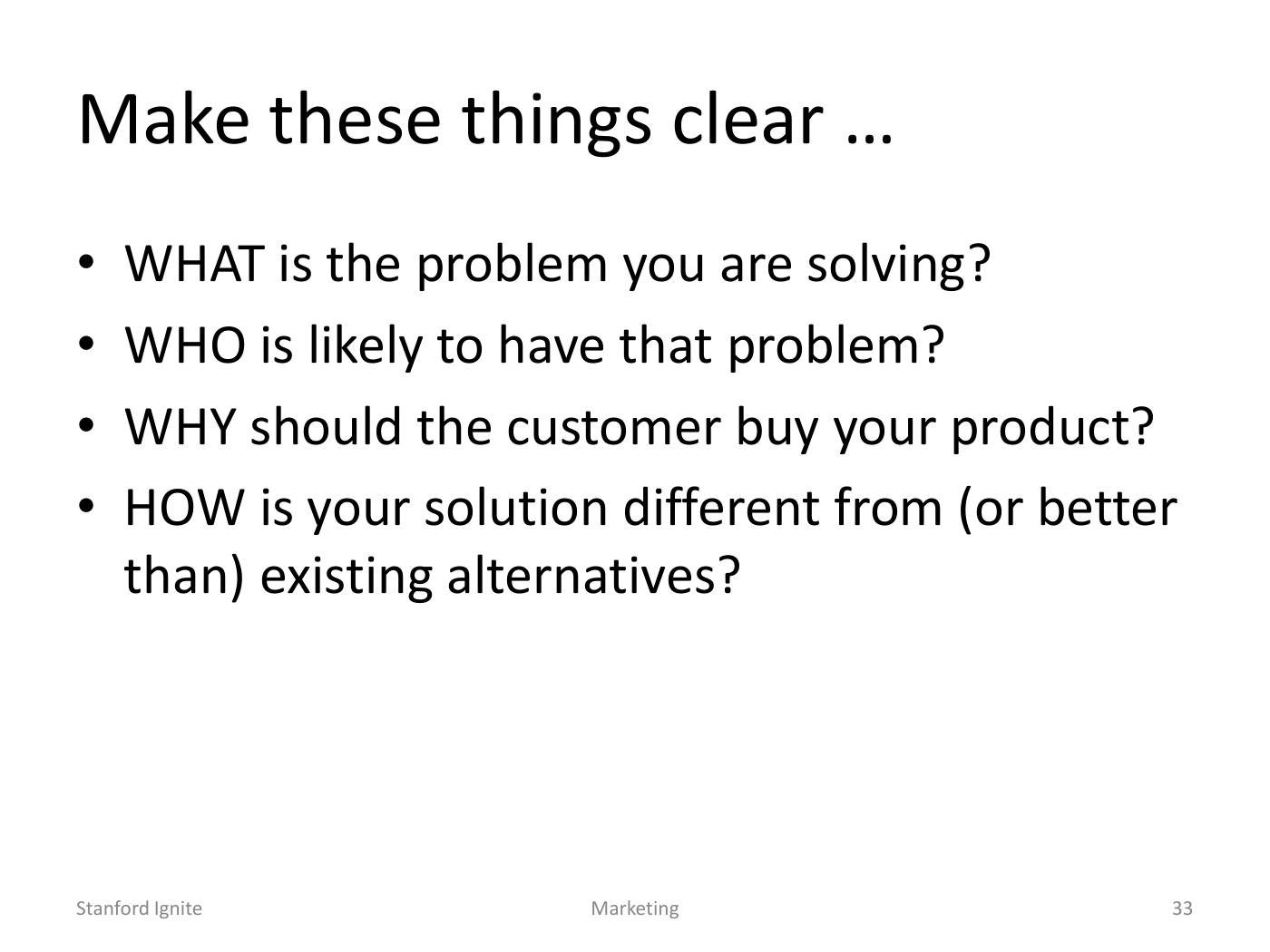
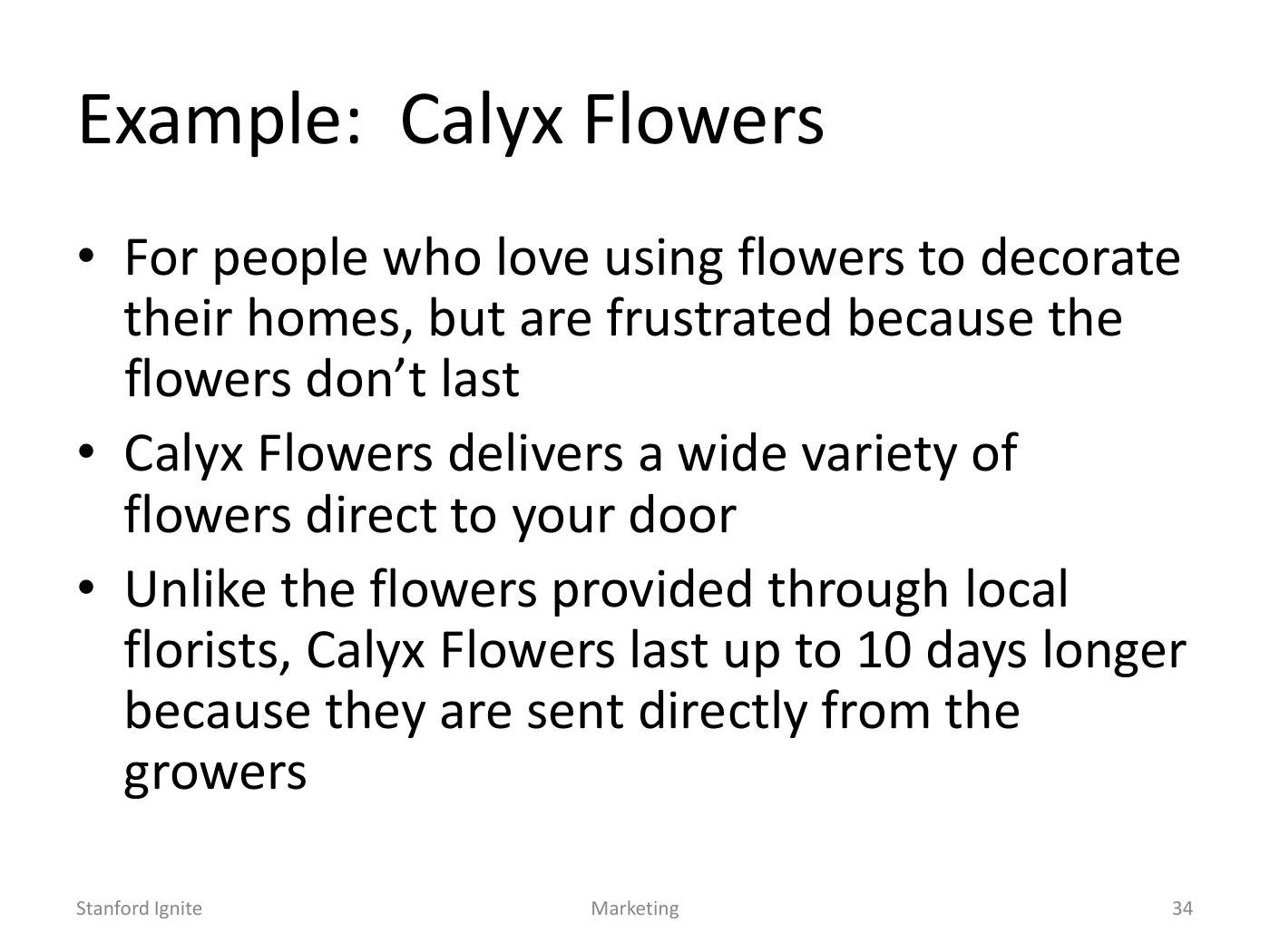
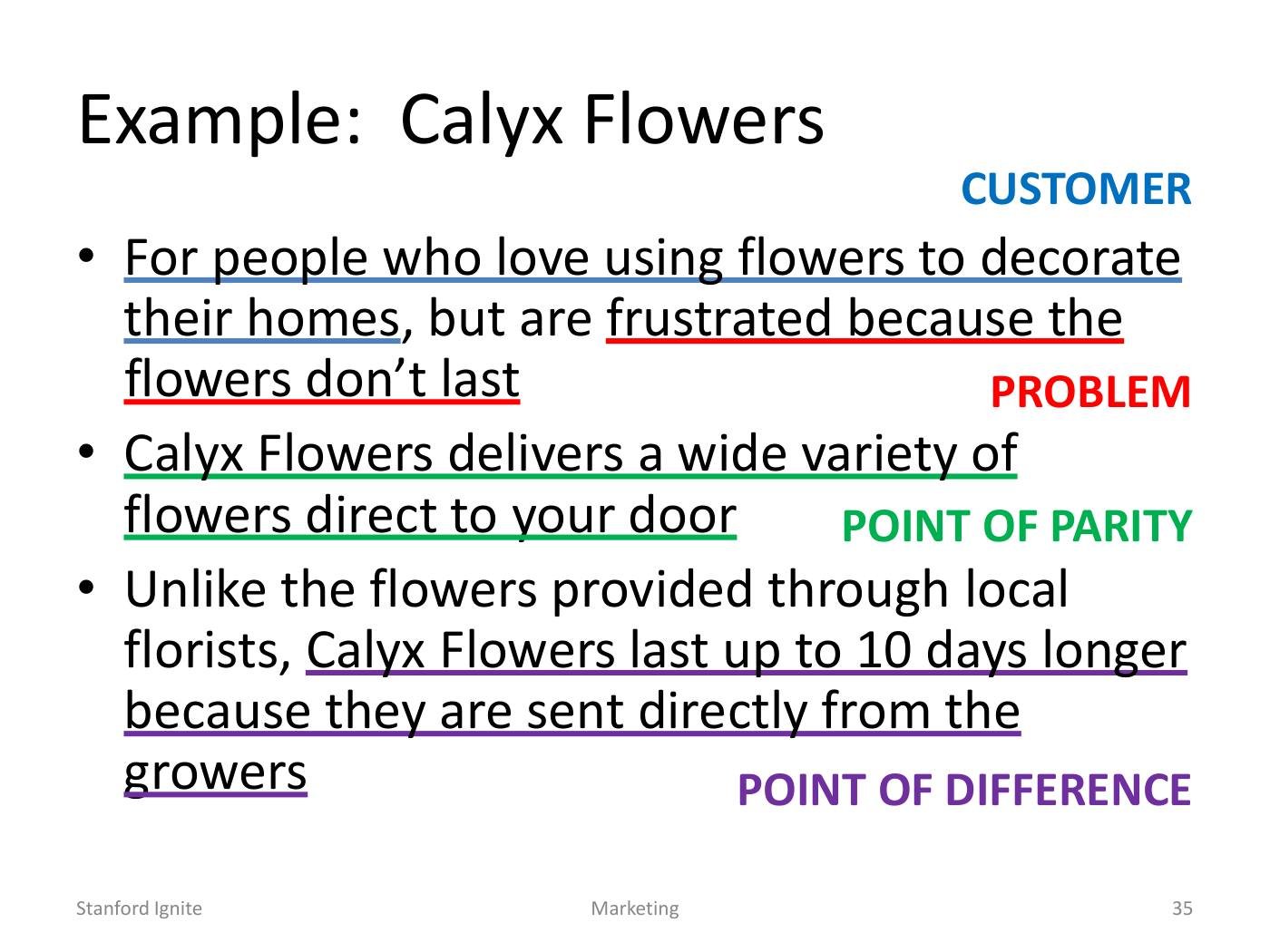
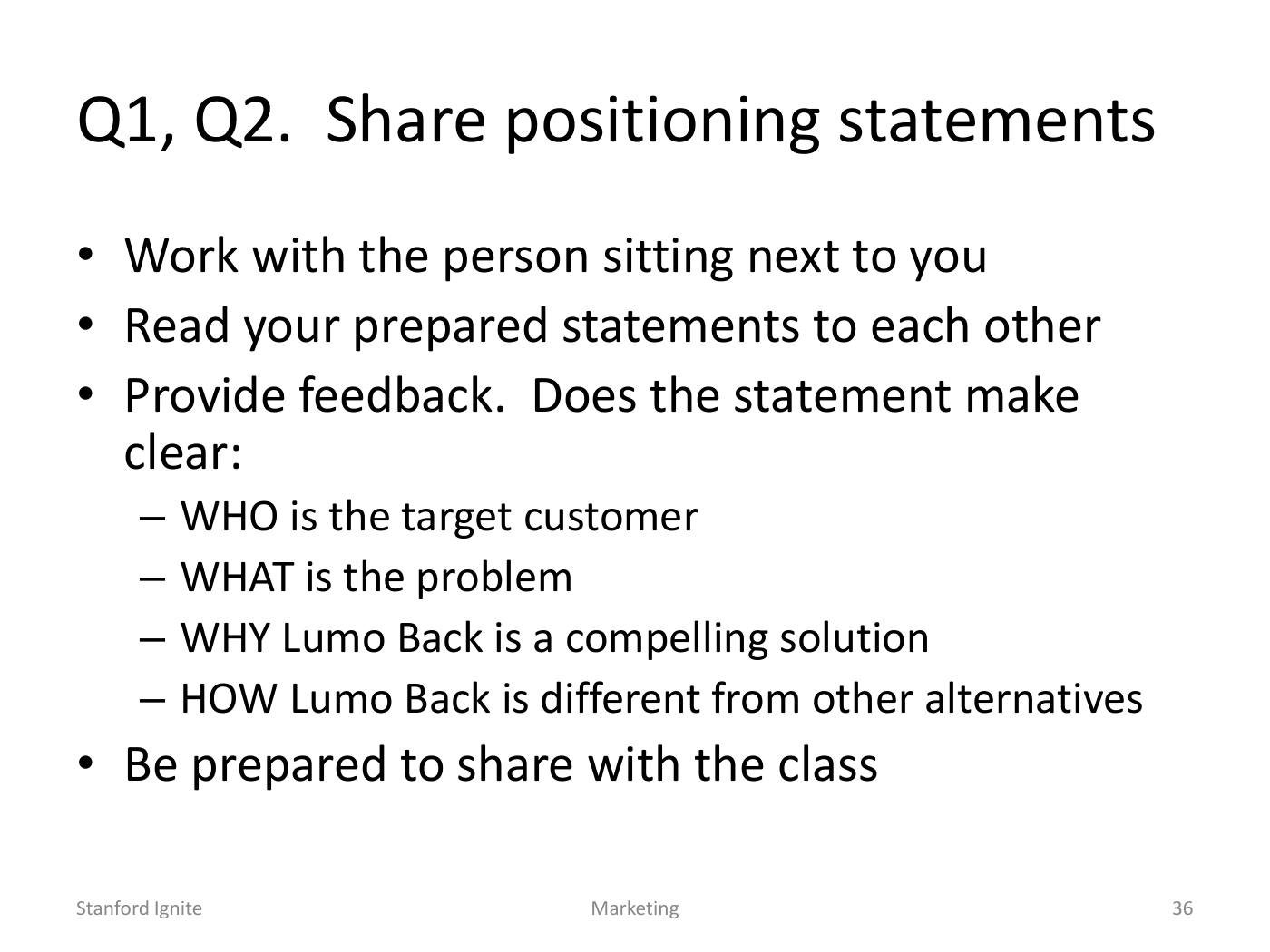
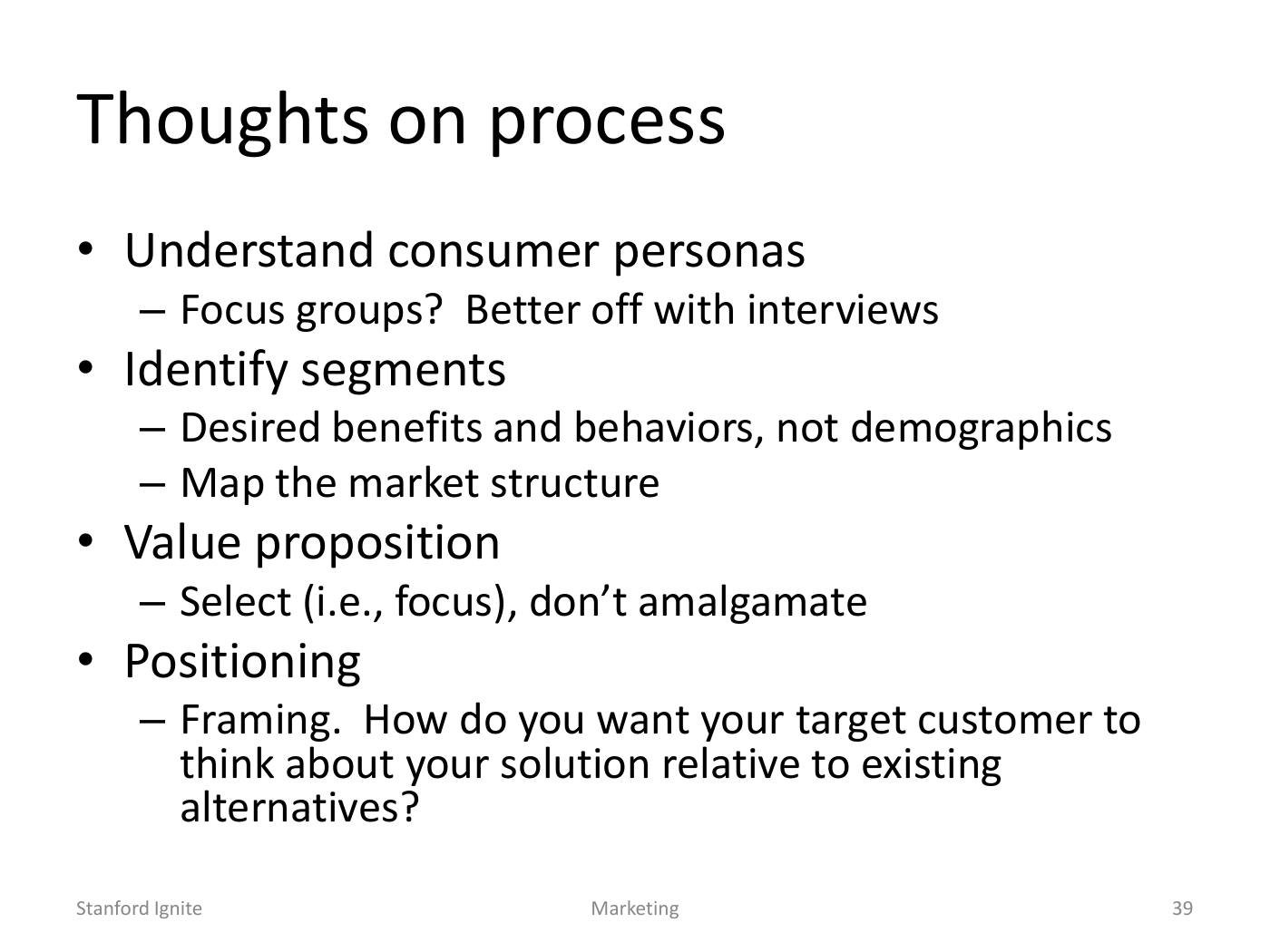
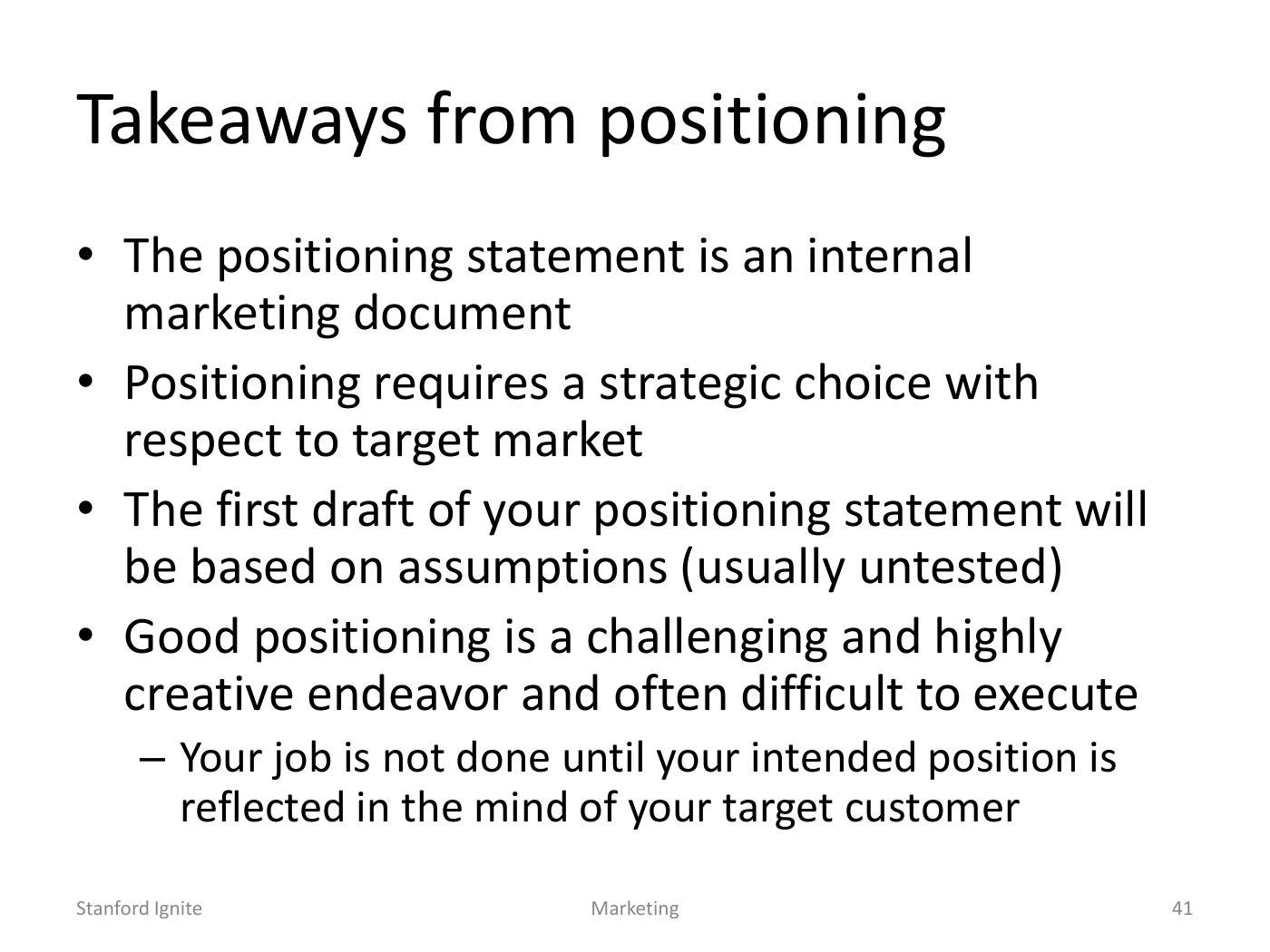
How should the chosen customer understand your offer relative to alternatives?
Relay · Relay's positioning statement and evidence checklist
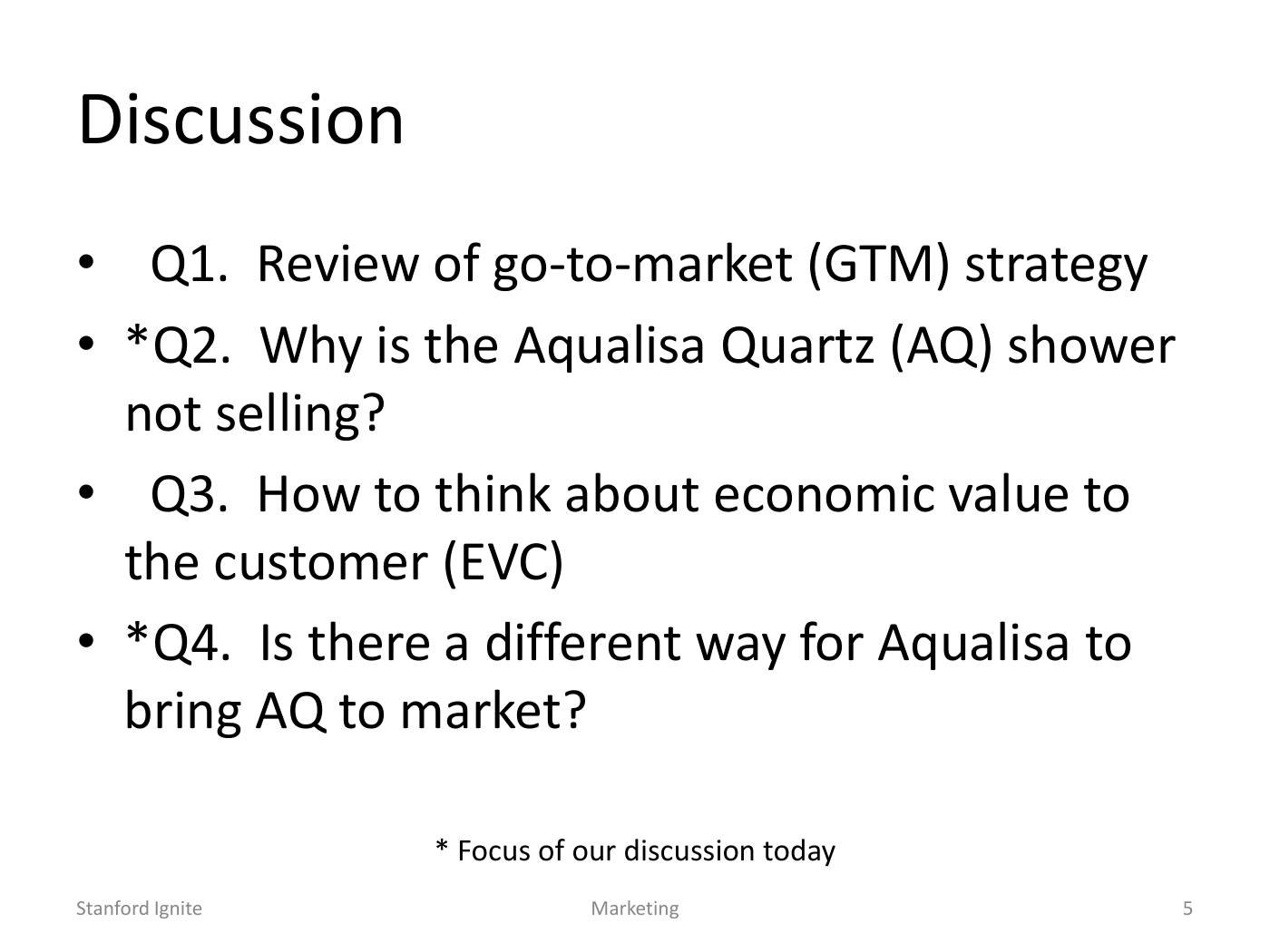
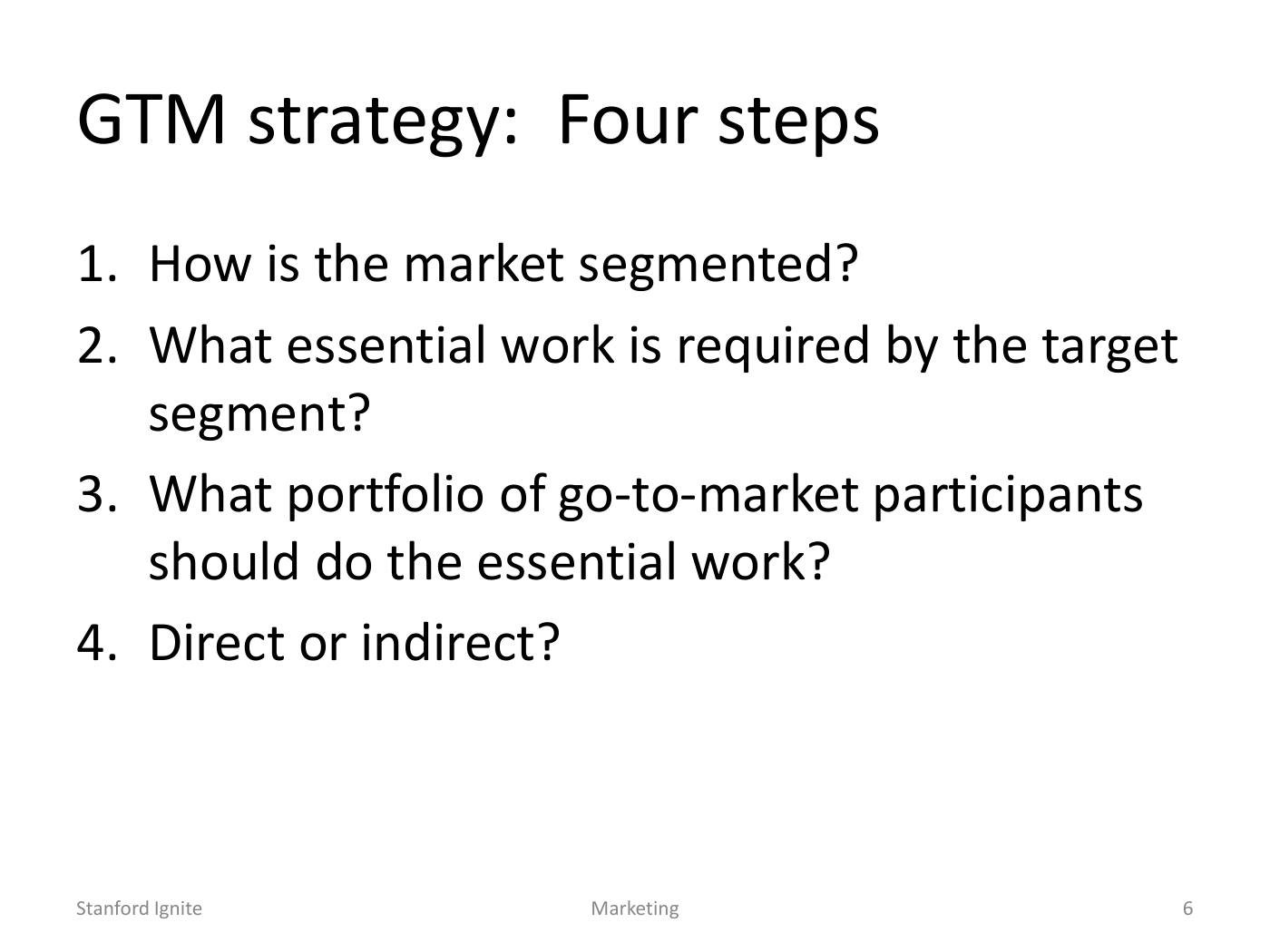
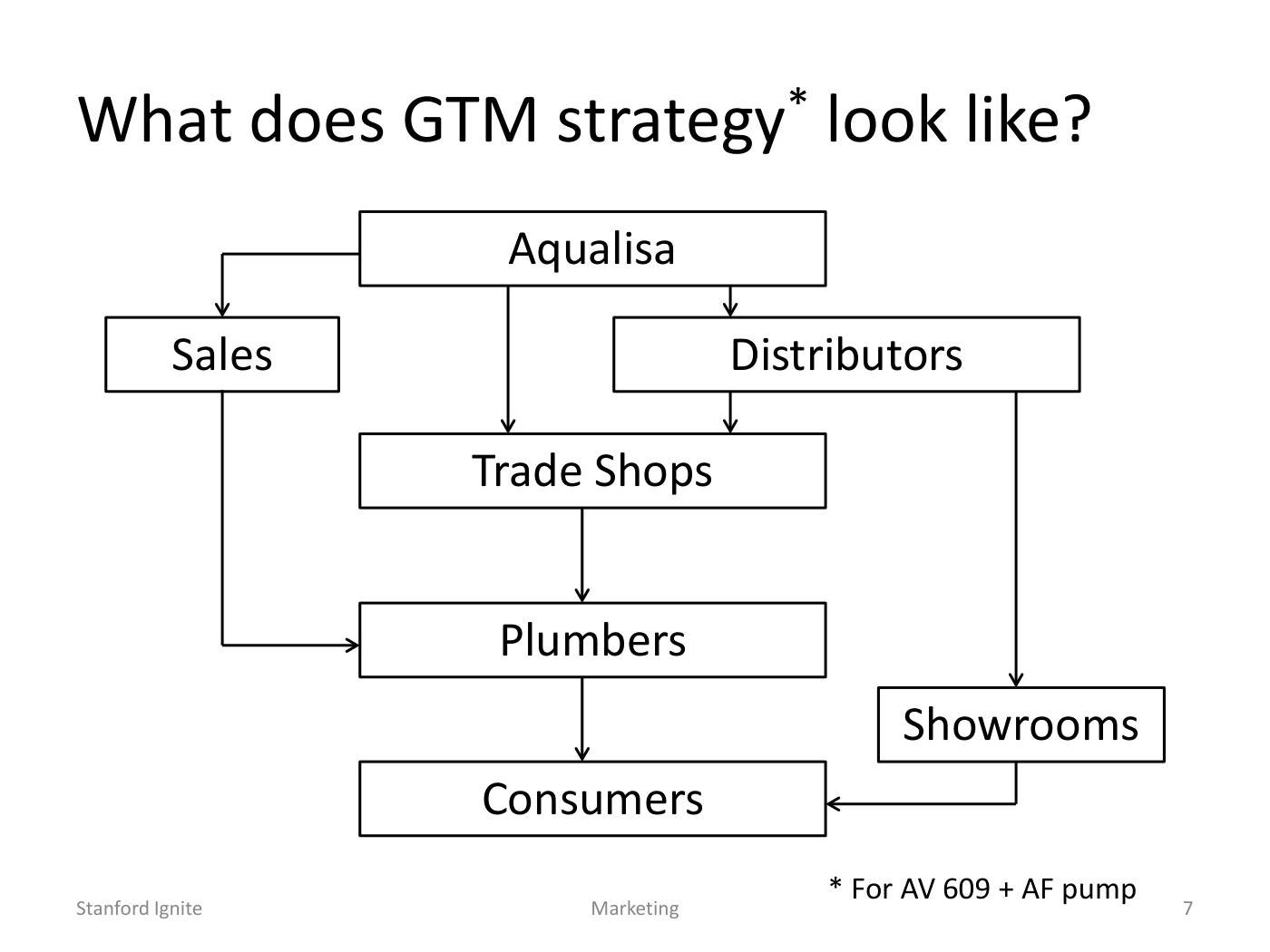
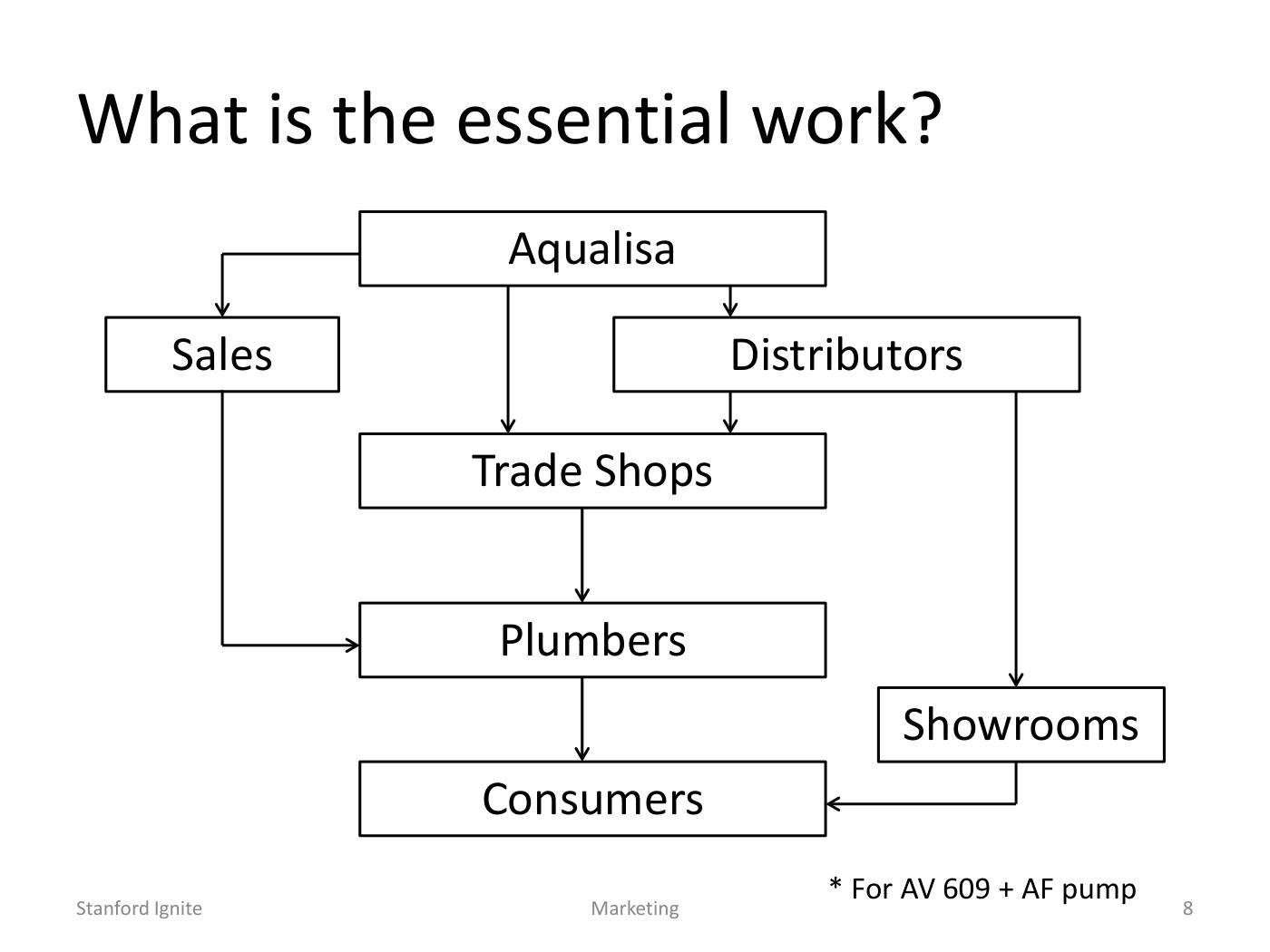
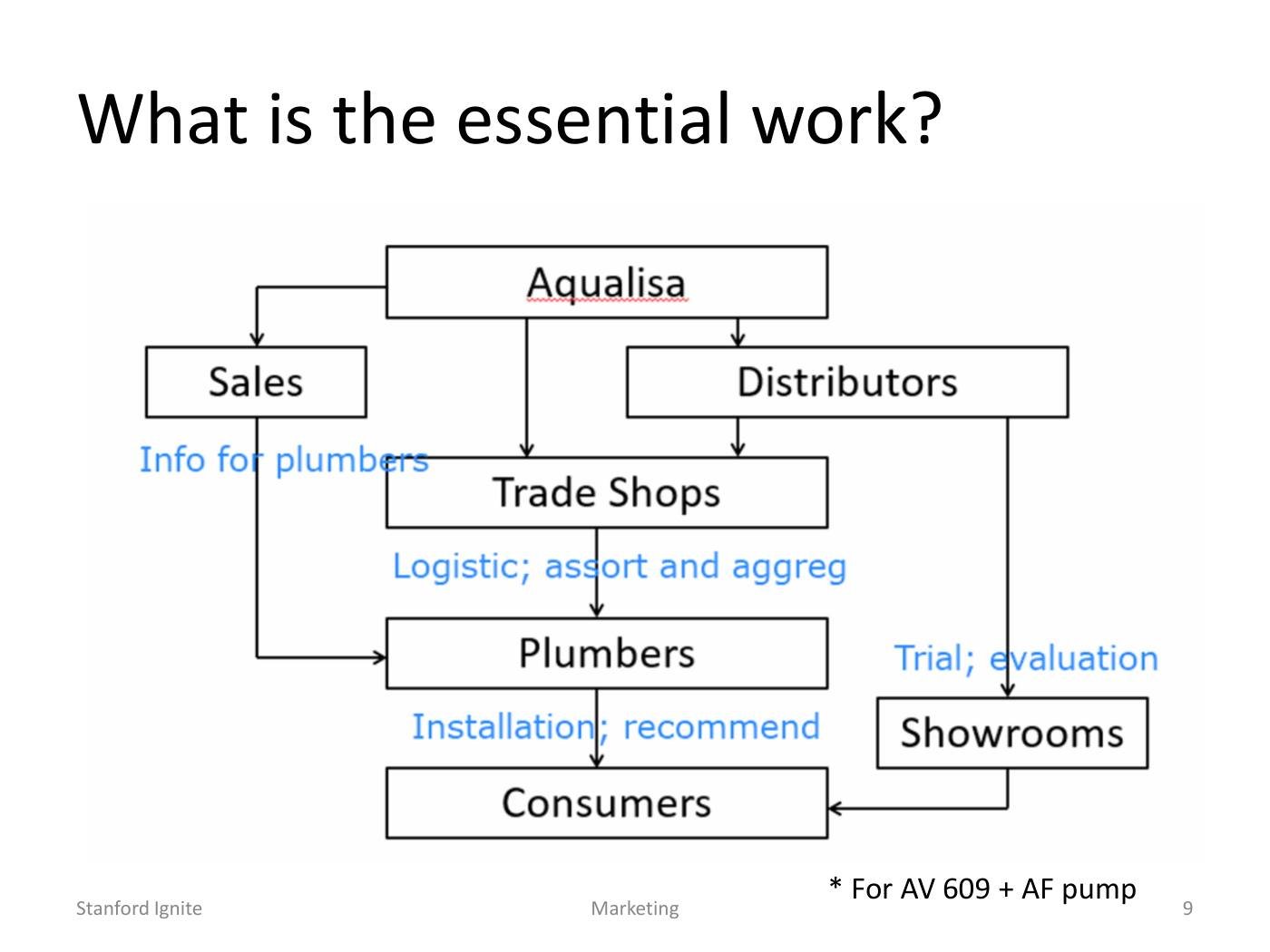
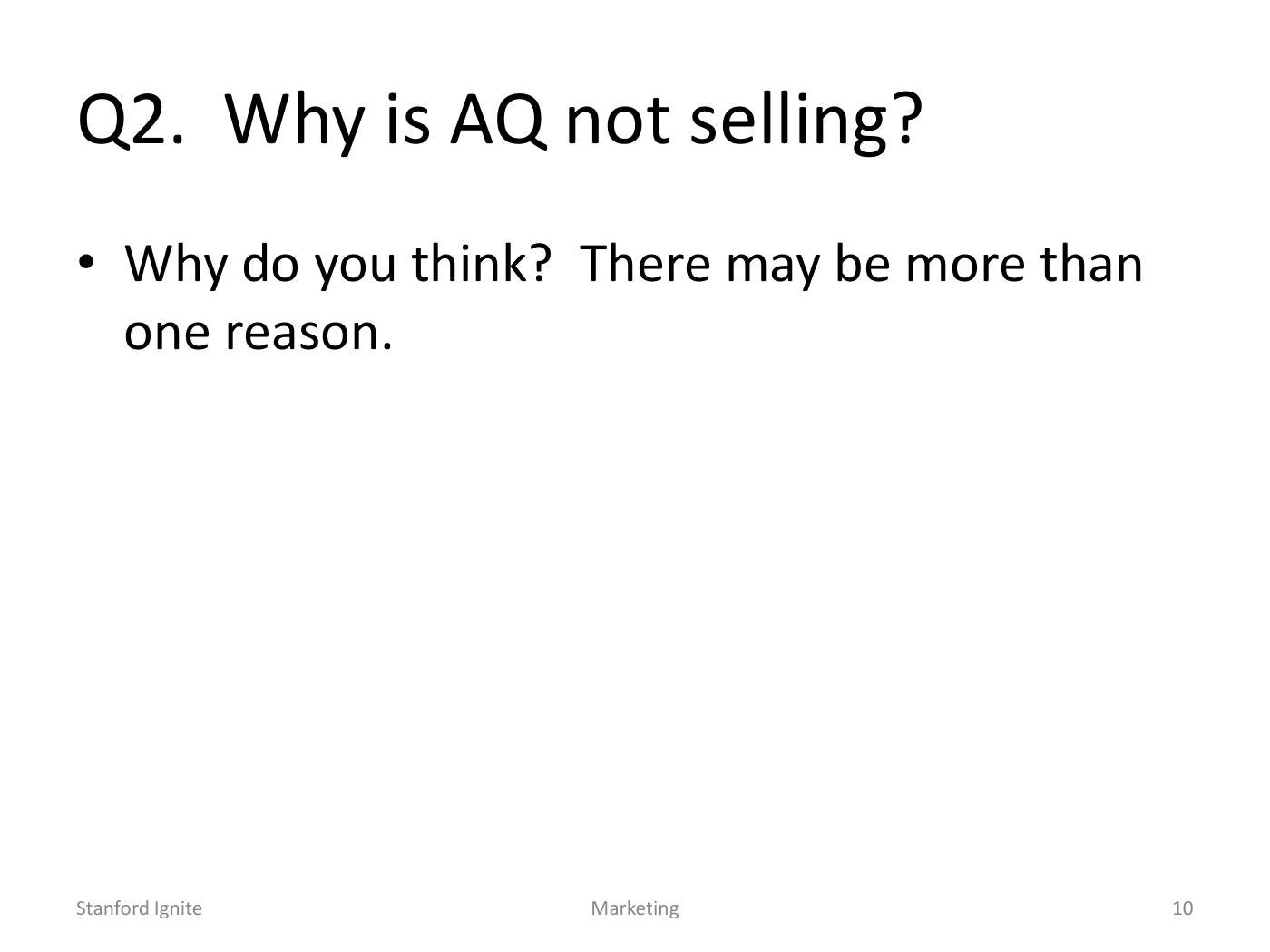
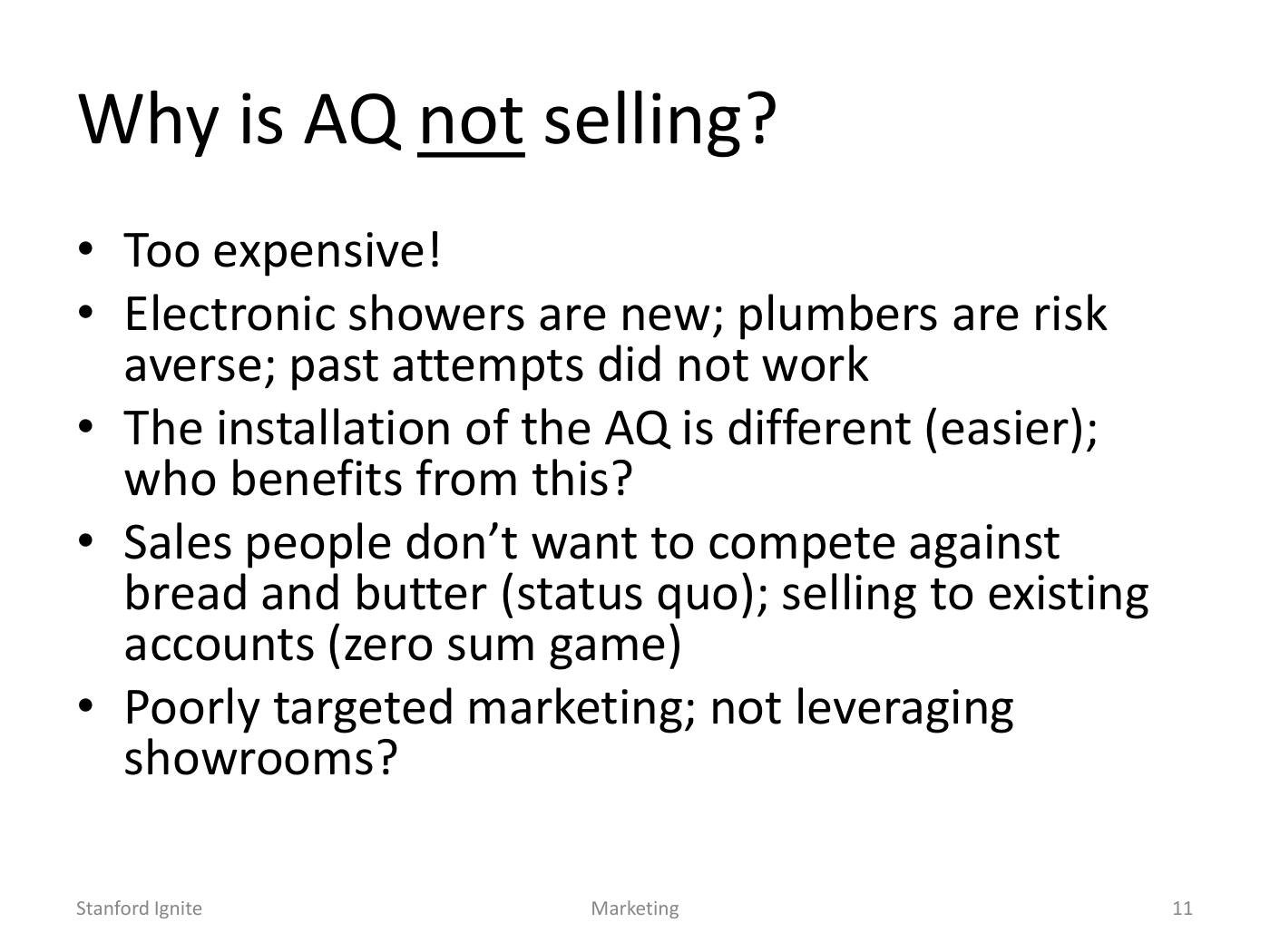
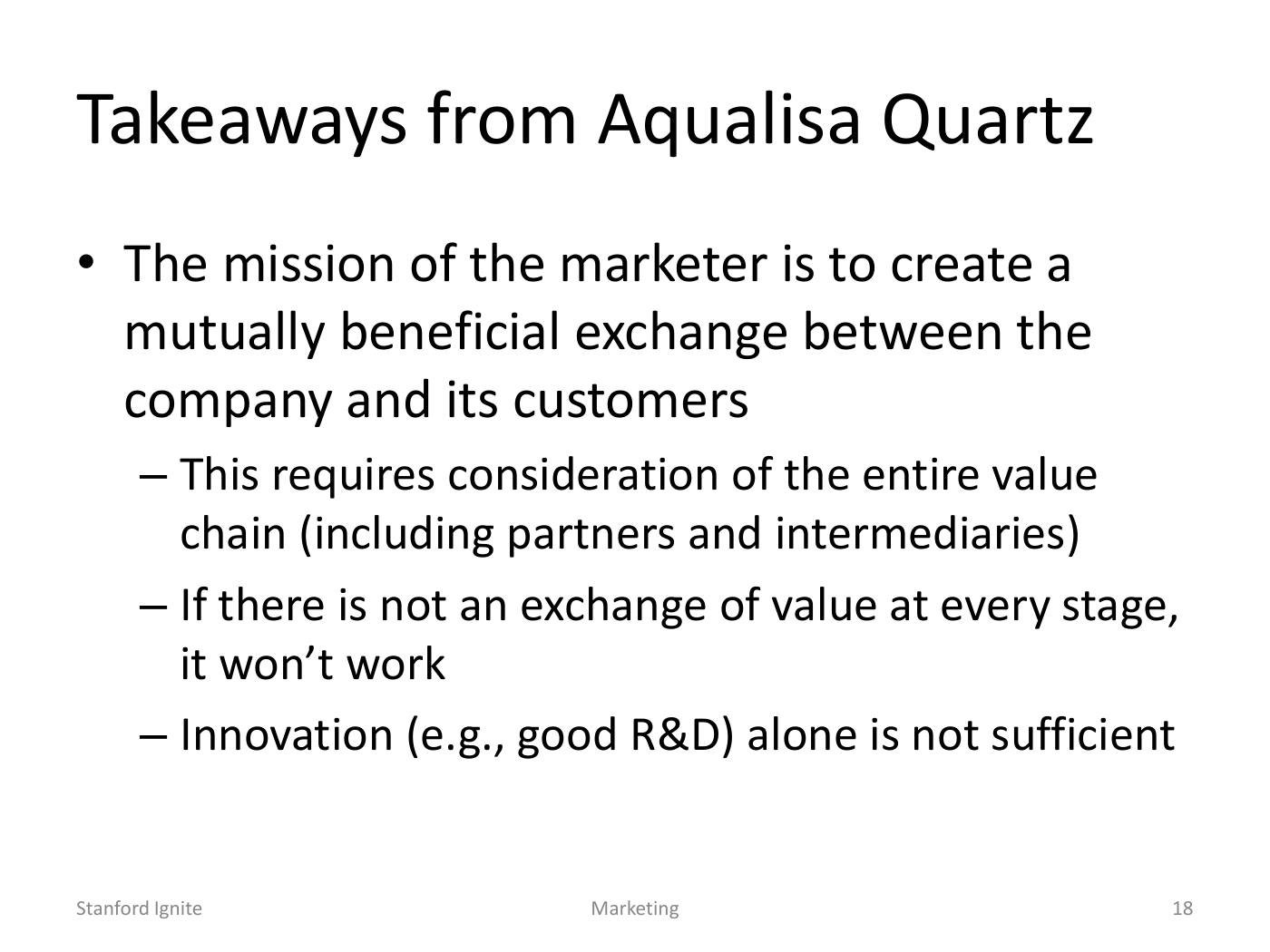
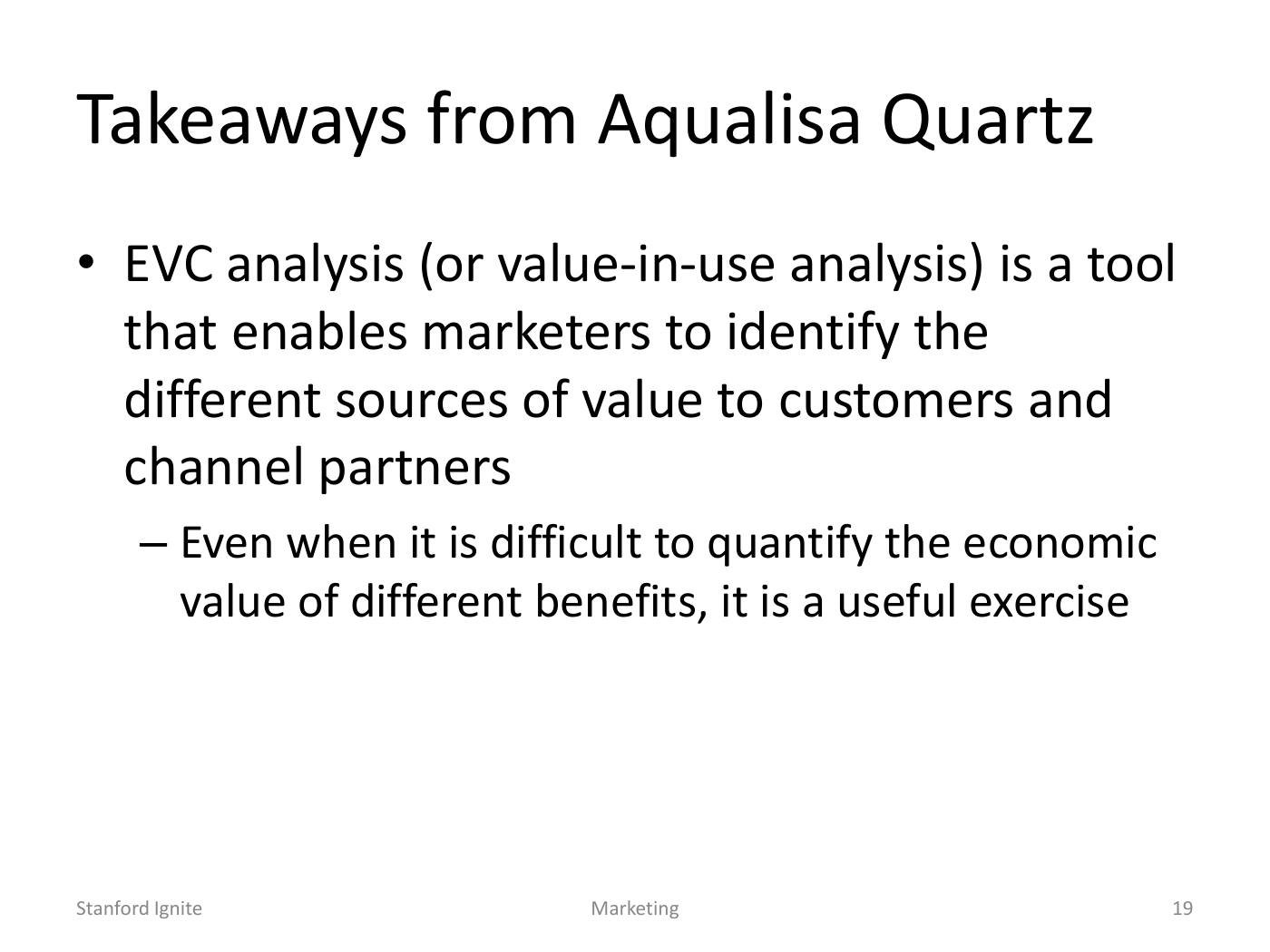
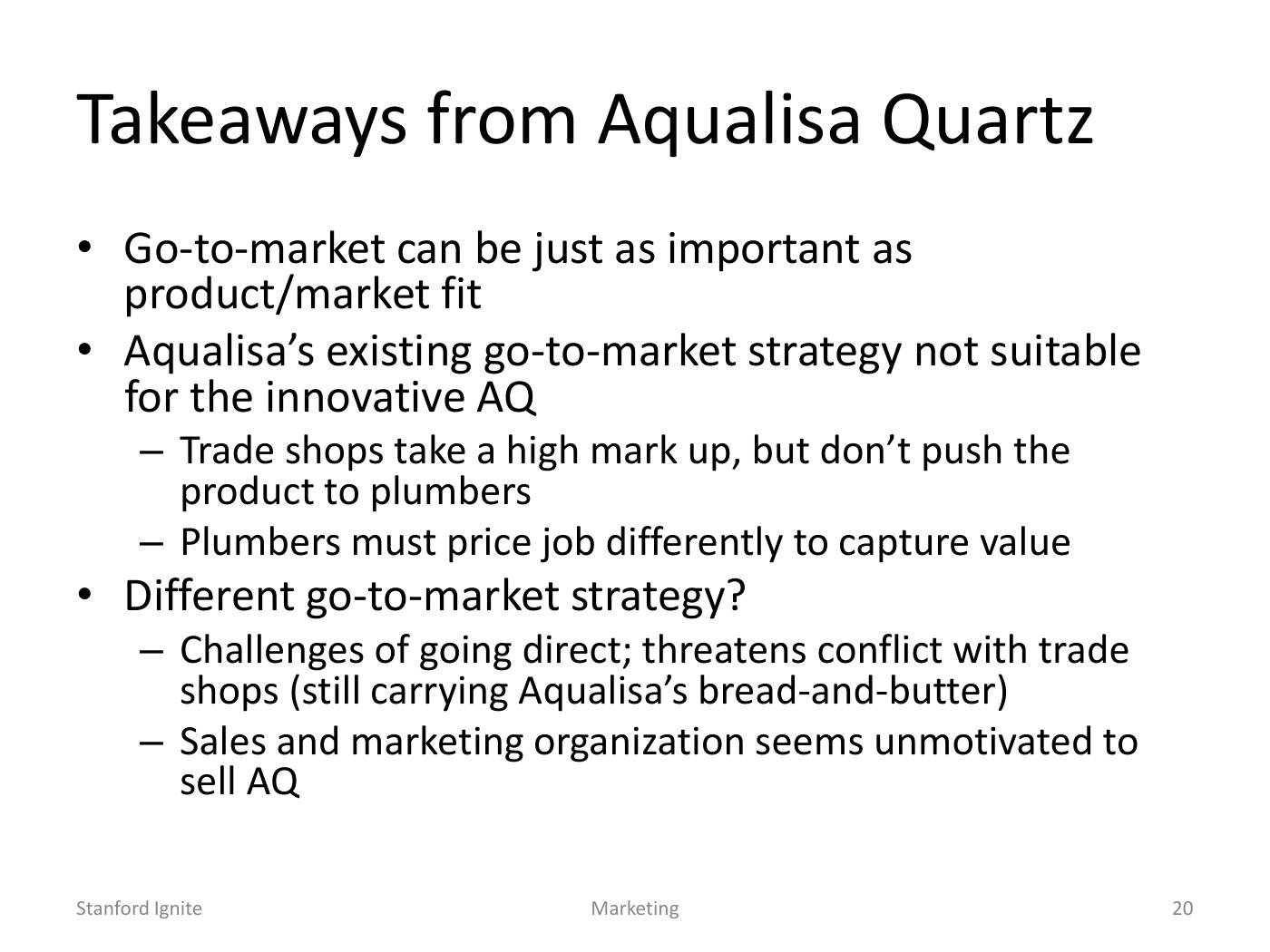
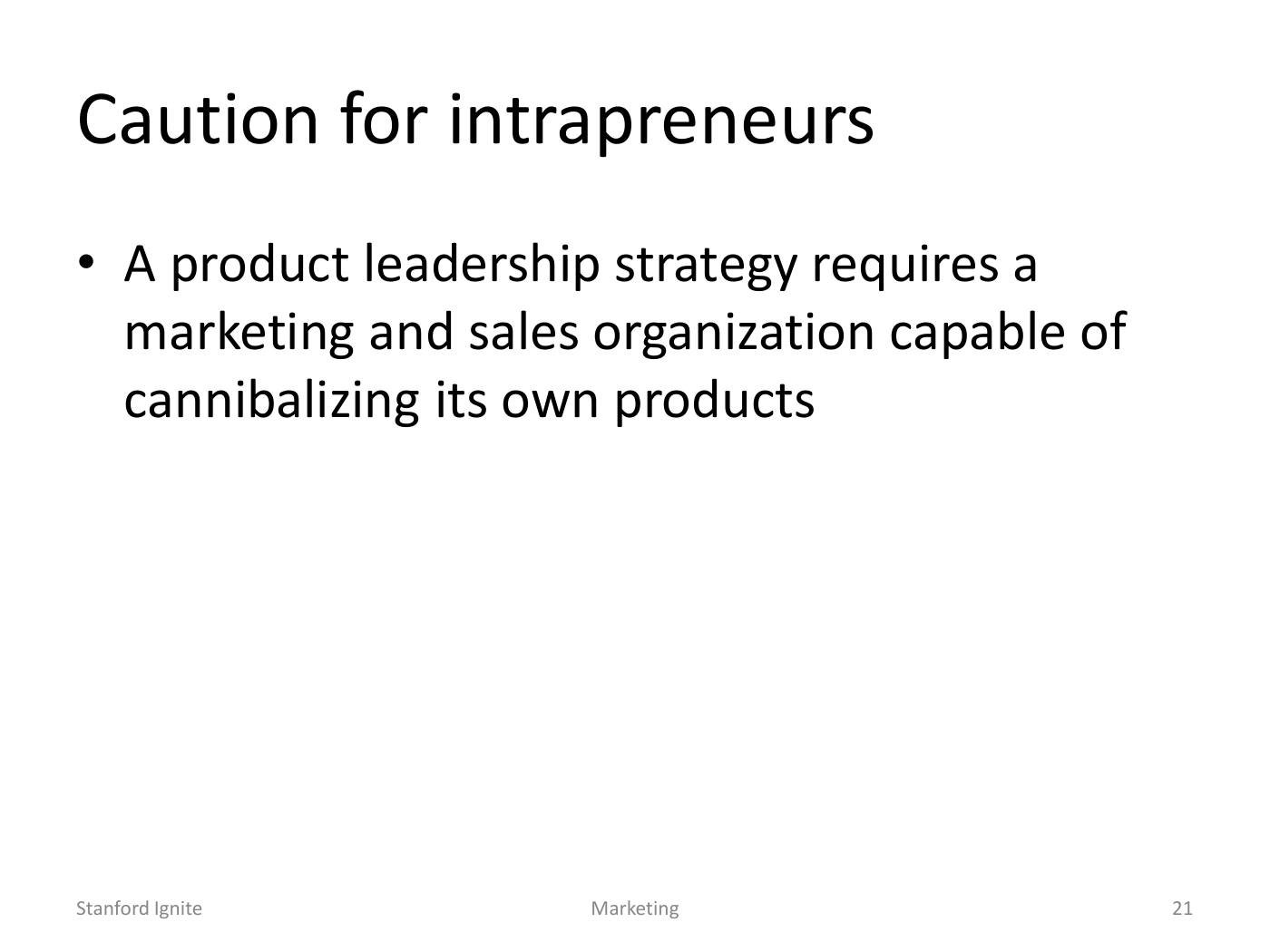
Why might a better product fail to sell?
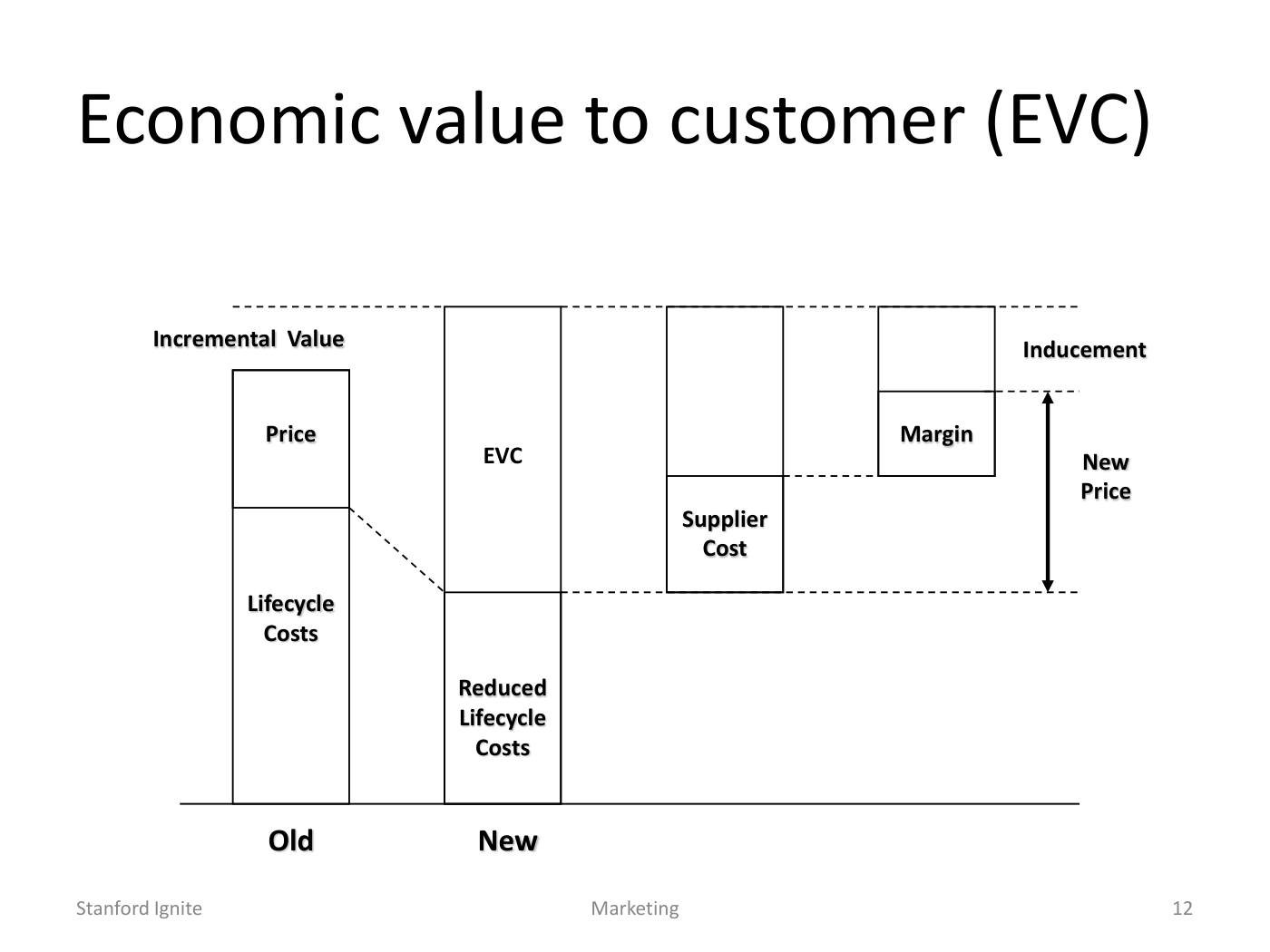
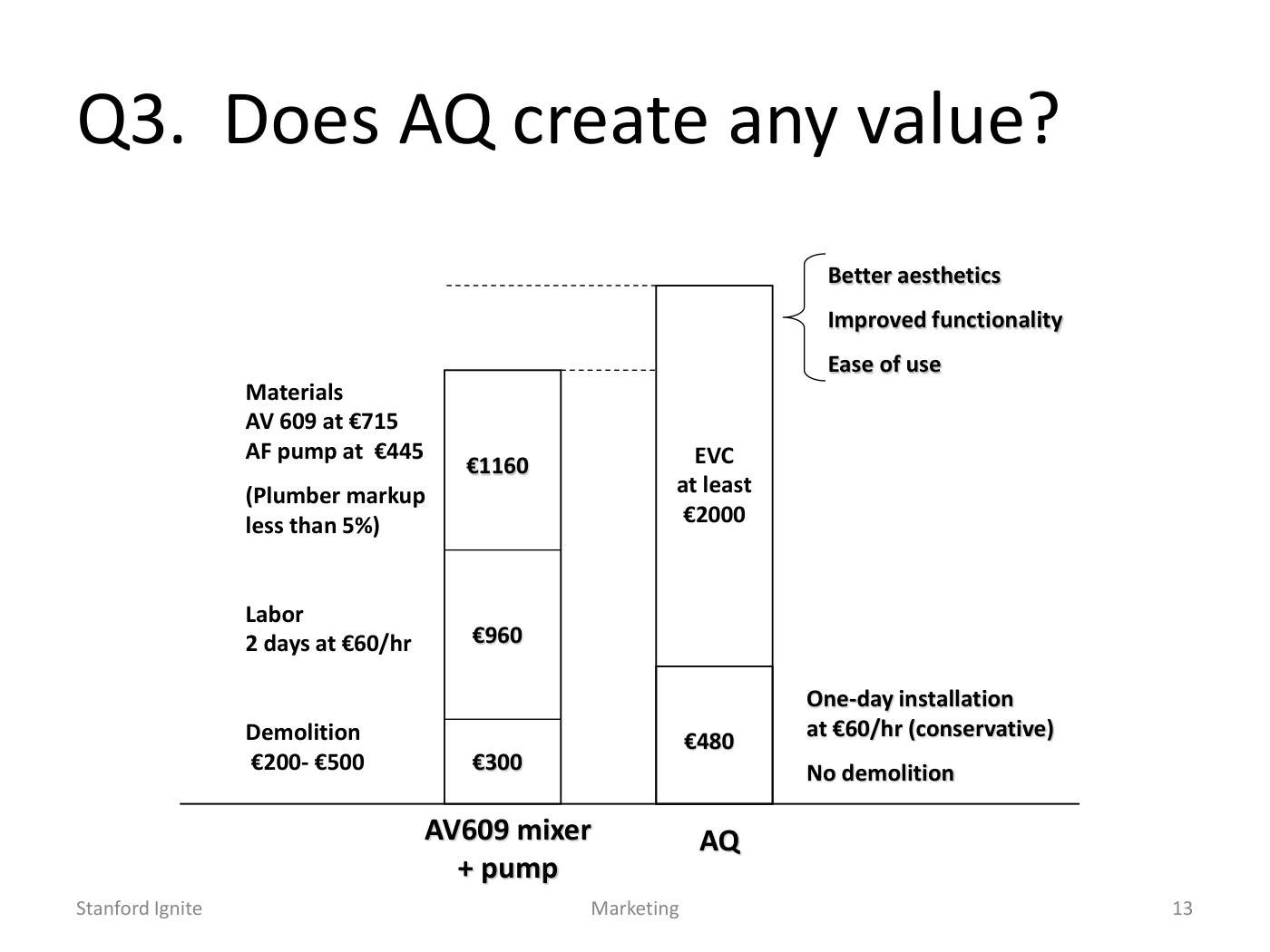
Relay · Relay's route to market and EVC argument
Module 03
Explain how a business creates value, captures it and sustains an advantage.
You will makeA business-model map, market/game models and an advantage-and-pivot memo.
How does a business create value and convert it into profit?
Relay · Relay's business-model map and unit economics
When does growth strengthen a business model, and when does it not?
Relay · Map Relay's network and plan a new city
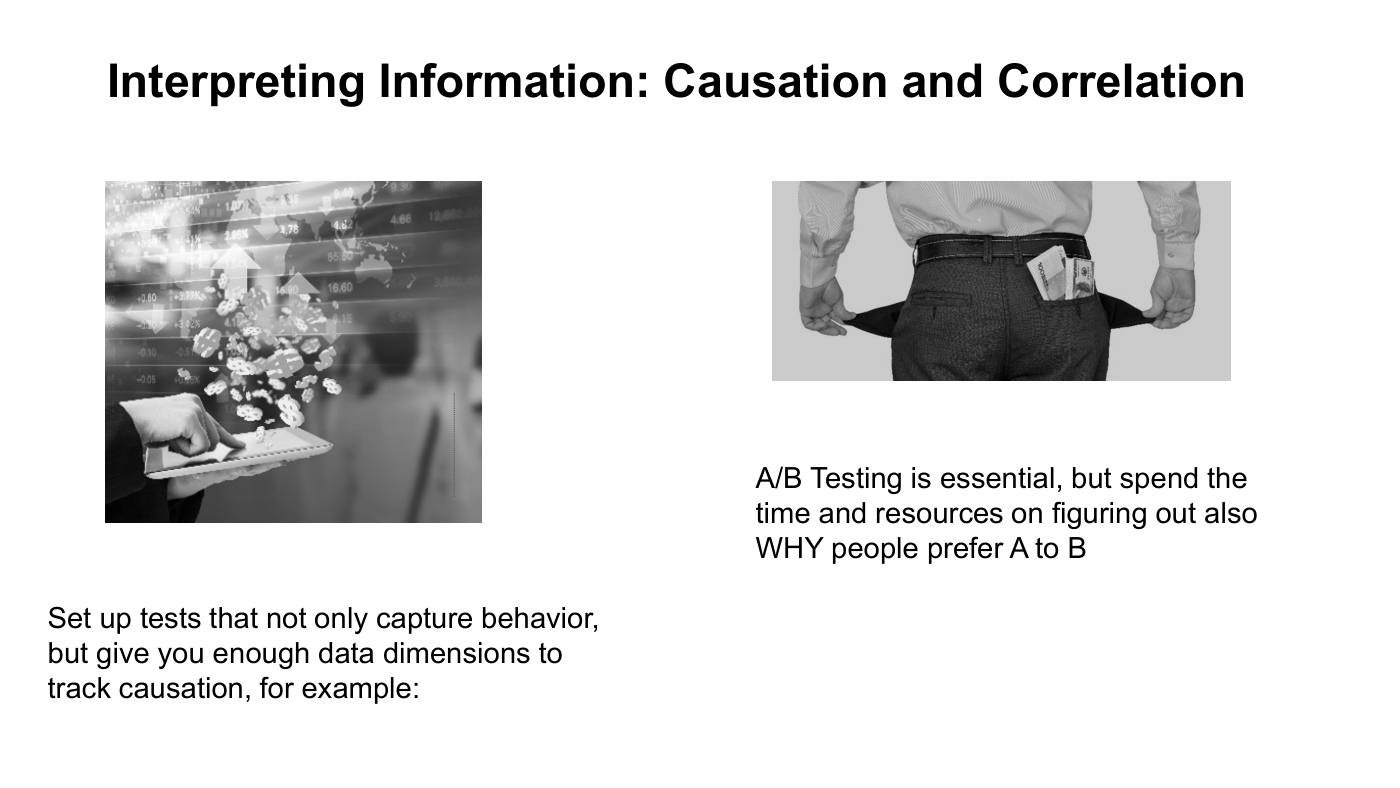
What explains a market outcome beyond the observed price?
Relay · Prove Relay causes the fills
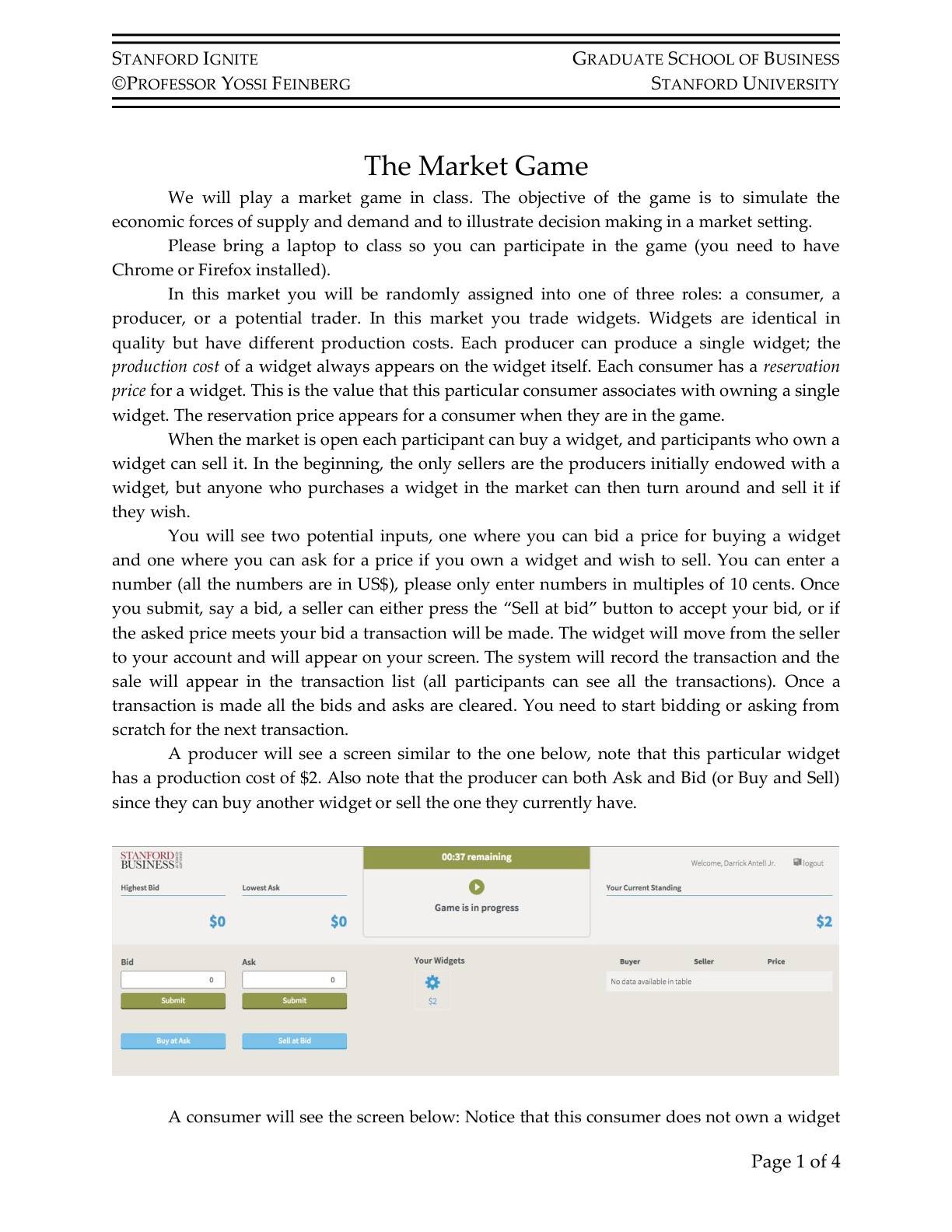
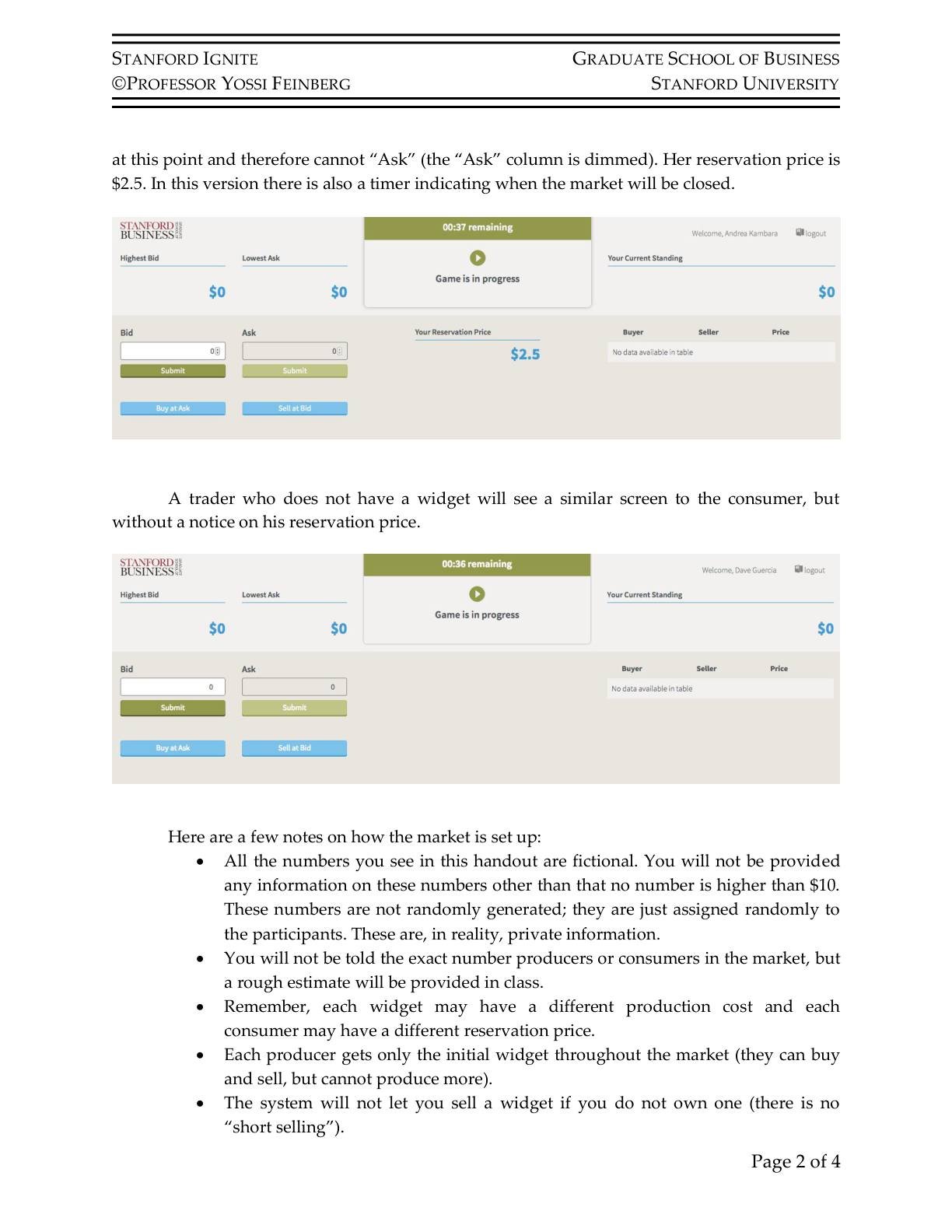
How does your choice change when others reason about you?
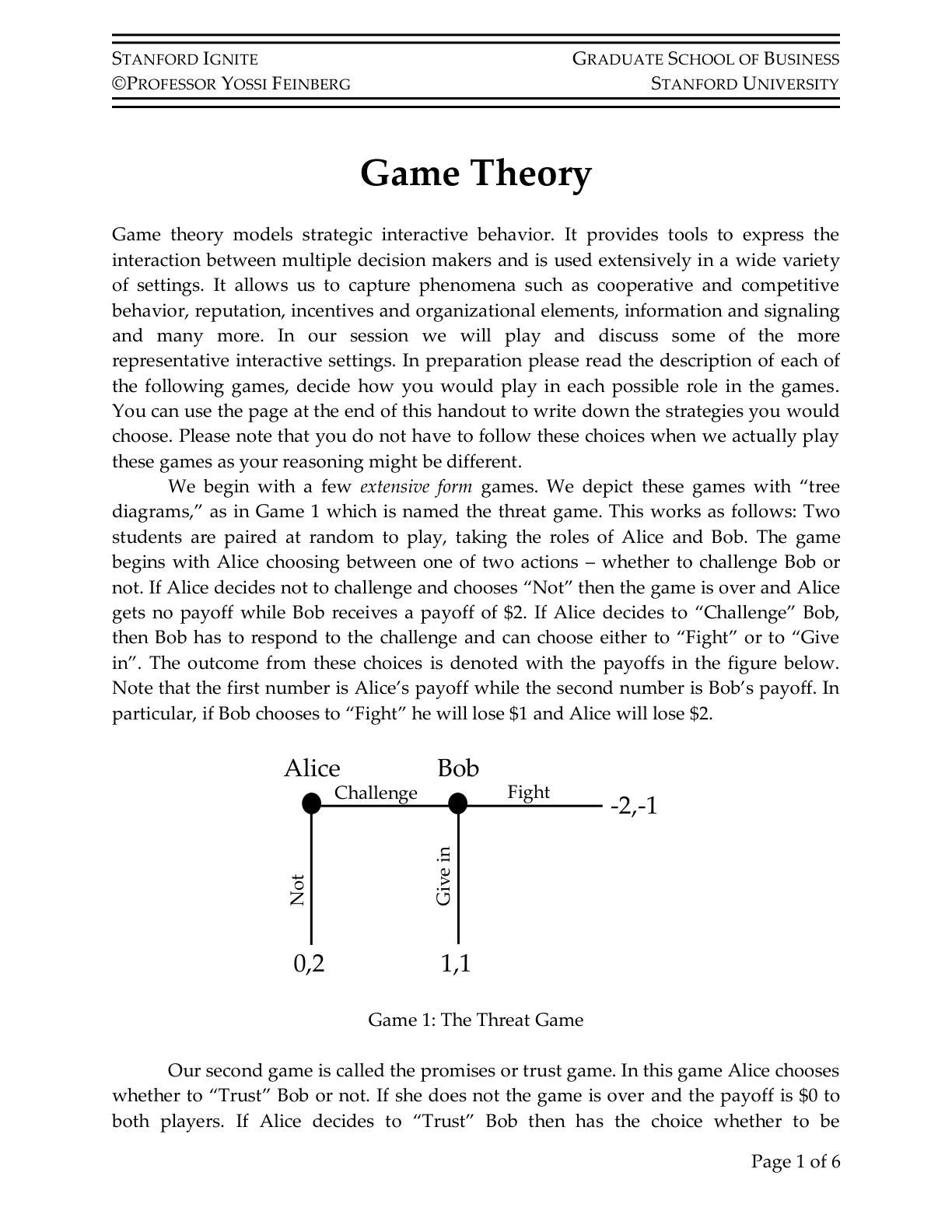
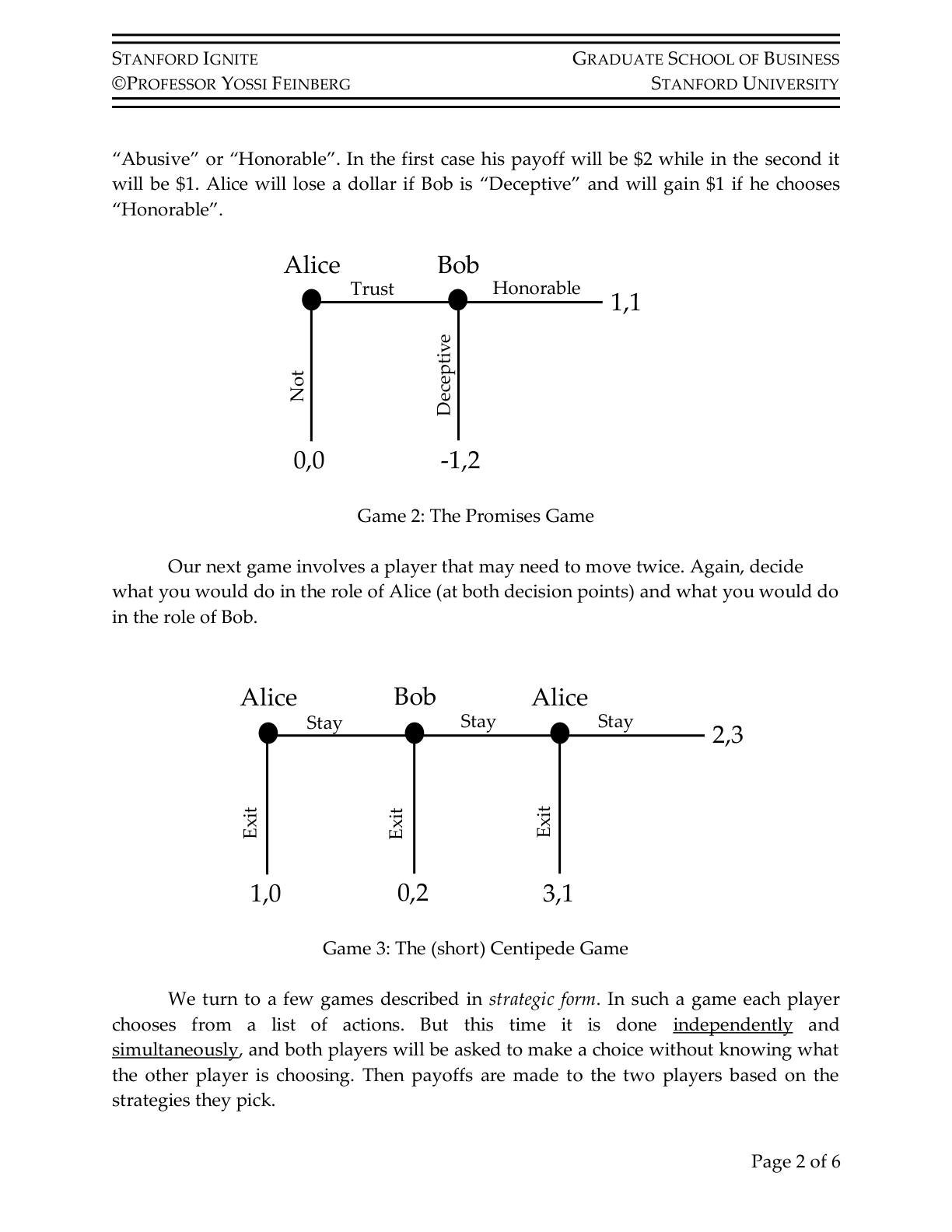
Relay · Model the ClinicOS game
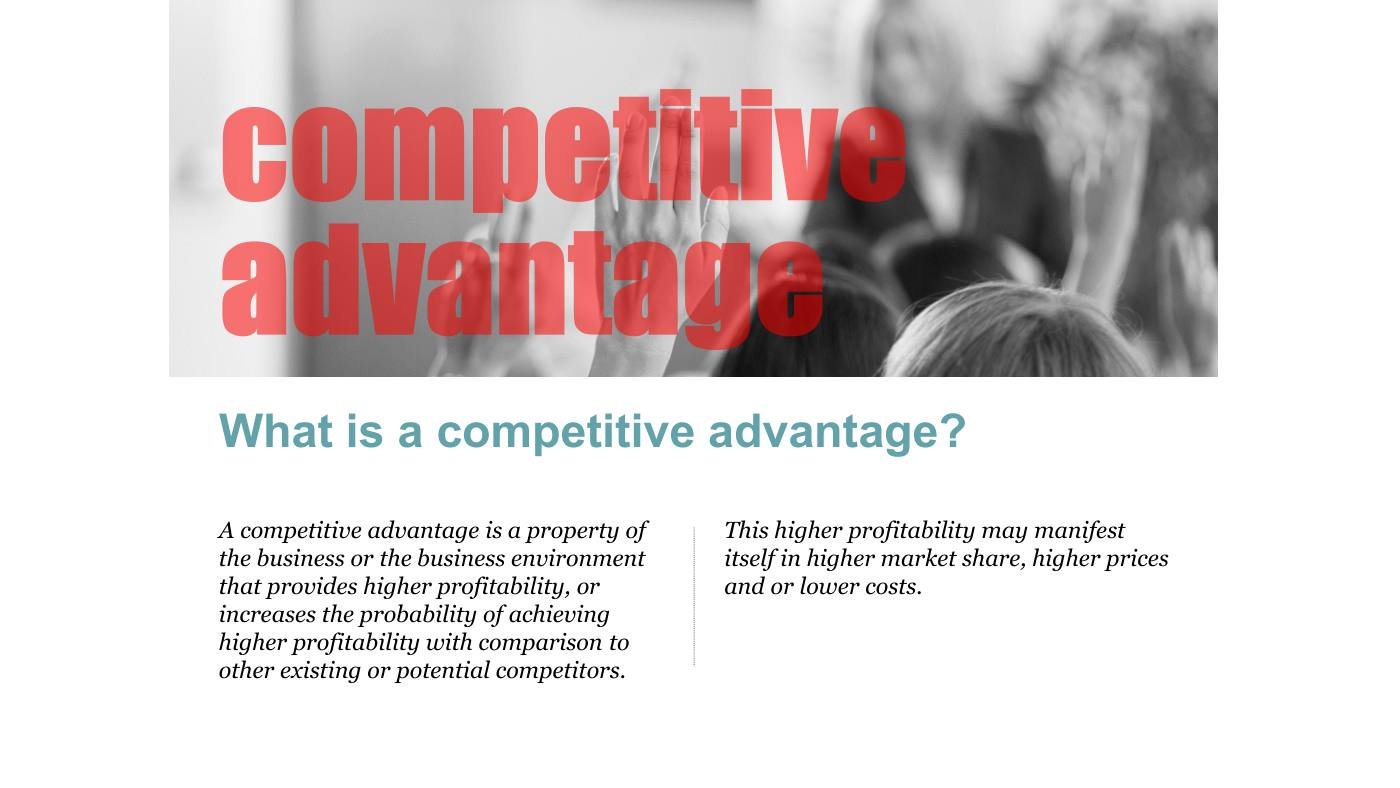
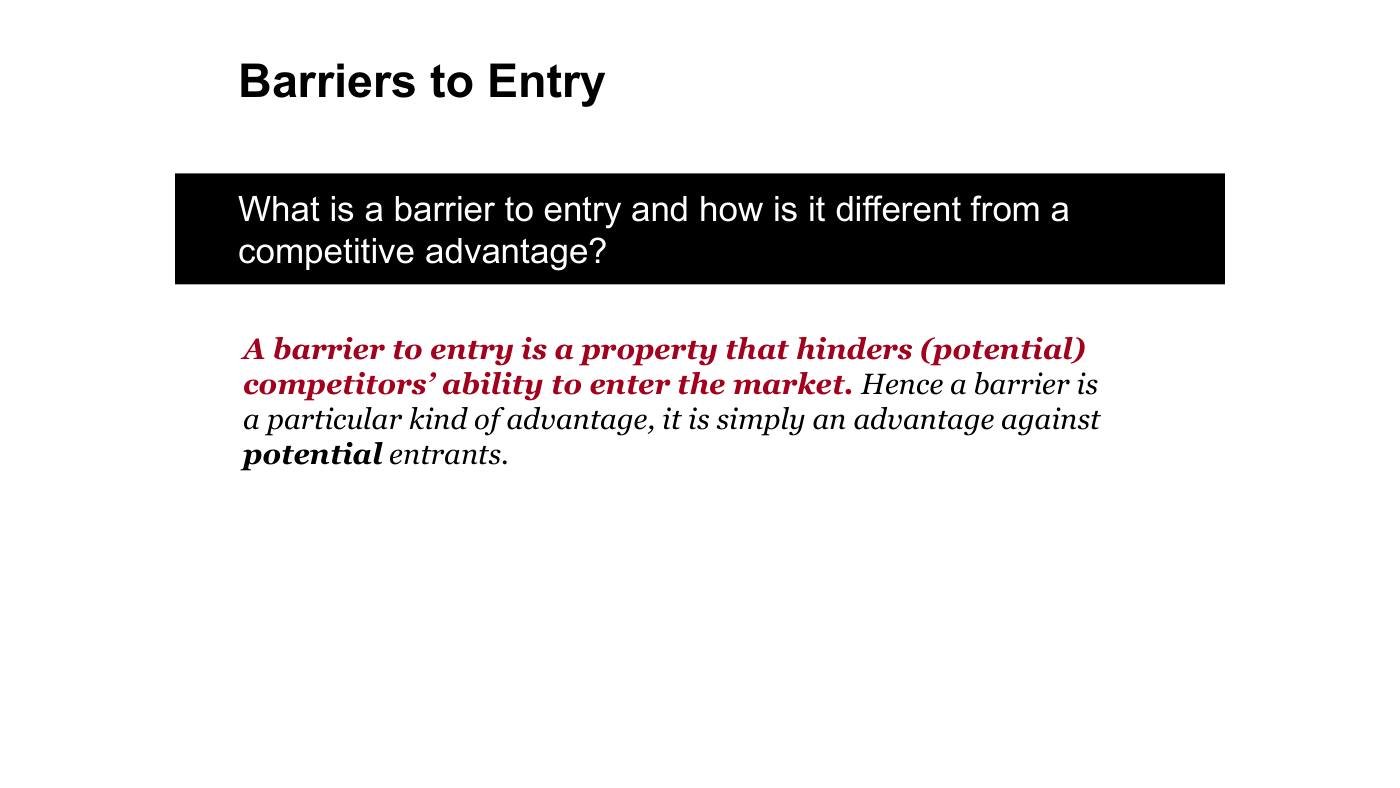
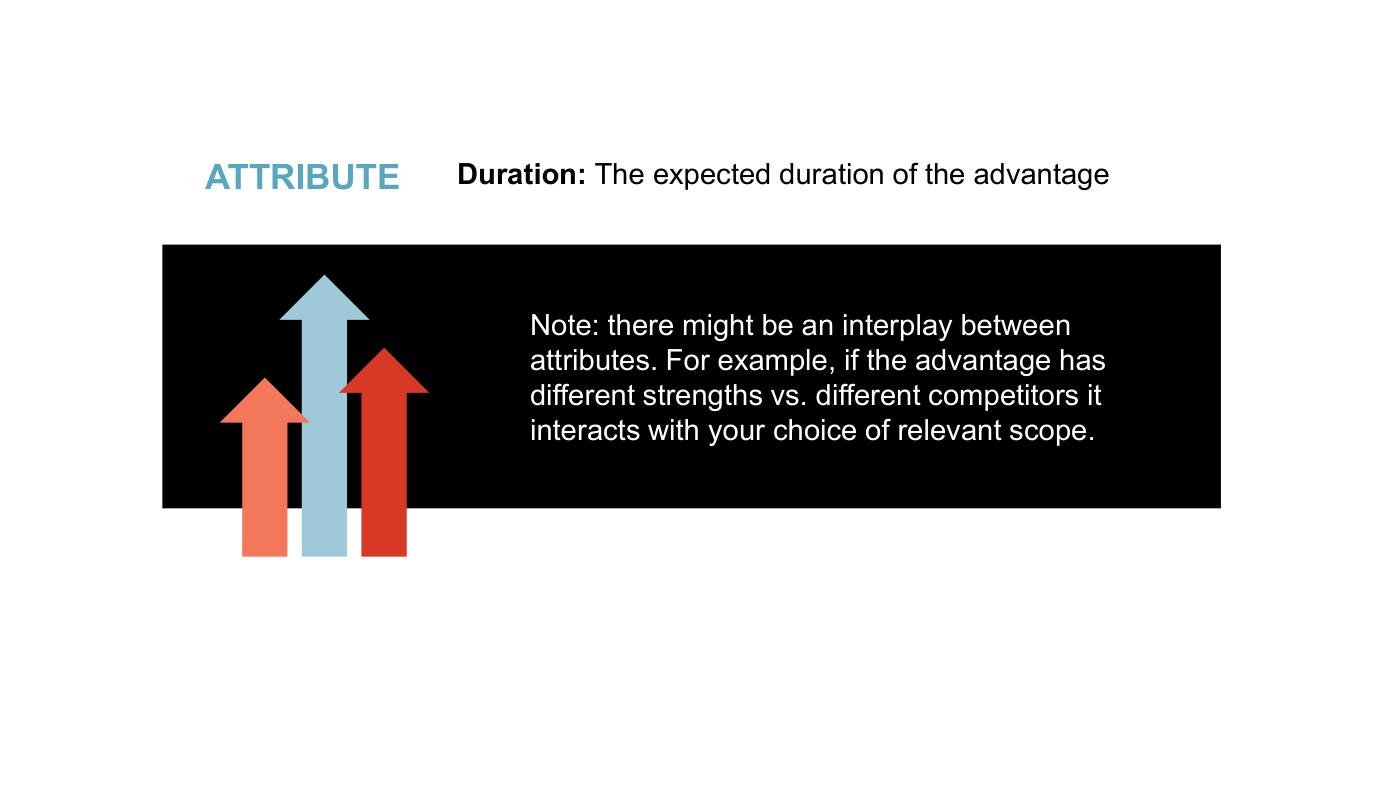
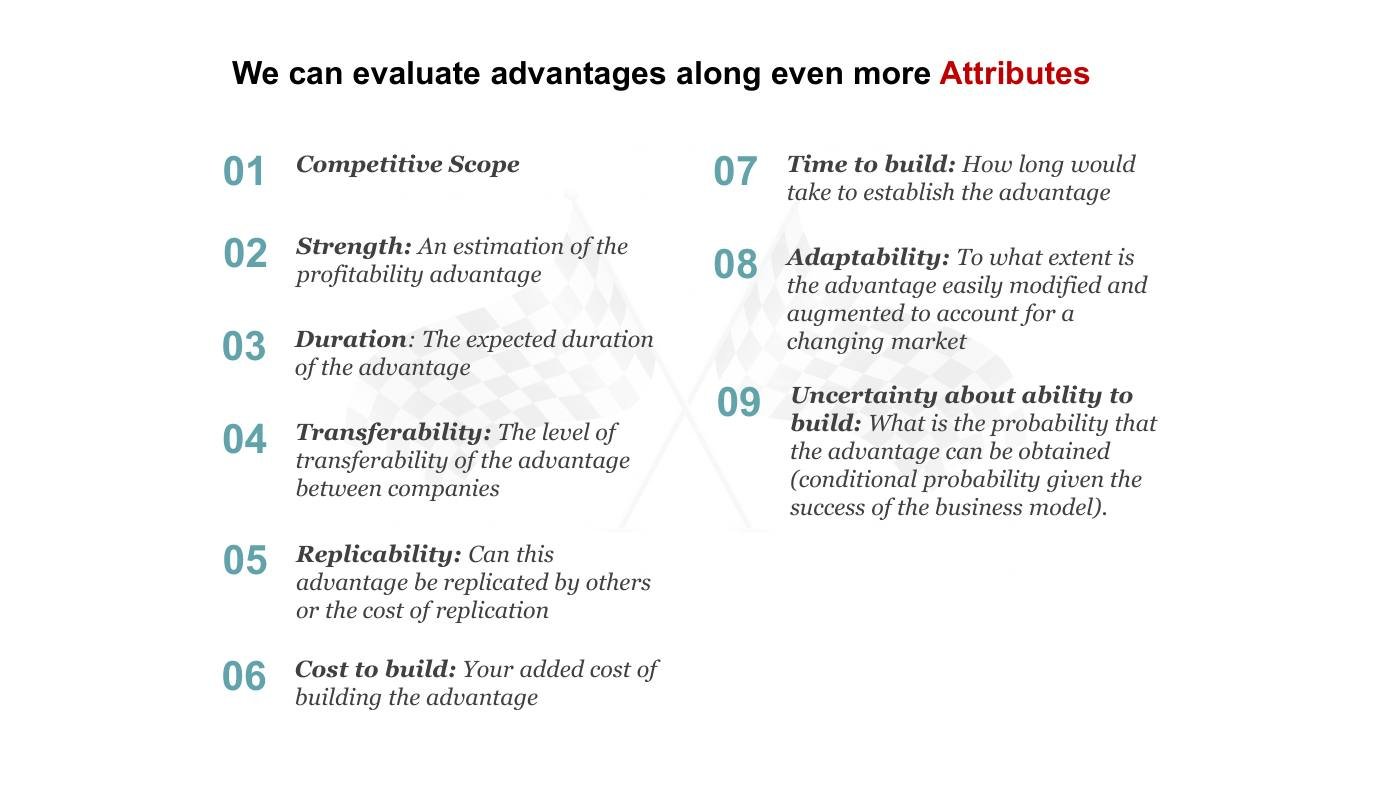
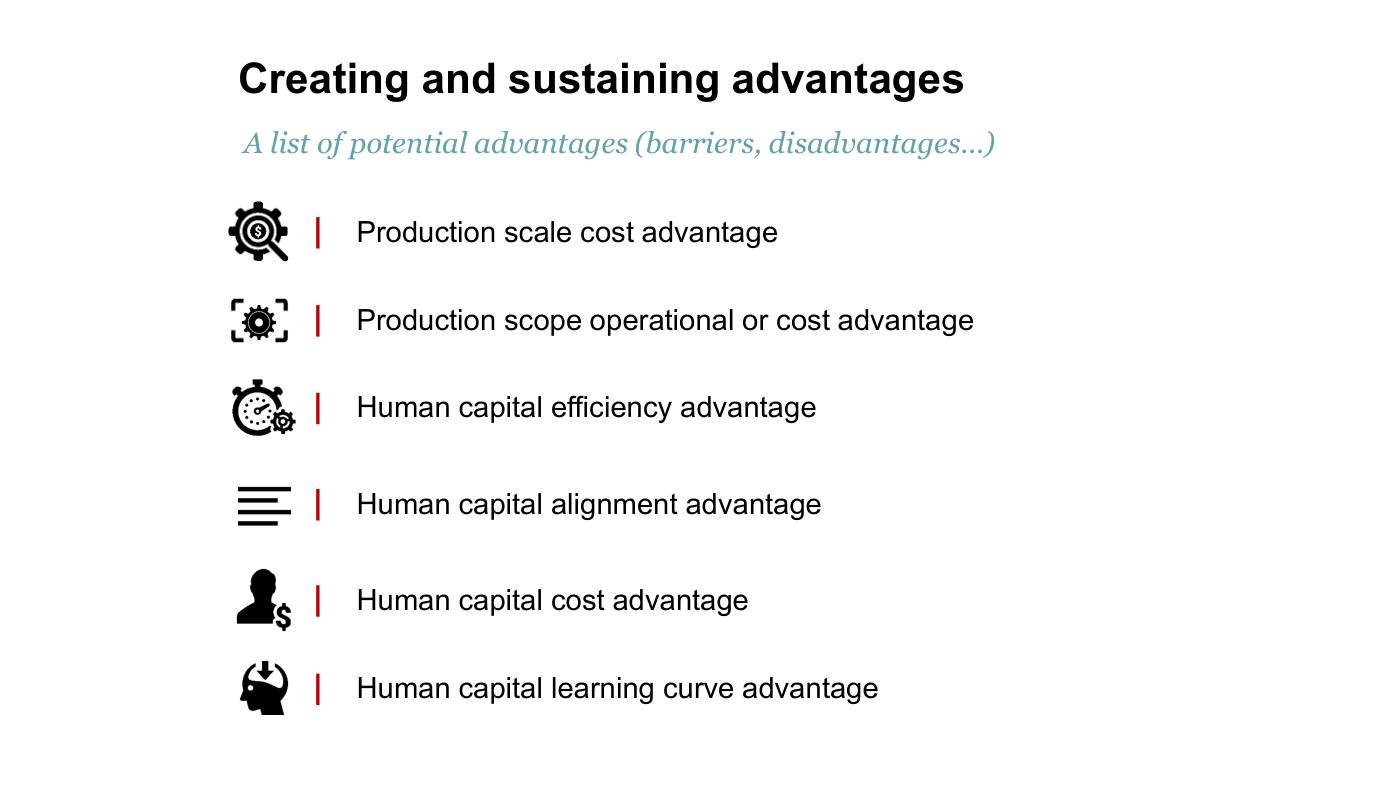
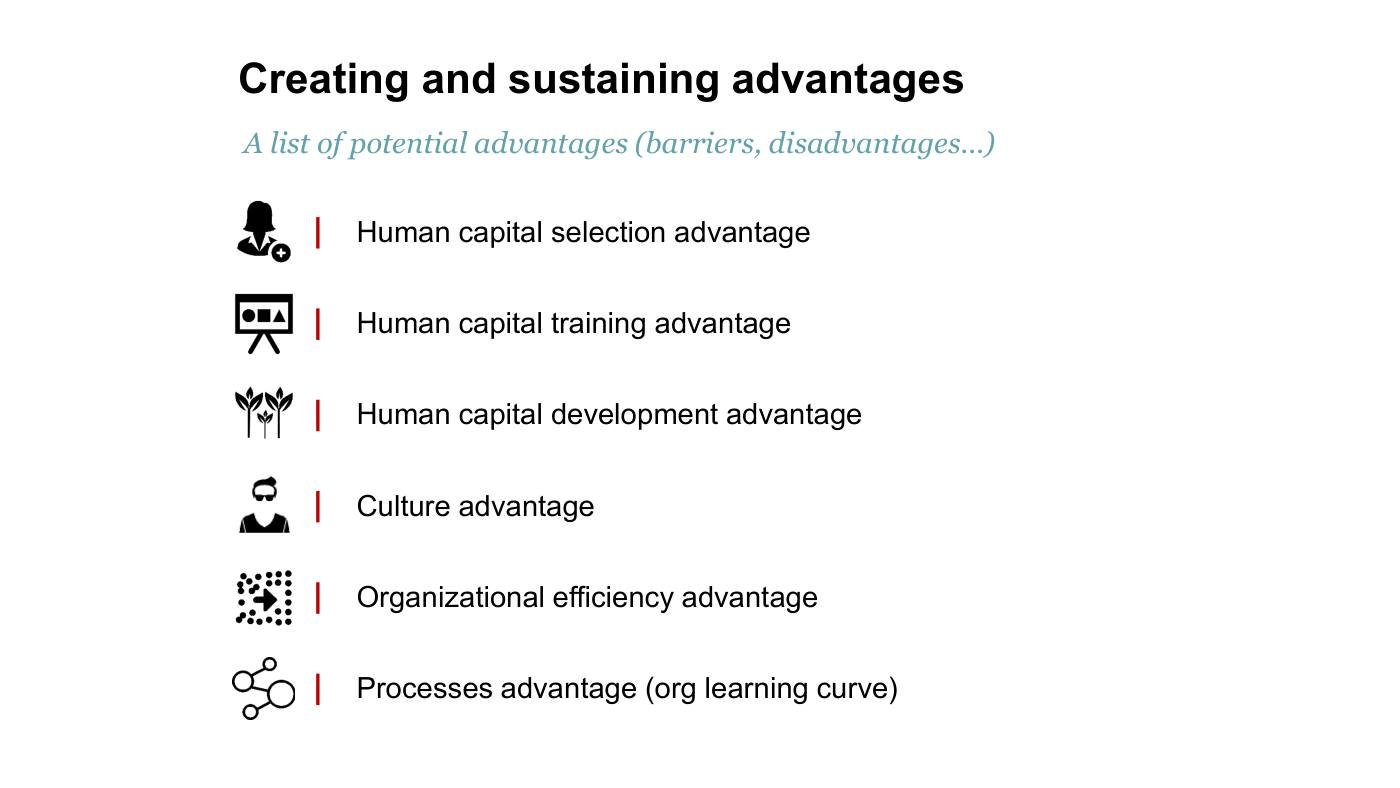
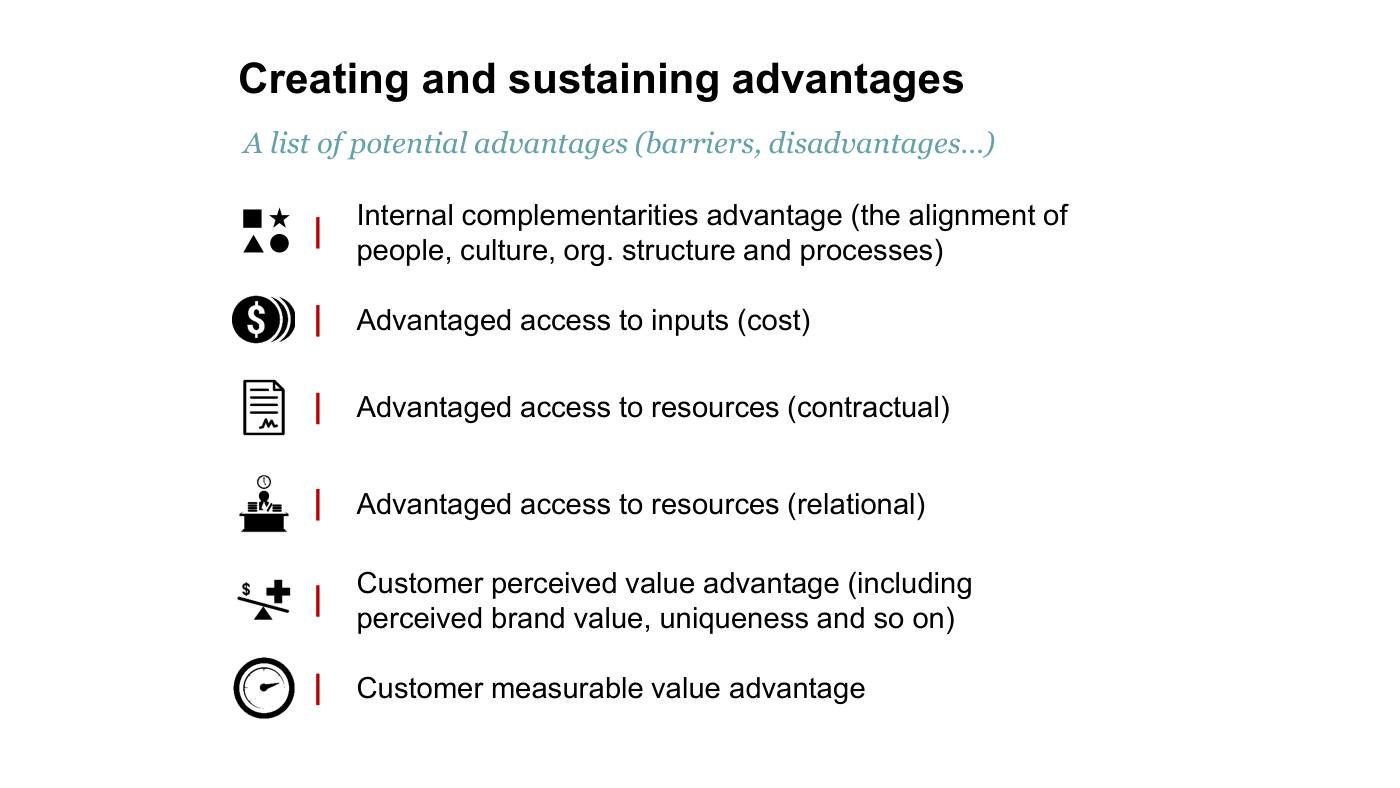
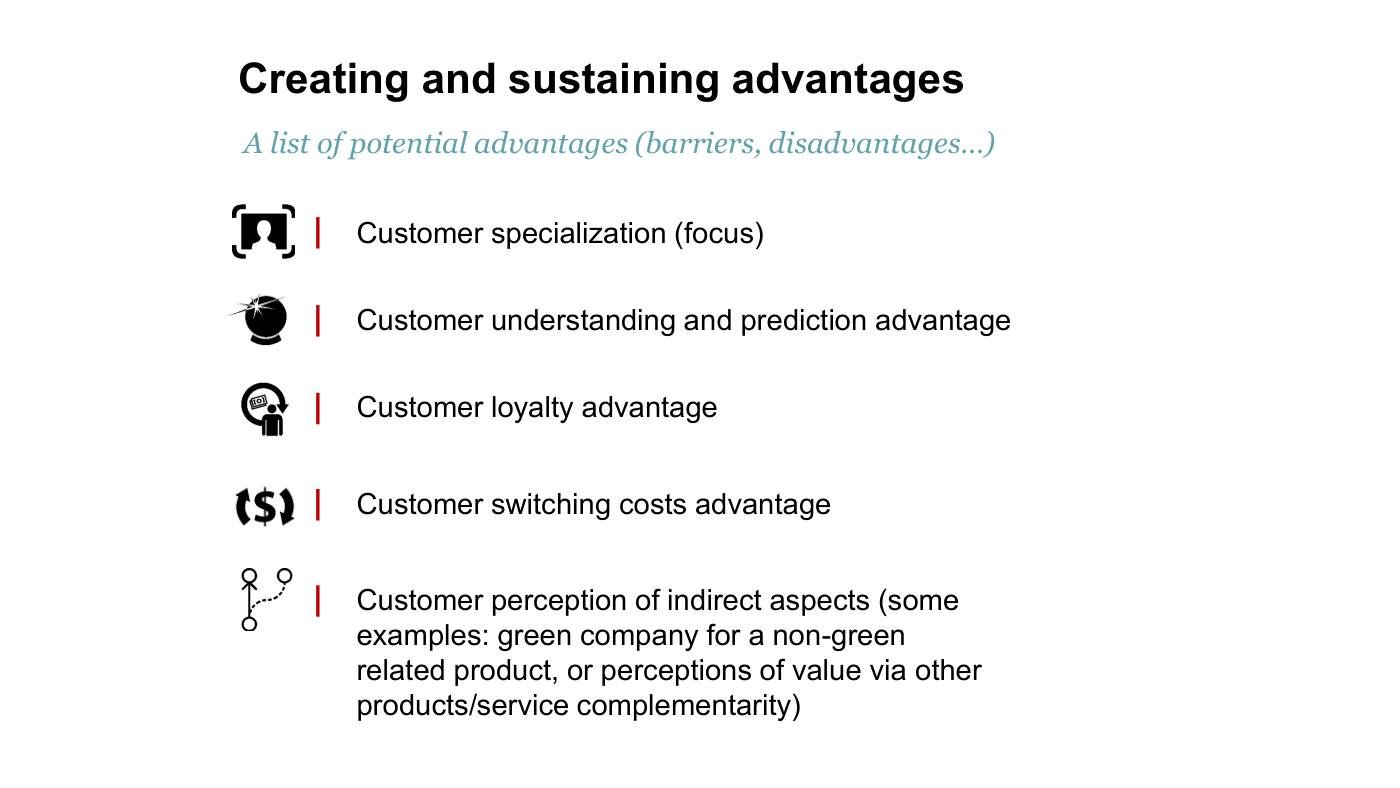
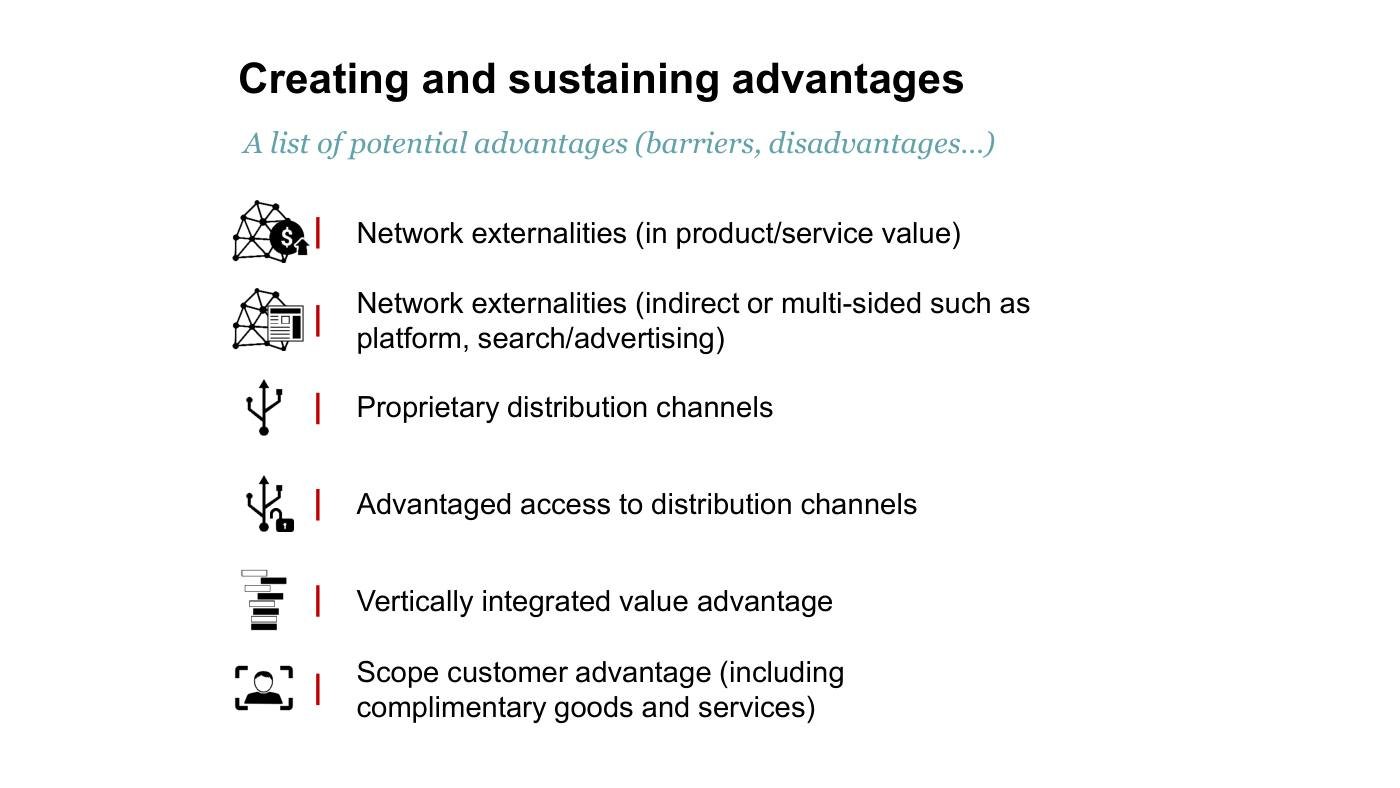
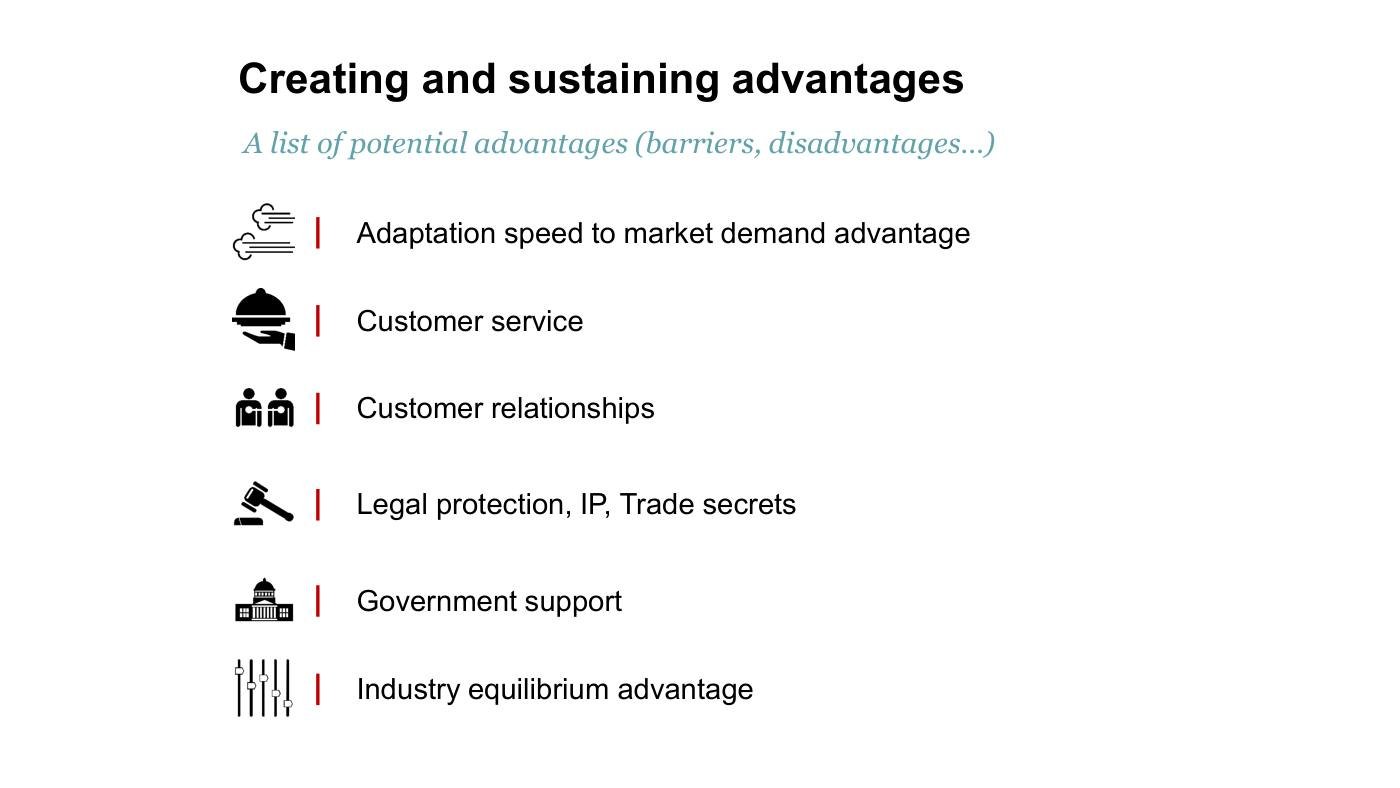
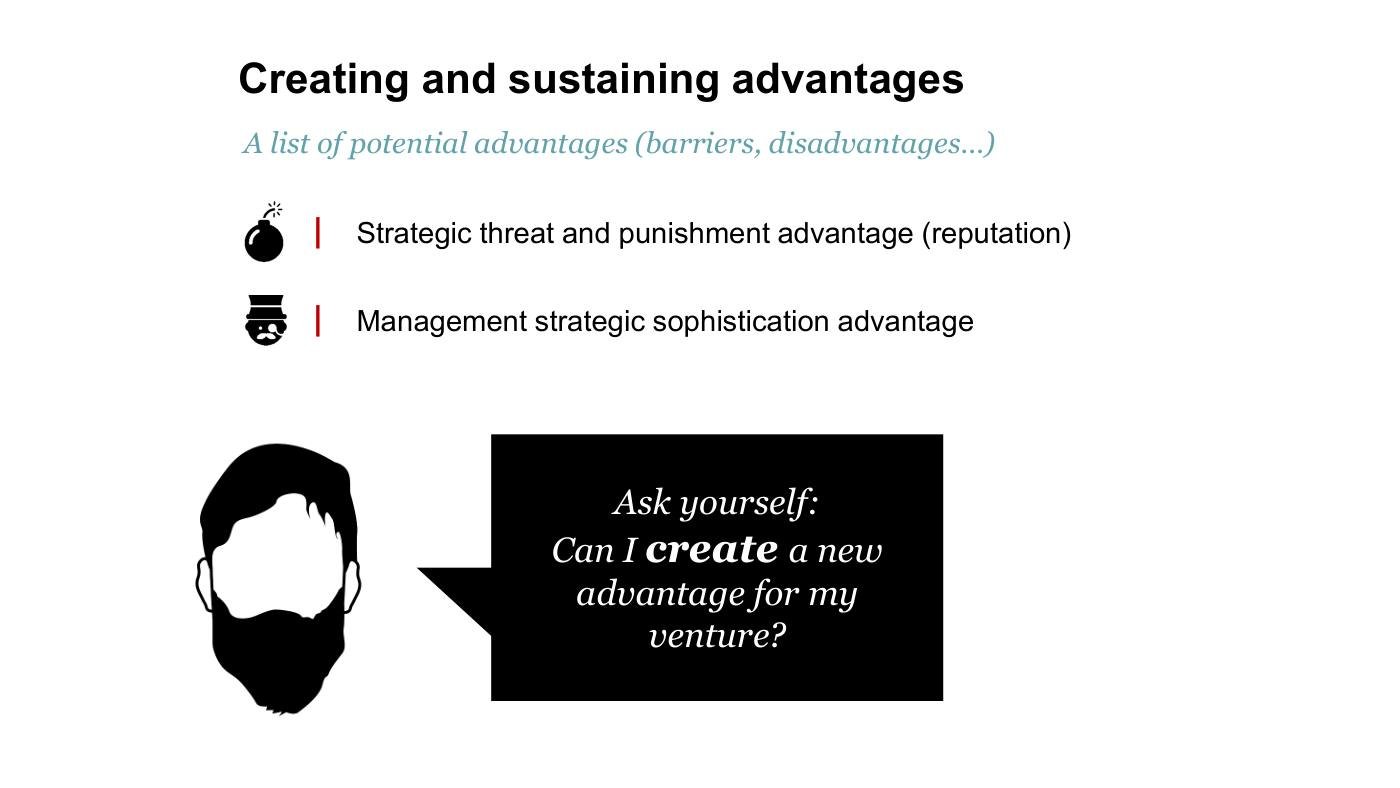
Which advantage would actually improve relative profitability?
Relay · What is defensible once the AI layer is commoditized?
What should stay consistent when a business changes its model?
Relay · The pivot to multi-location groups and Relay Scheduler
Module 04
Connect operating choices to statements, cash, value and risk.
You will makeA linked financial analysis, operating forecast, valuation and staged-investment decision.
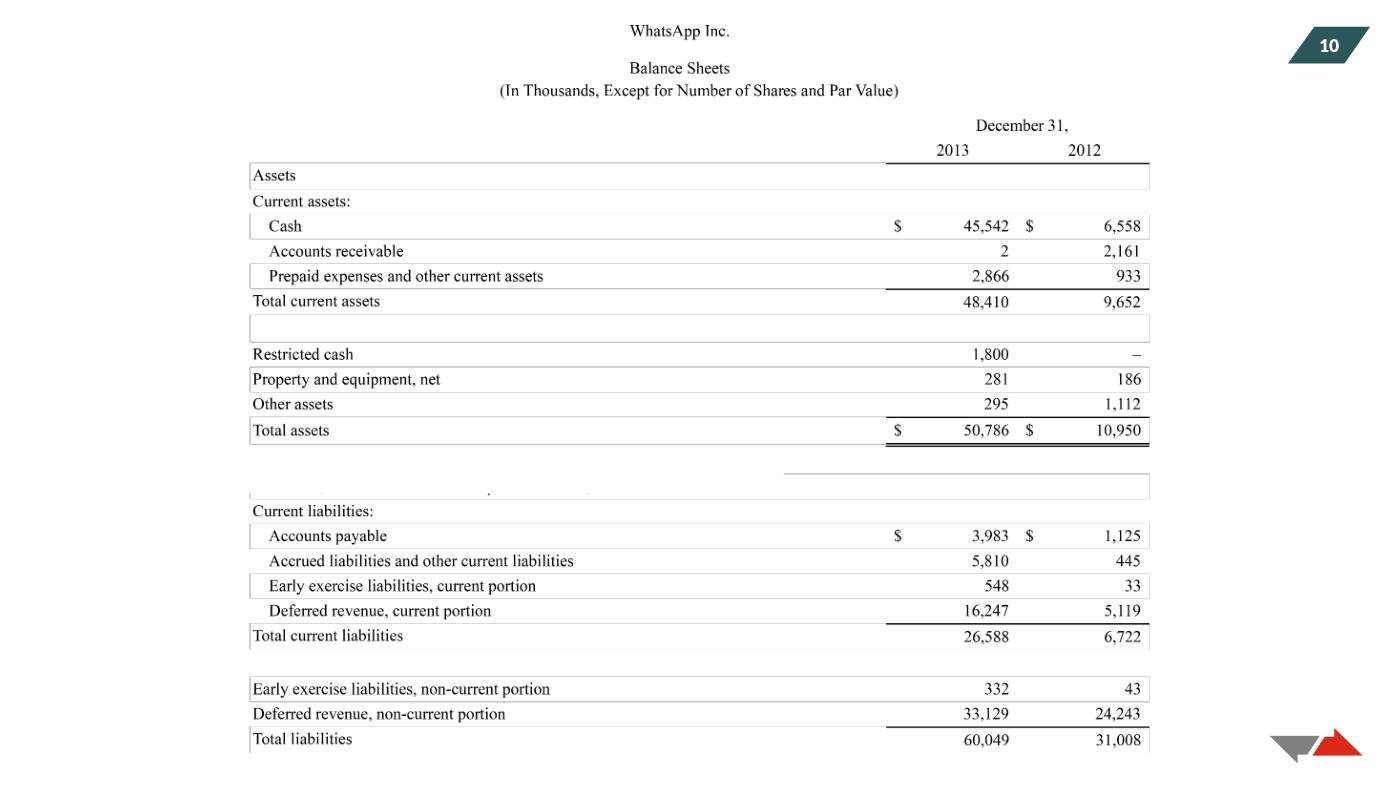
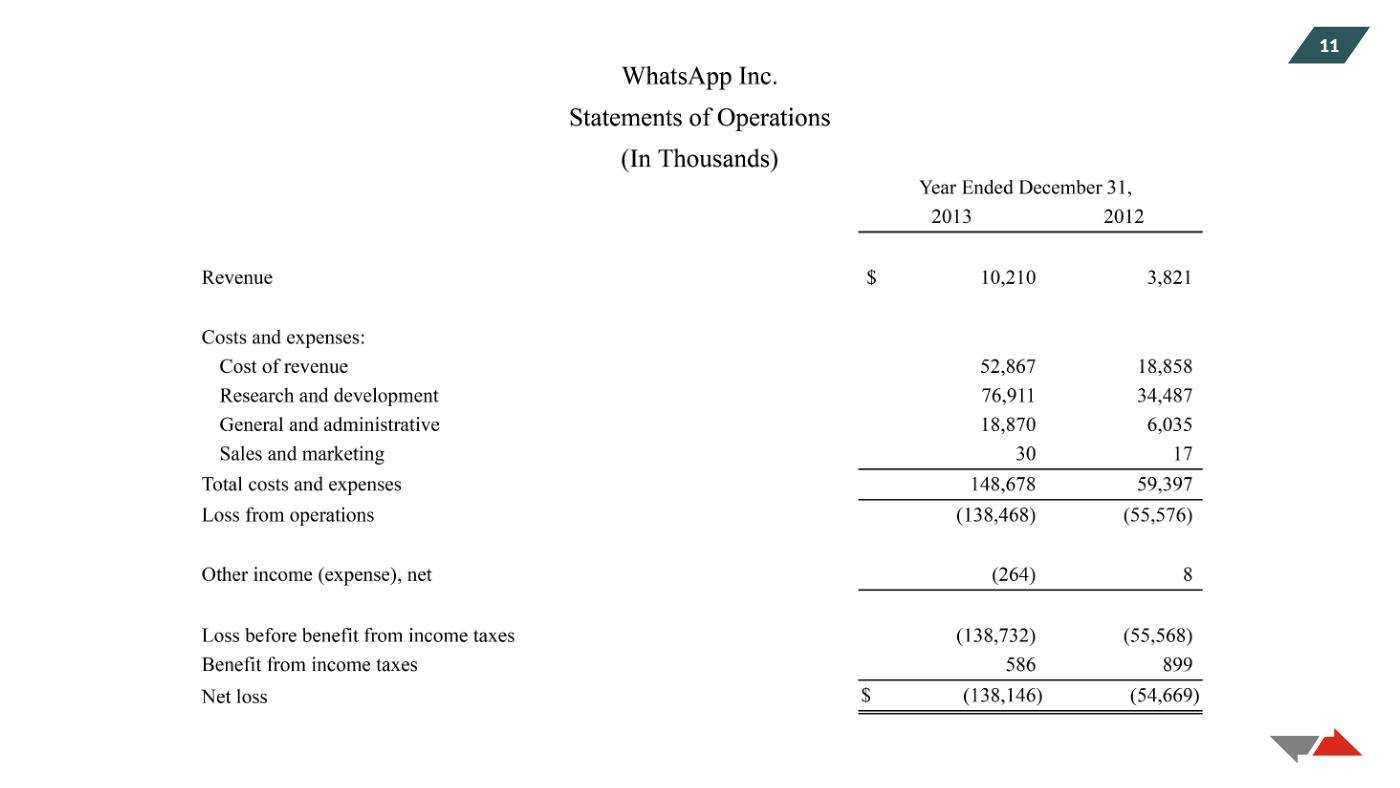
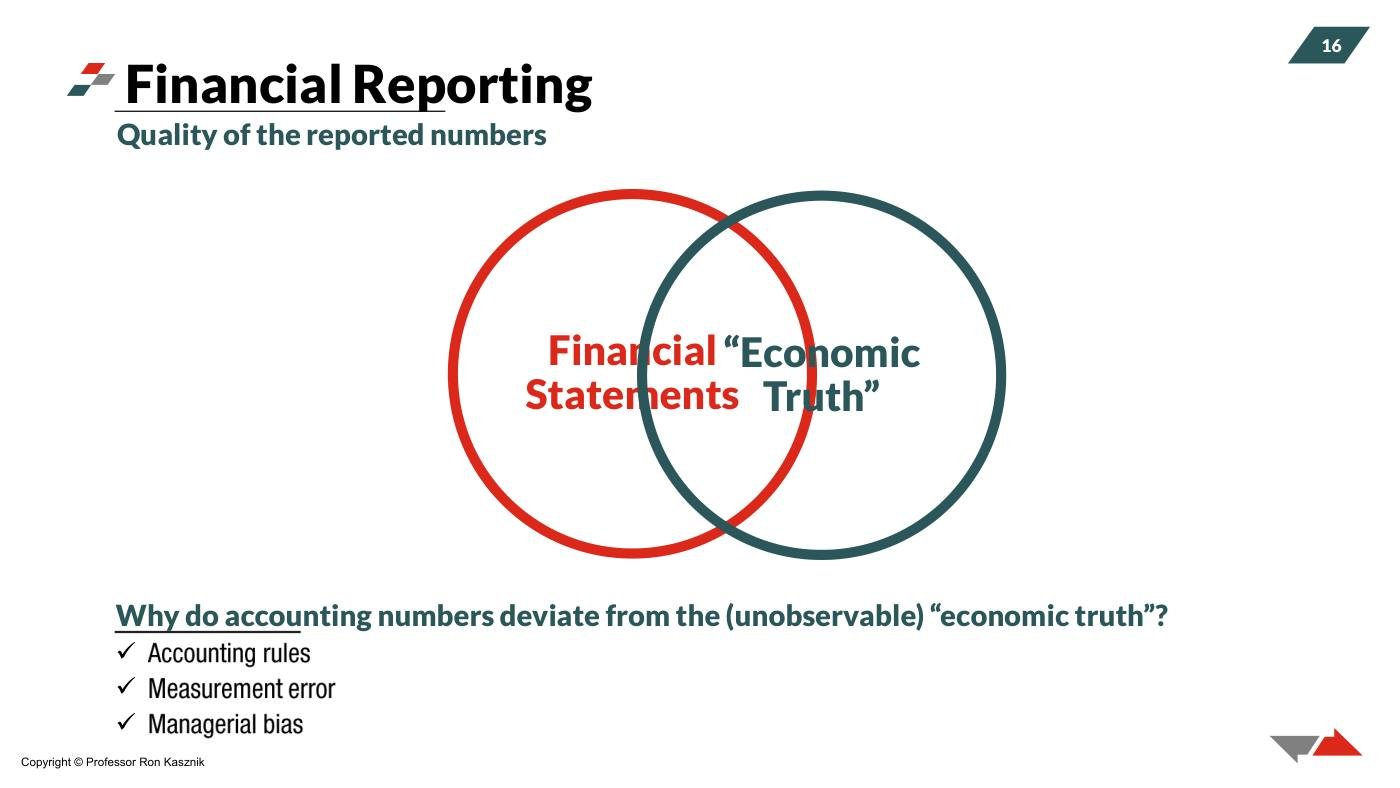
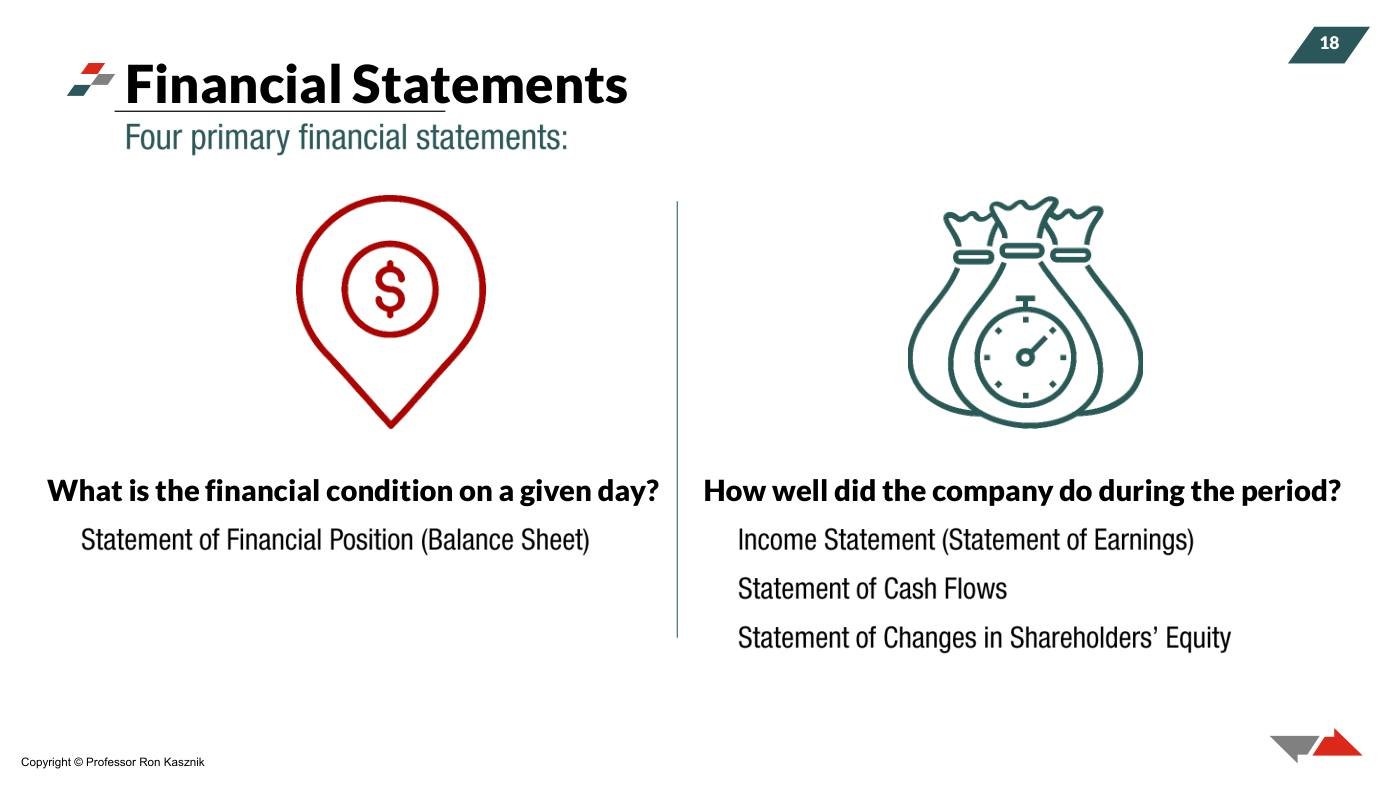
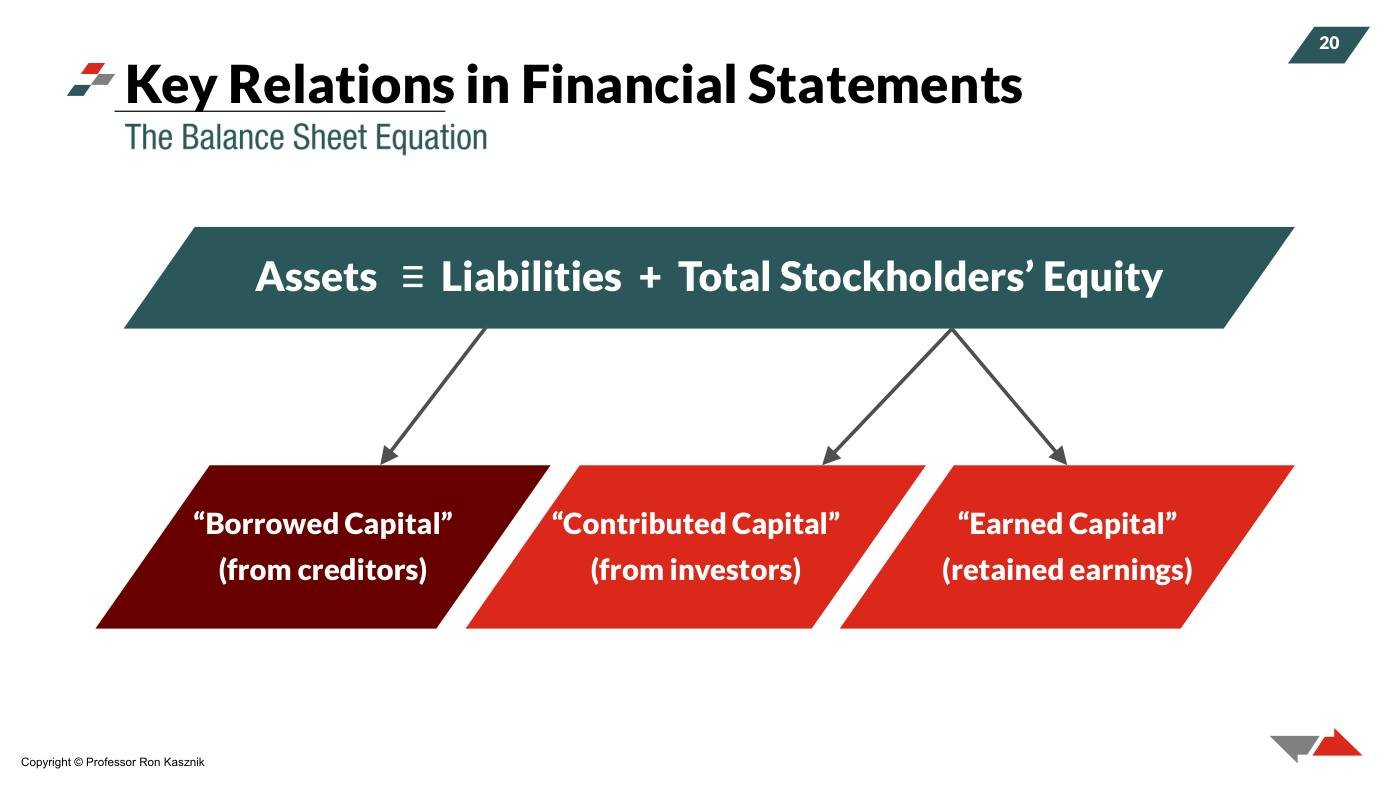
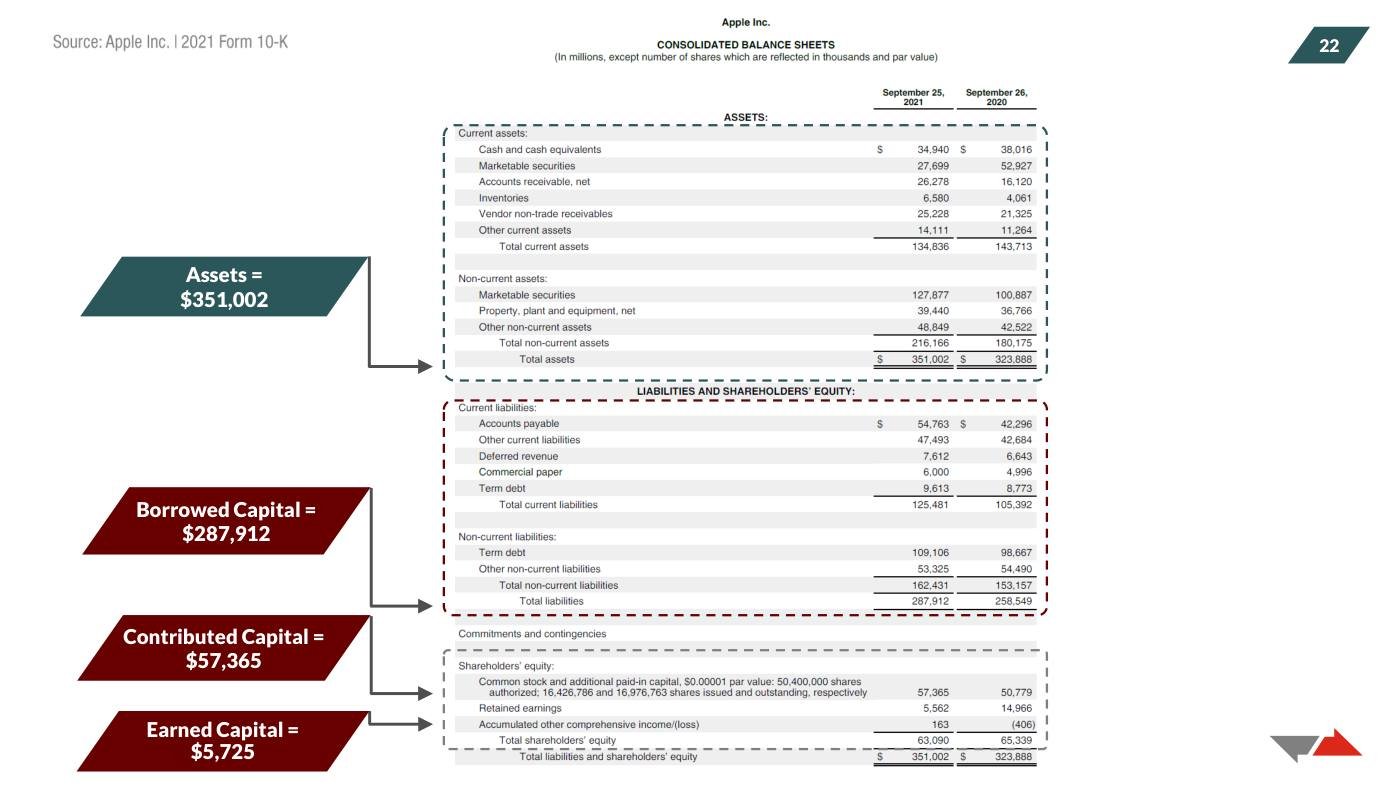
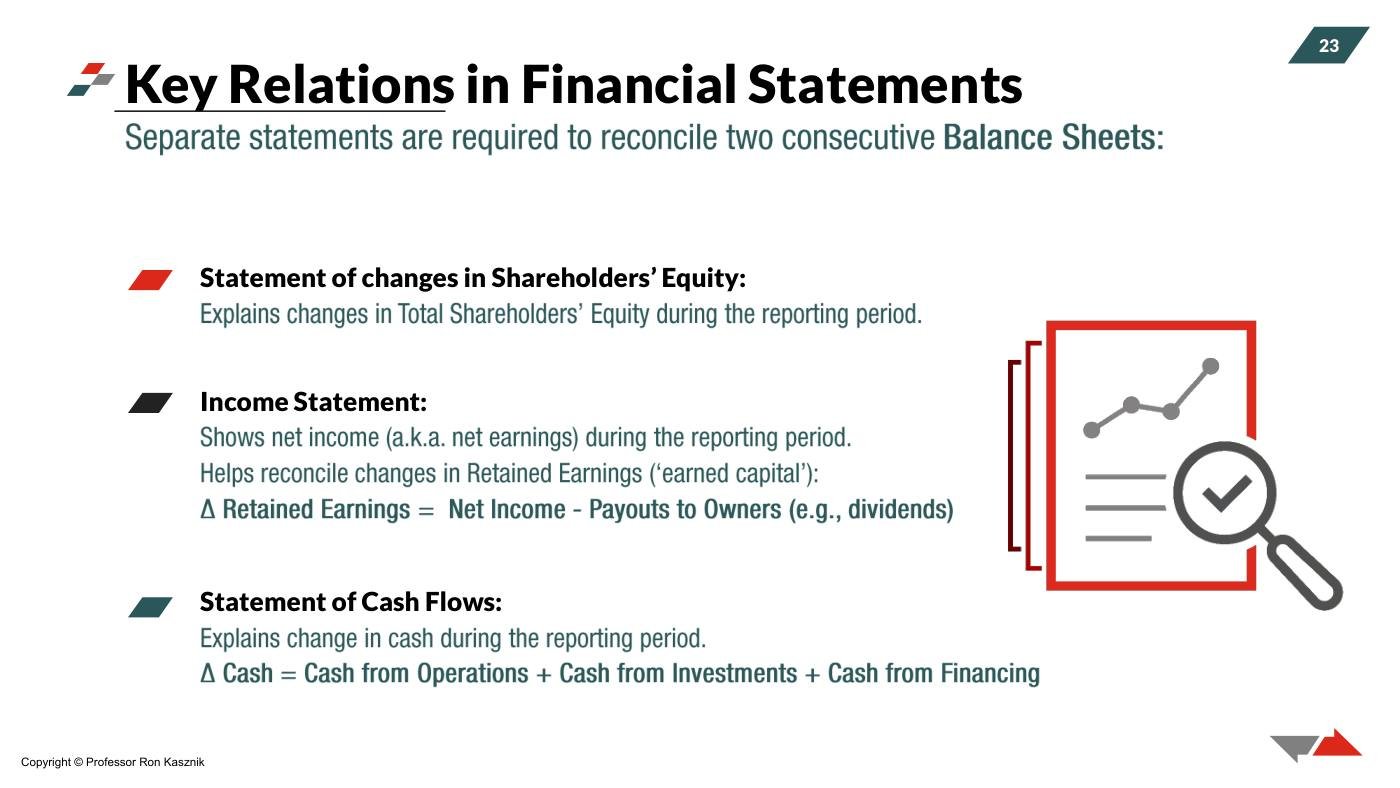
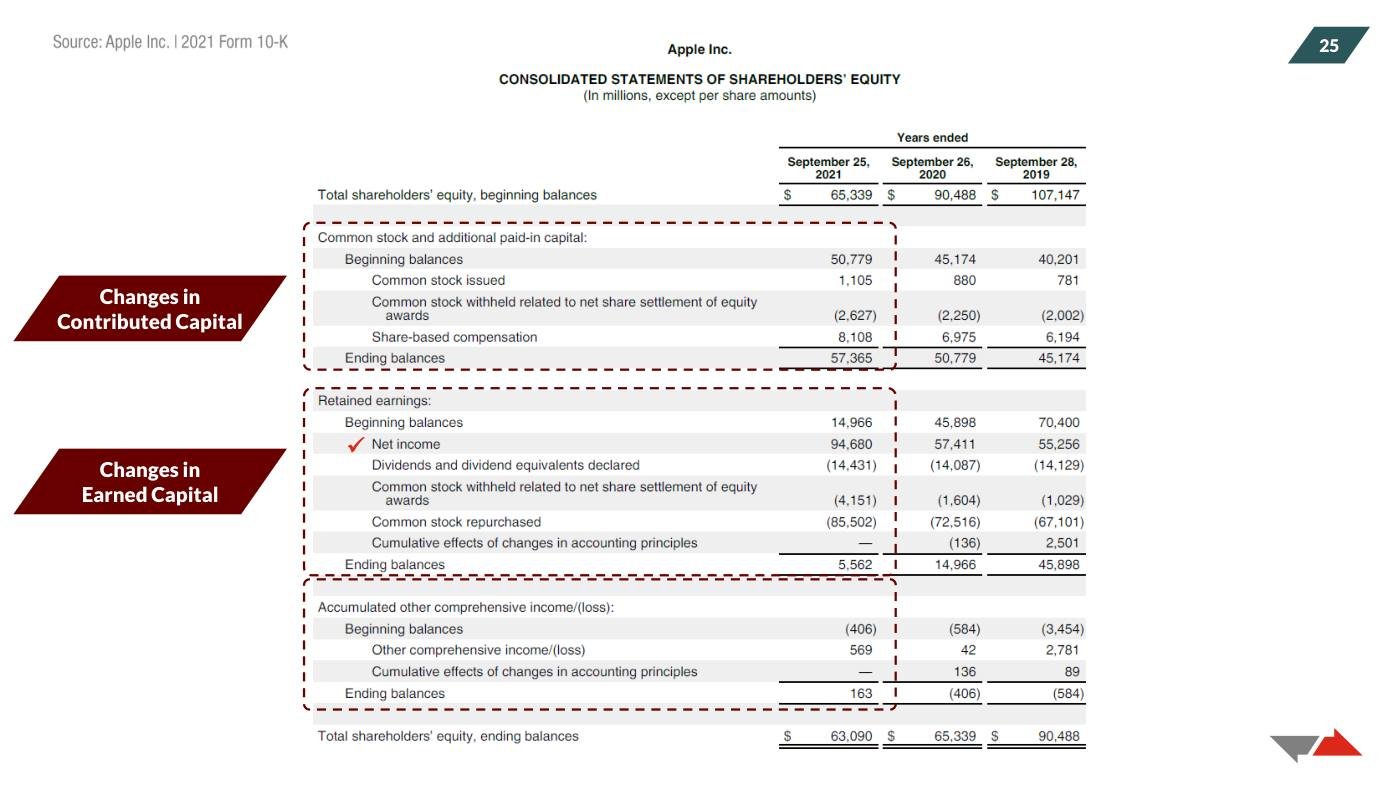
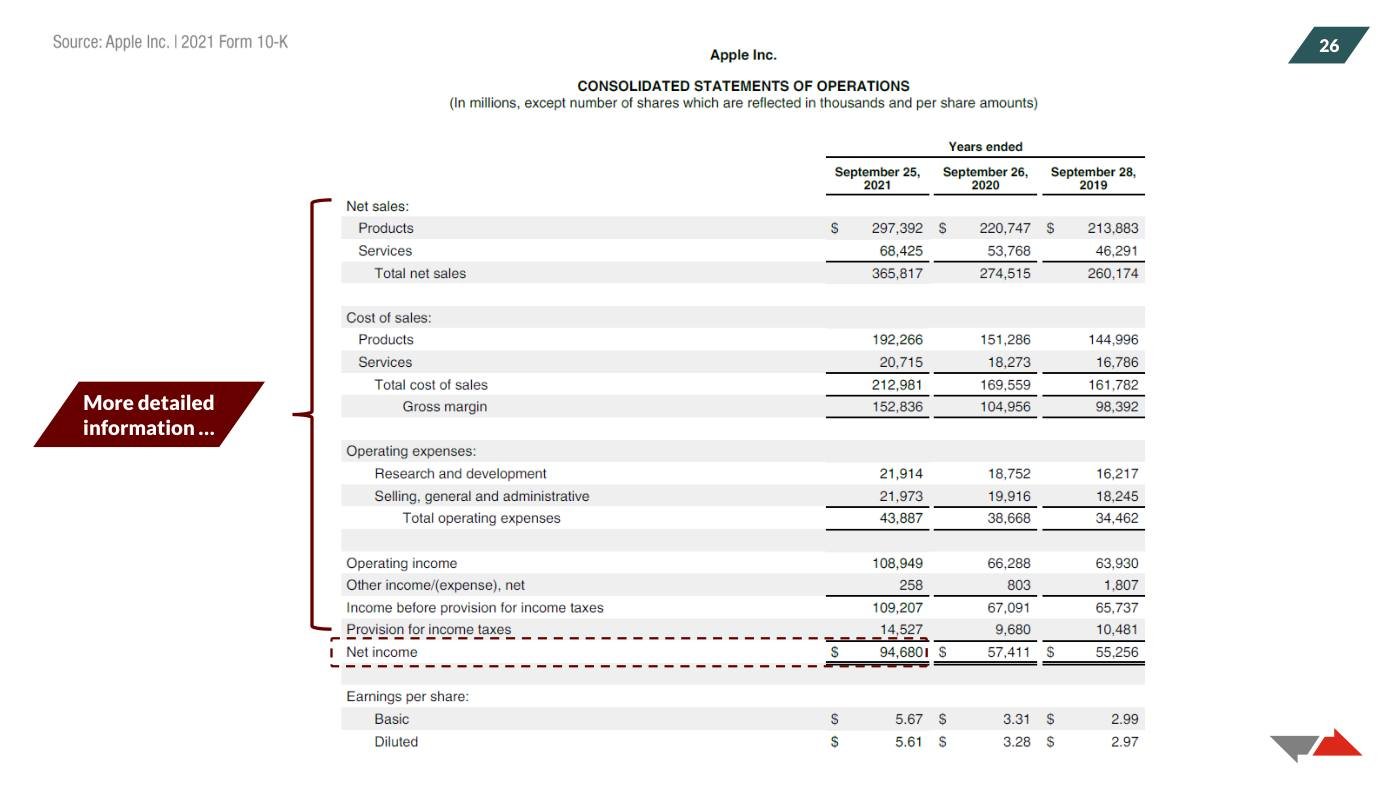
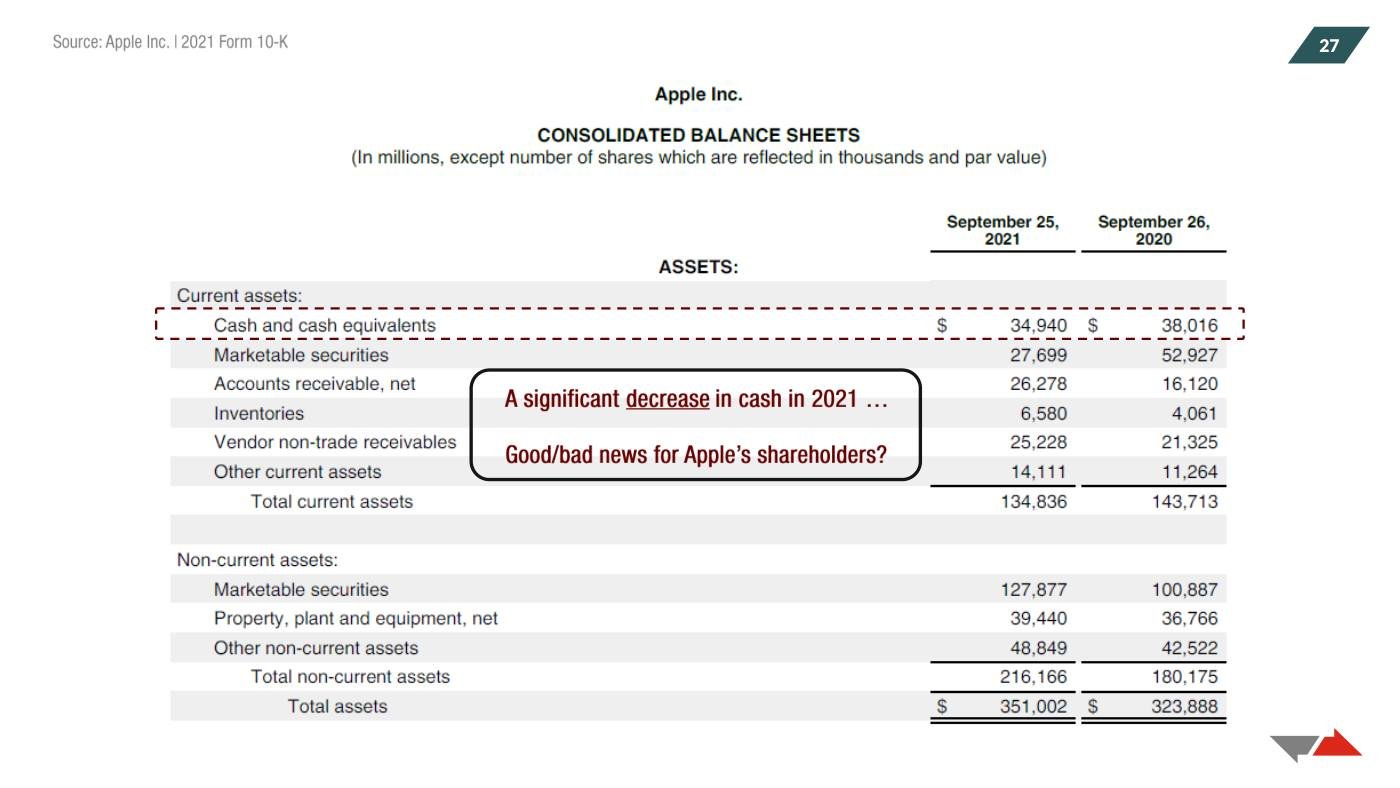
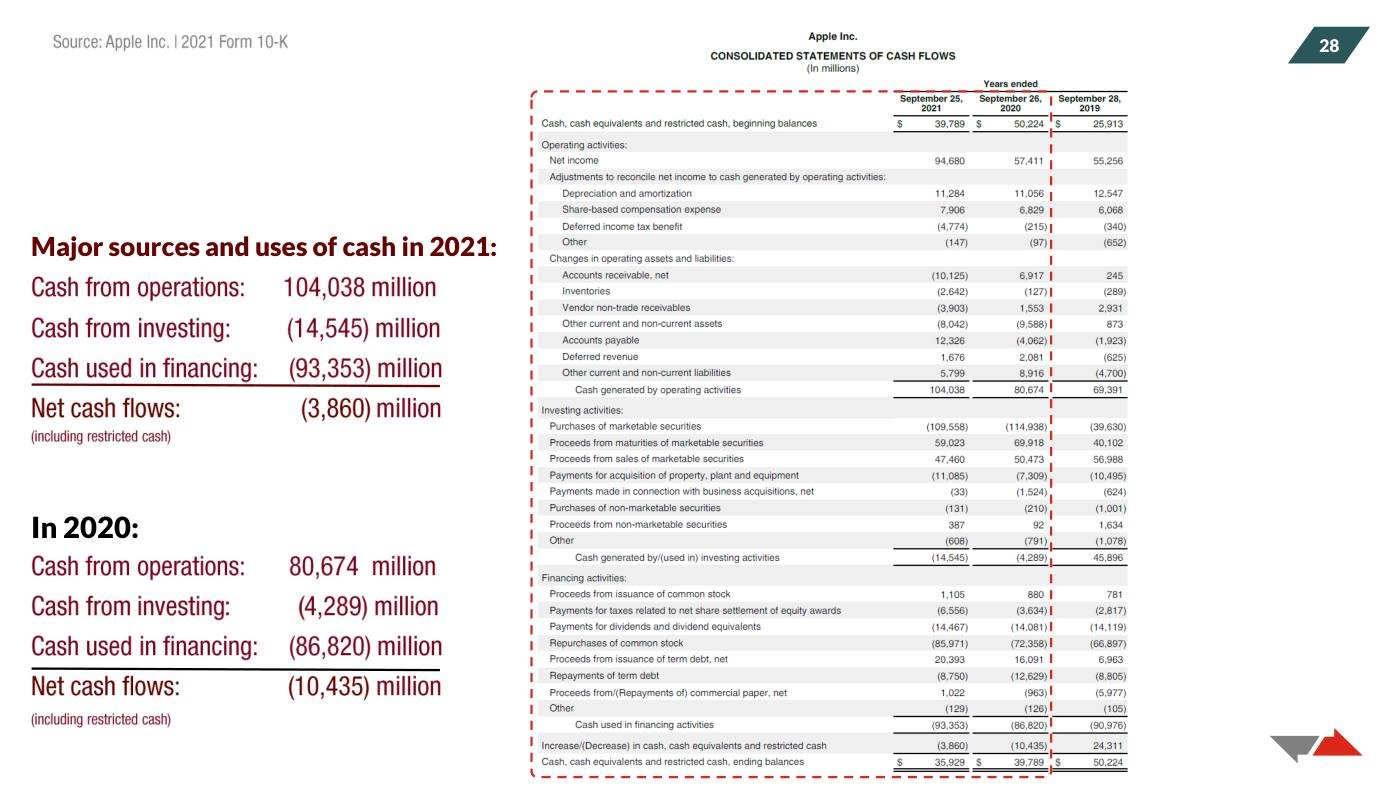
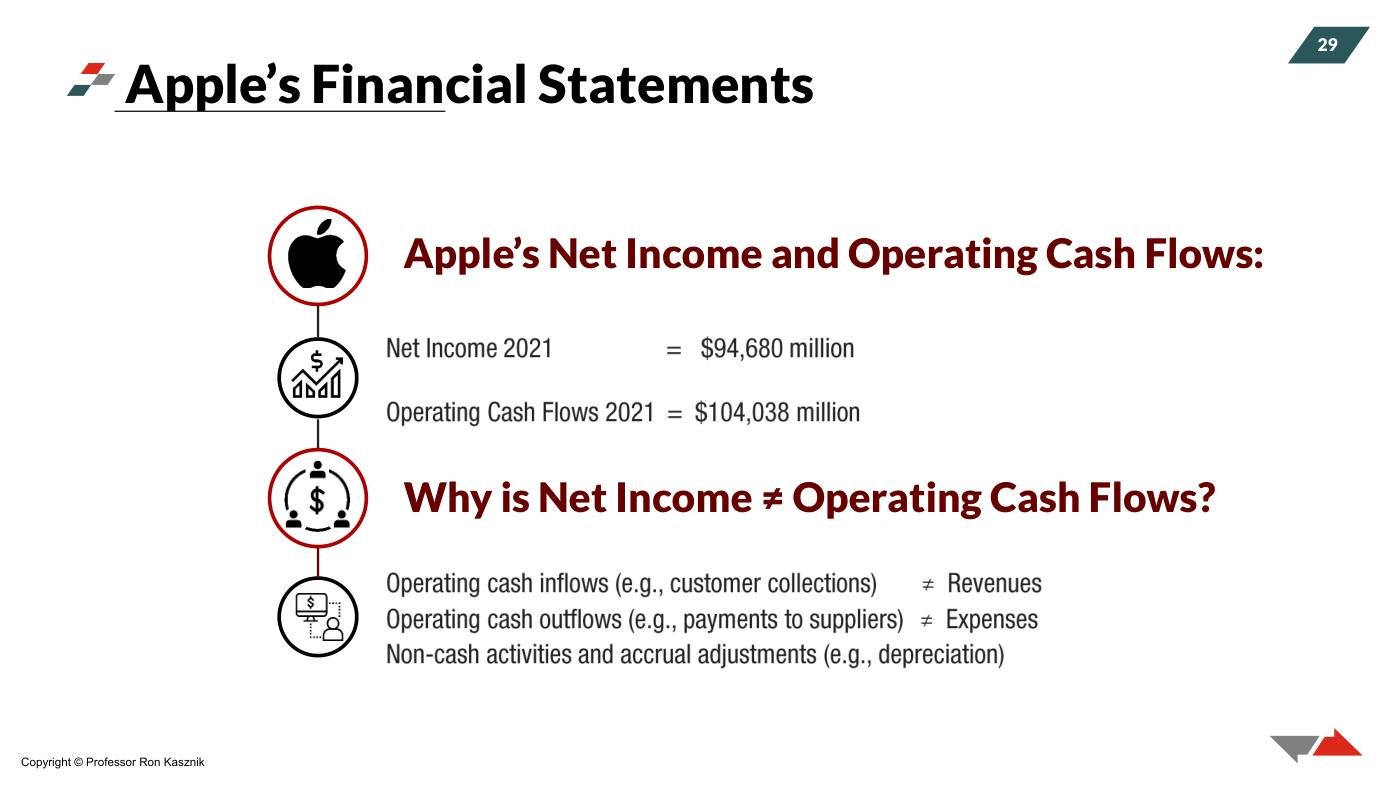
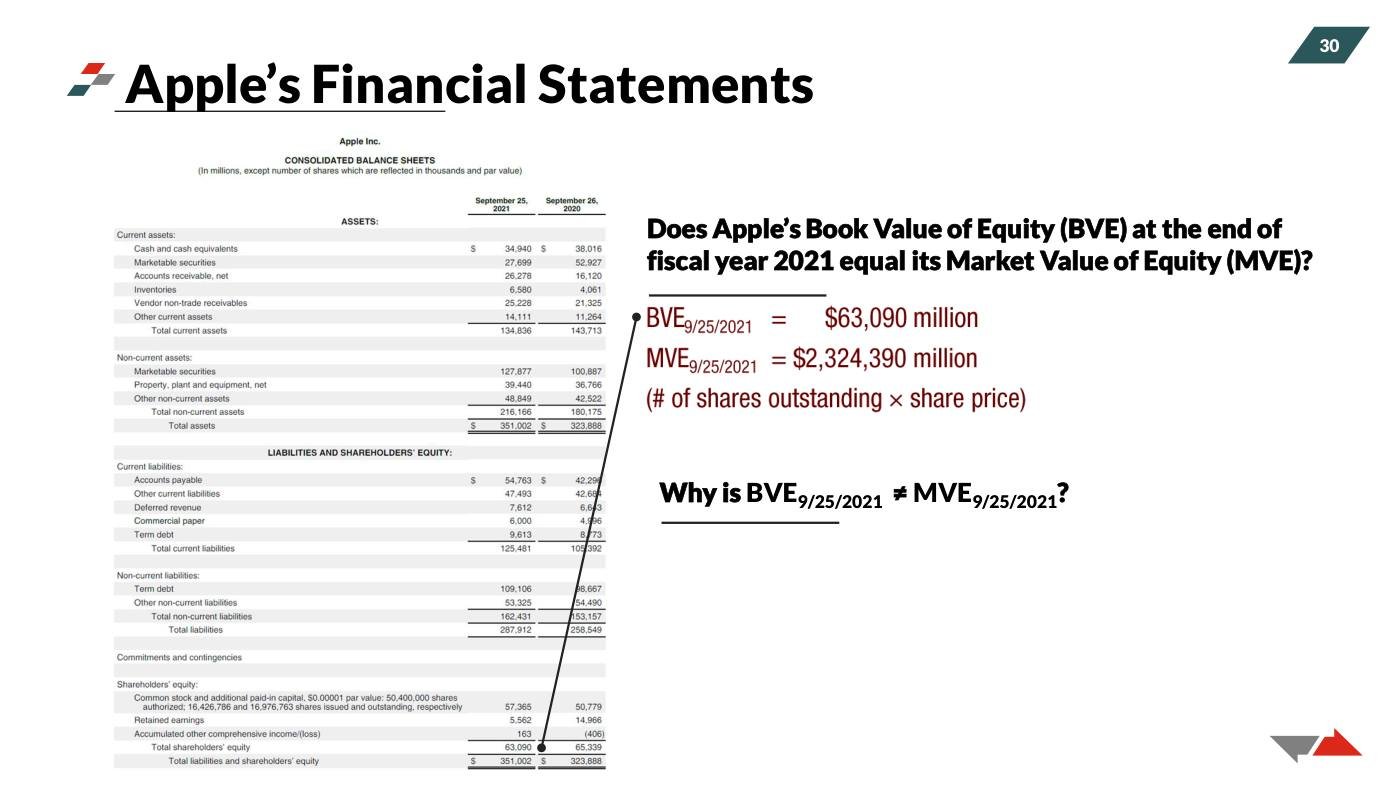
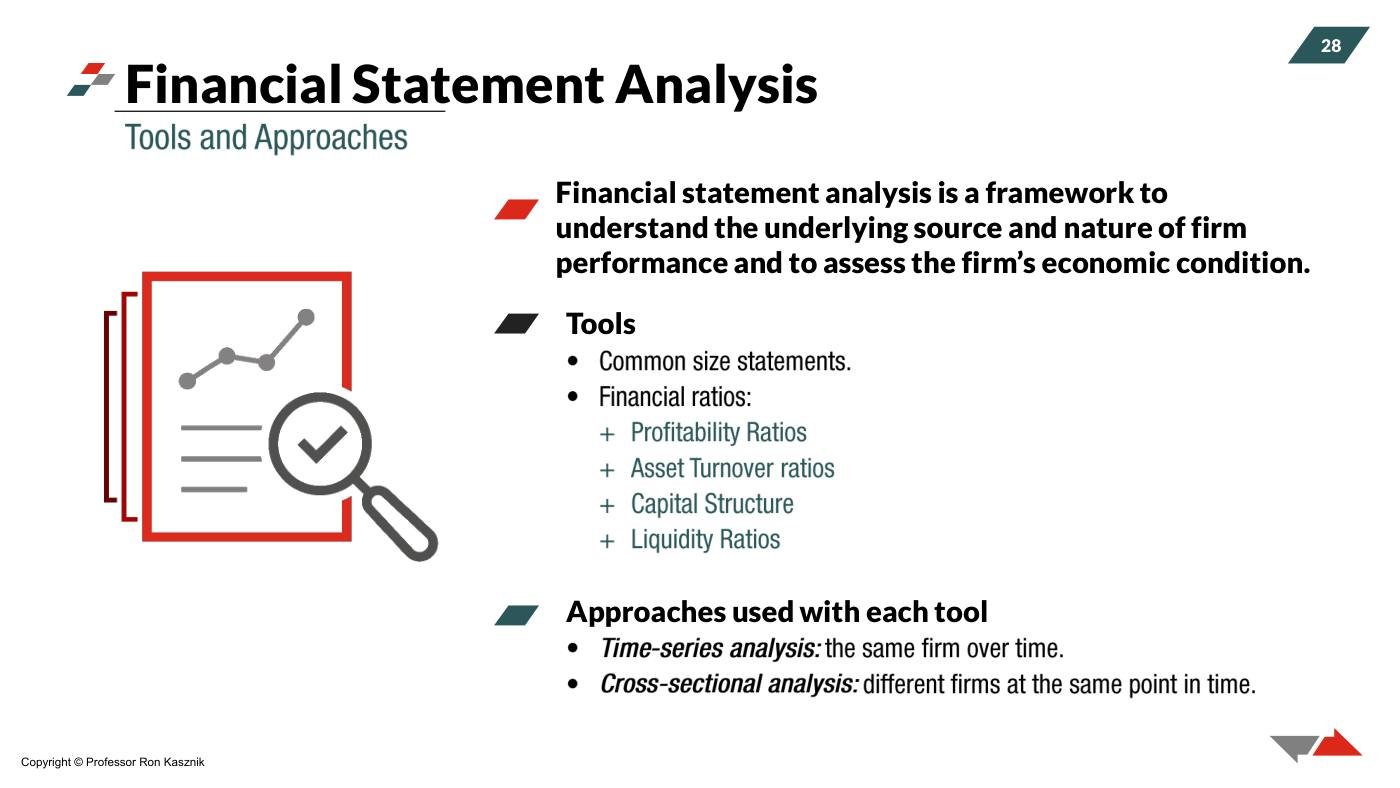
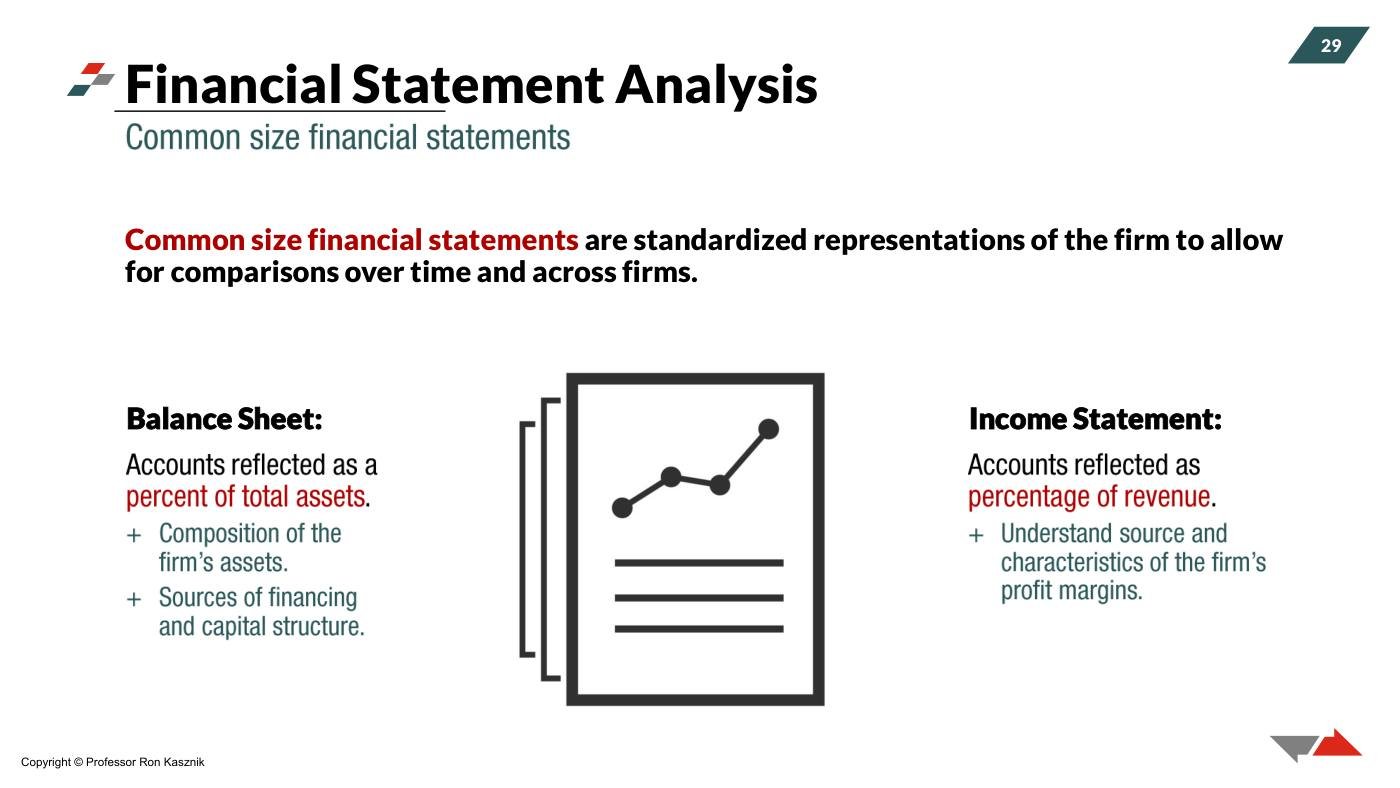
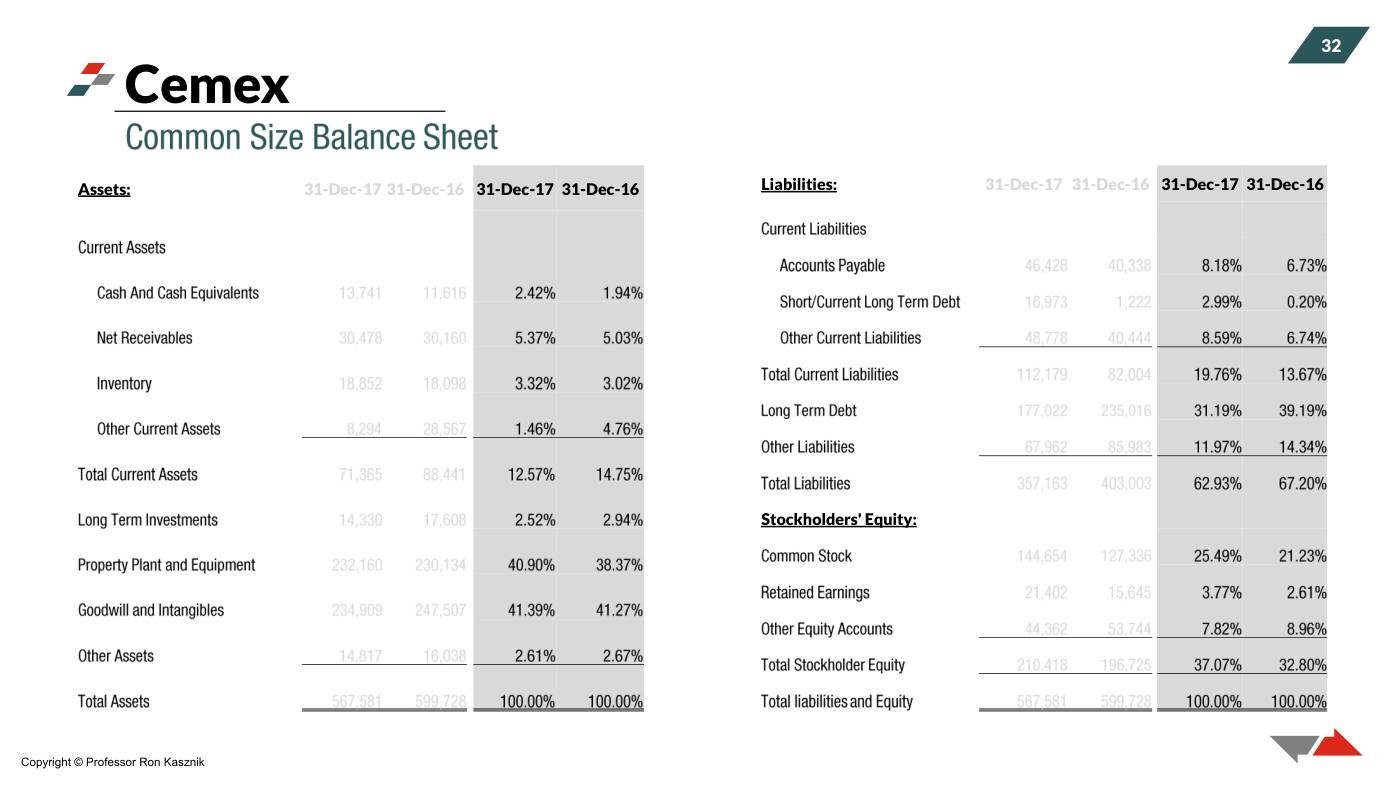
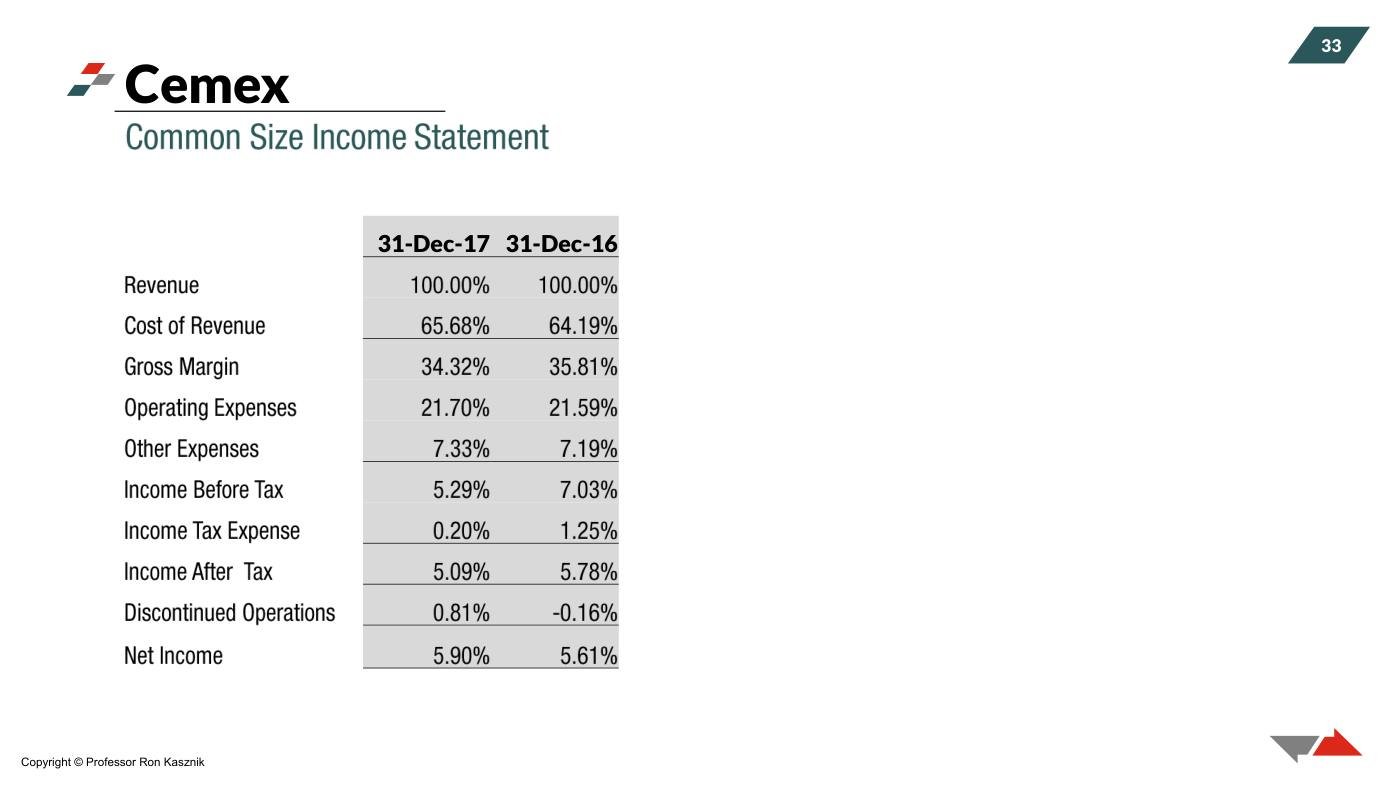
What do the statements reveal, and what do they leave out?
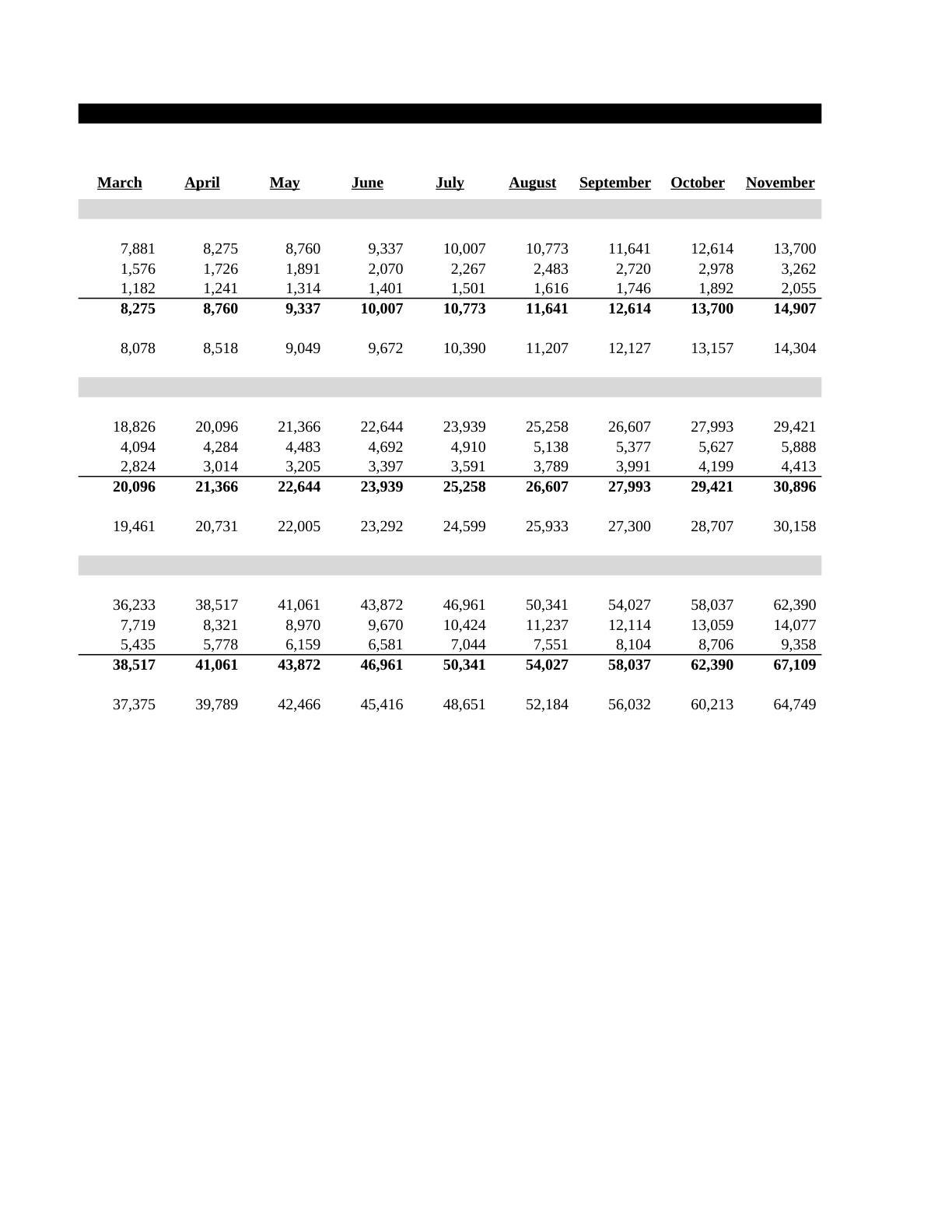
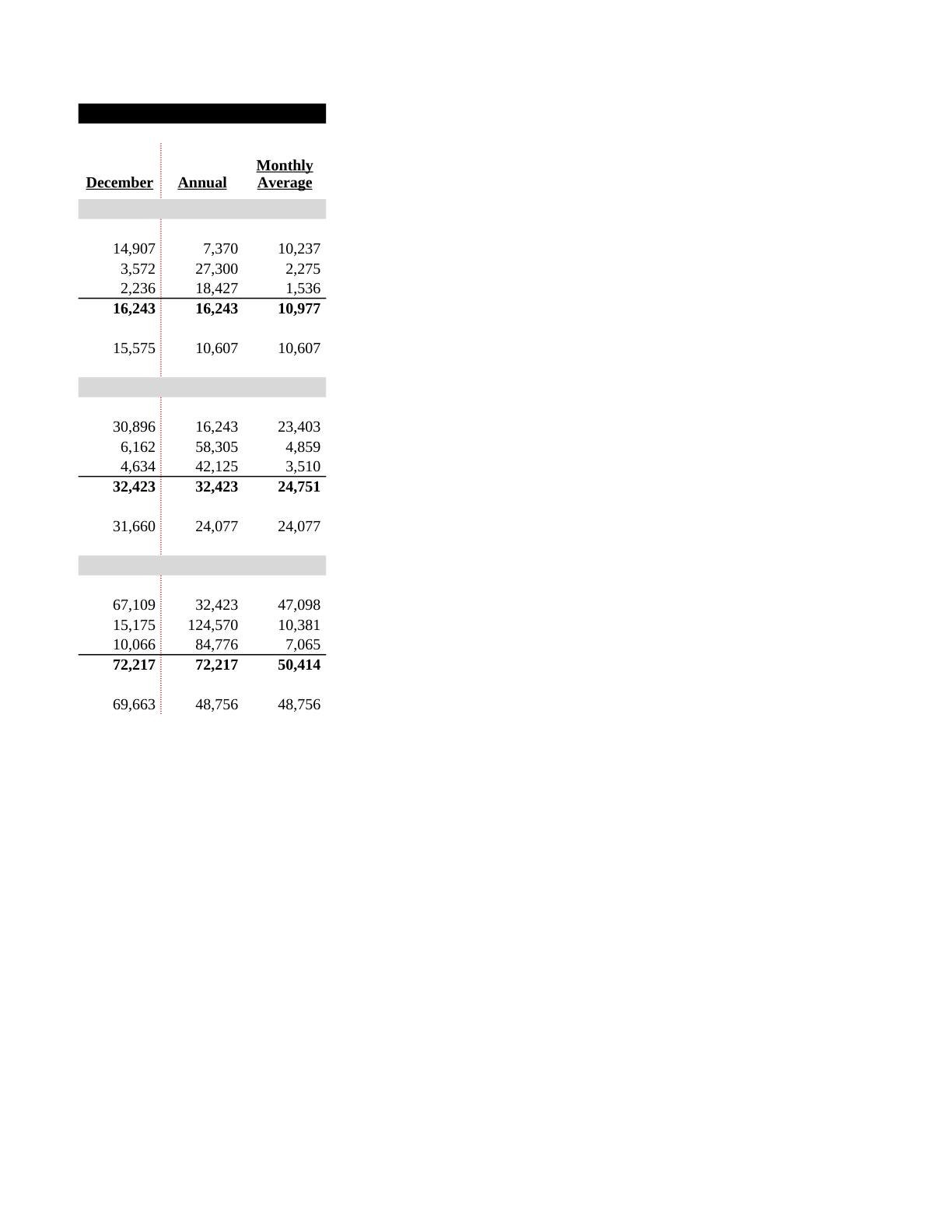
Relay · Read Relay's FY1 statements
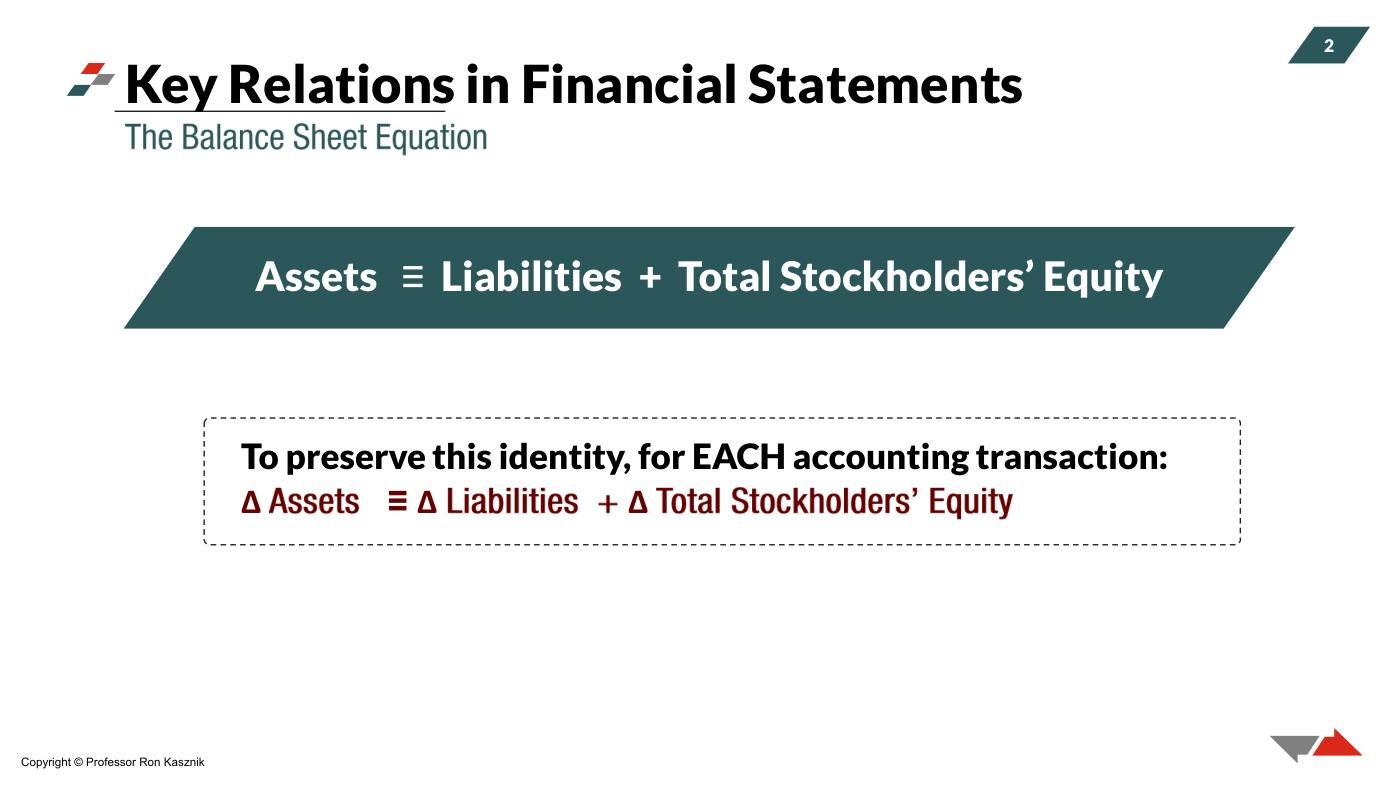
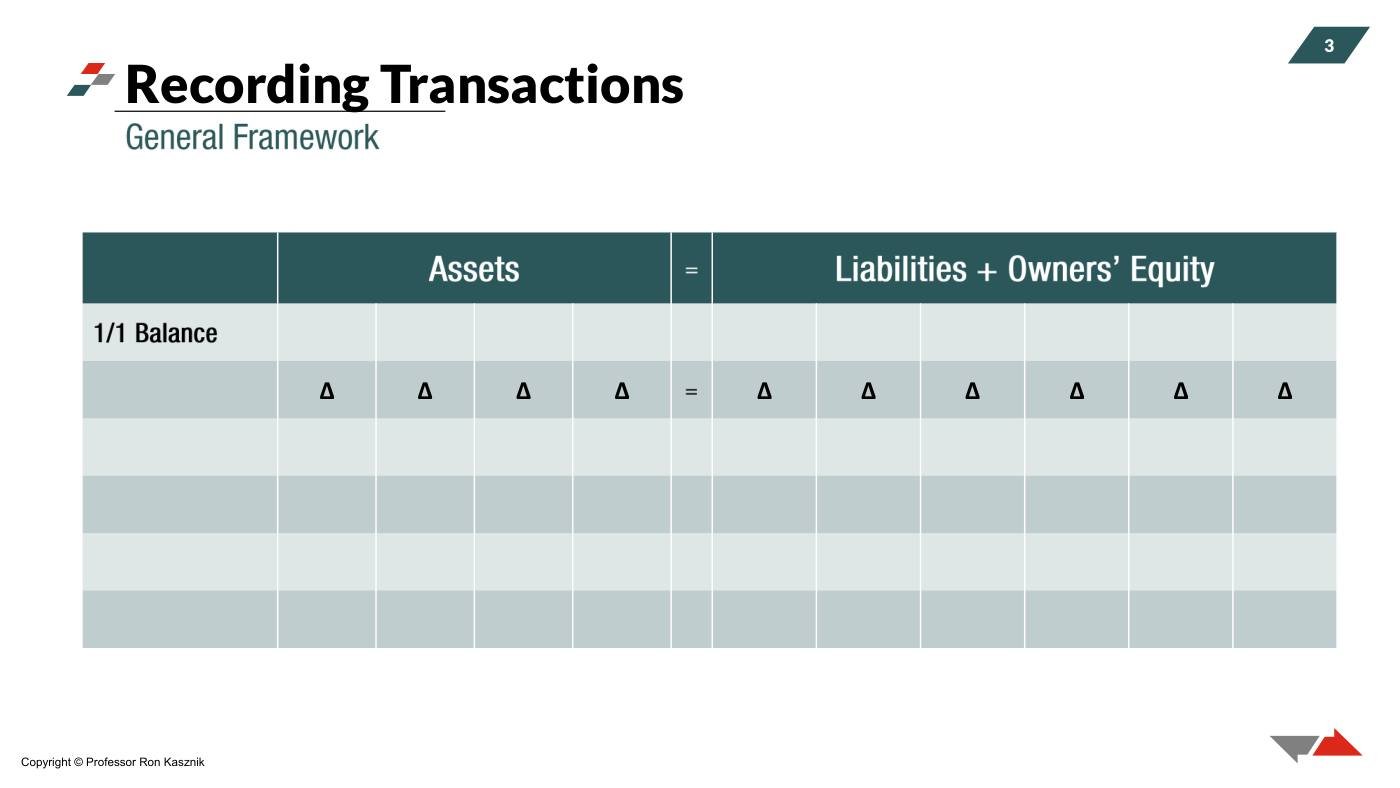
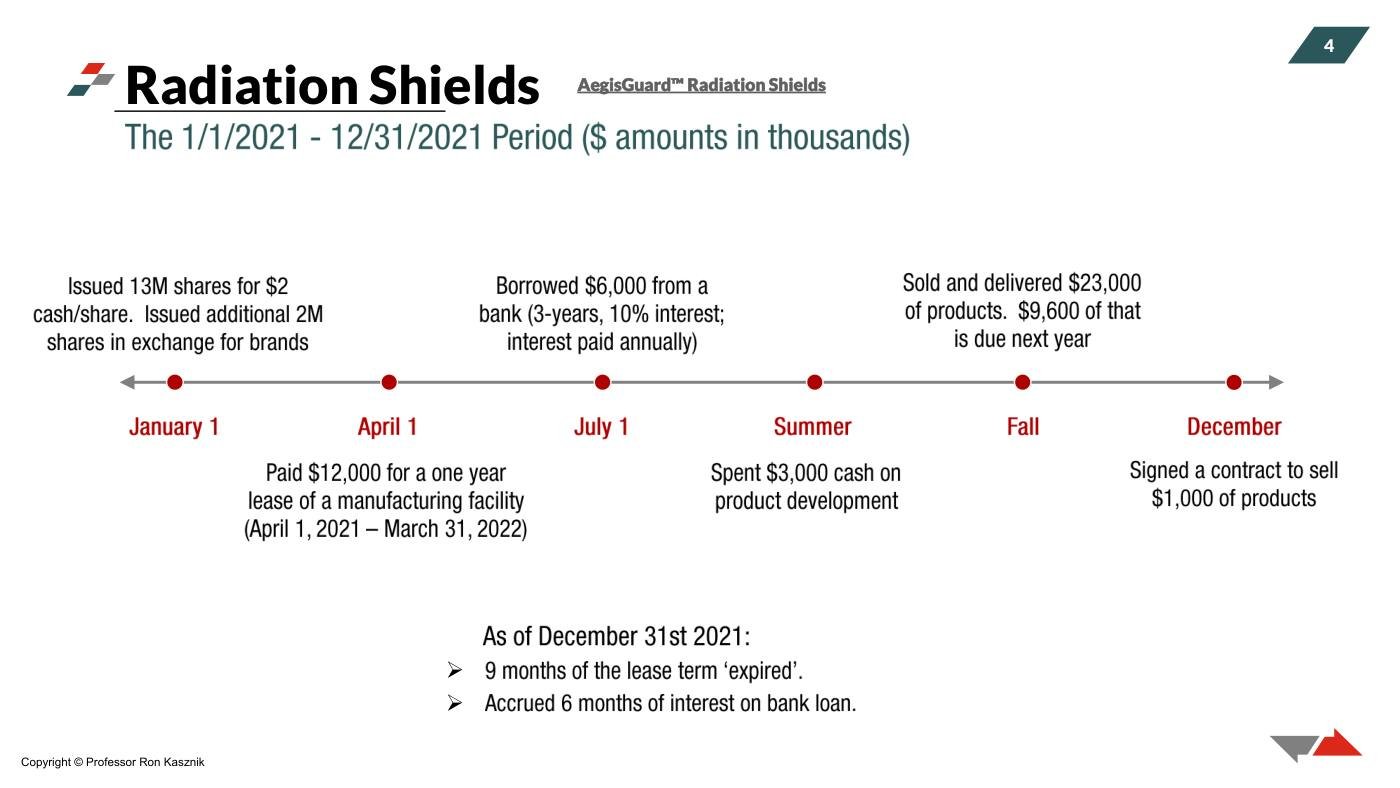
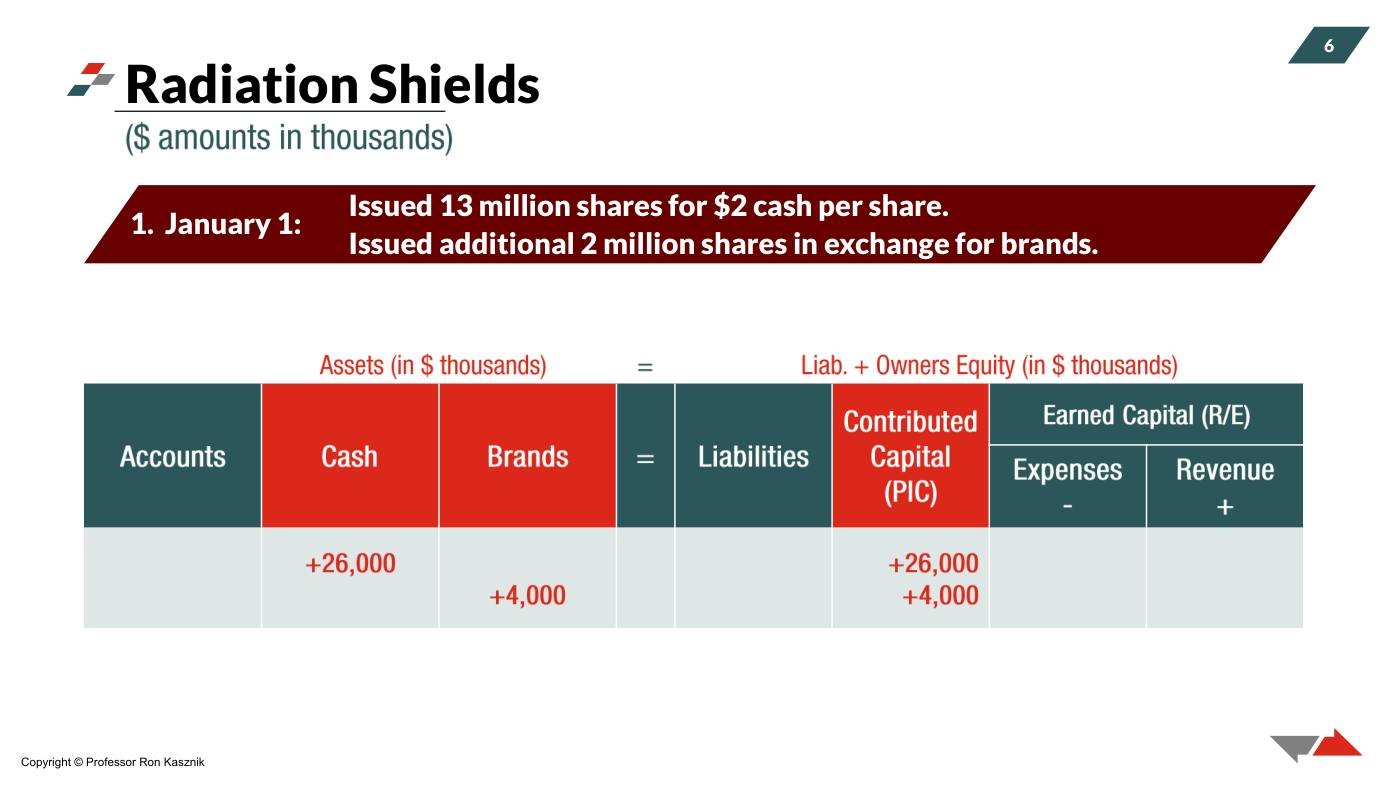
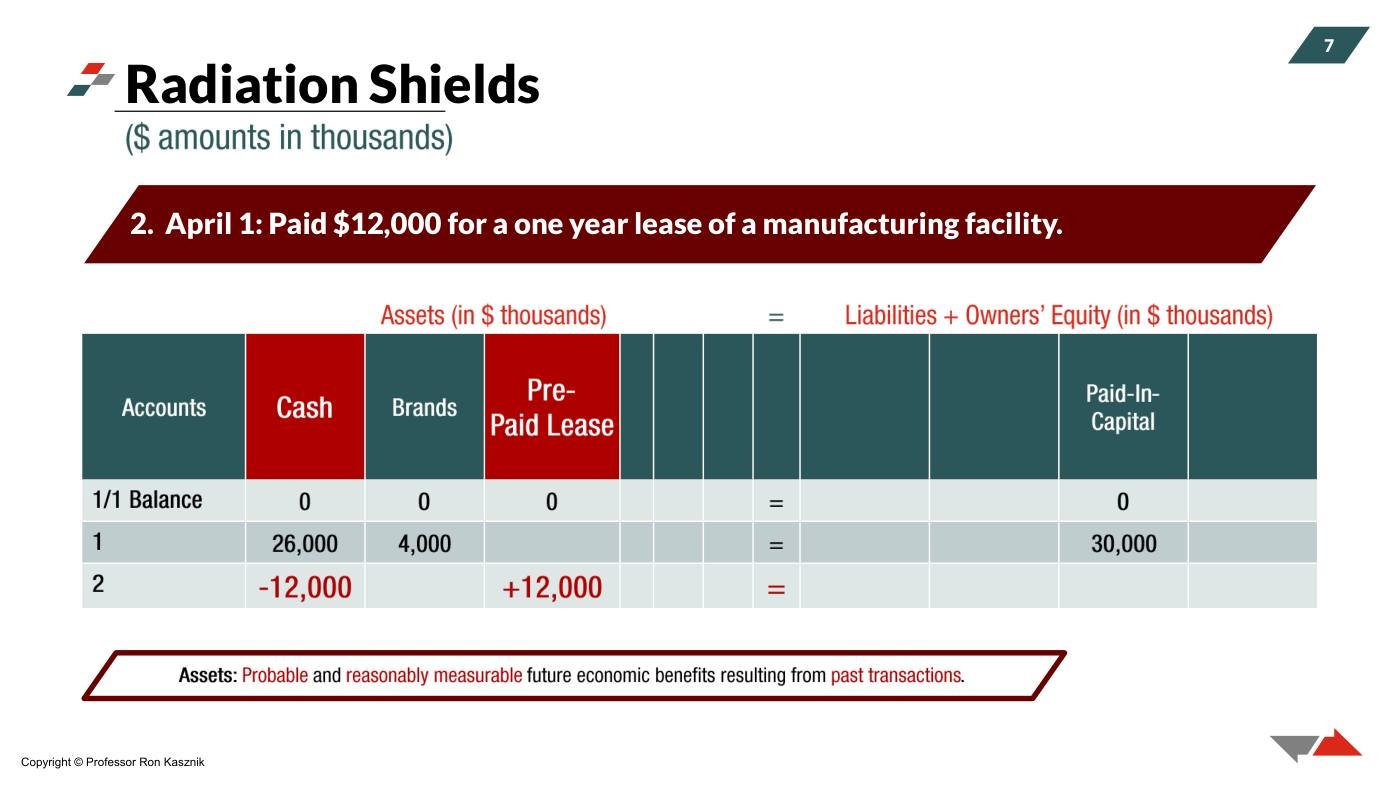
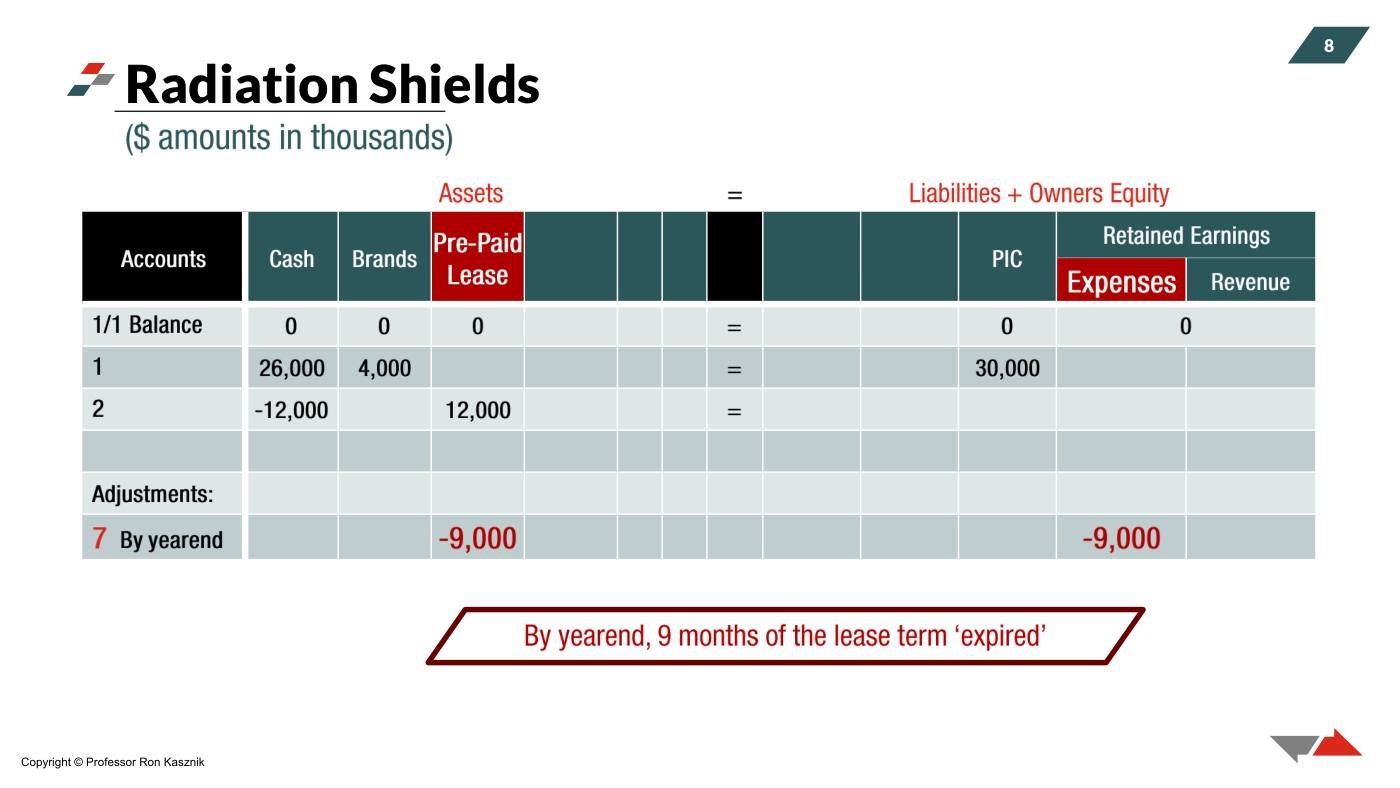
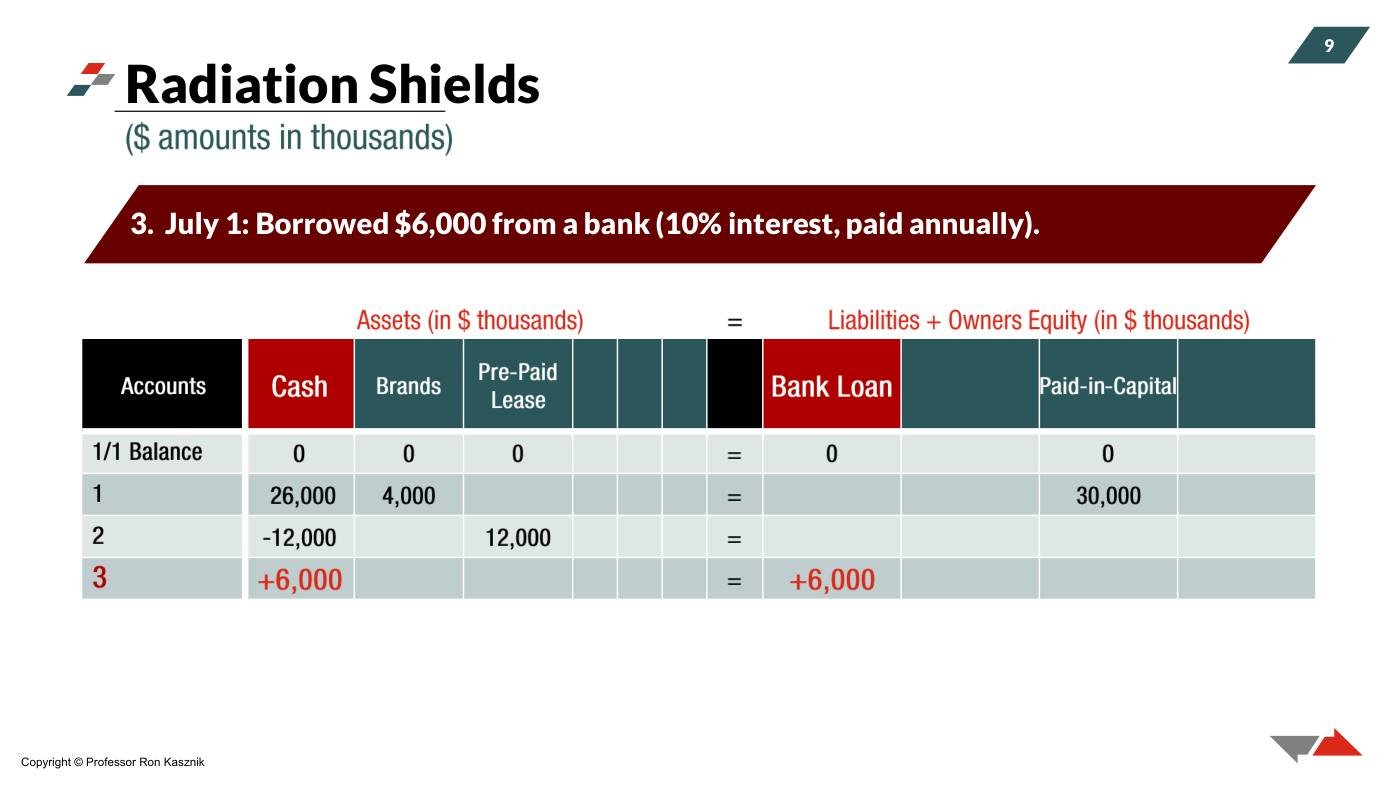
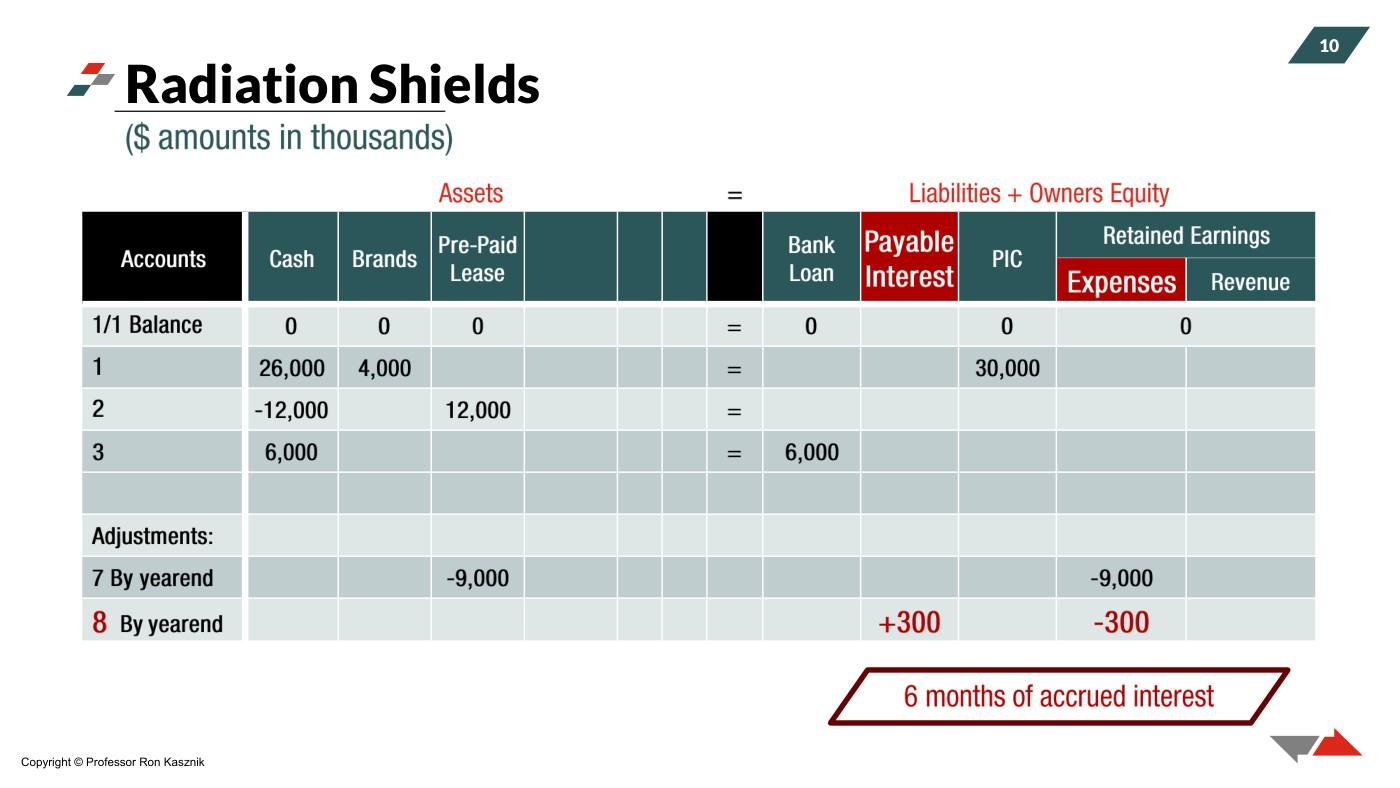
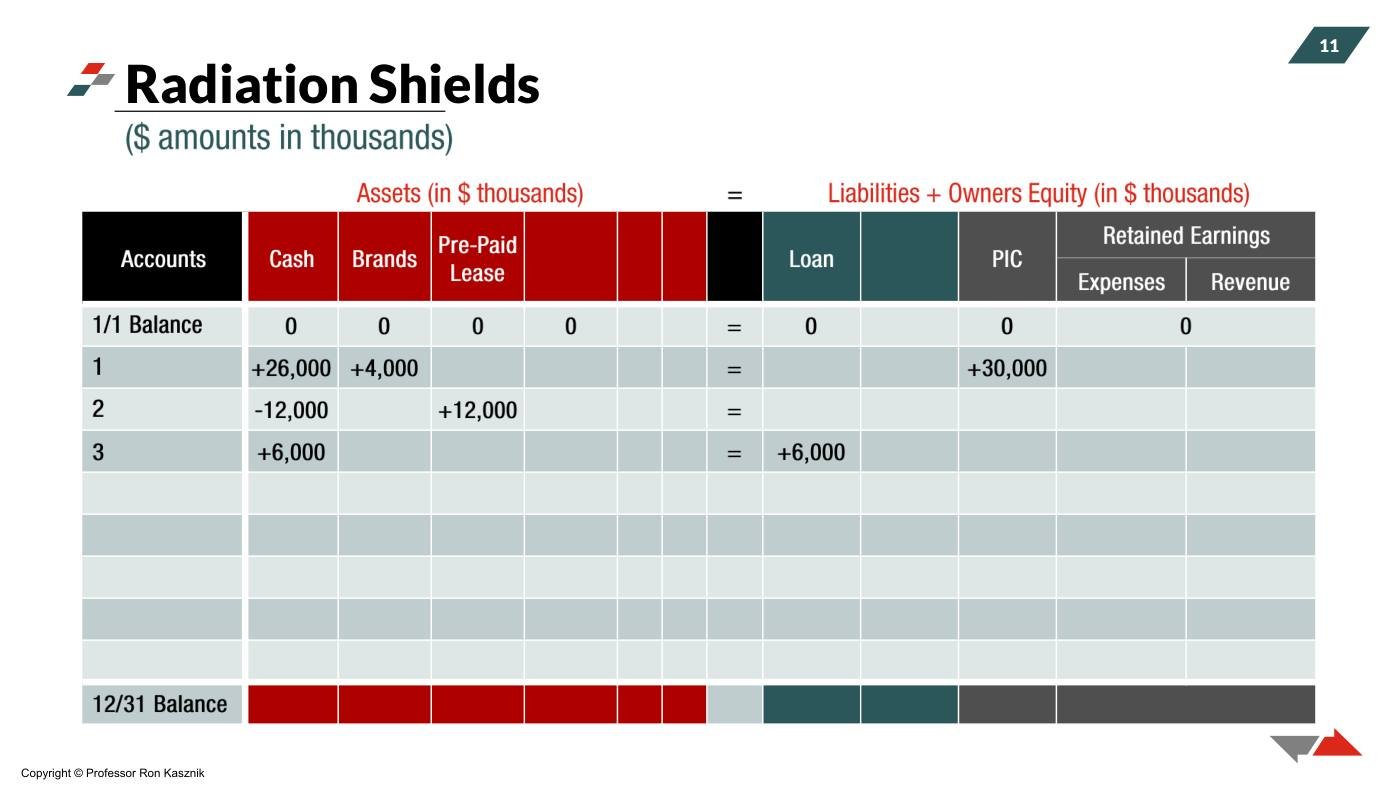
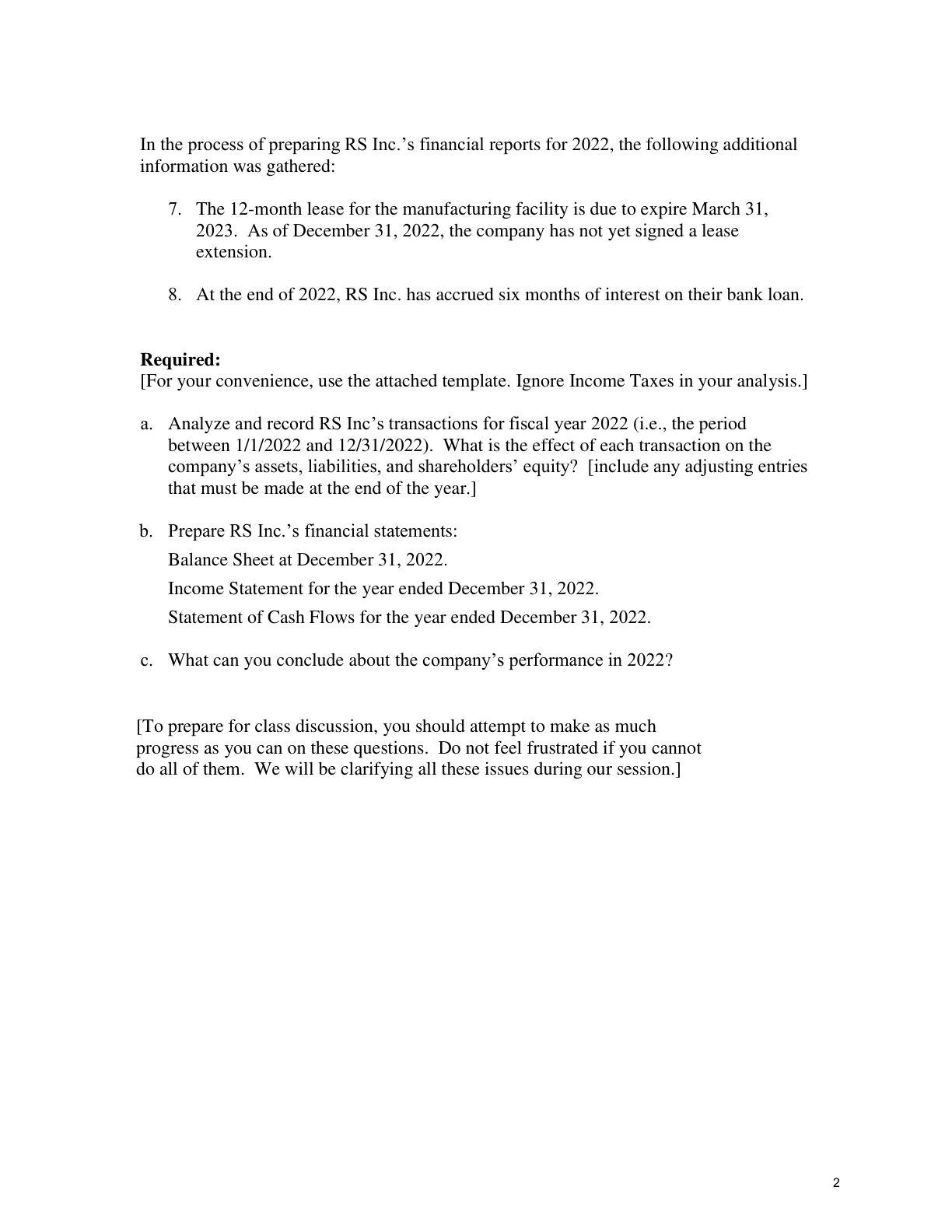
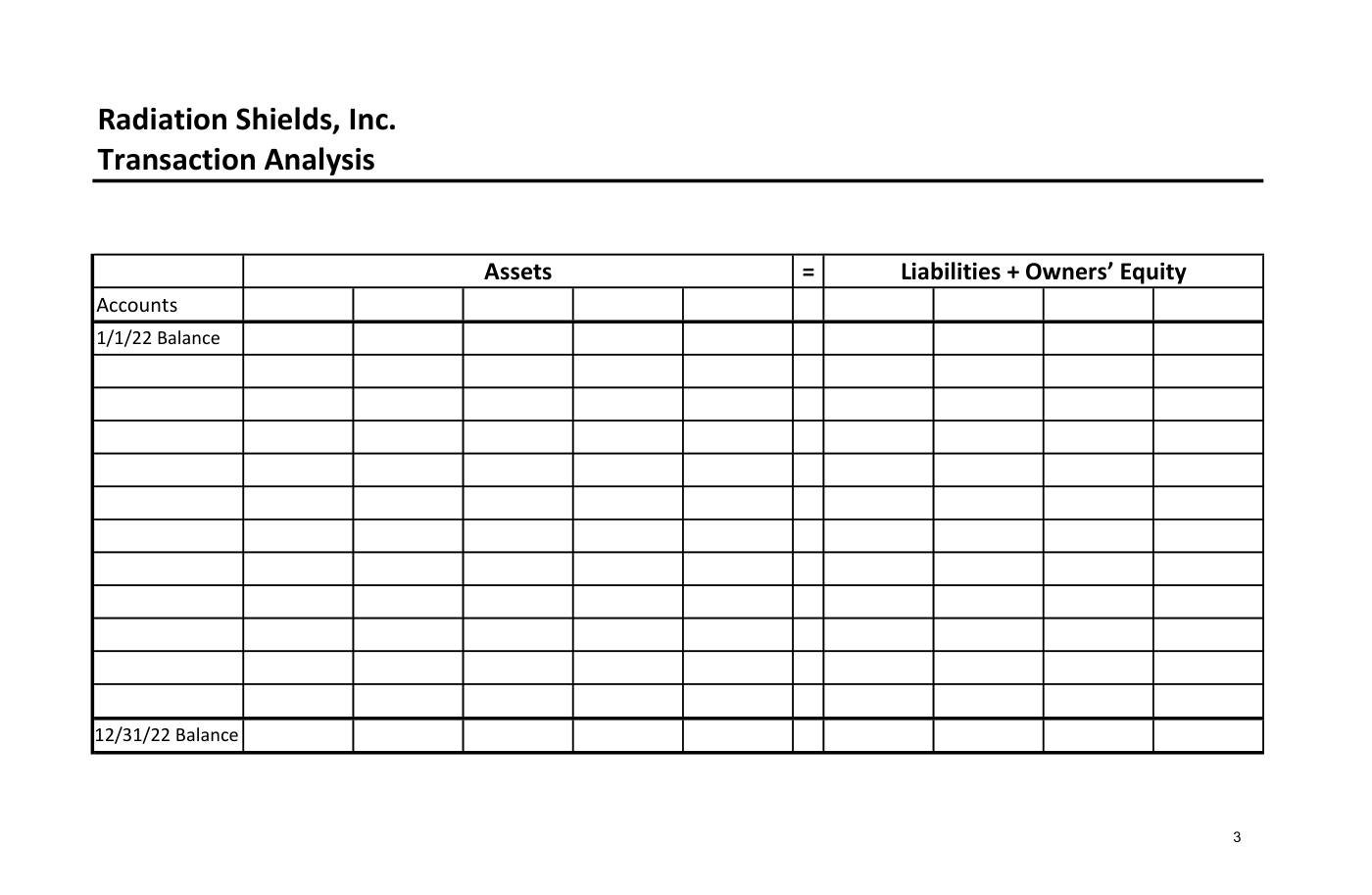
How does each transaction change the statements?
Relay · Record the $4,070 annual prepayment
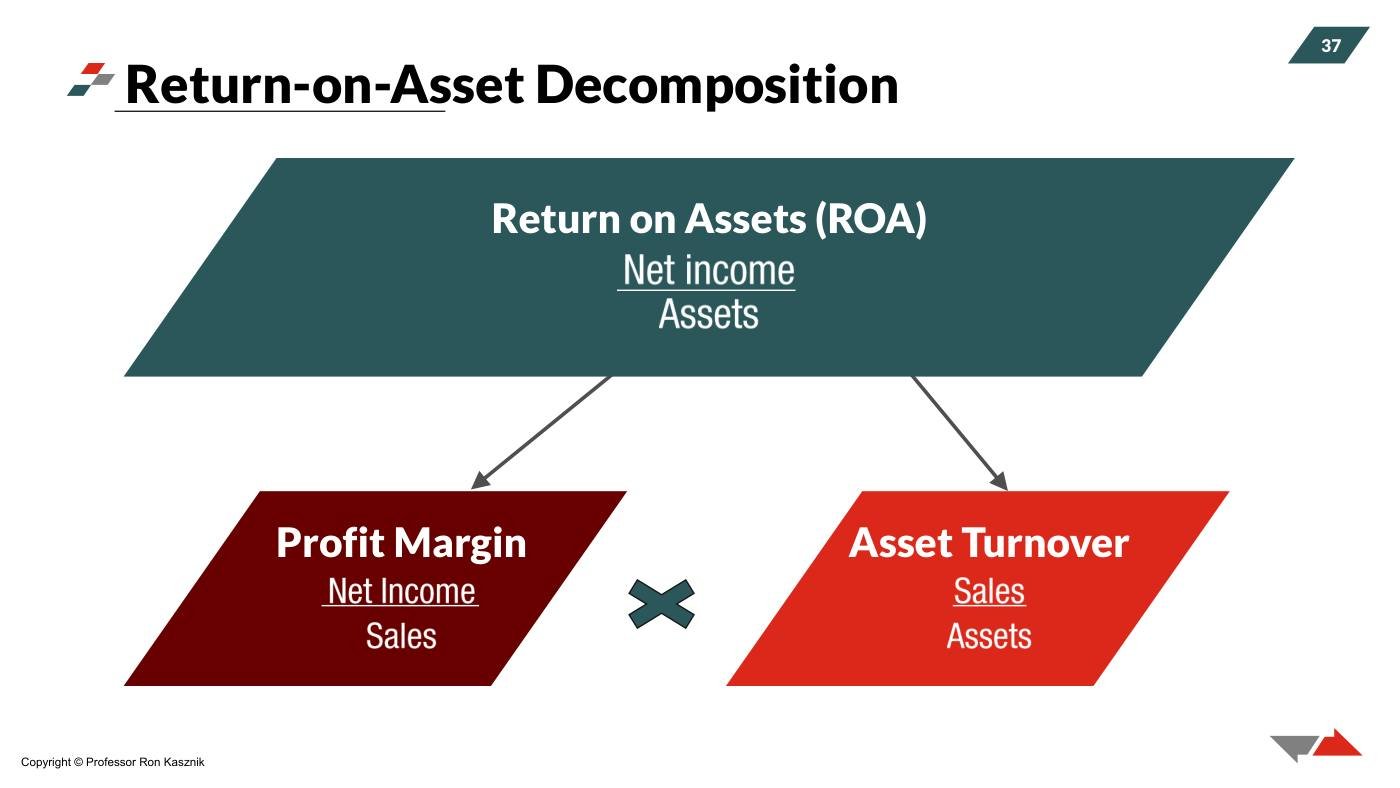
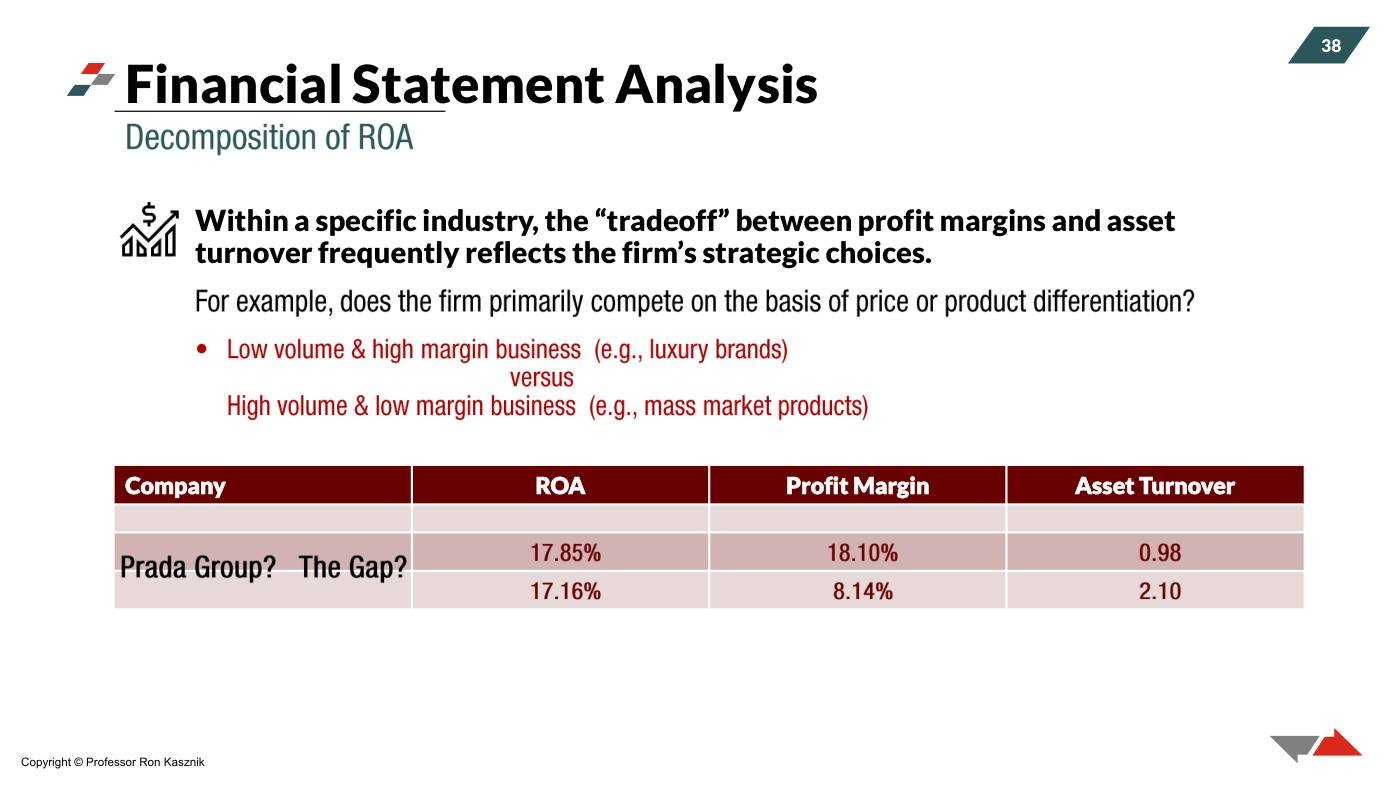
What operating explanation fits the financial evidence?
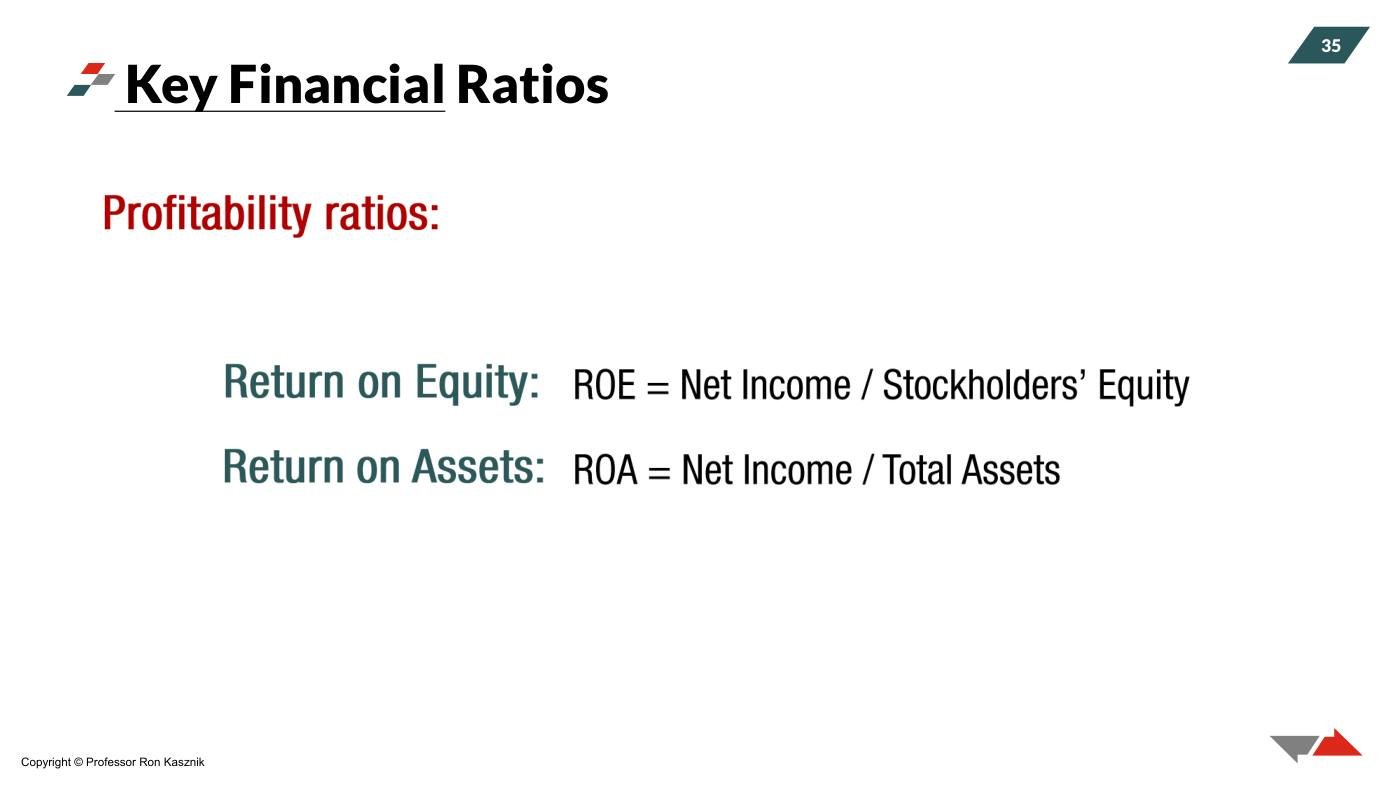
Relay · Diagnose Relay's FY1 with ratios
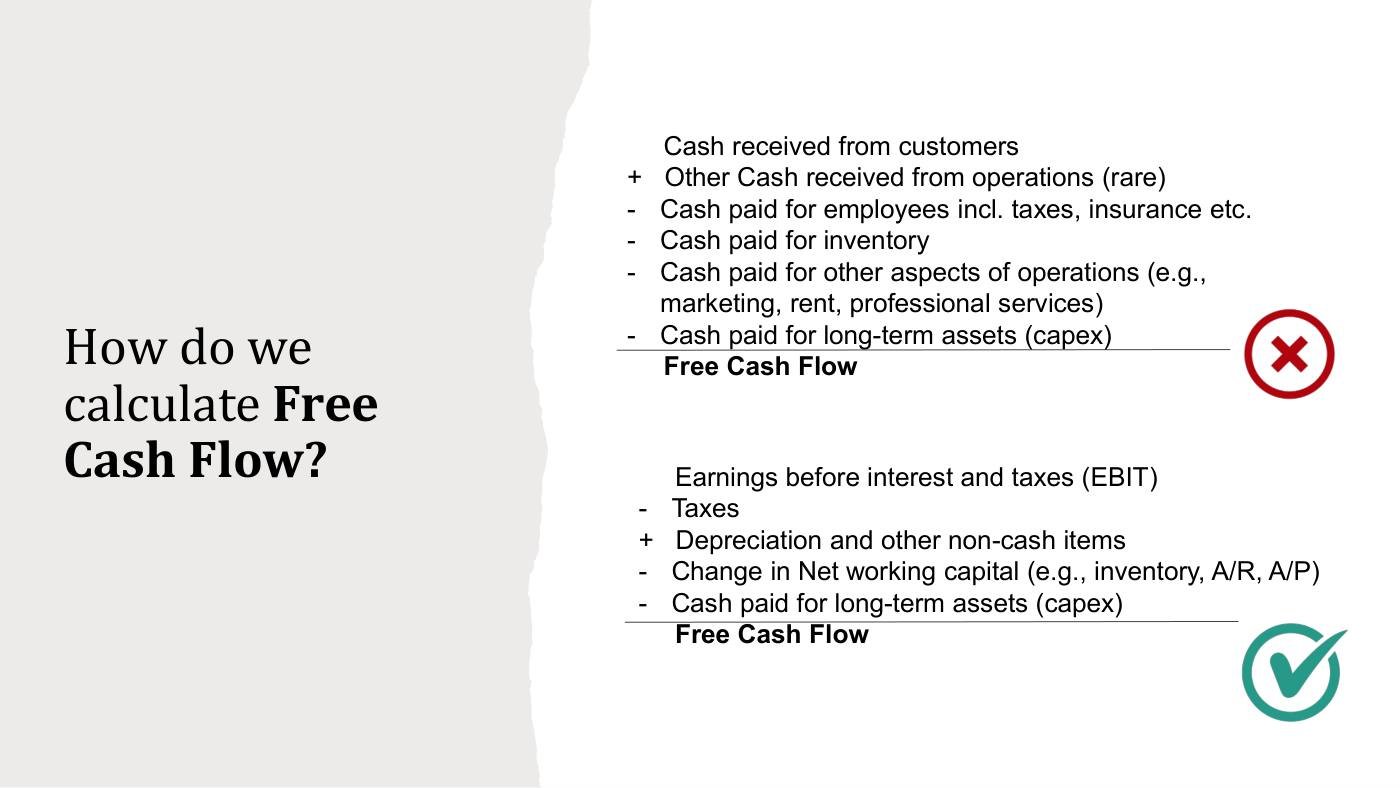
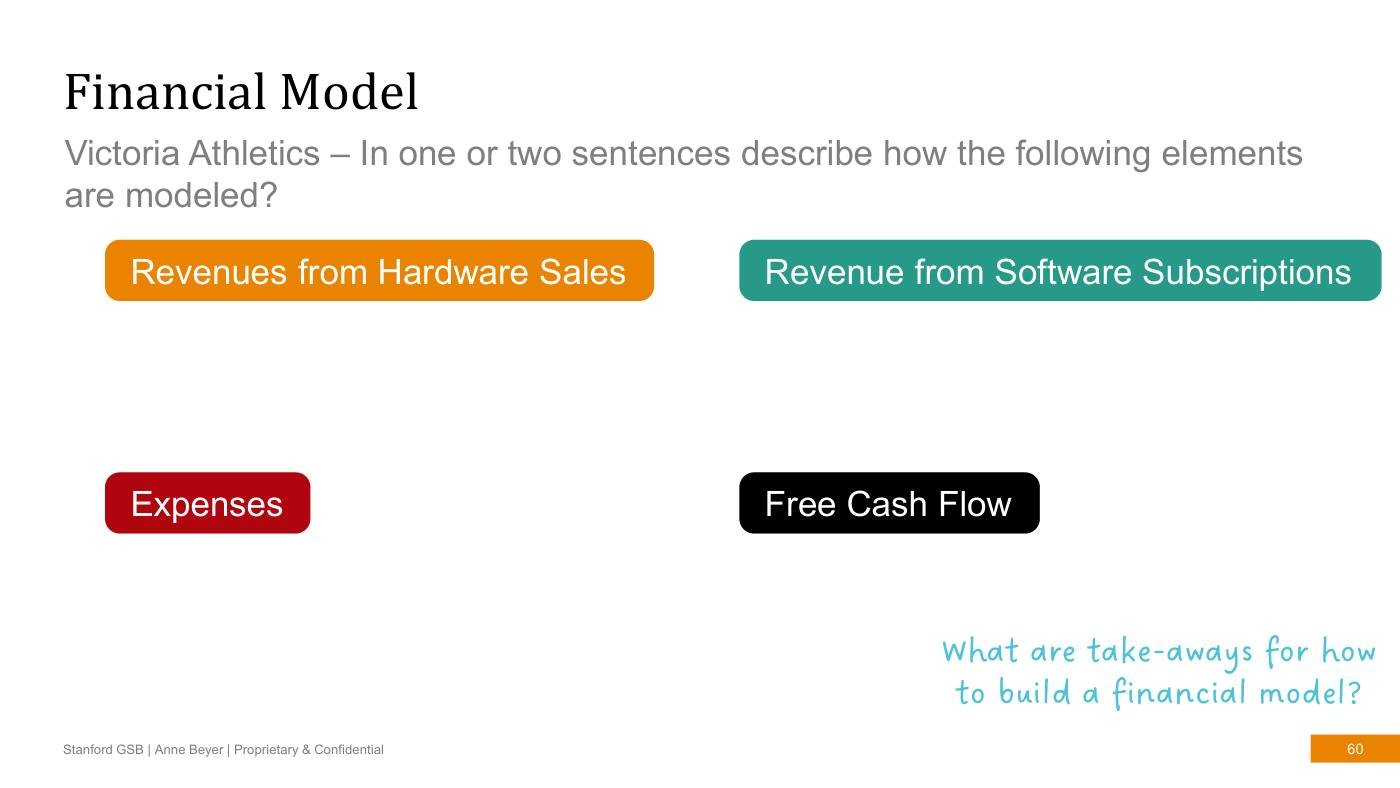
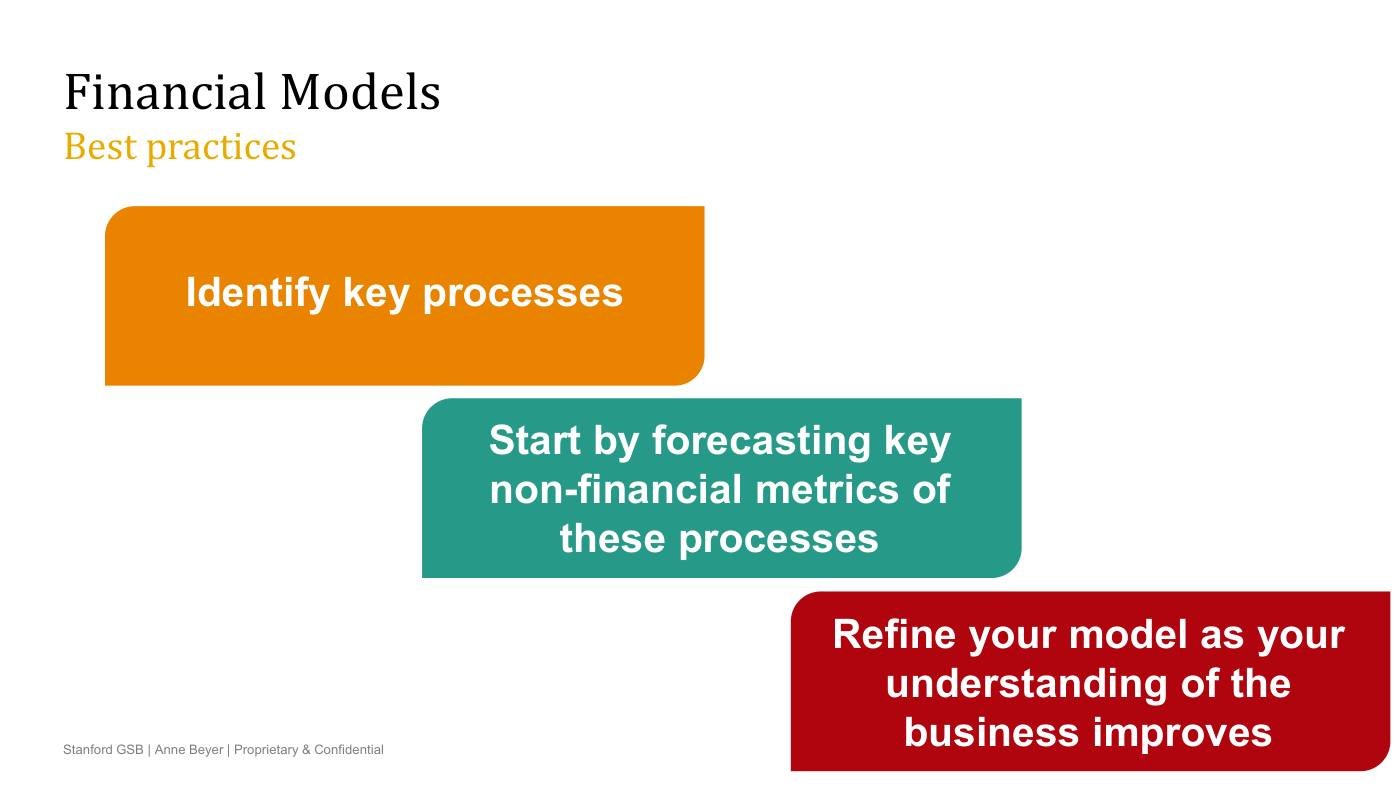
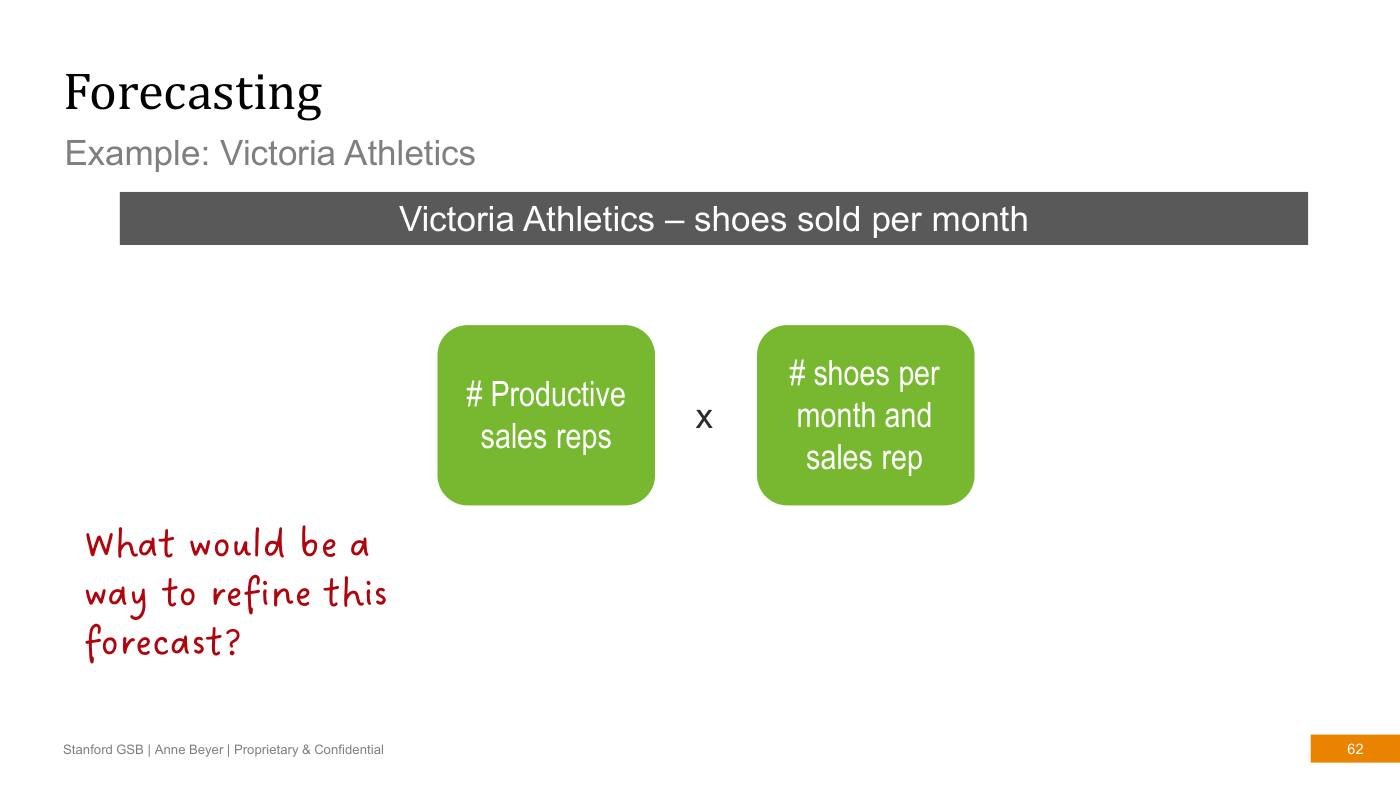
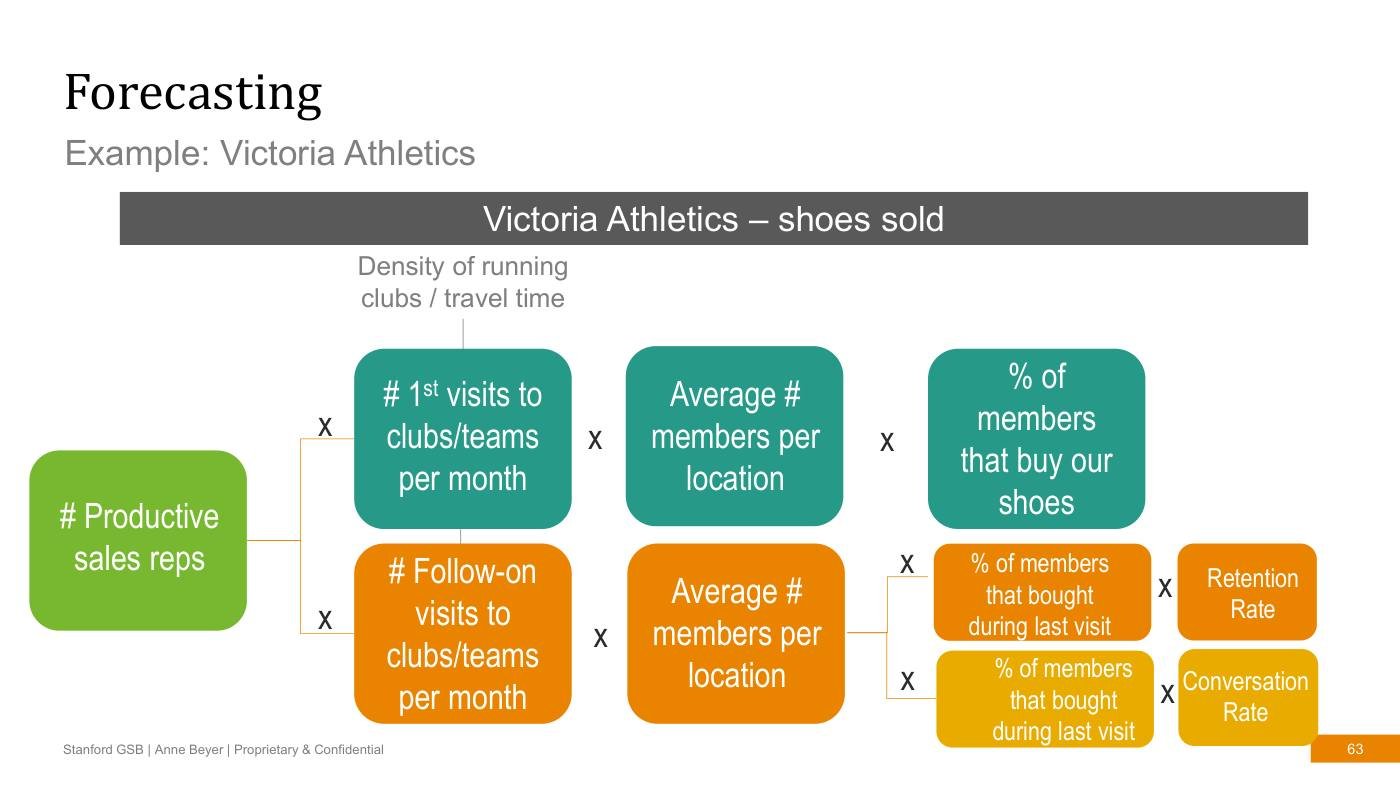
How does the operating process generate the forecast?
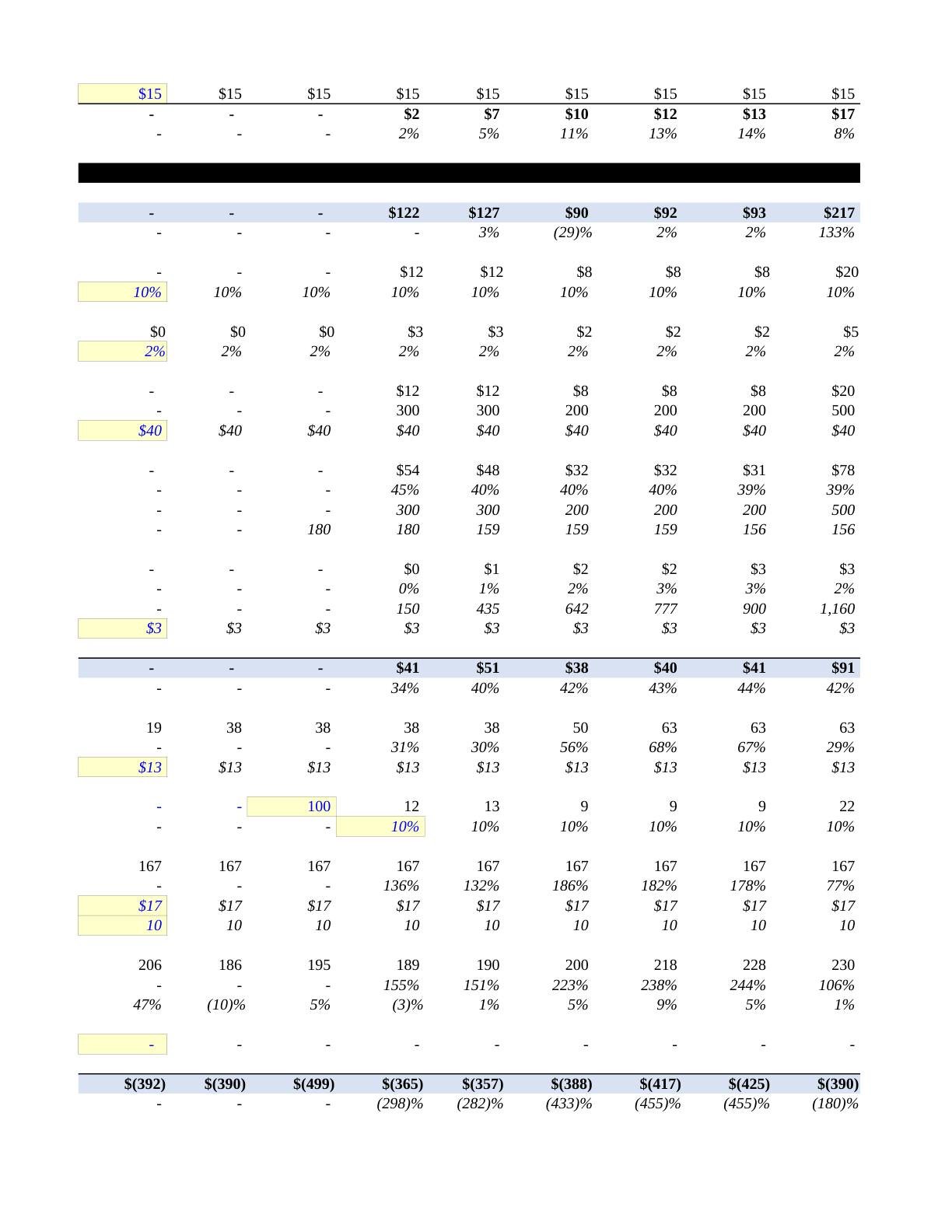
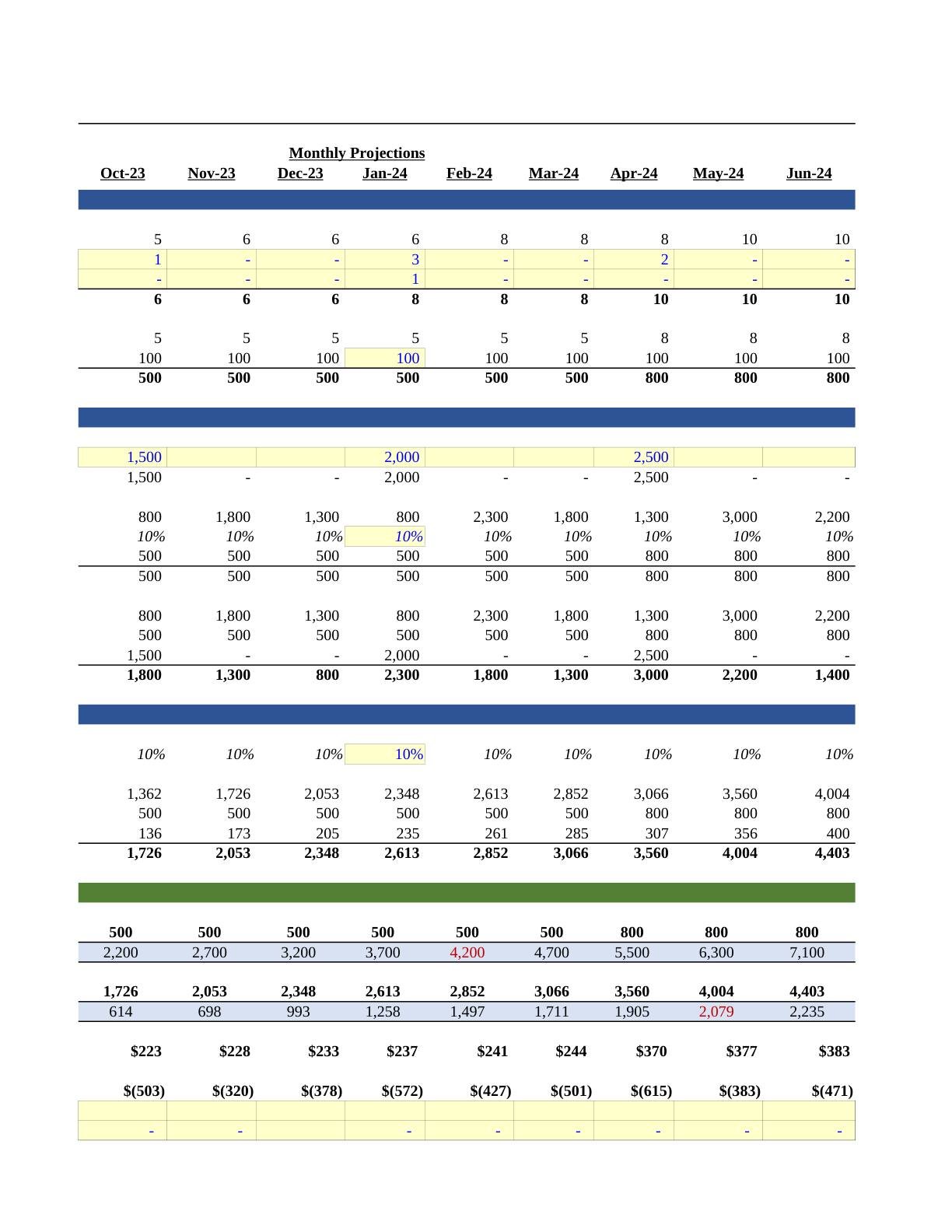
Relay · Build Relay's driver-based operating model
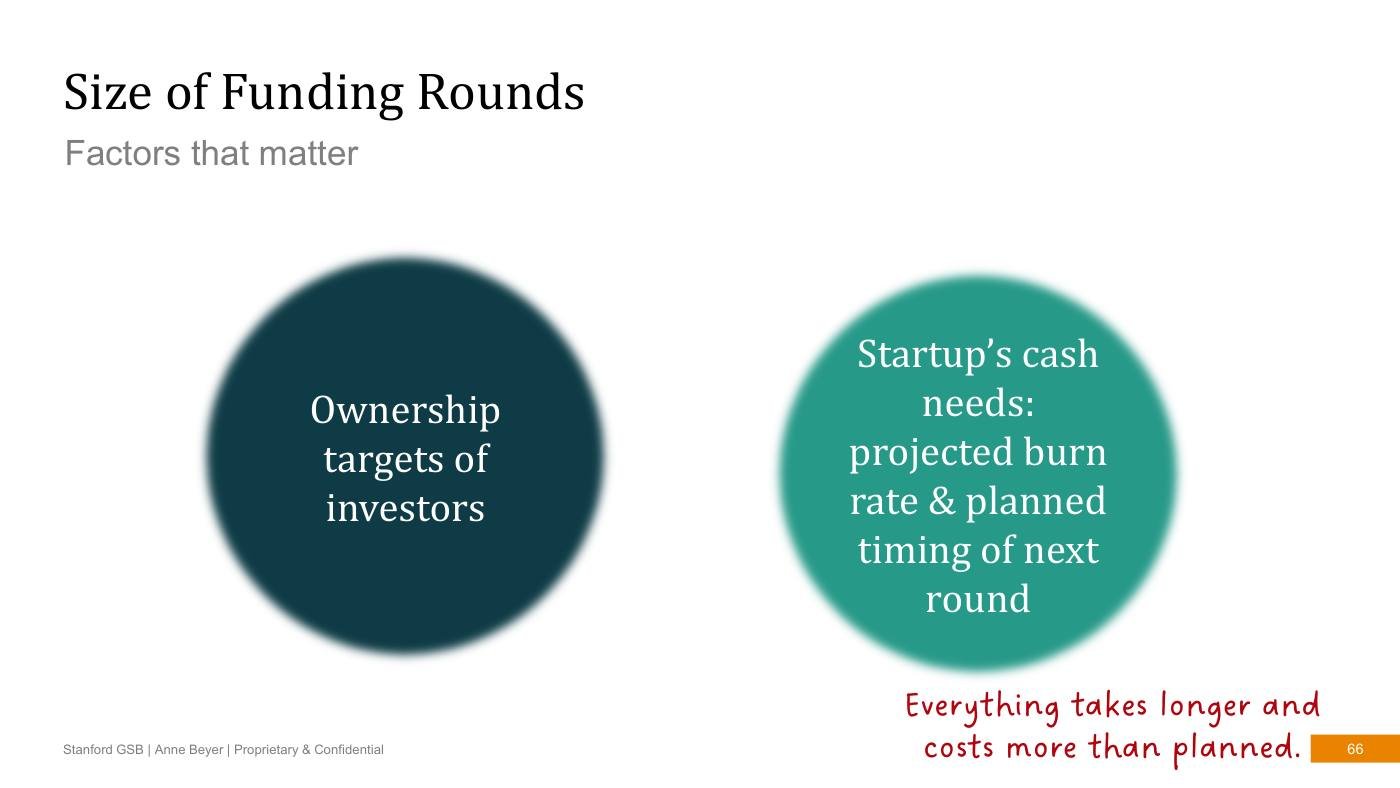
Which scenario determines the capital requirement?
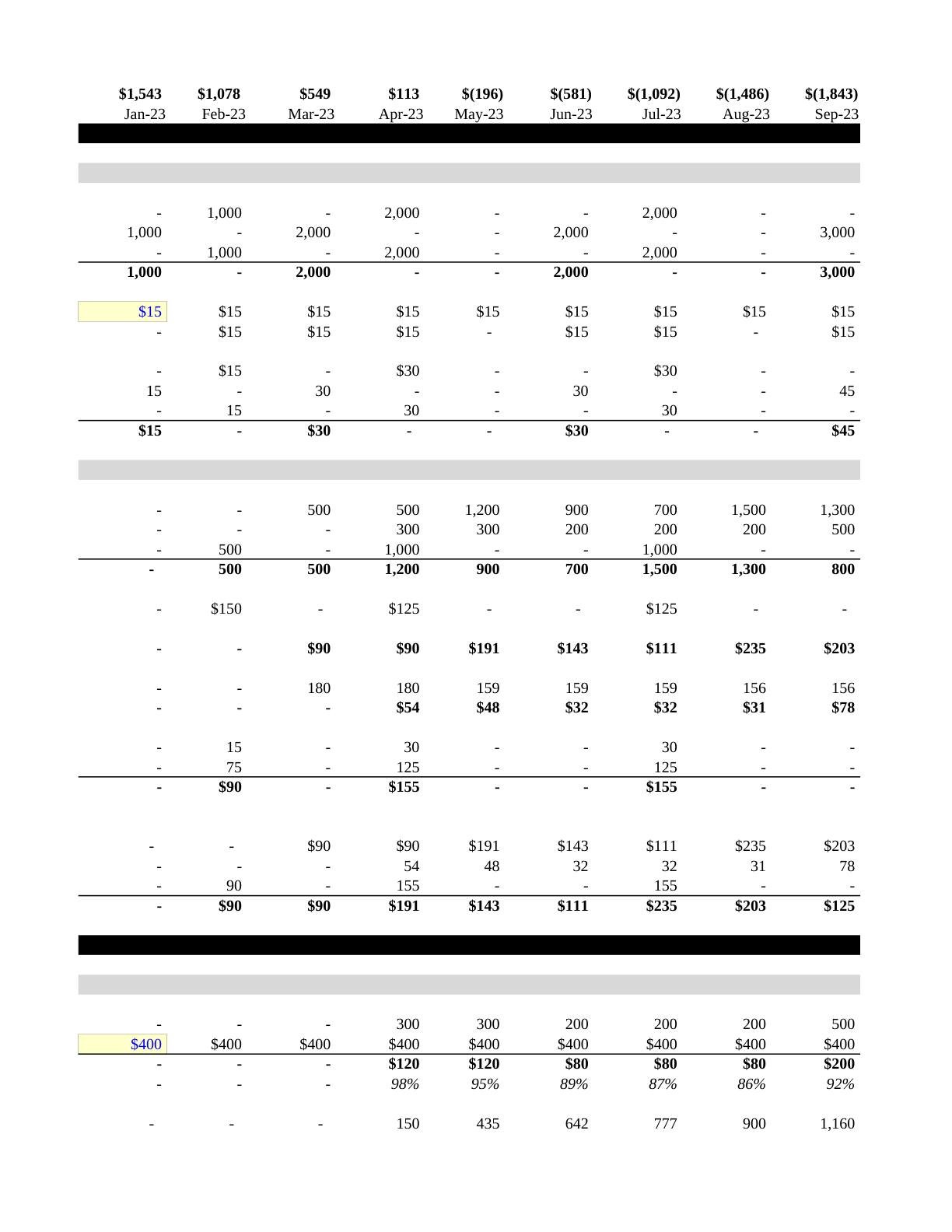
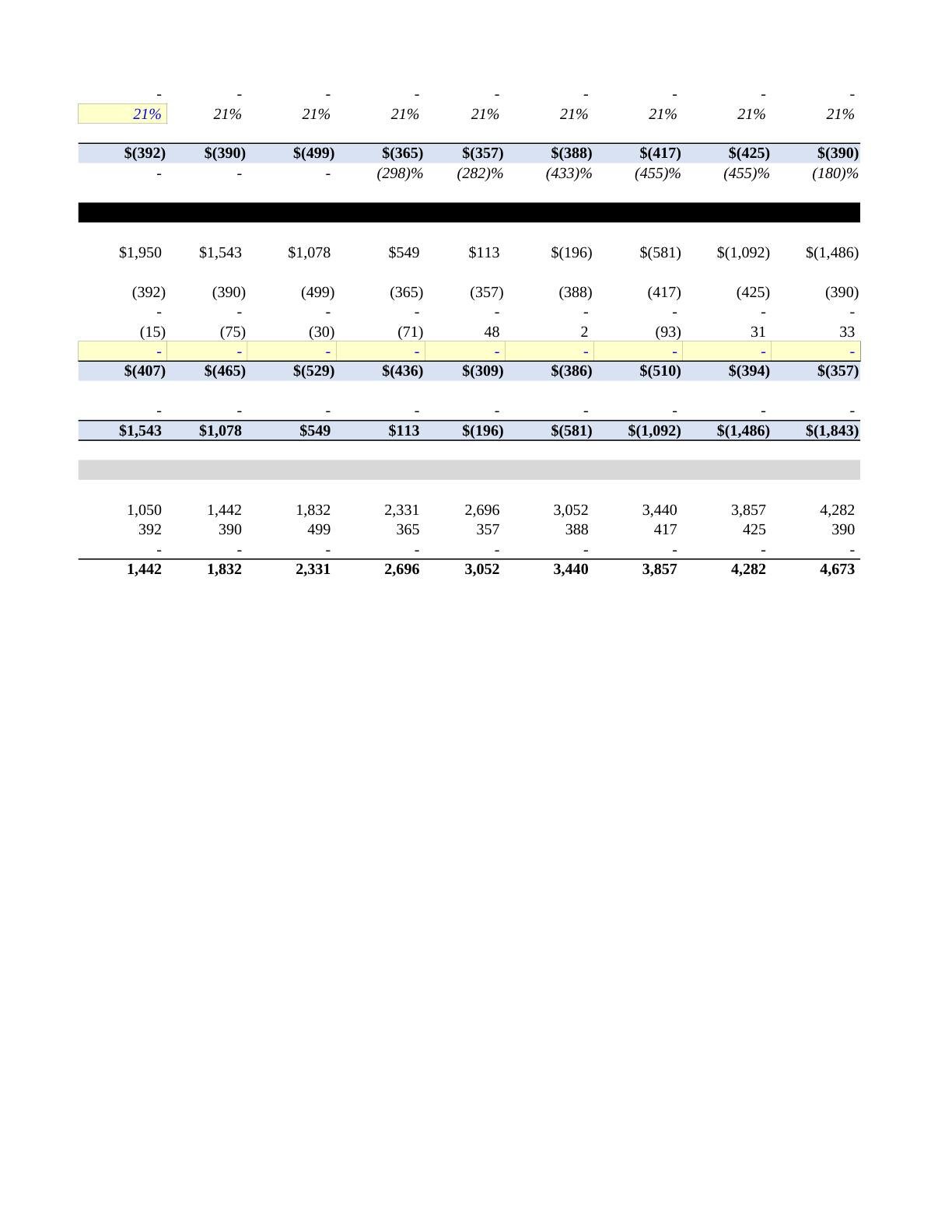
Relay · Relay scenarios, runway and the seed amount
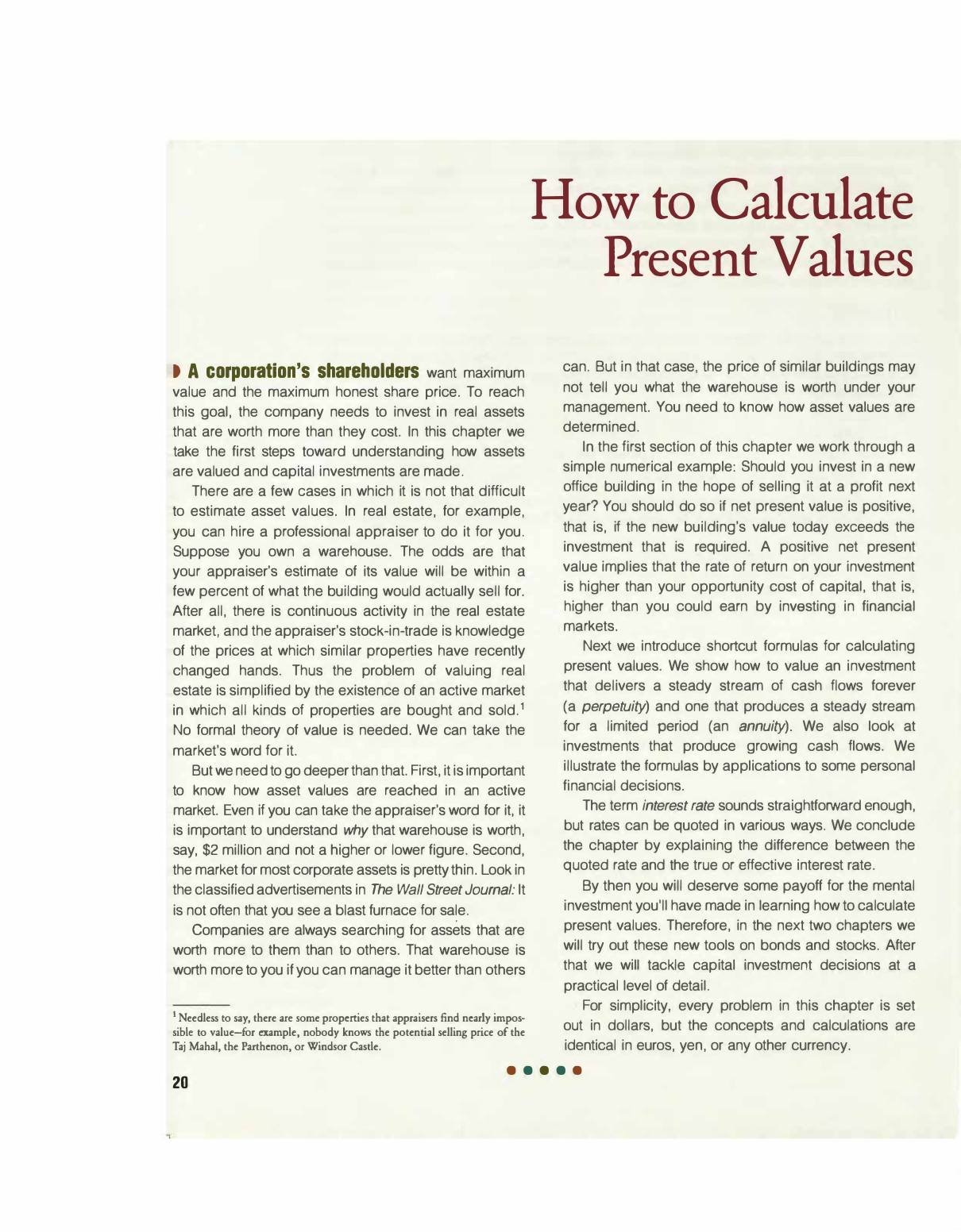
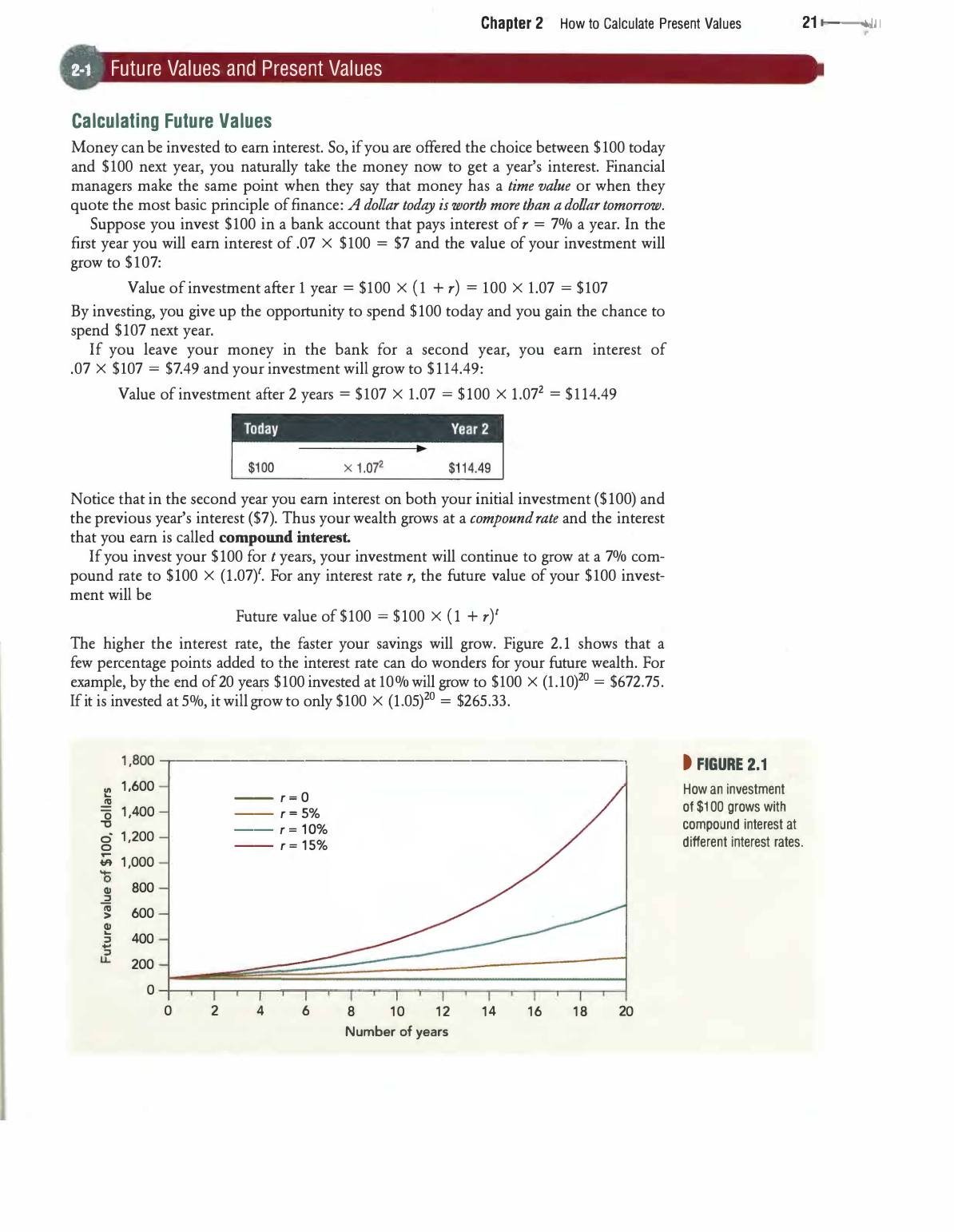
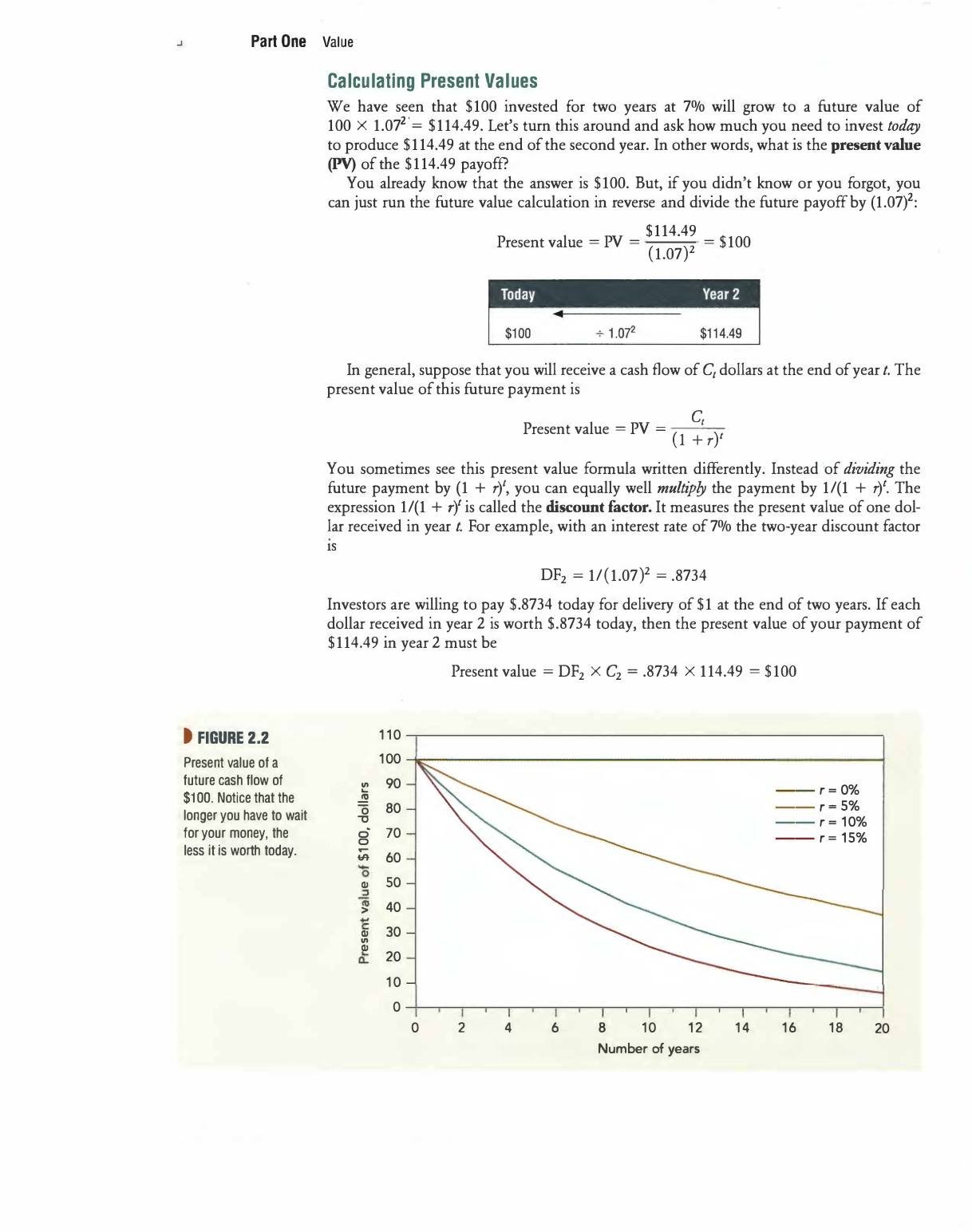
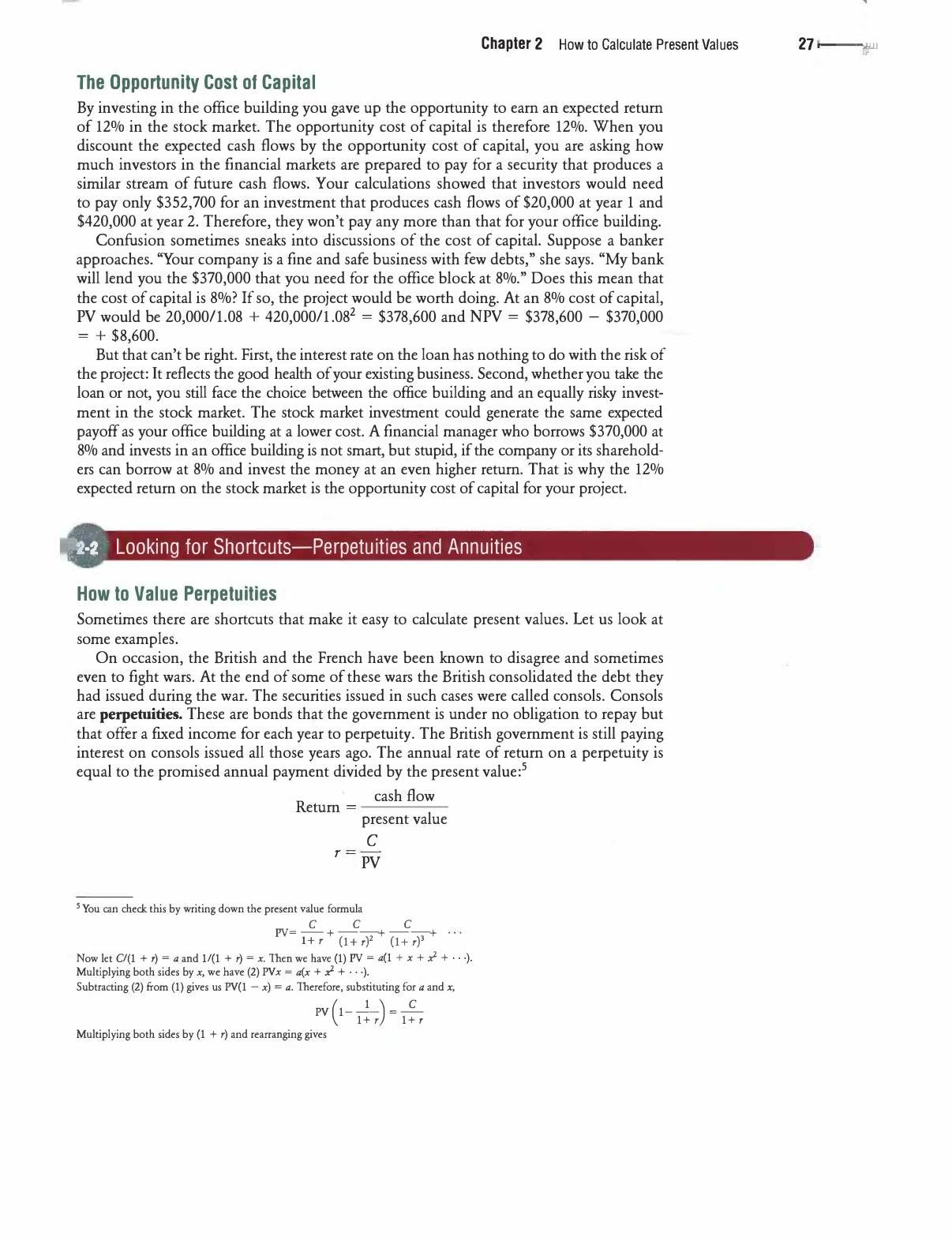
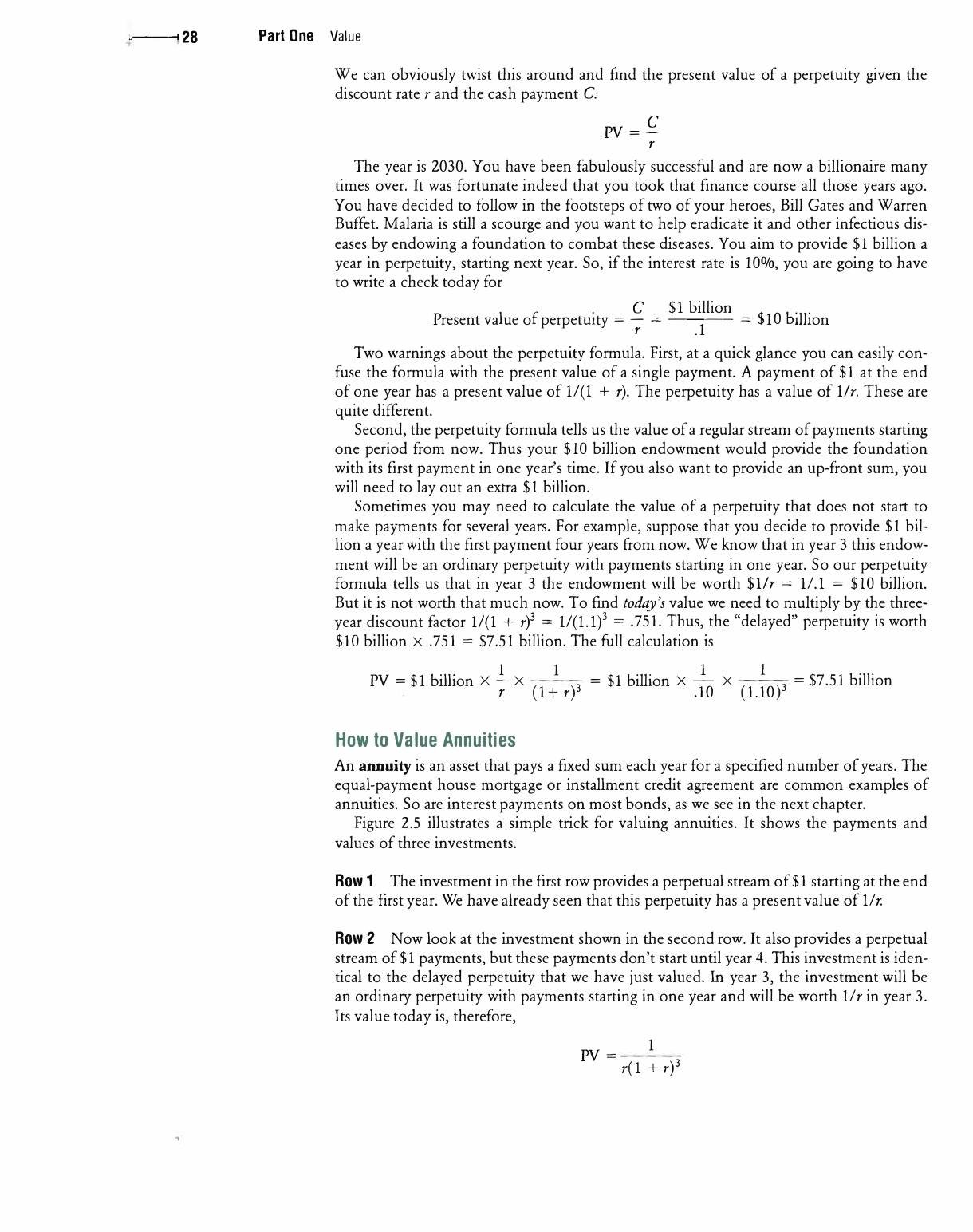
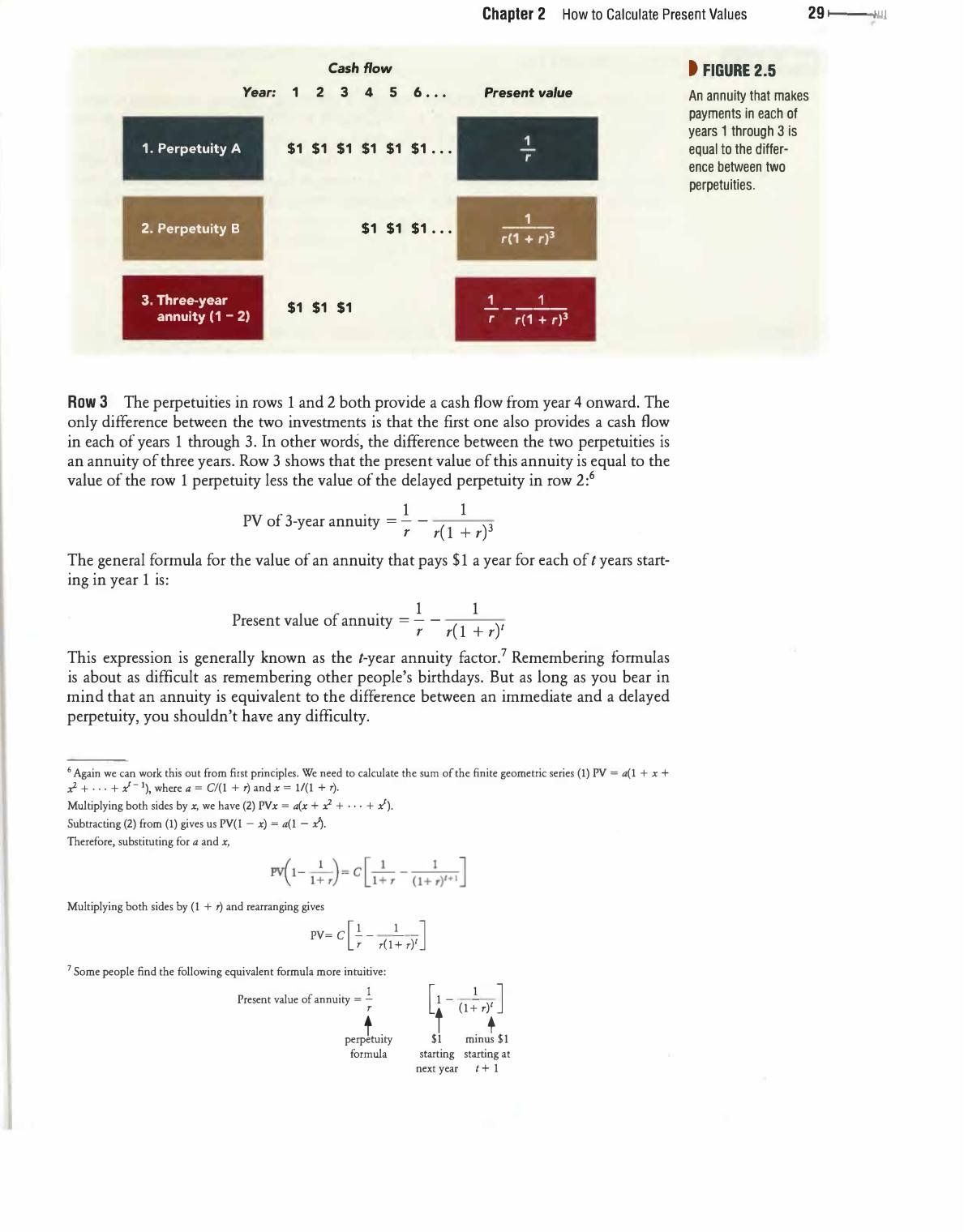
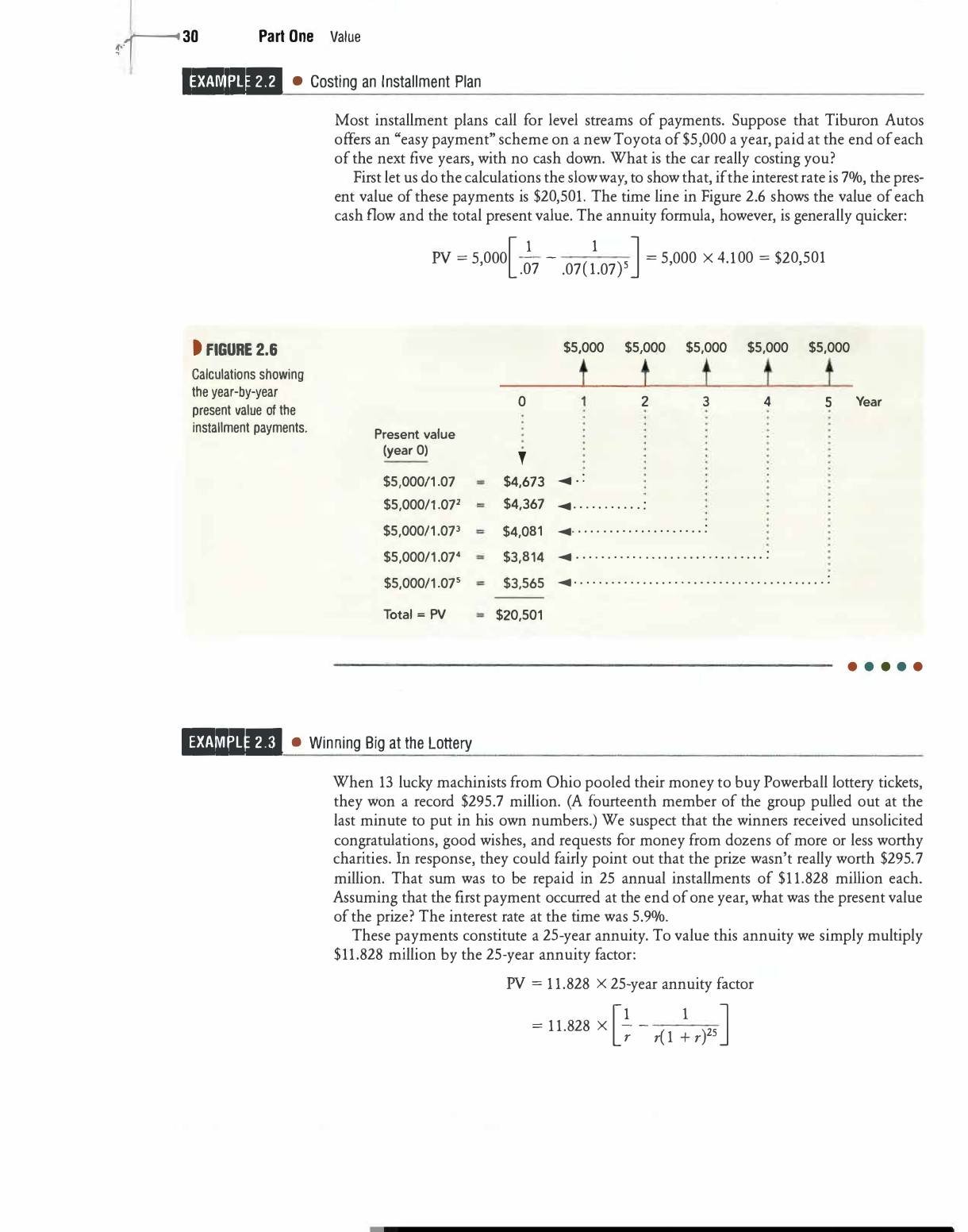
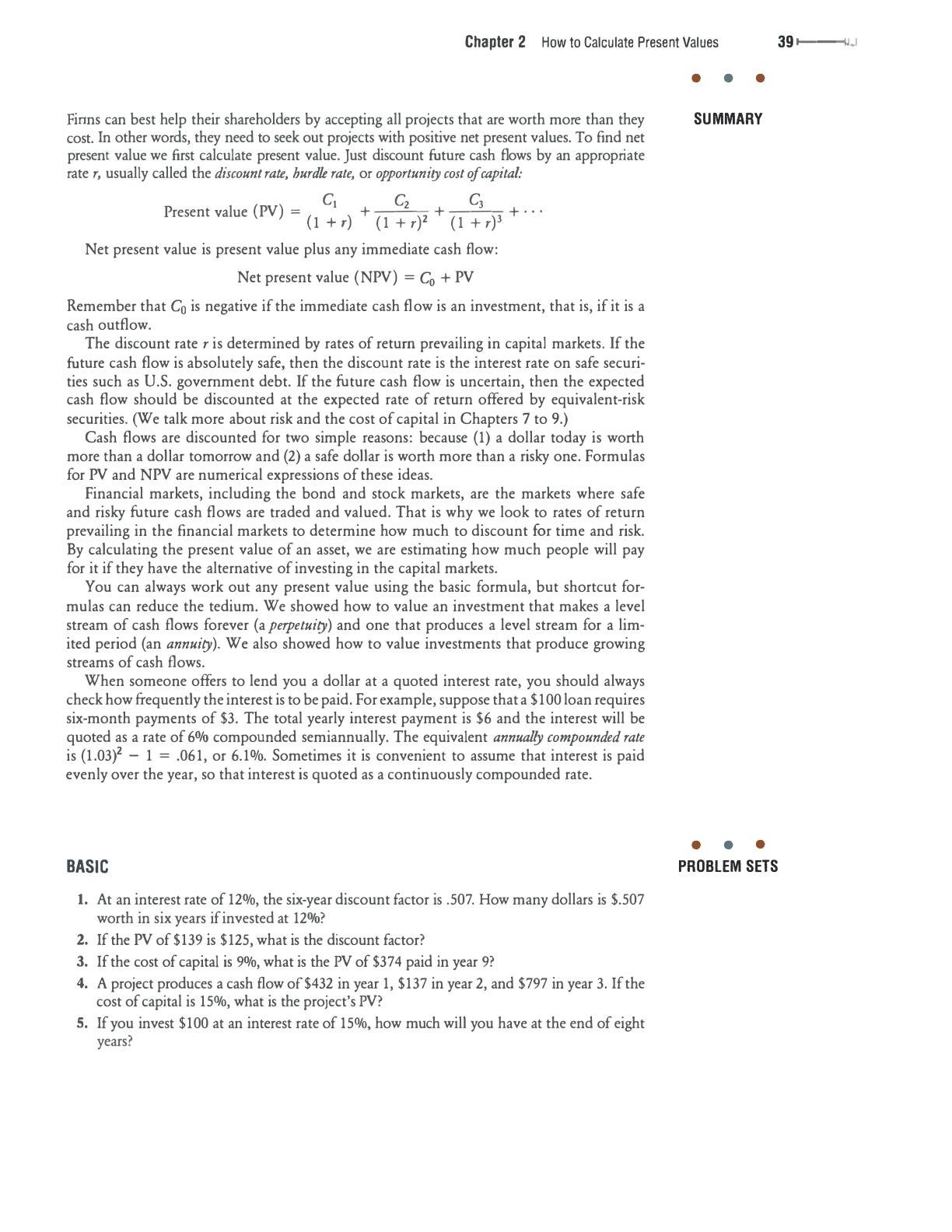
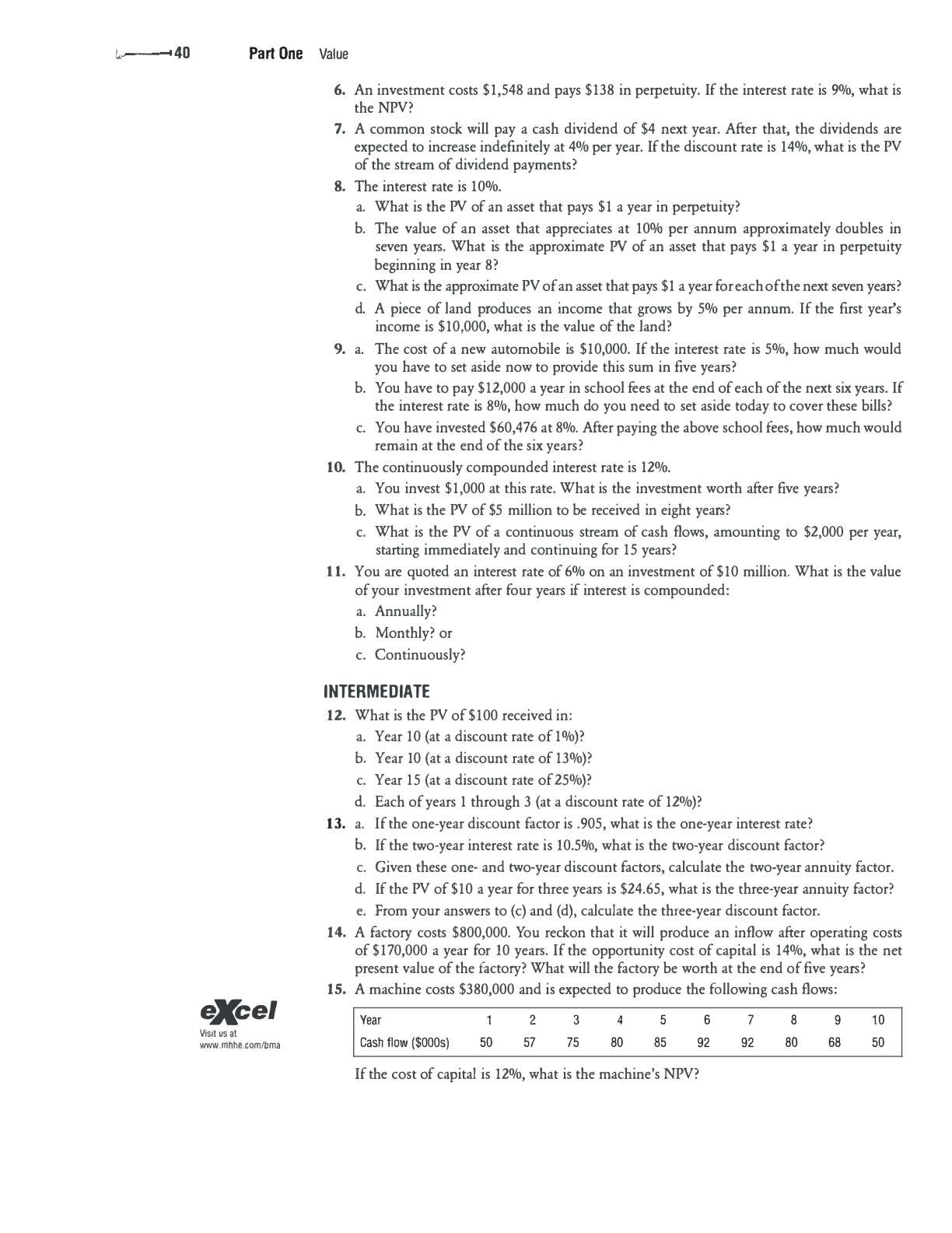
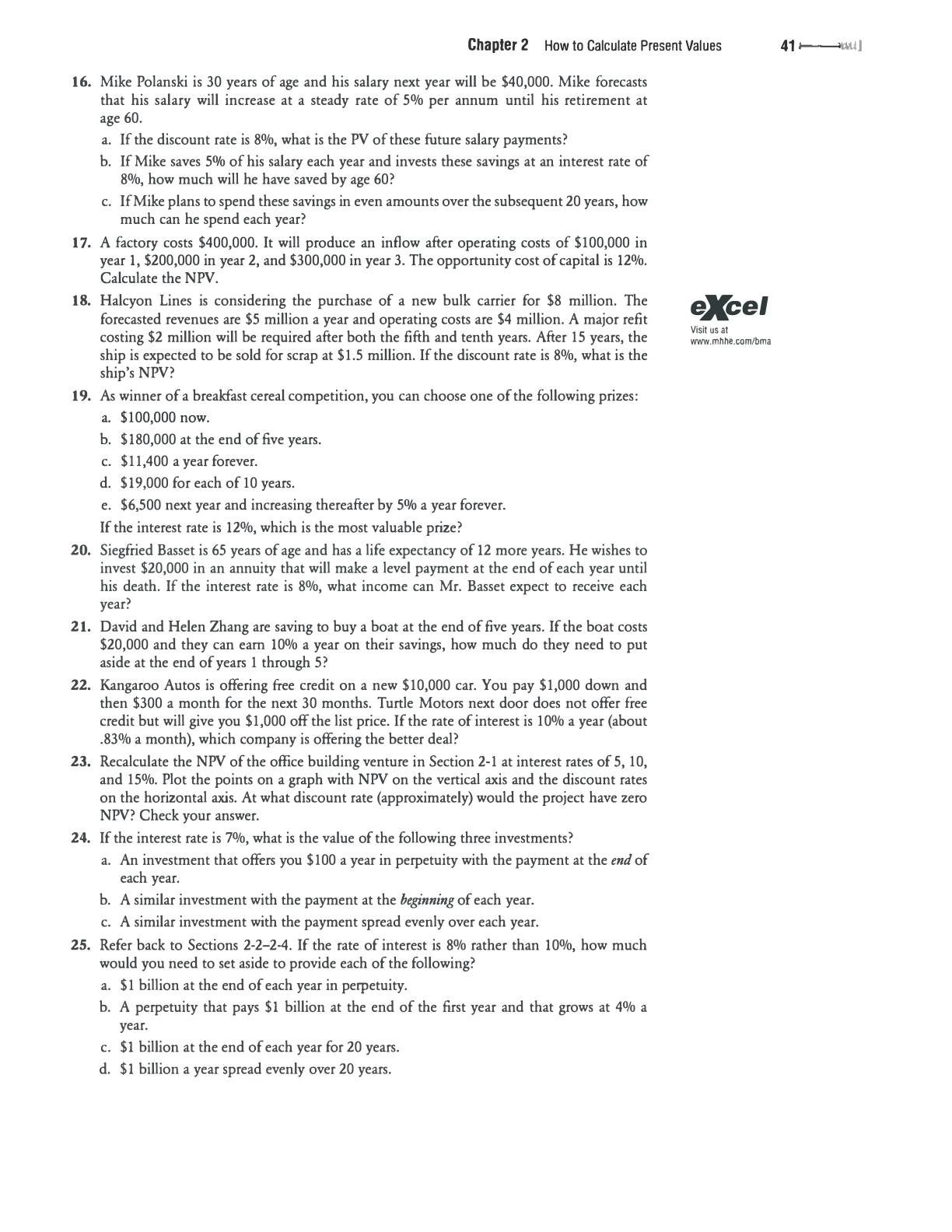
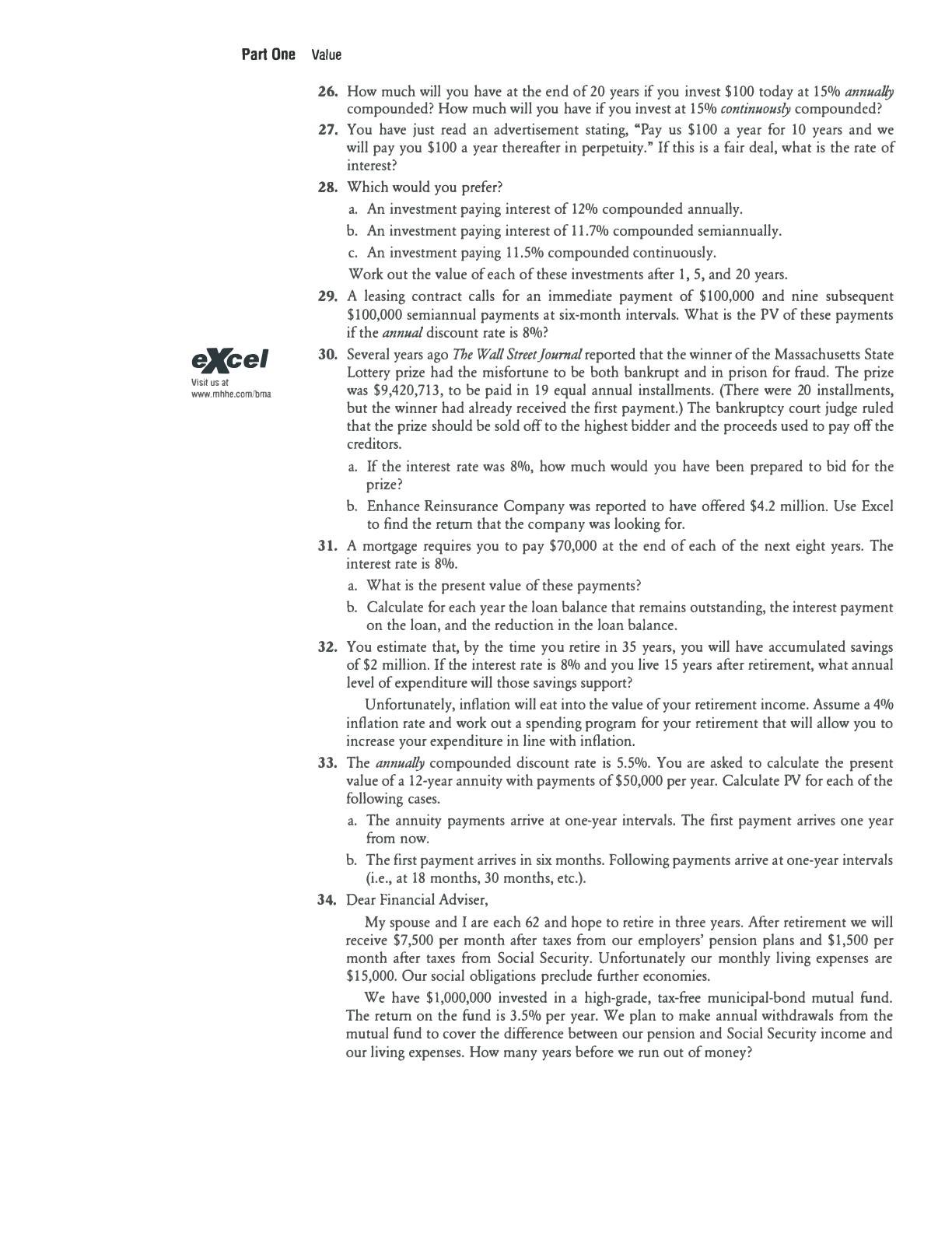
How can cash received at different times be compared?
Relay · NPV of the second EHR integration
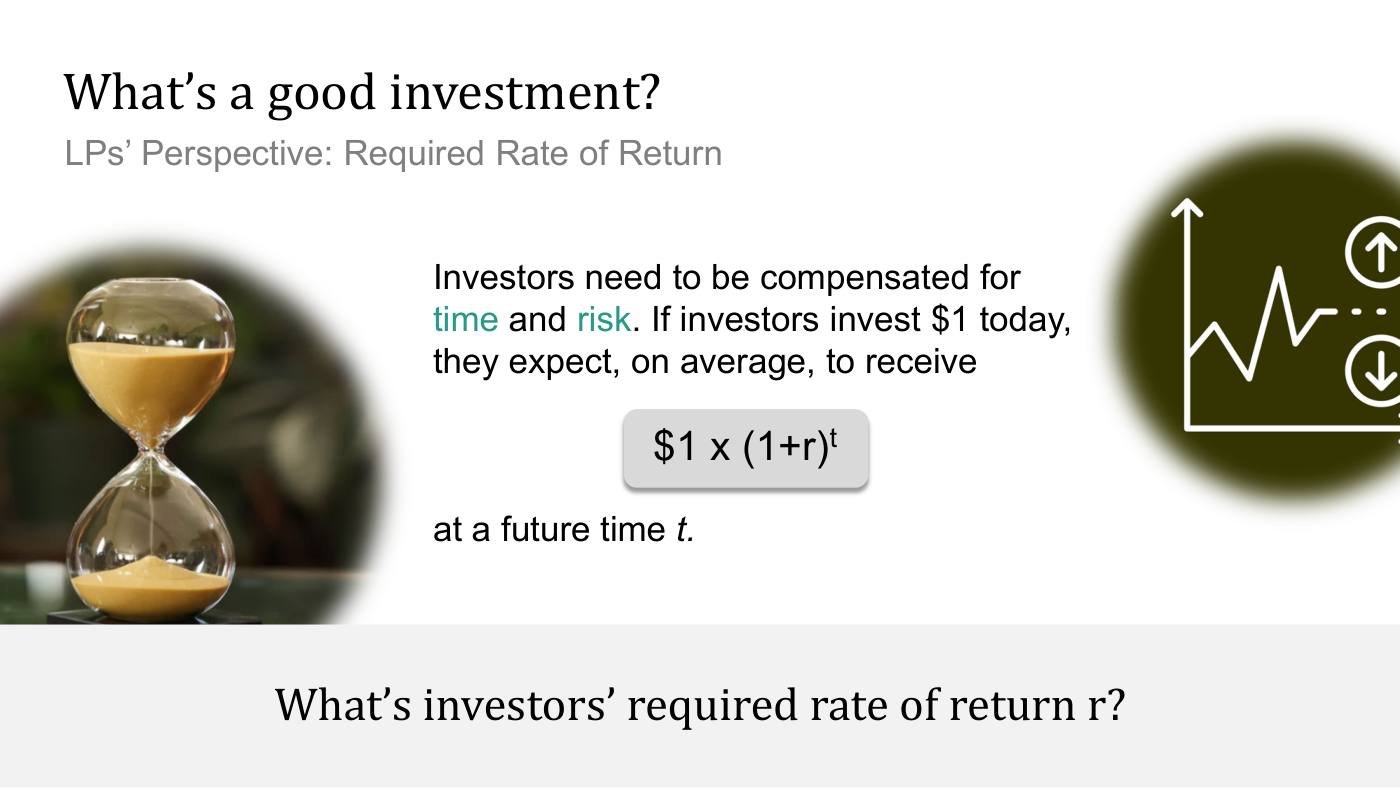
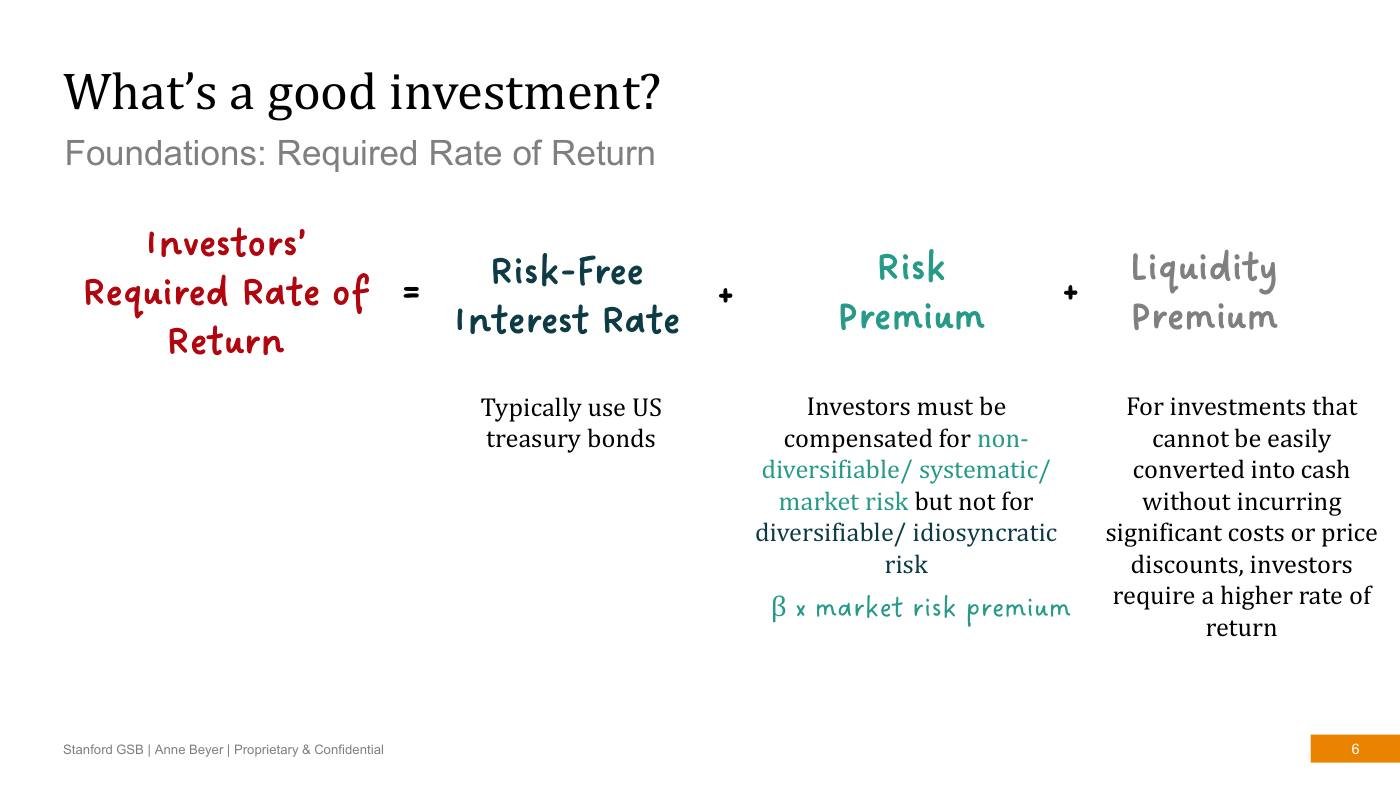
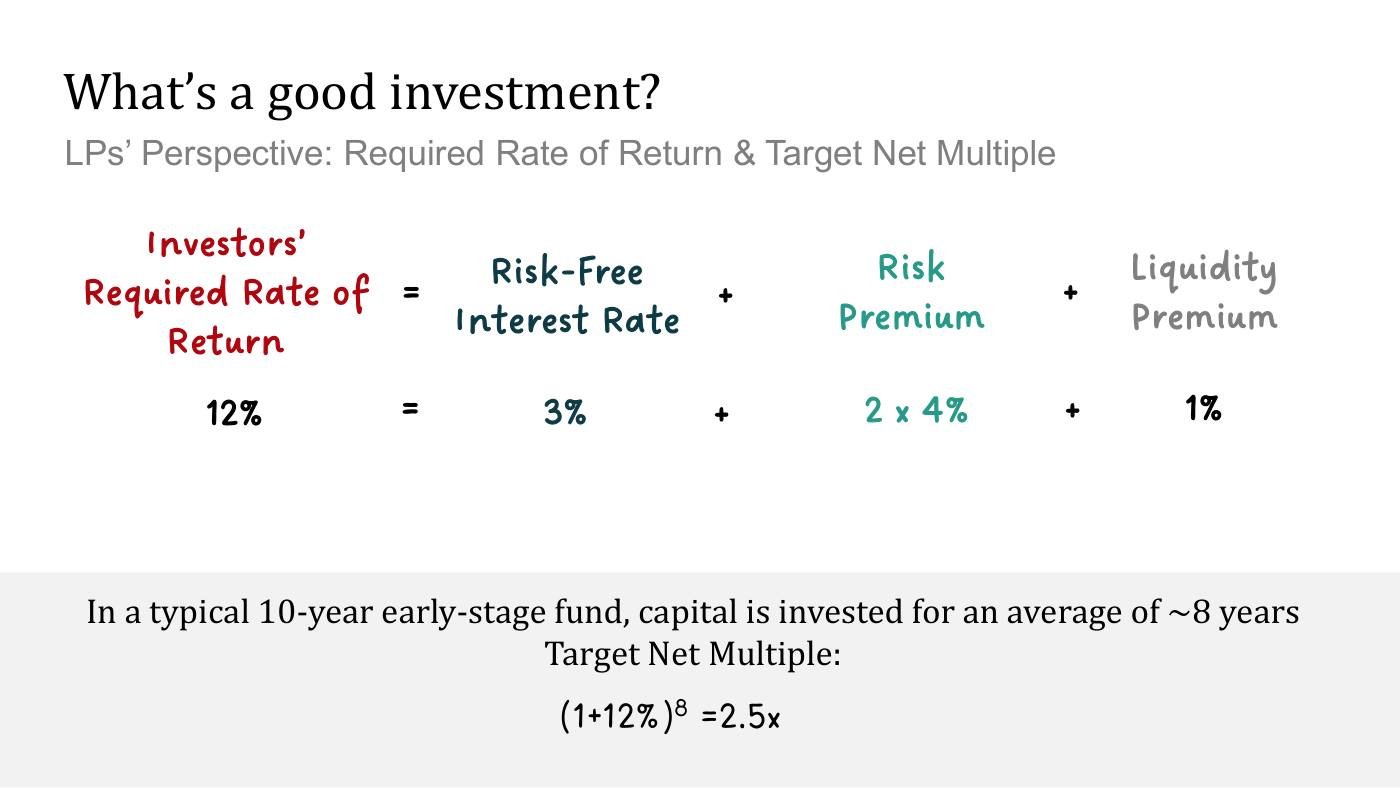
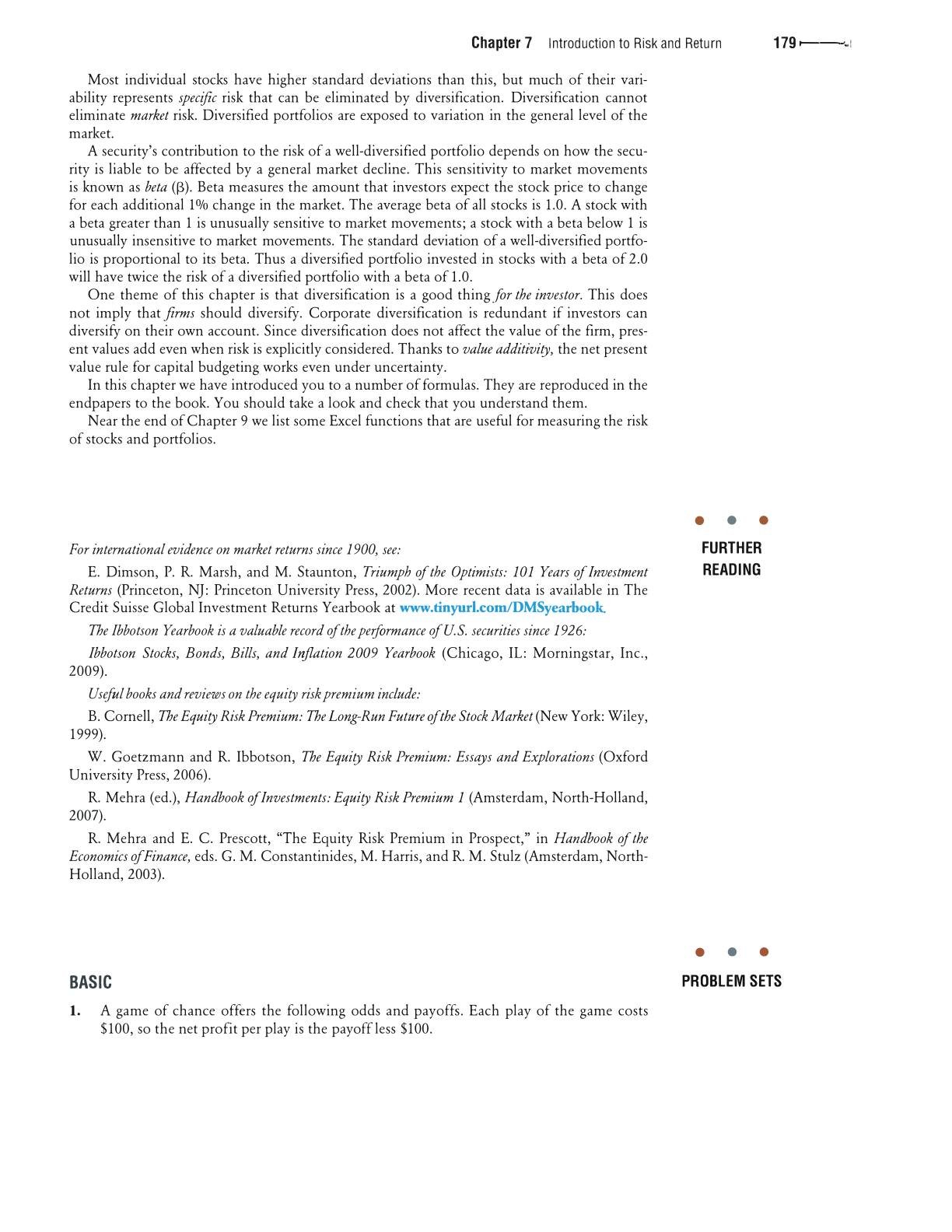
Which risks should affect a required return?
Relay · Choose and defend Relay's required return
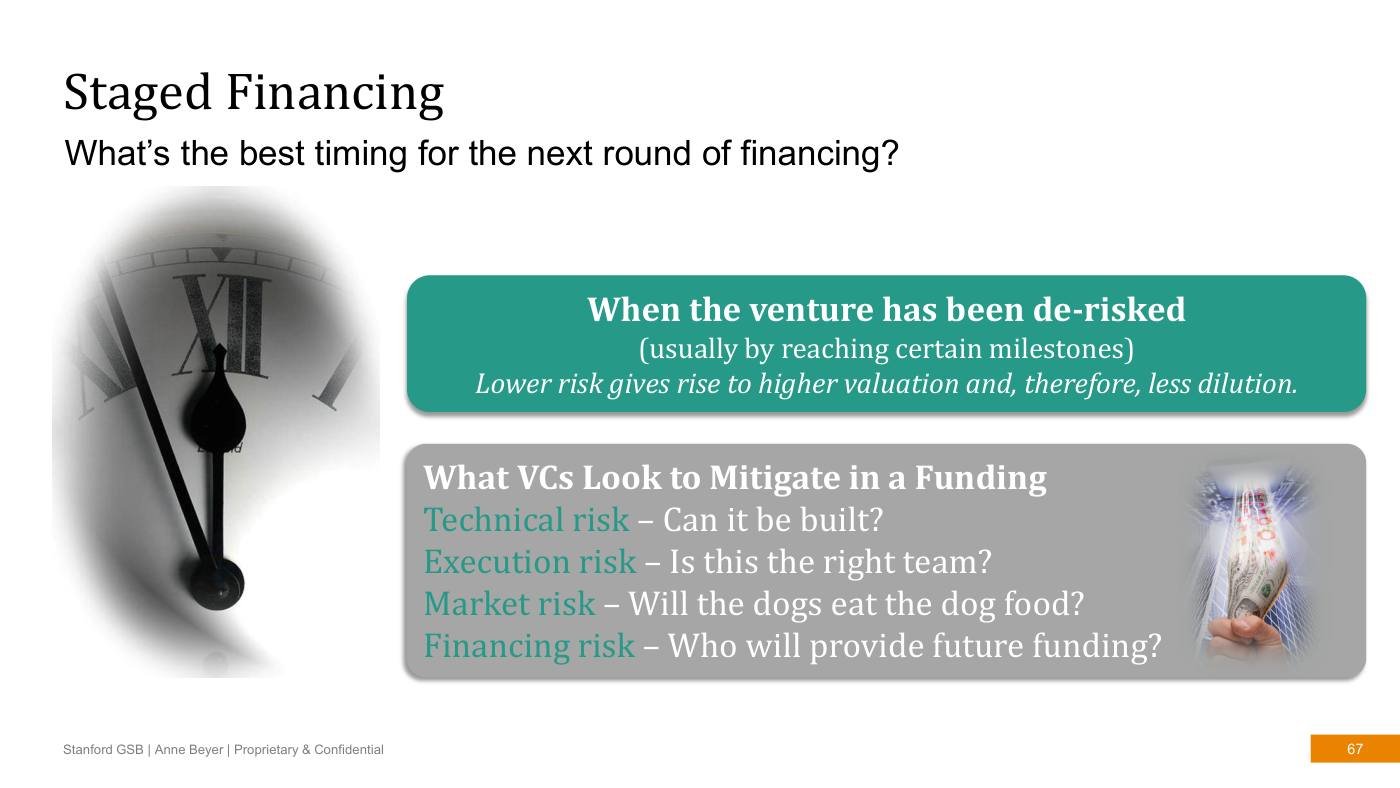
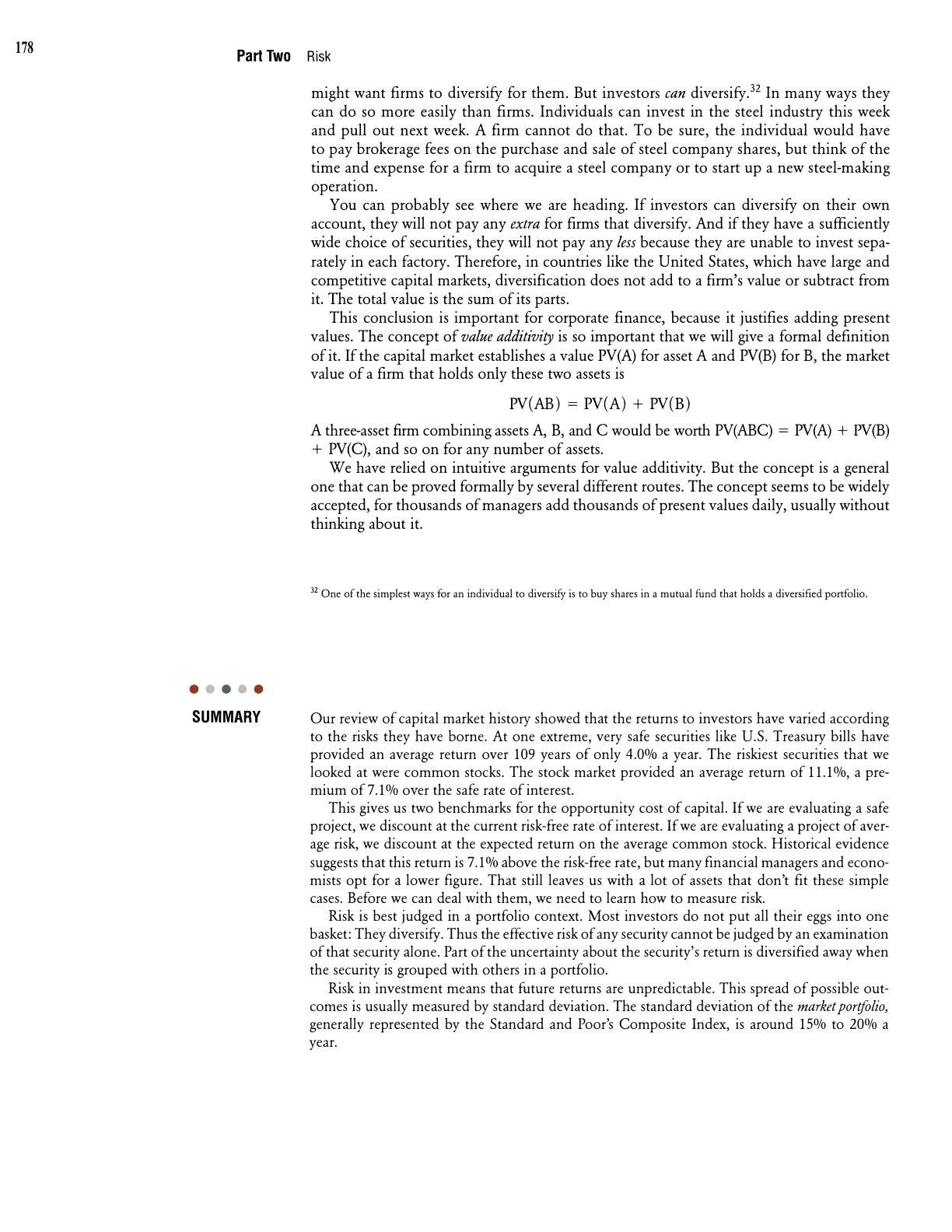
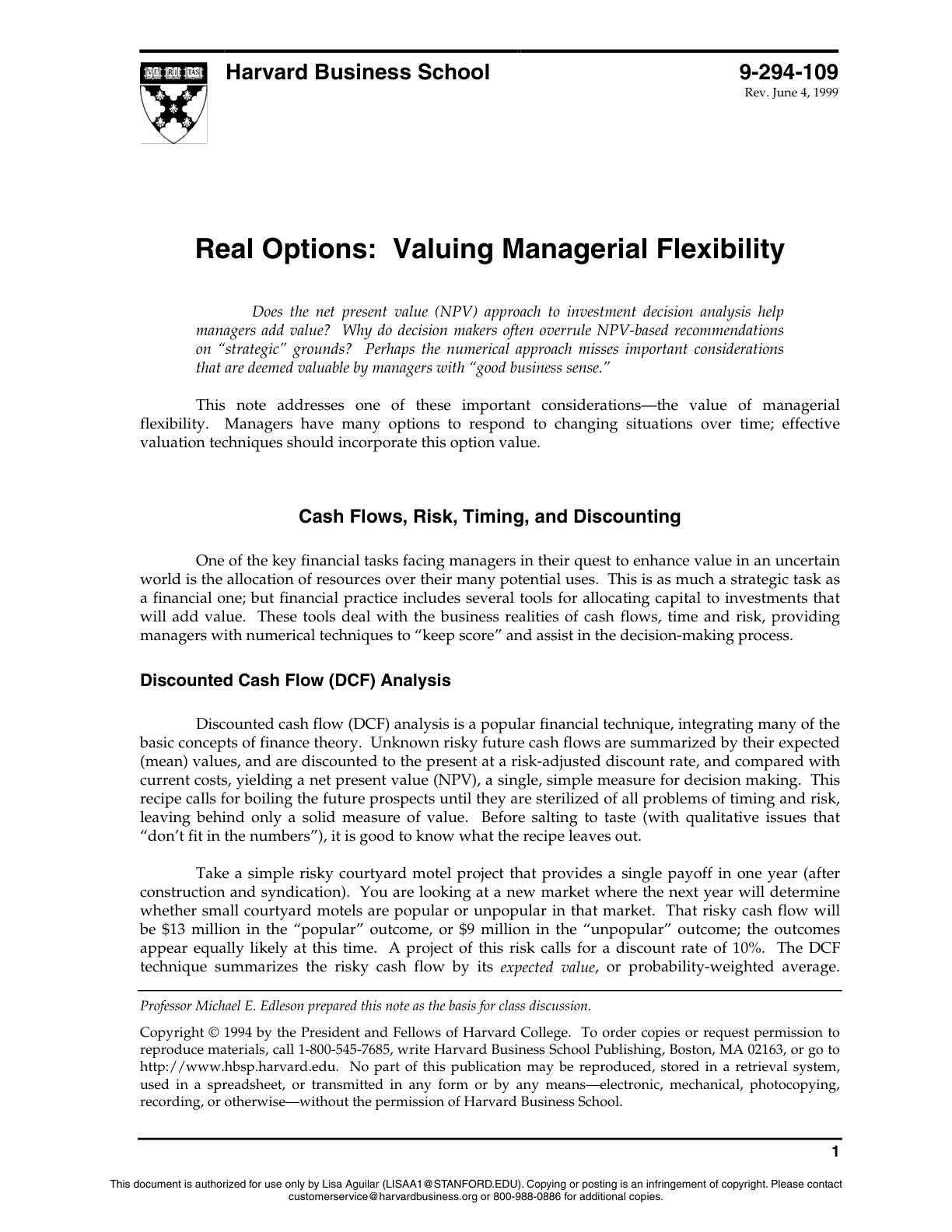
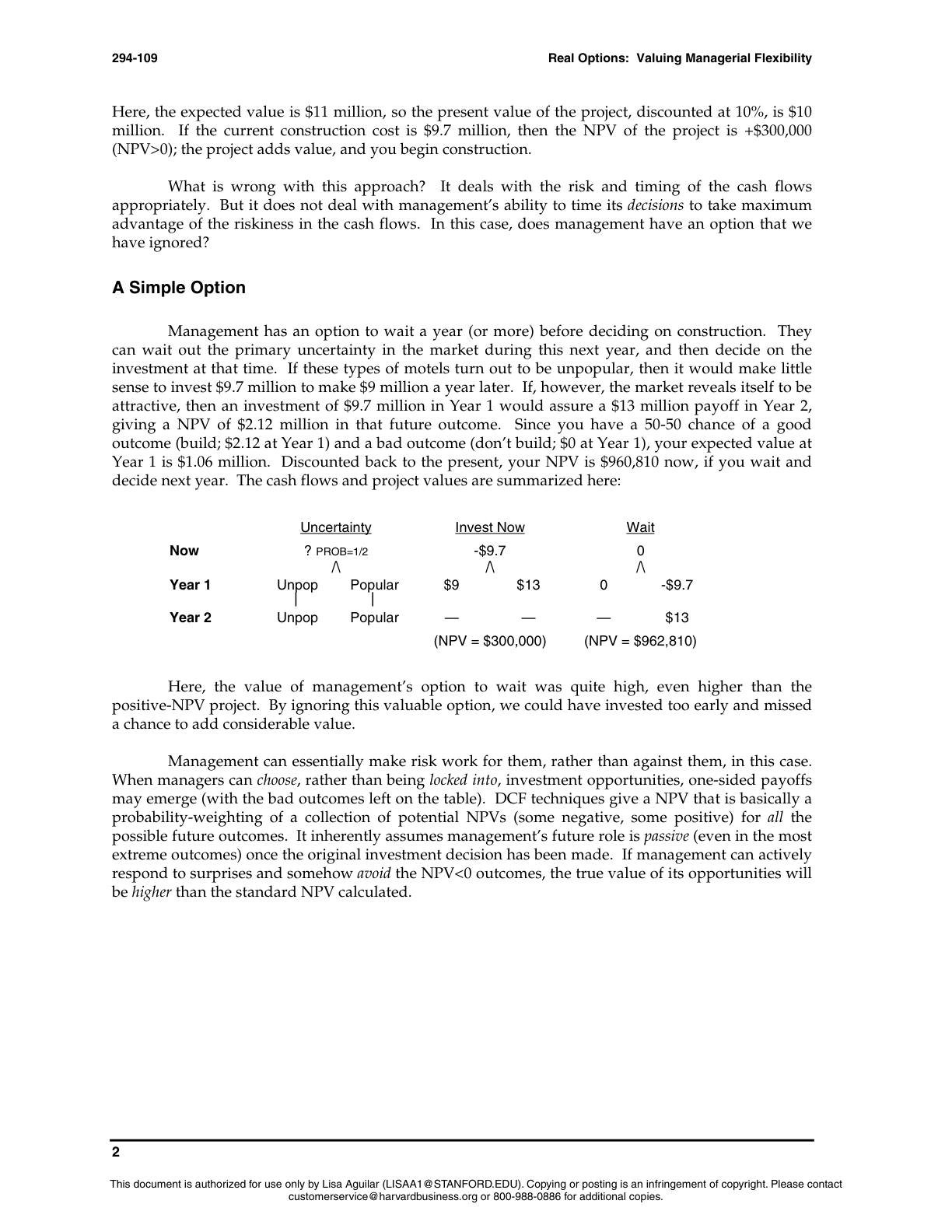
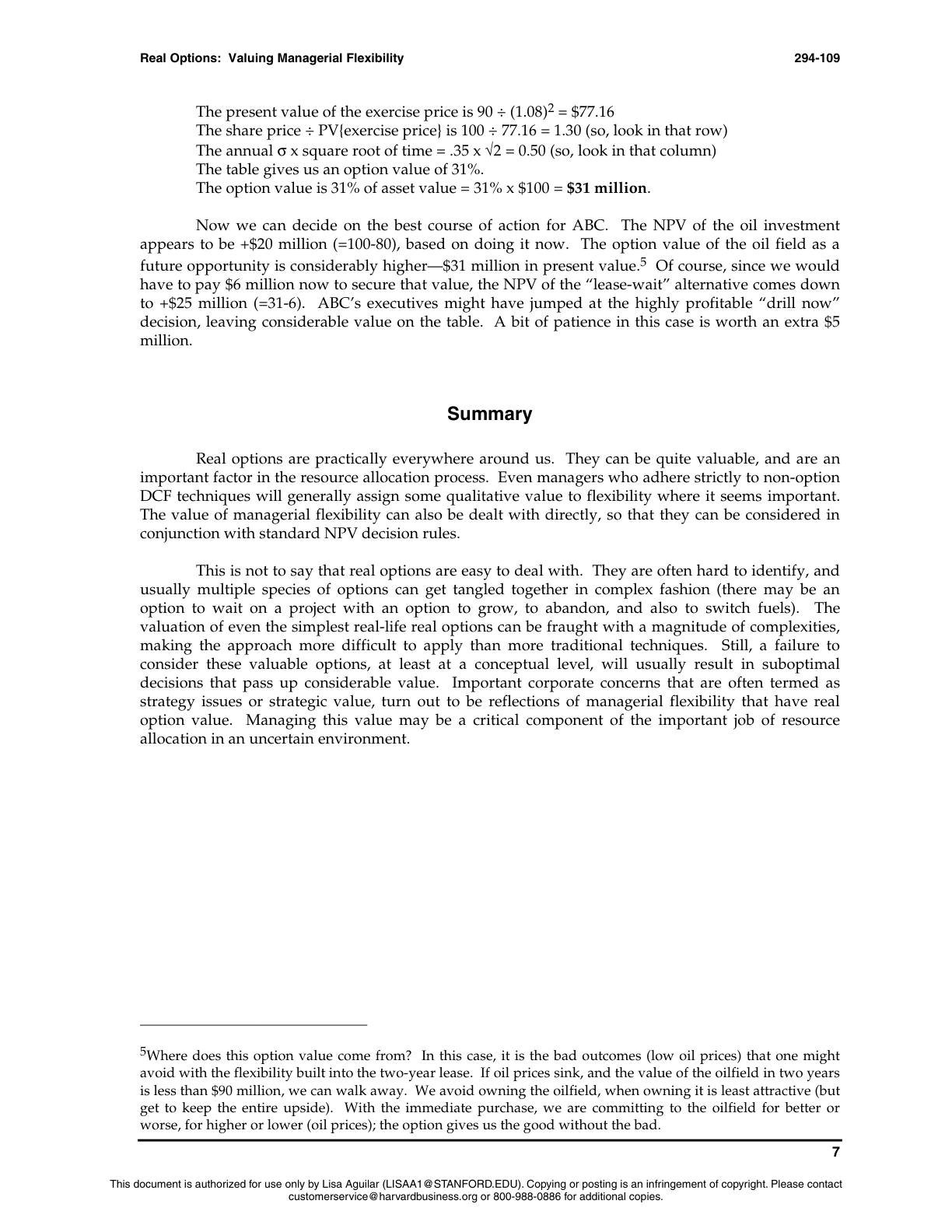
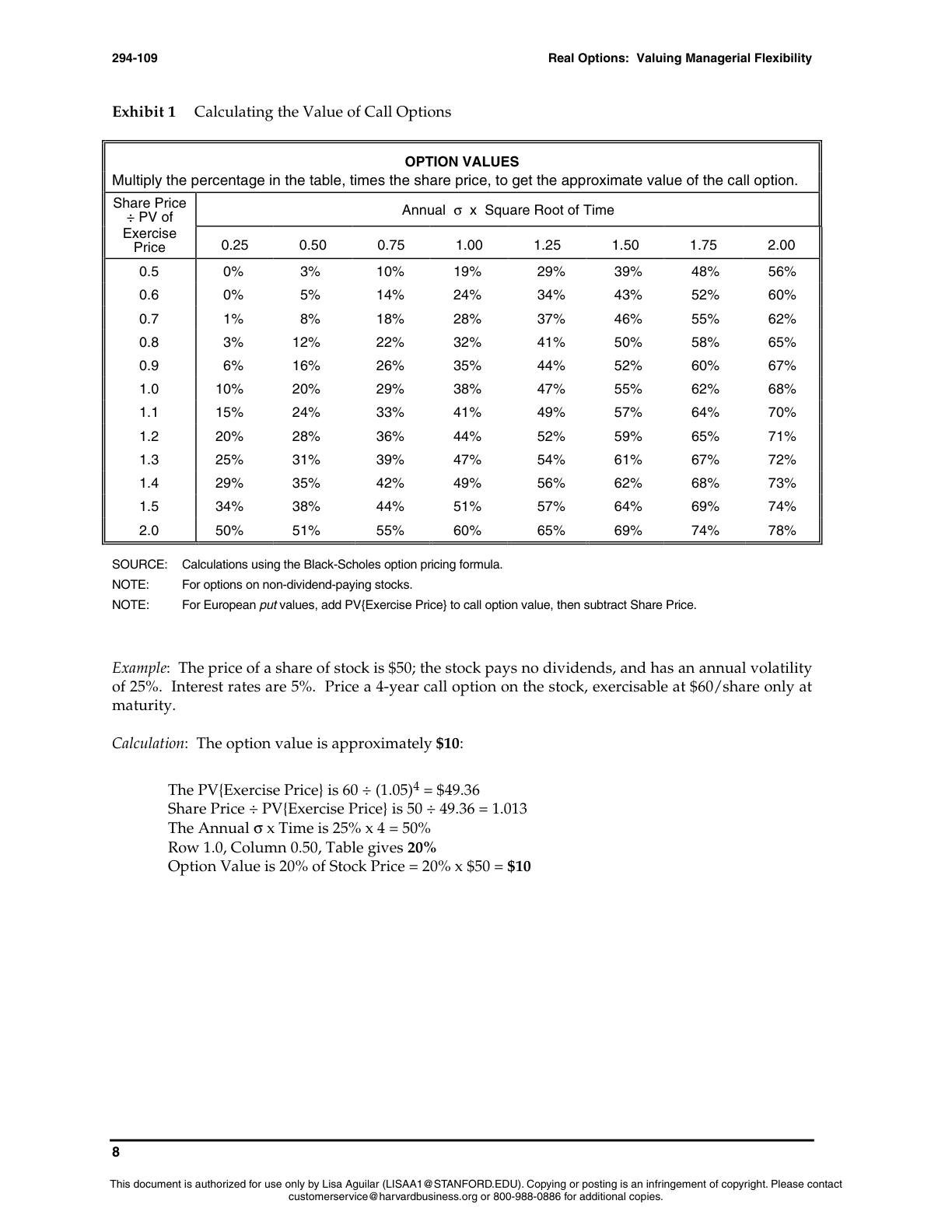
When is waiting or staging an investment worth more than committing now?
Relay · Pilot the second EHR before building it
Module 05
Understand the people, ownership and risk foundations of a company.
You will makeA founder discussion brief, governance questions, IP map and privacy data map.
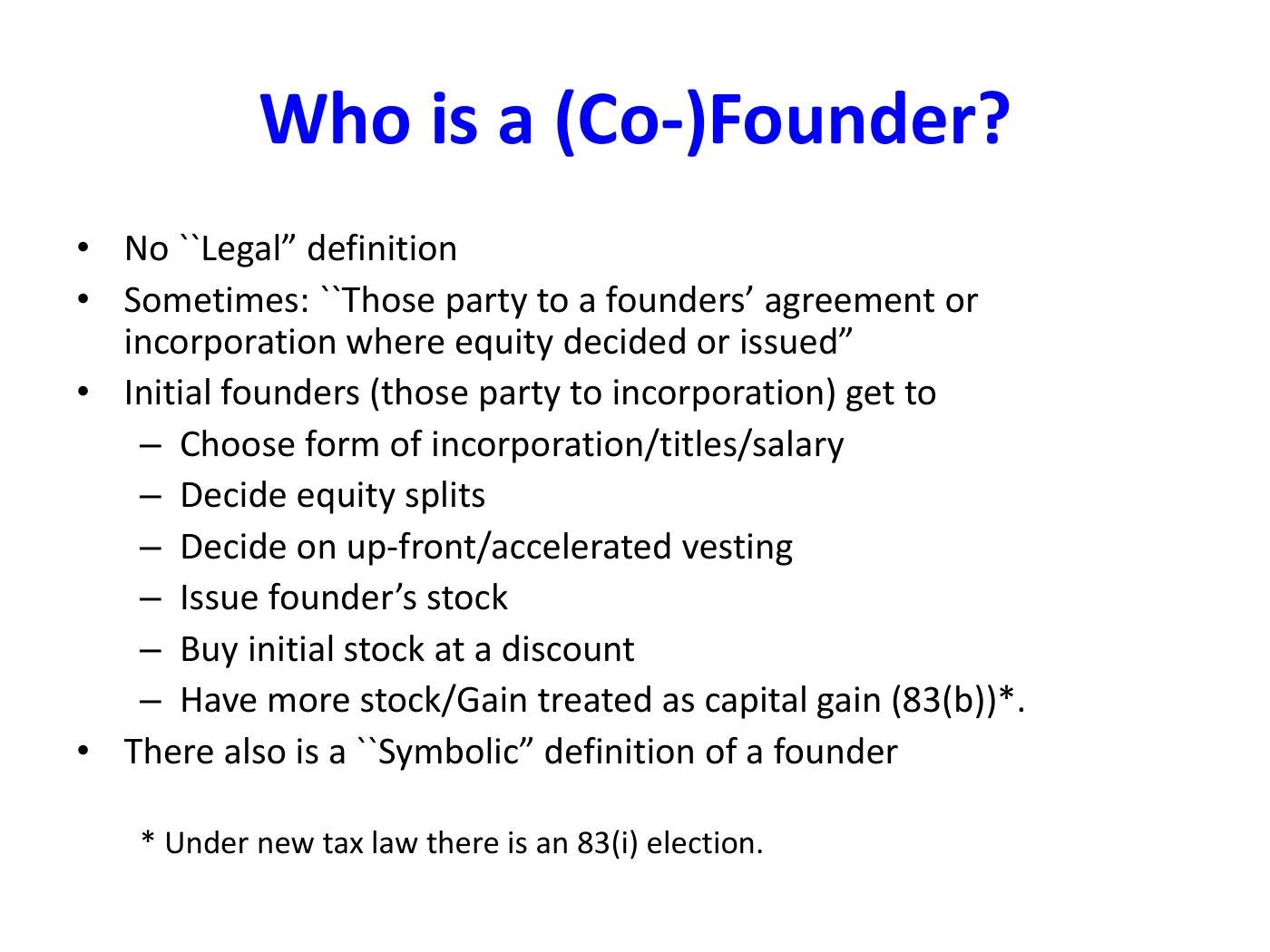
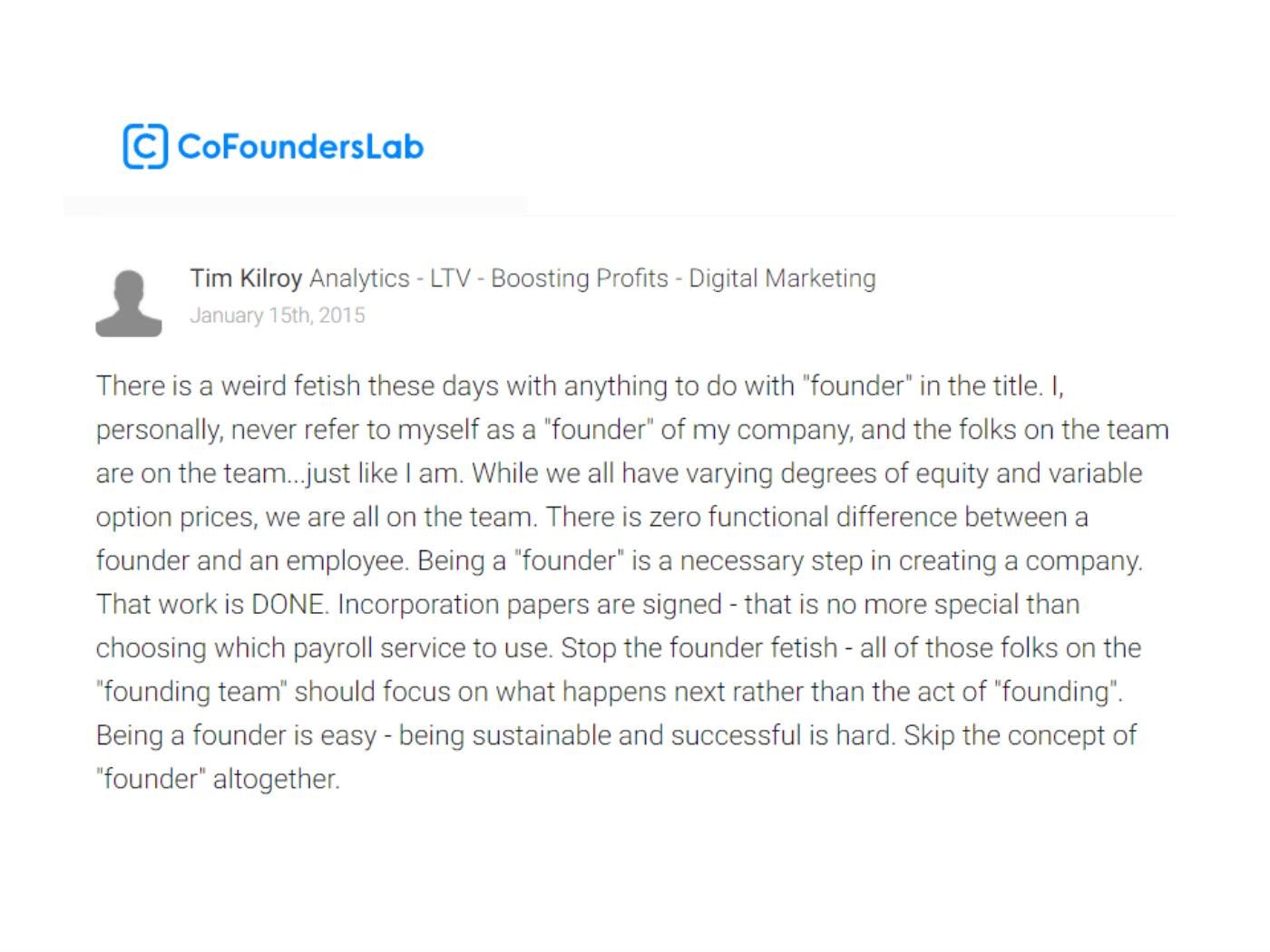
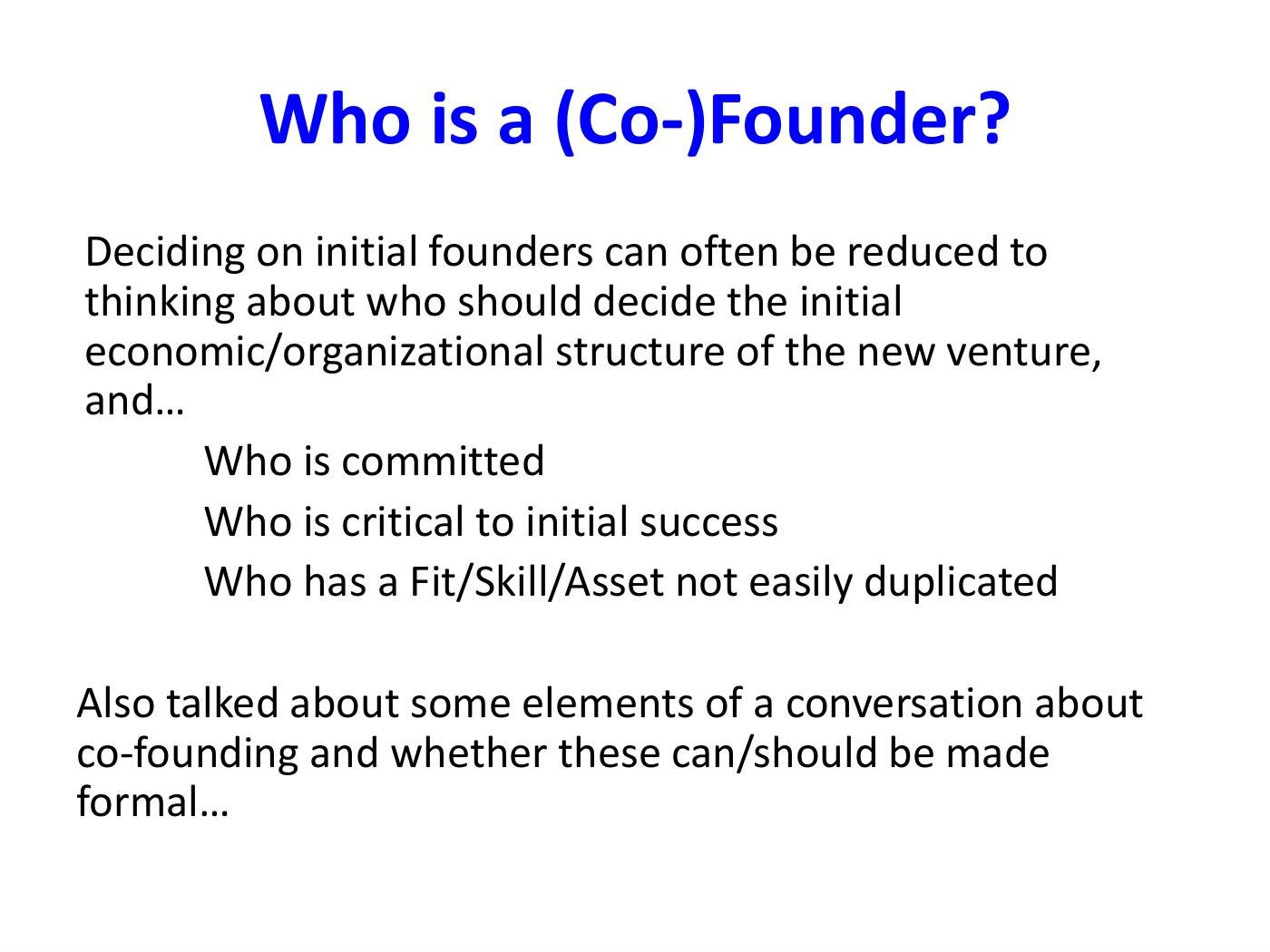
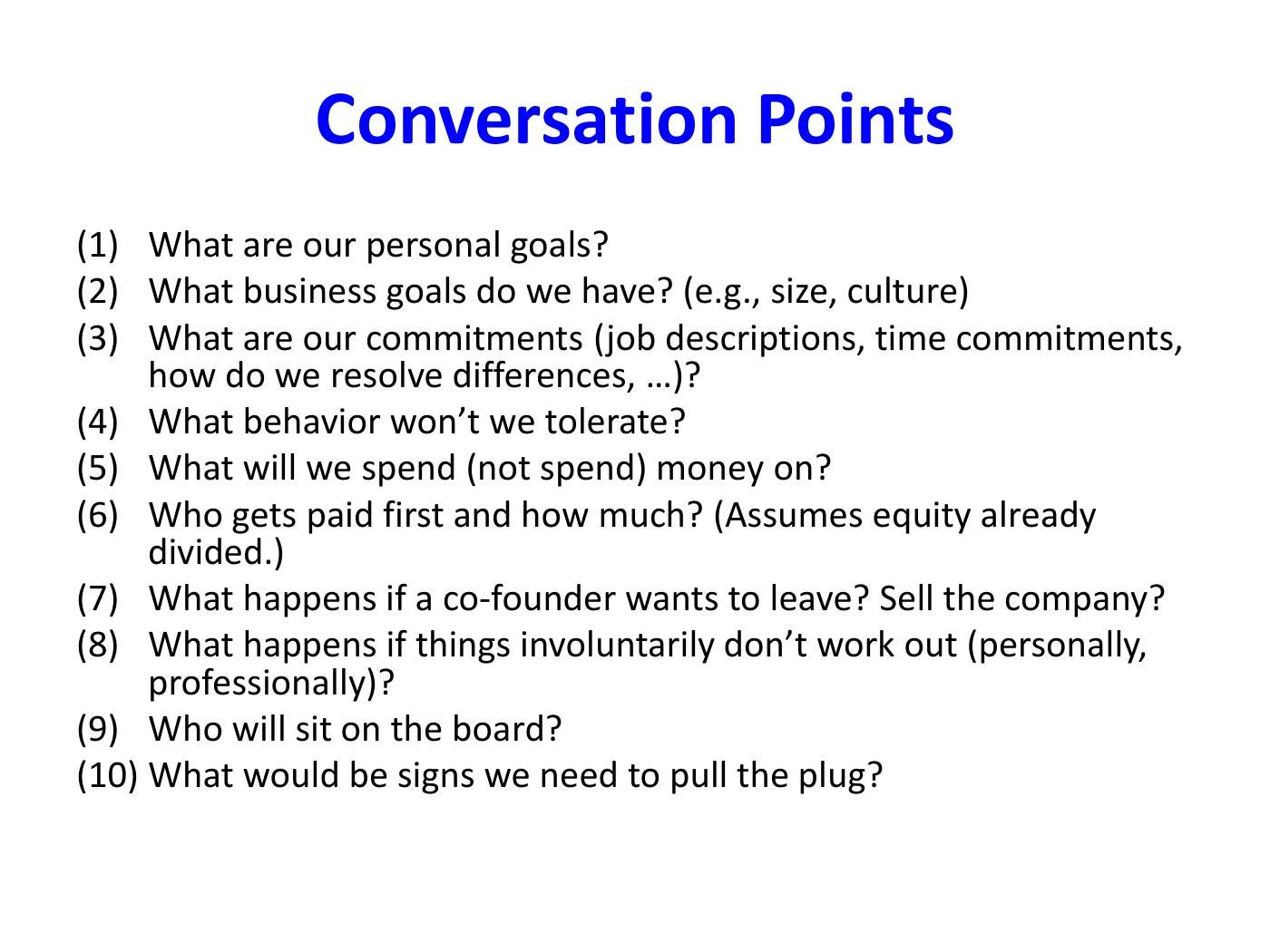
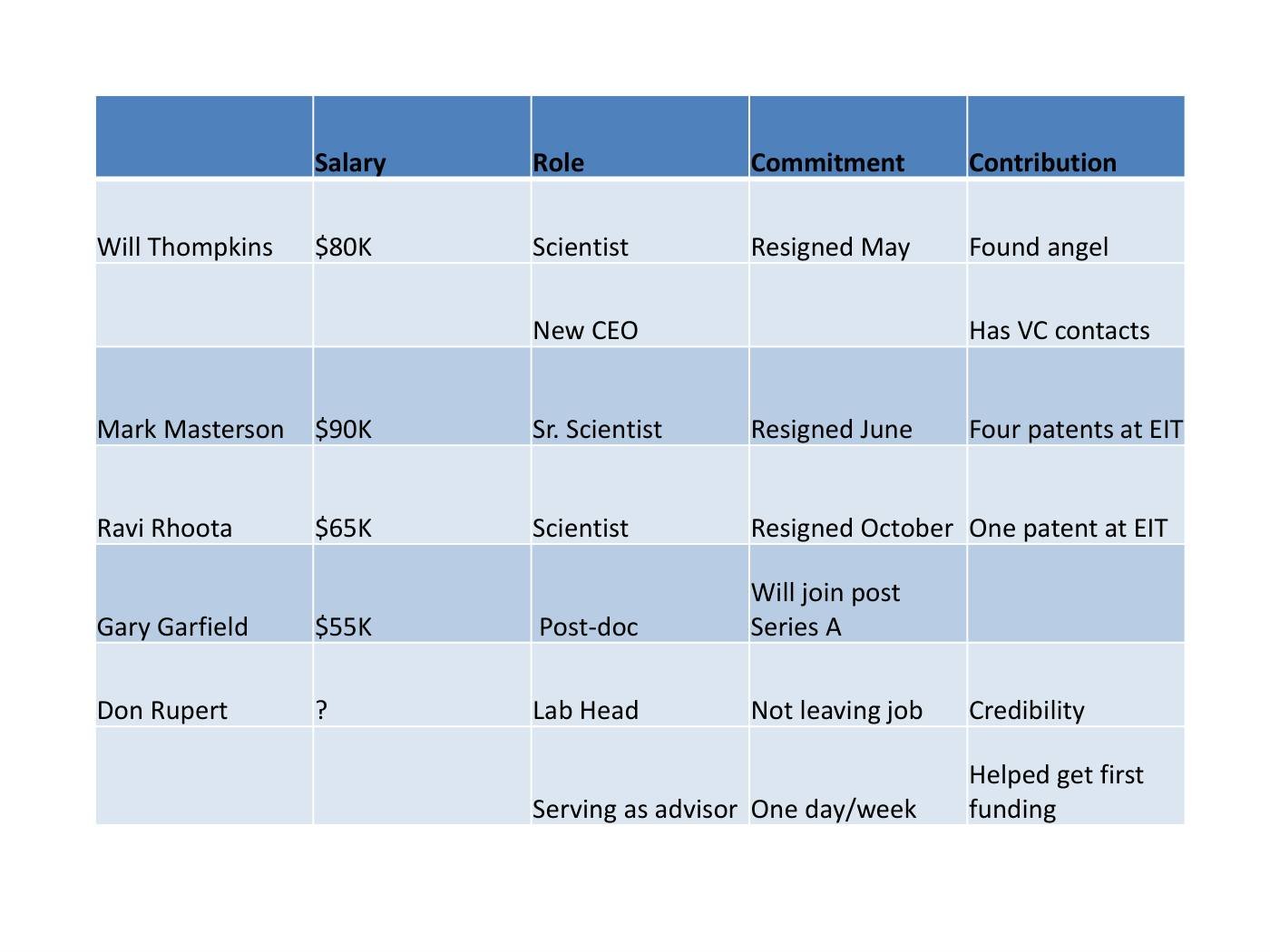
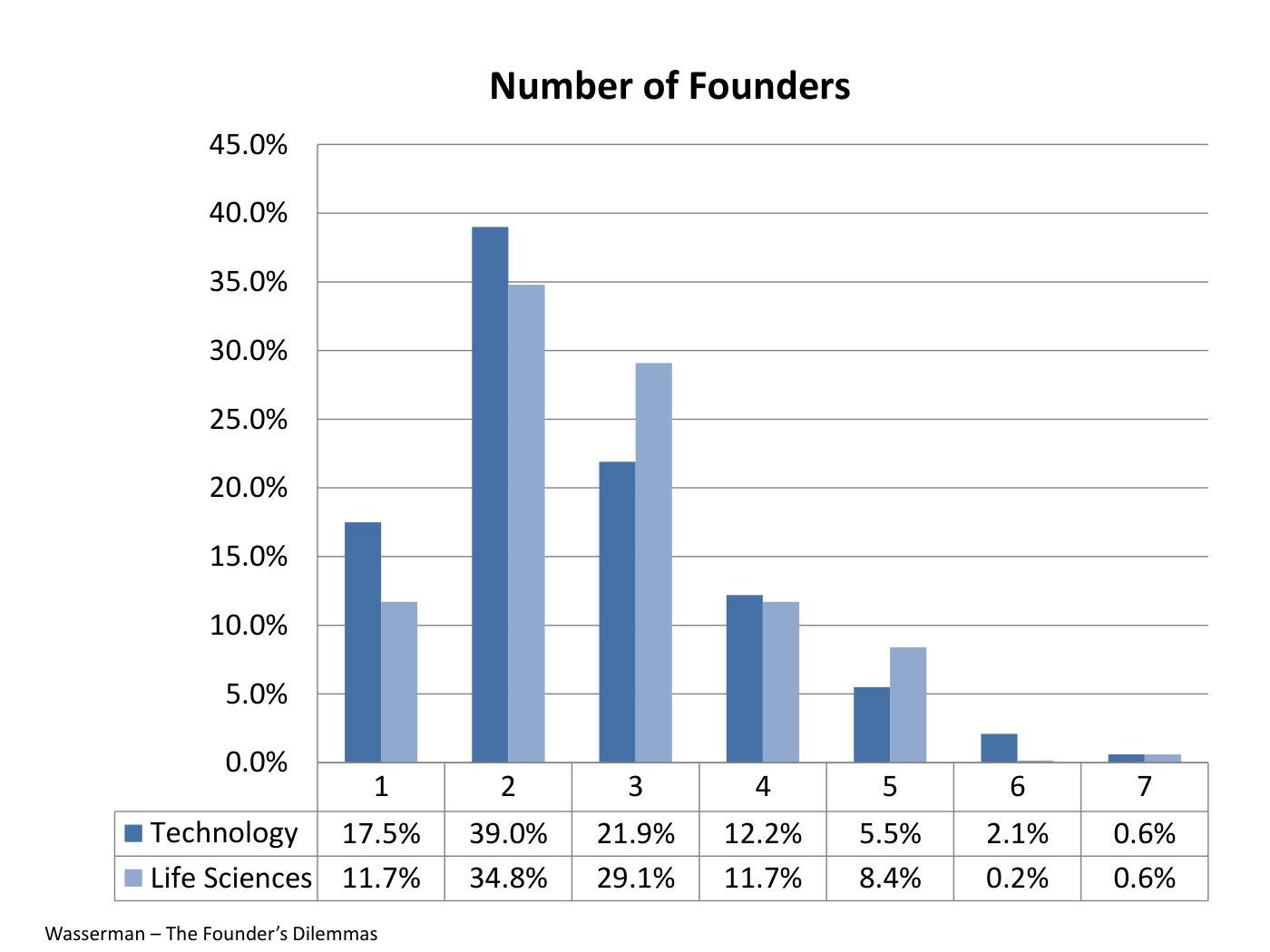
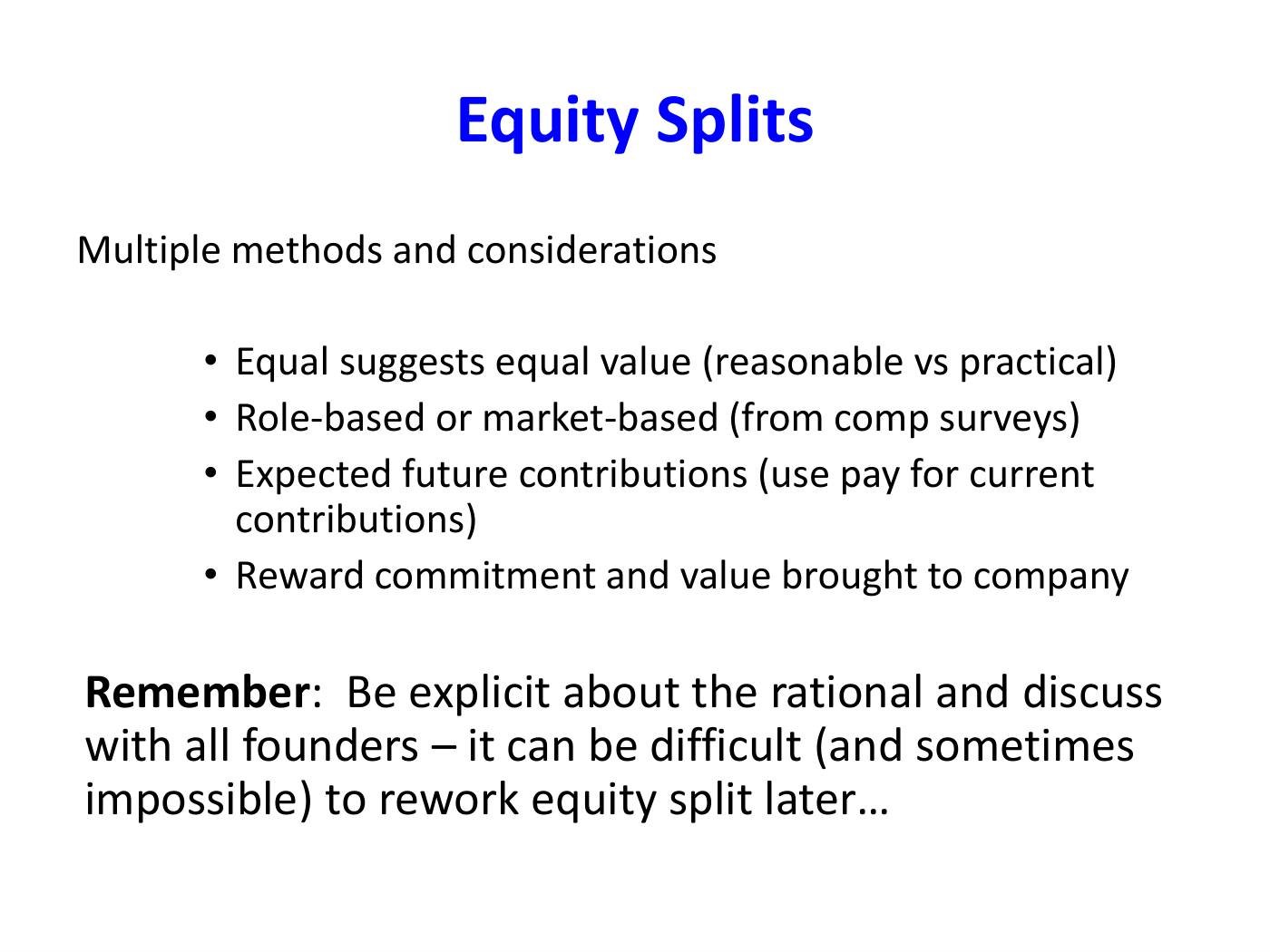
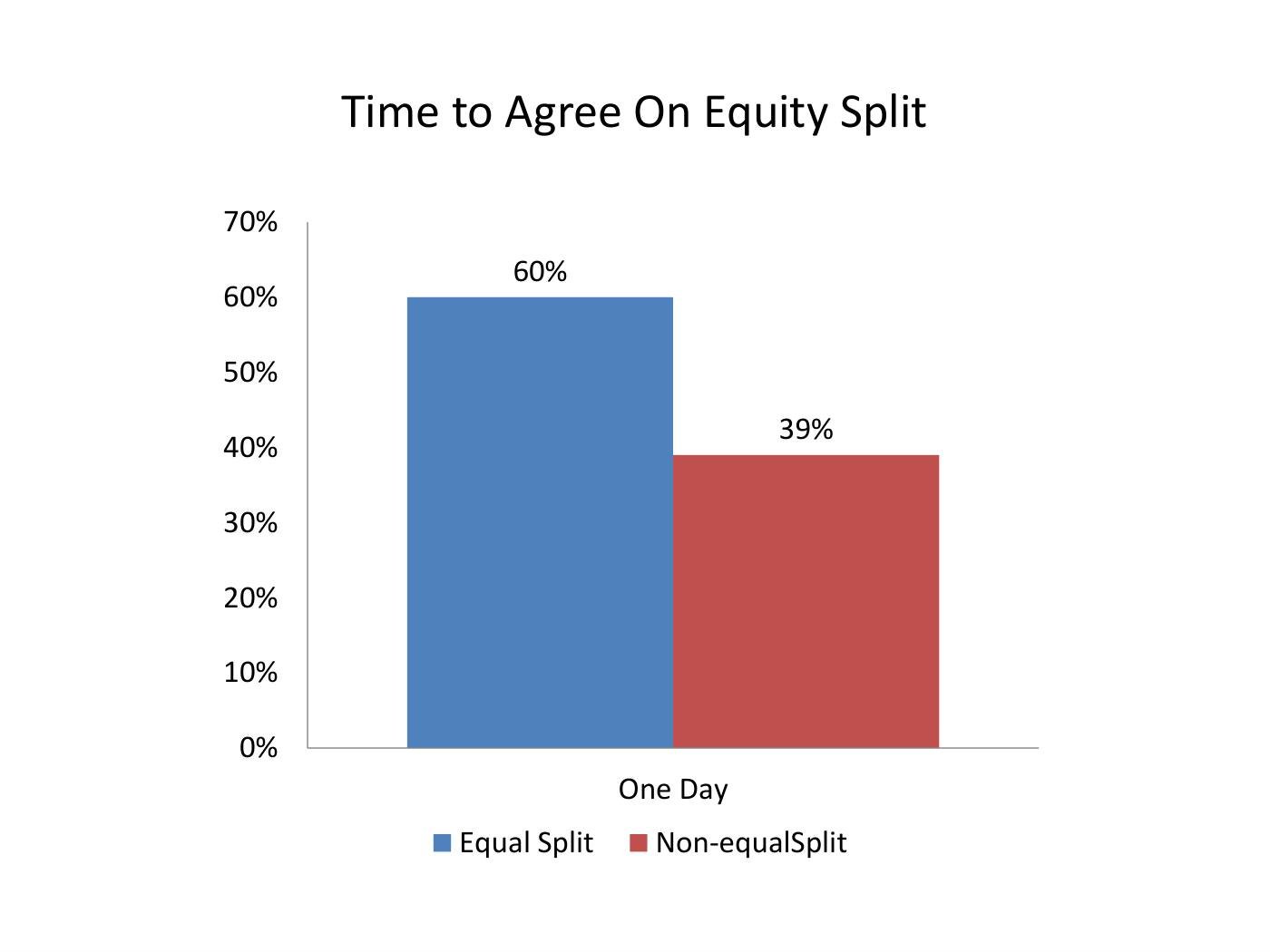
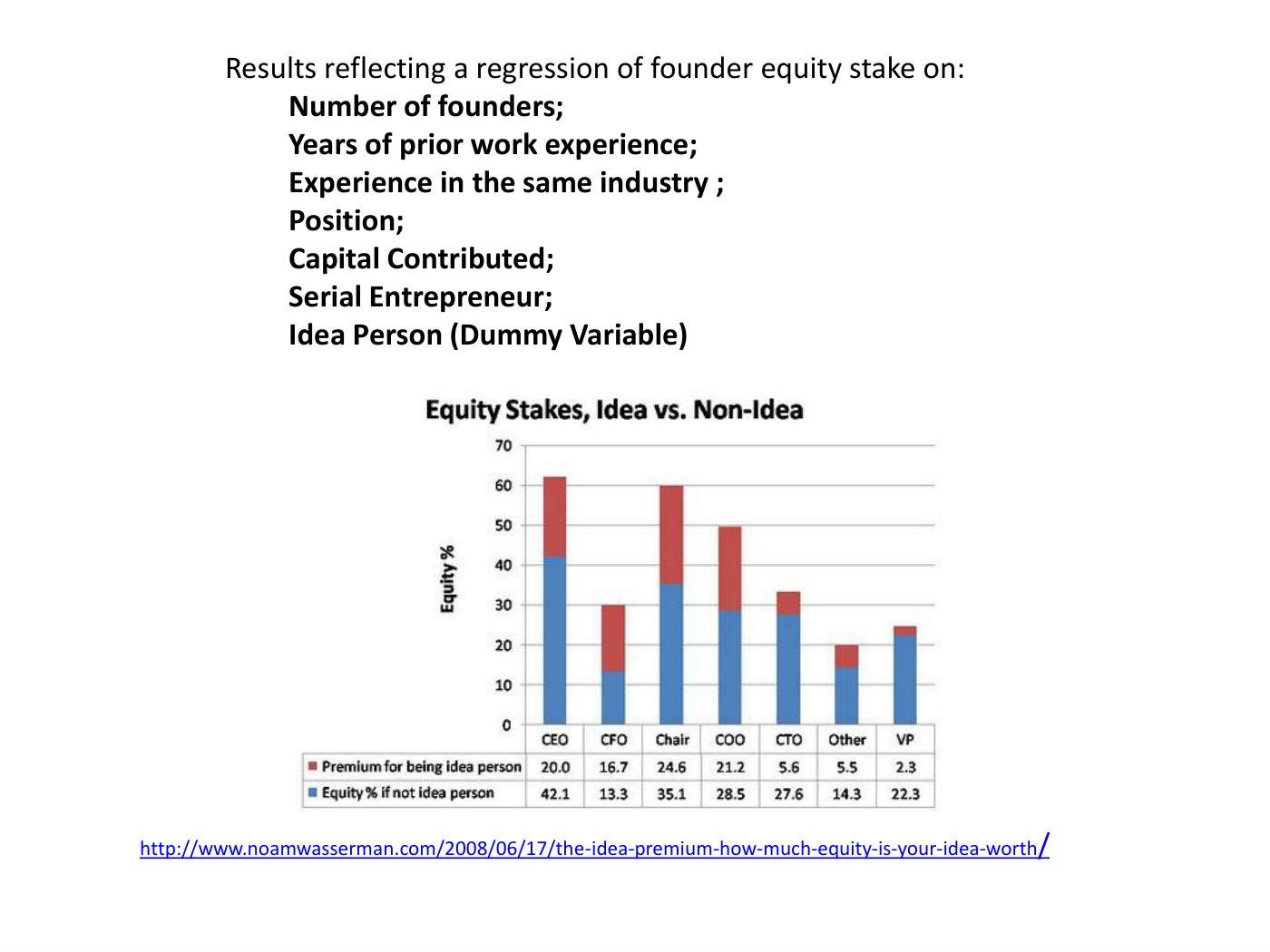
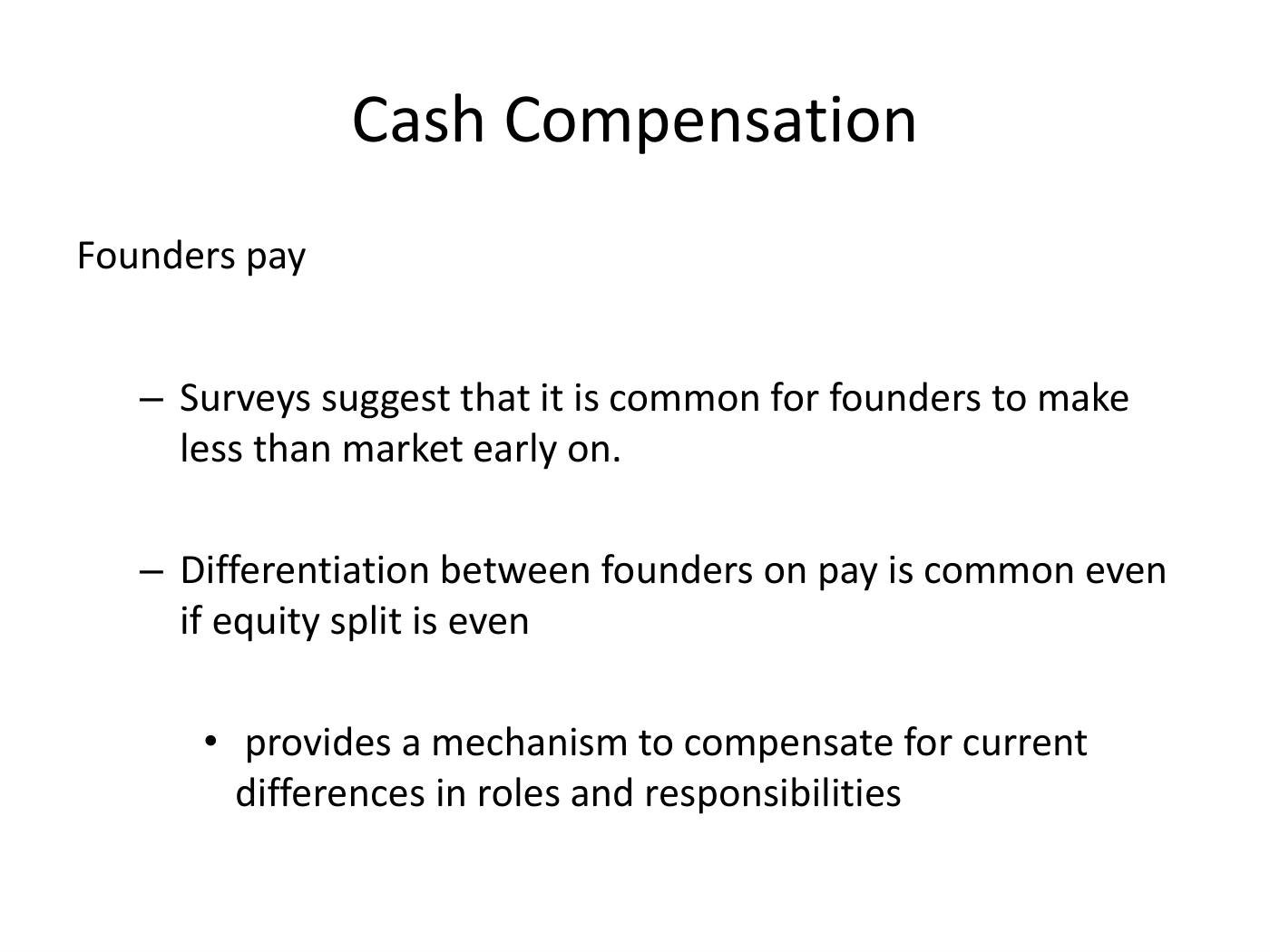
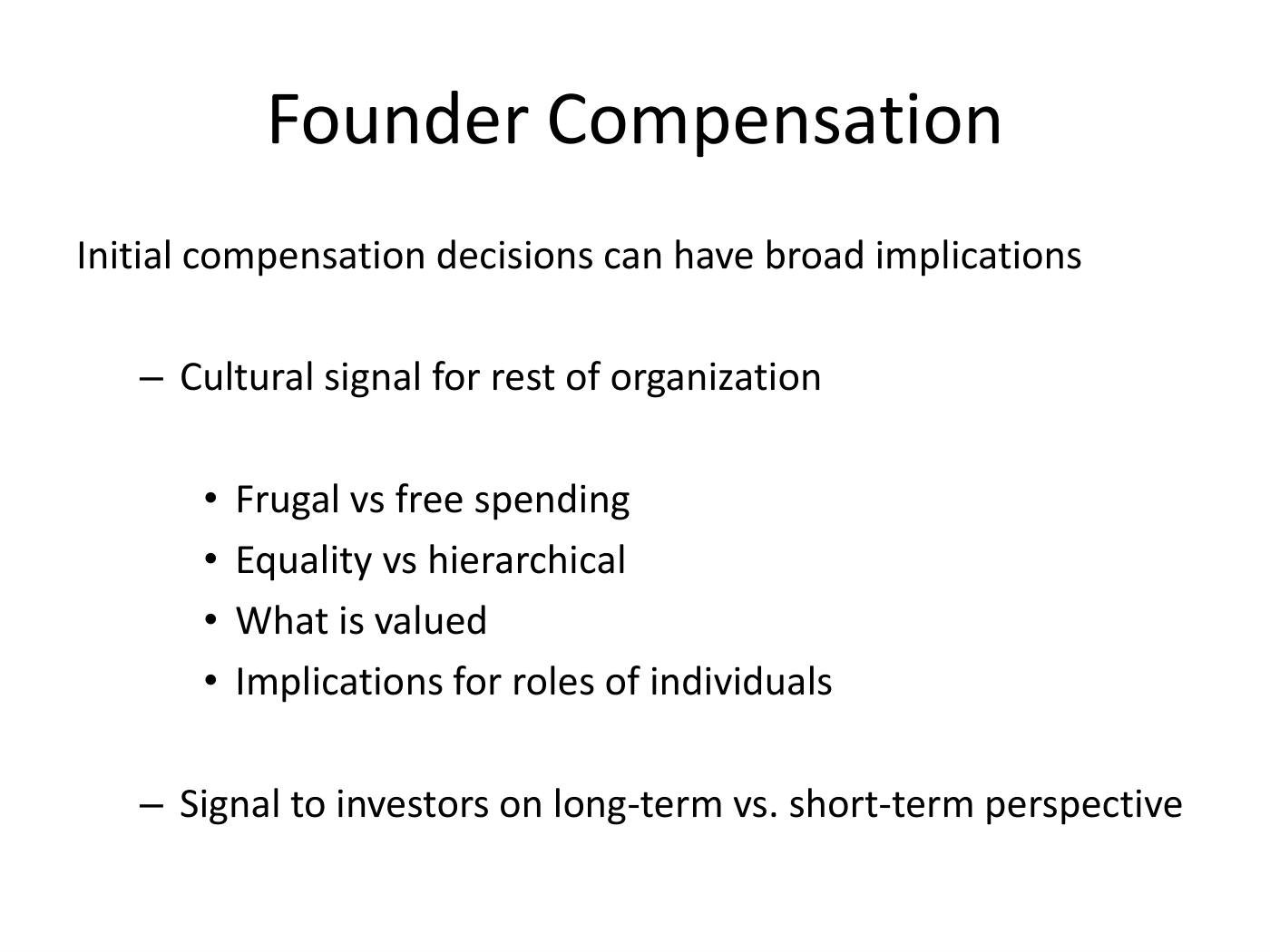
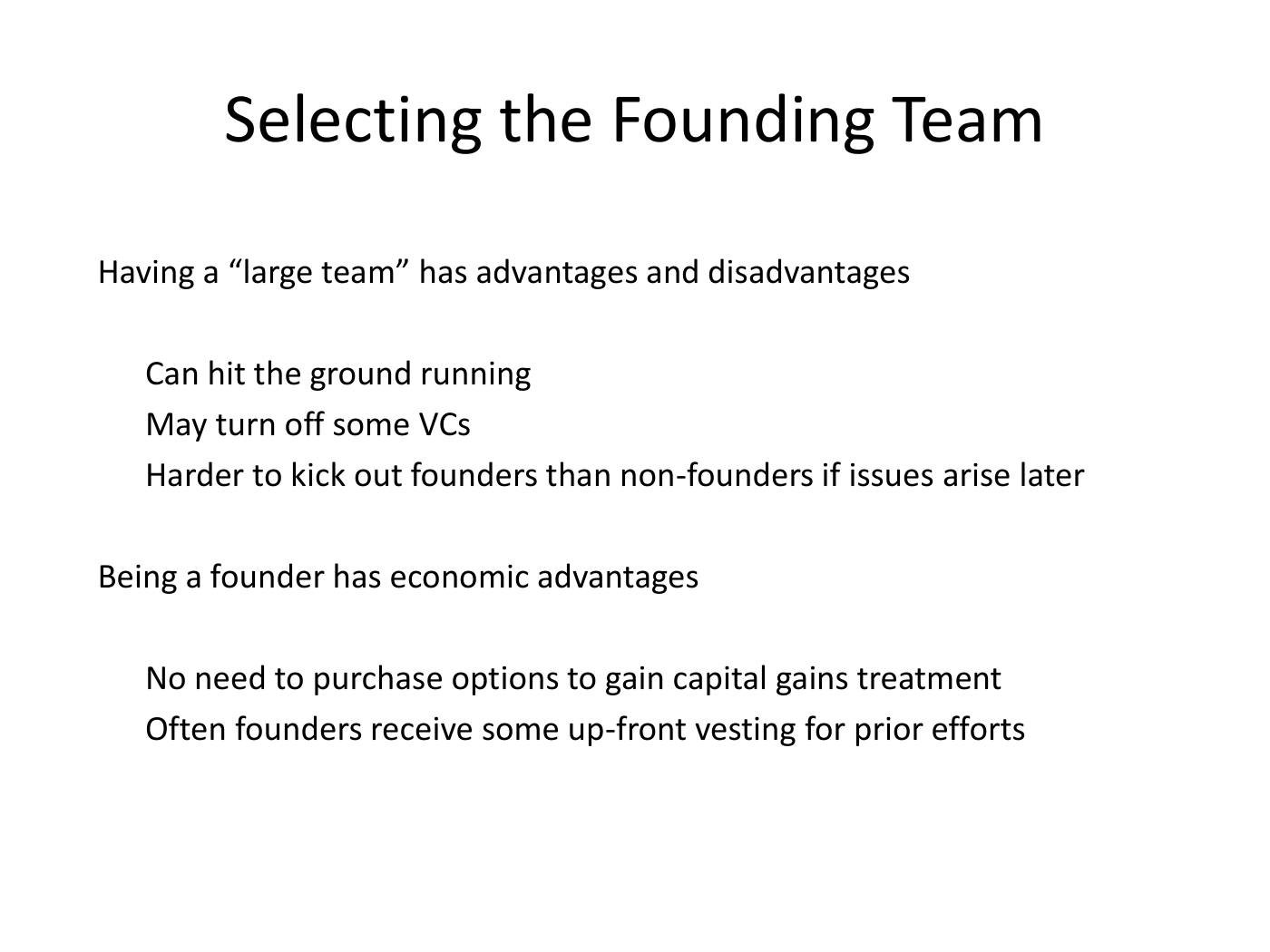
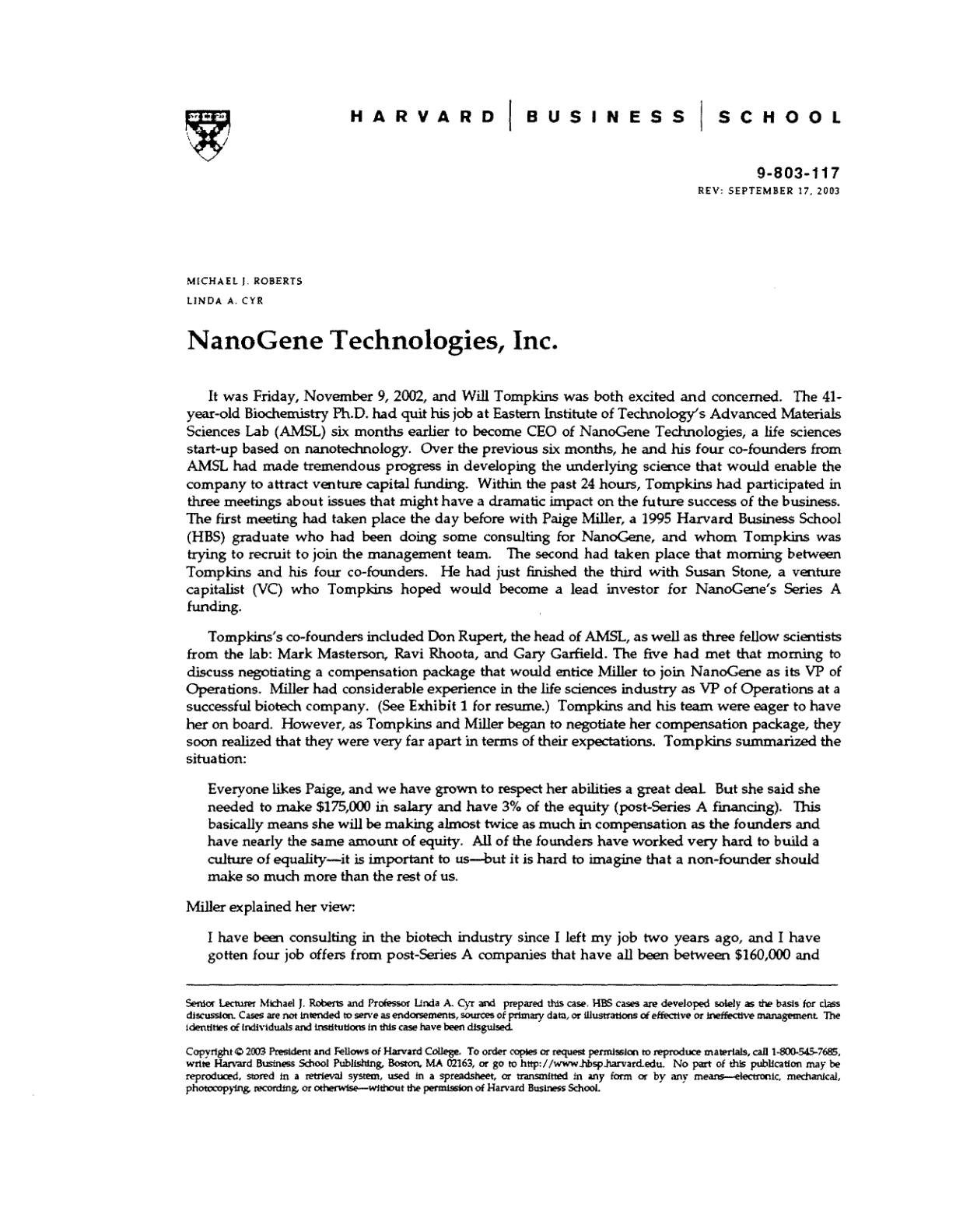
How should ownership and pay reflect future contribution and commitment?
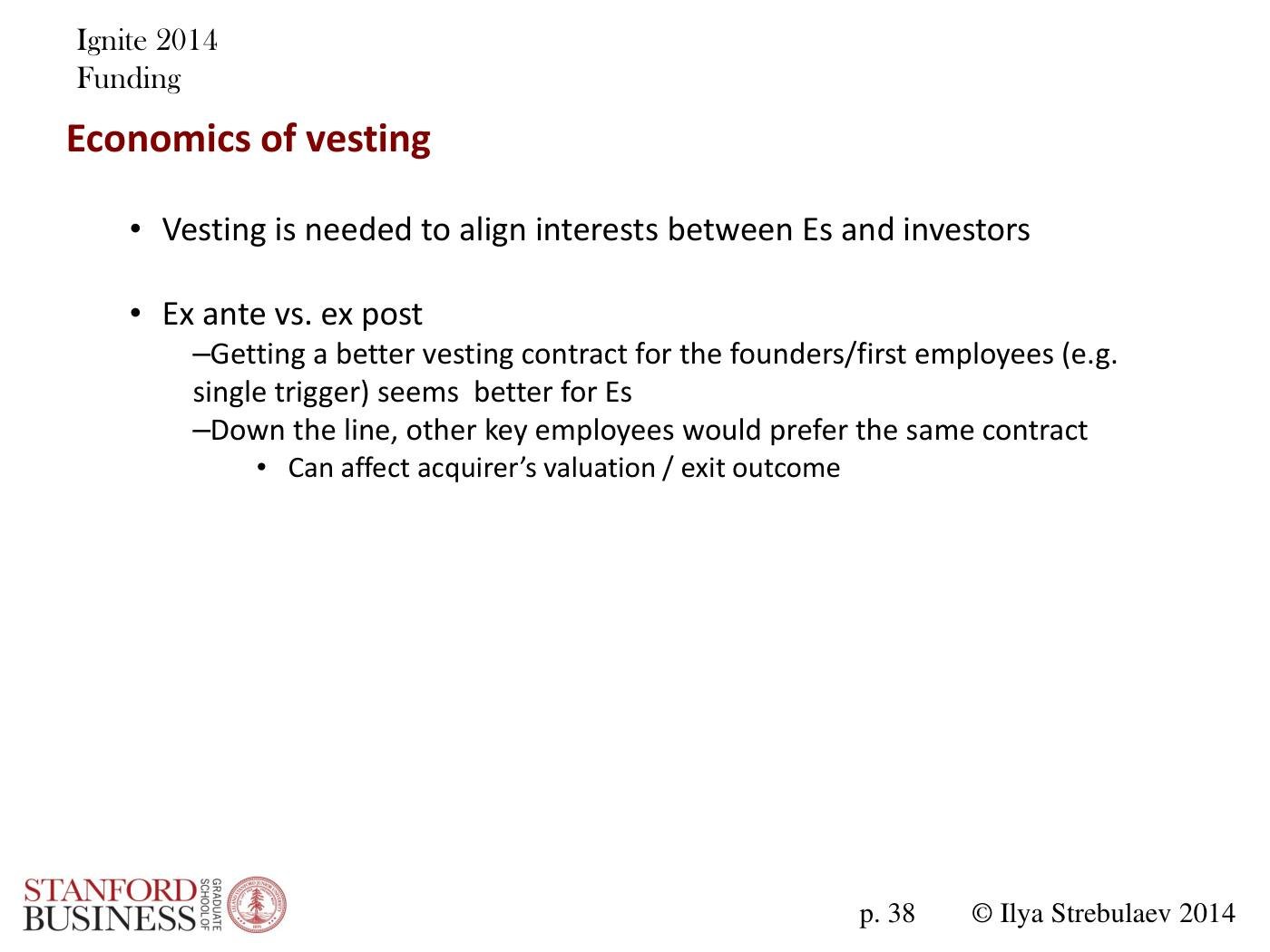
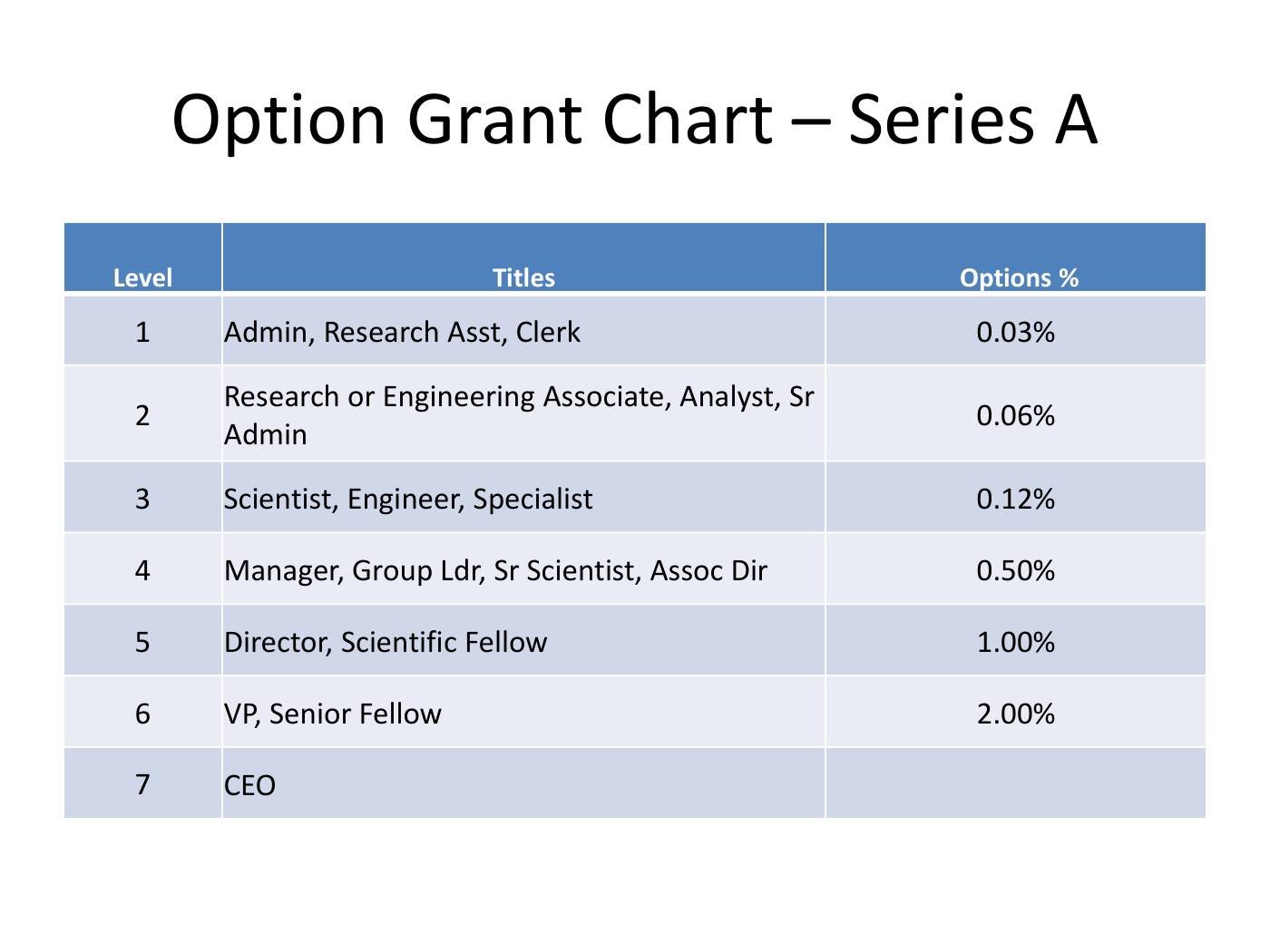
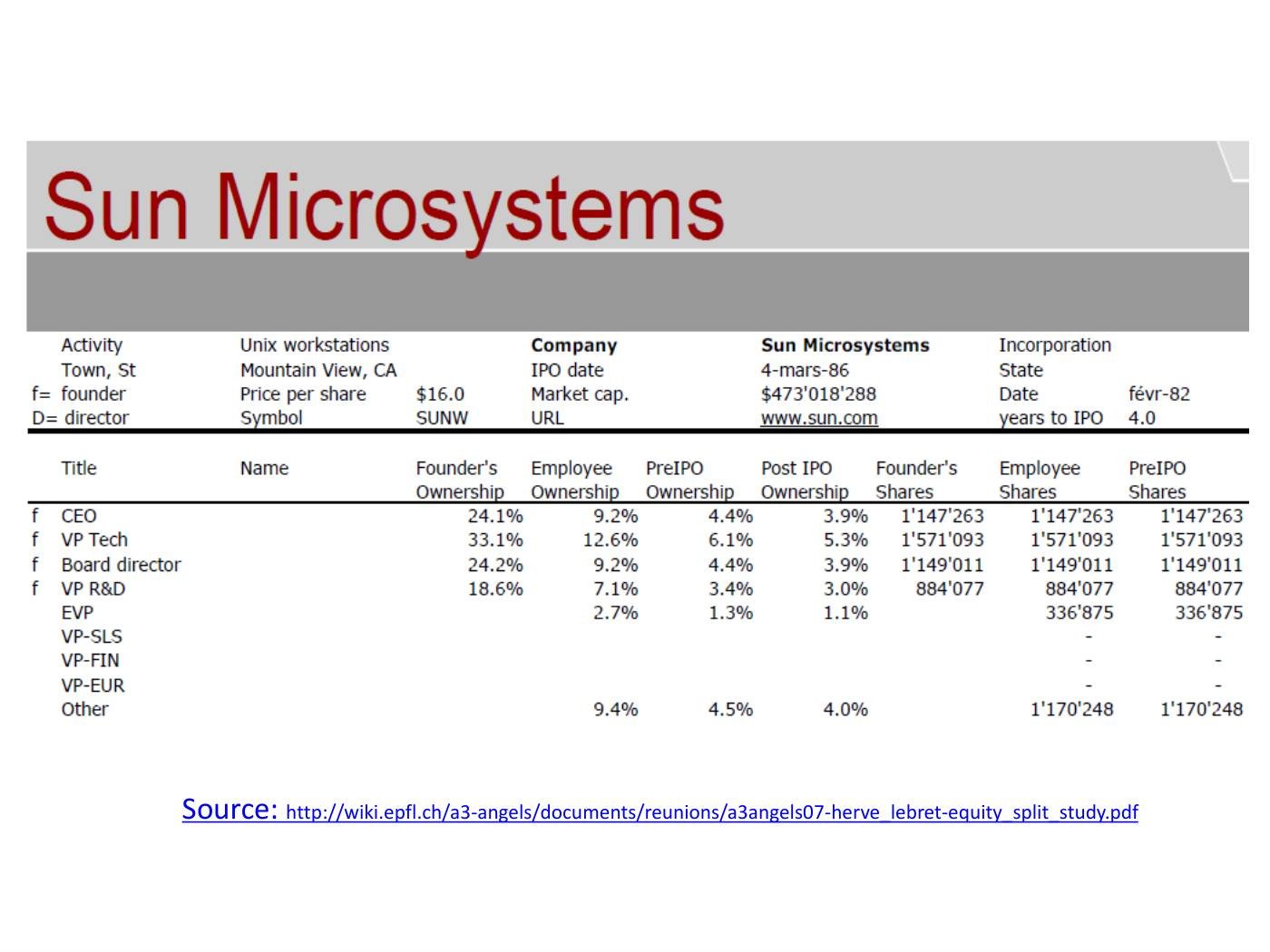
Relay · Relay's founder split, vesting and Priya's grant
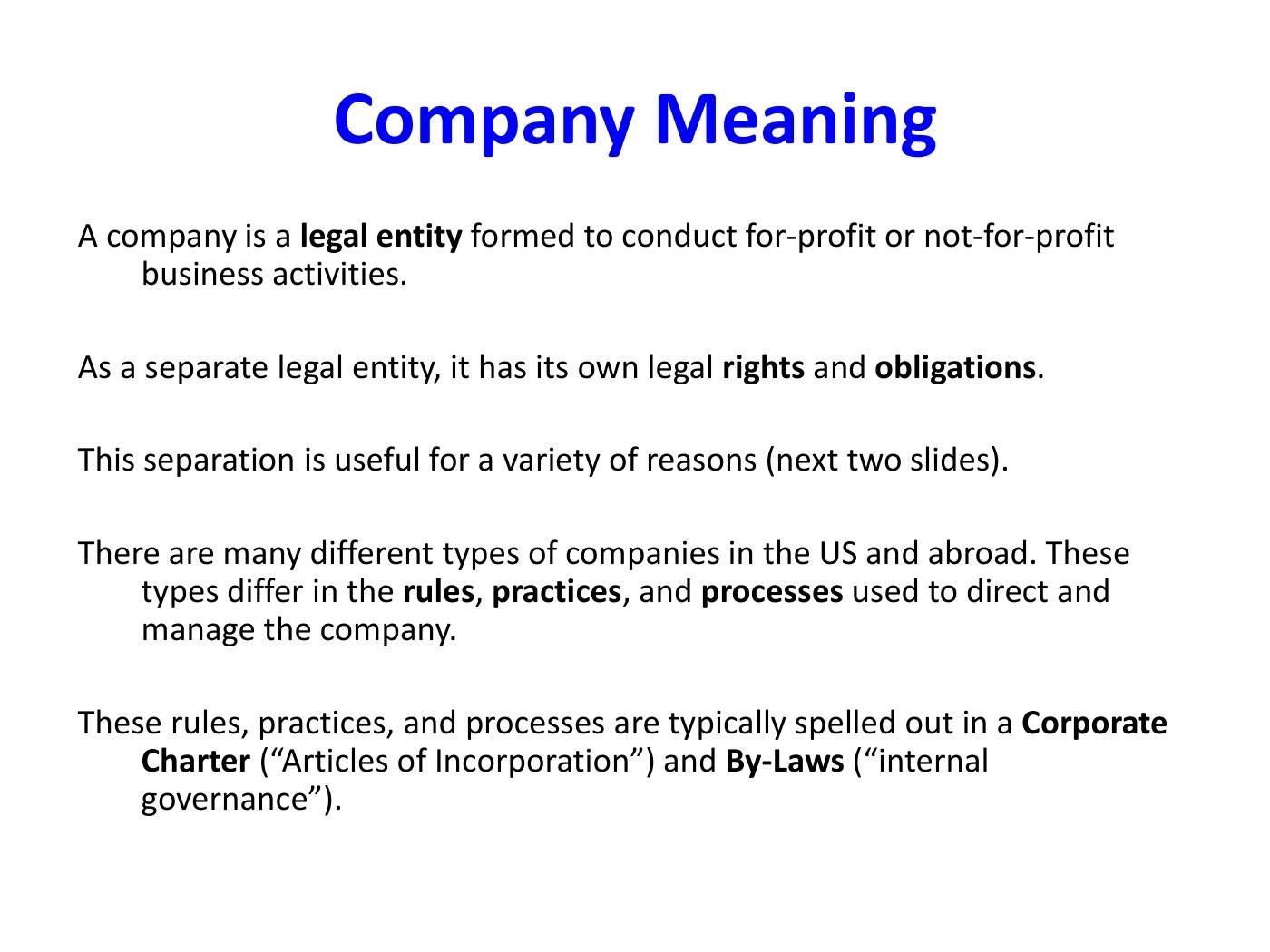
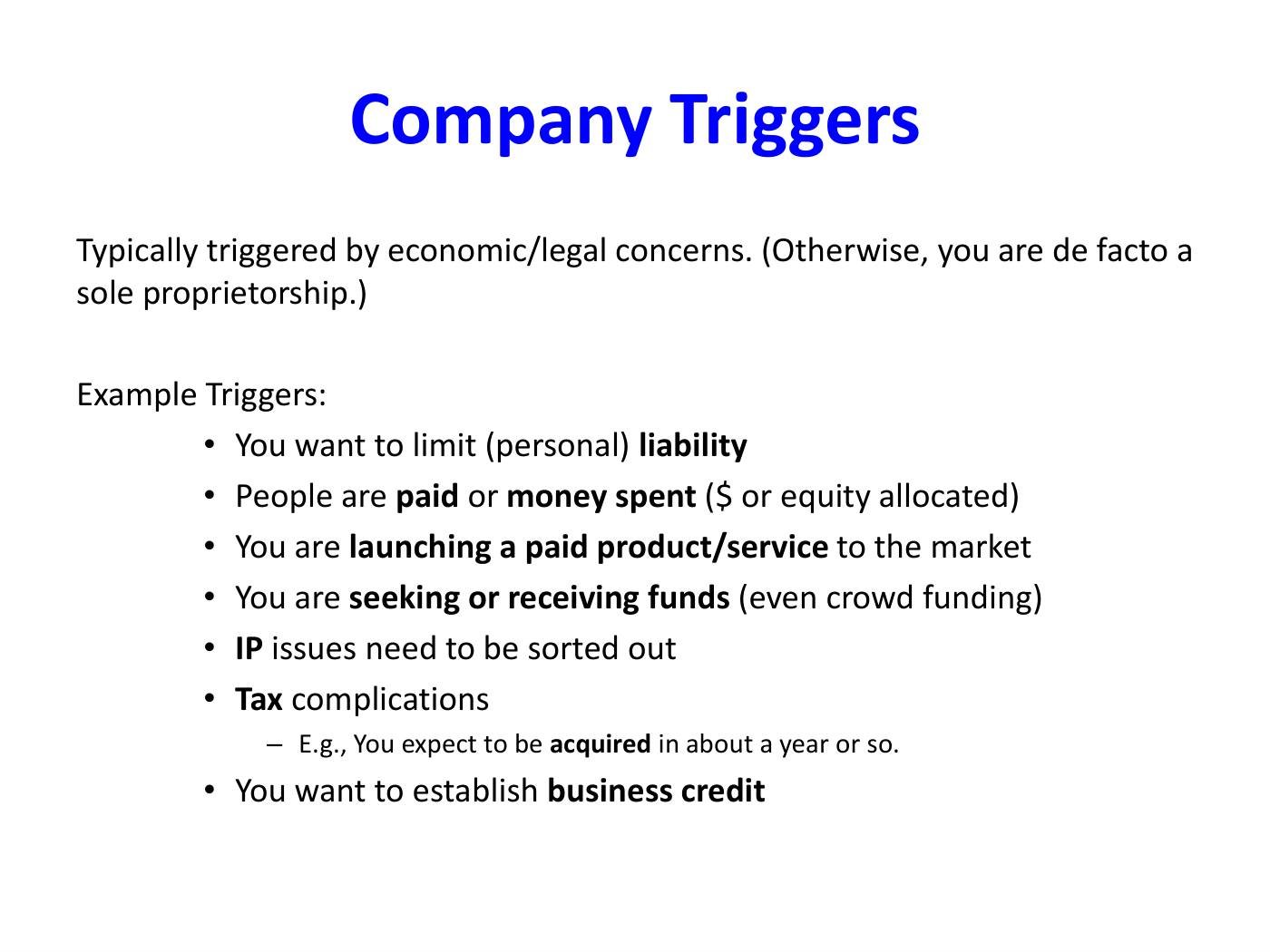
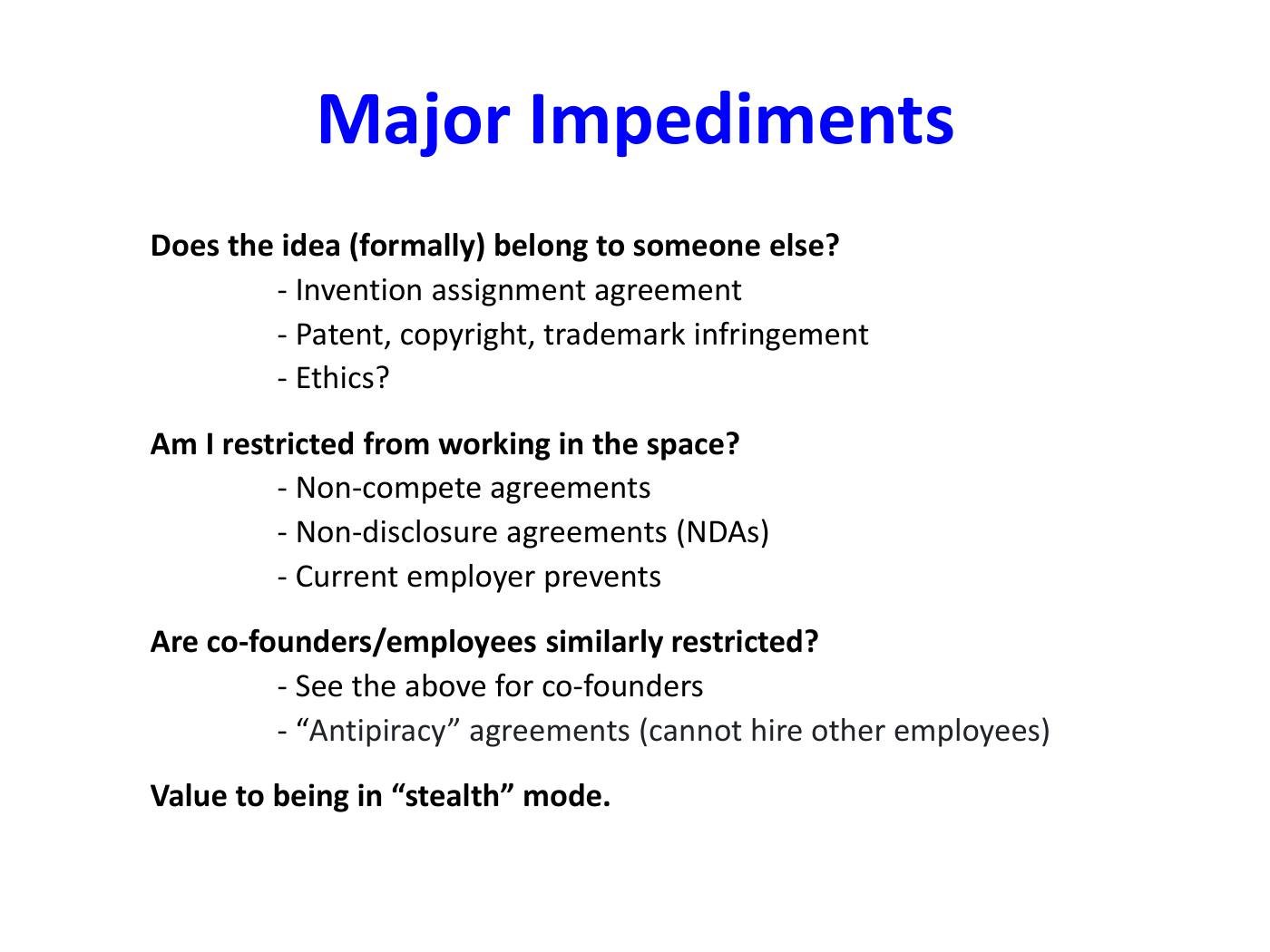
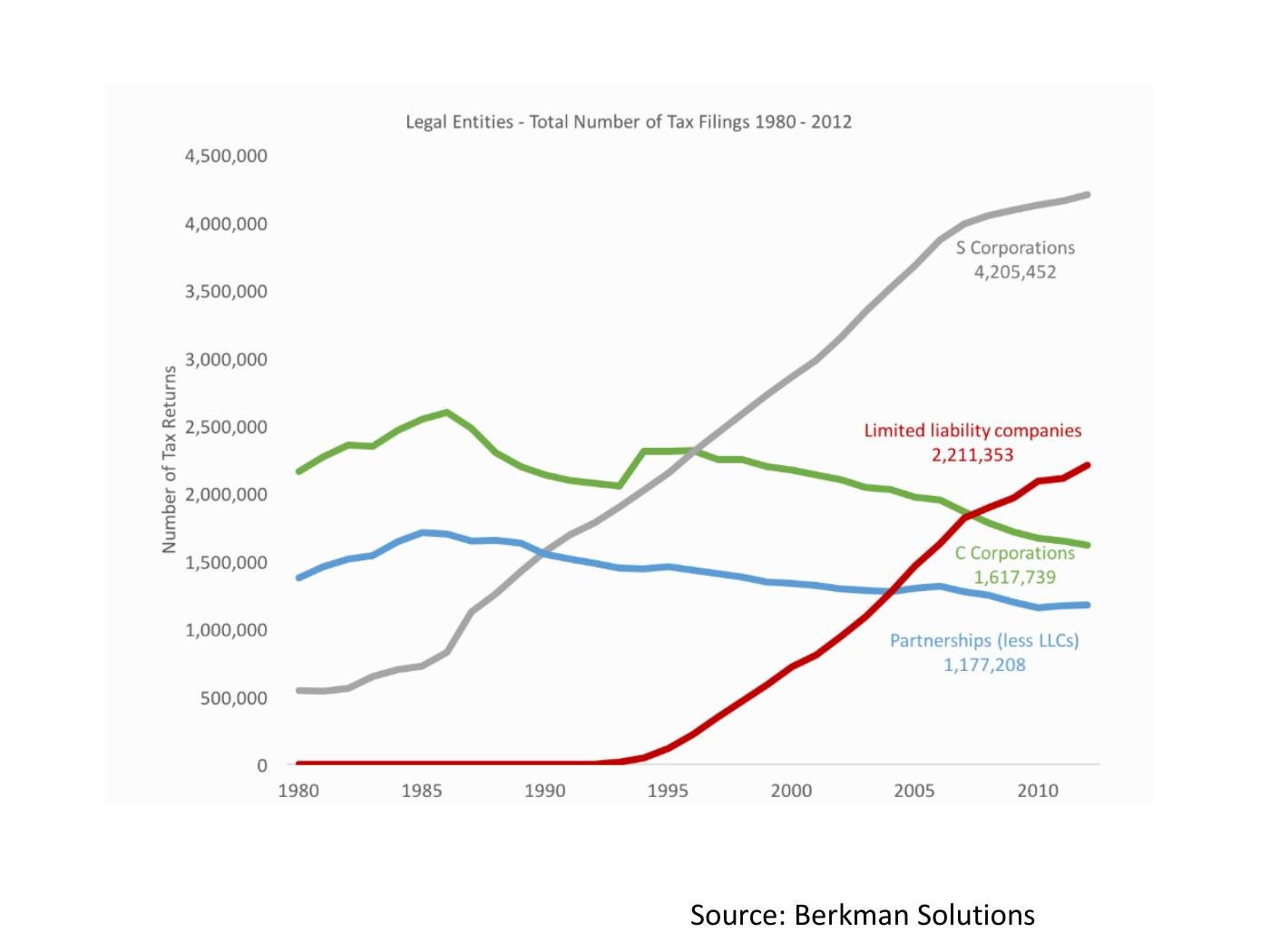
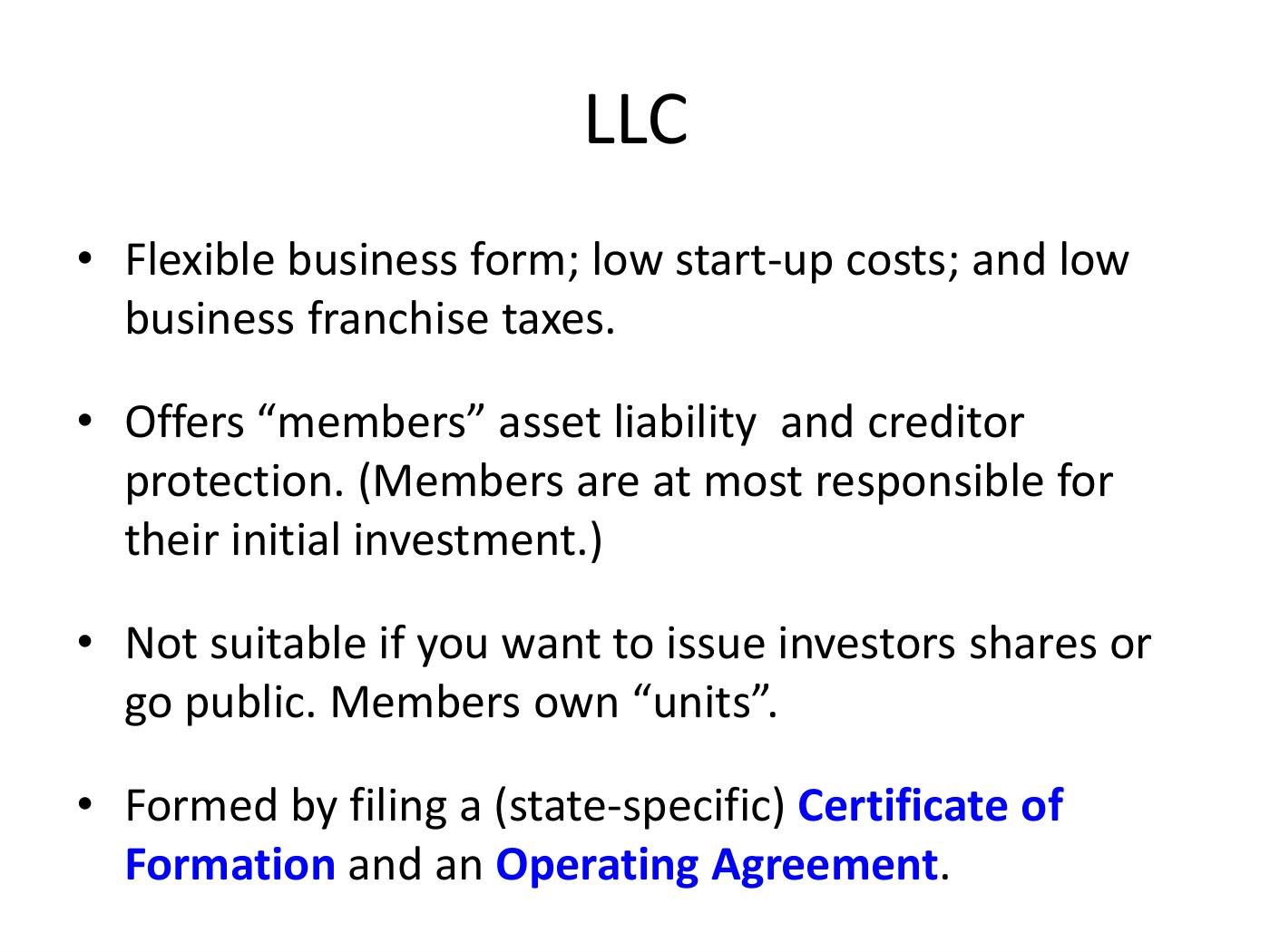
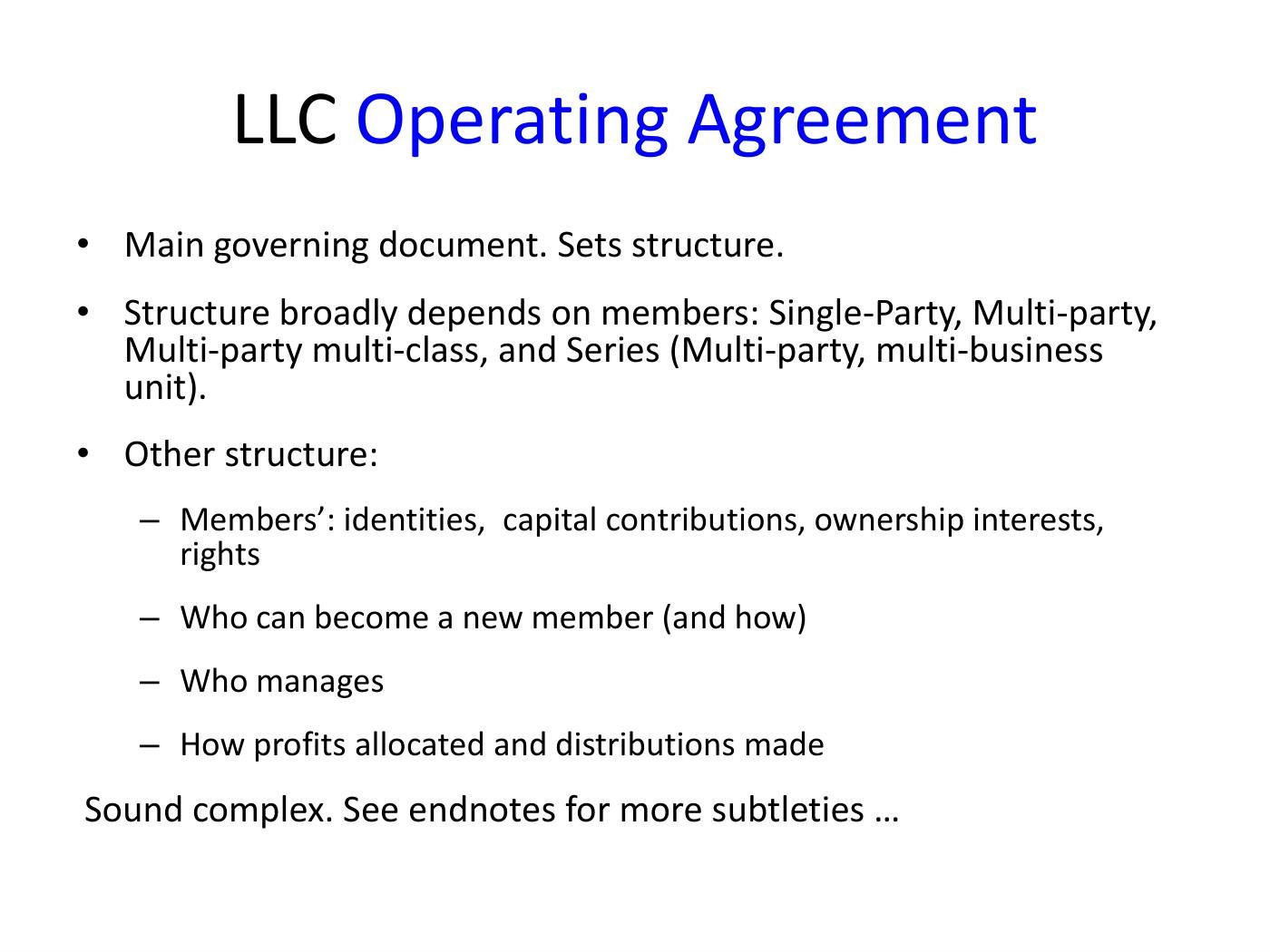
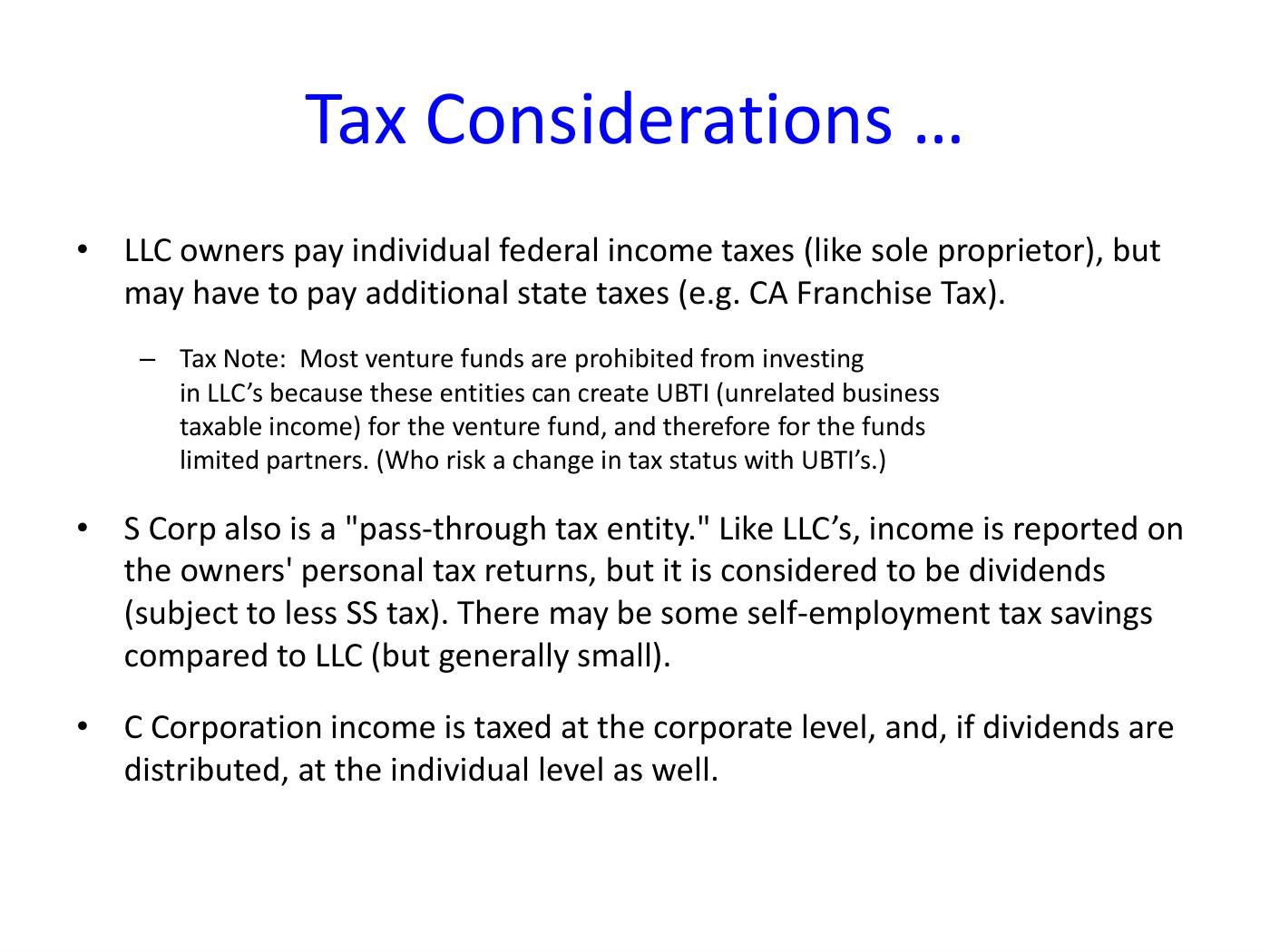
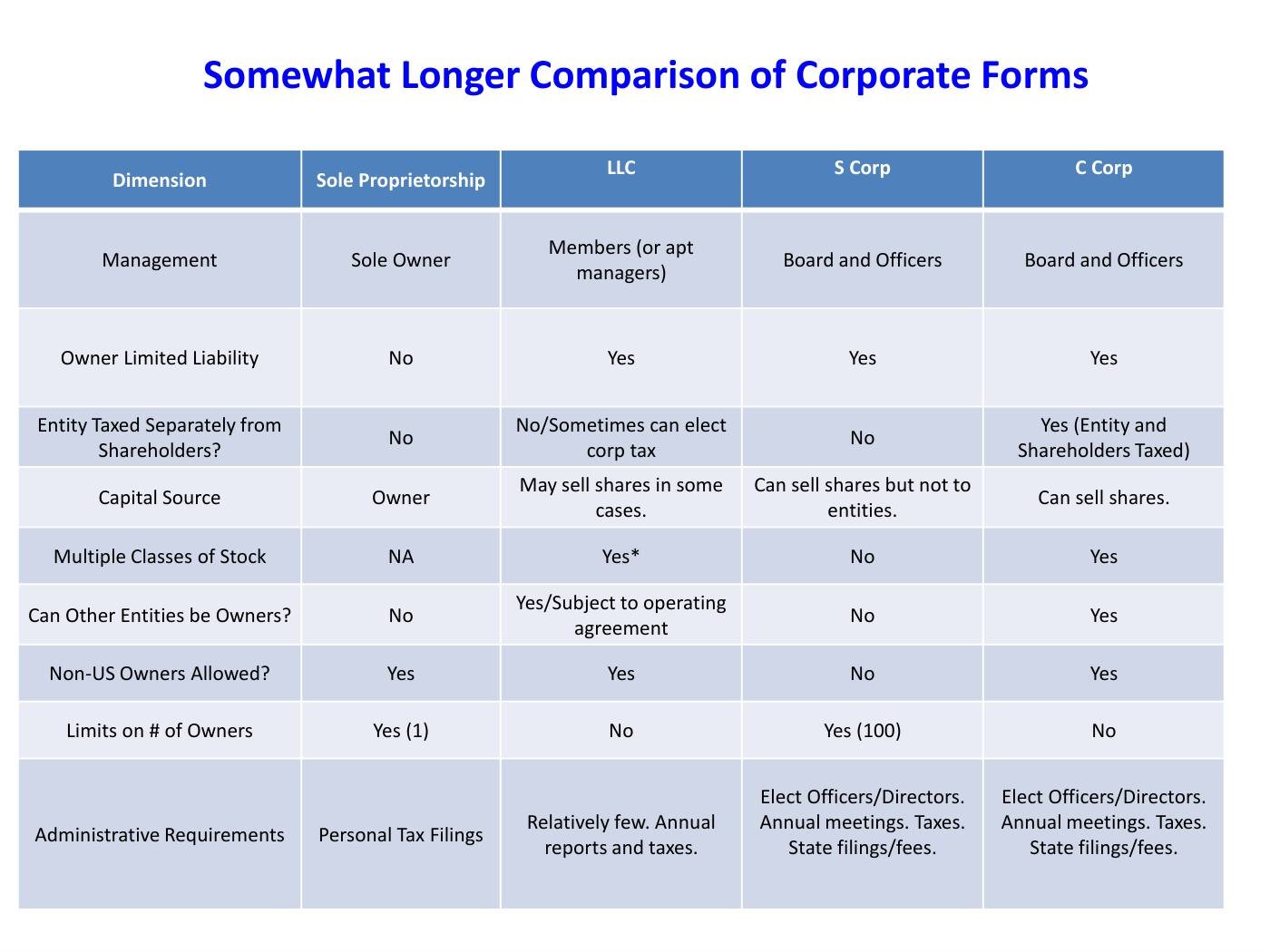
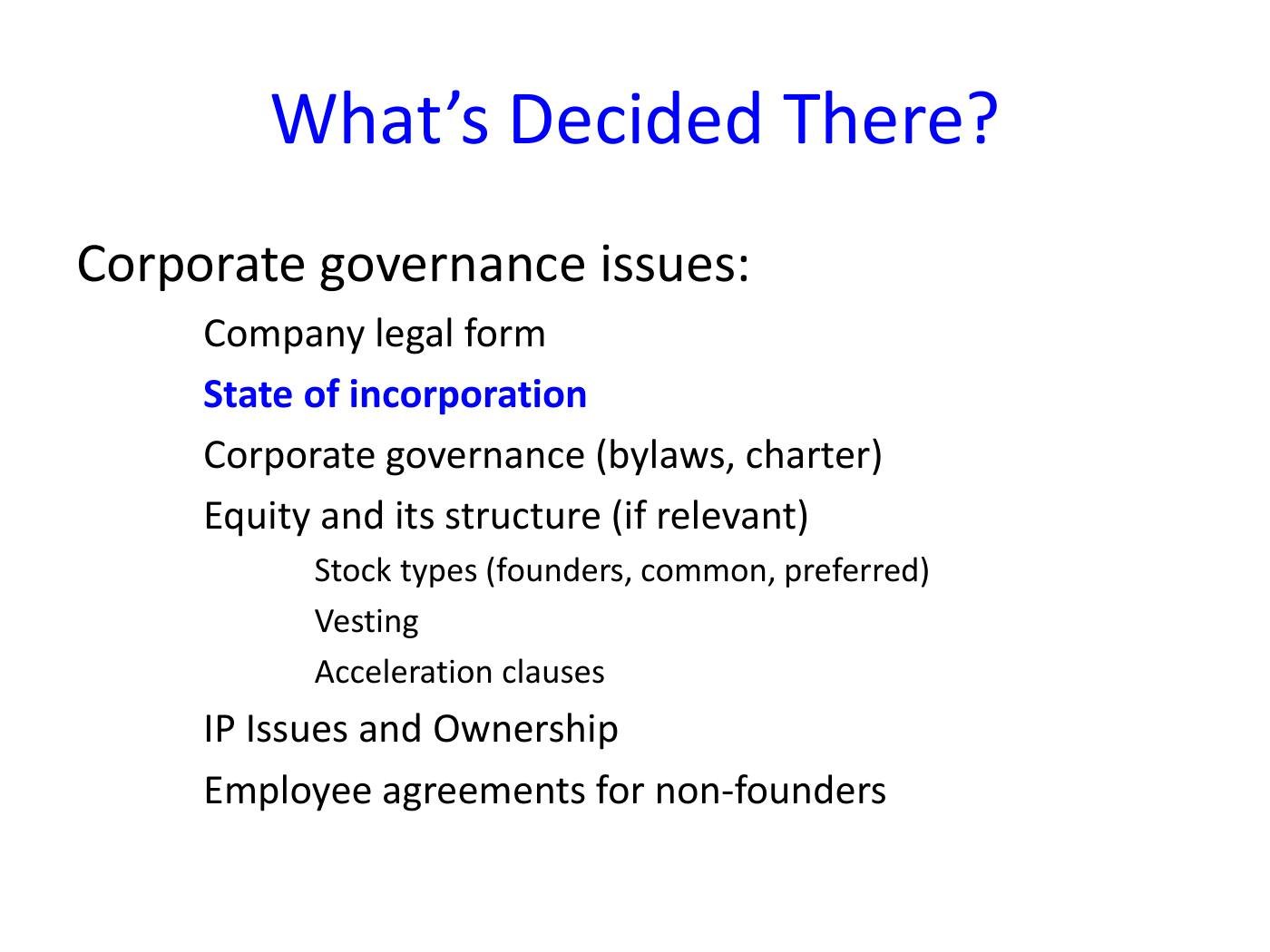
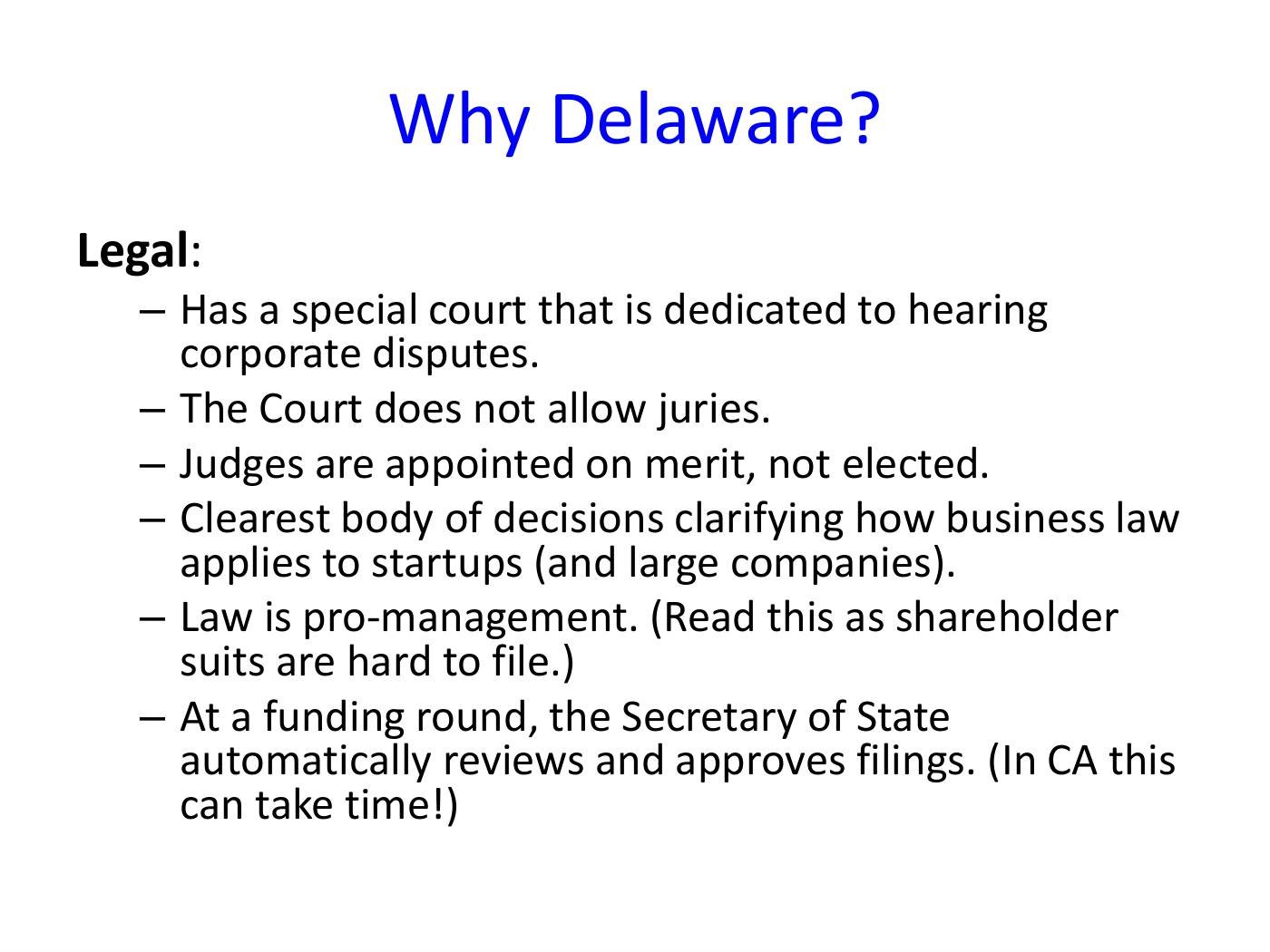
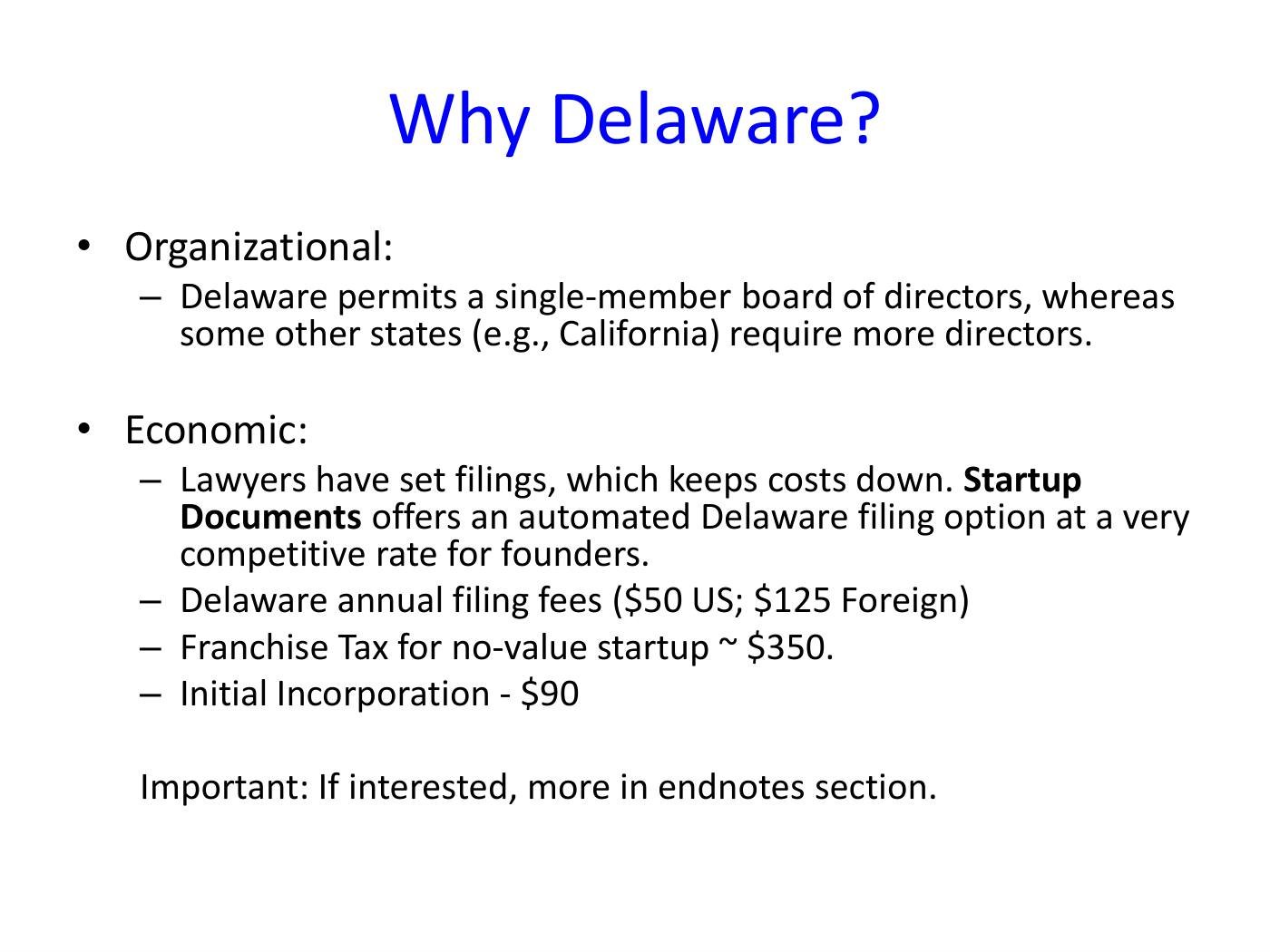
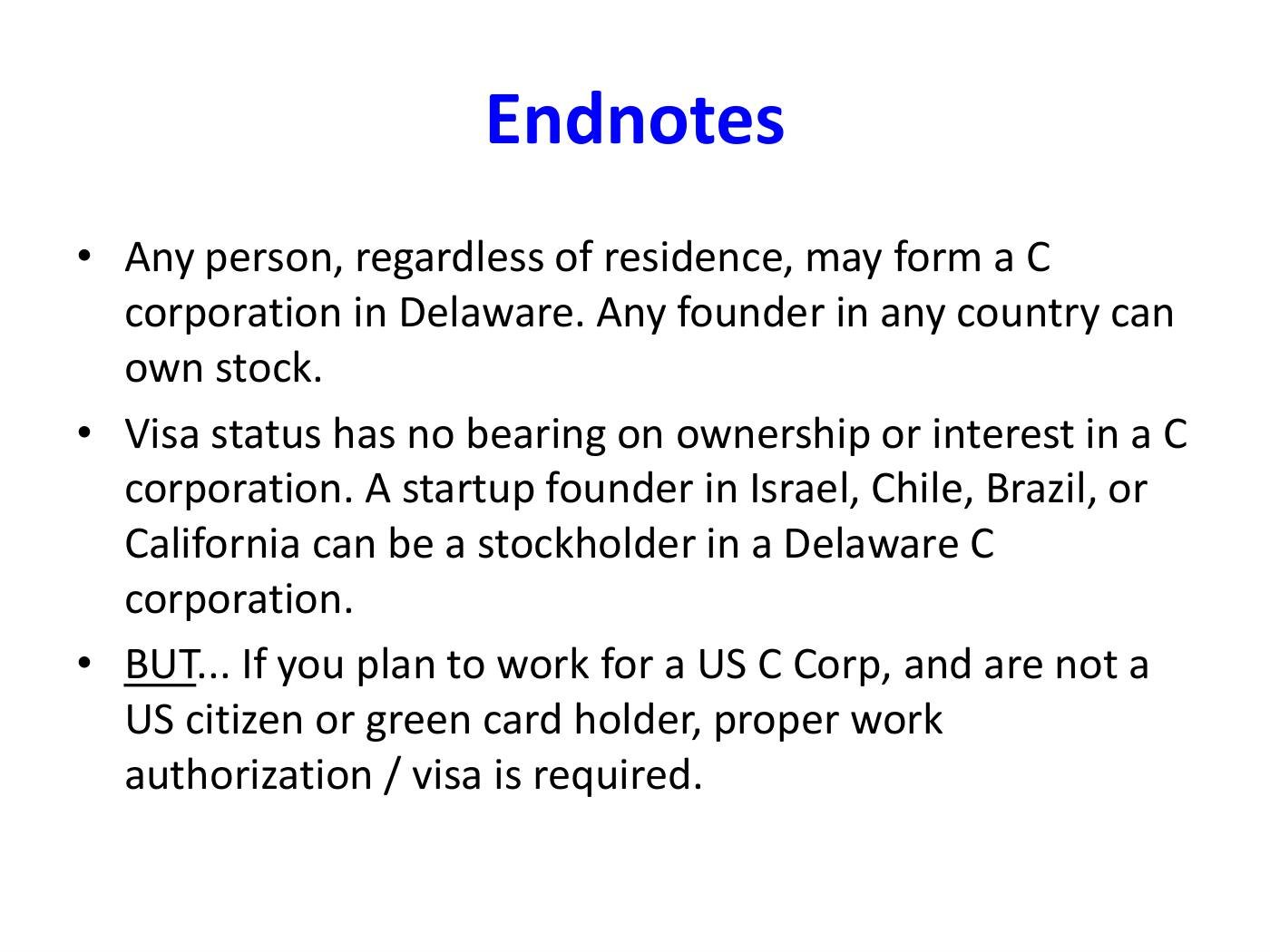
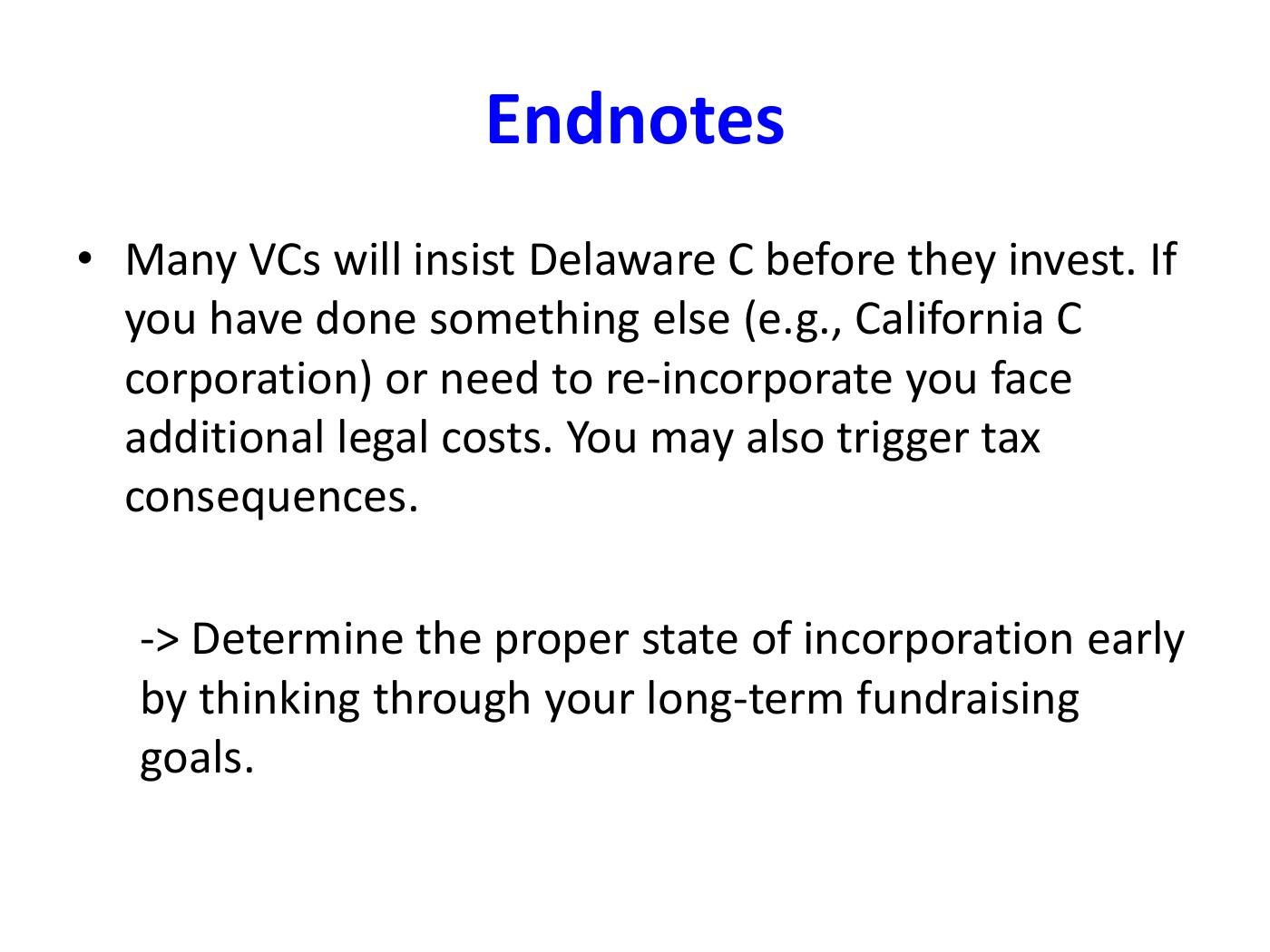
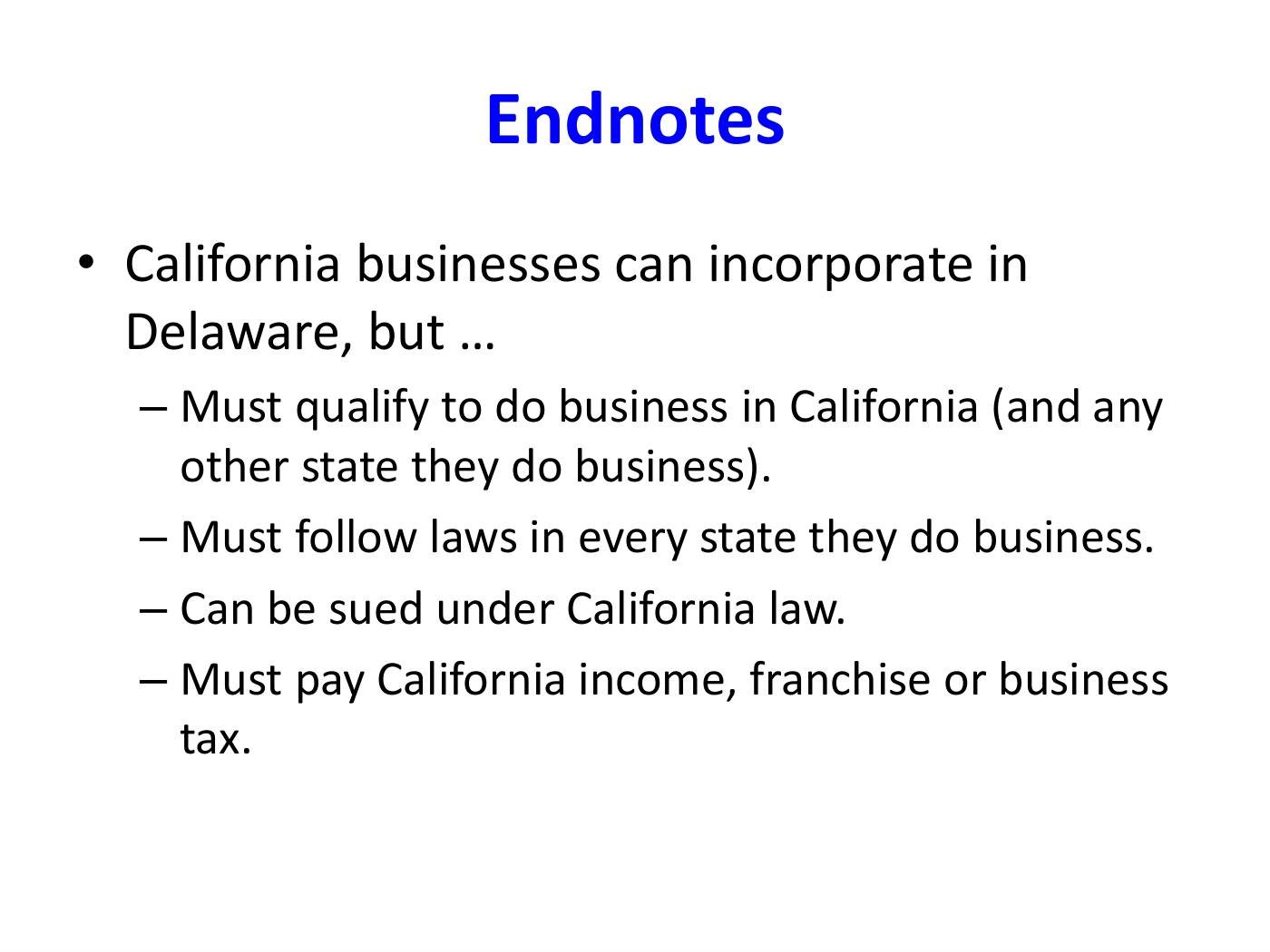
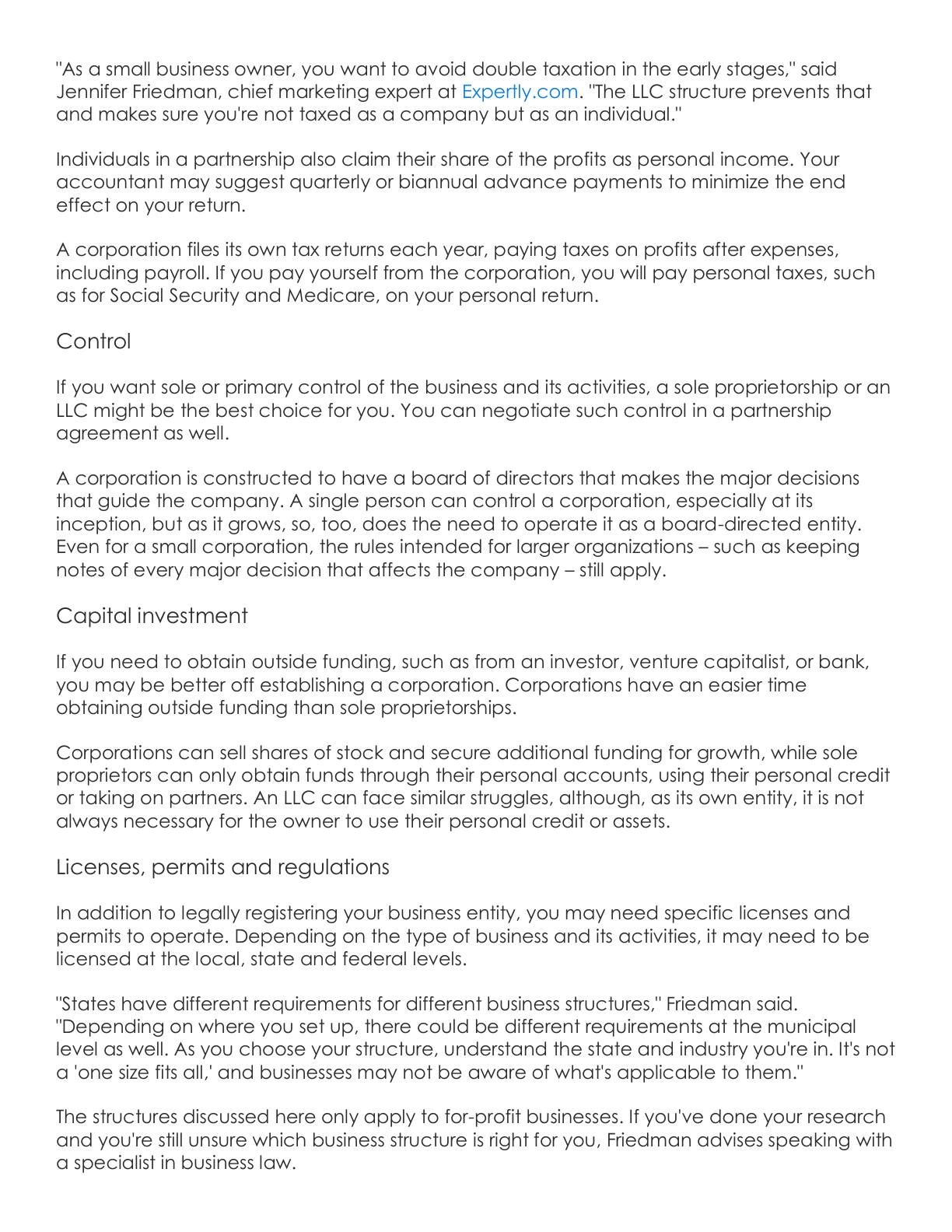
What changes when an idea becomes a legal entity?
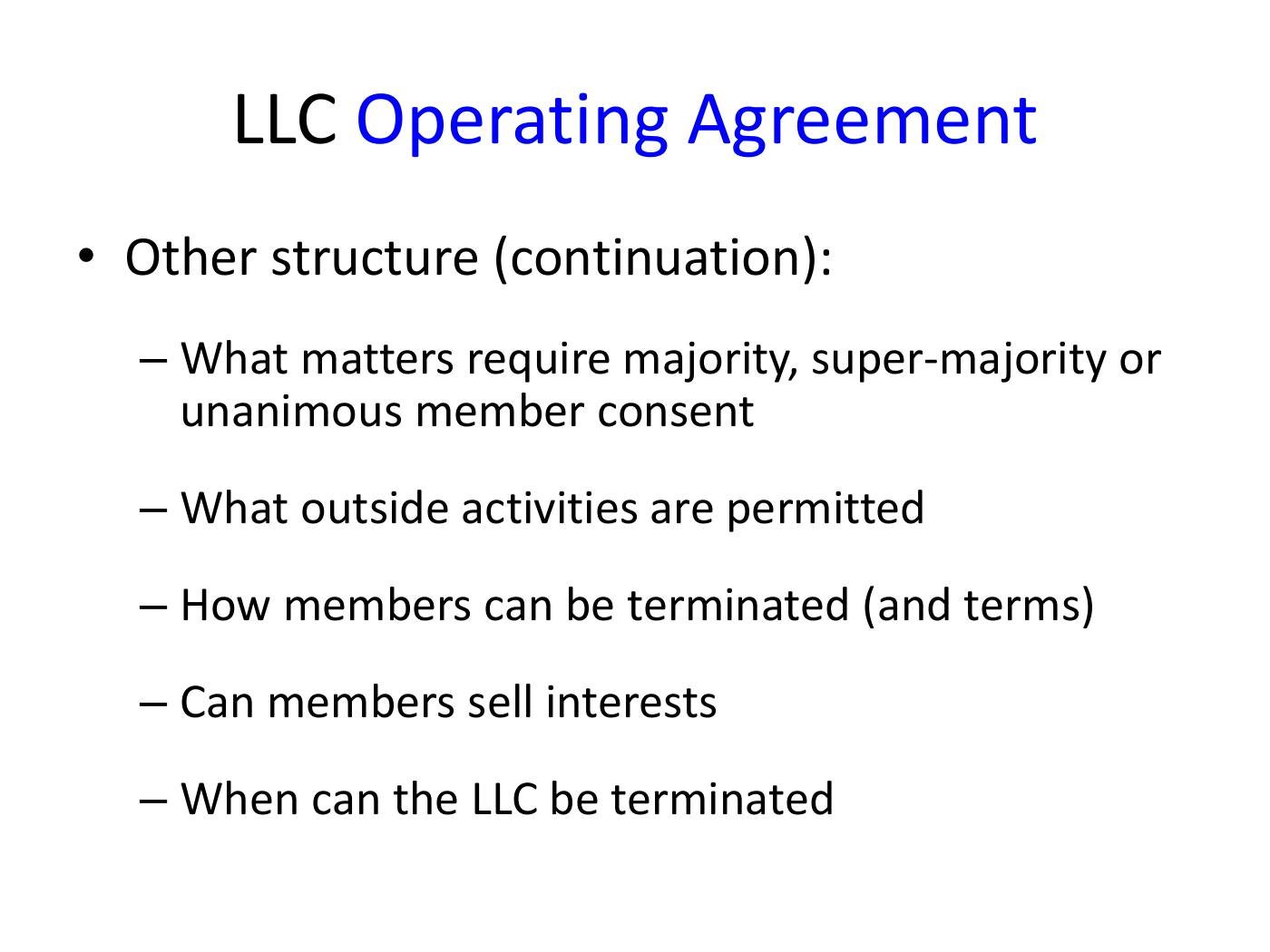
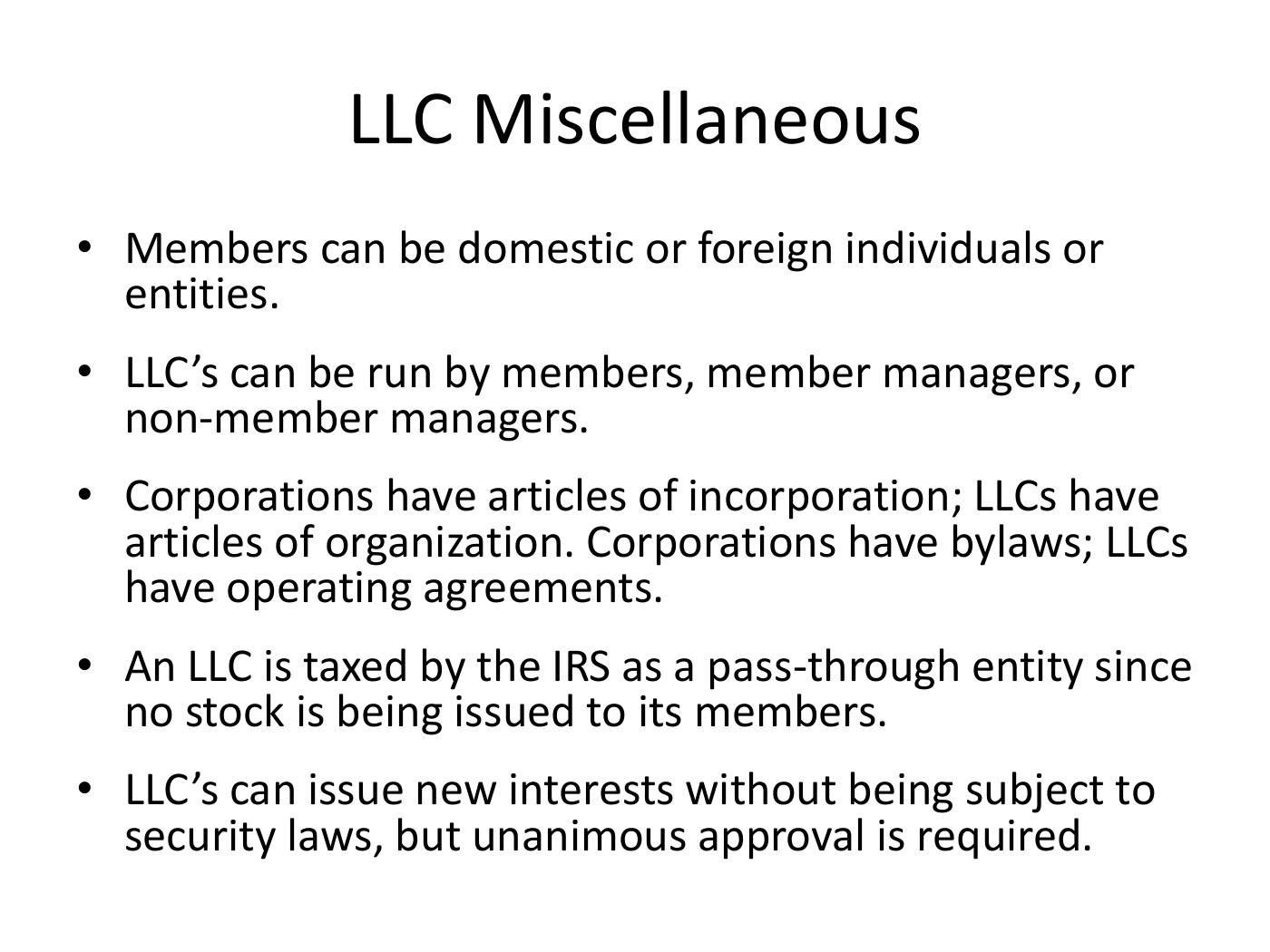
Relay · Relay's formation and governance brief
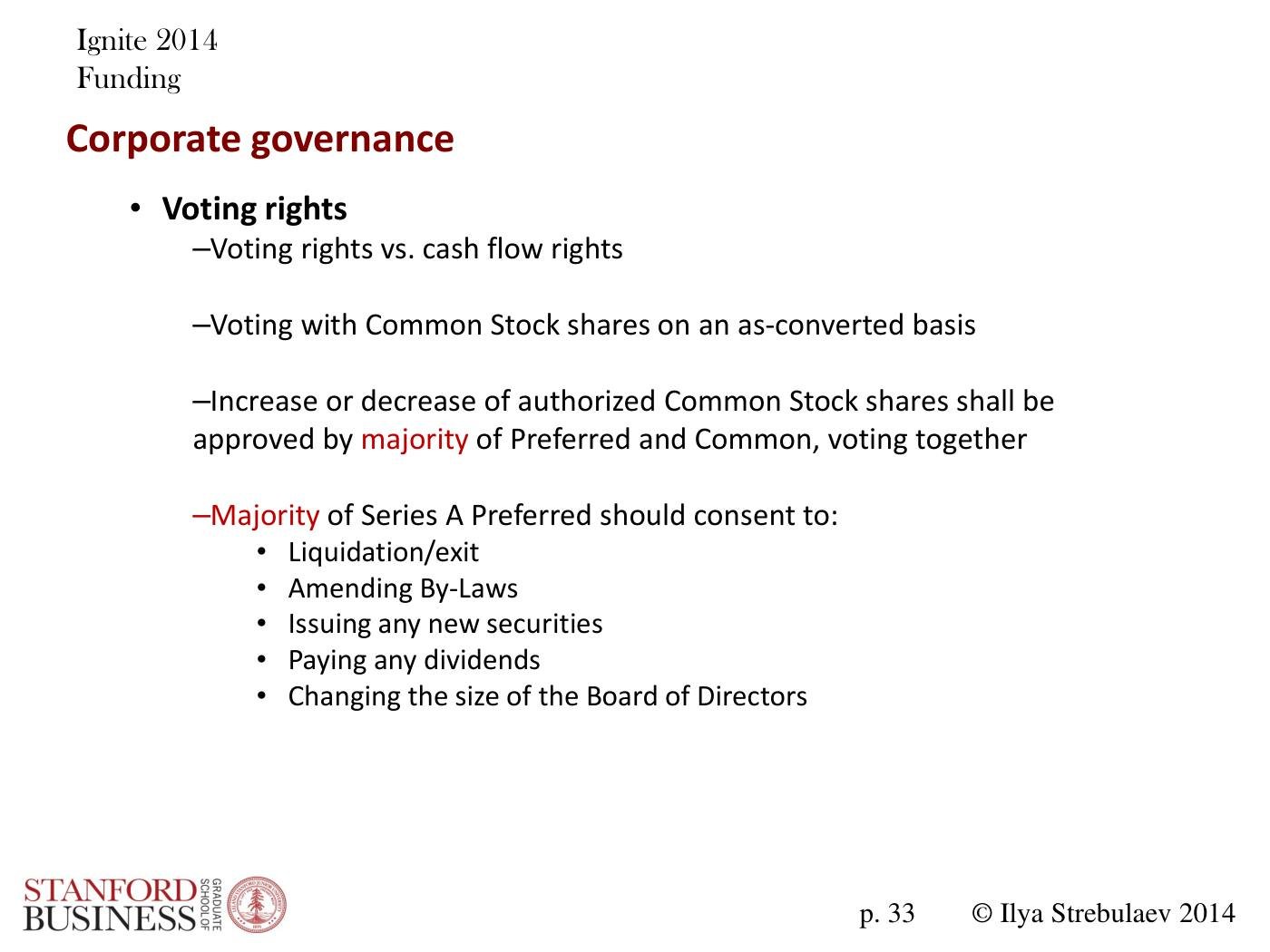
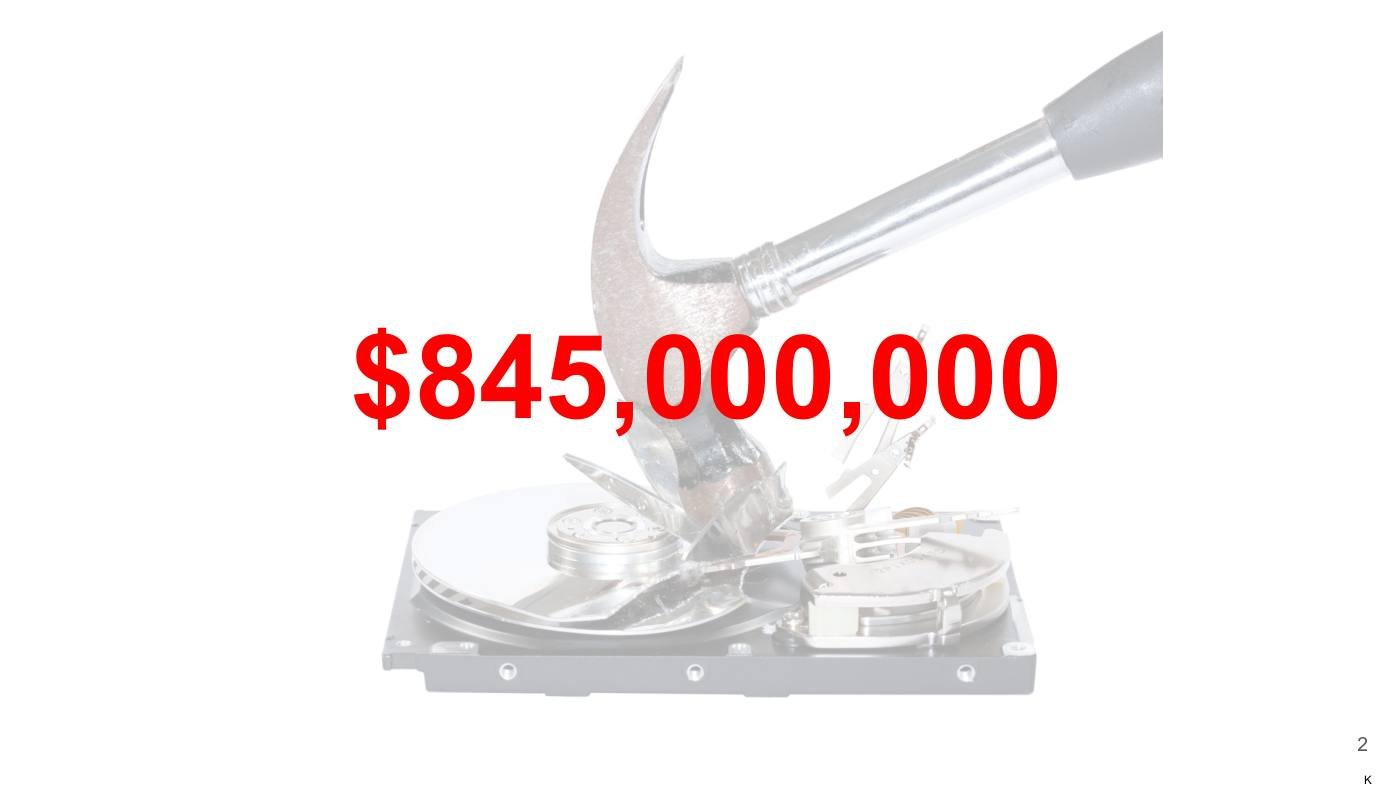
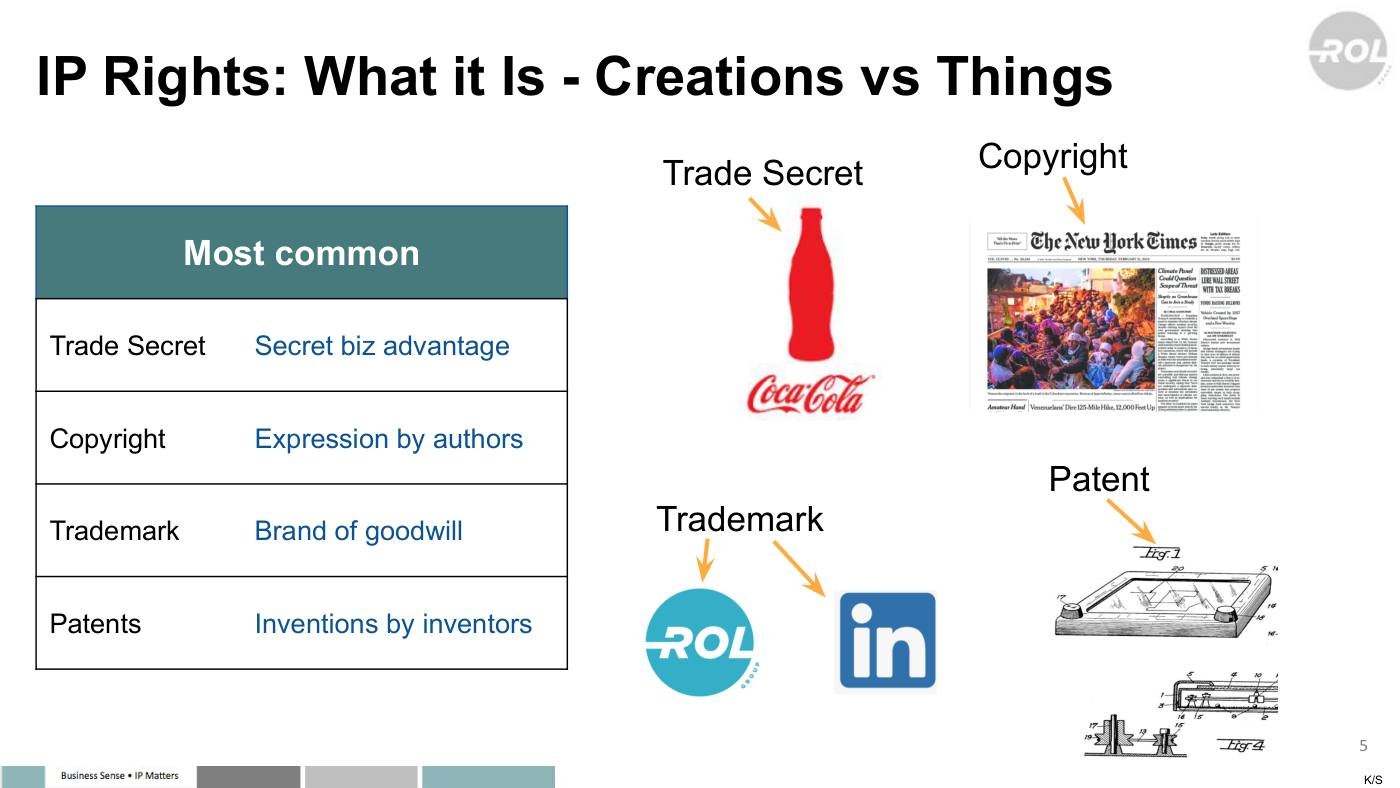
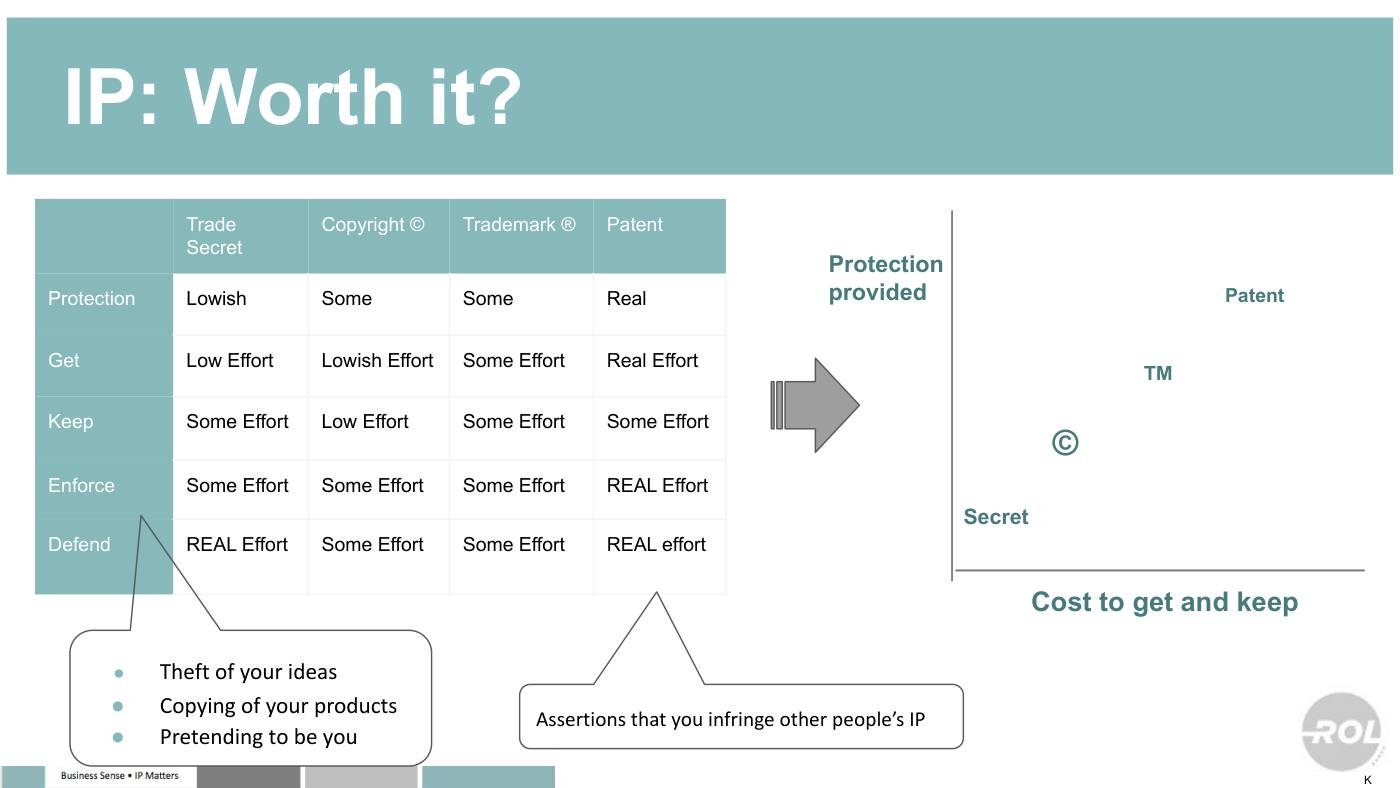
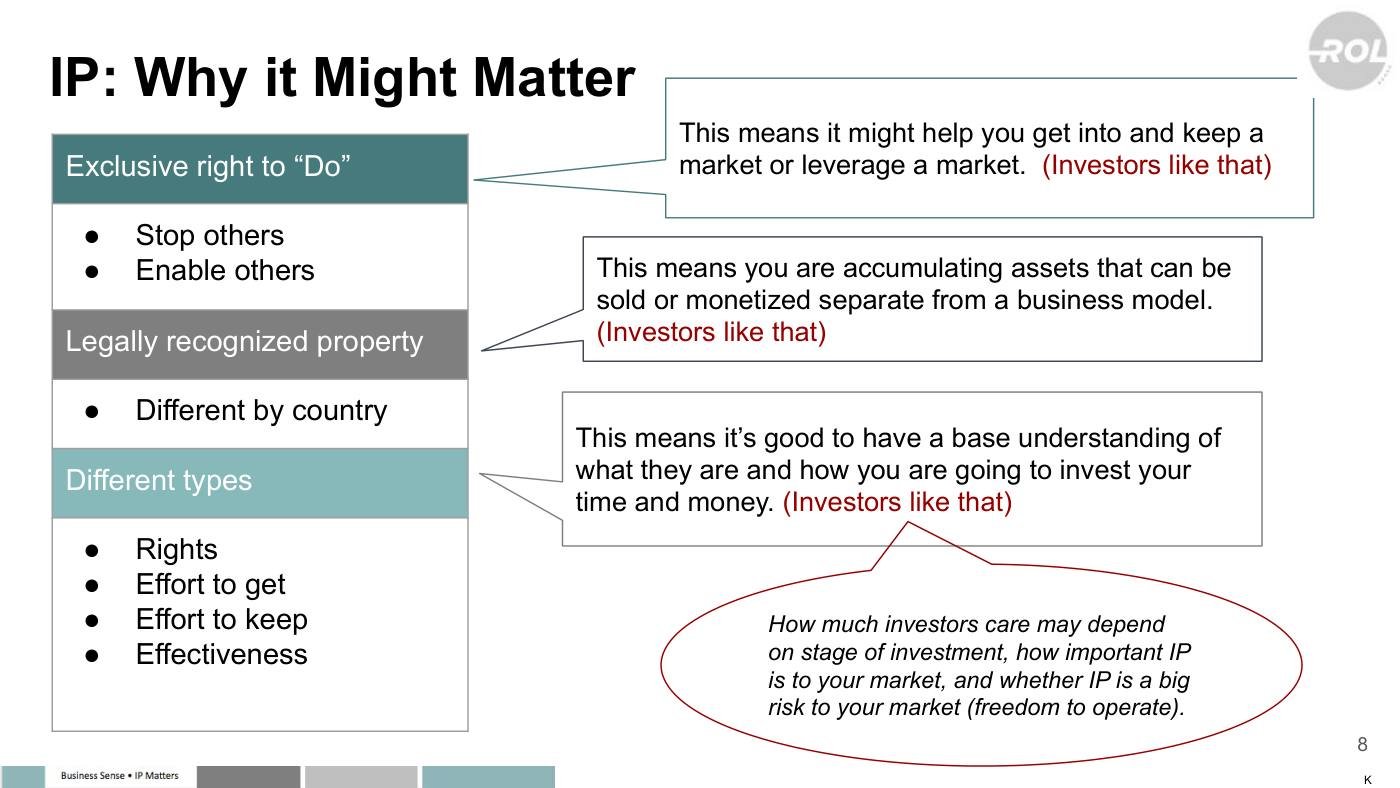
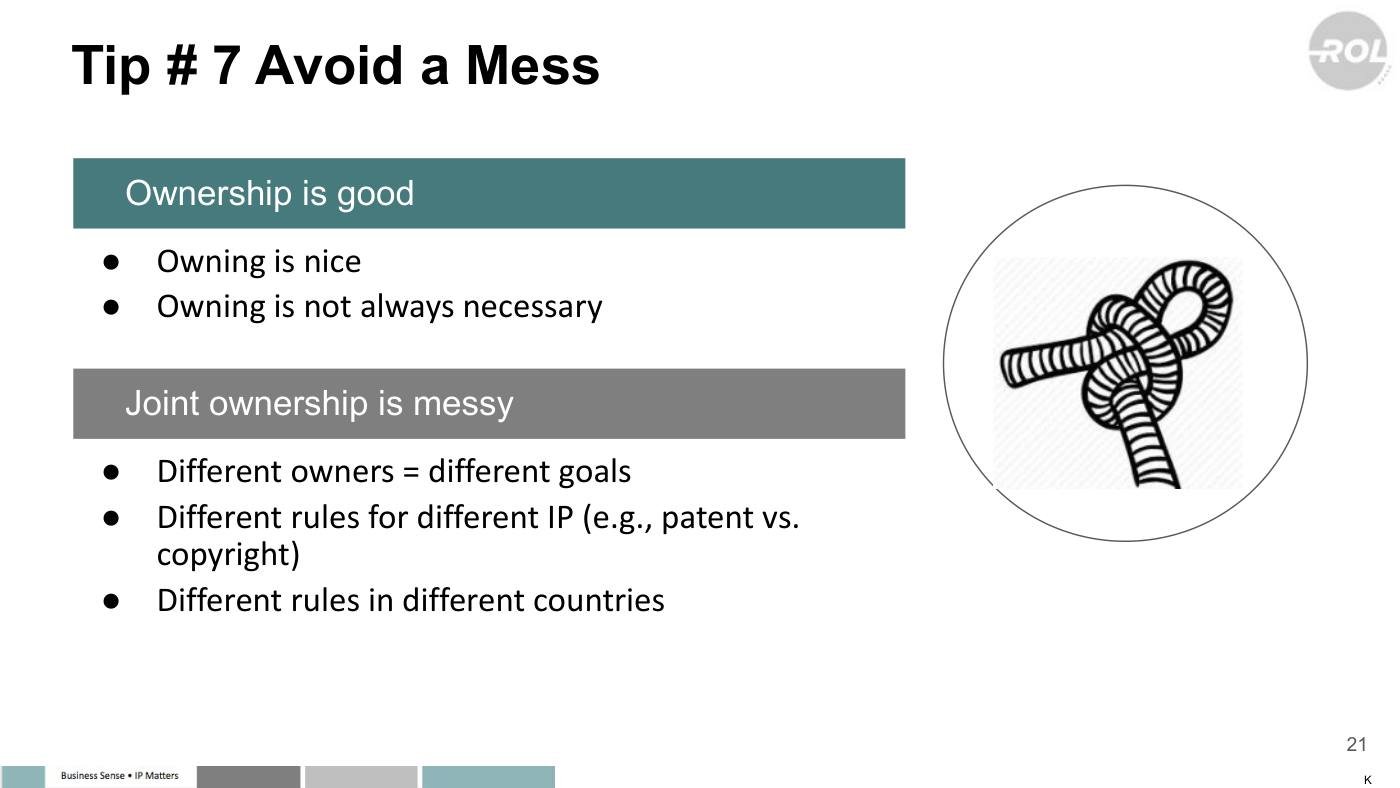
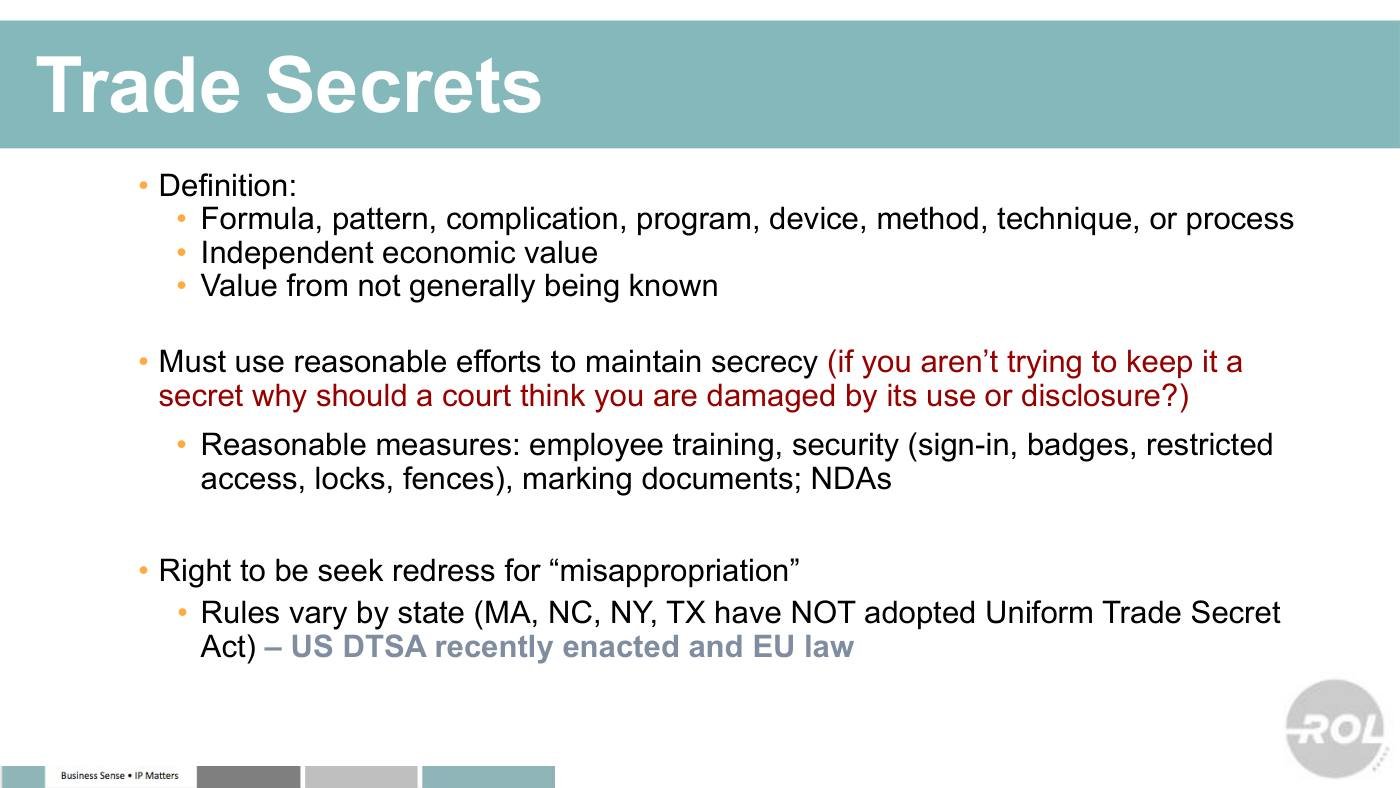
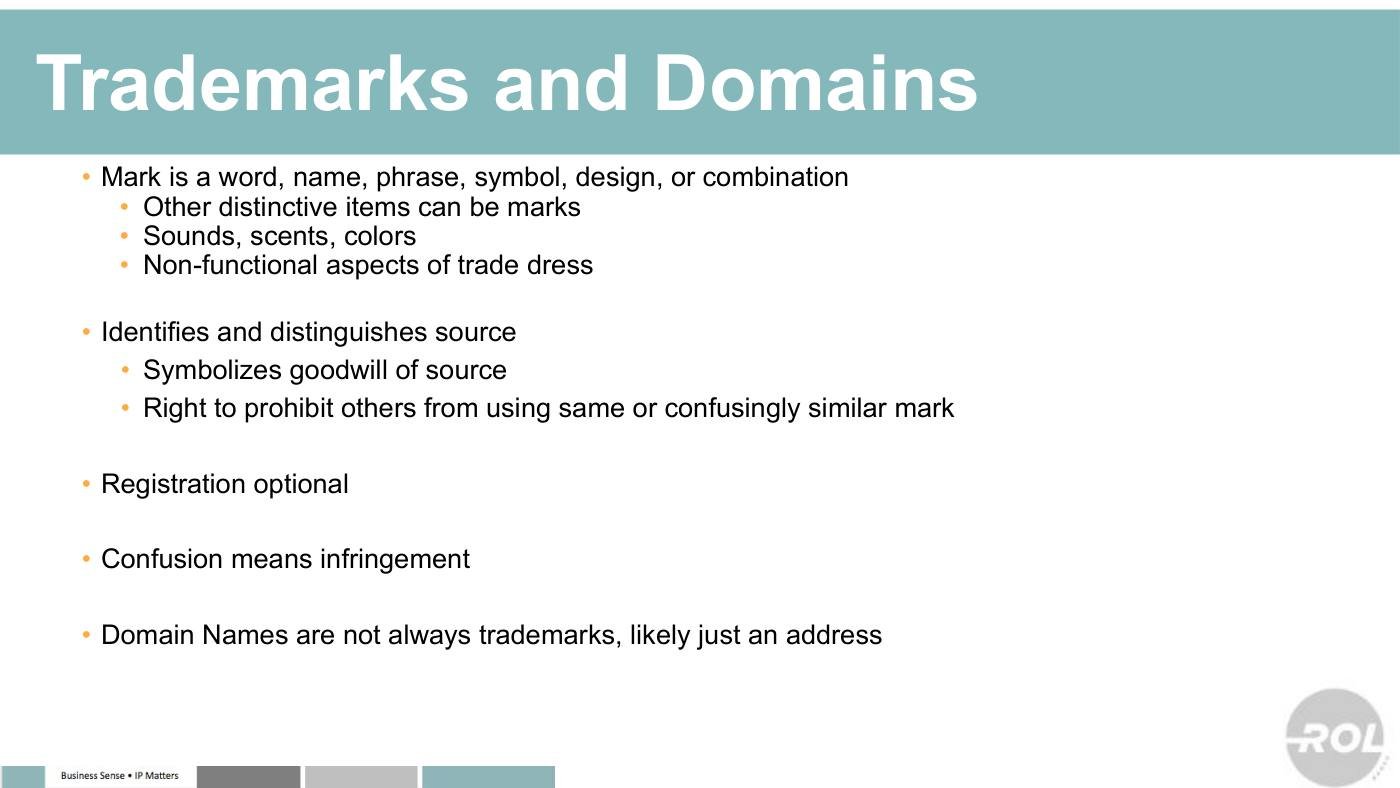
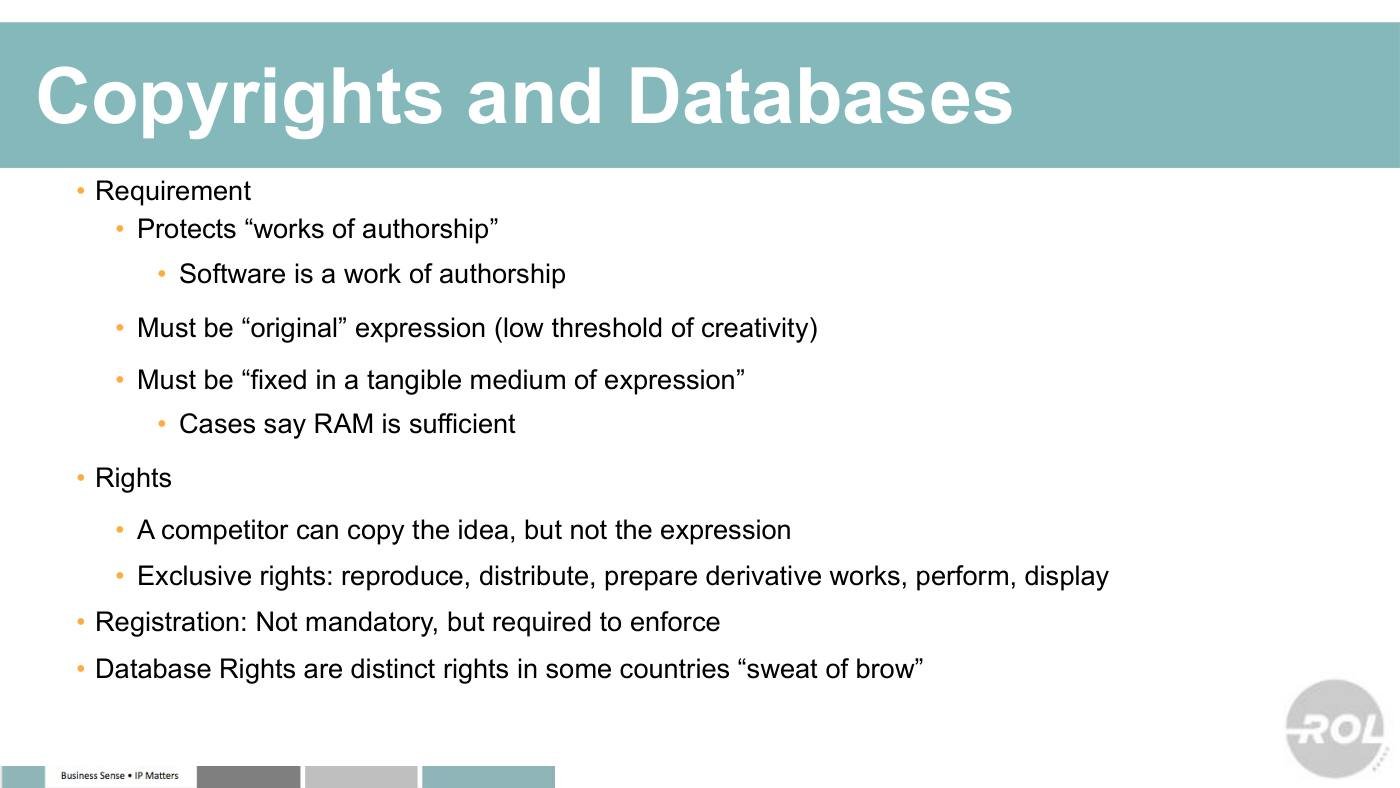
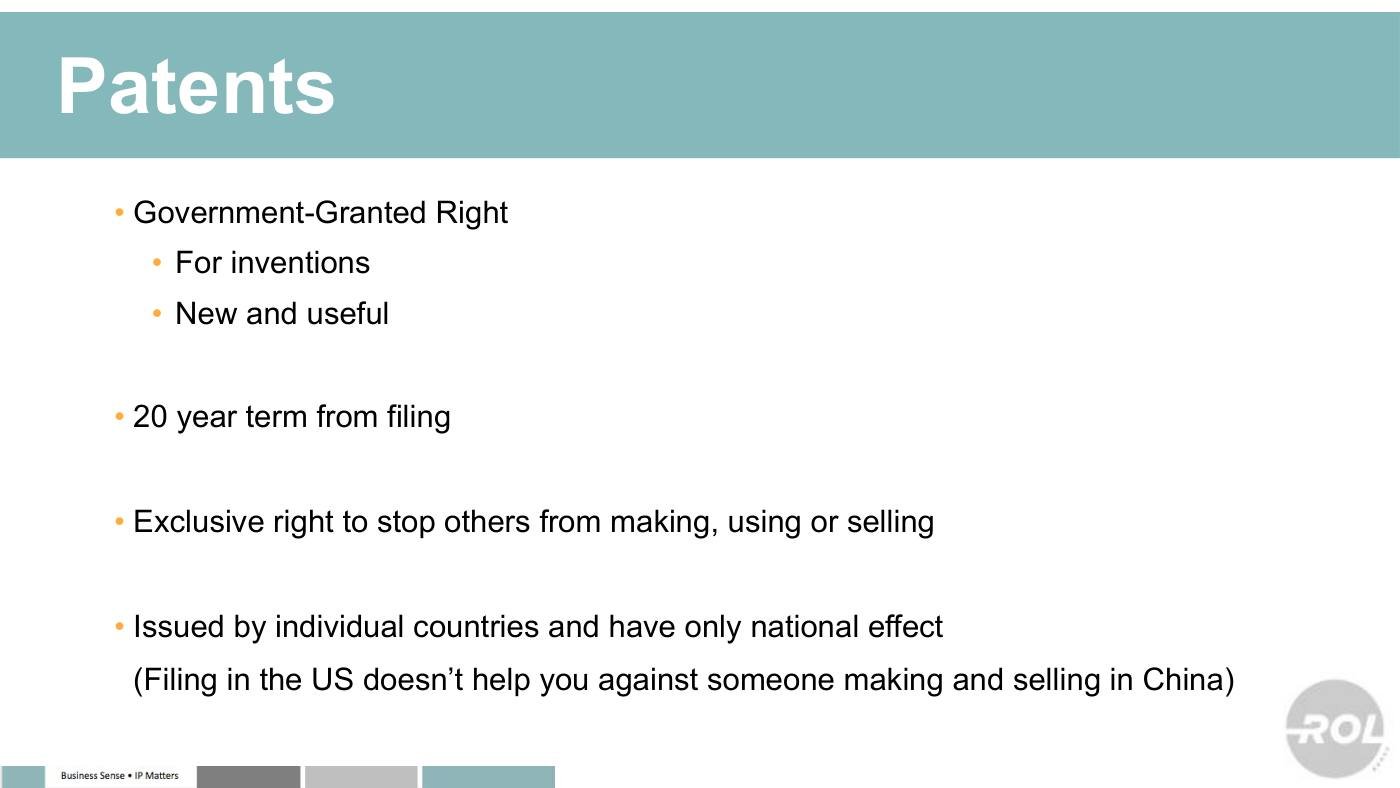
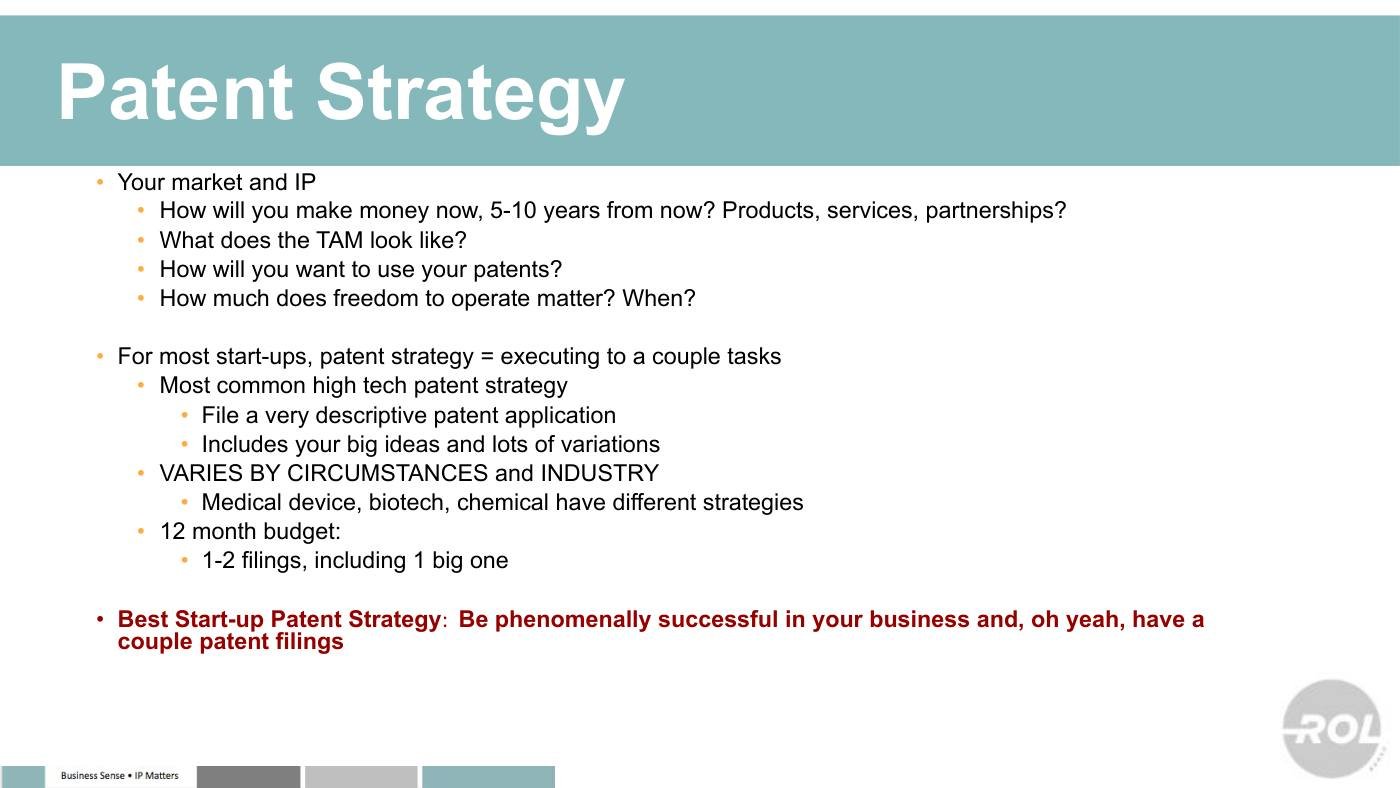
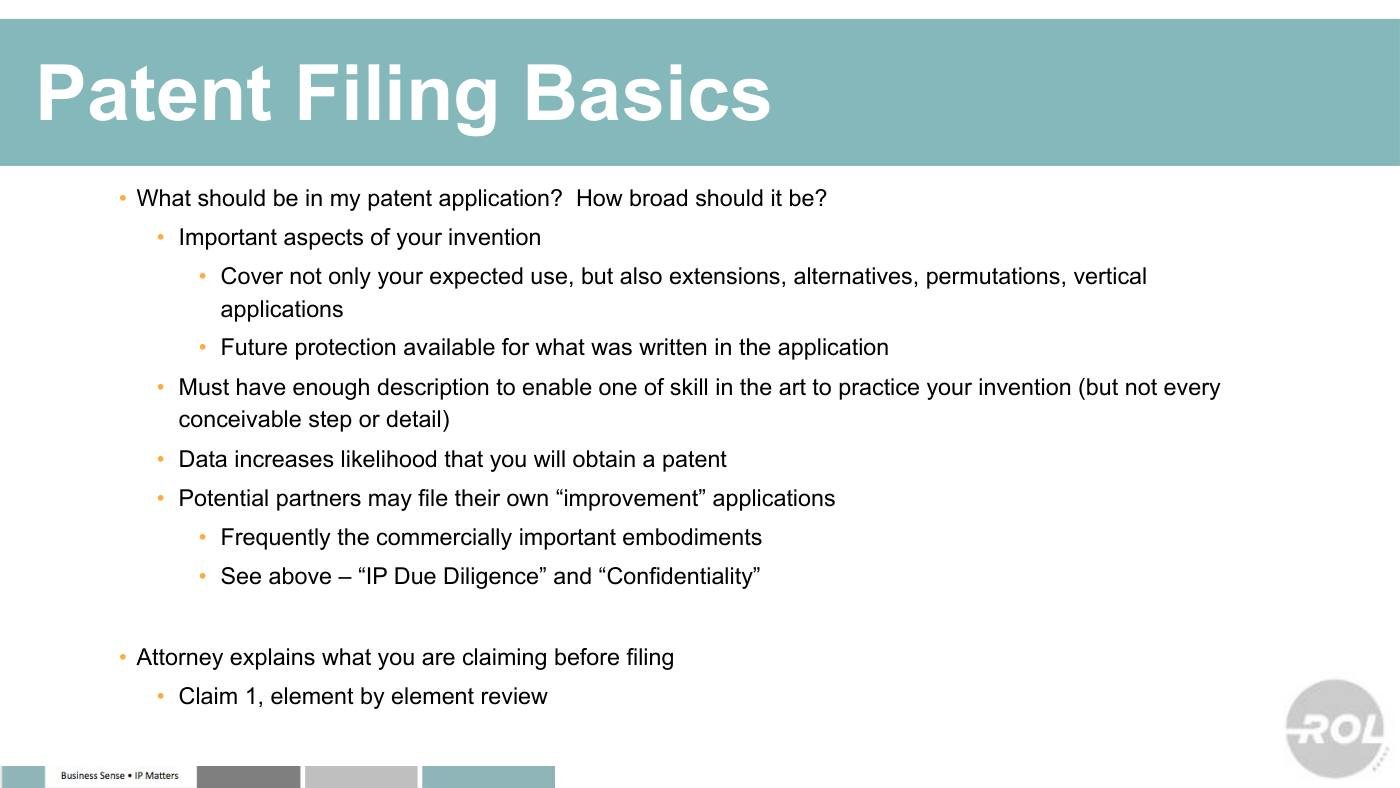
Which rights support the company’s strategy?
Relay · Relay's IP asset-and-protection map
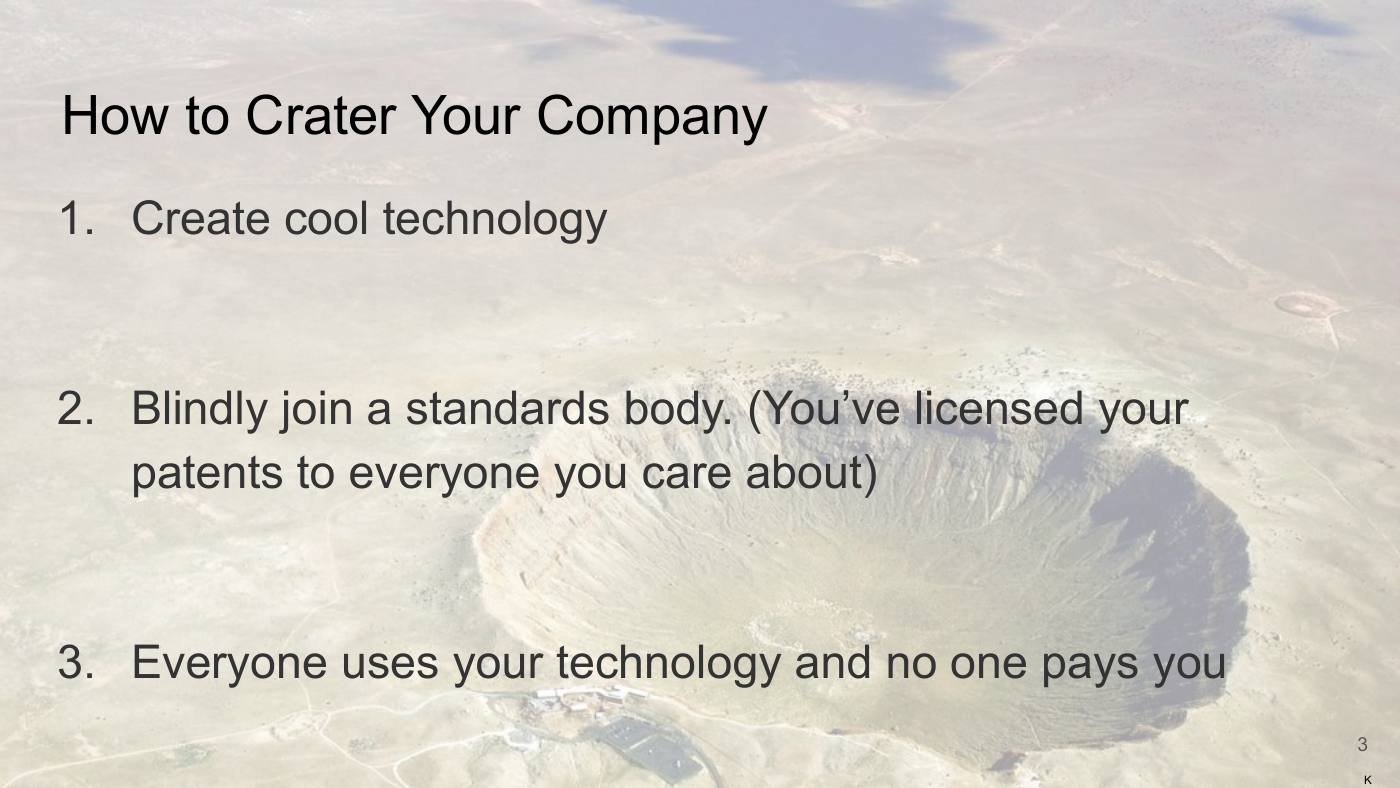
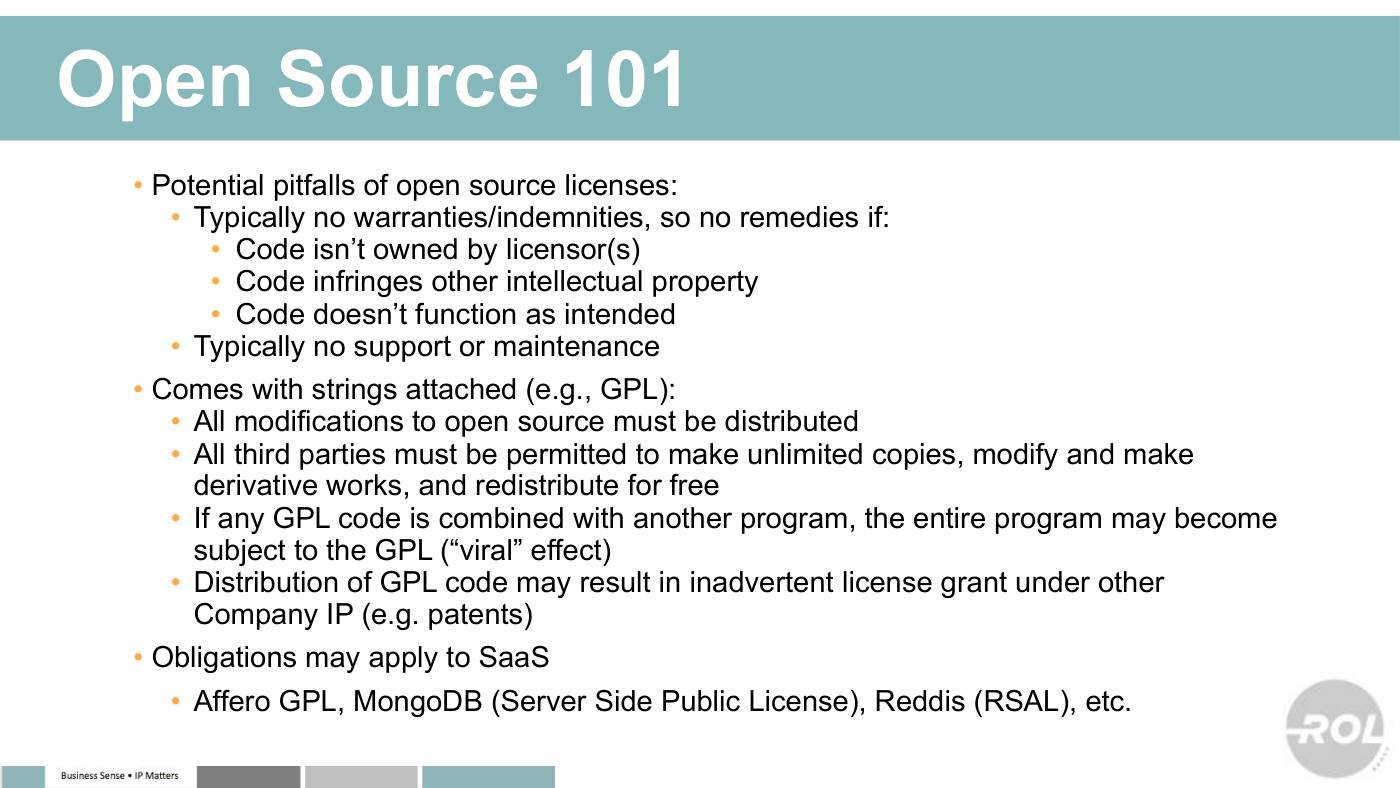
Does the company have the rights its plan requires?
Relay · Relay's chain-of-rights and license review
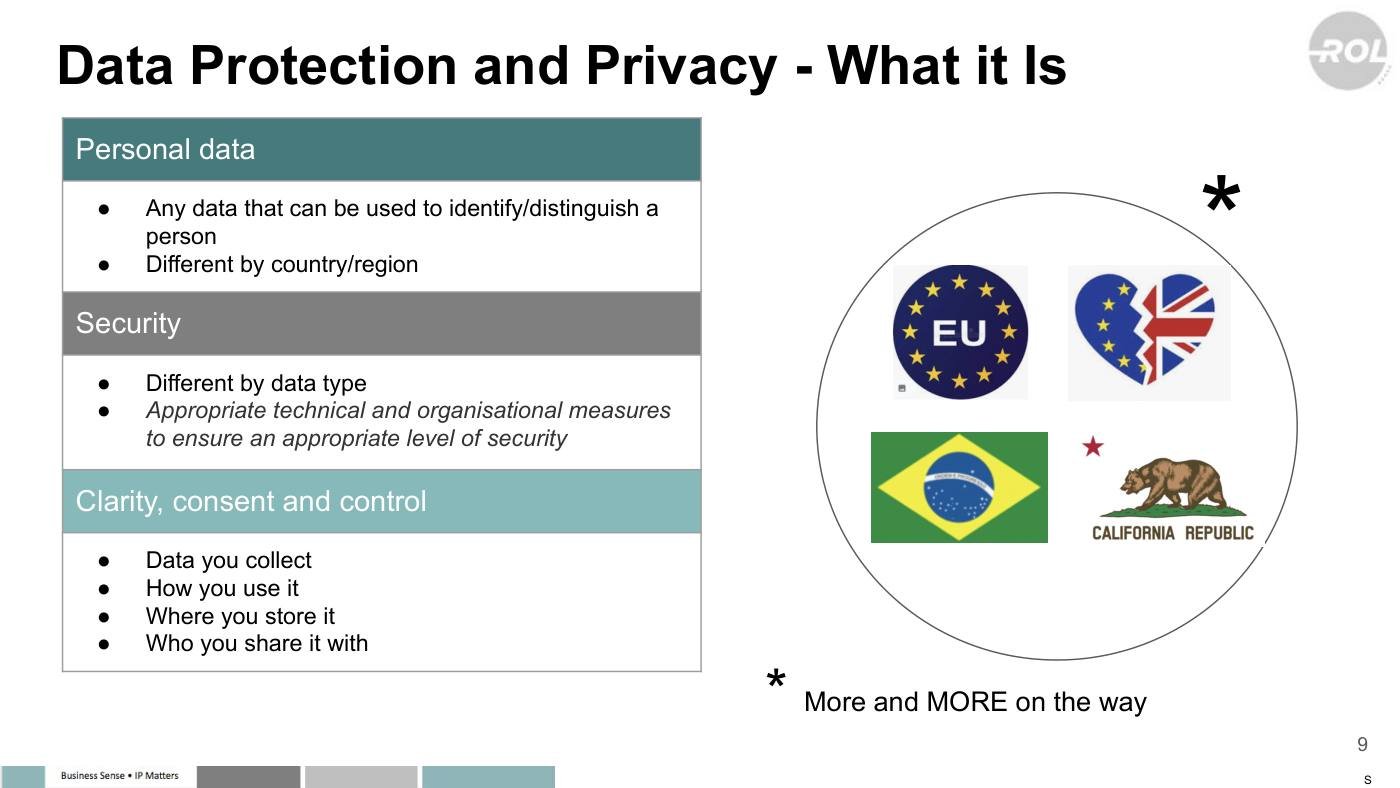
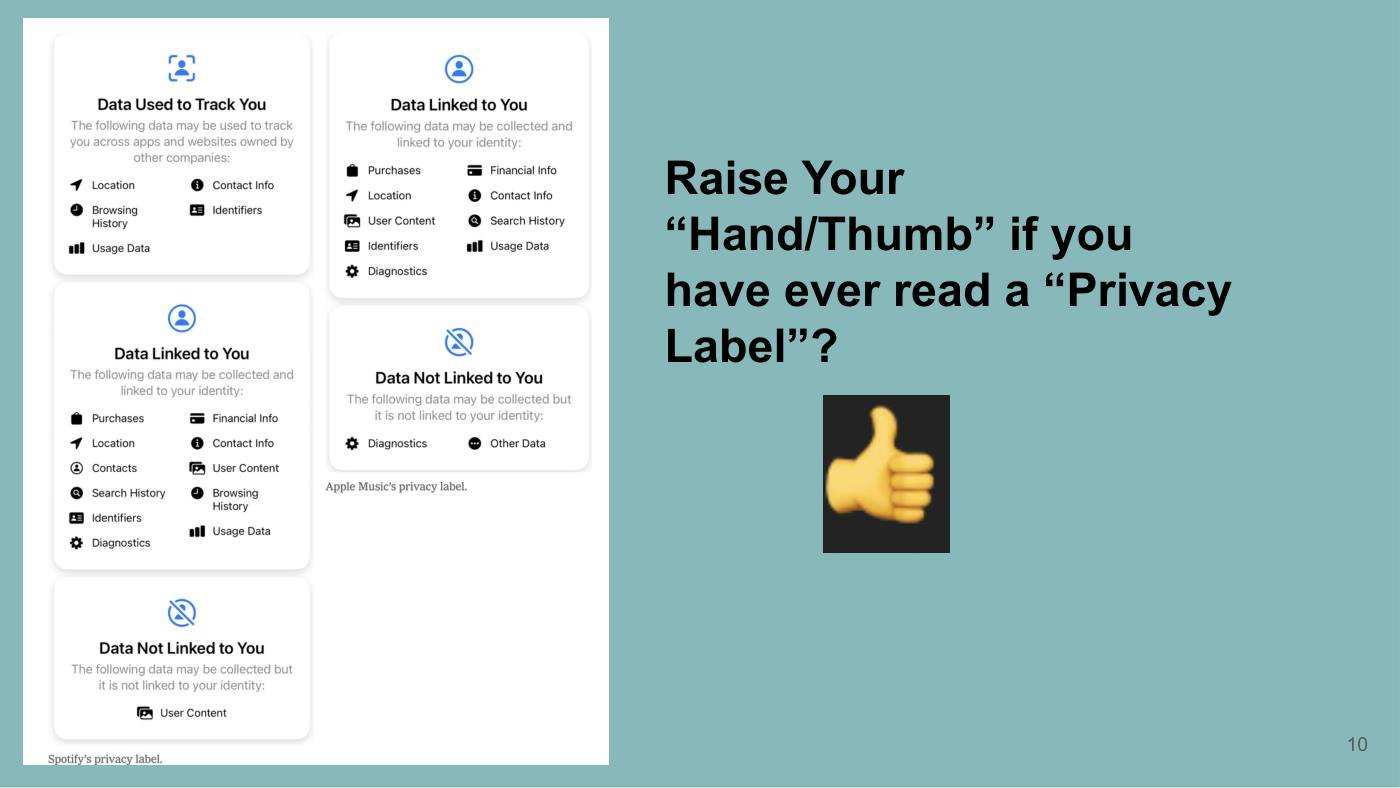
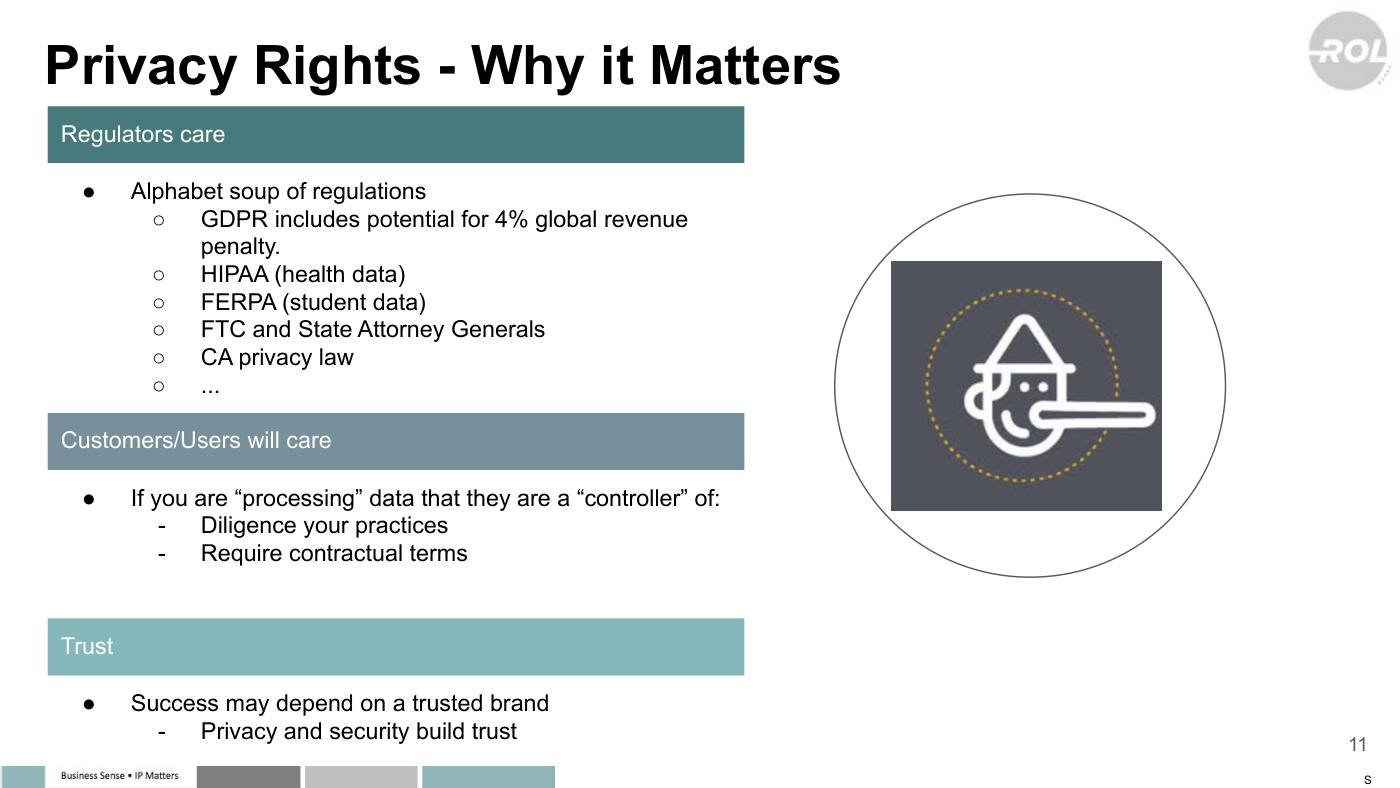
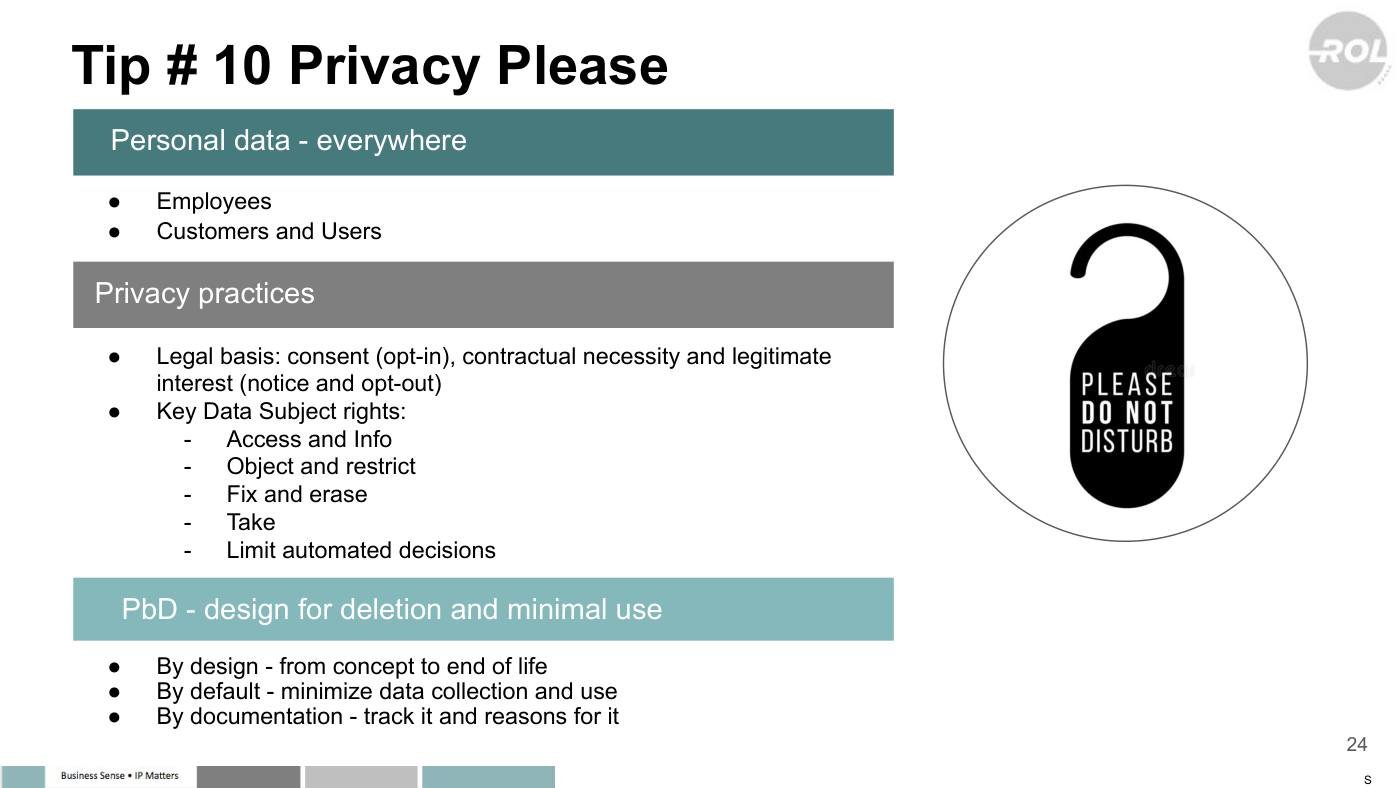
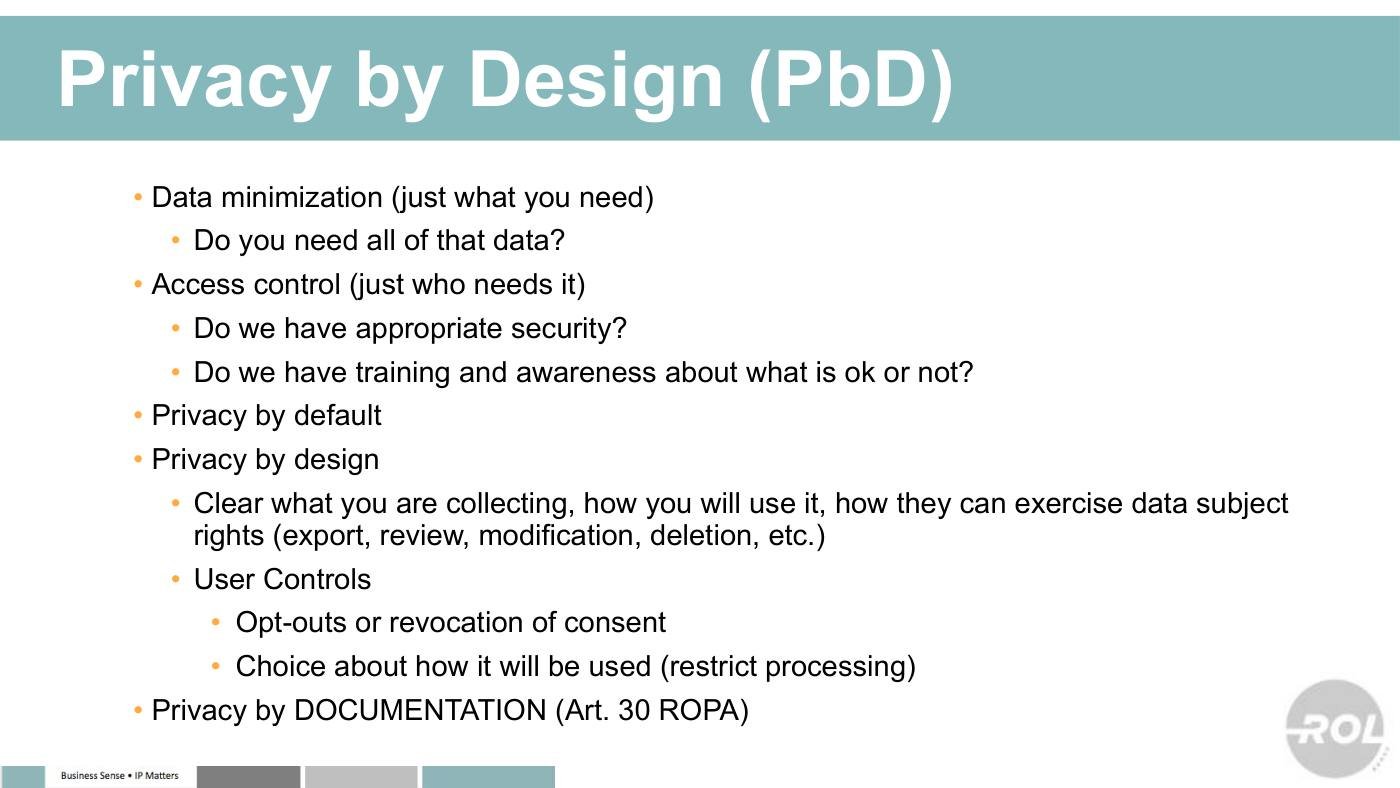
How can a company understand what it collects and what responsibility follows?
Relay · Relay's PHI data map and HIPAA review brief
Module 06
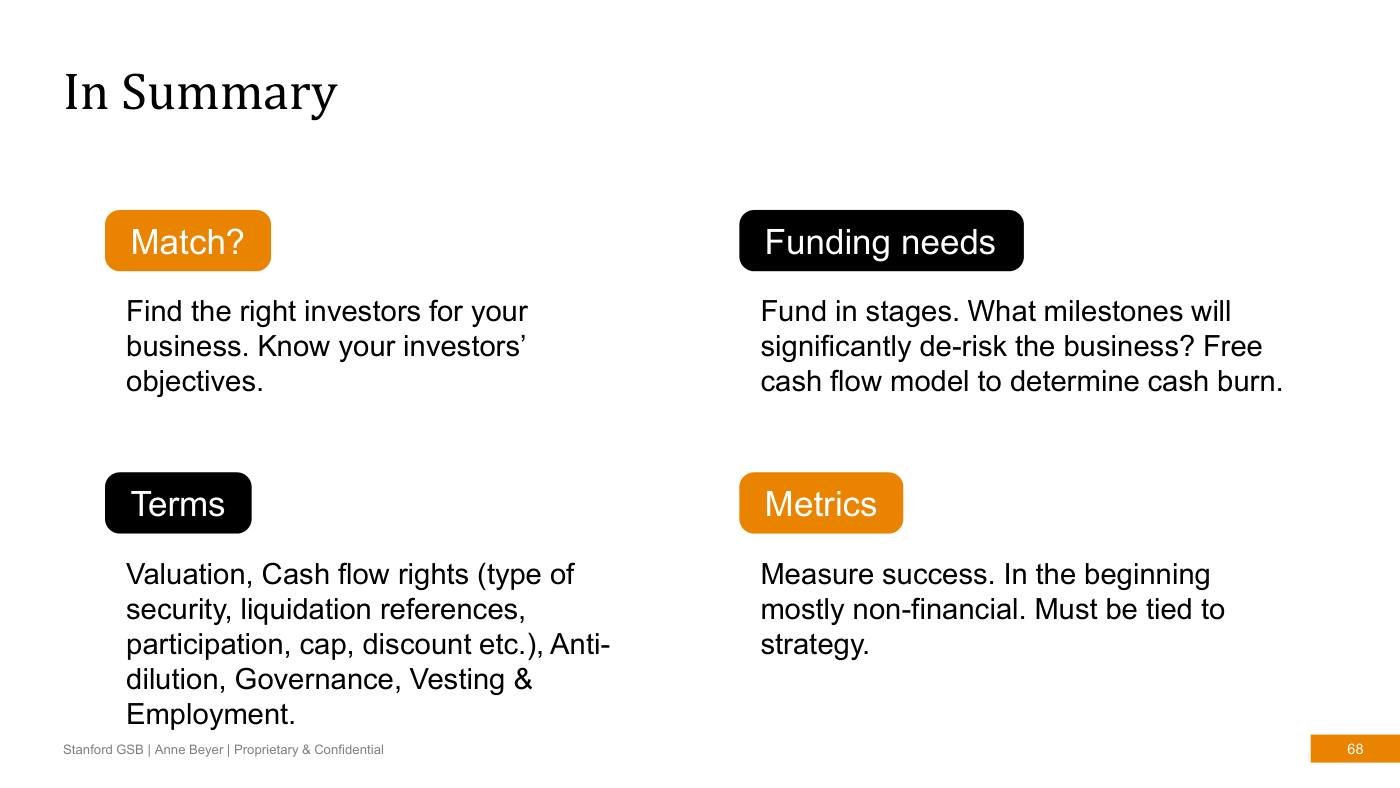
Connect capital needs, ownership consequences and investor incentives.
You will makeA capital strategy, cap table, financing comparison and milestone-based funding plan.
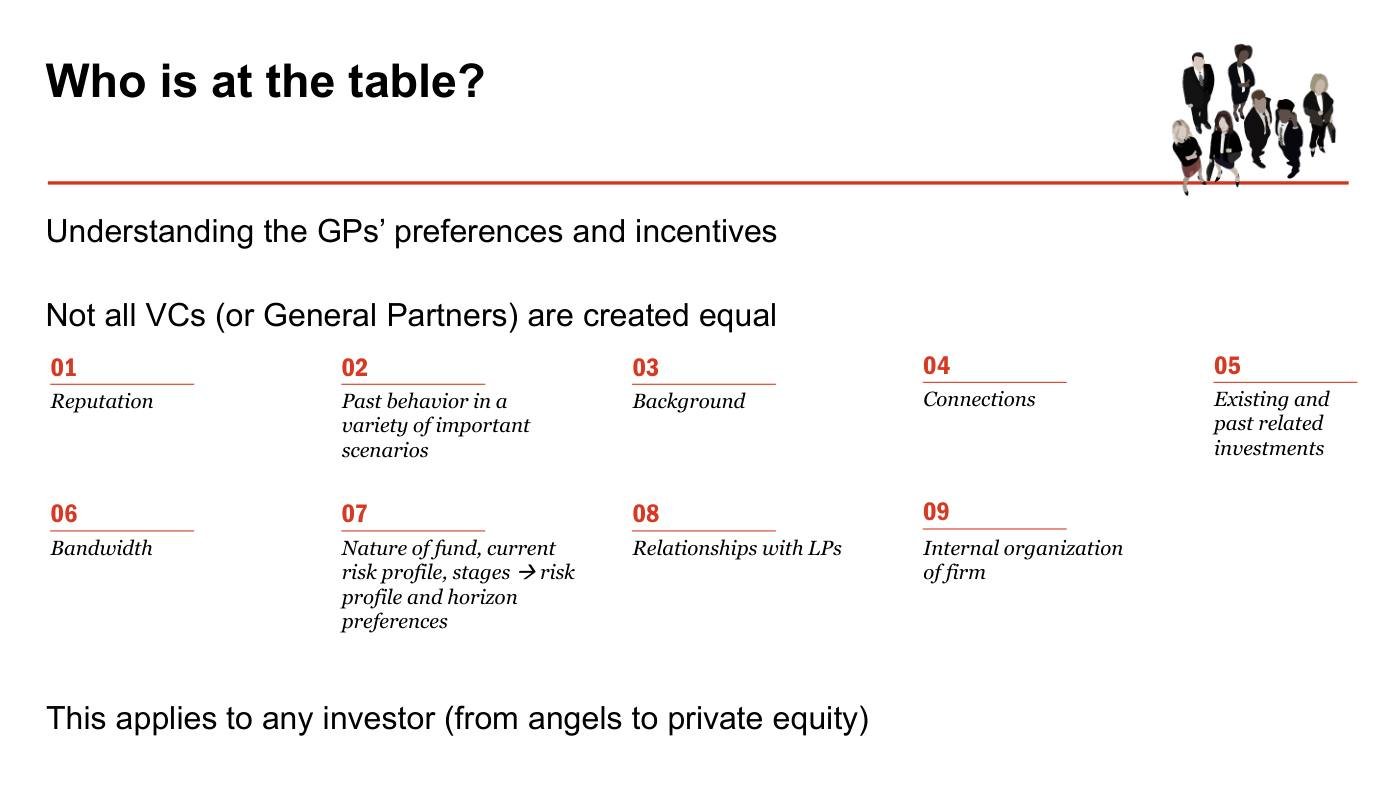
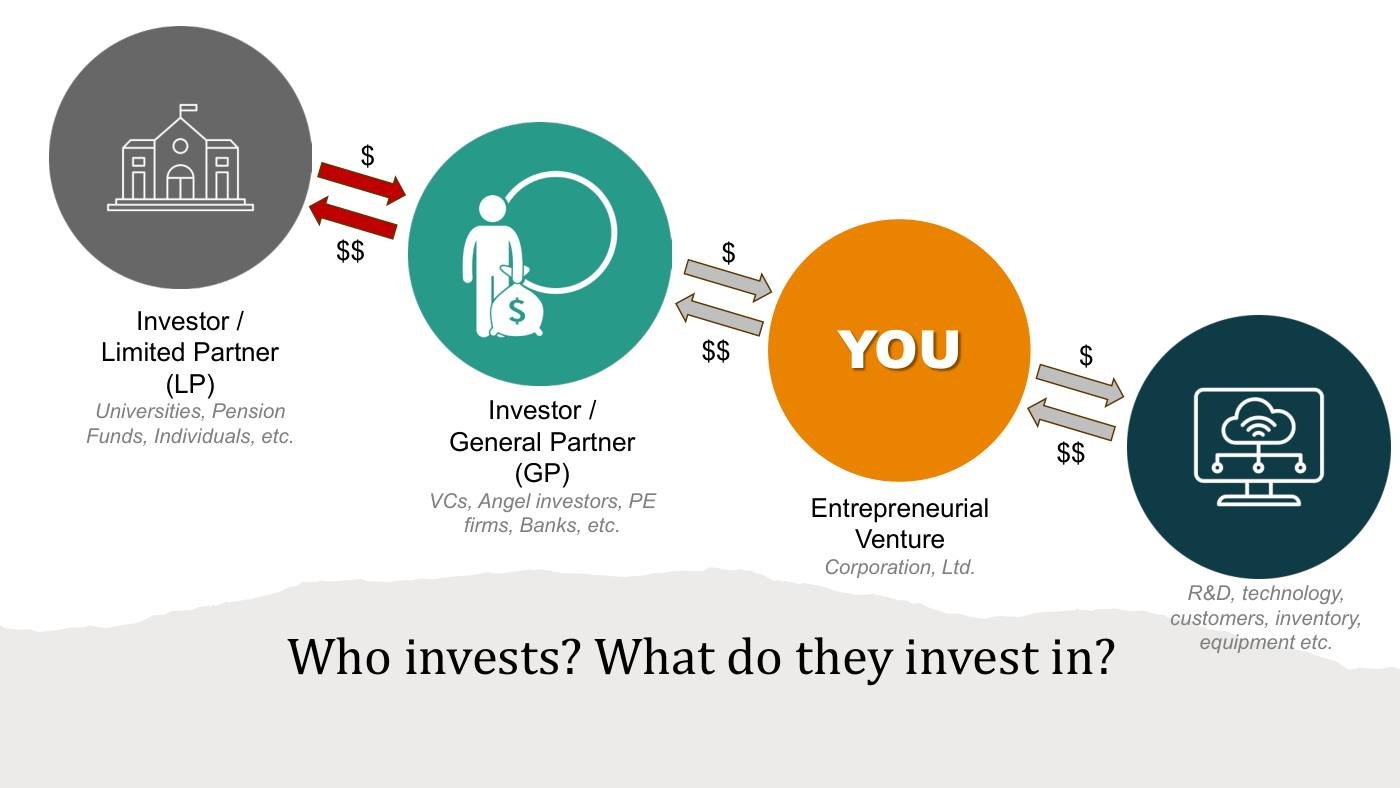
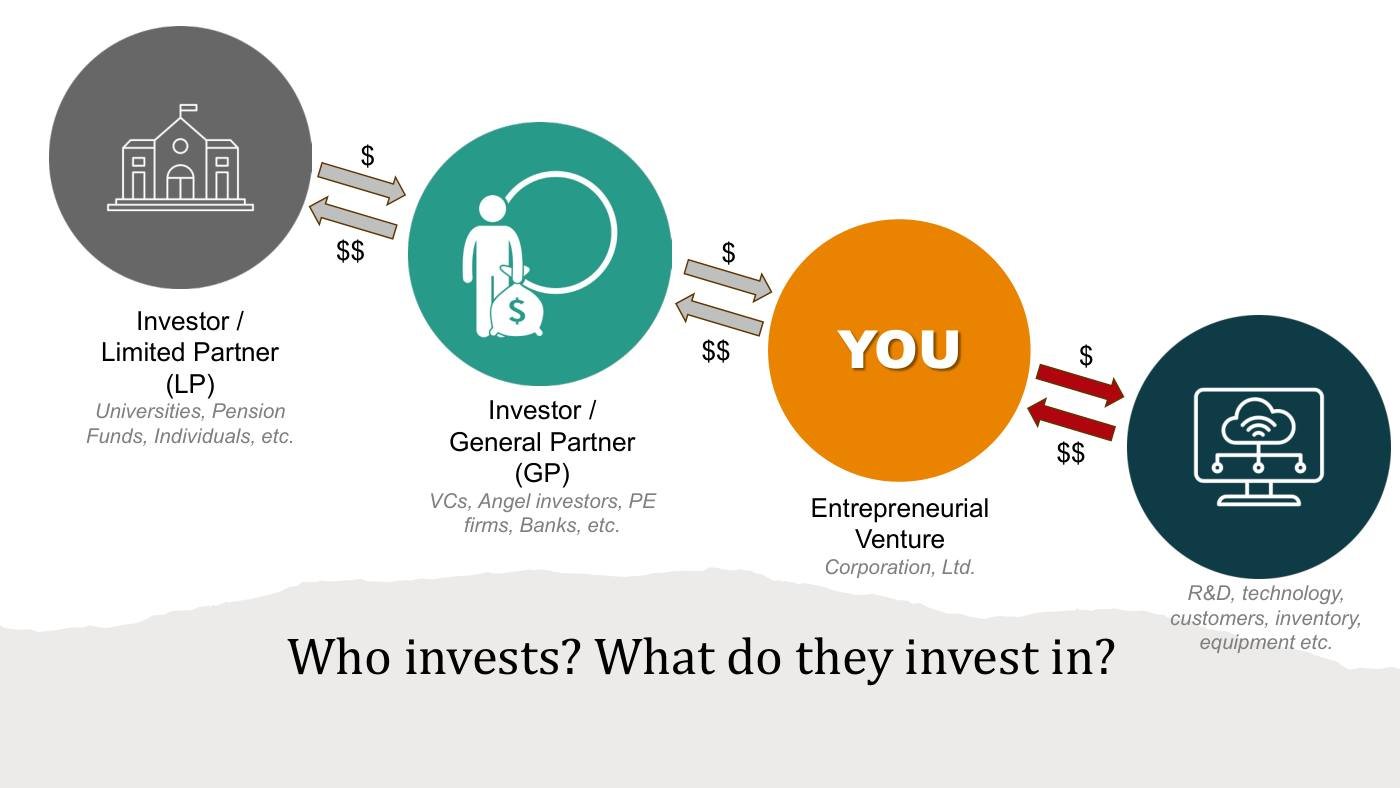
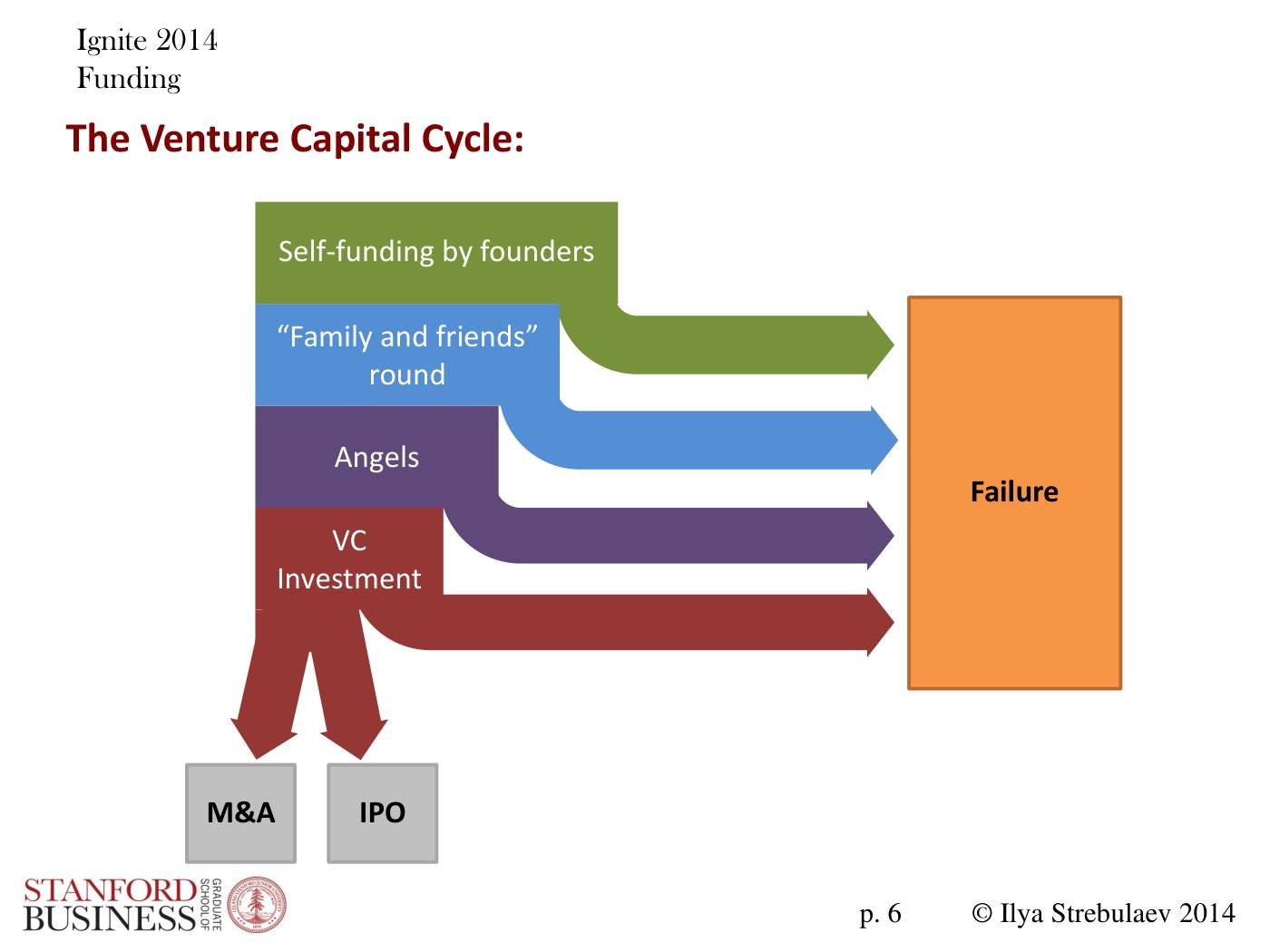
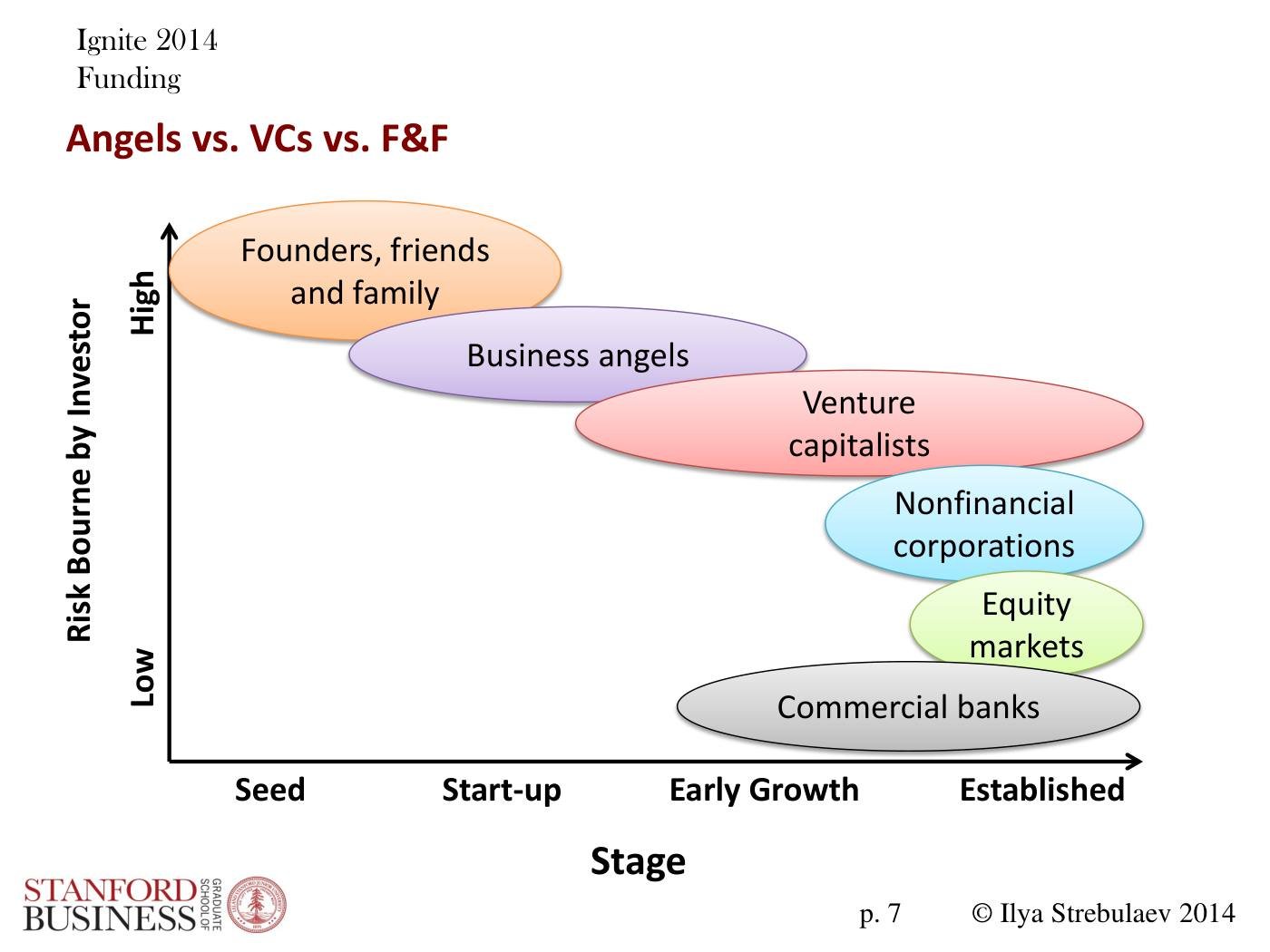
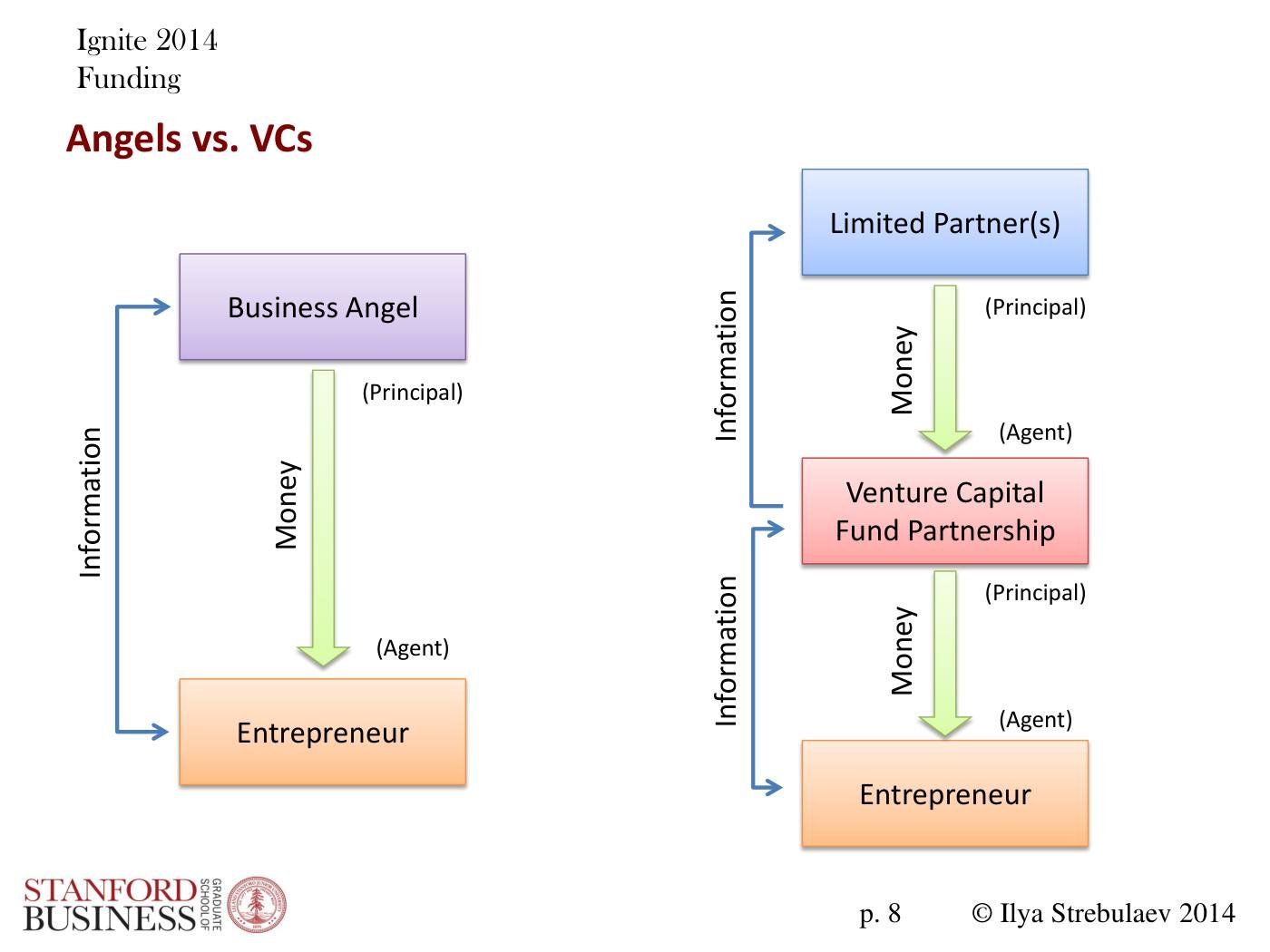
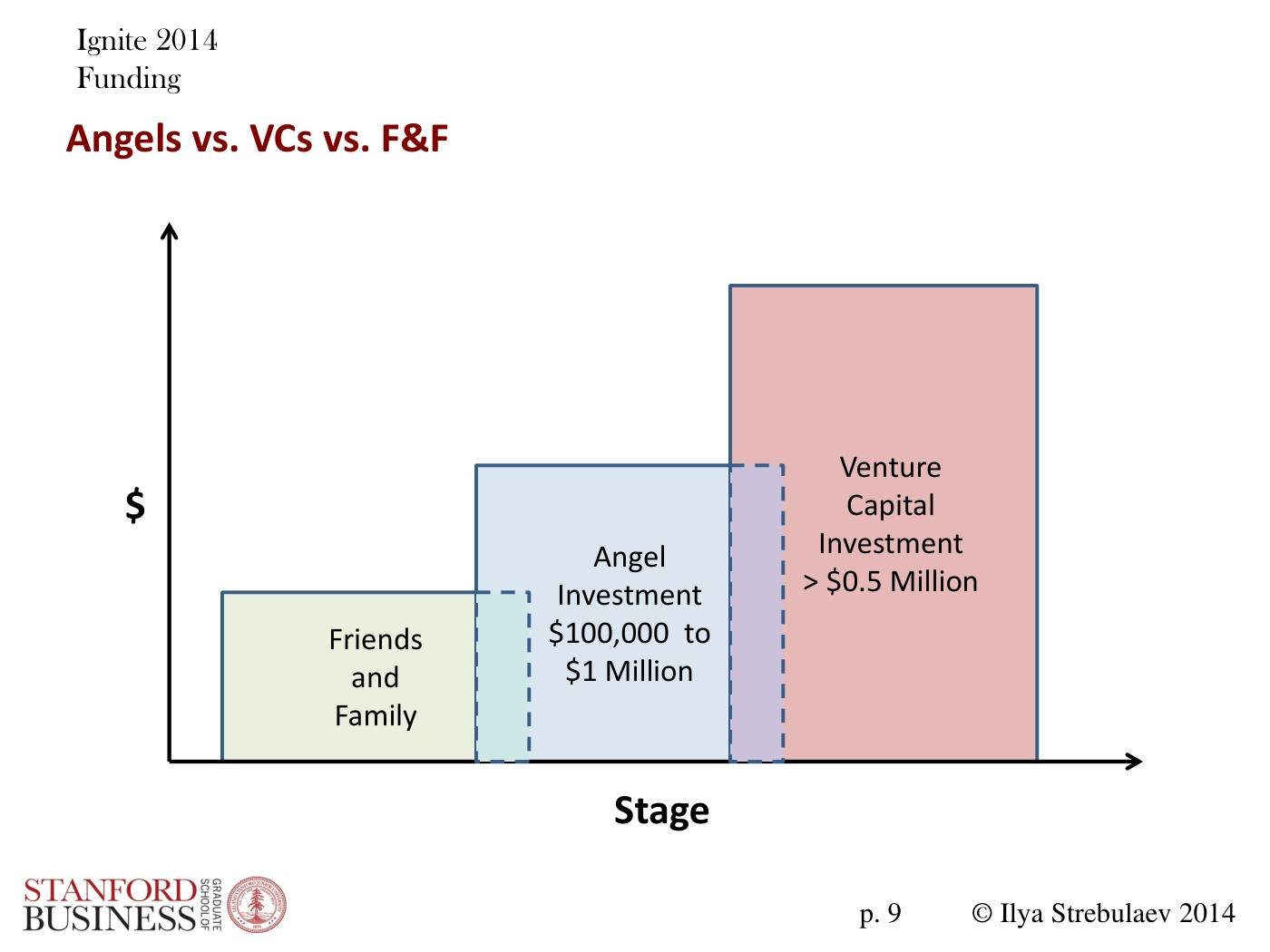
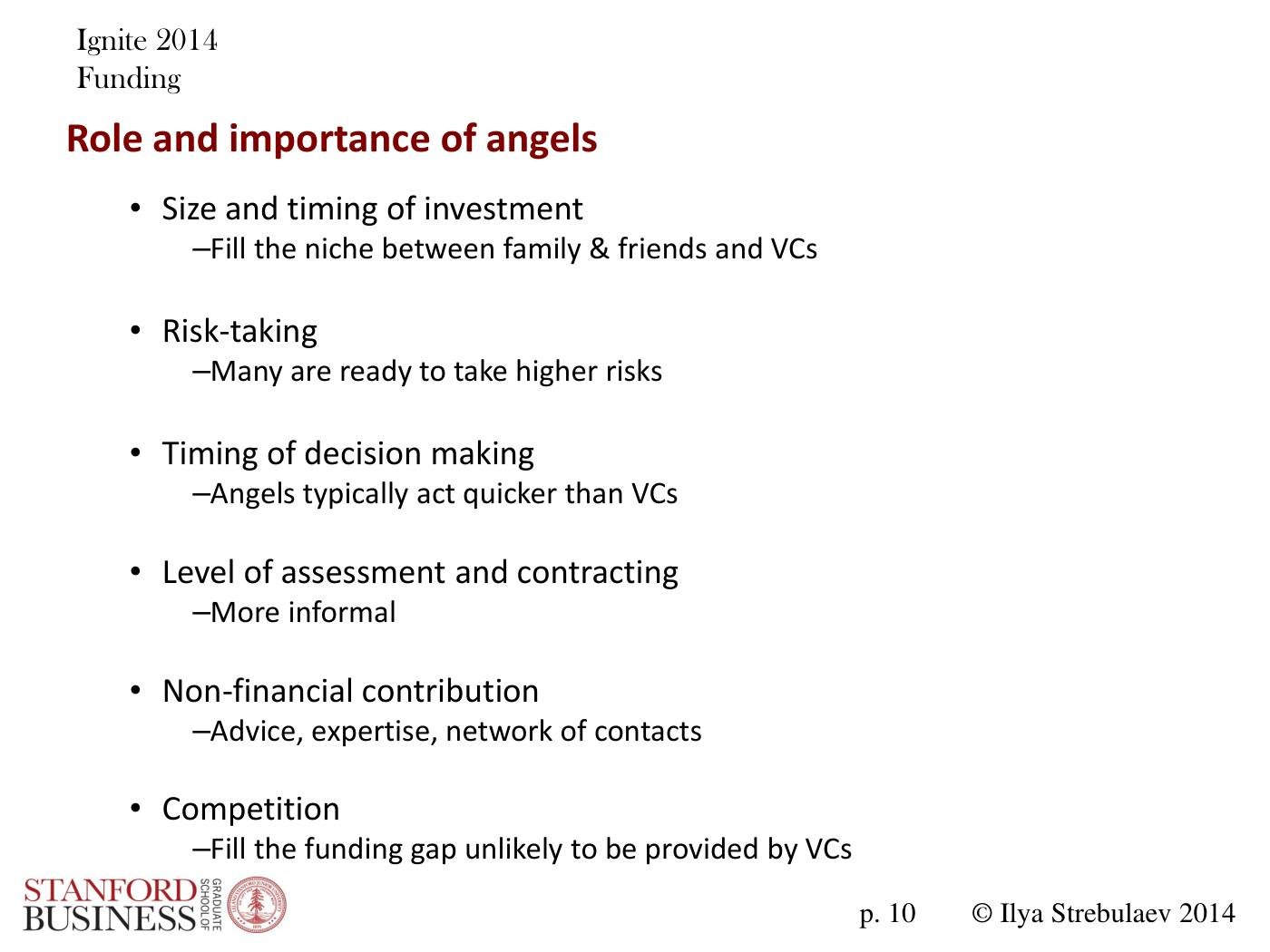
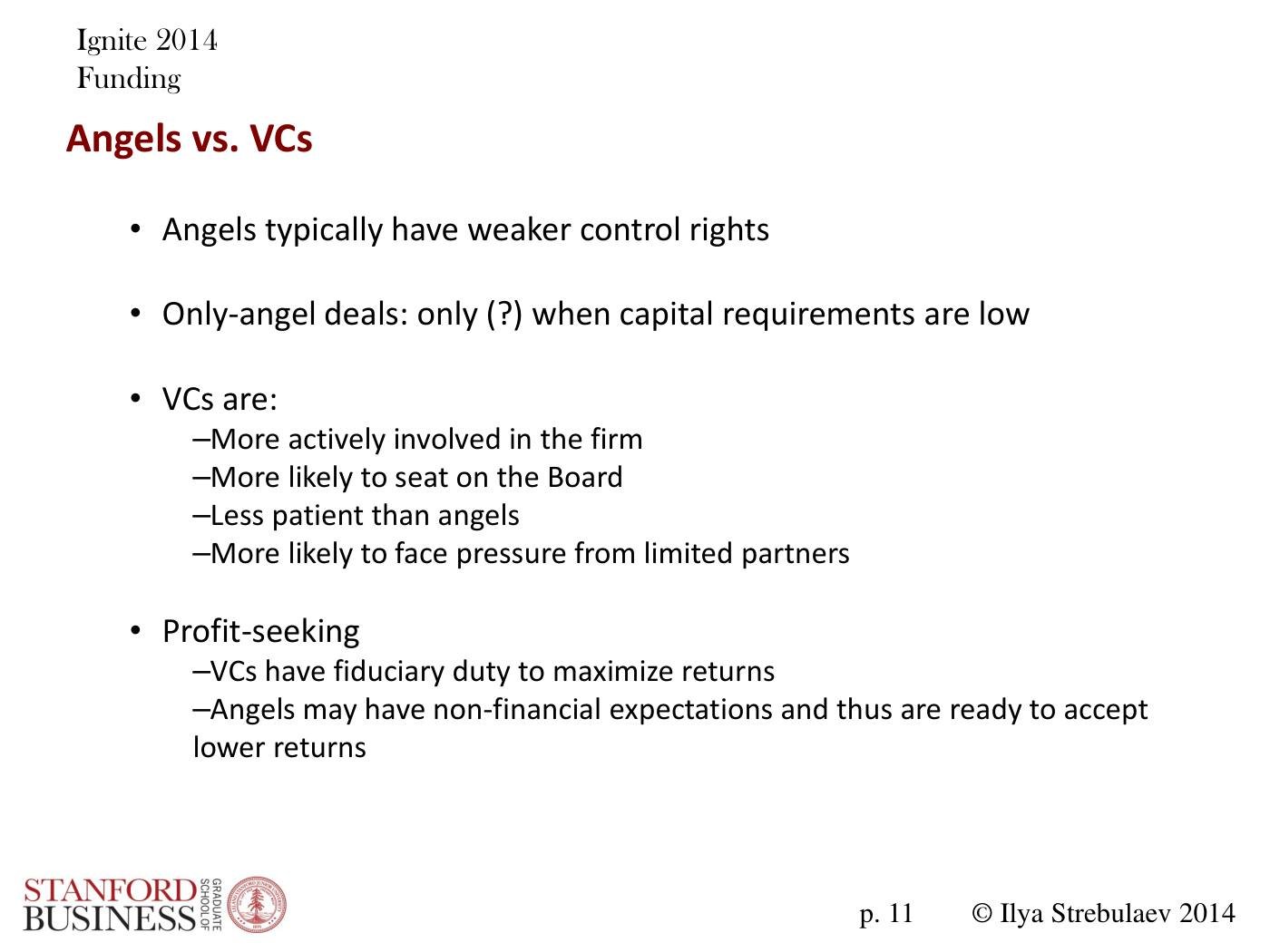
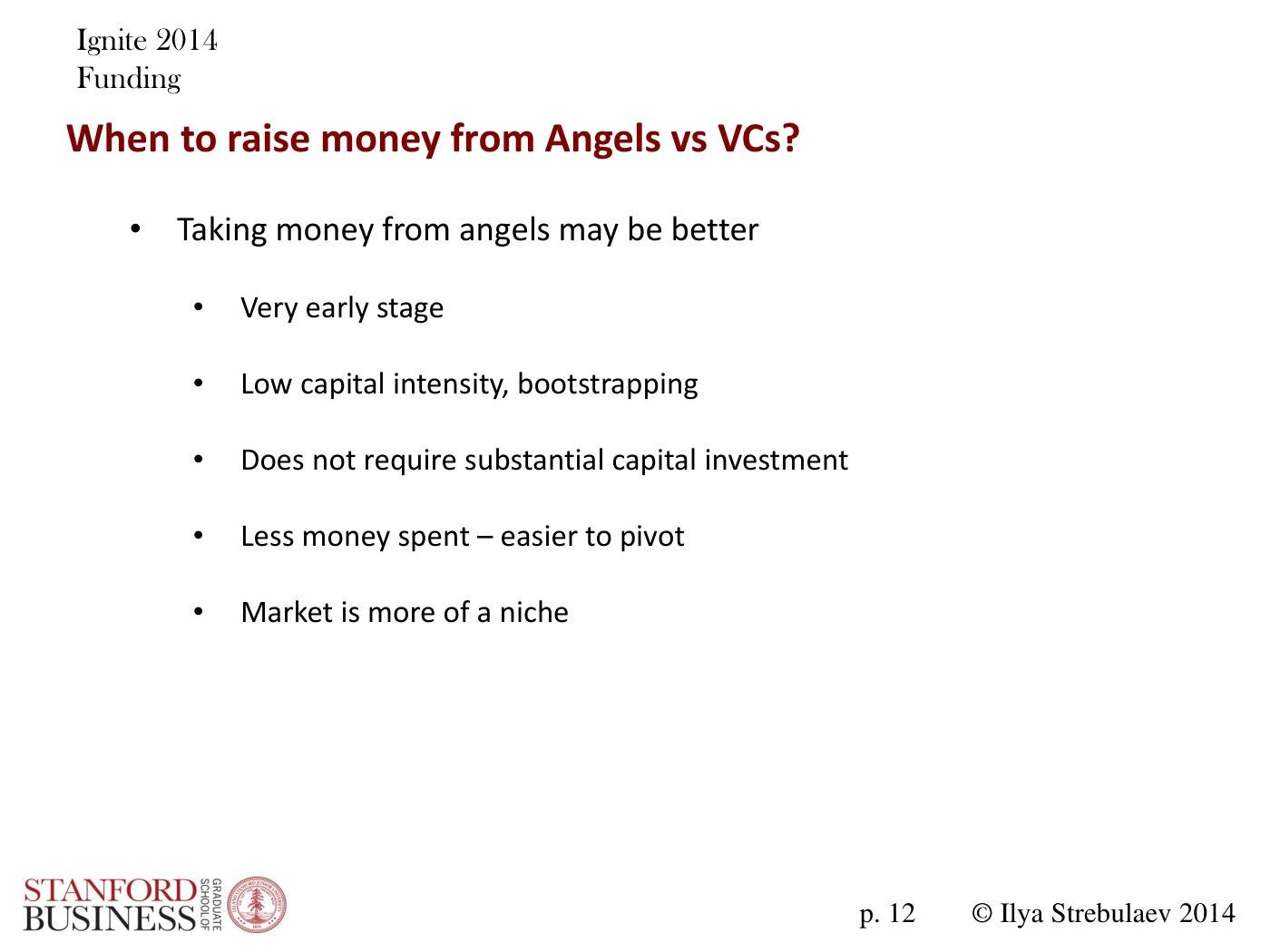
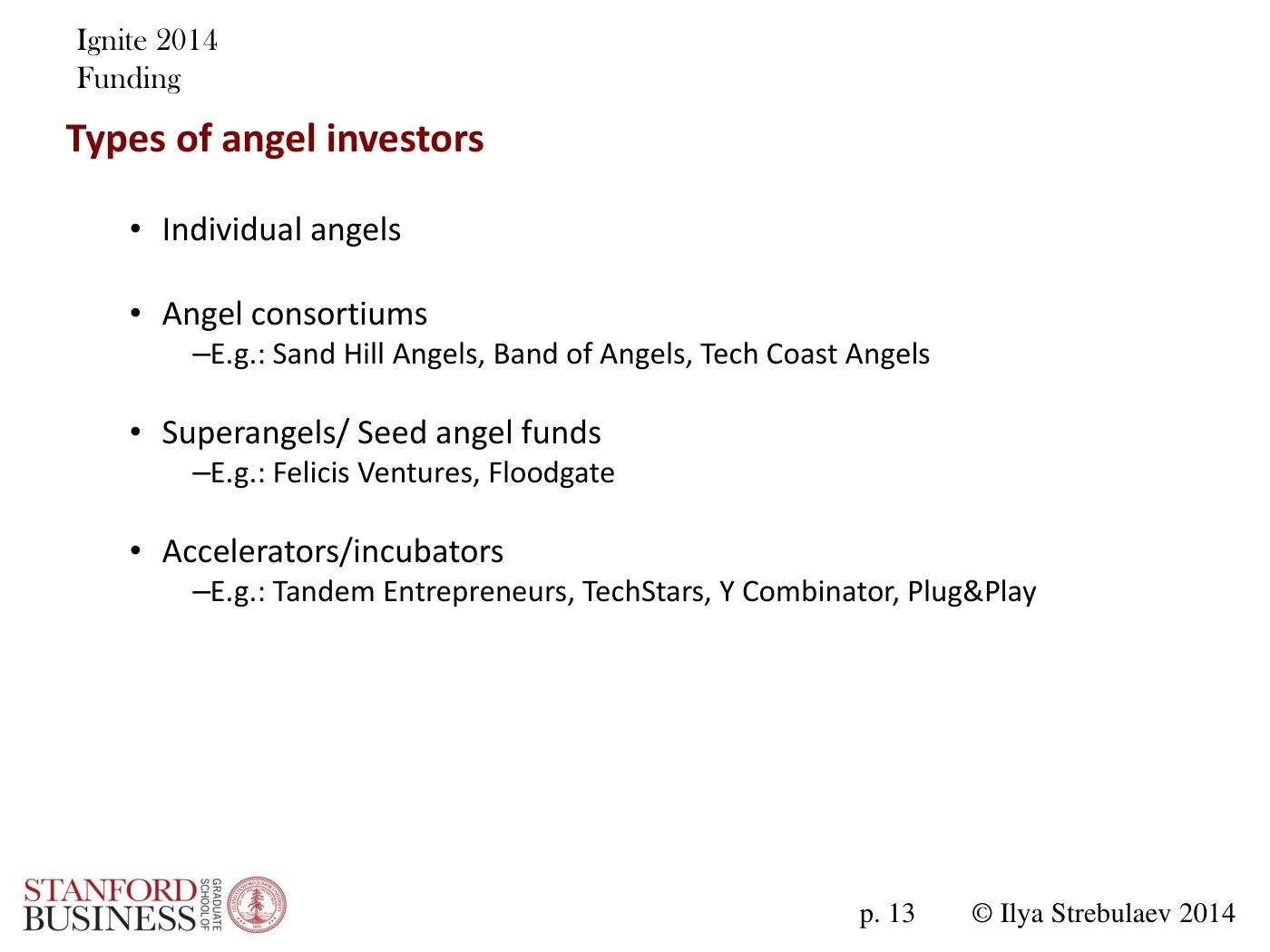
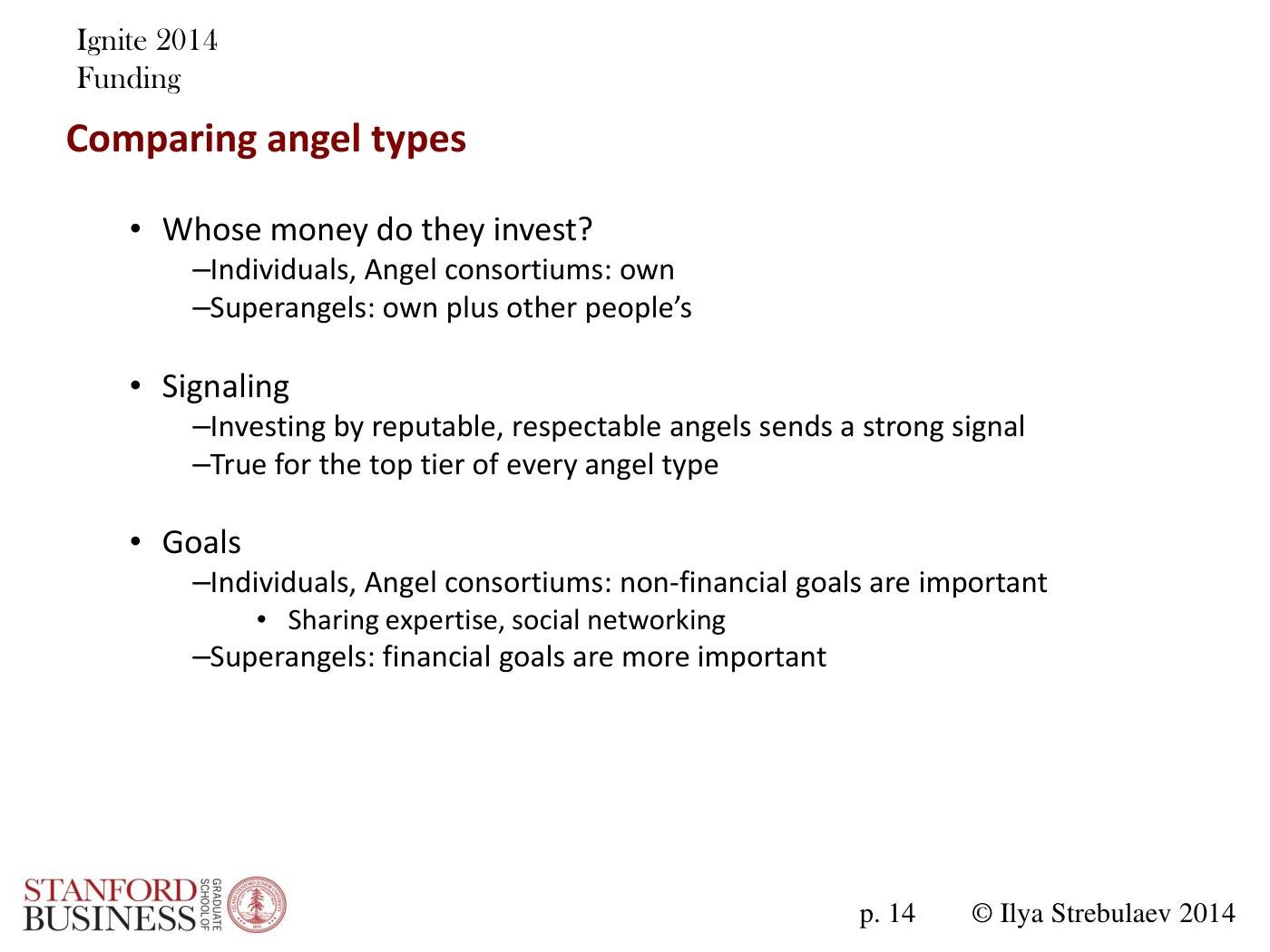
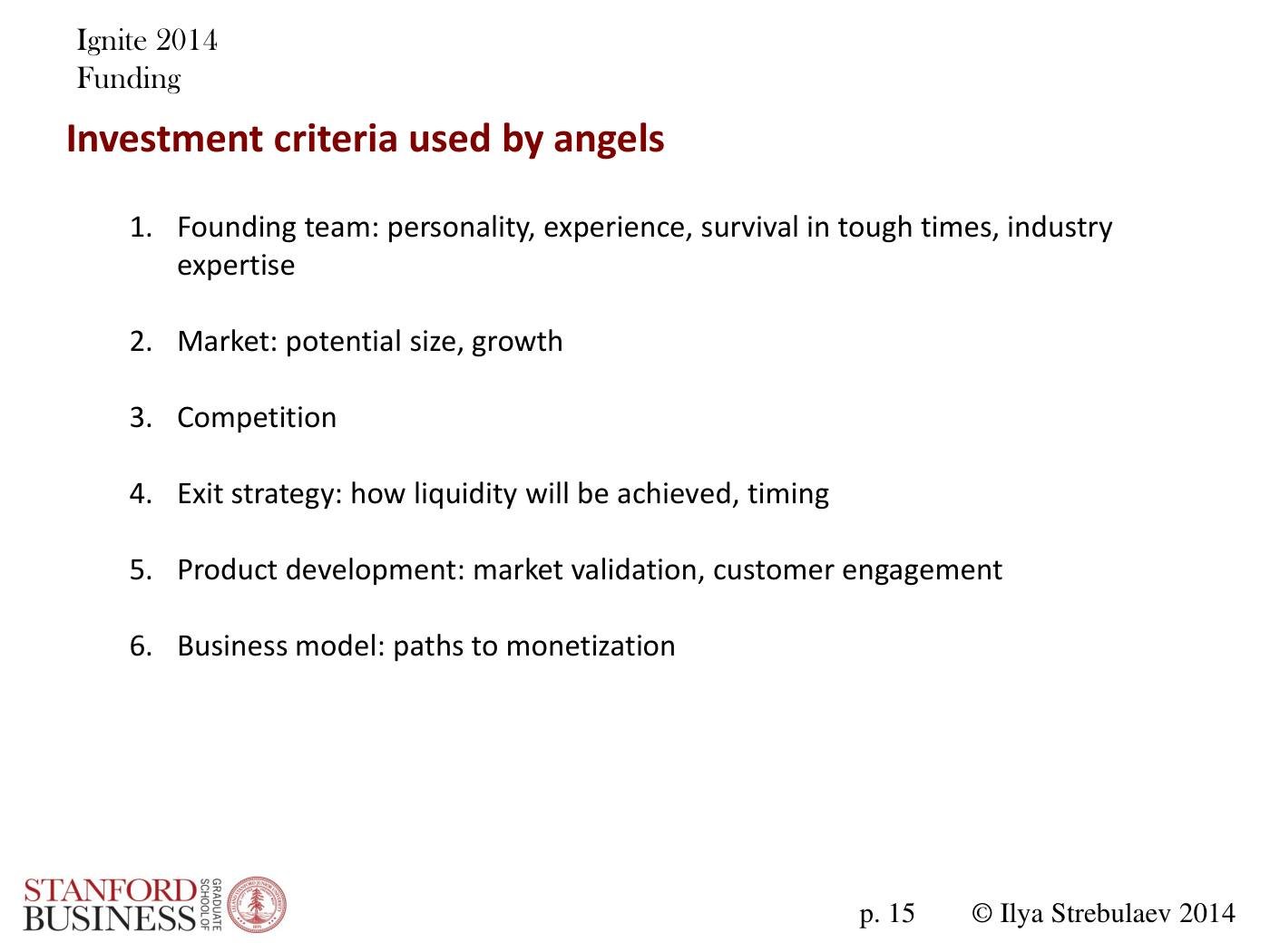
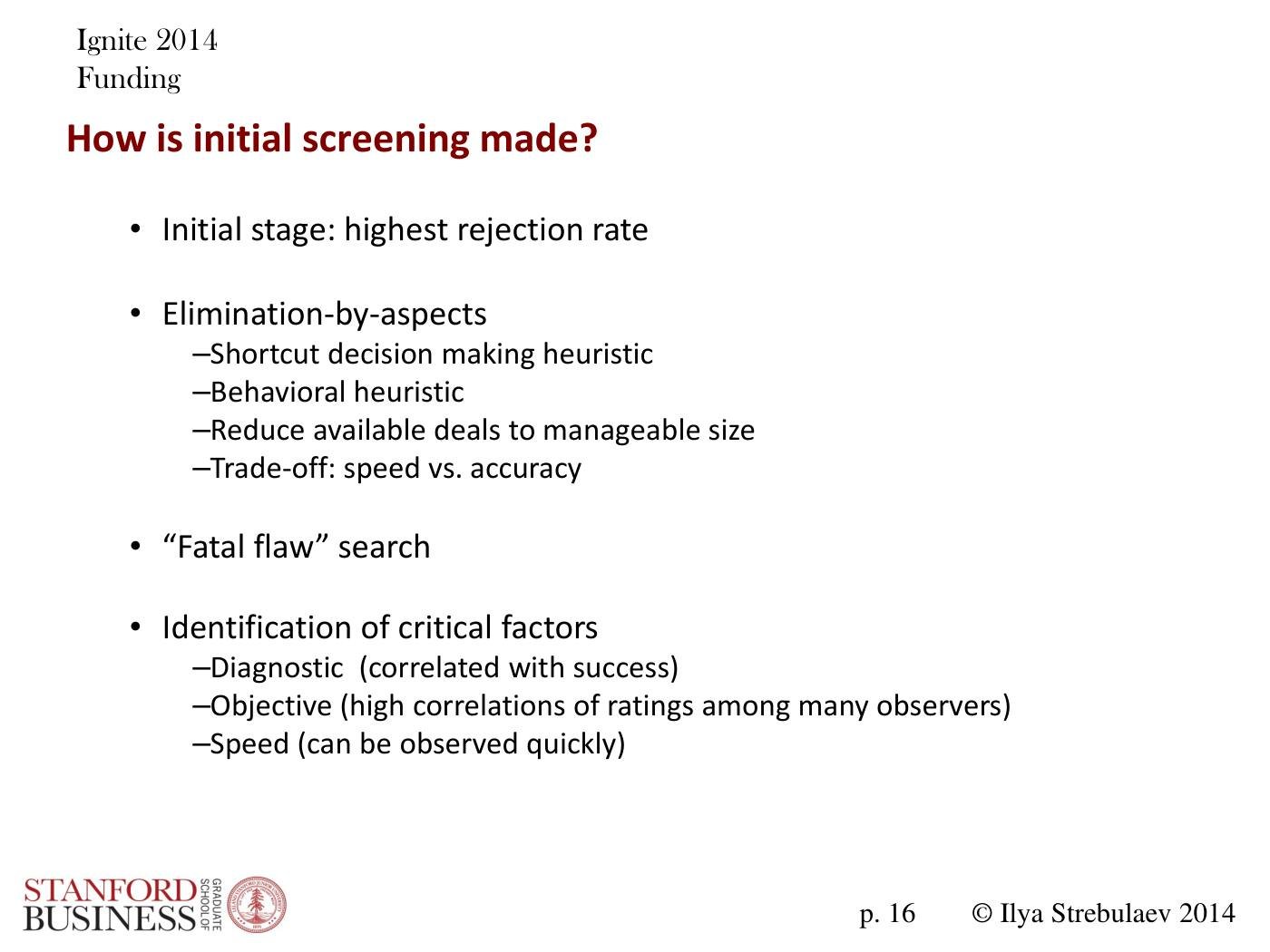
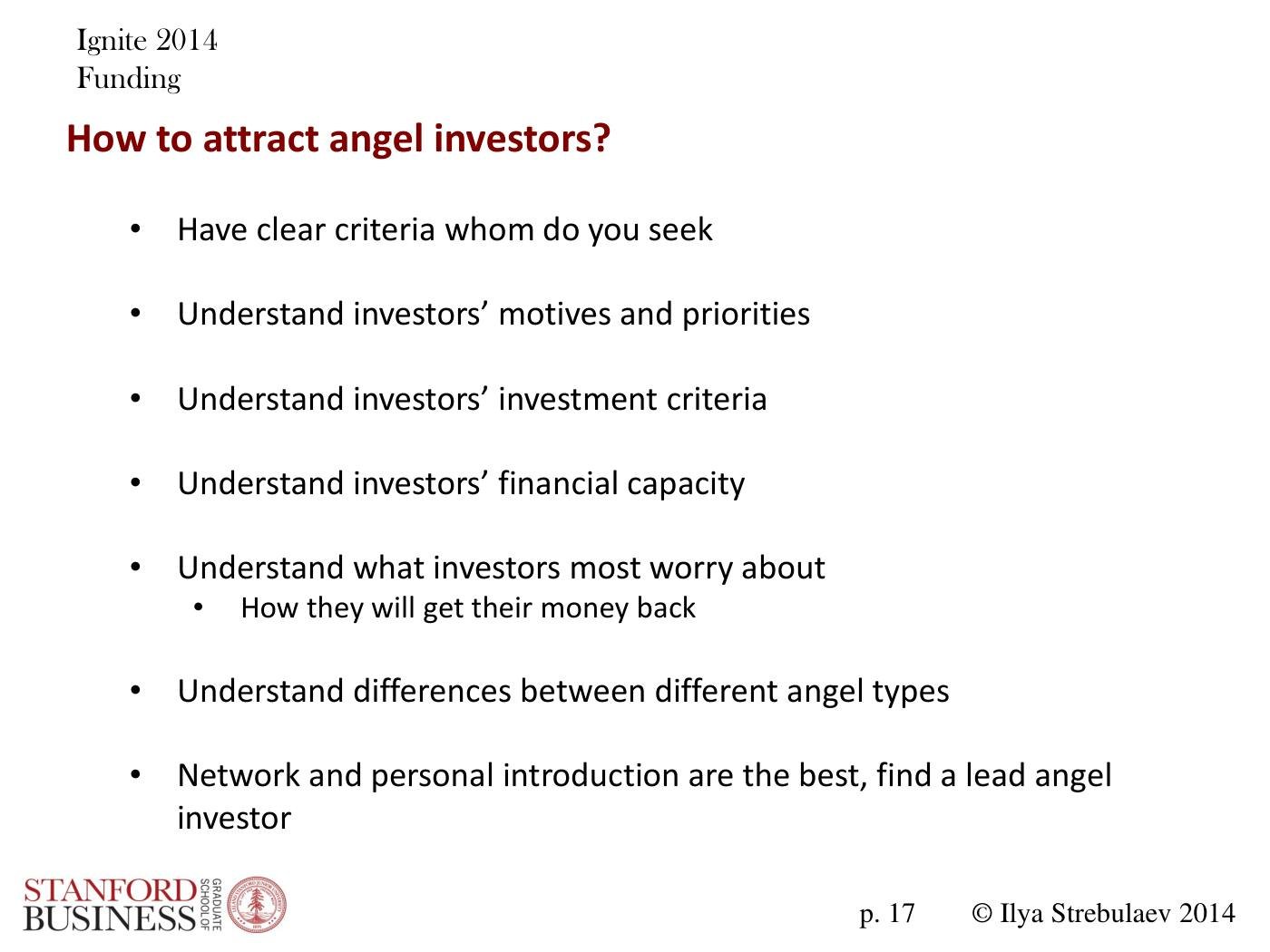
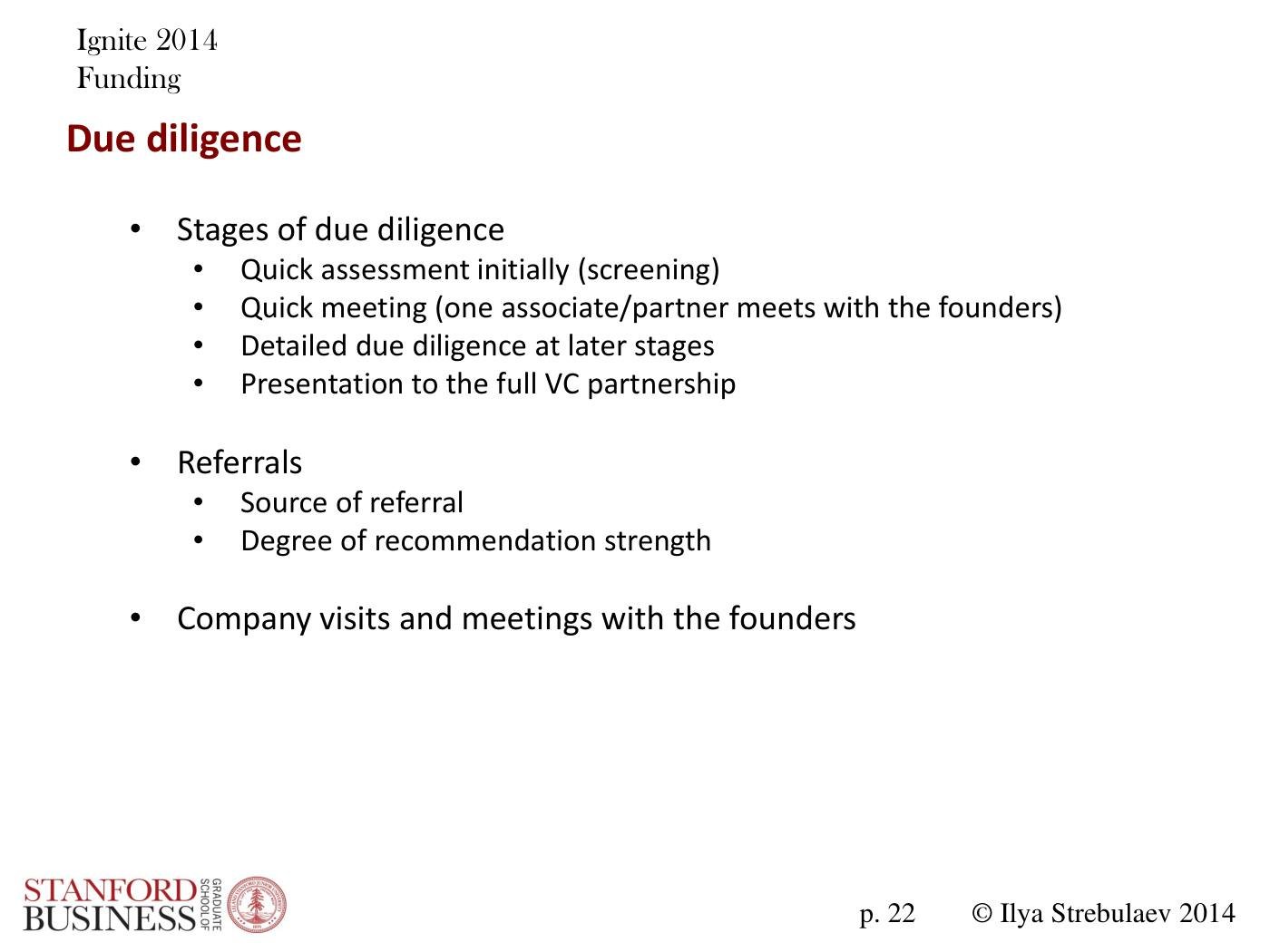
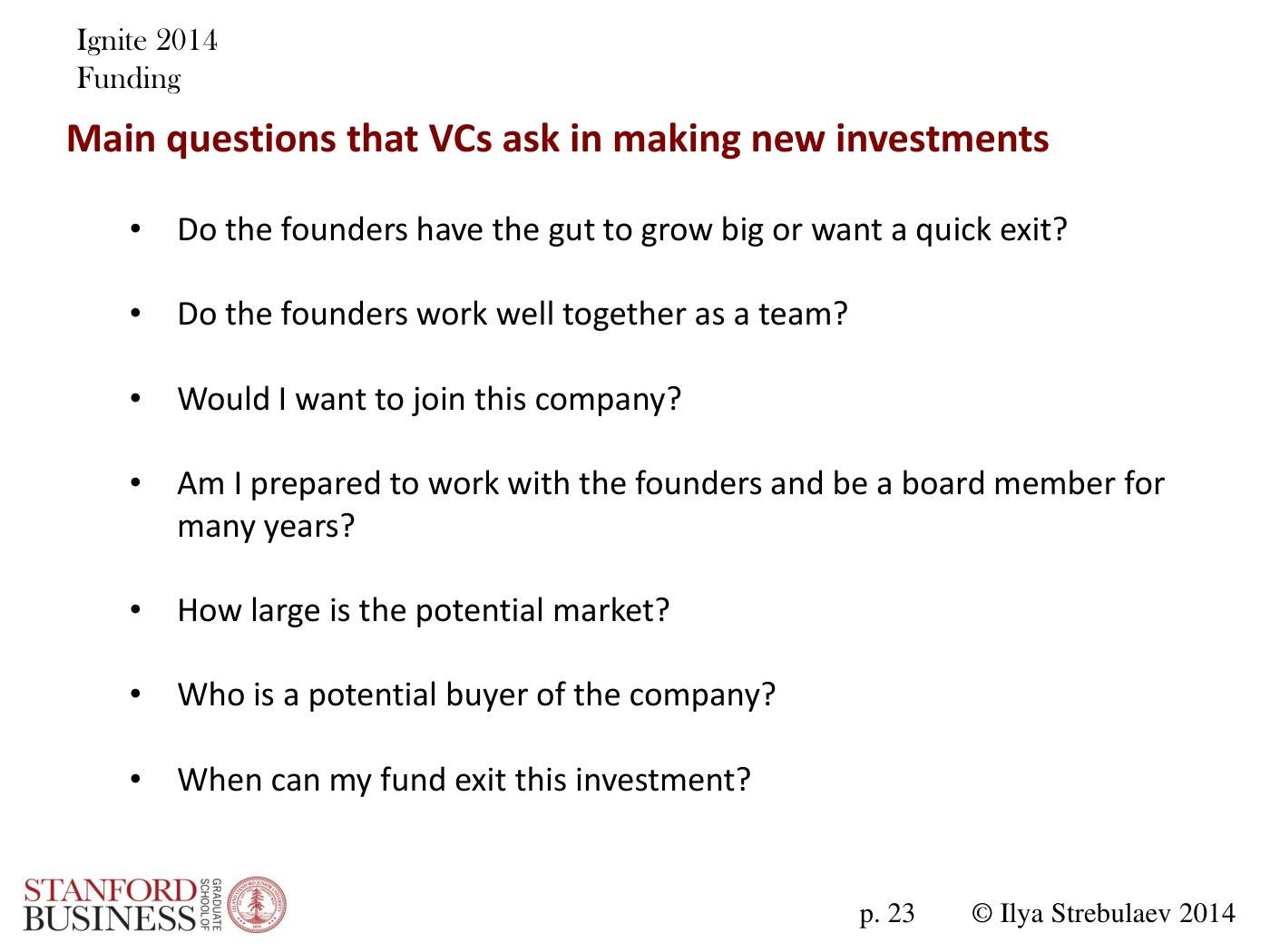
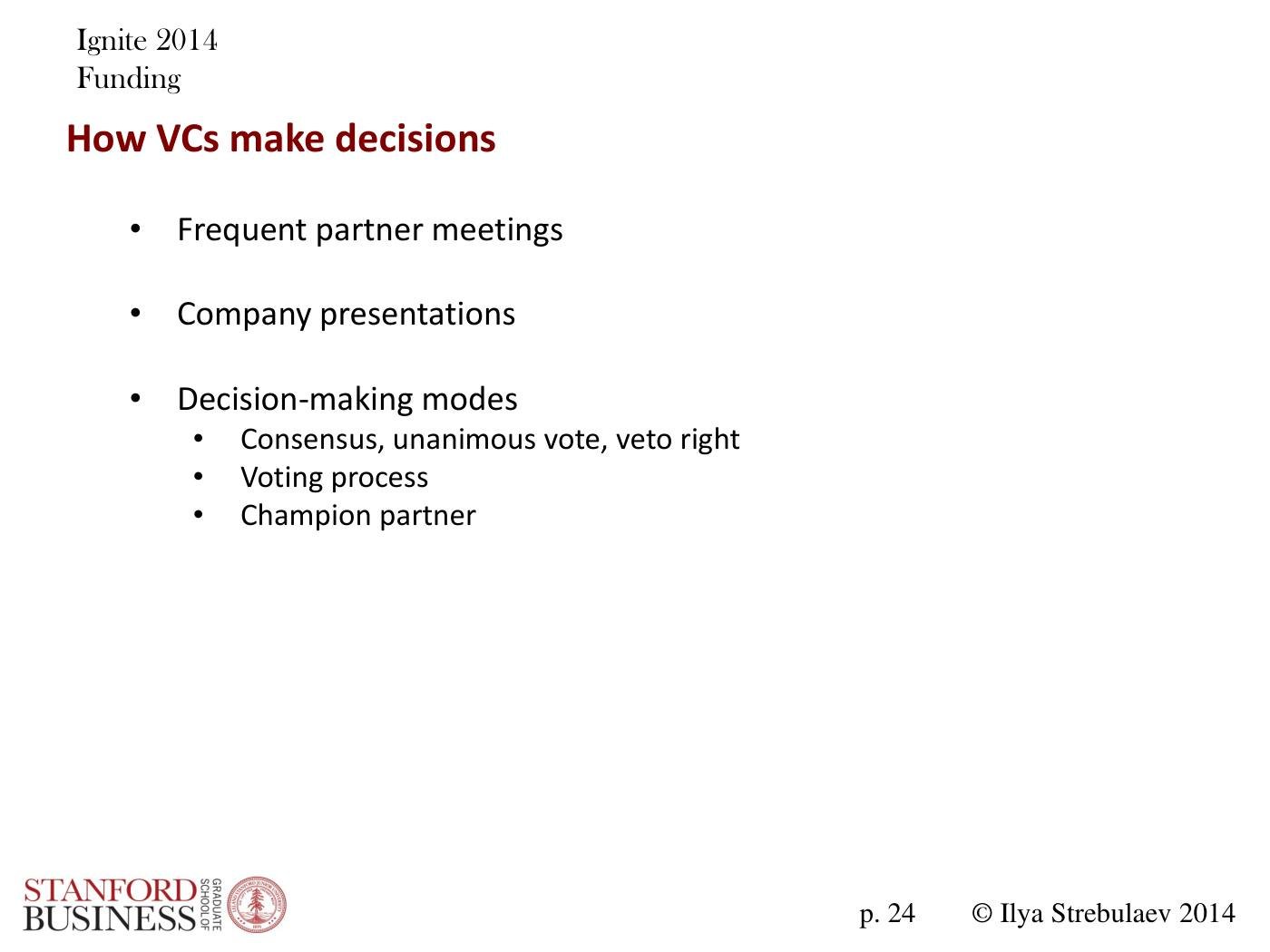
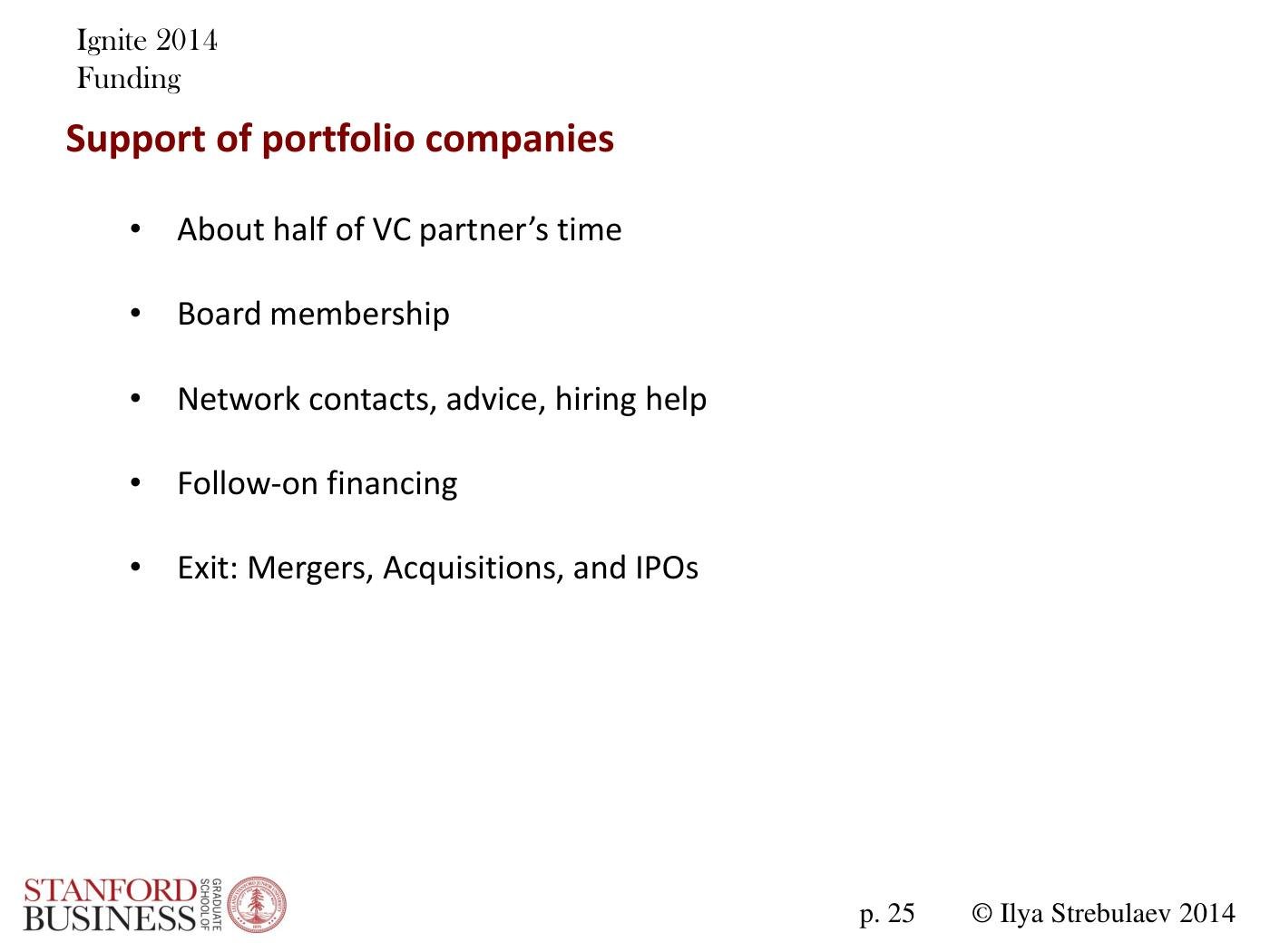
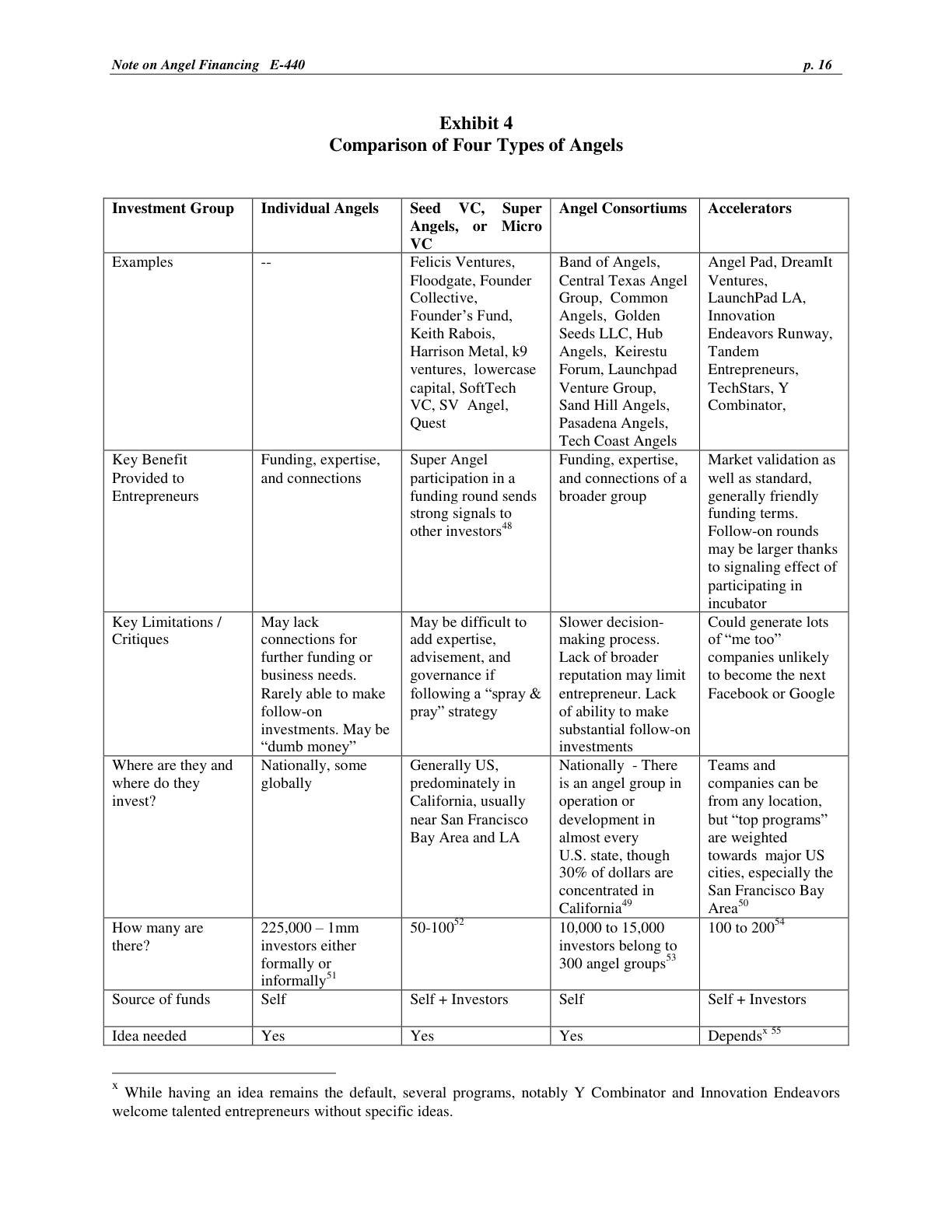
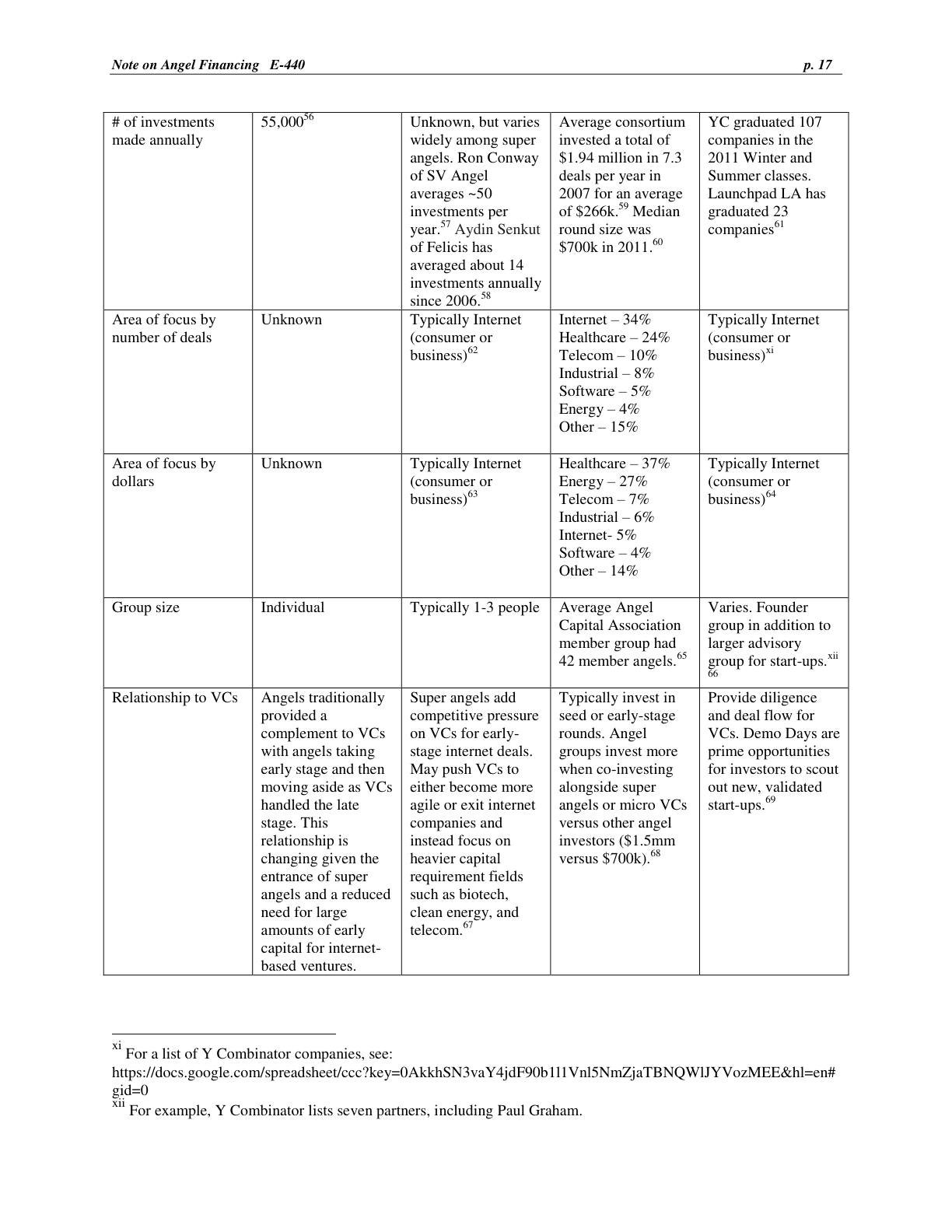
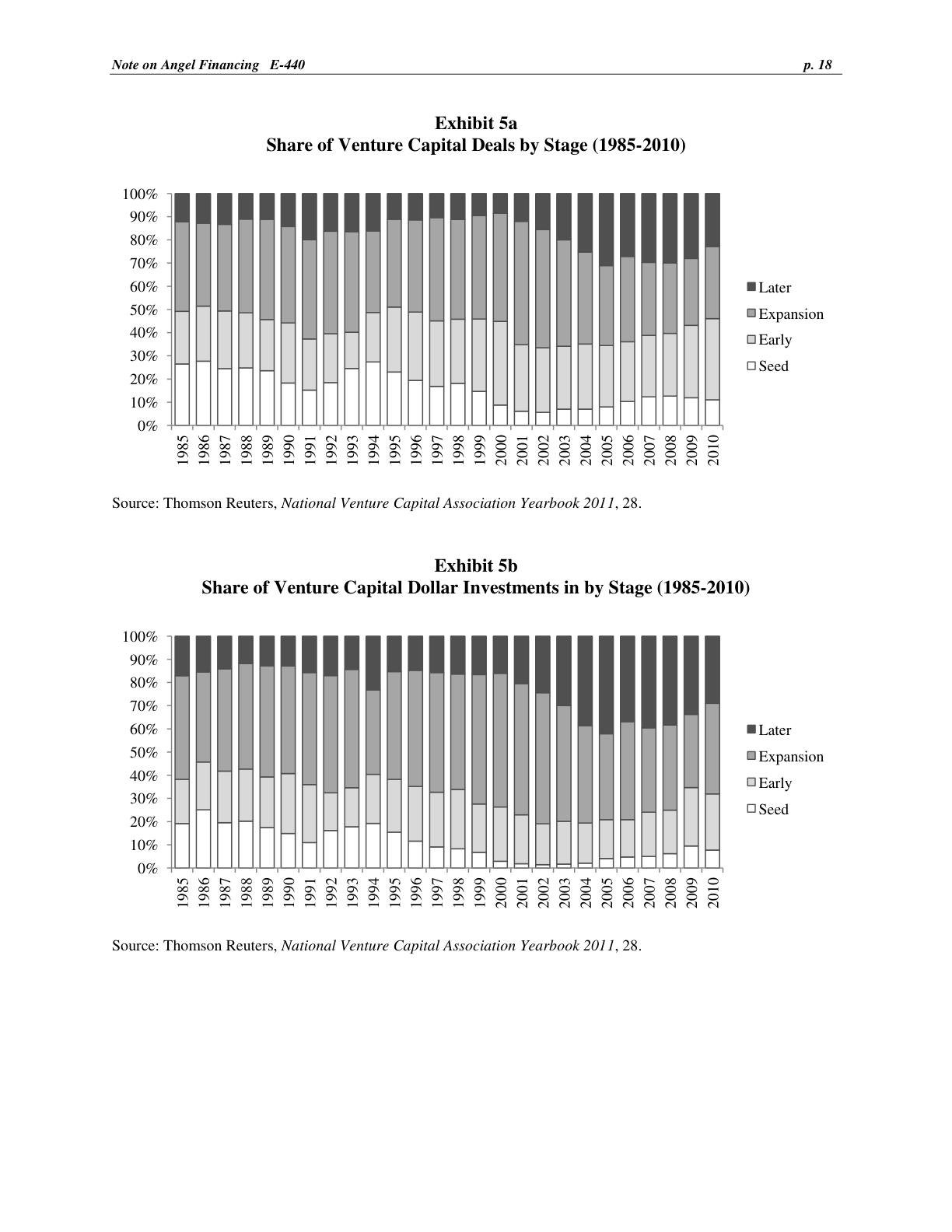
Which investors fit the business, and what drives their decisions?
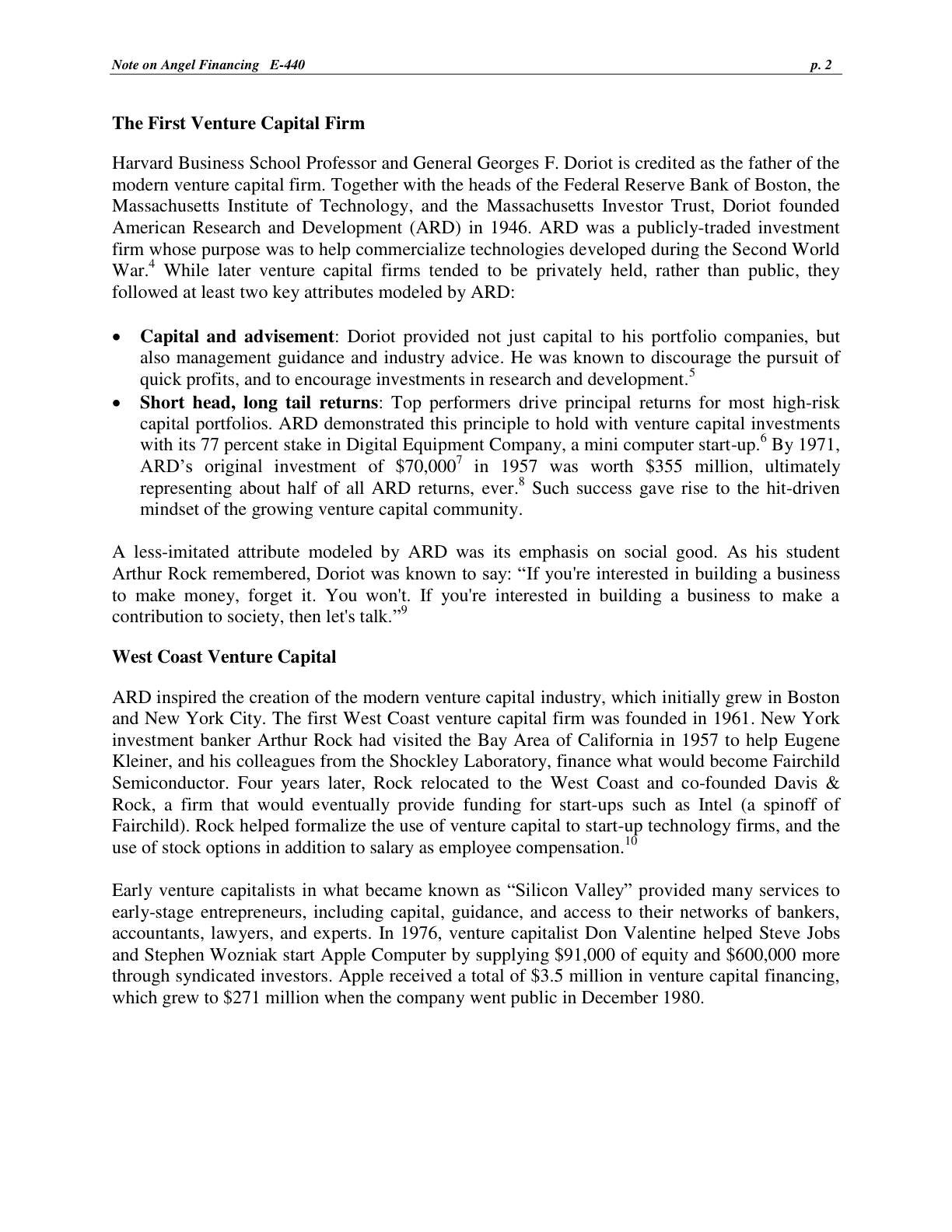
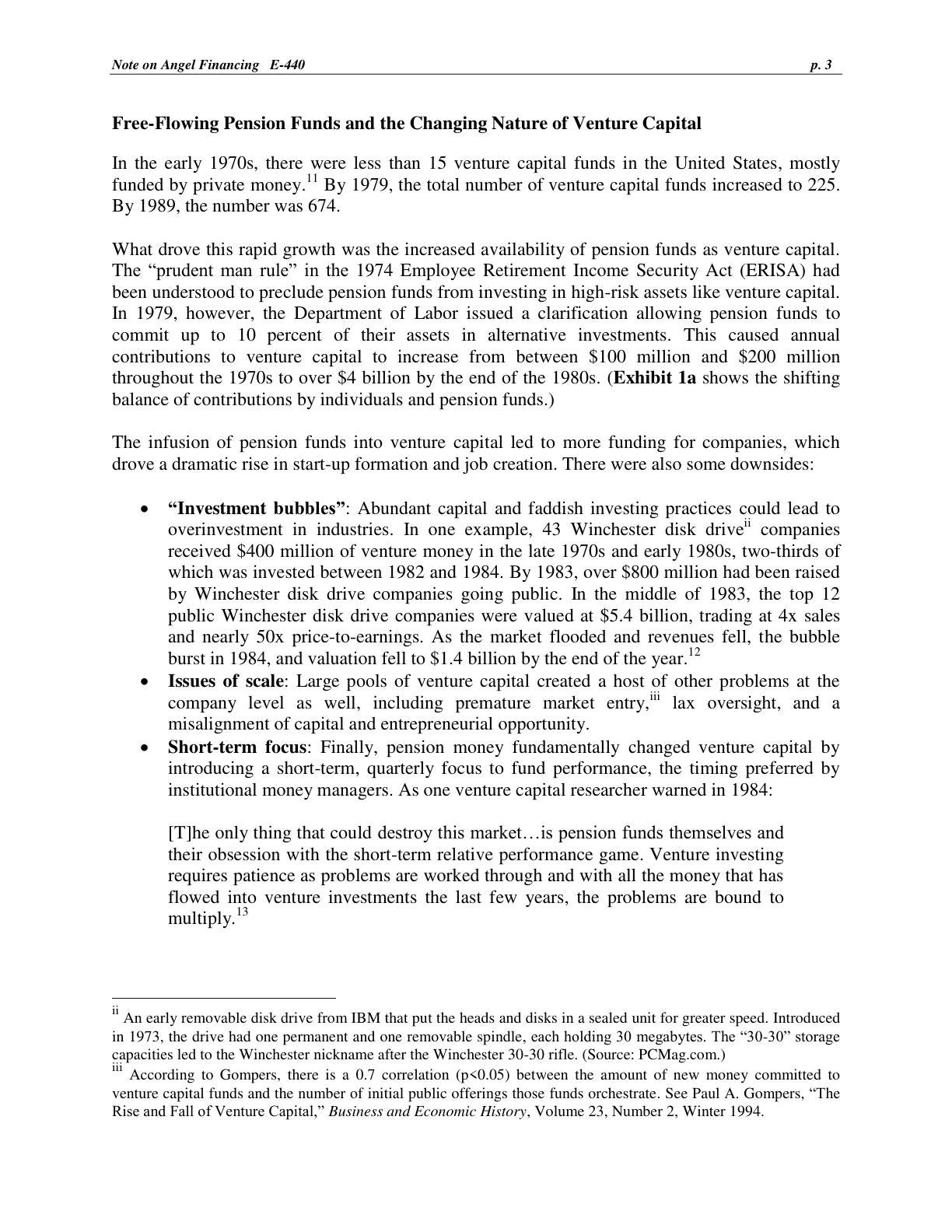
Relay · Choose Relay's pre-seed investors
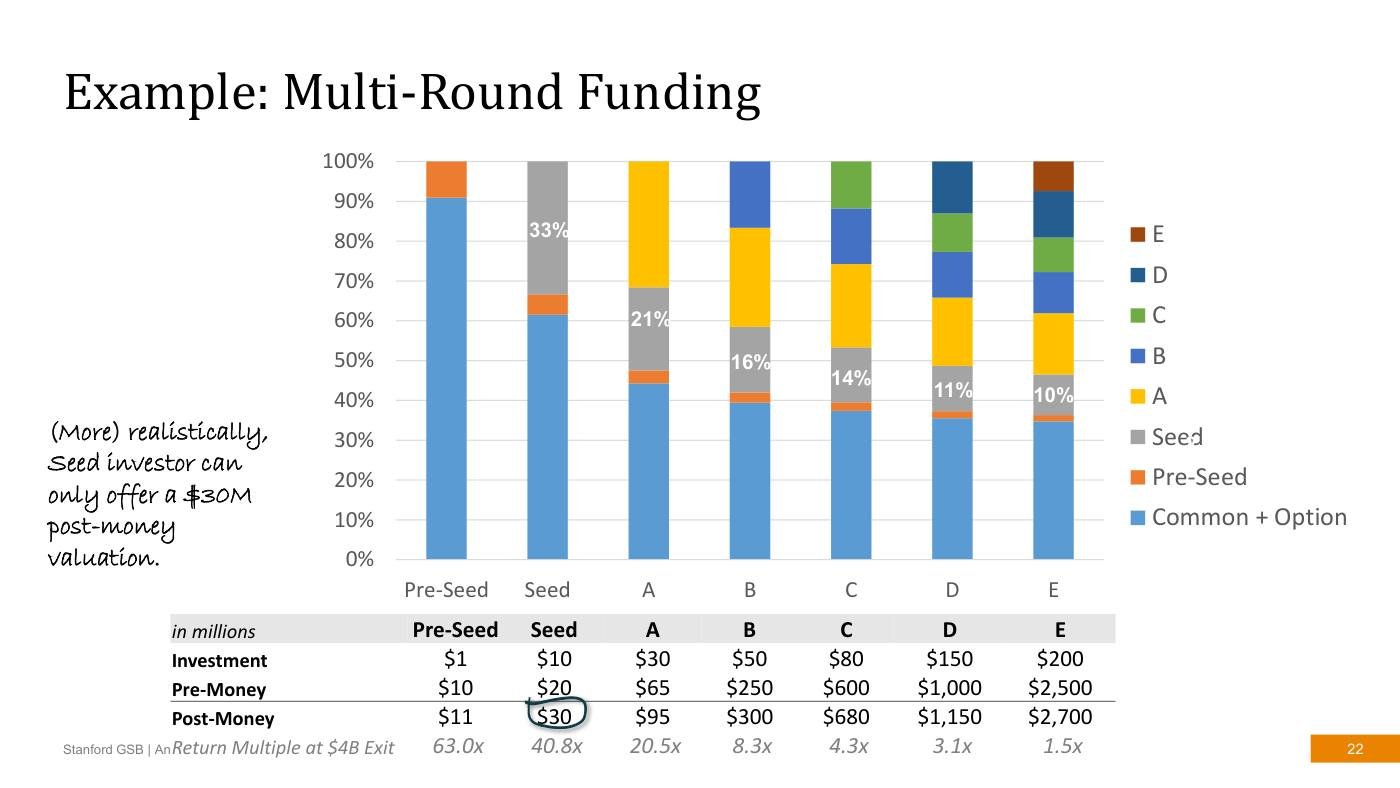
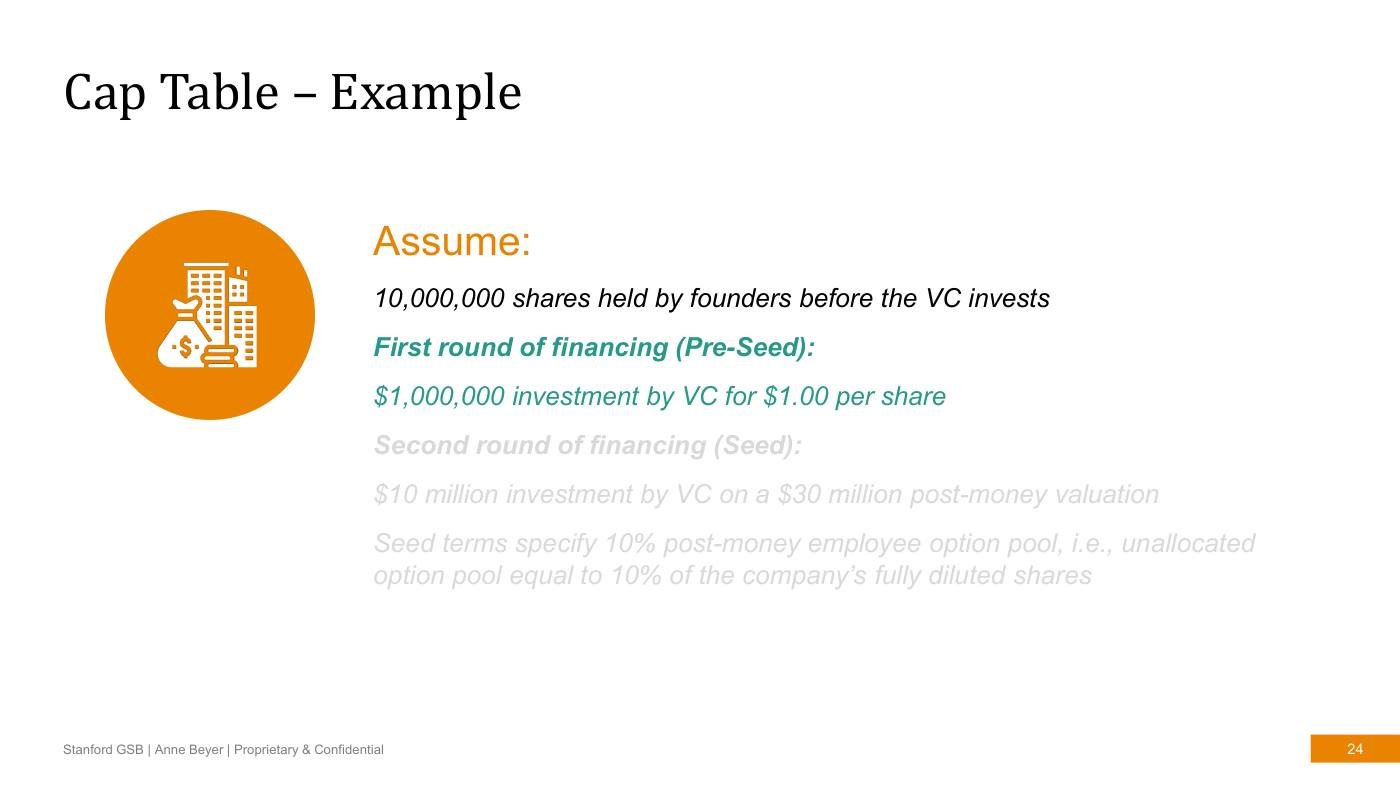
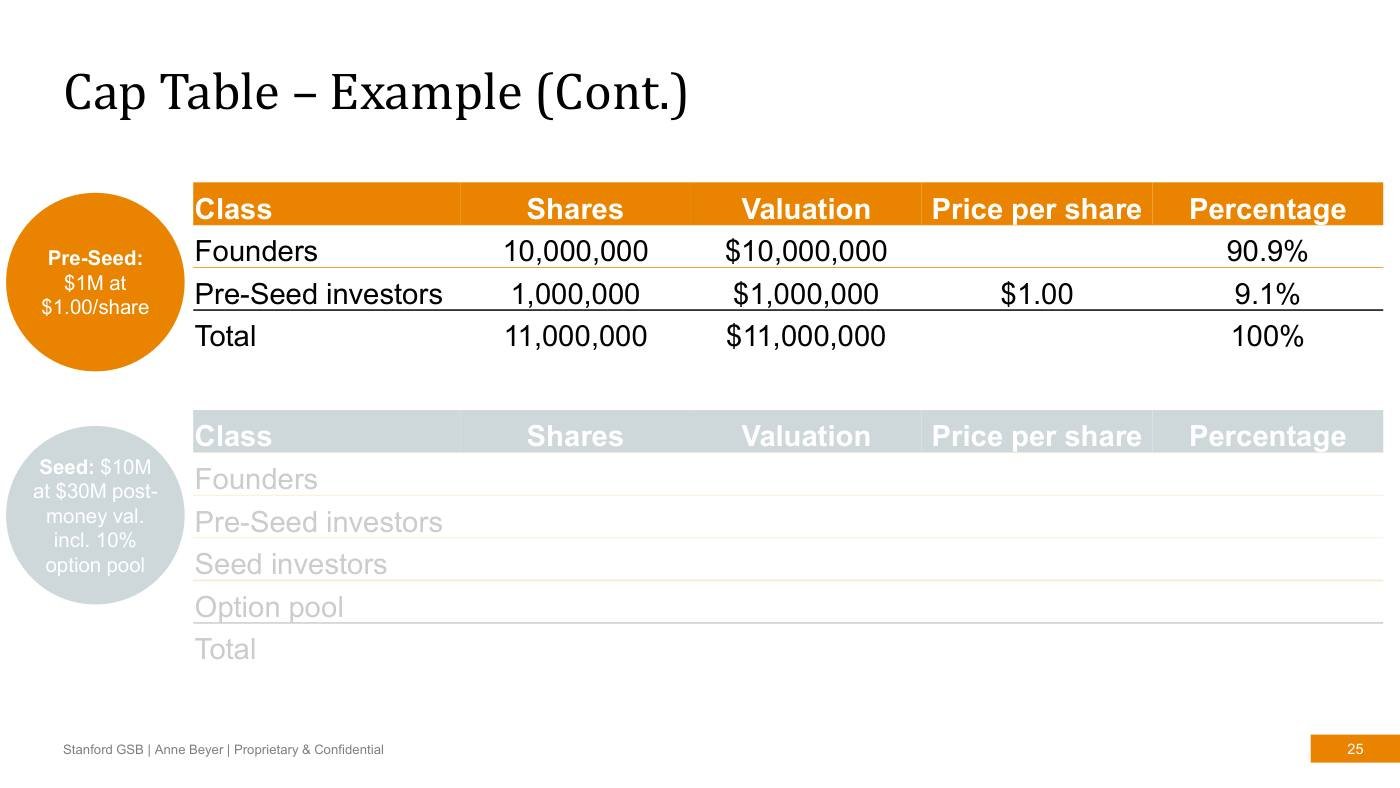
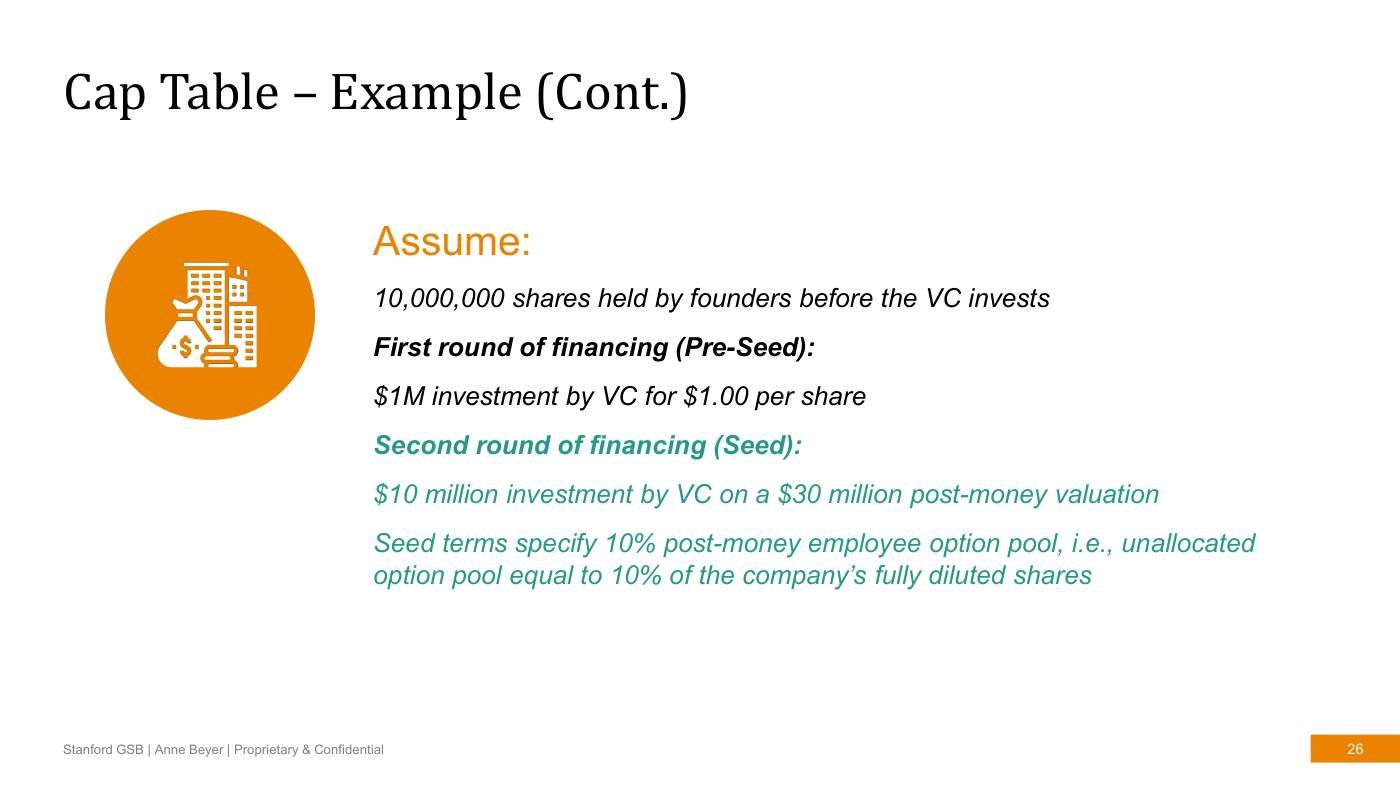
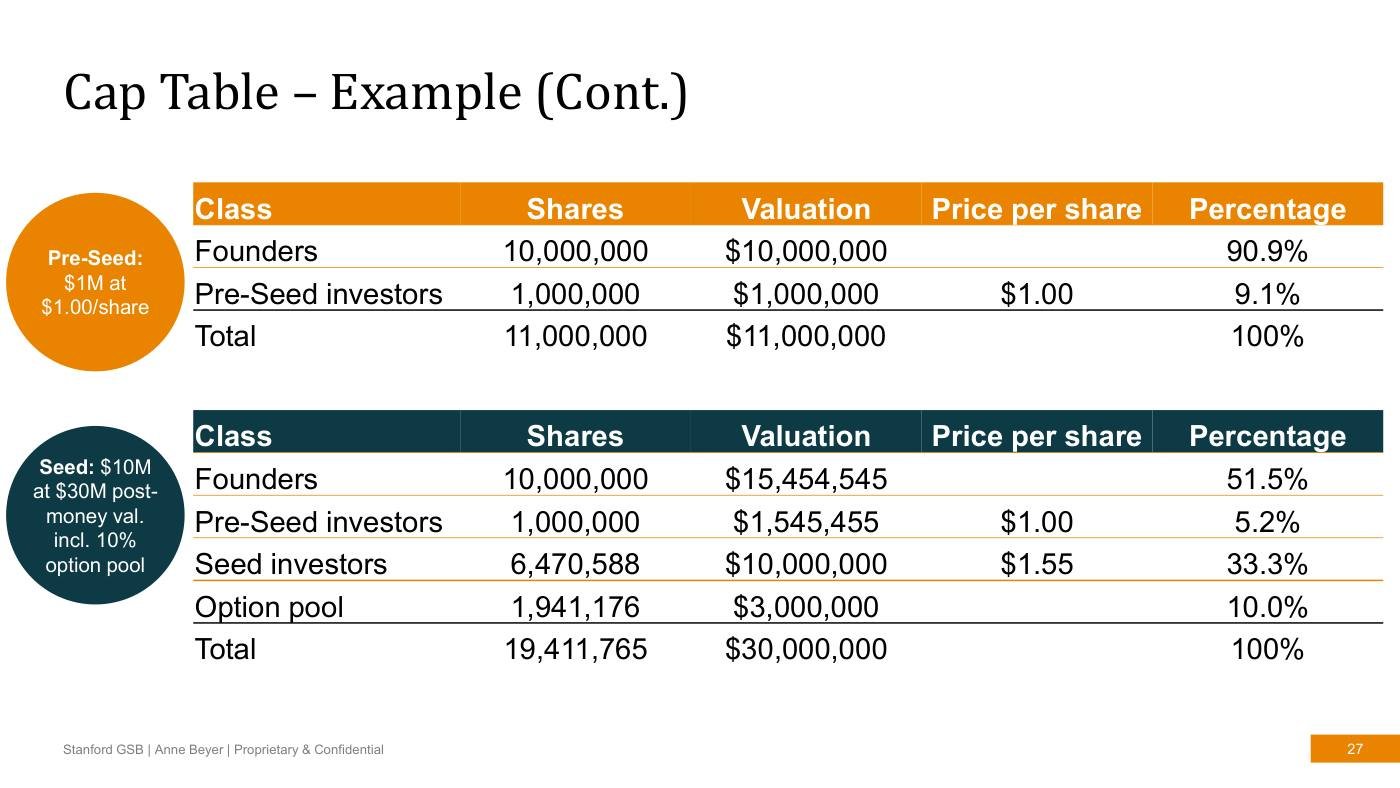
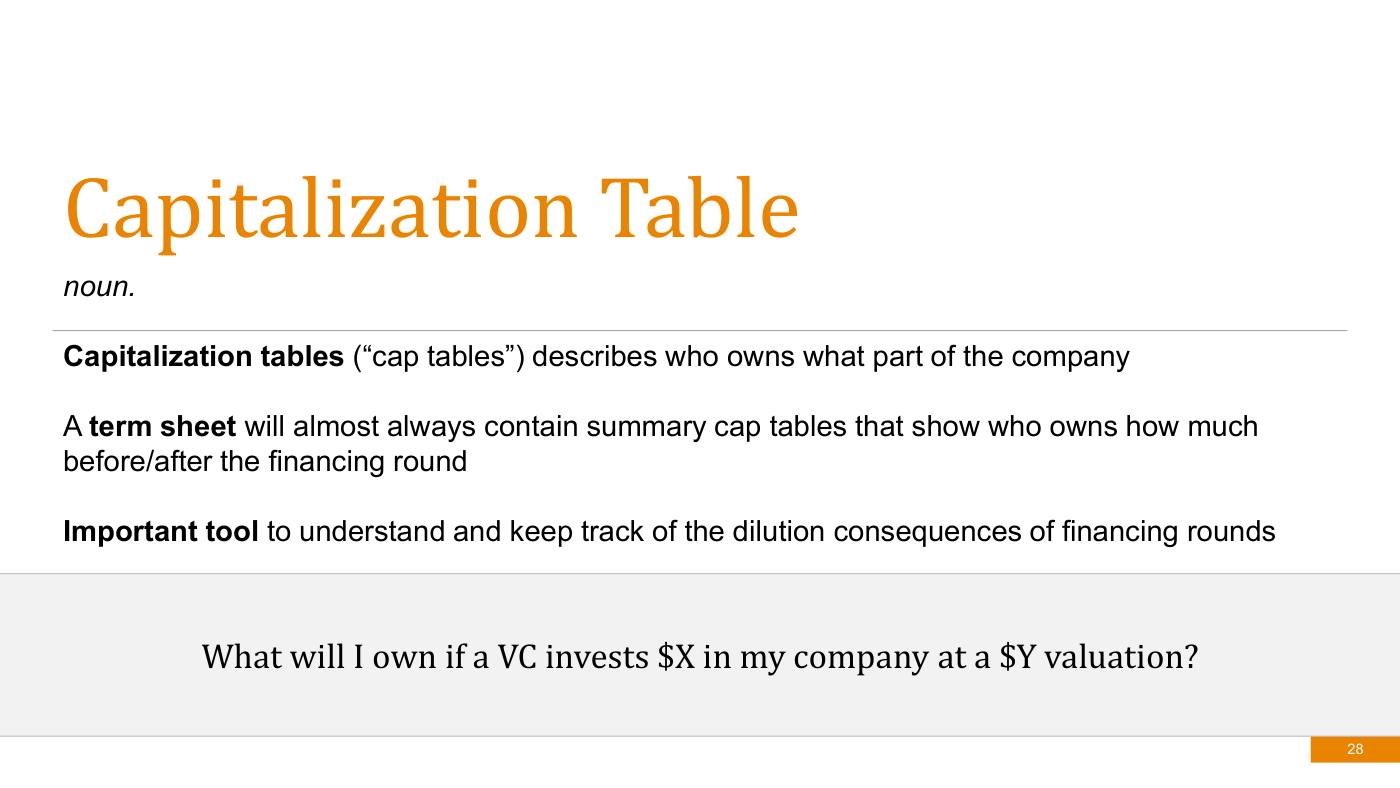
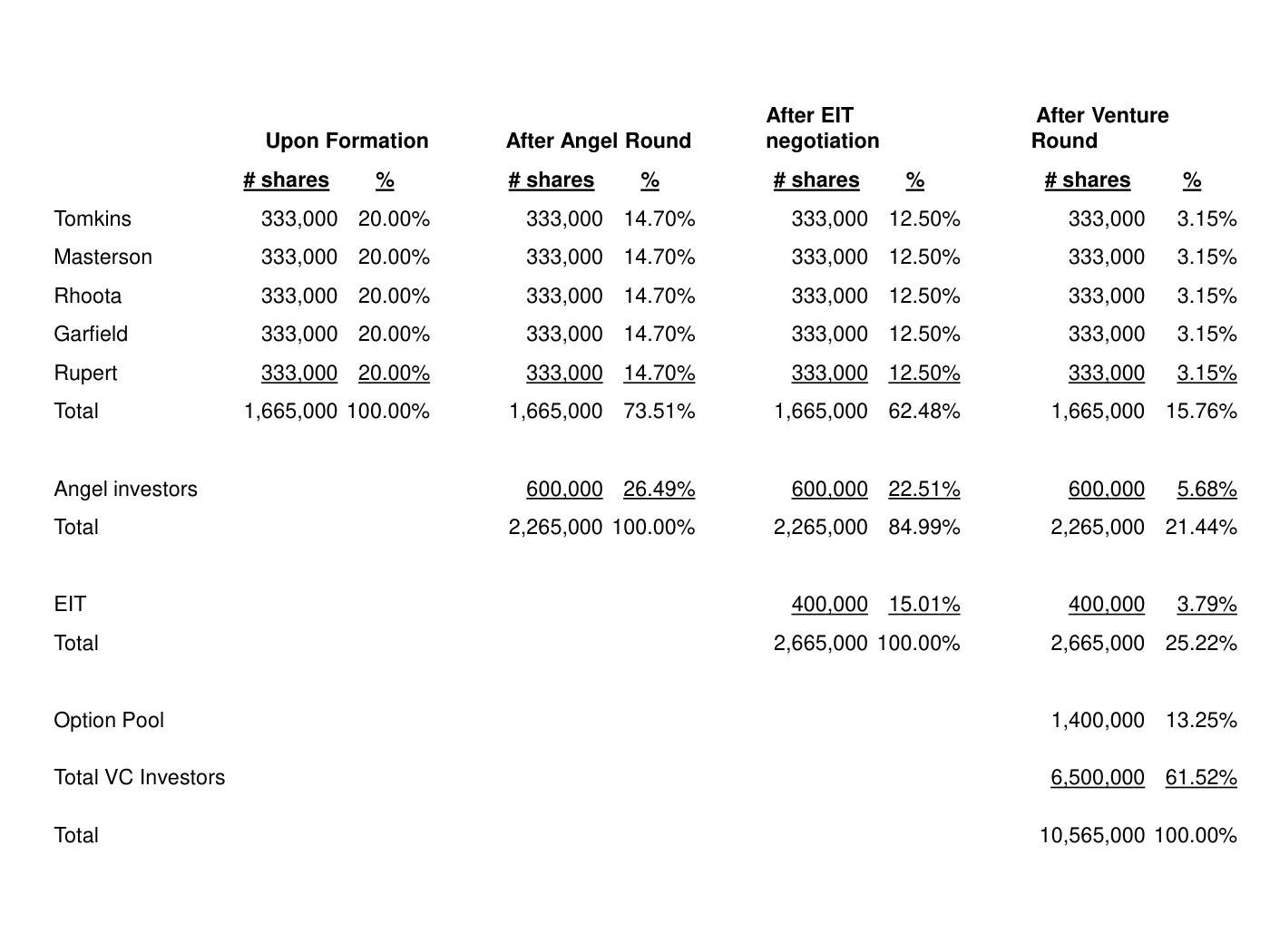
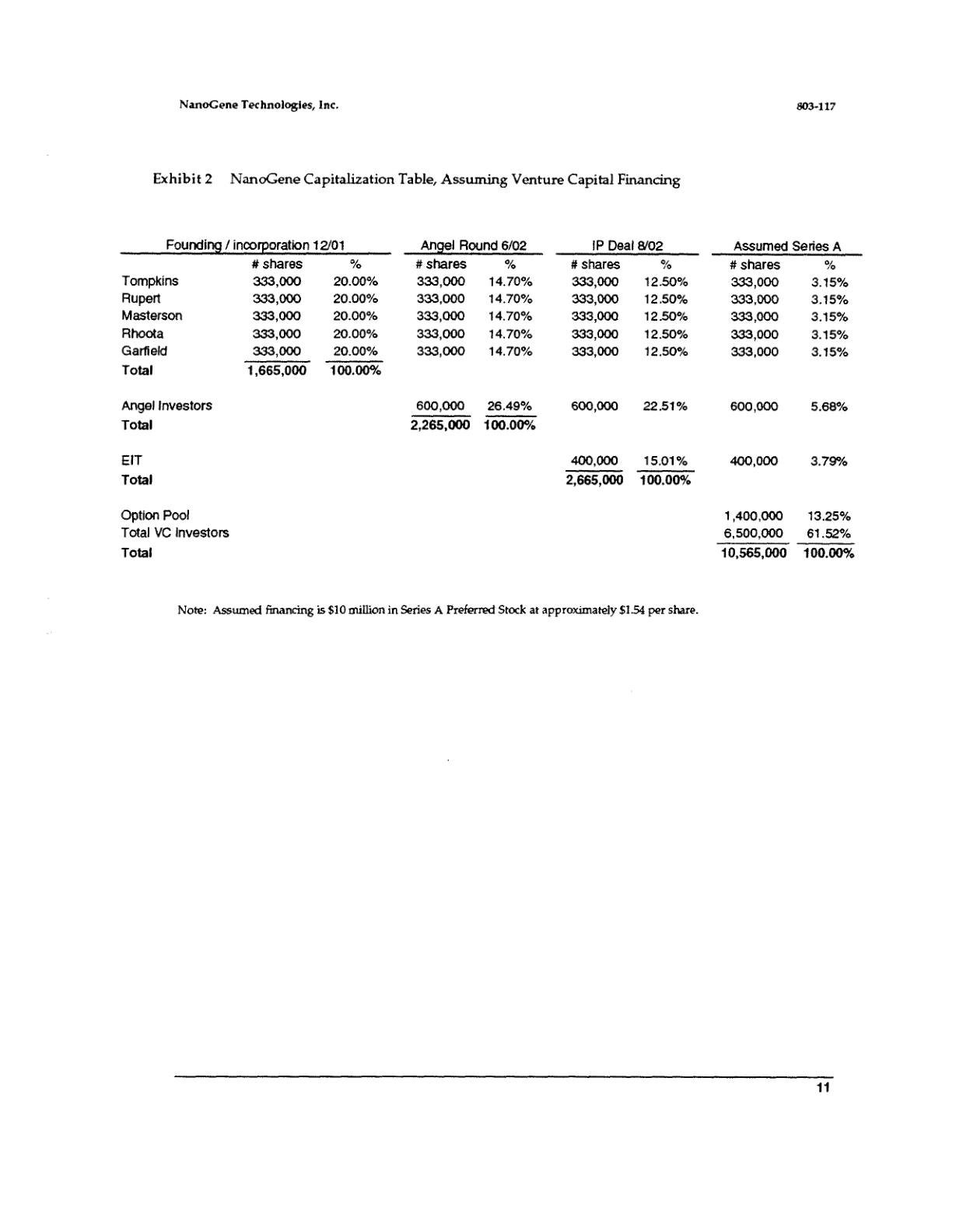
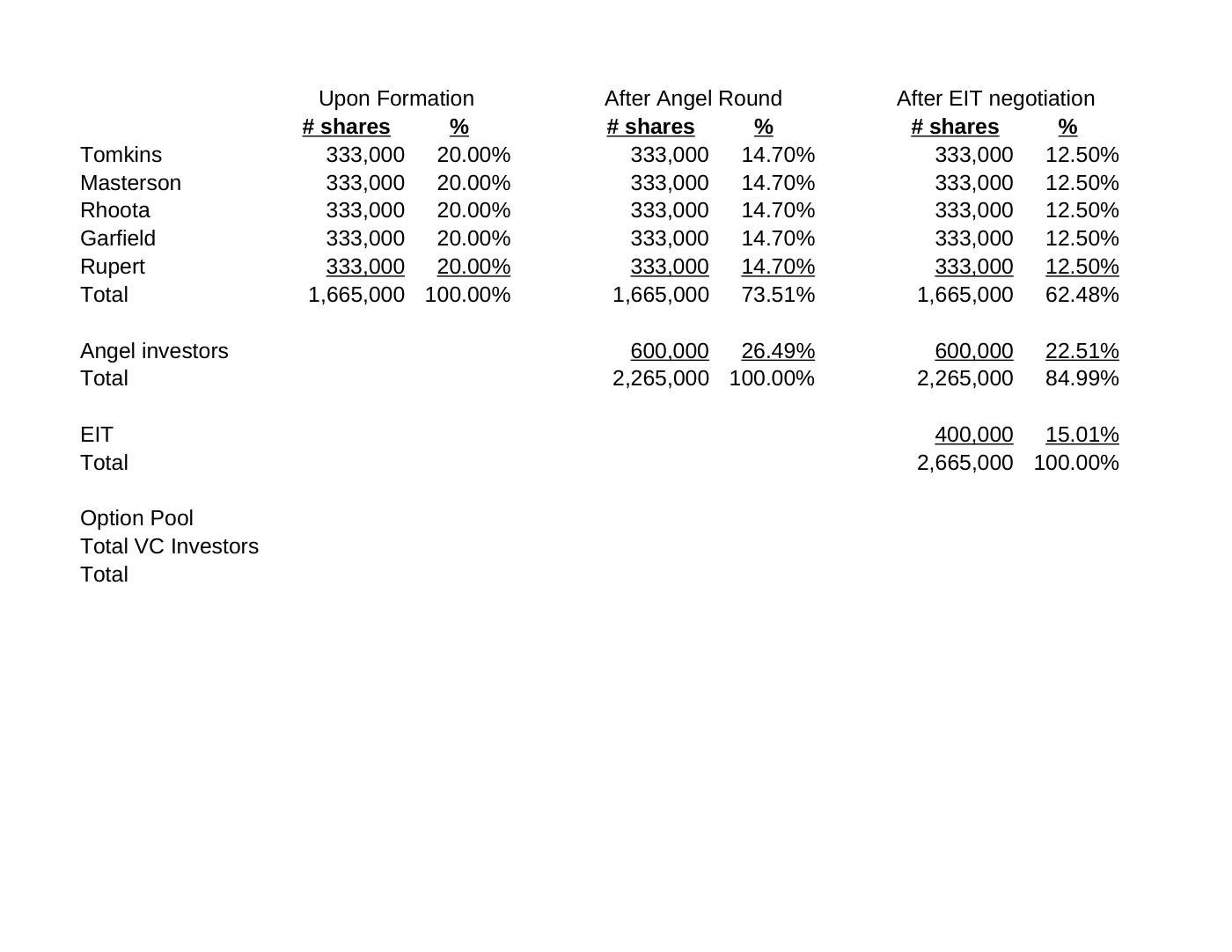
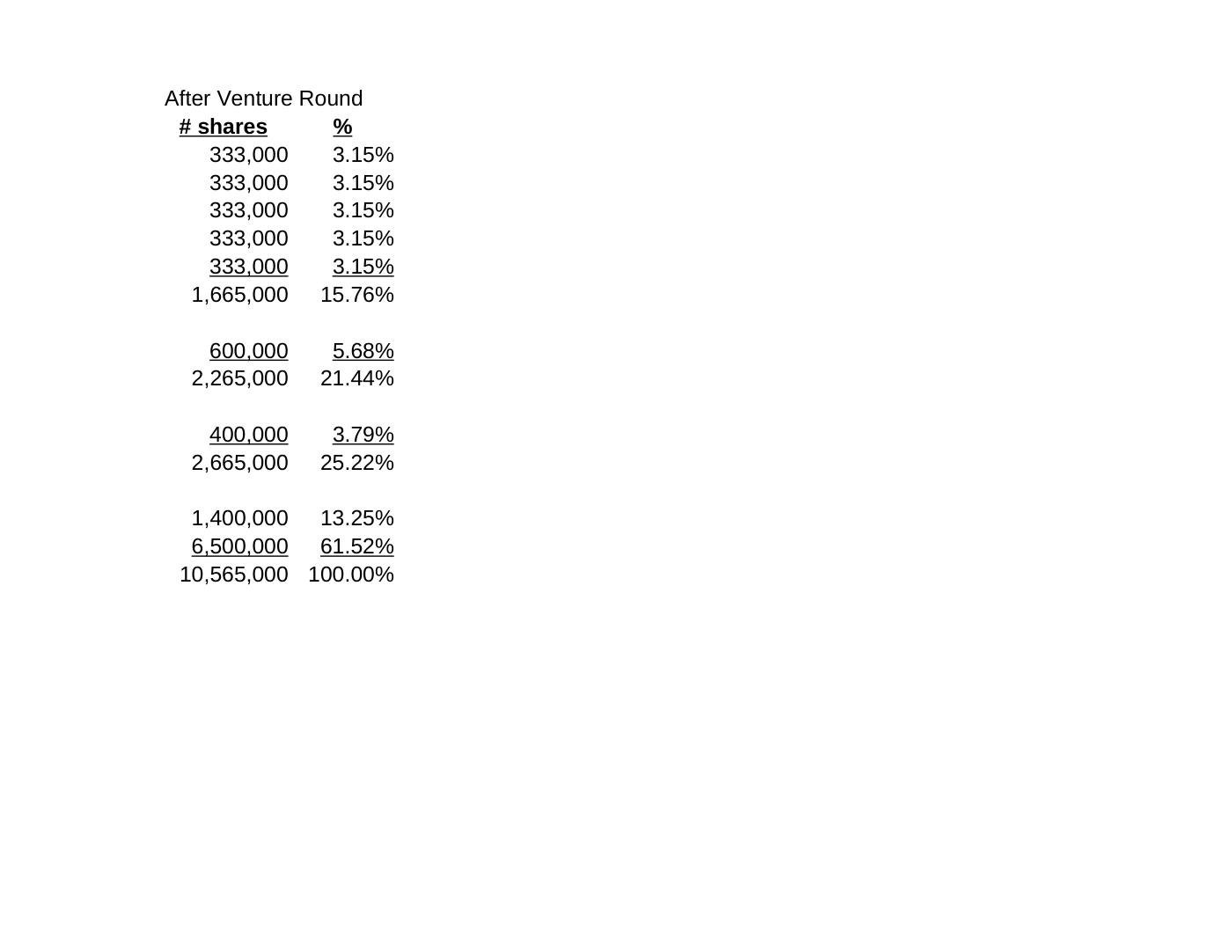
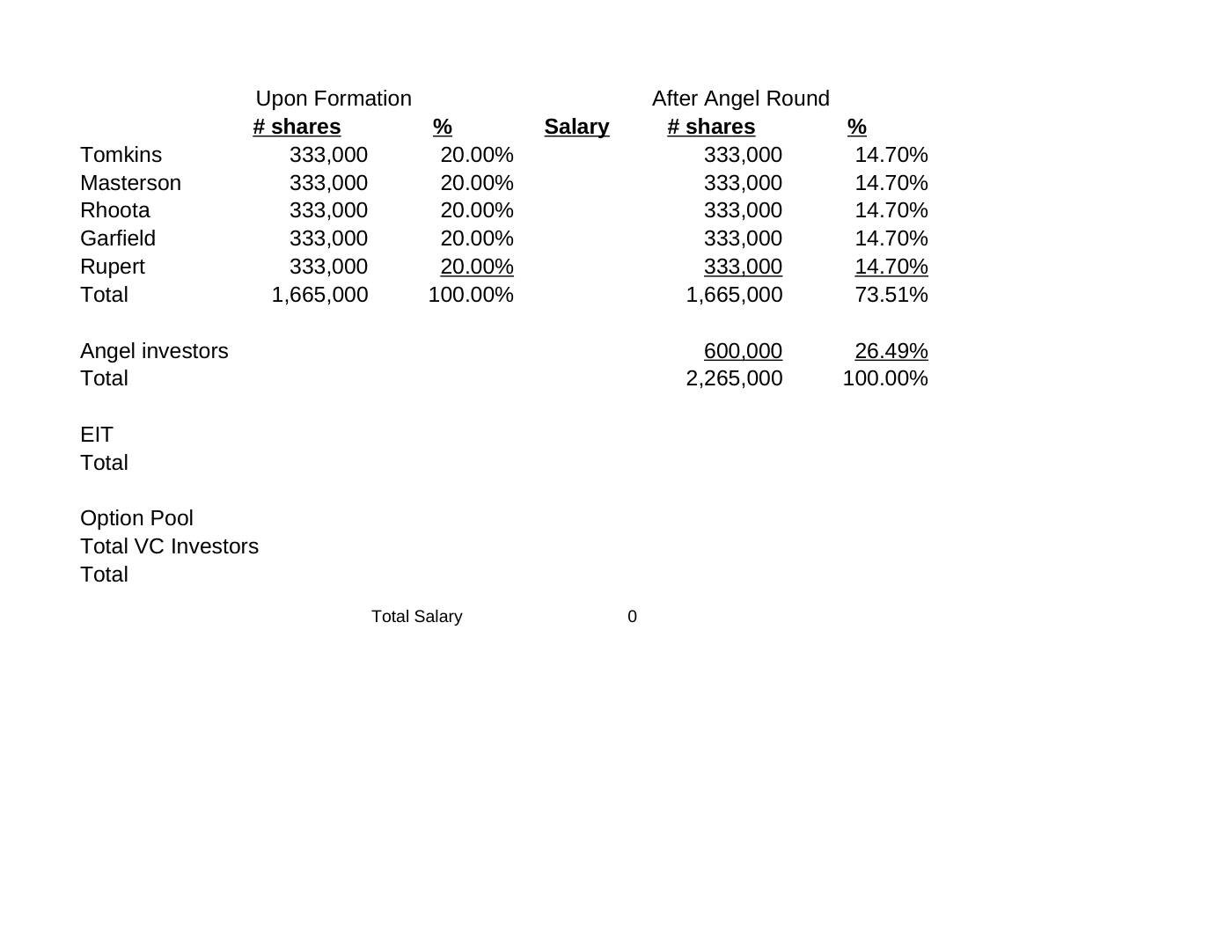
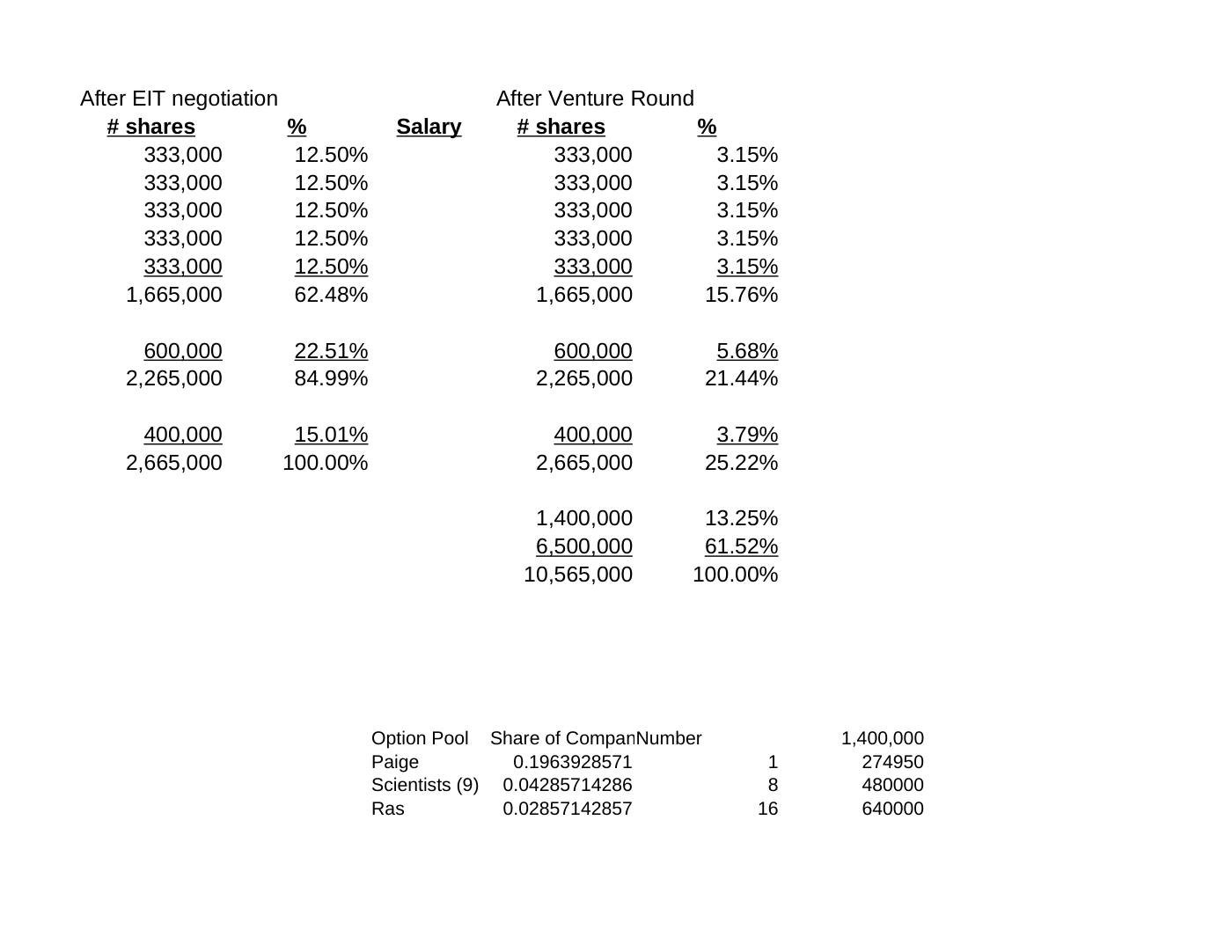
Who owns what after a priced round and an option pool?
Relay · Build Relay's seed cap table
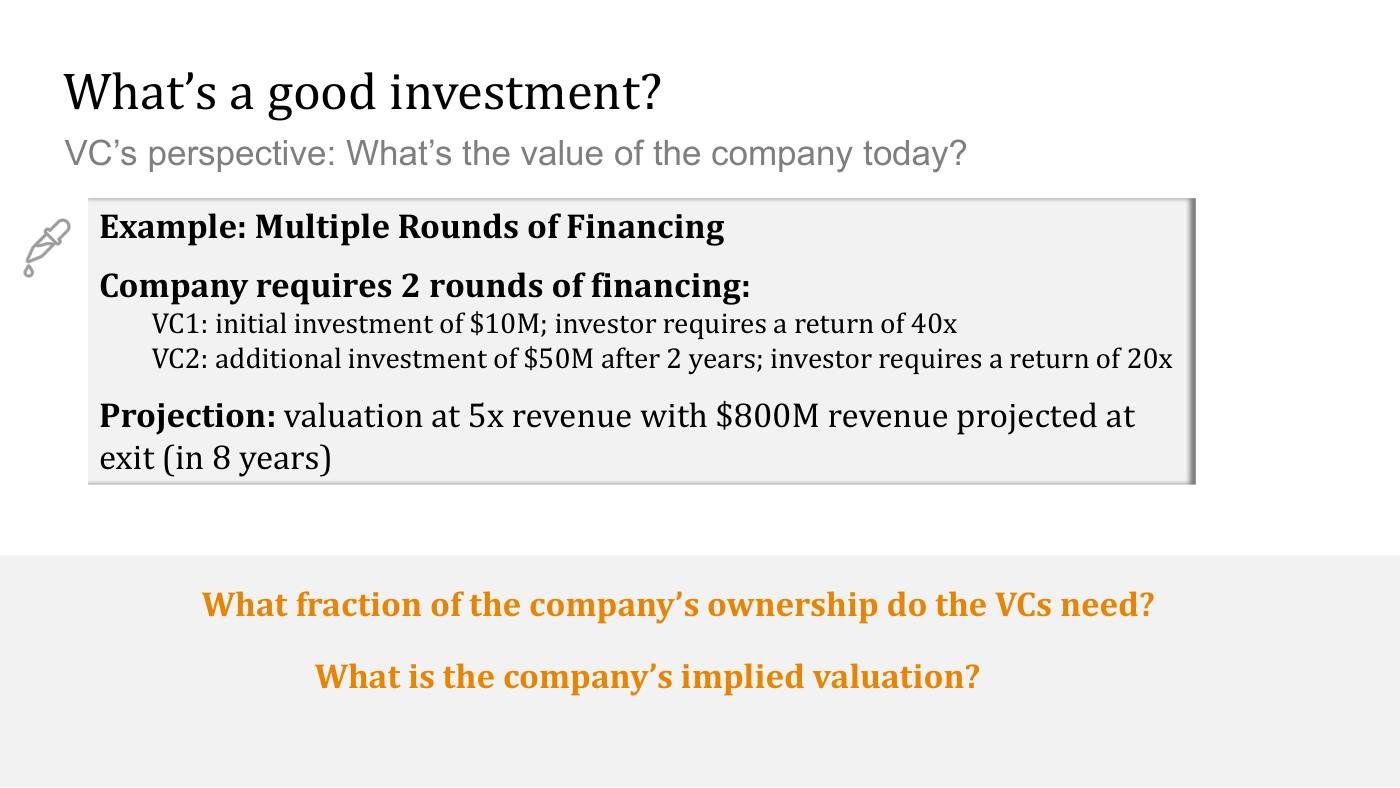
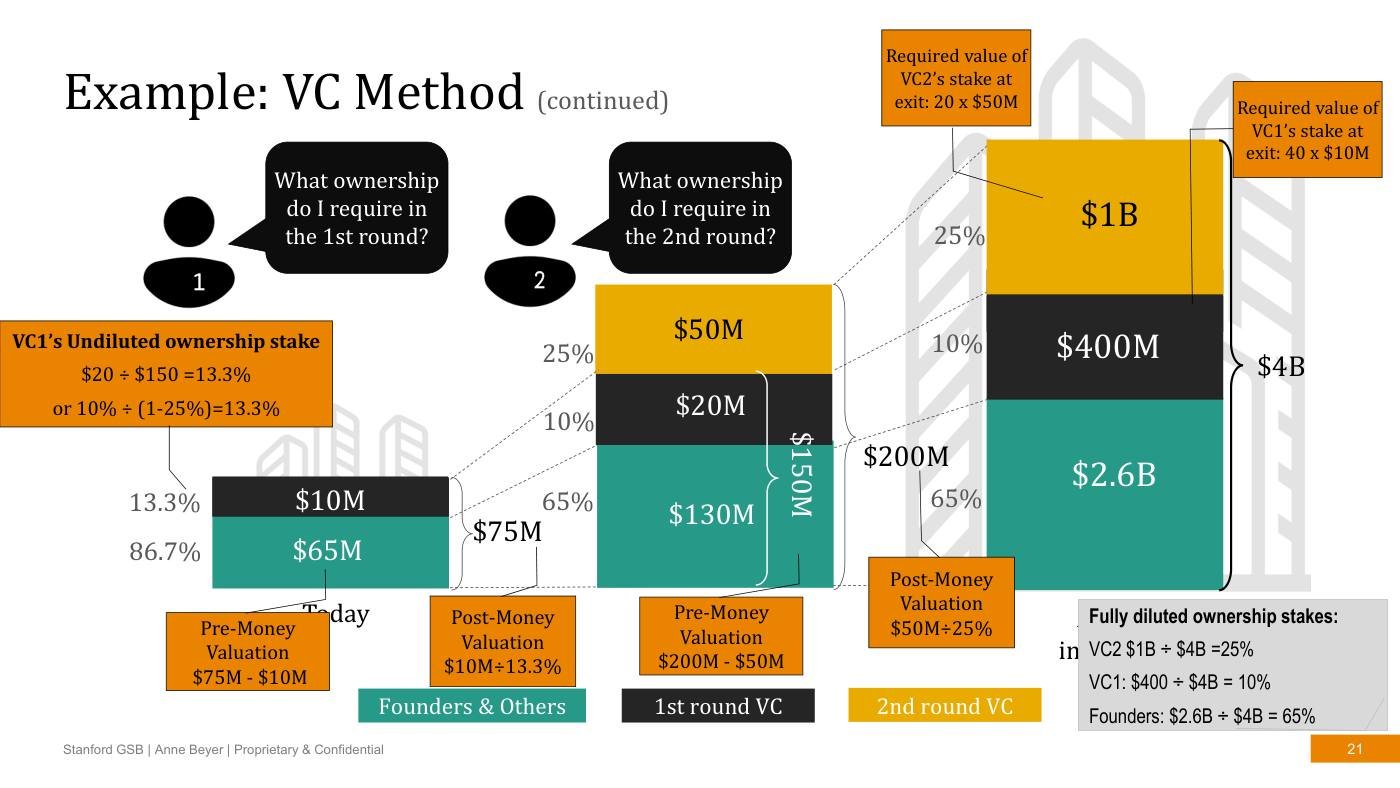
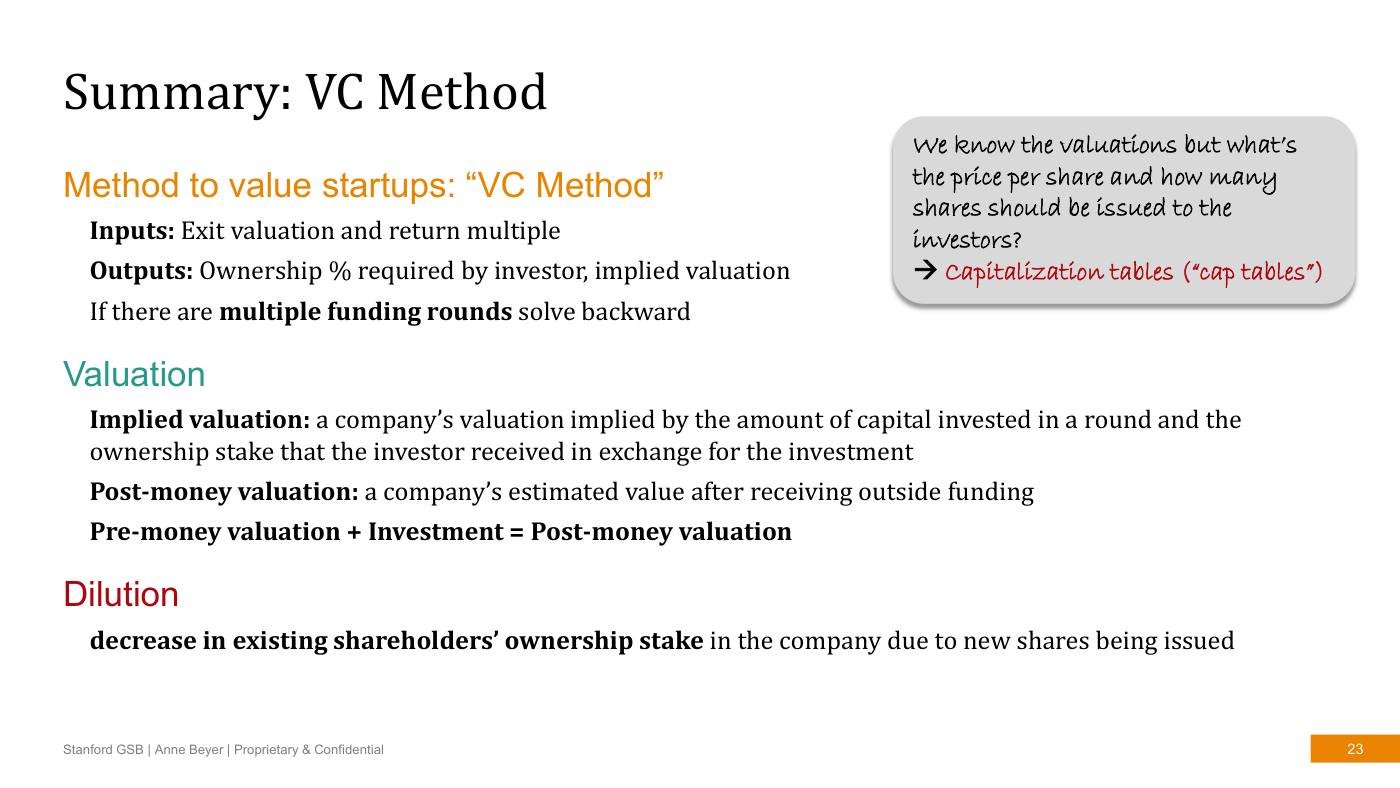
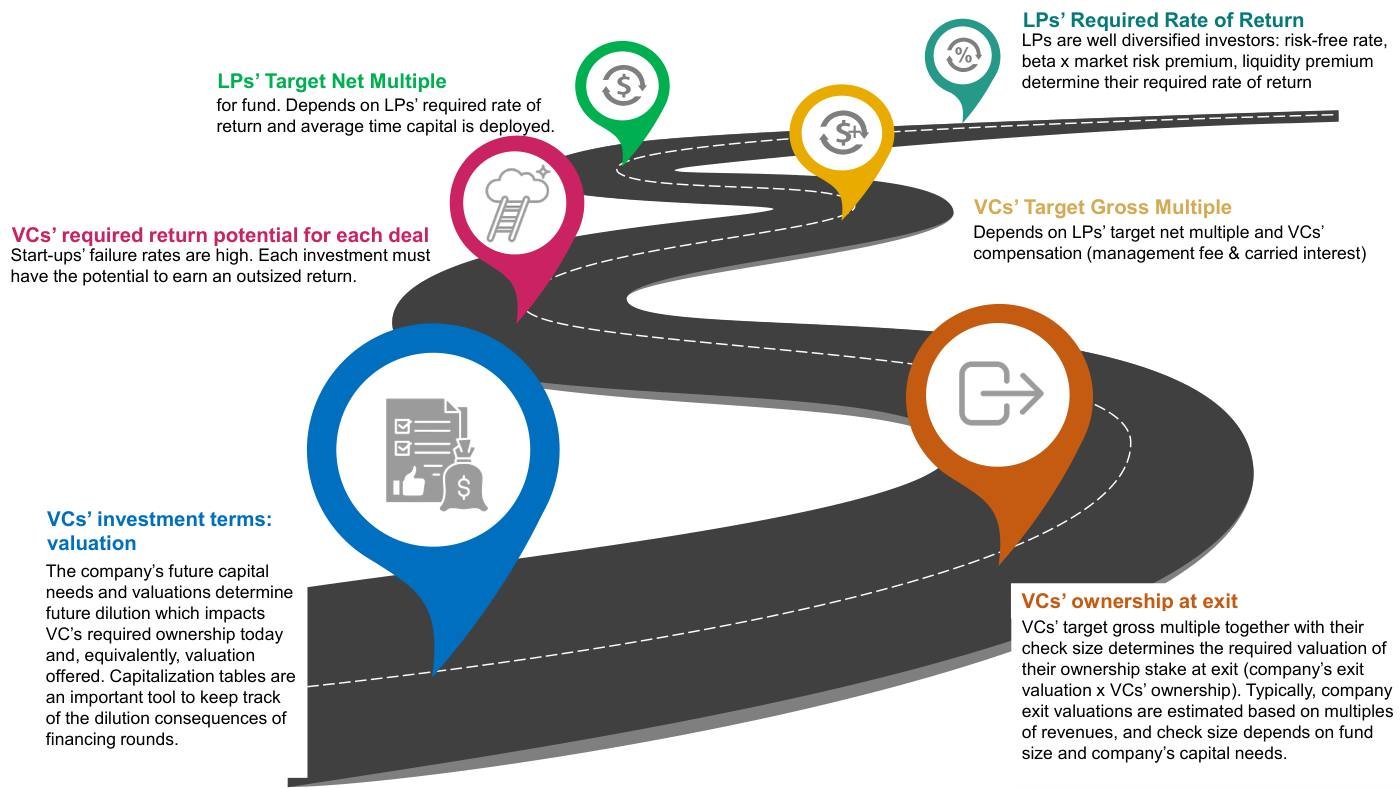
How do later rounds change today’s ownership requirement?
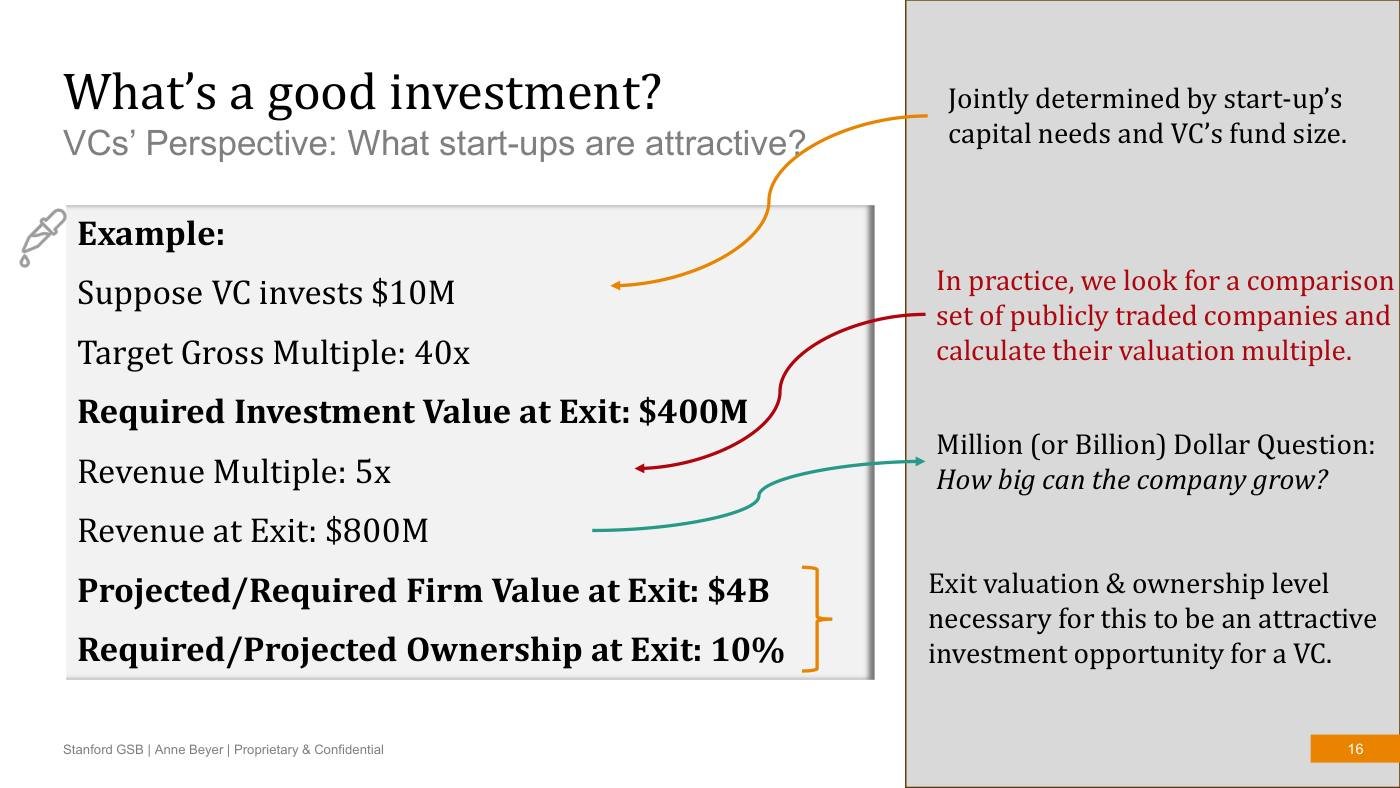
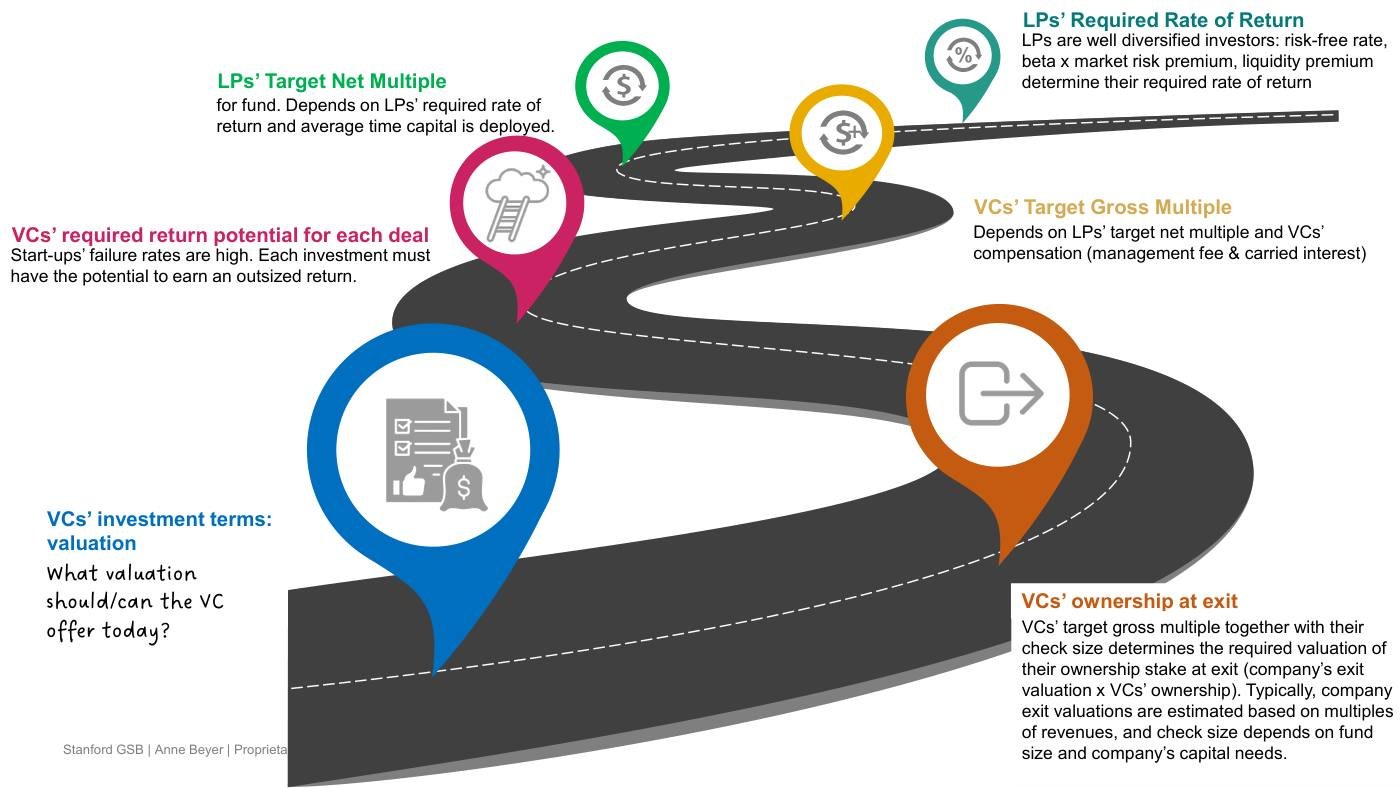
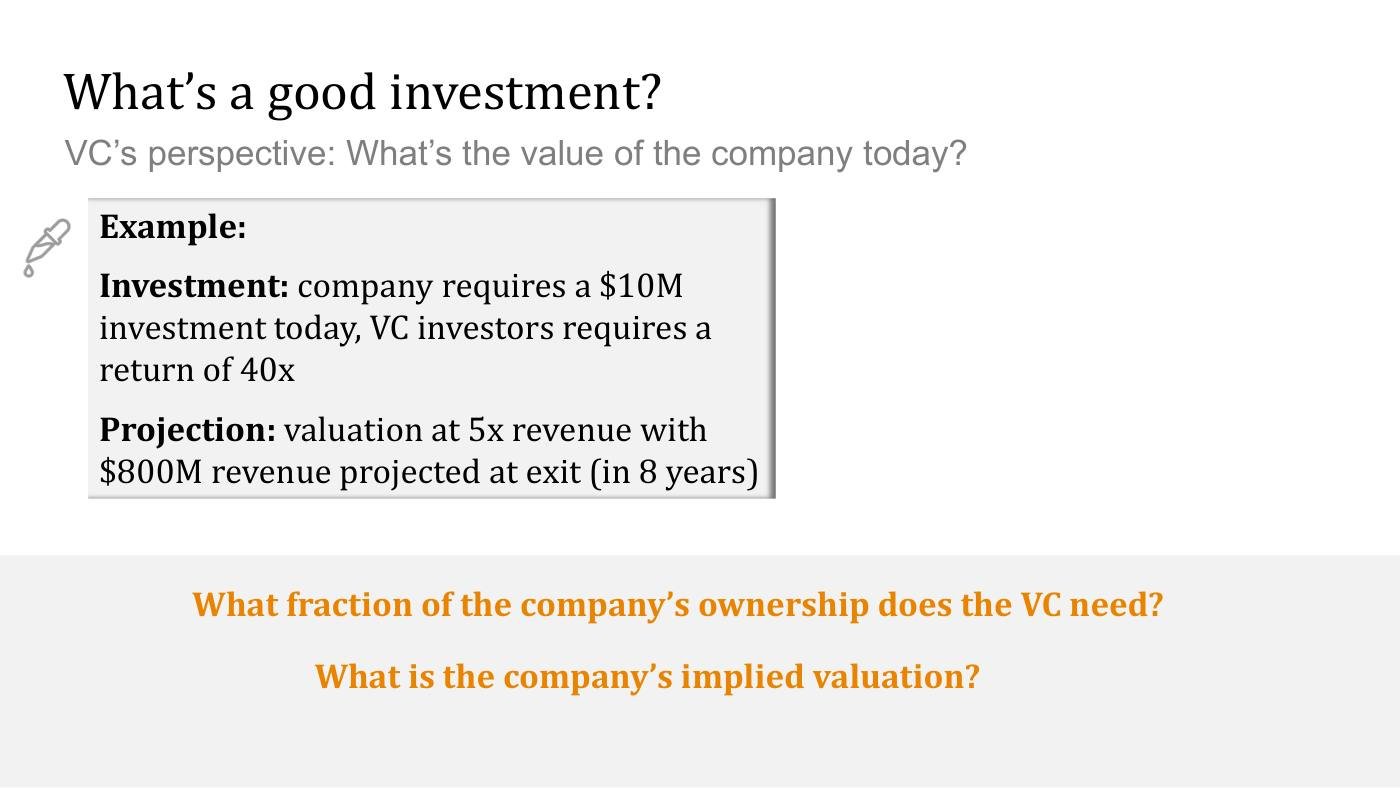
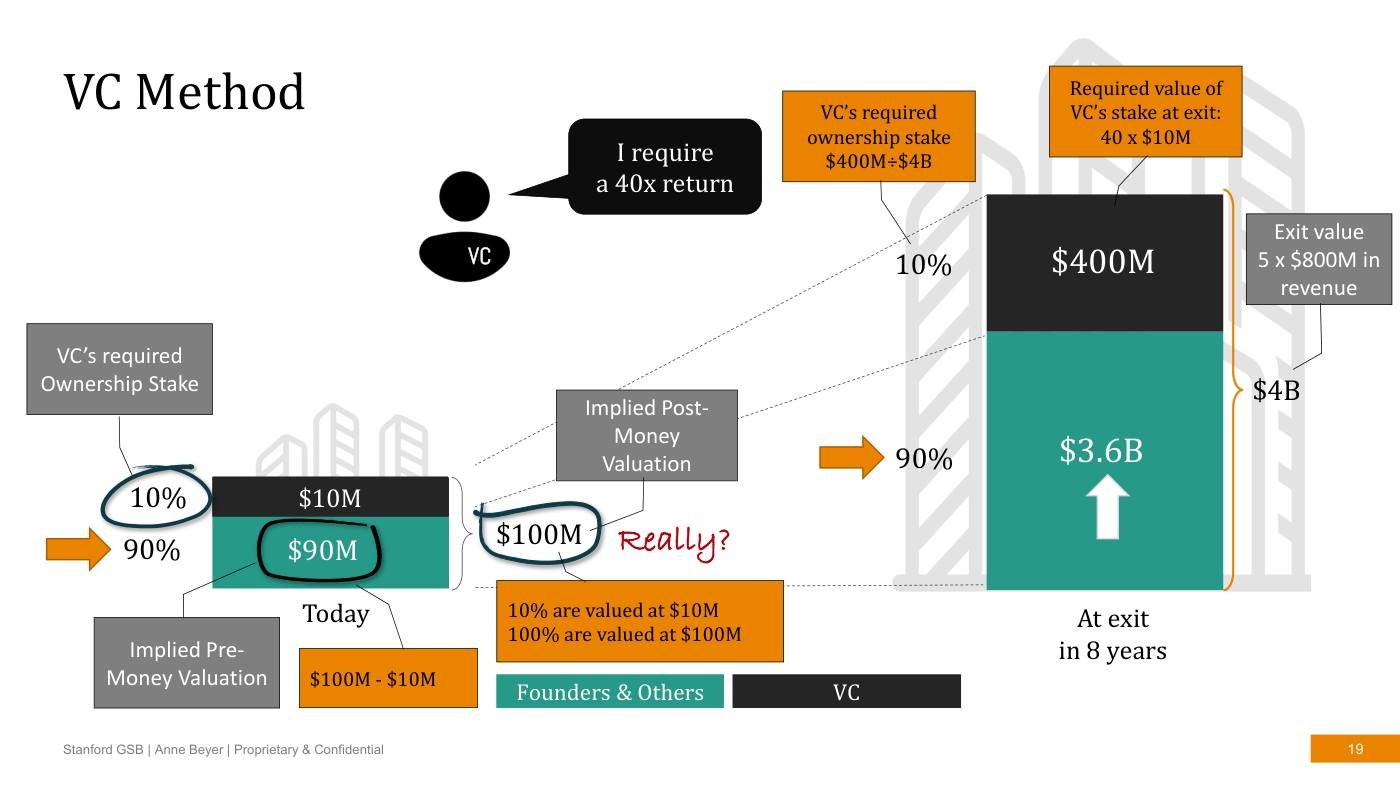
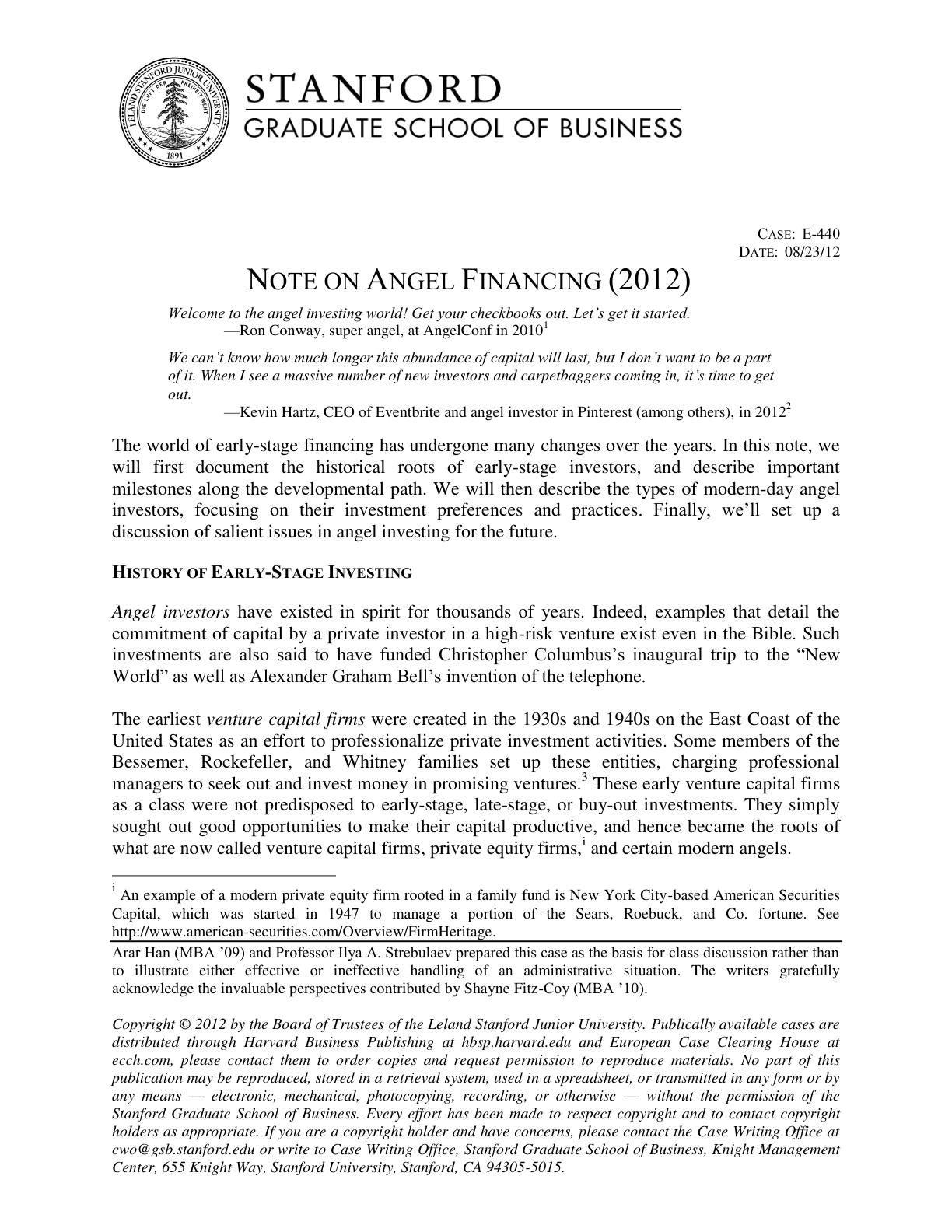
Relay · Price Relay's Series A with the VC method
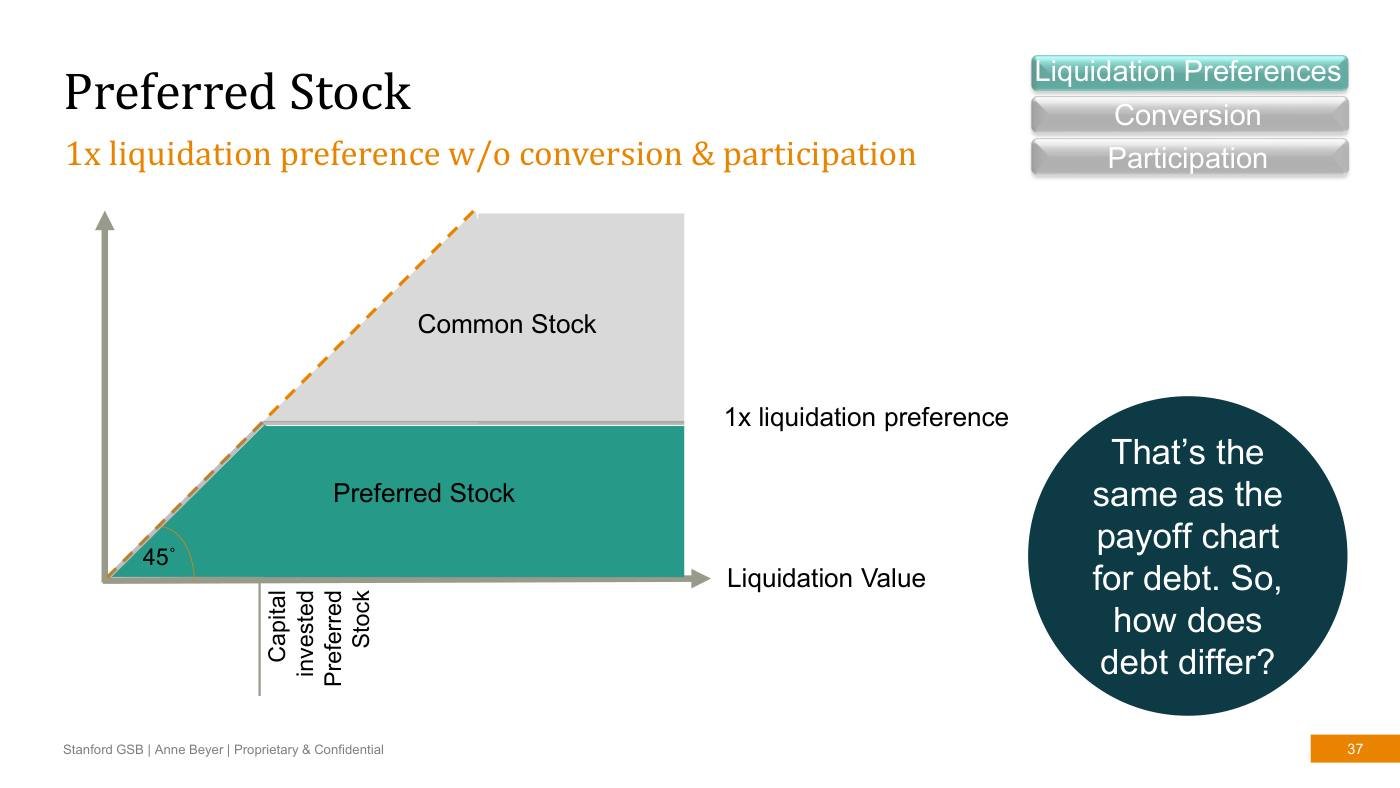
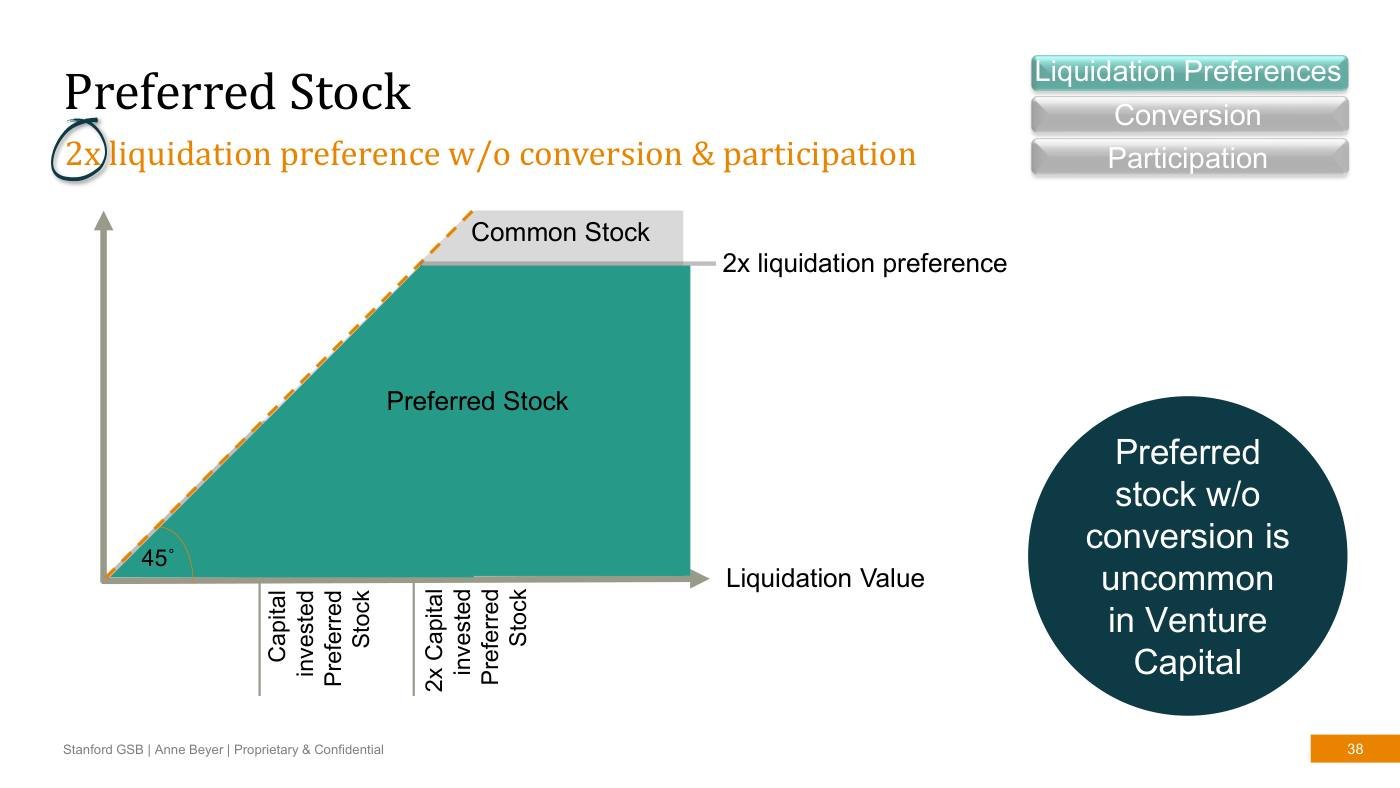
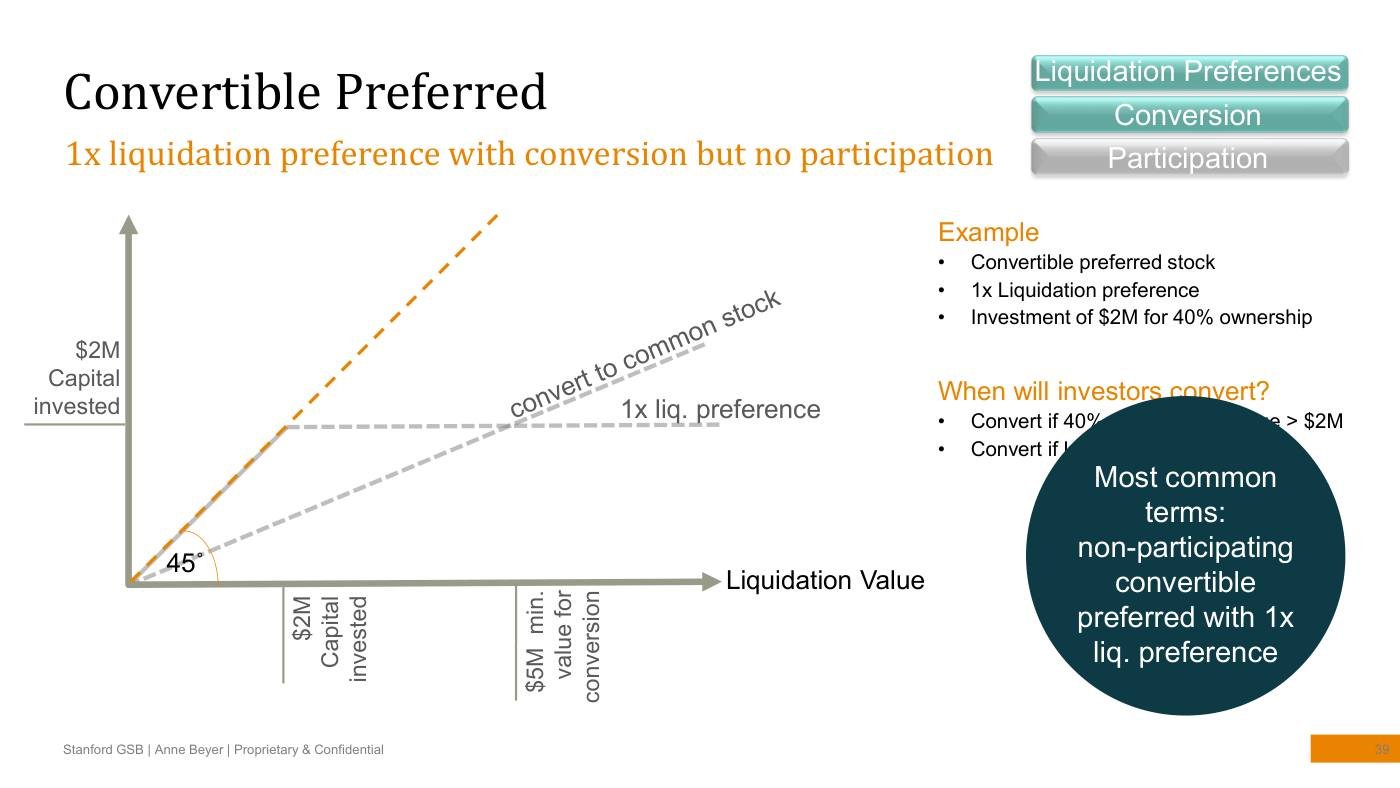
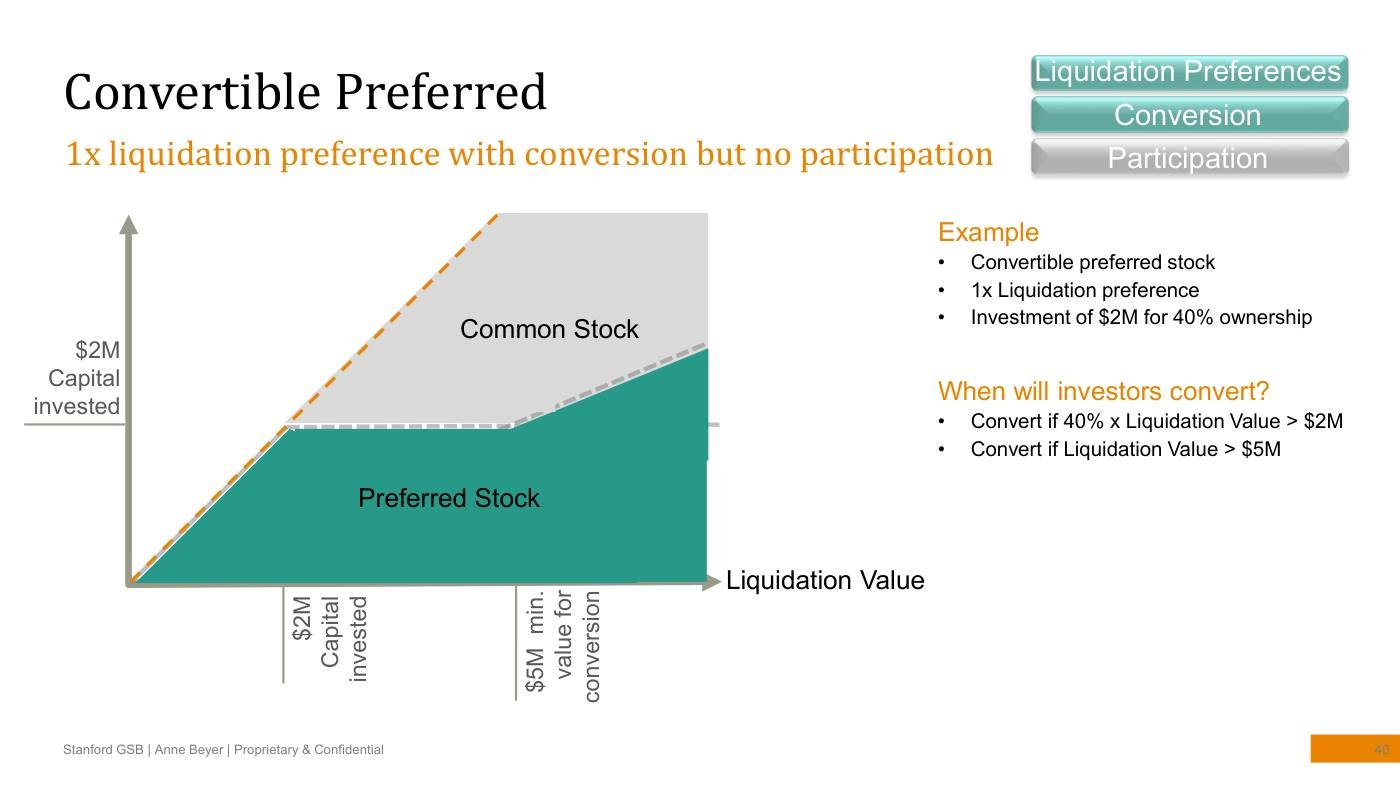
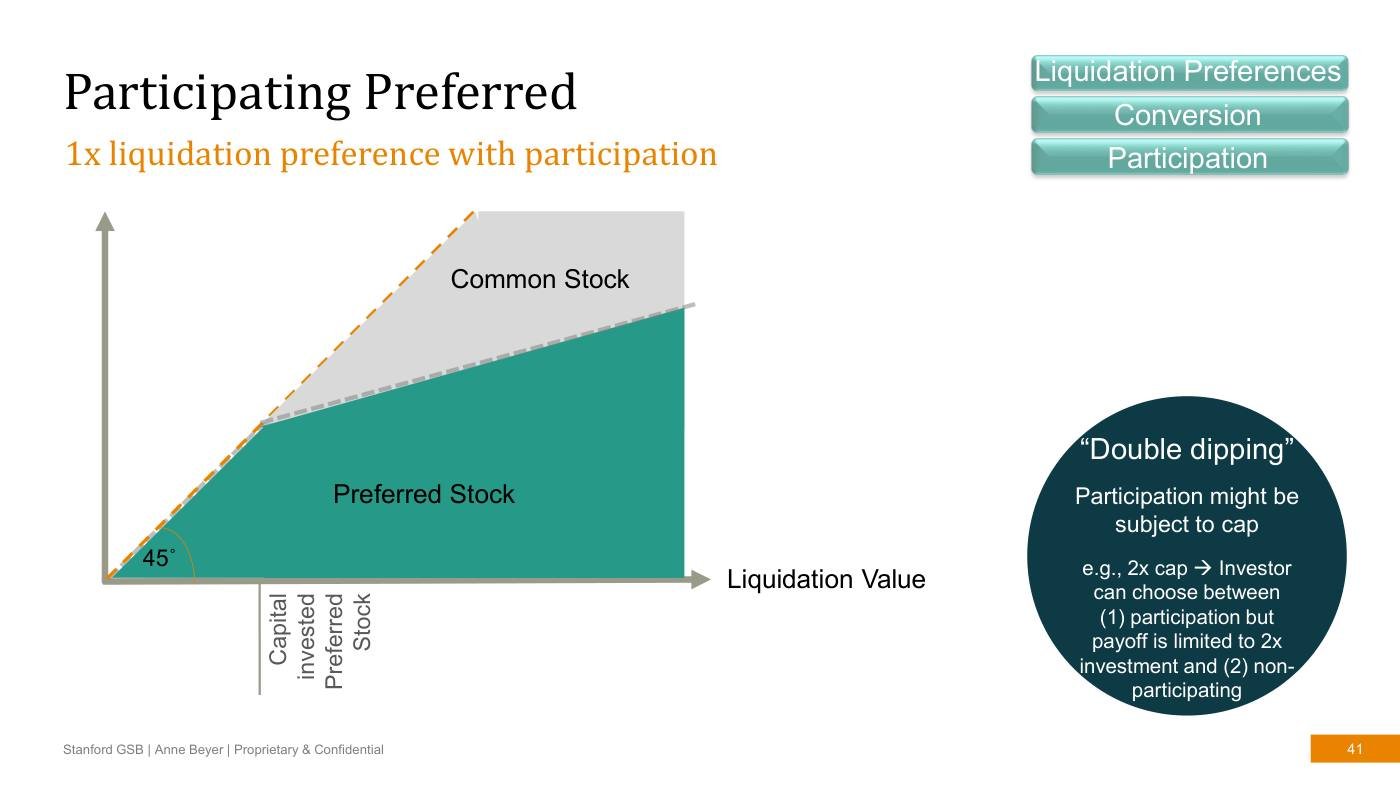
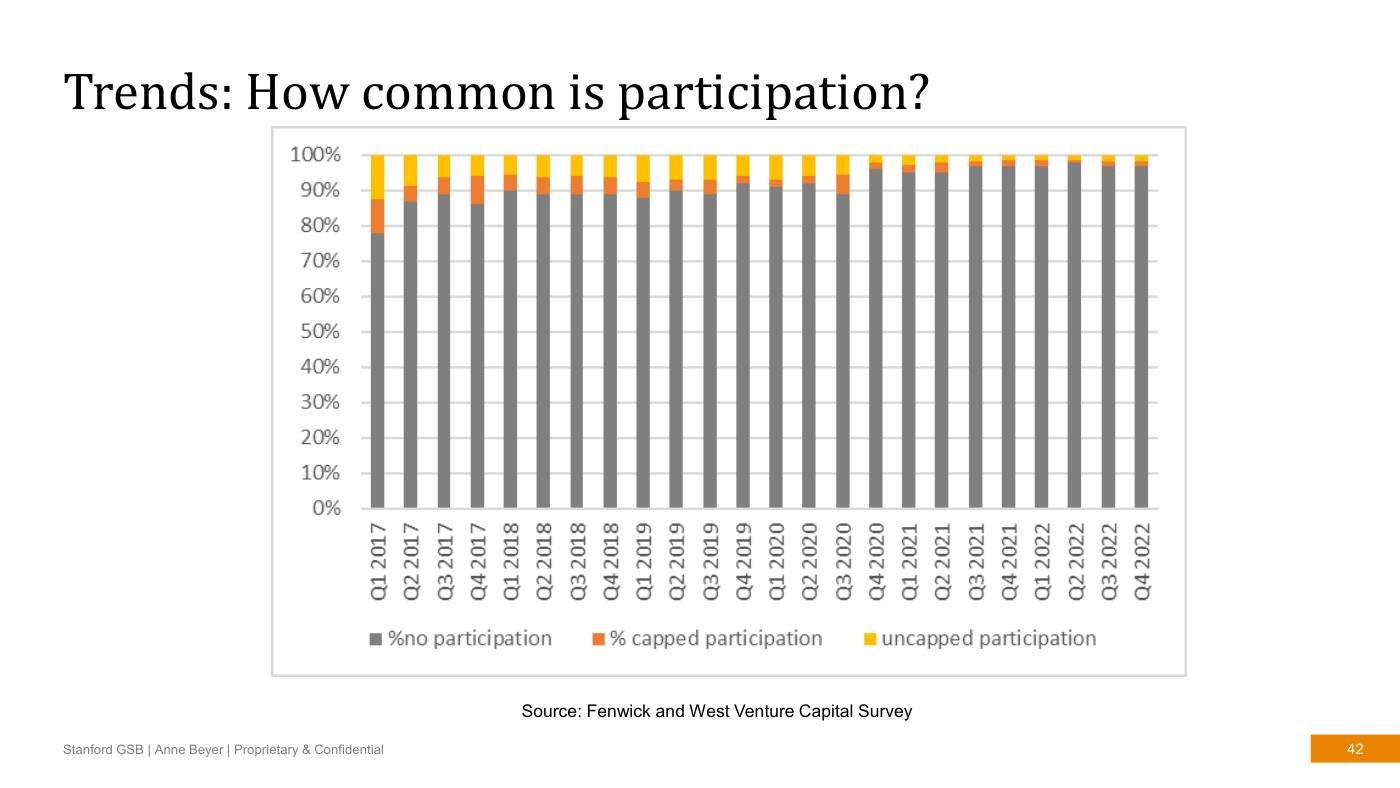
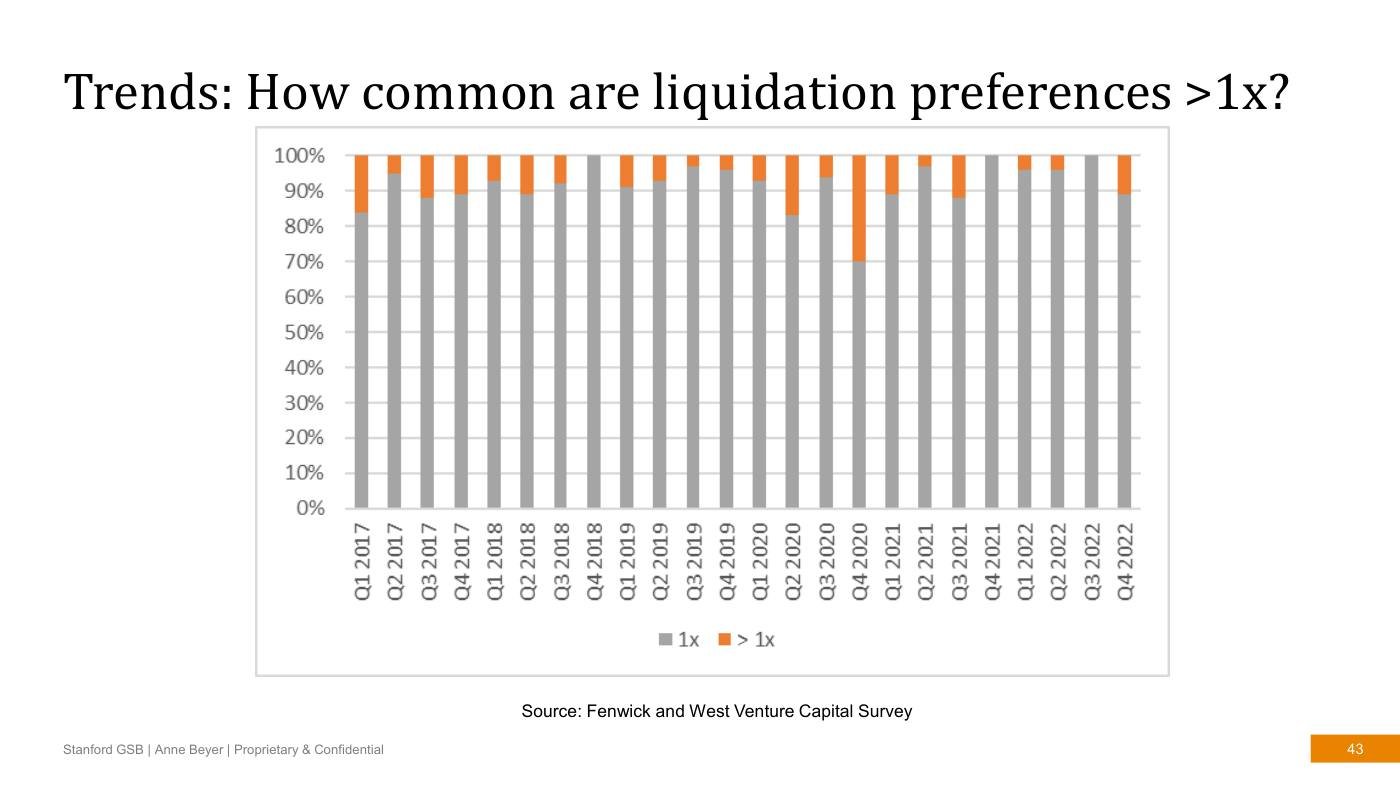
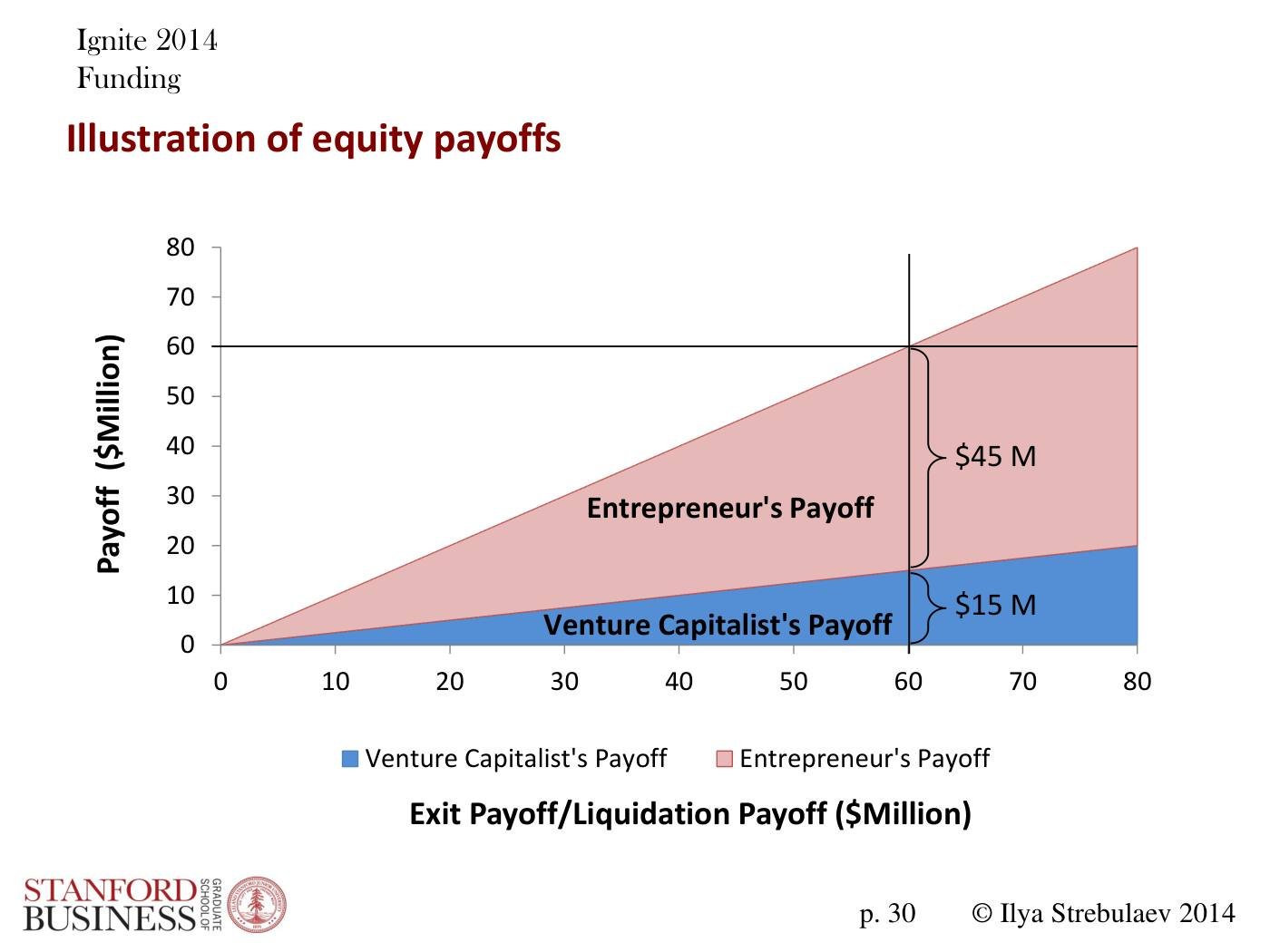
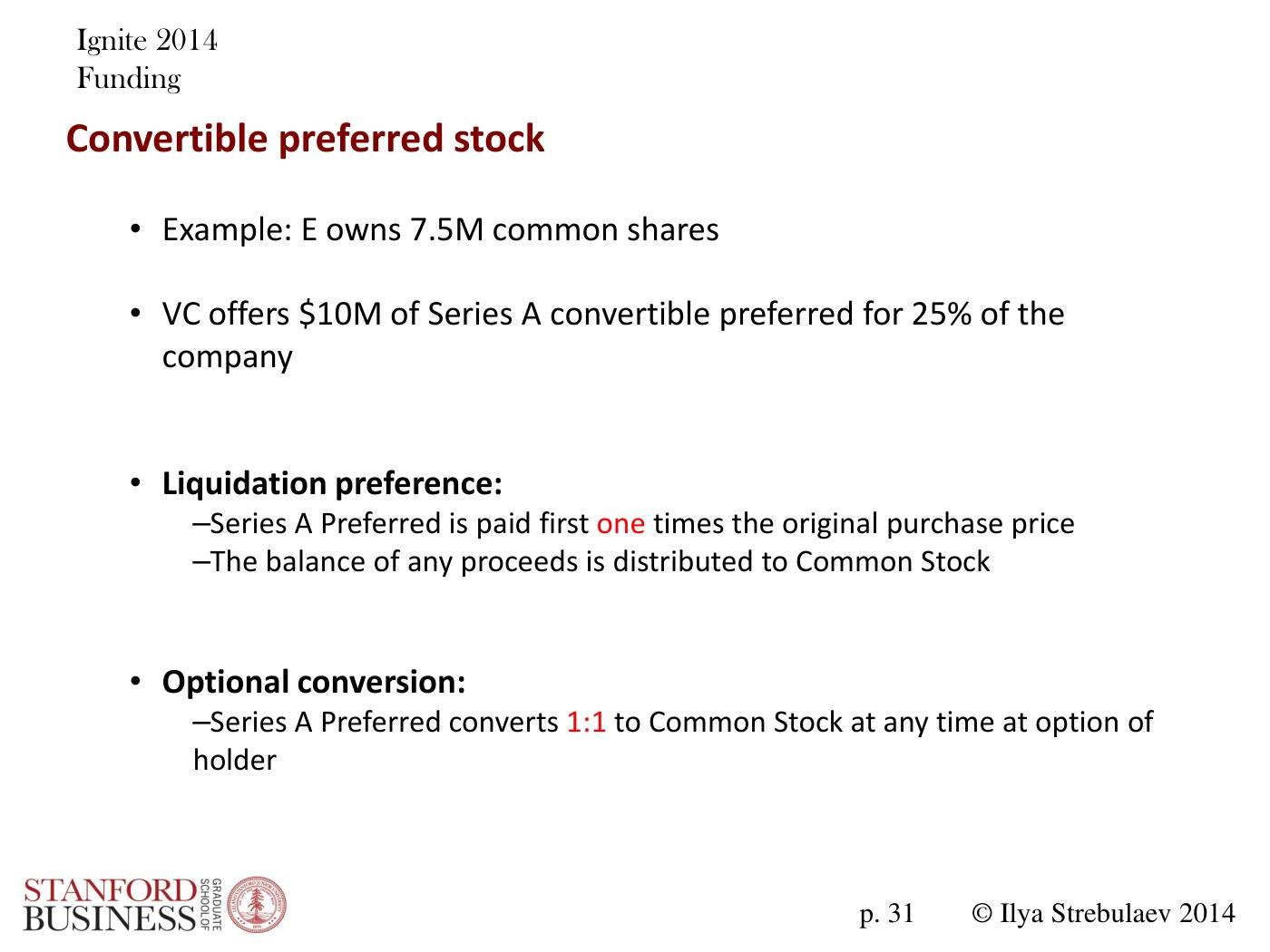
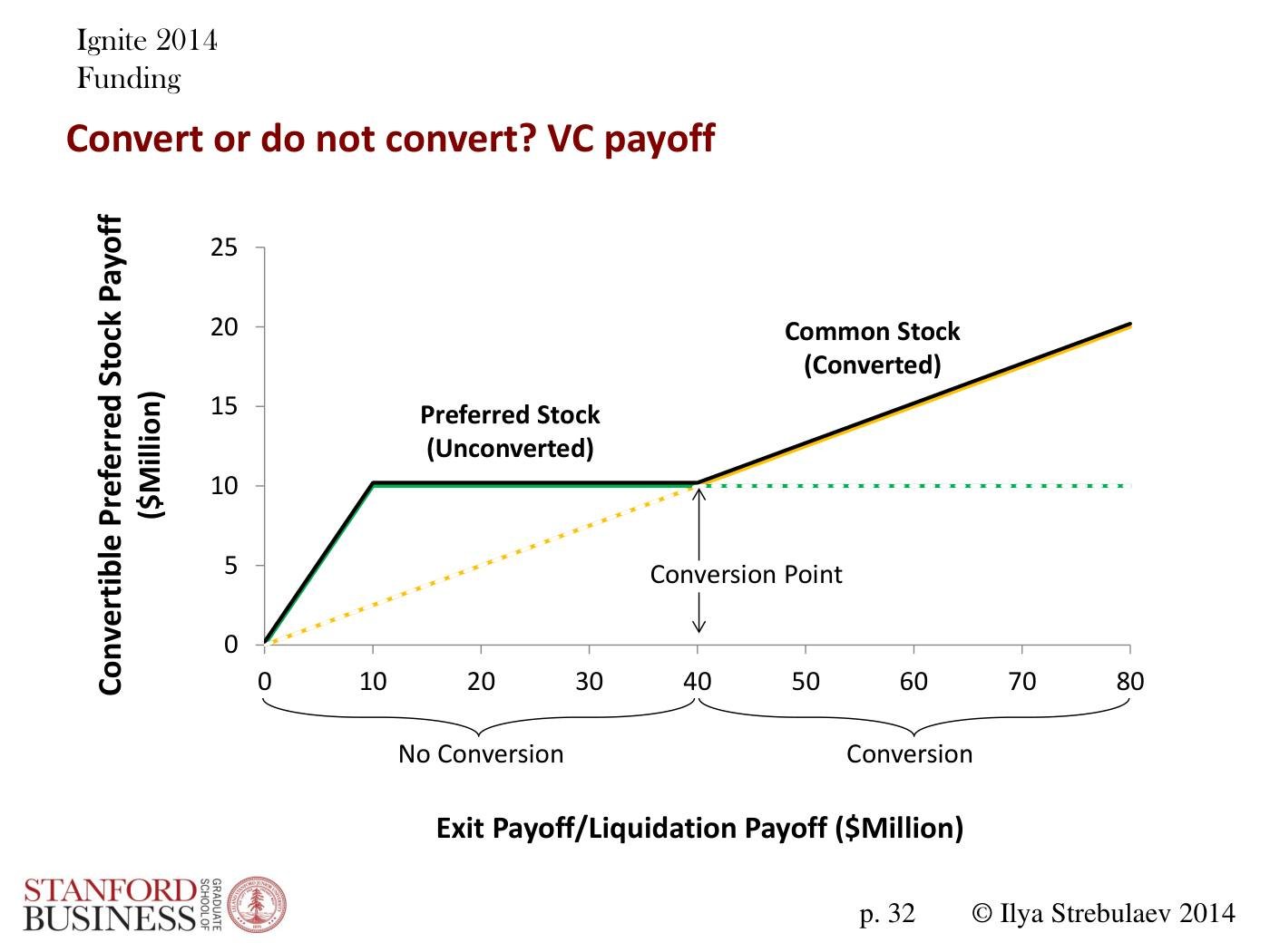
How do financing rights divide the exit proceeds?
Relay · Relay's three-exit waterfall
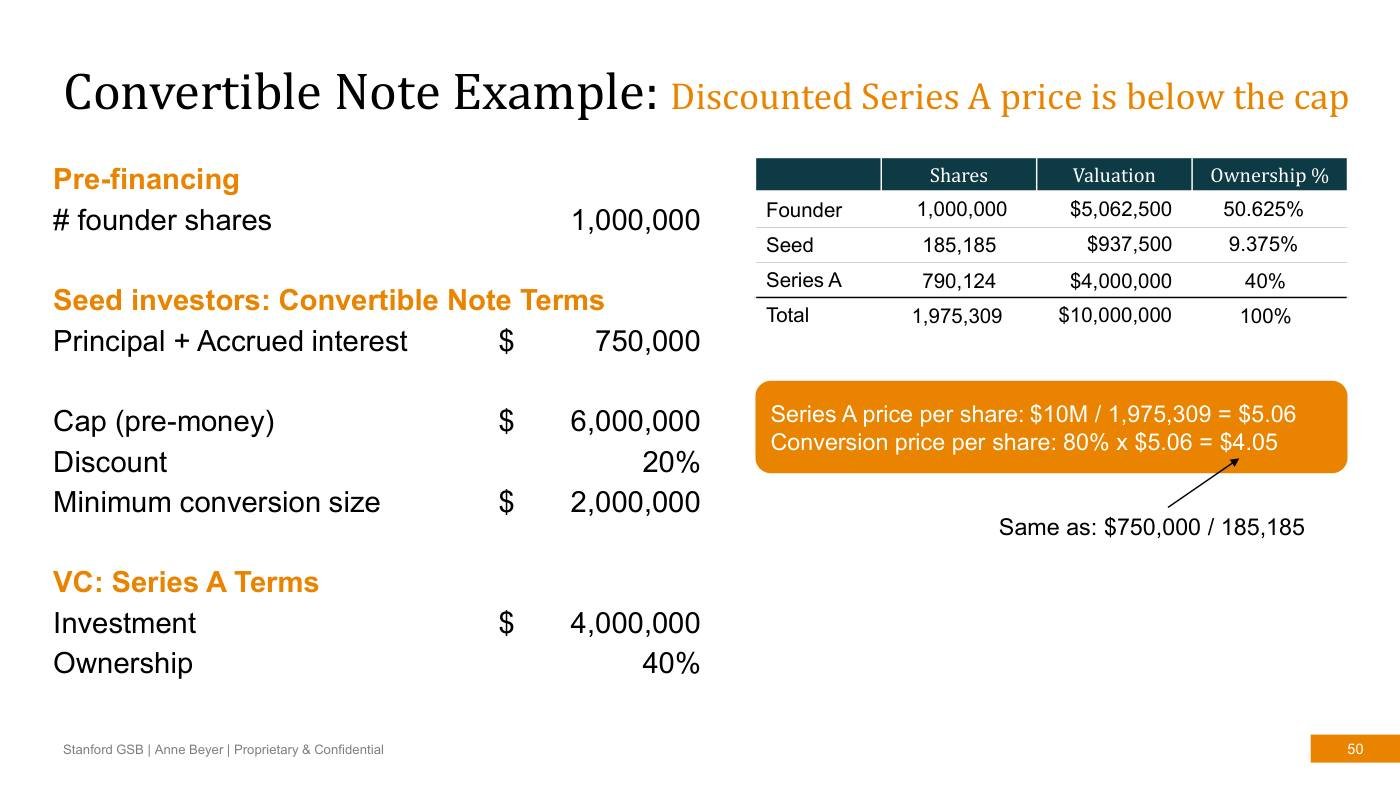
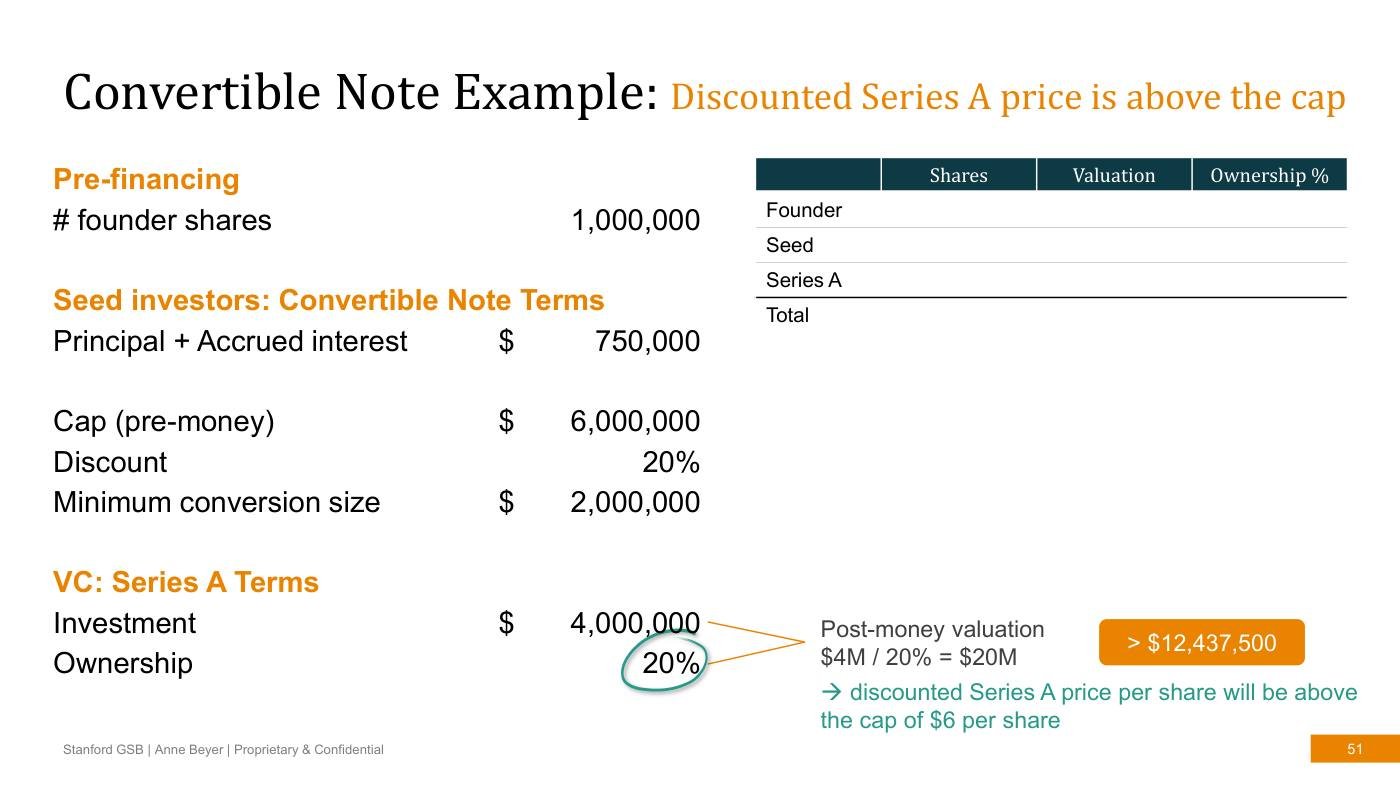
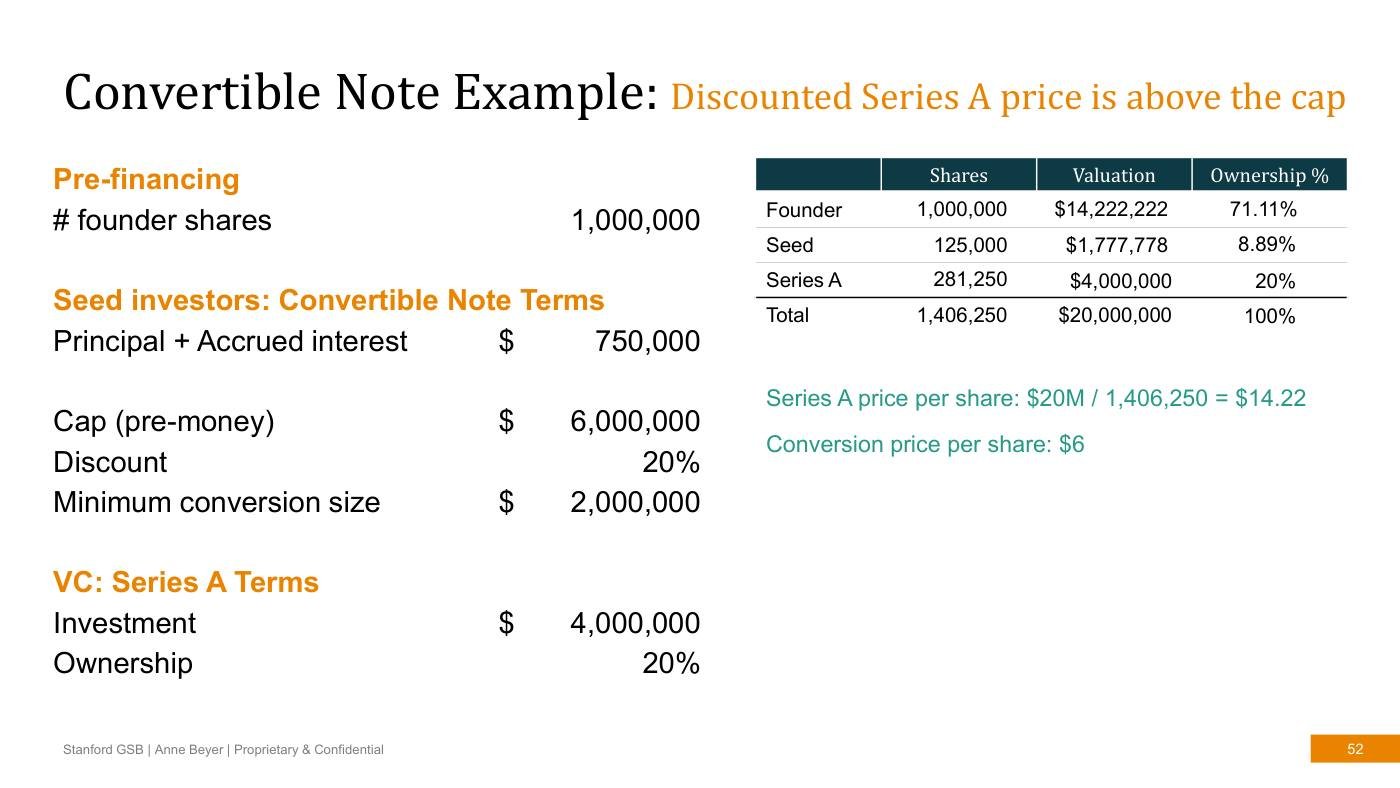
What does each conversion term do to price and shares?
Relay · Relay's post-money SAFE from issue to conversion
How much capital should be raised, for what progress, and with what evidence?
Relay · Relay's Series A funding plan and data room
Module 07
Translate strategic intent into everyday behavior and management systems.
You will makeA culture diagnosis and a consistent set of management levers.
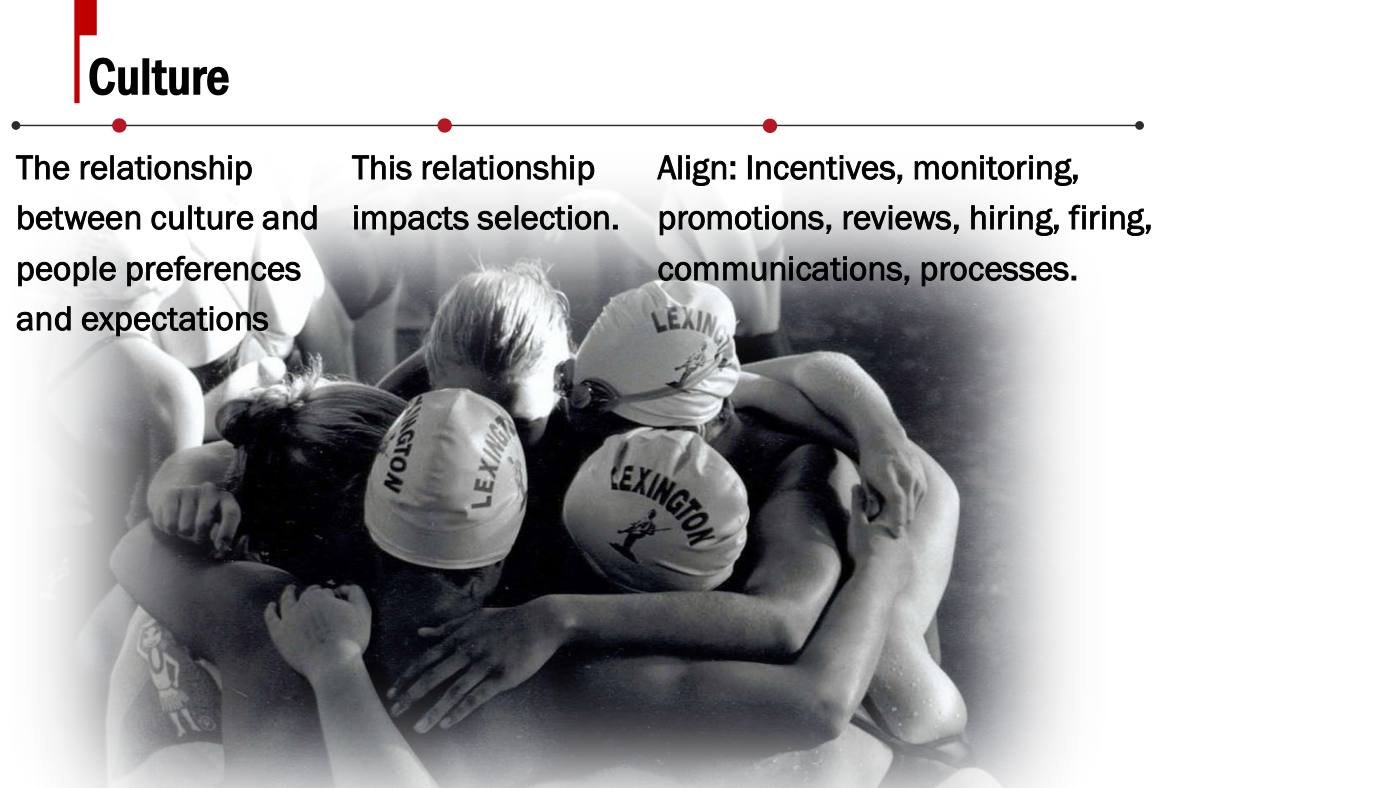
When does a repeated action become an internalized expectation?
Relay · Diagnose the PHI near-miss
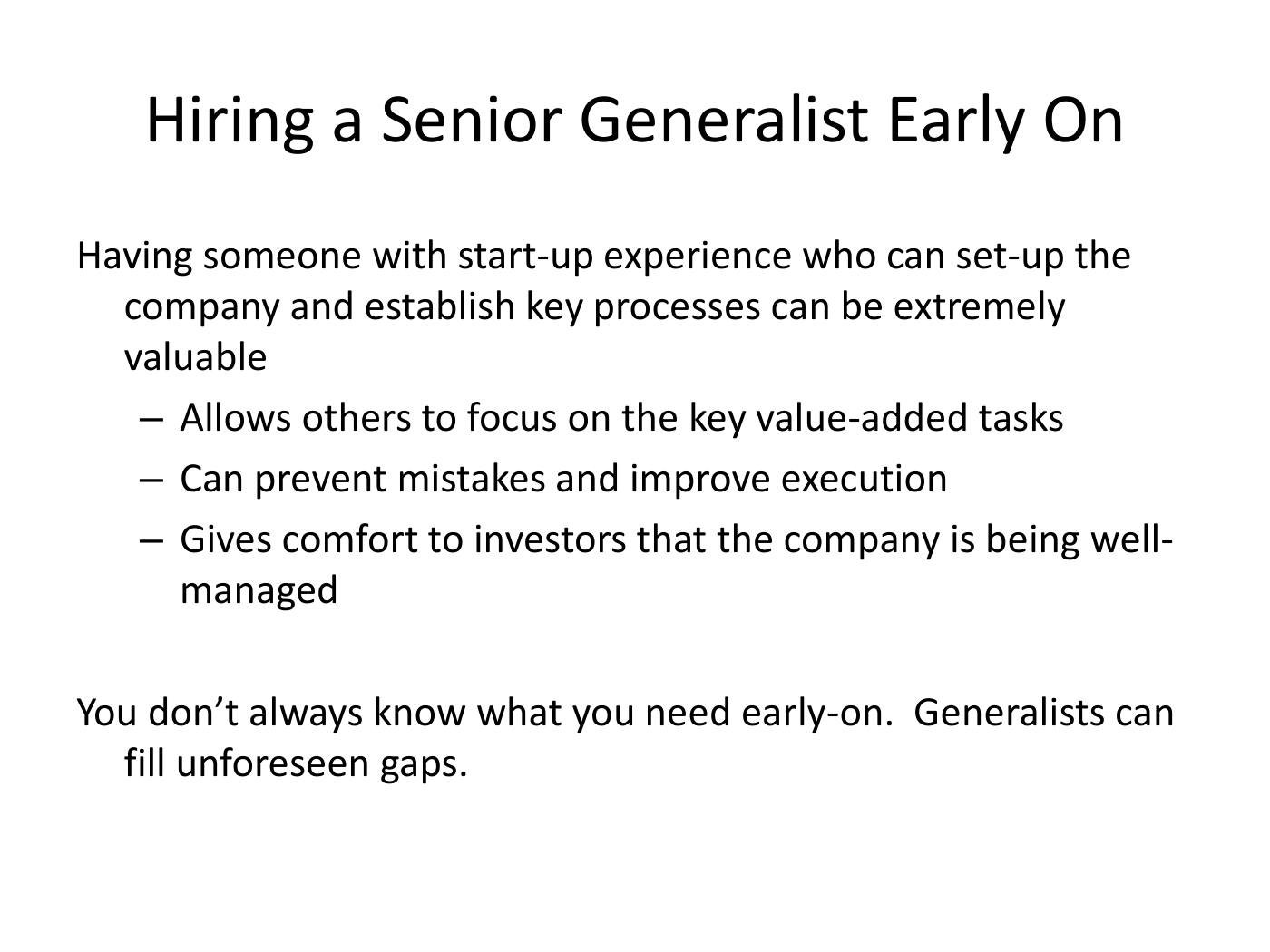
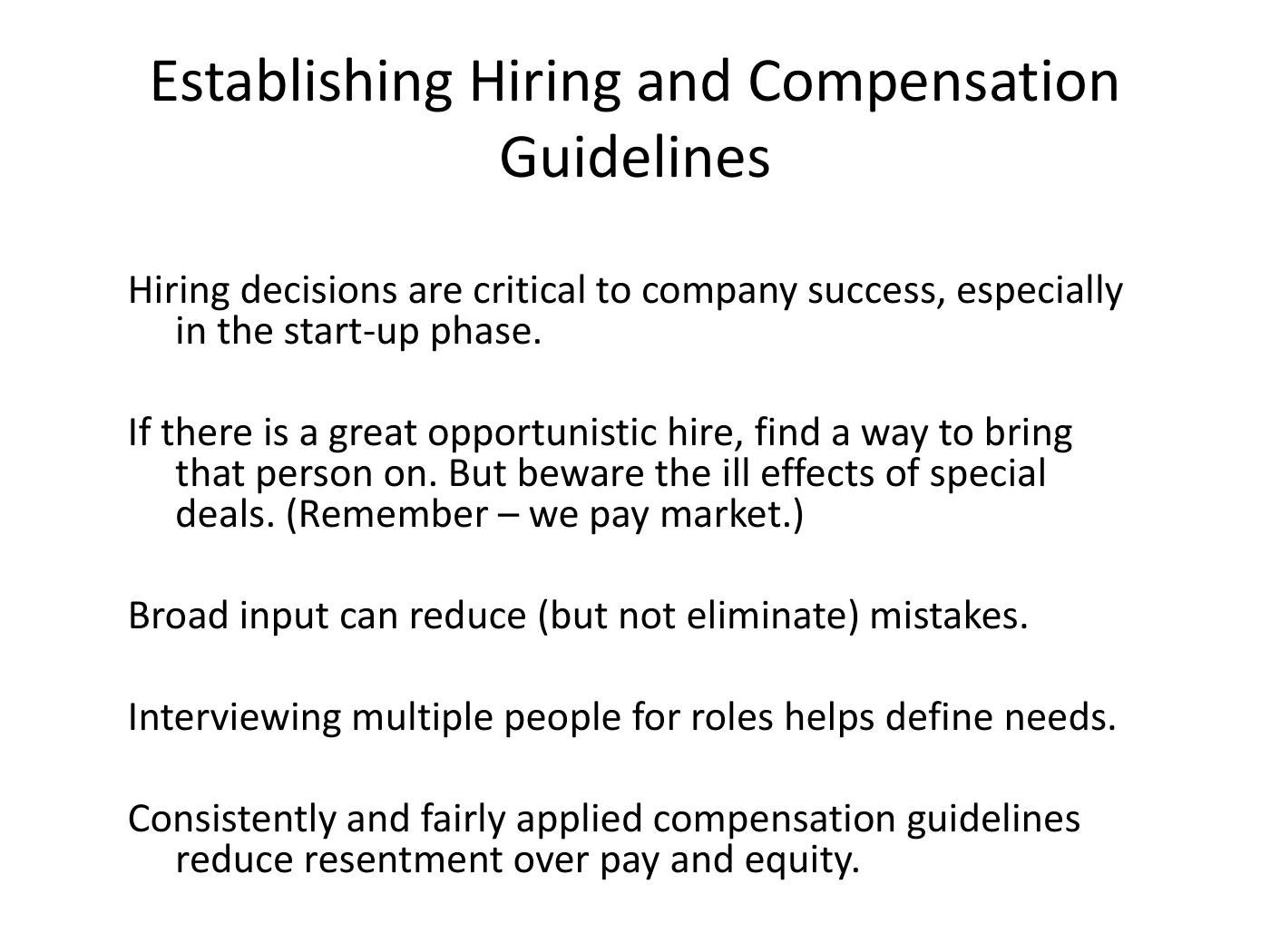
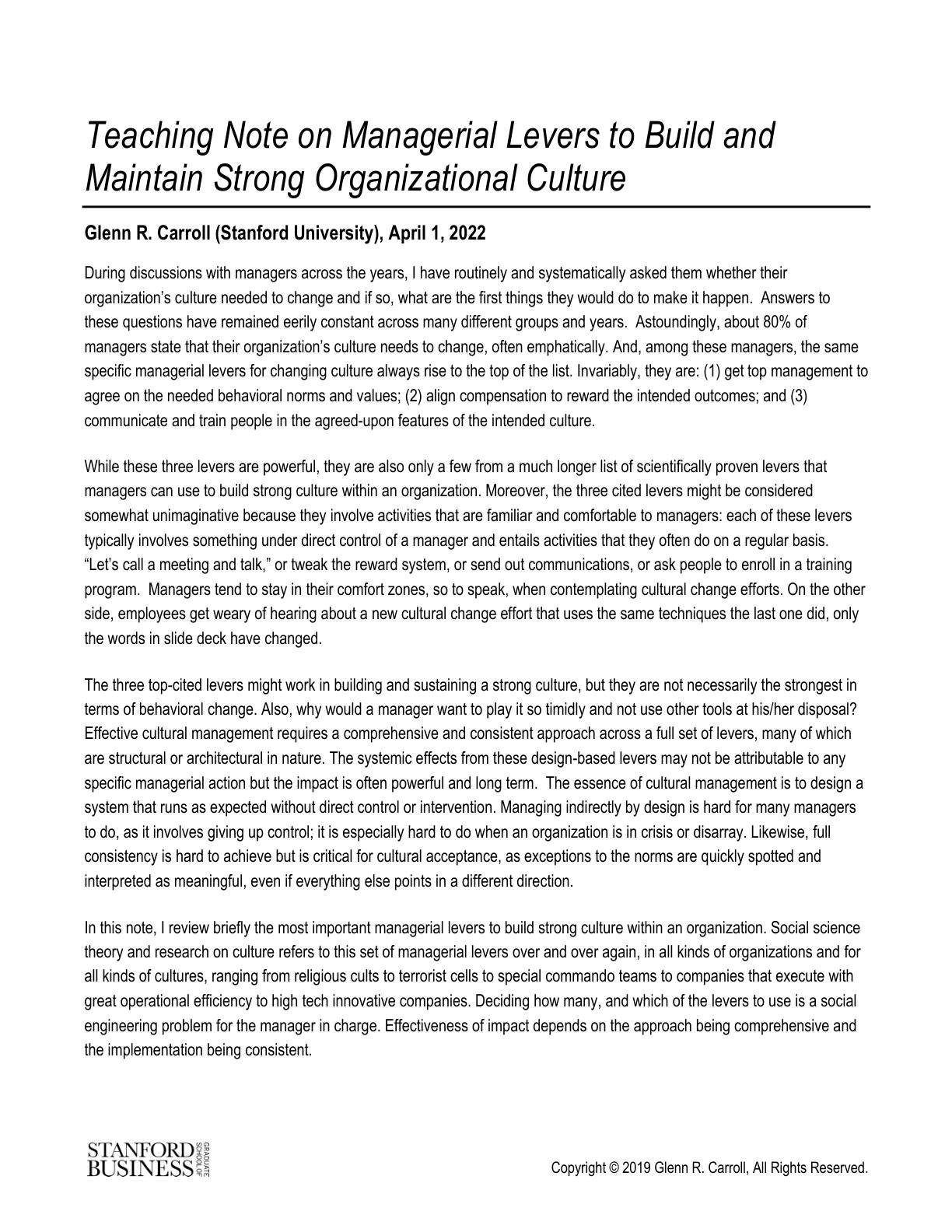
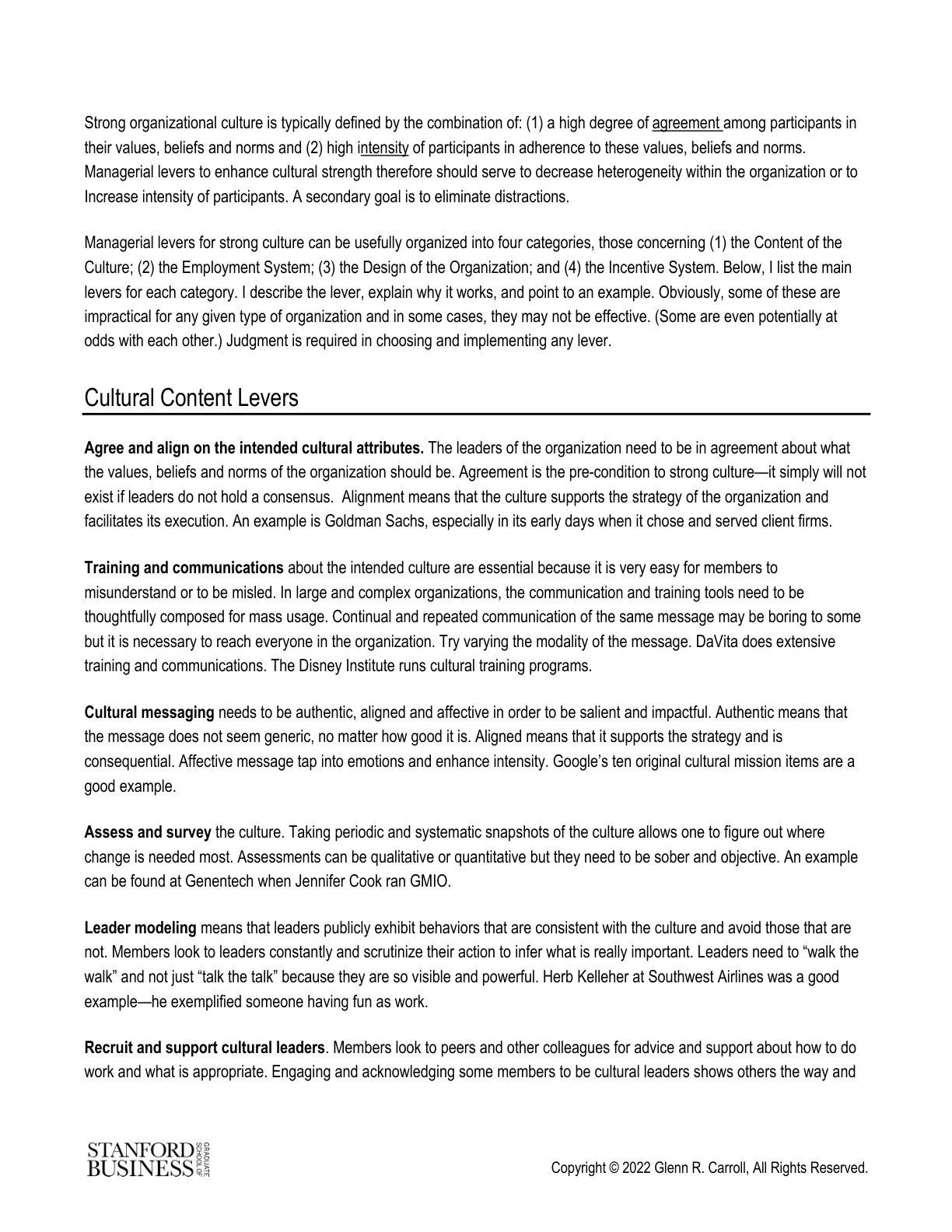
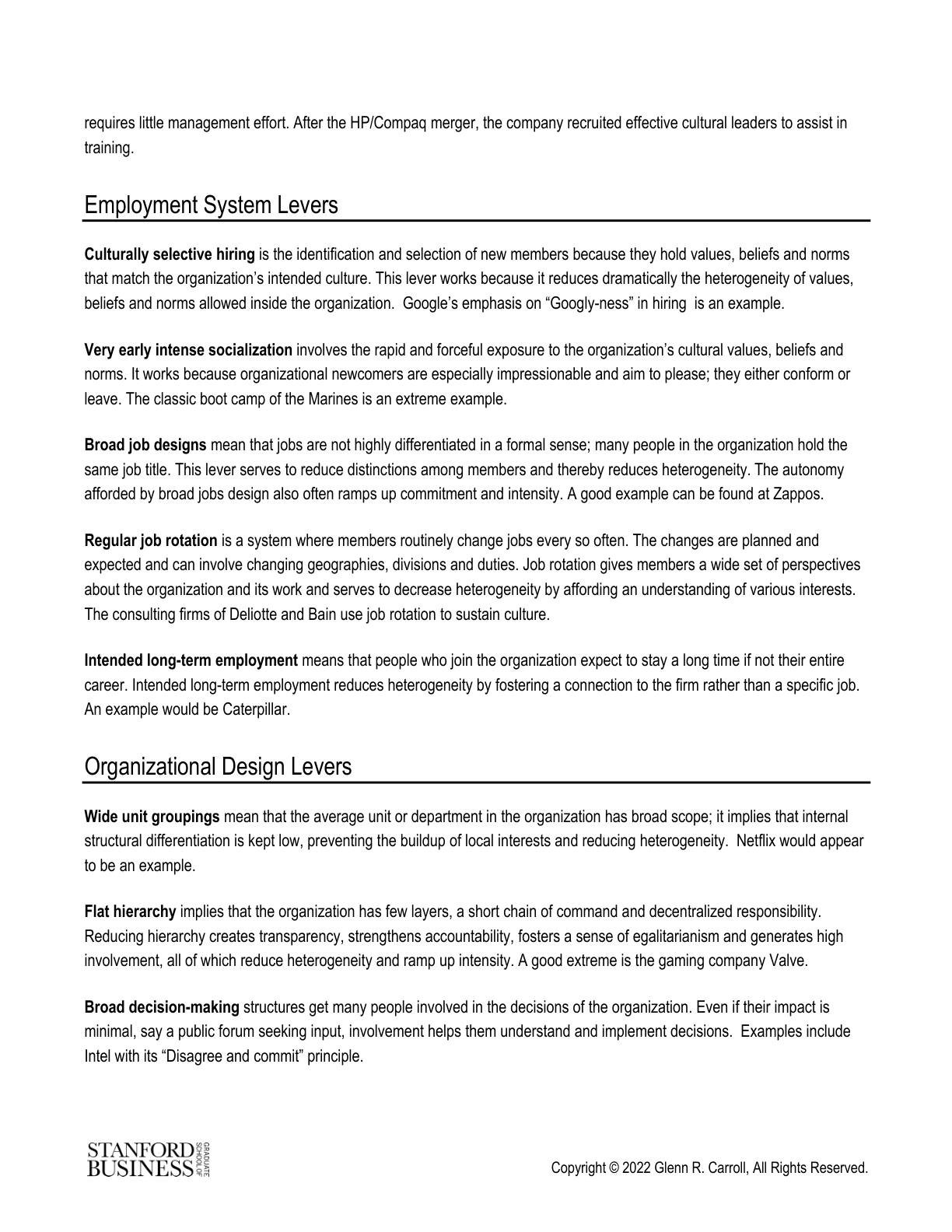
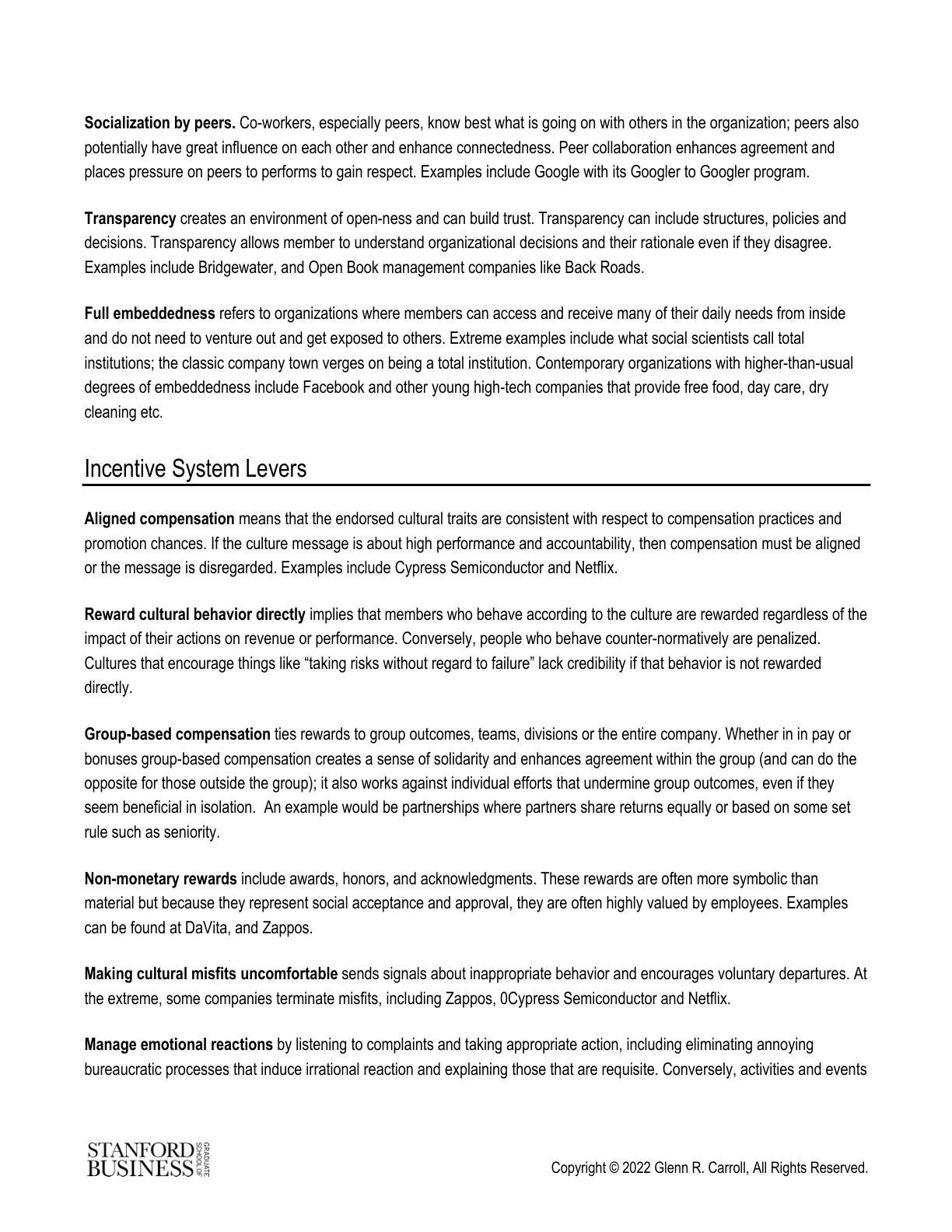
How do hiring, rewards and leader behavior reinforce a strategy?
Relay · Align Relay's management levers at 22 people
Module 08
Create and claim value, then defend an integrated business decision.
You will makeA negotiation brief, package comparison and individual decision portfolio.
What should you know before making an offer?
Relay · Prepare the Northpoint PT negotiation
How can differences in priorities help both parties?
Relay · Build and compare Northpoint packages
Can the audience trace the recommendation to evidence?
Relay · The Series A narrative and evidence portfolio
Can the audience understand, question and act on the decision?
Relay · The partner meeting and the term-sheet decision
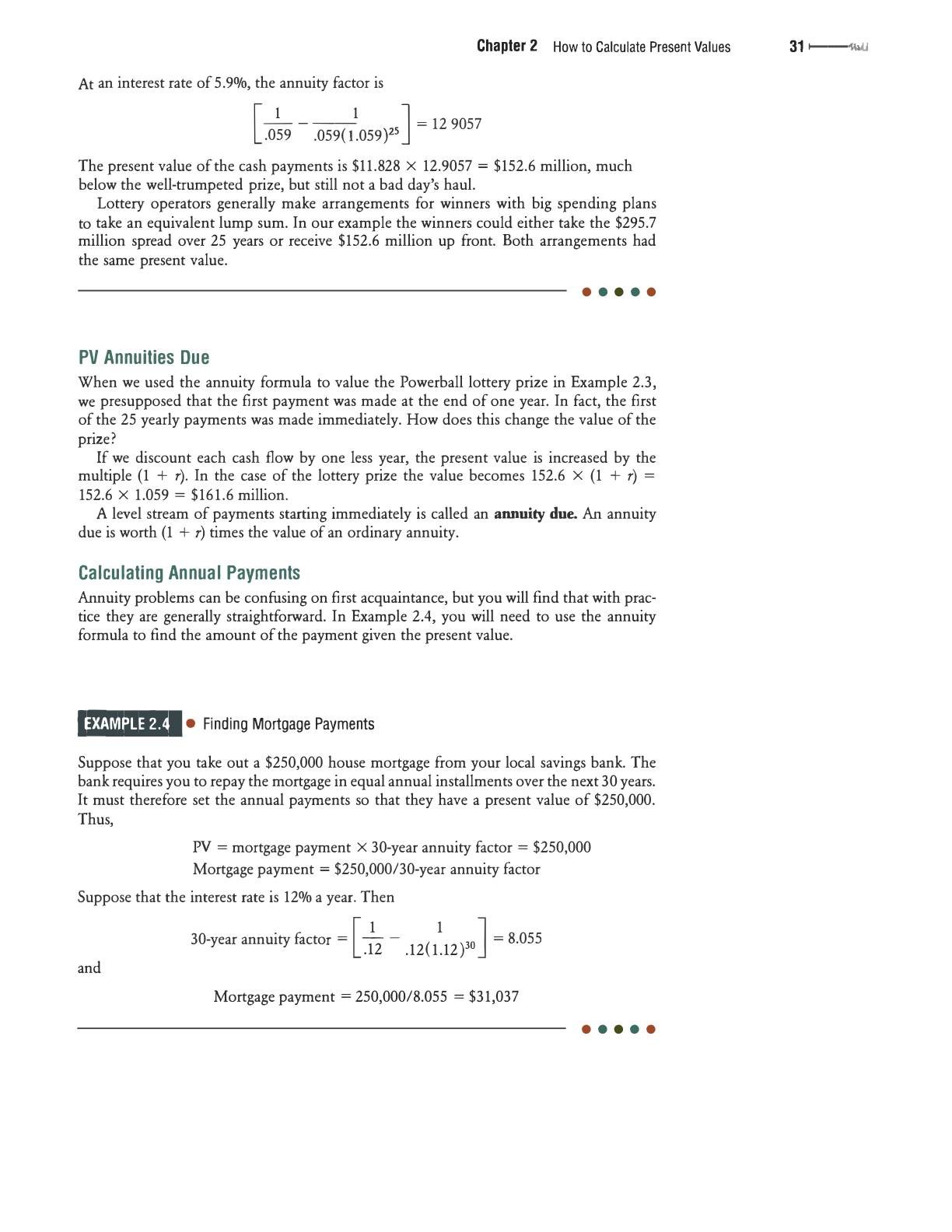
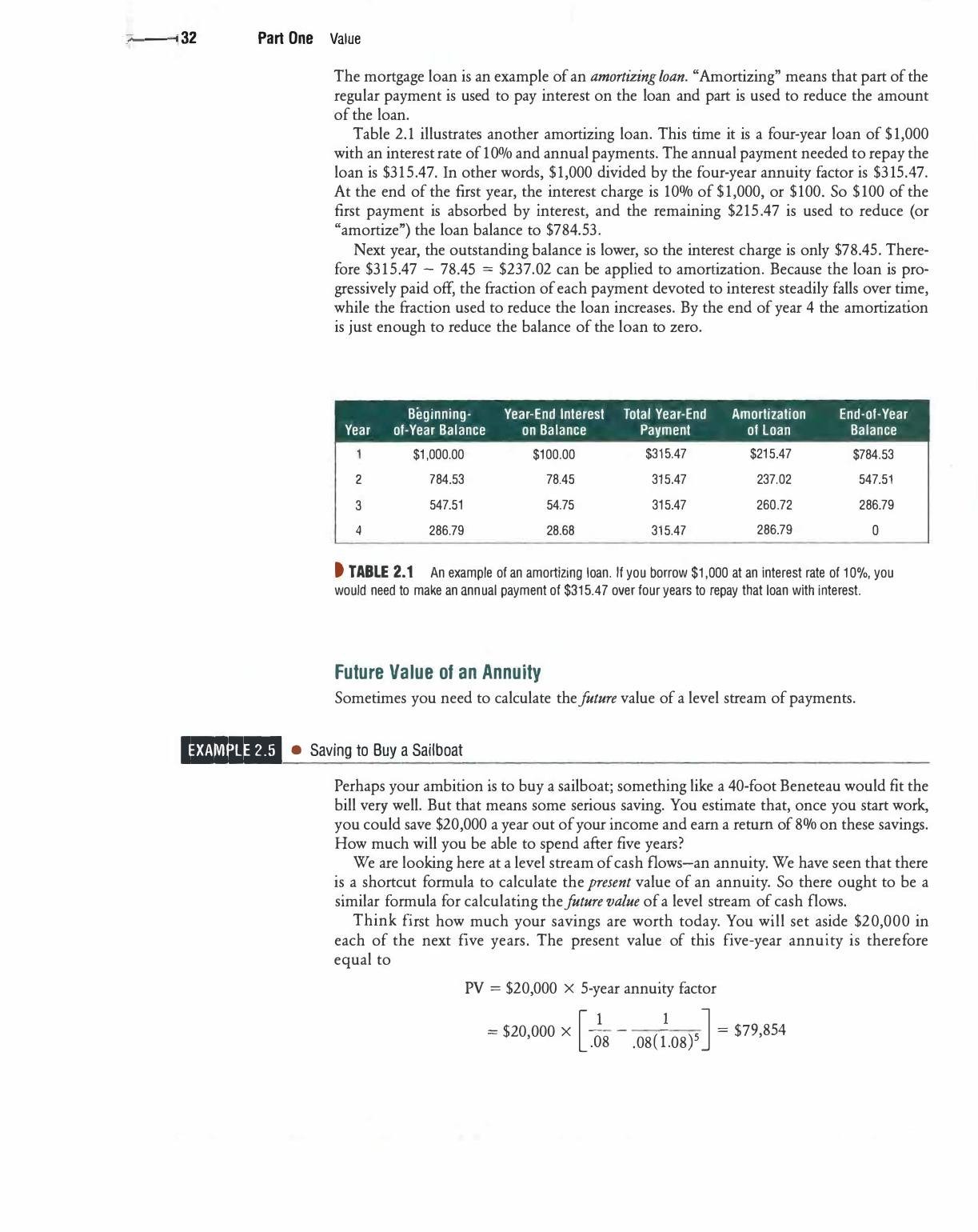
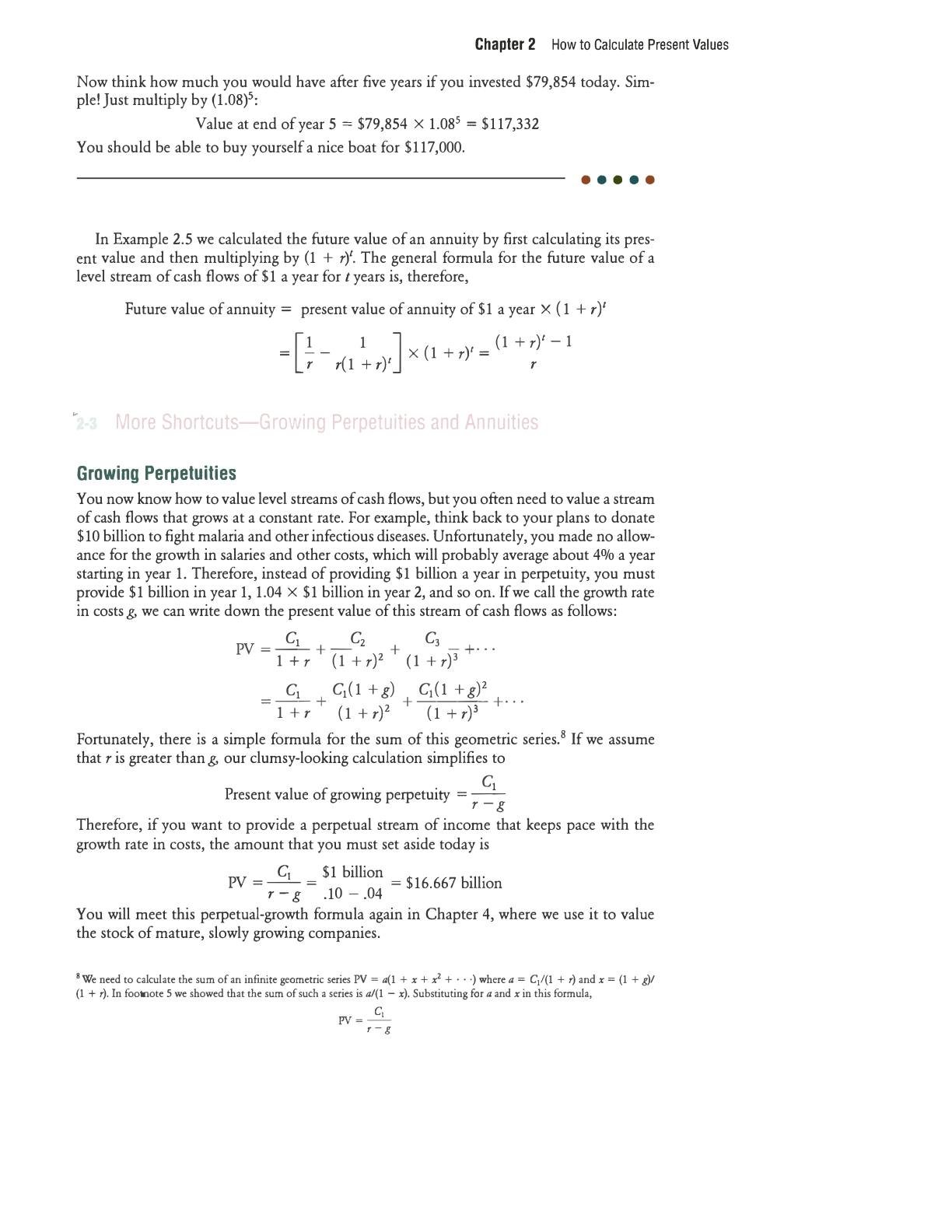
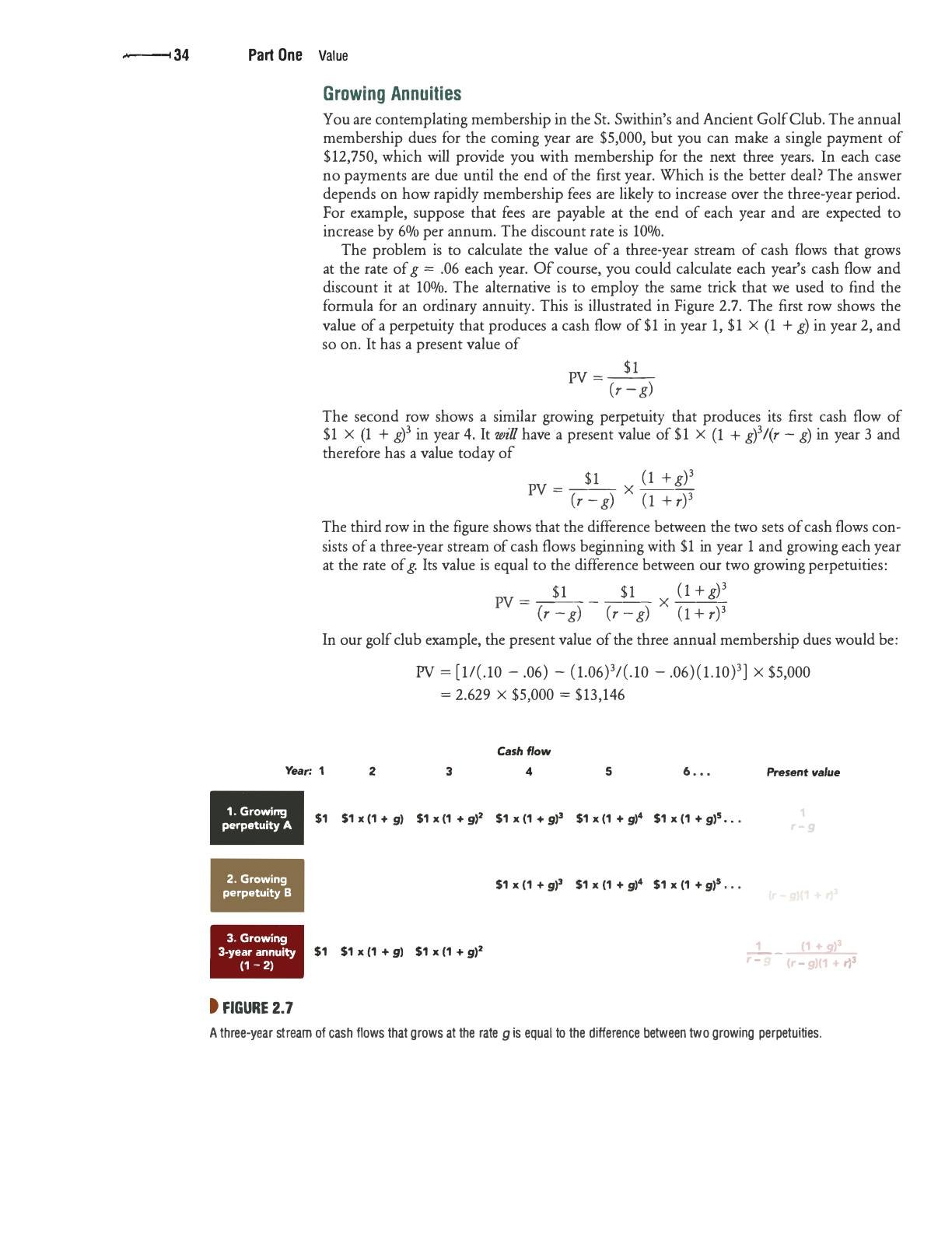
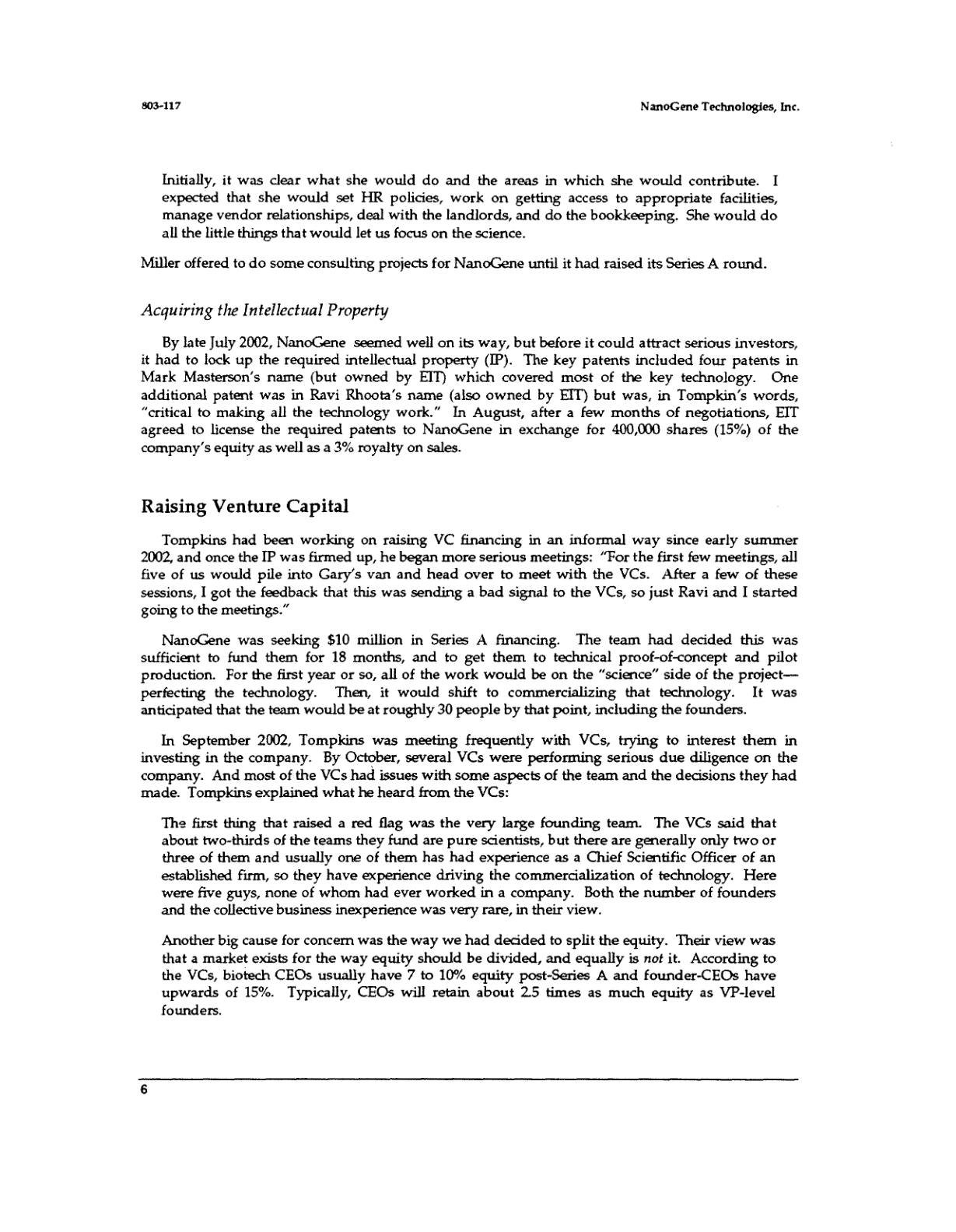
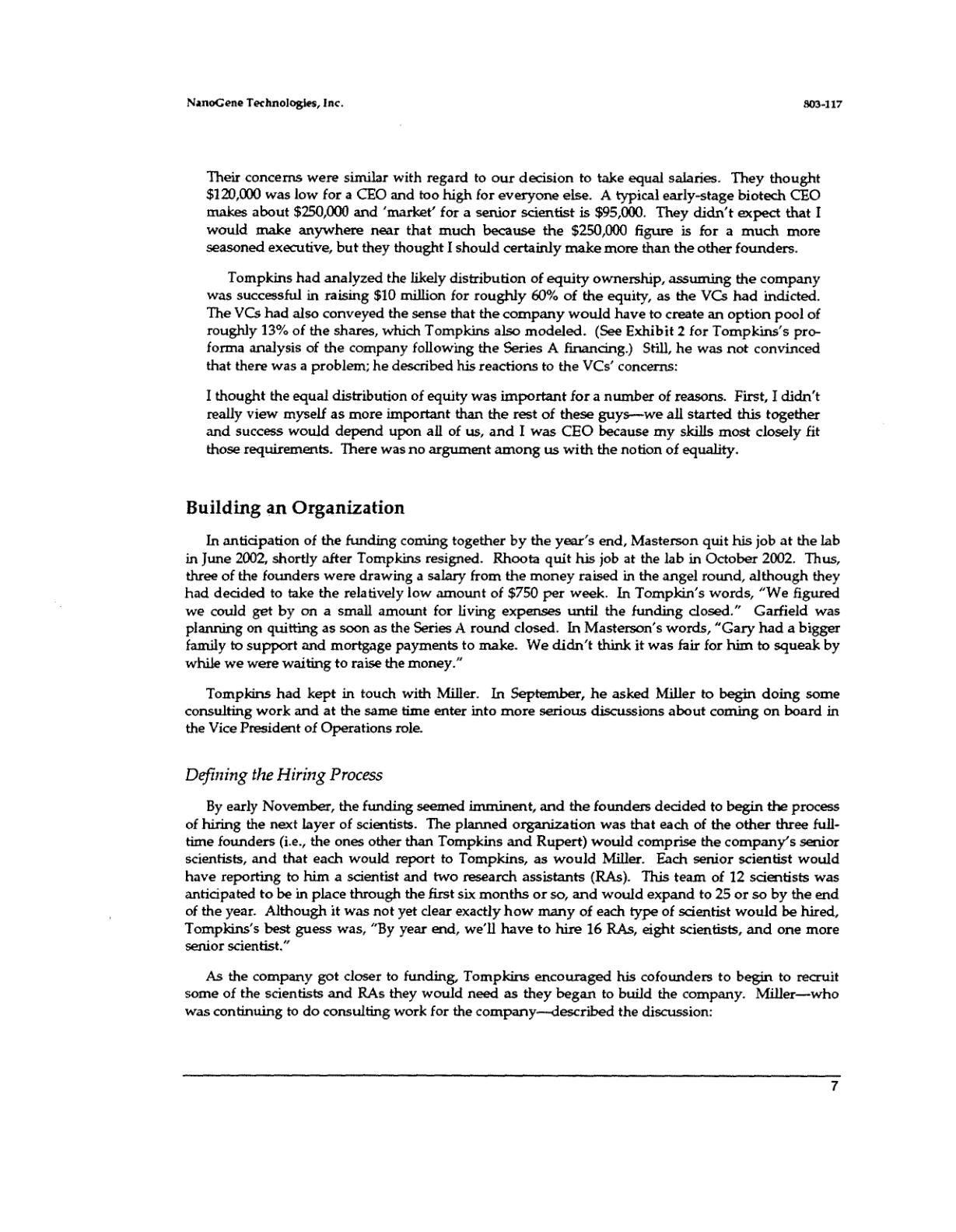
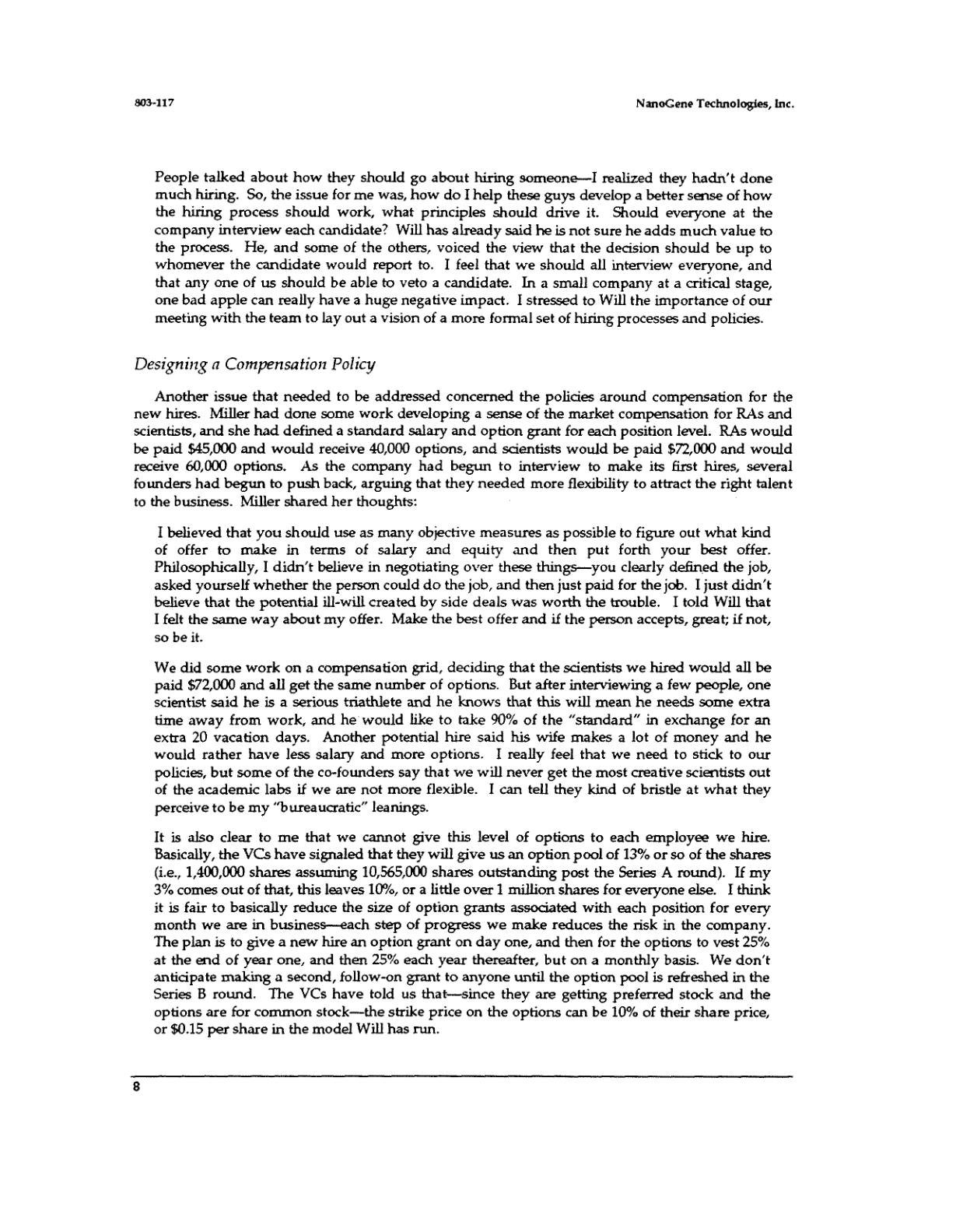
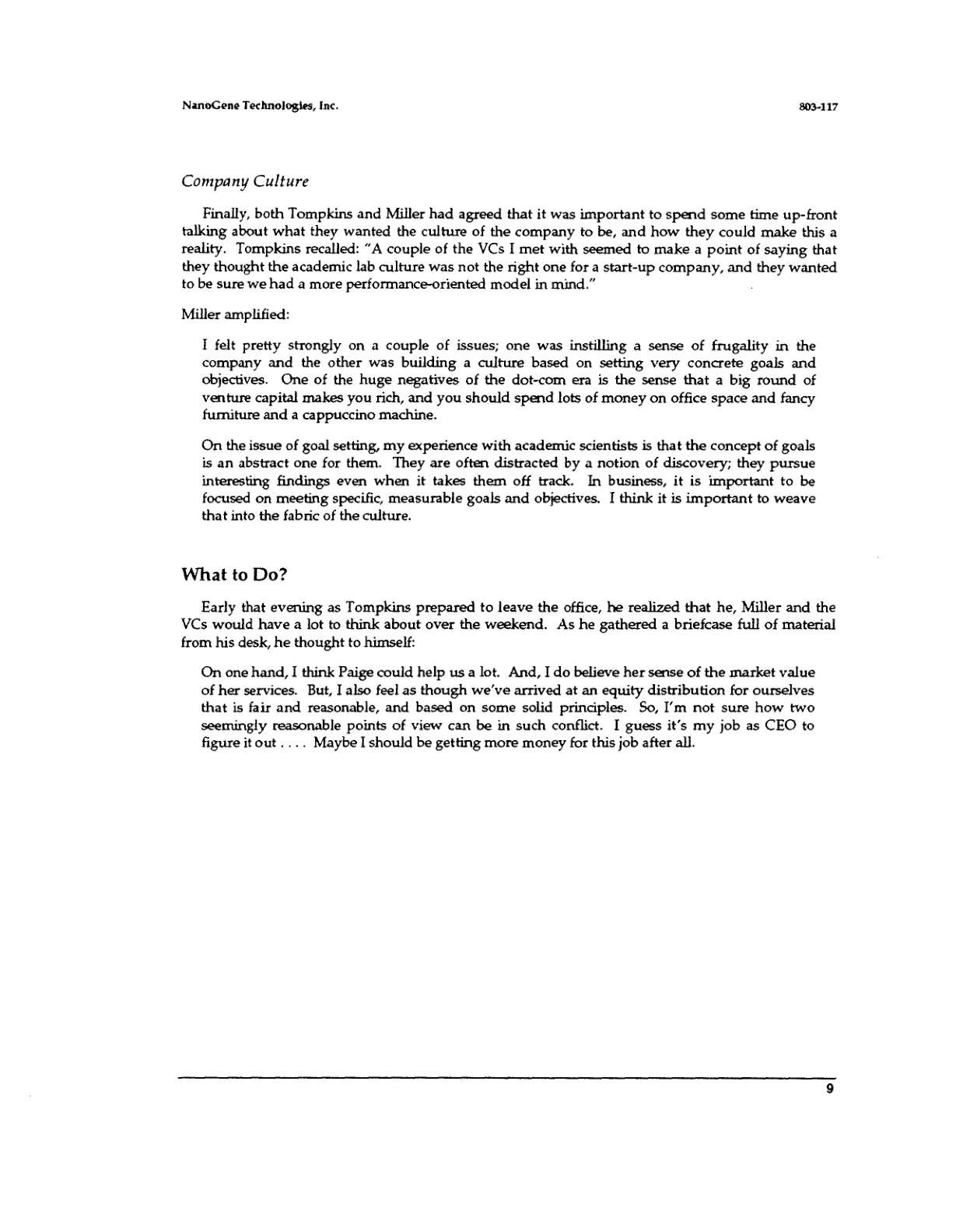
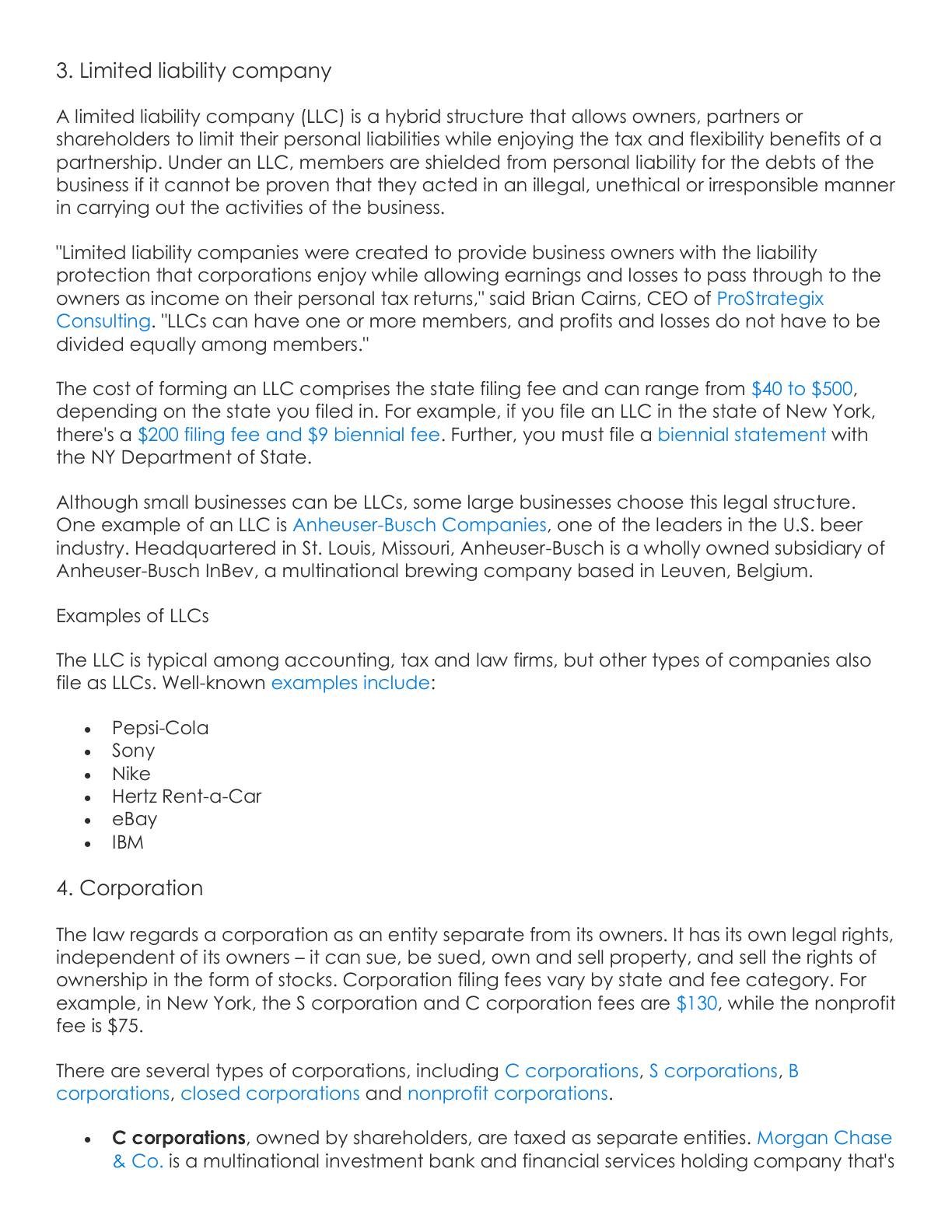
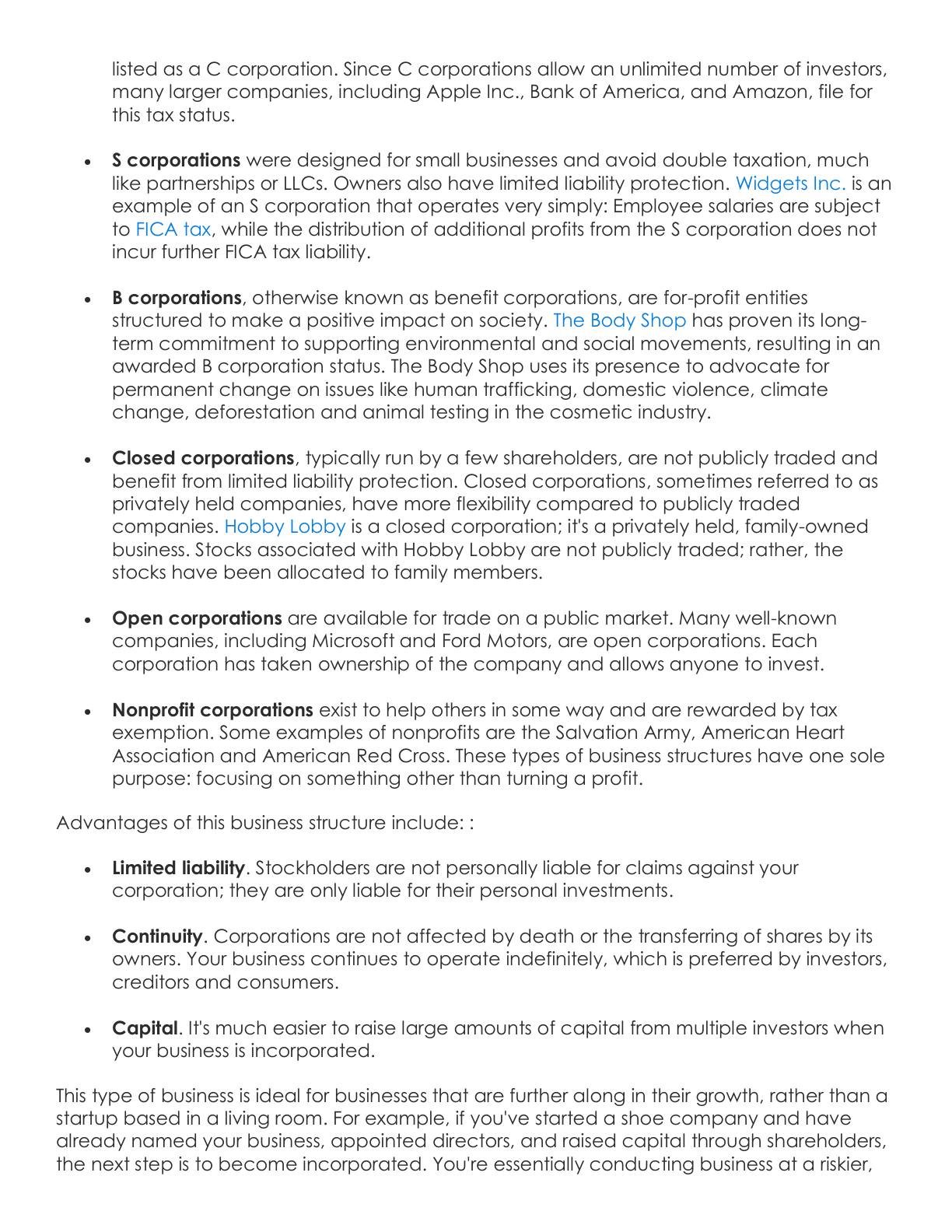
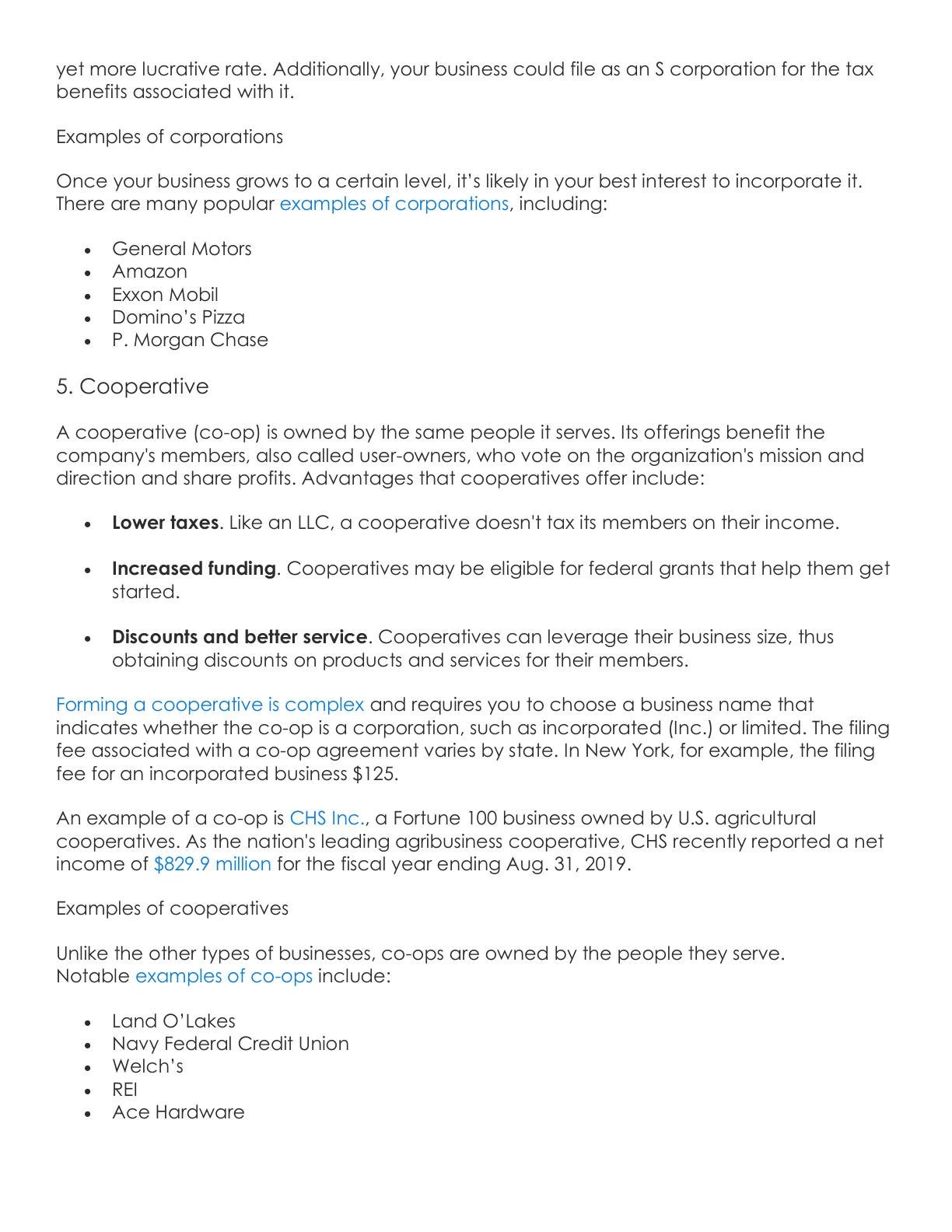
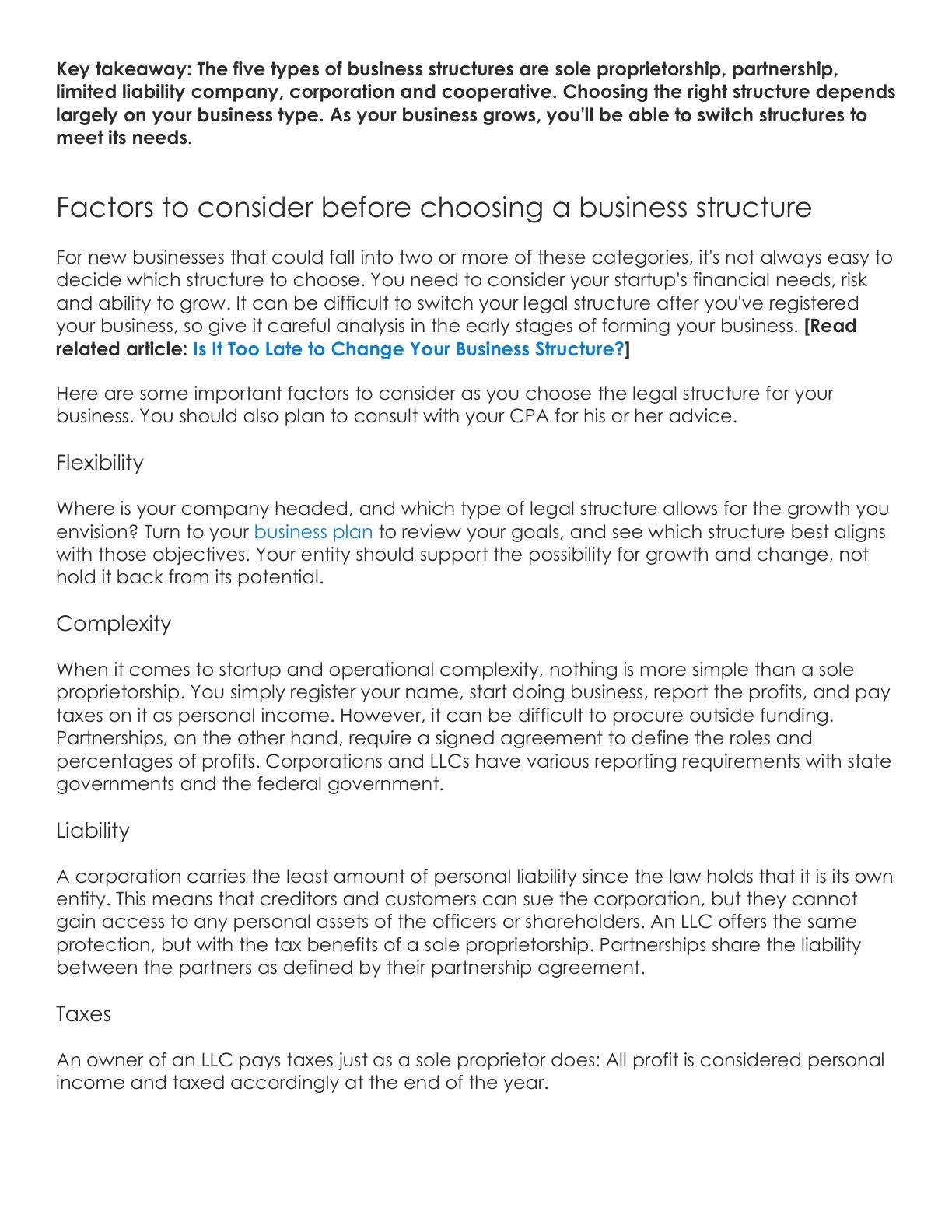
Every lesson, explanation, worked example, venture step and check, written for this course. Source pages are summarized as insights with their citations.
Everything in the open edition, plus the original source pages beside their notes, every page used in each lesson, and the full source documents.
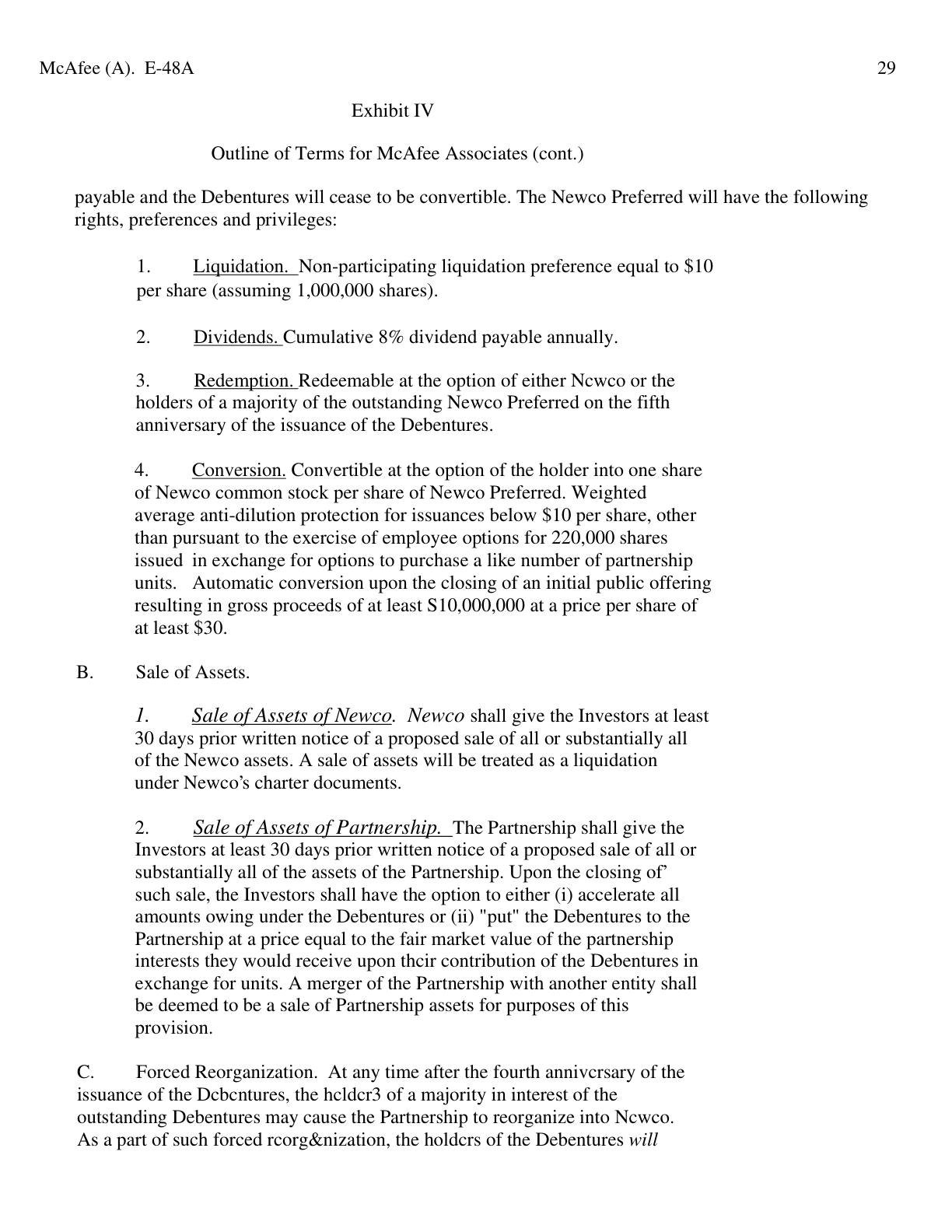
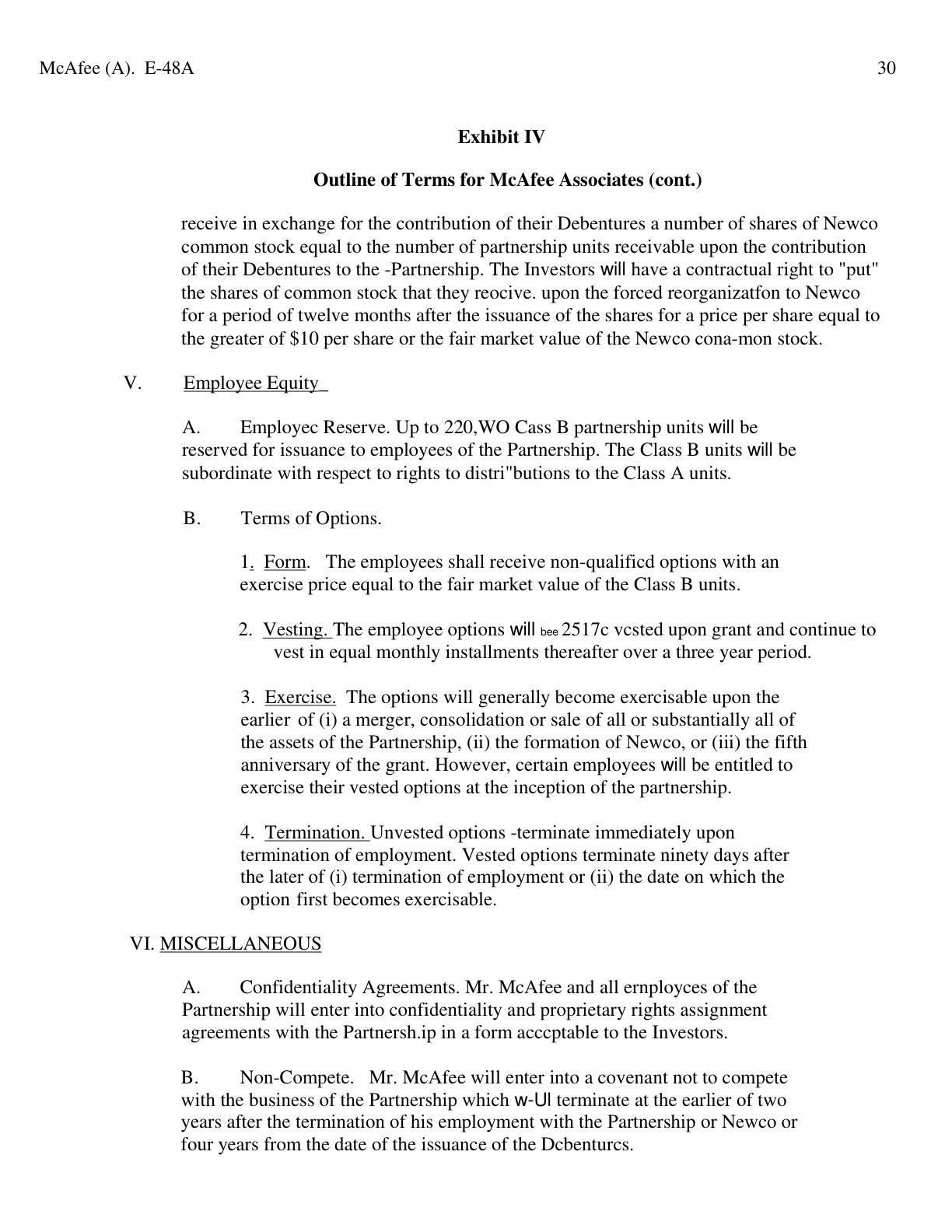
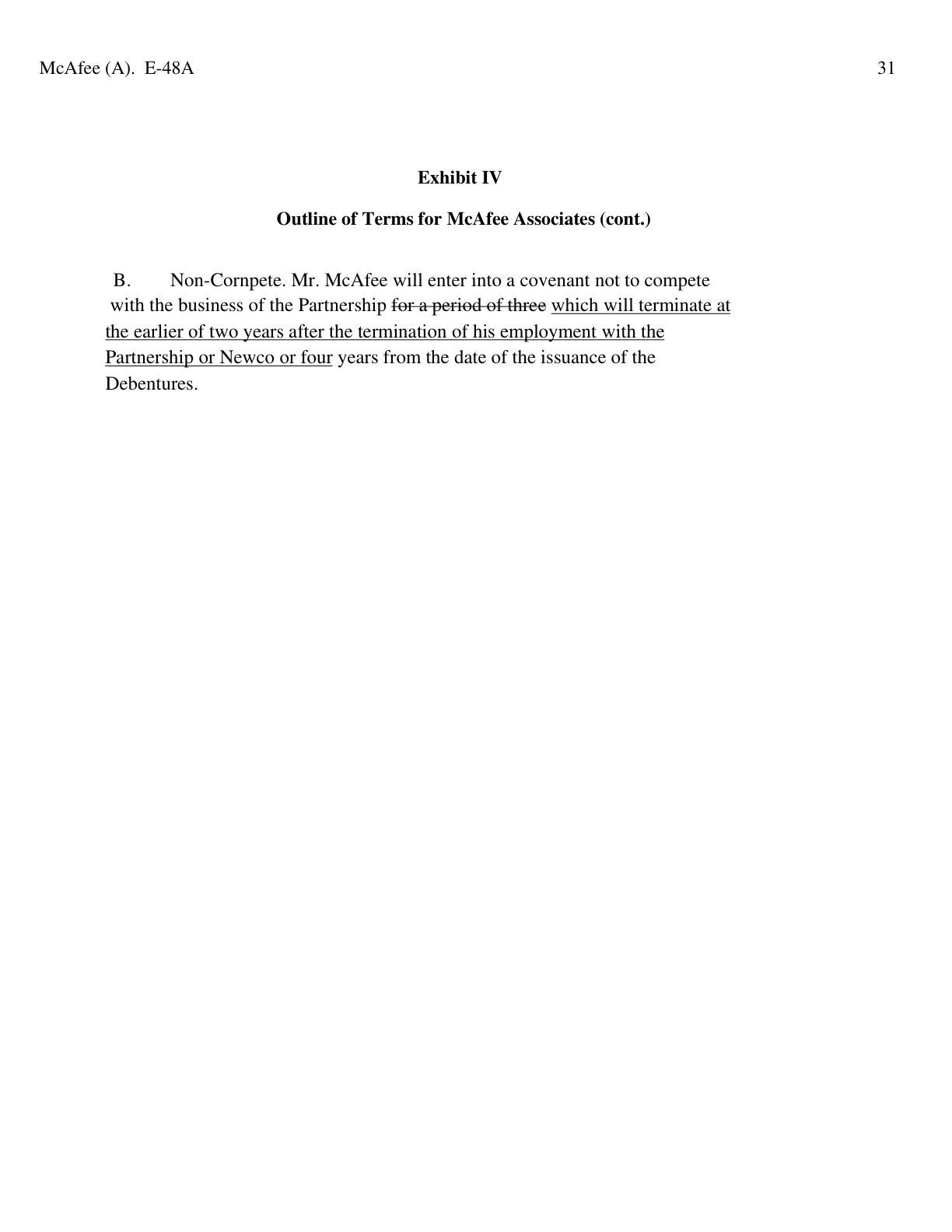
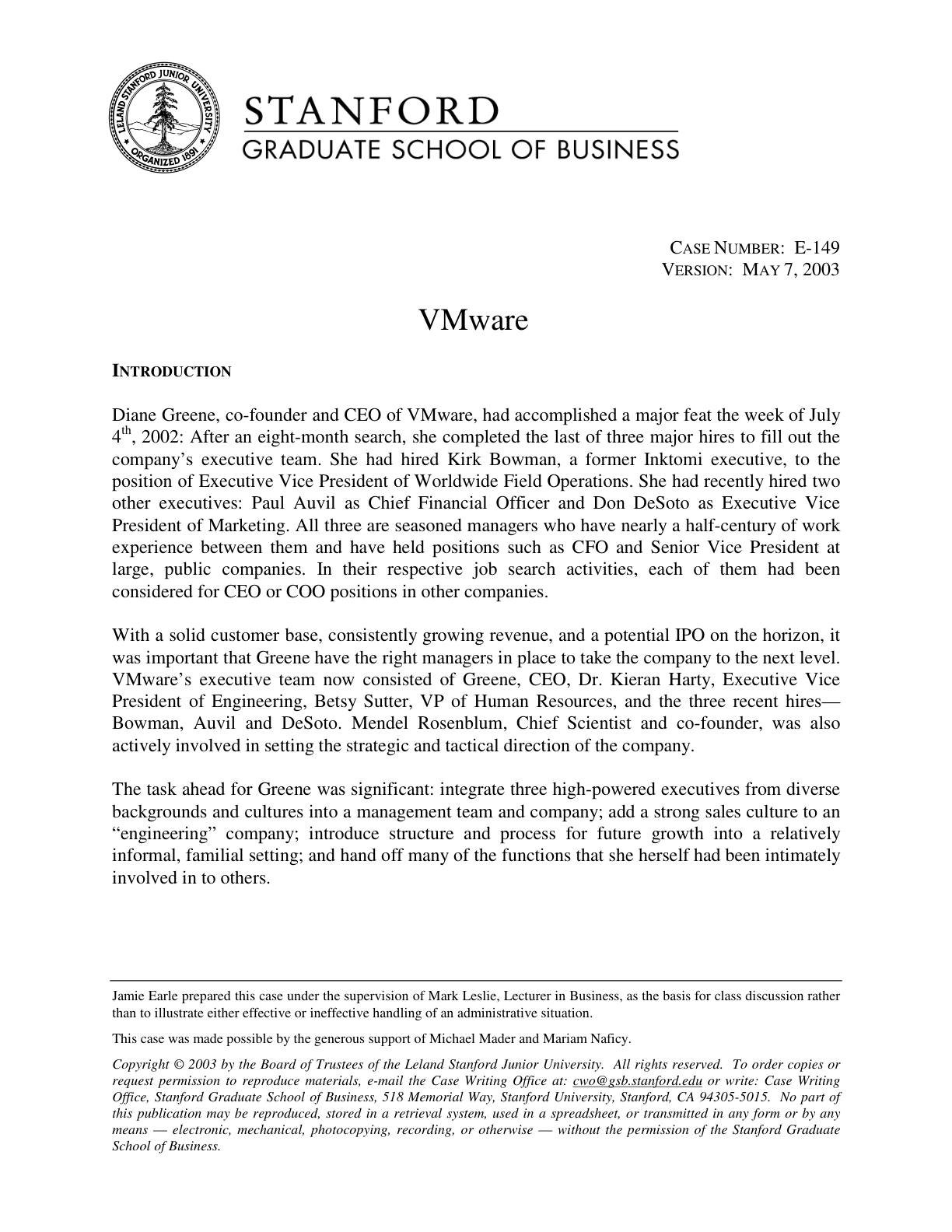
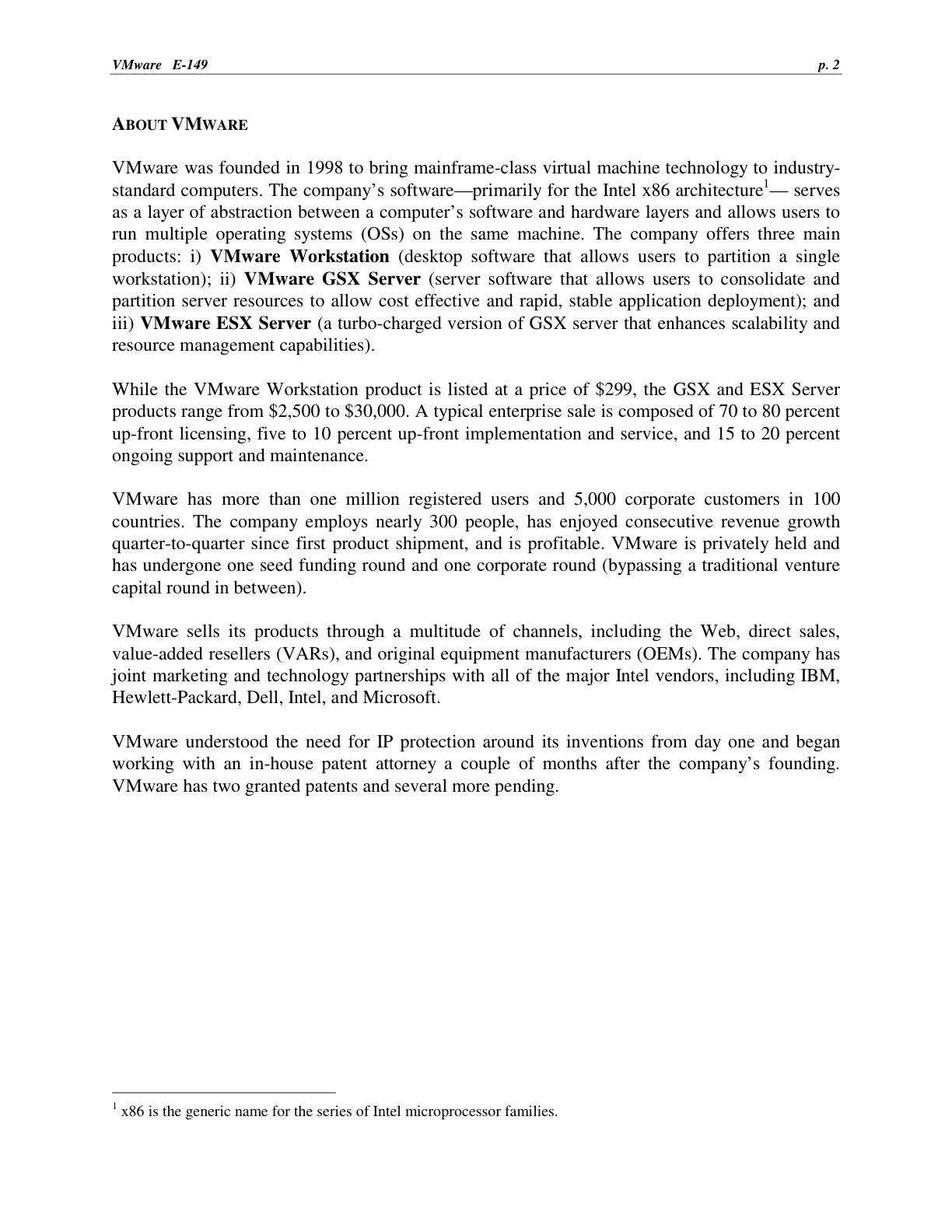
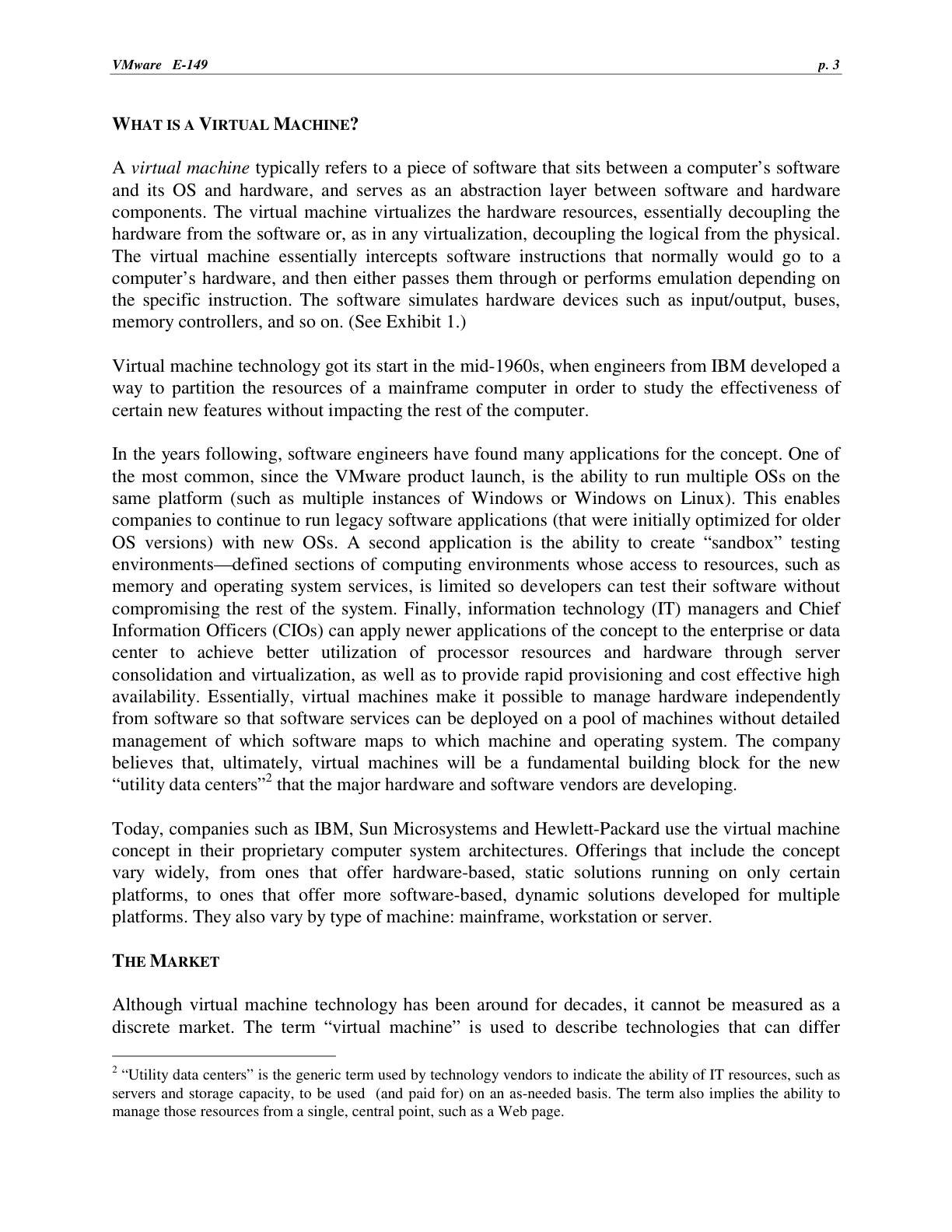
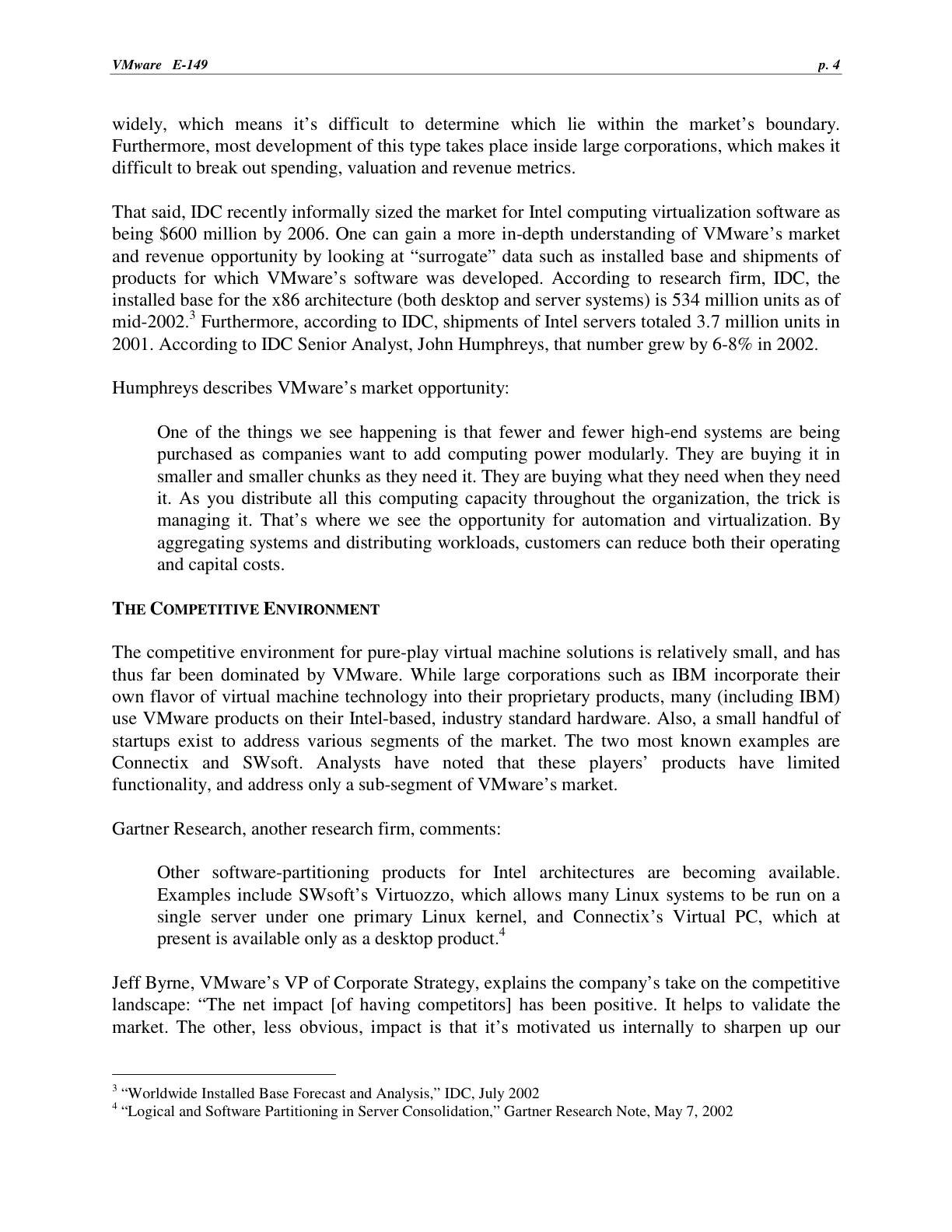
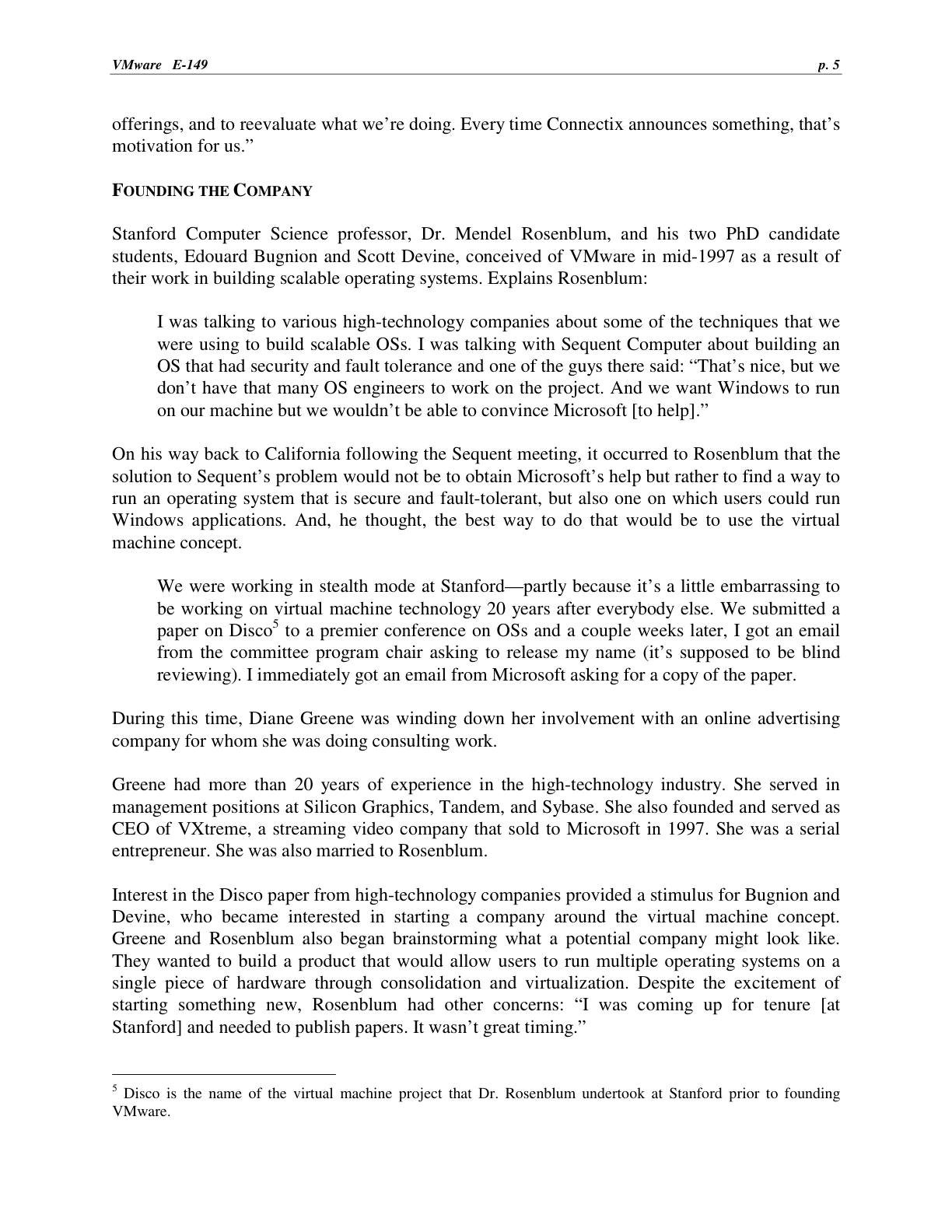
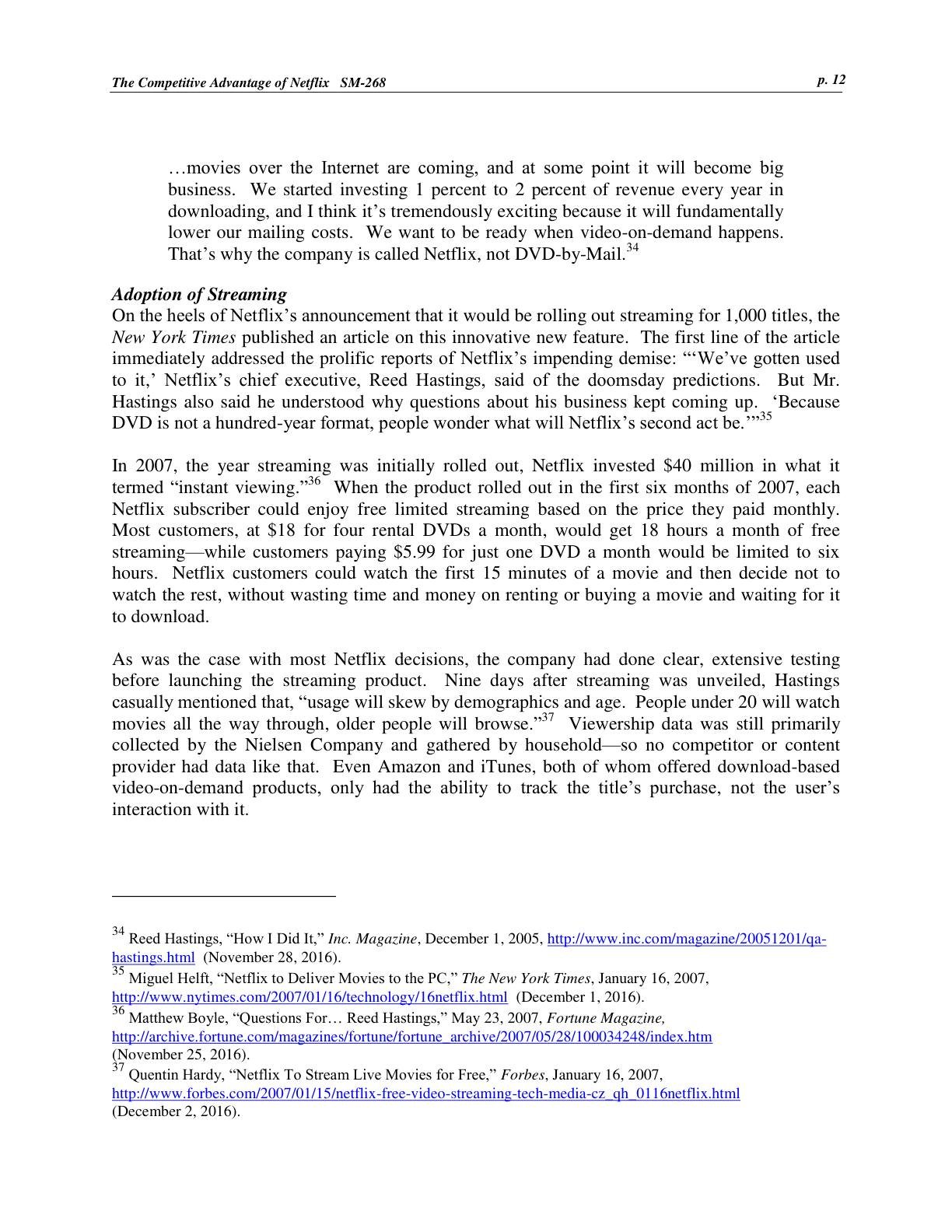
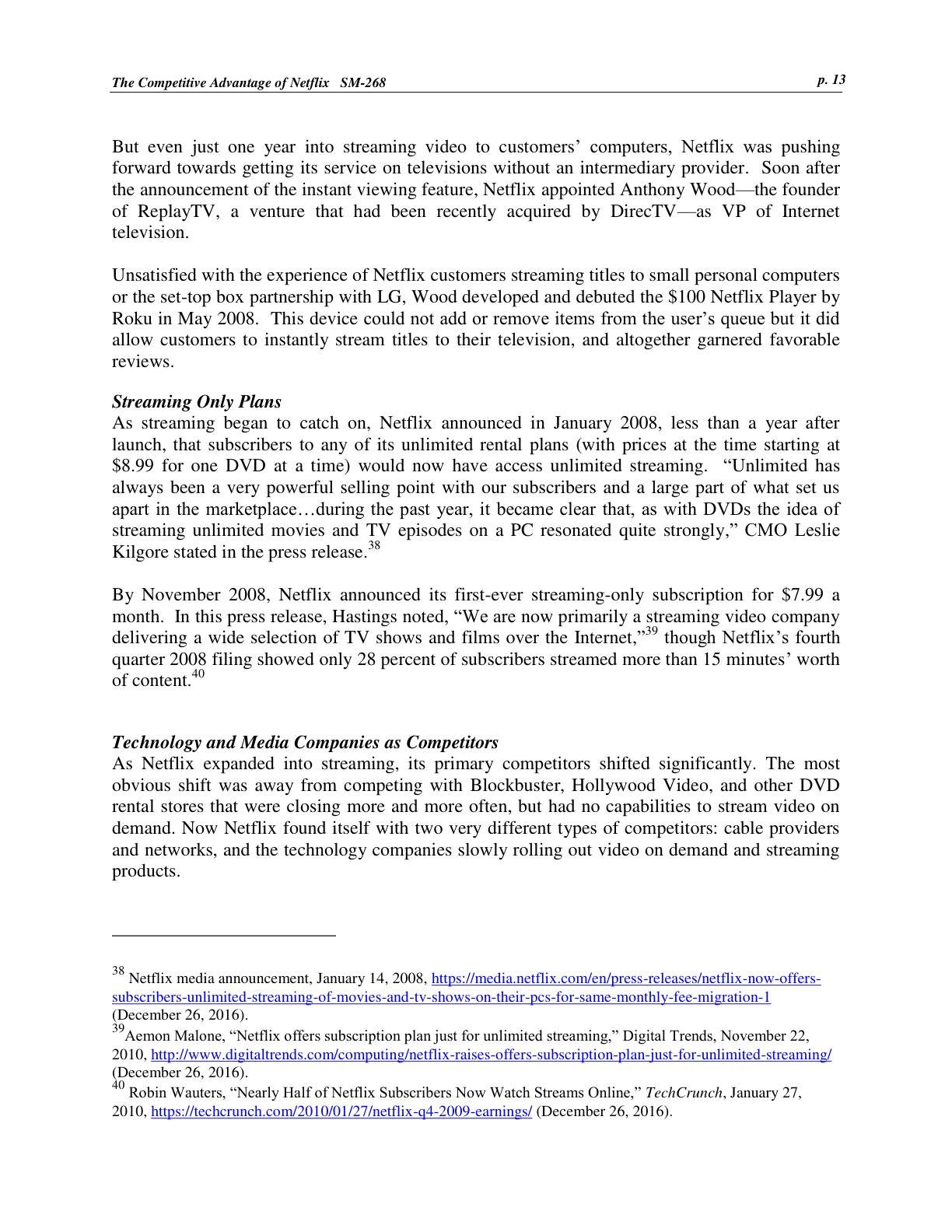
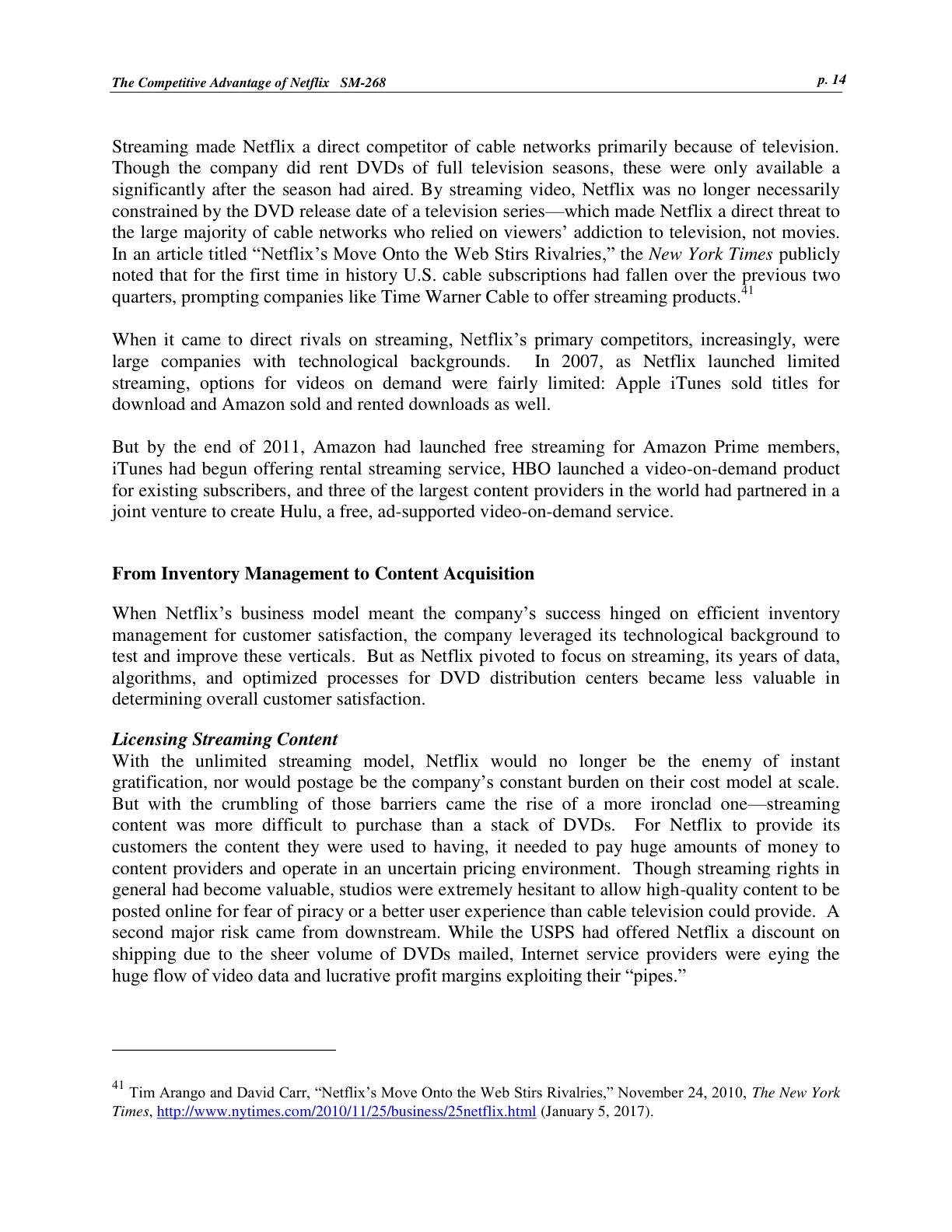
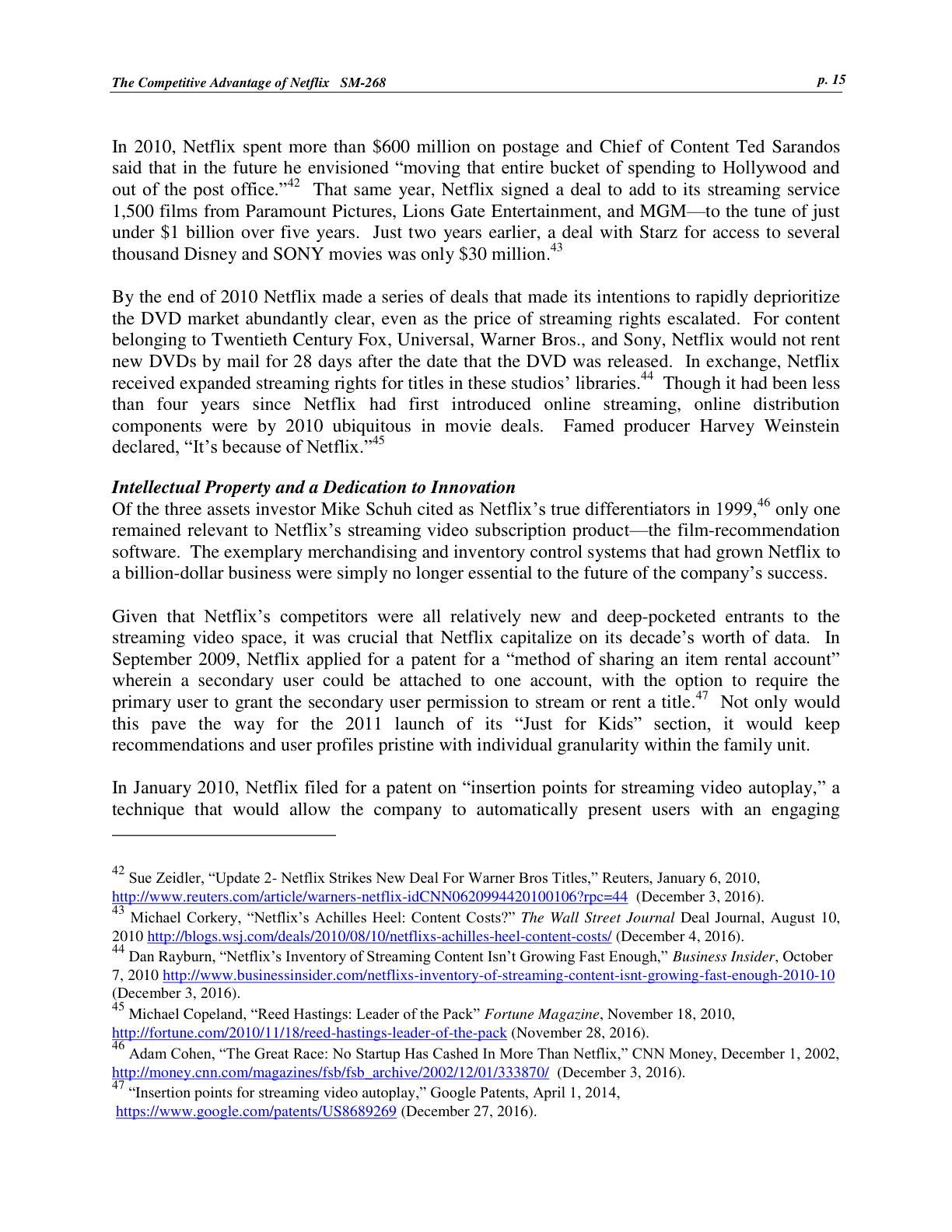
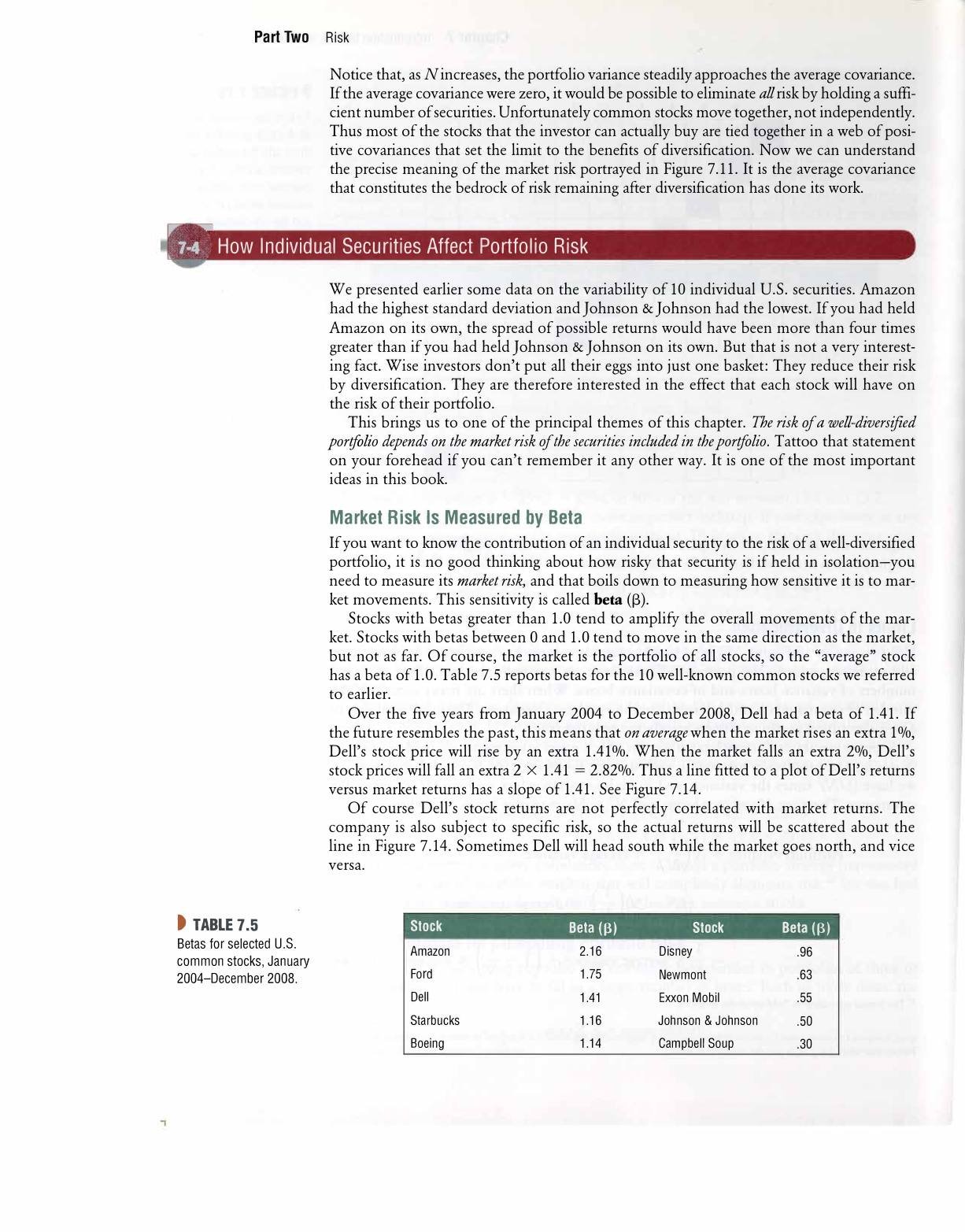
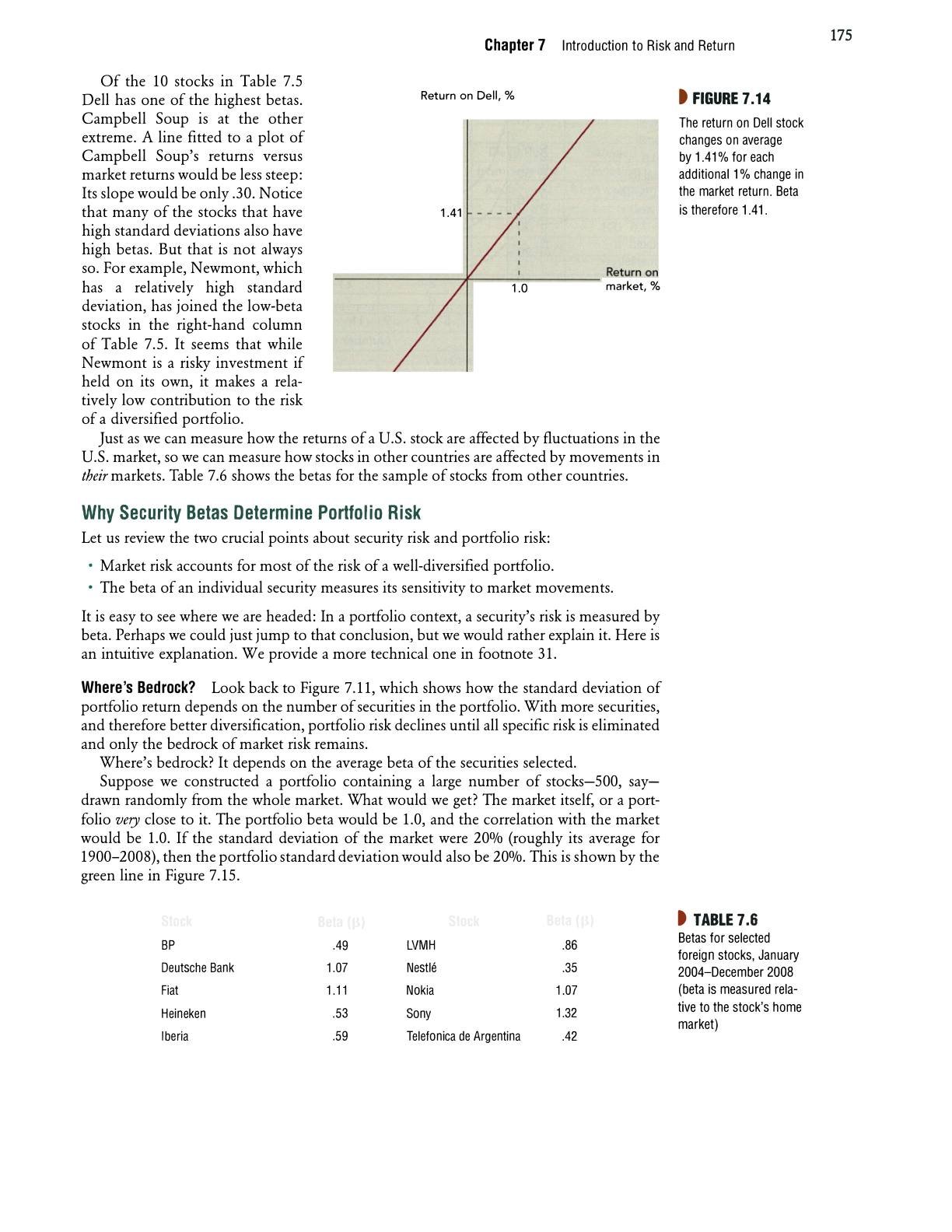
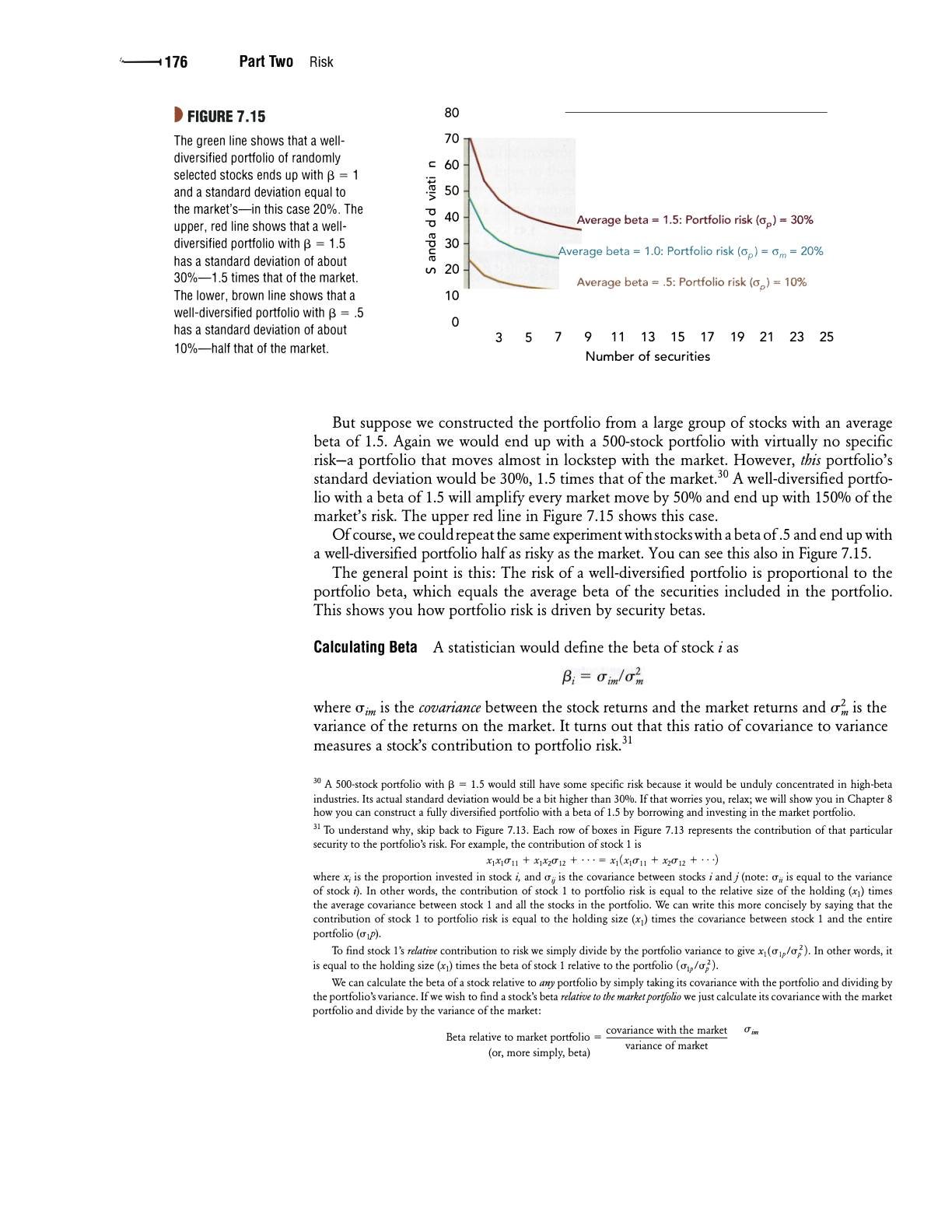
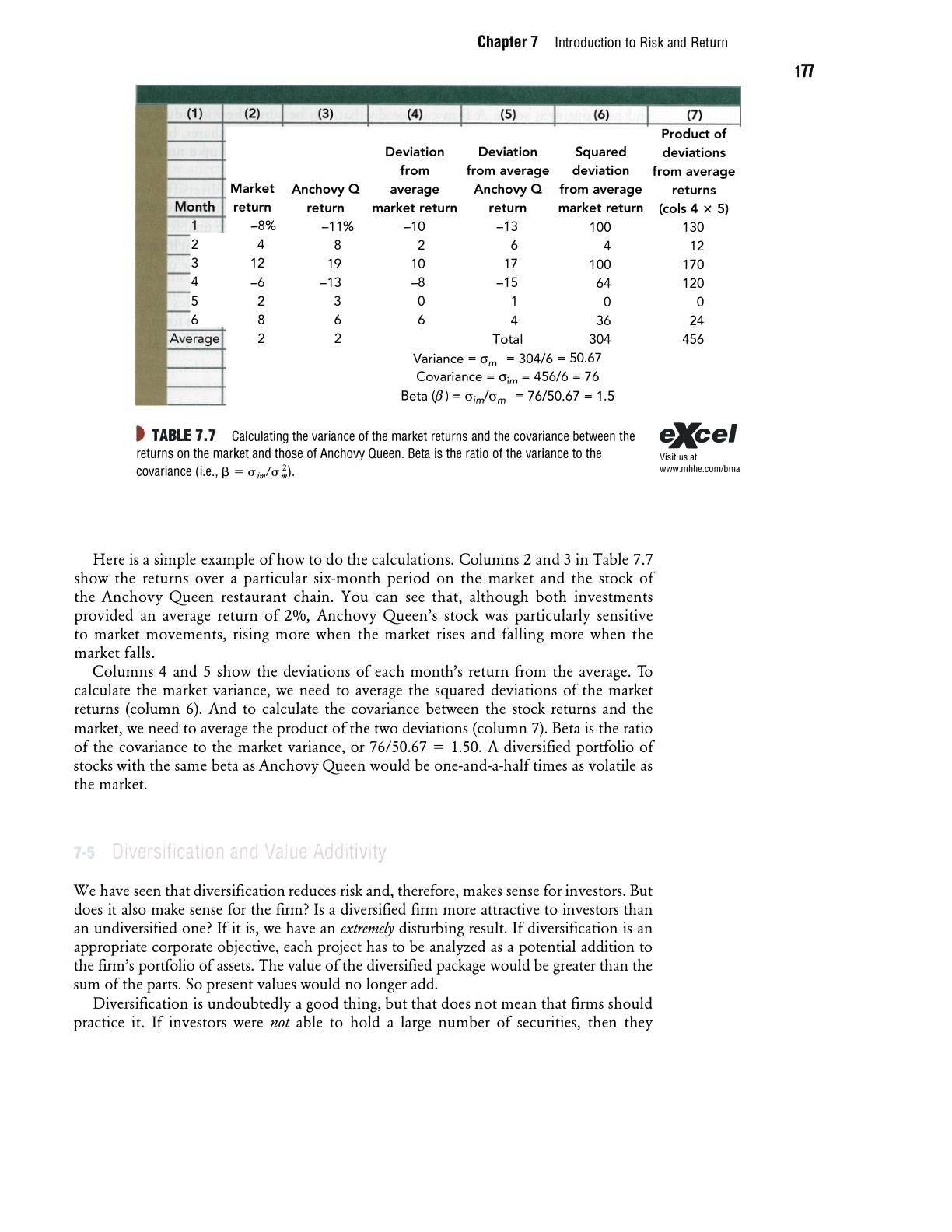
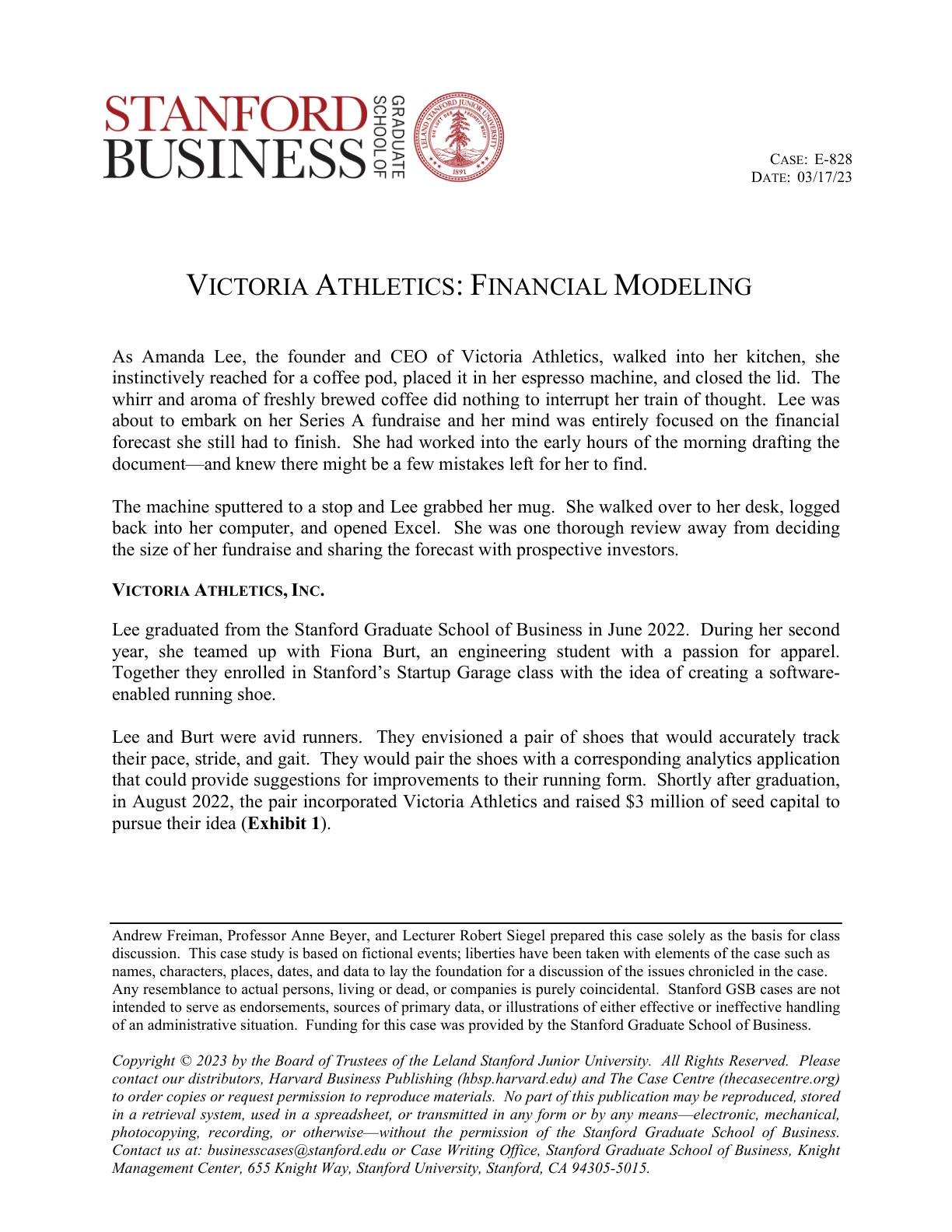
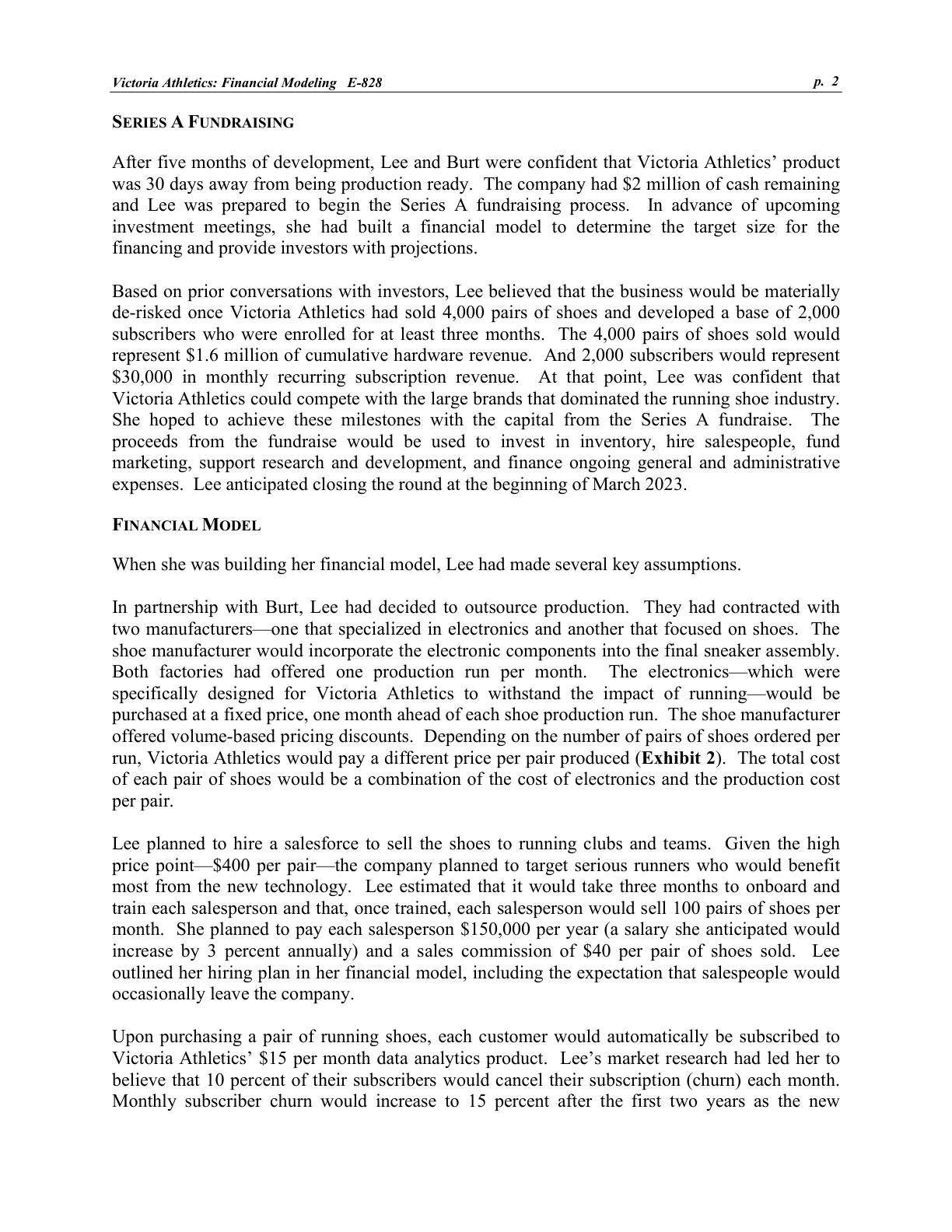
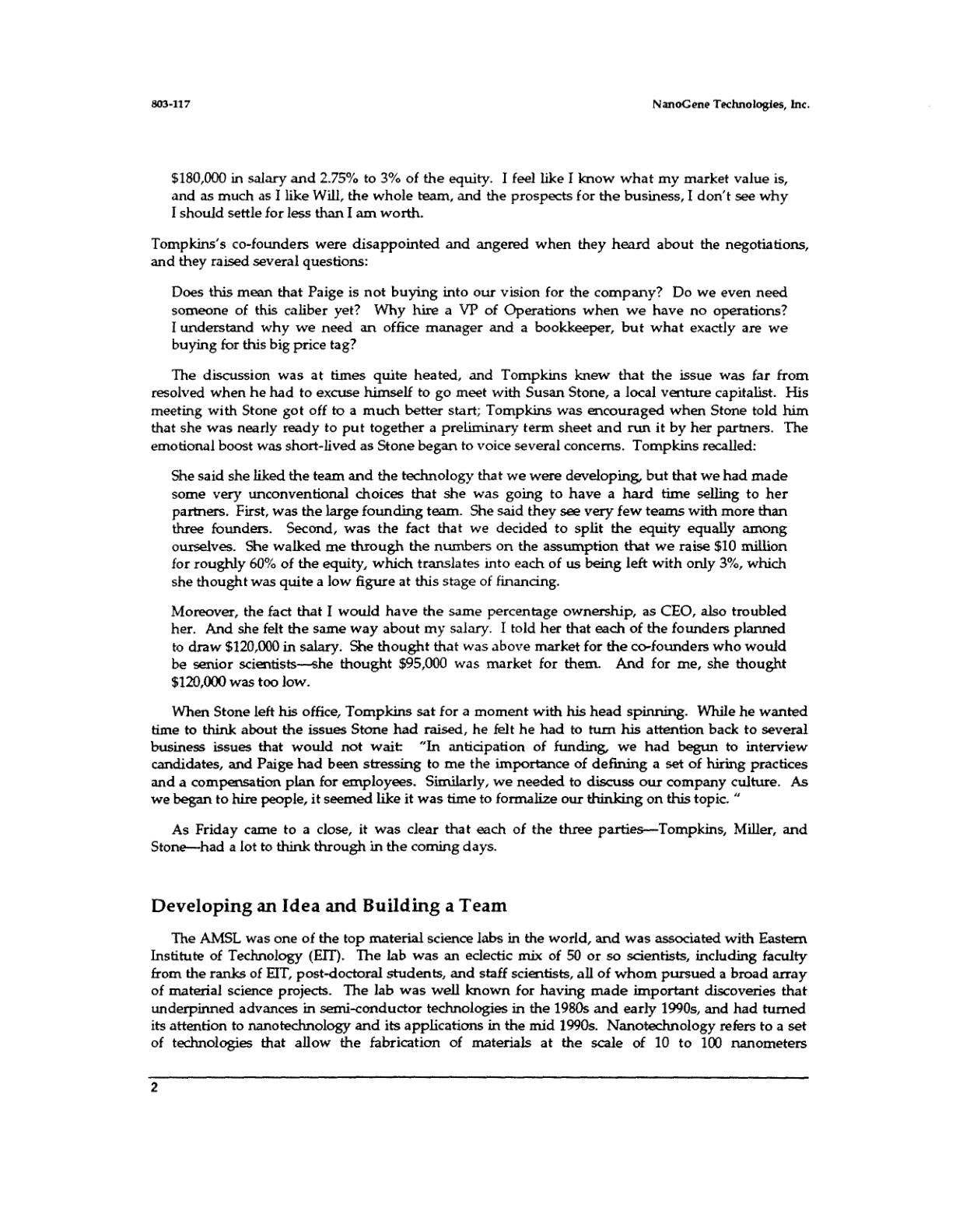
Source S01 · Feinberg · 14 pages
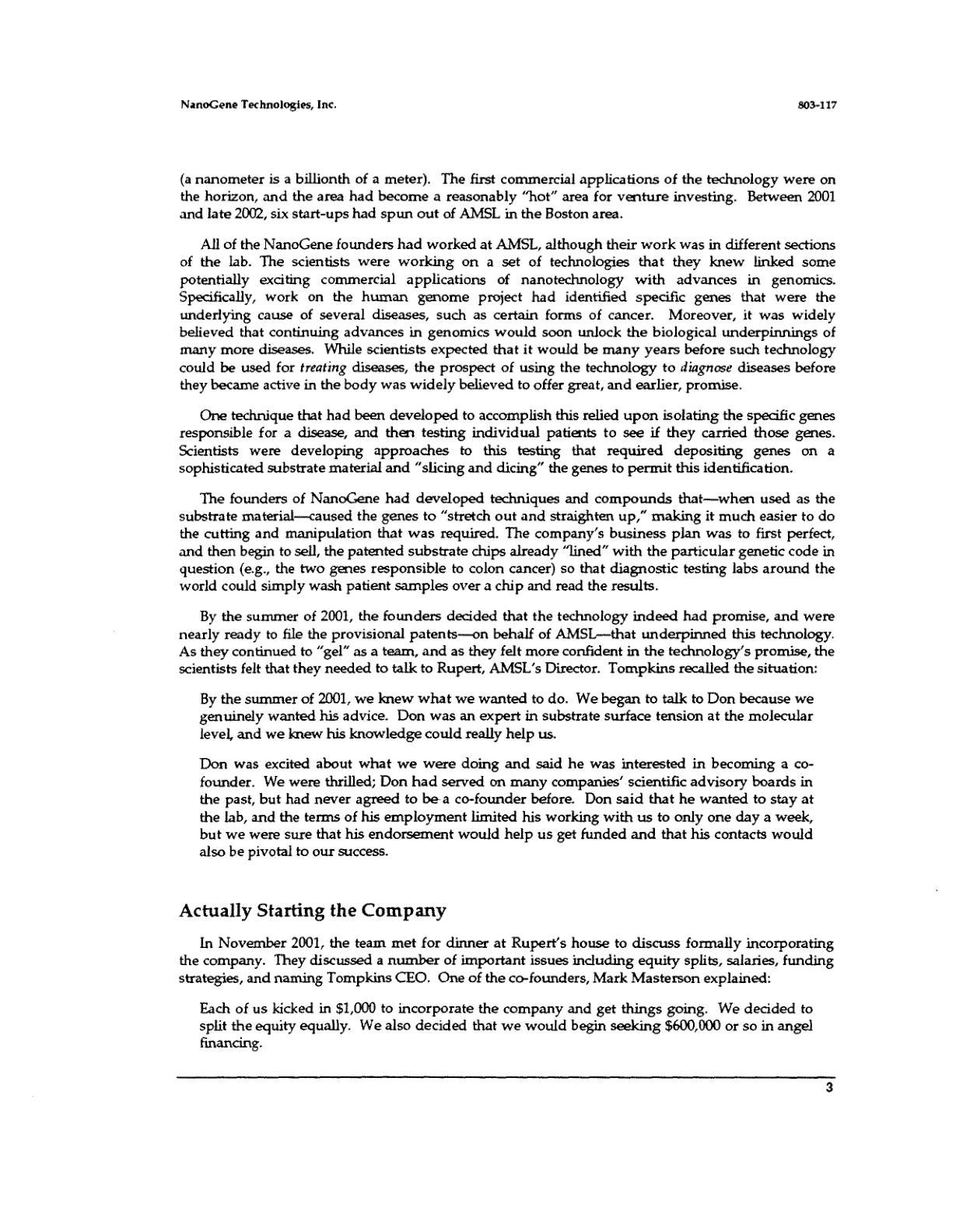
Source S02 · Feinberg · 15 pages
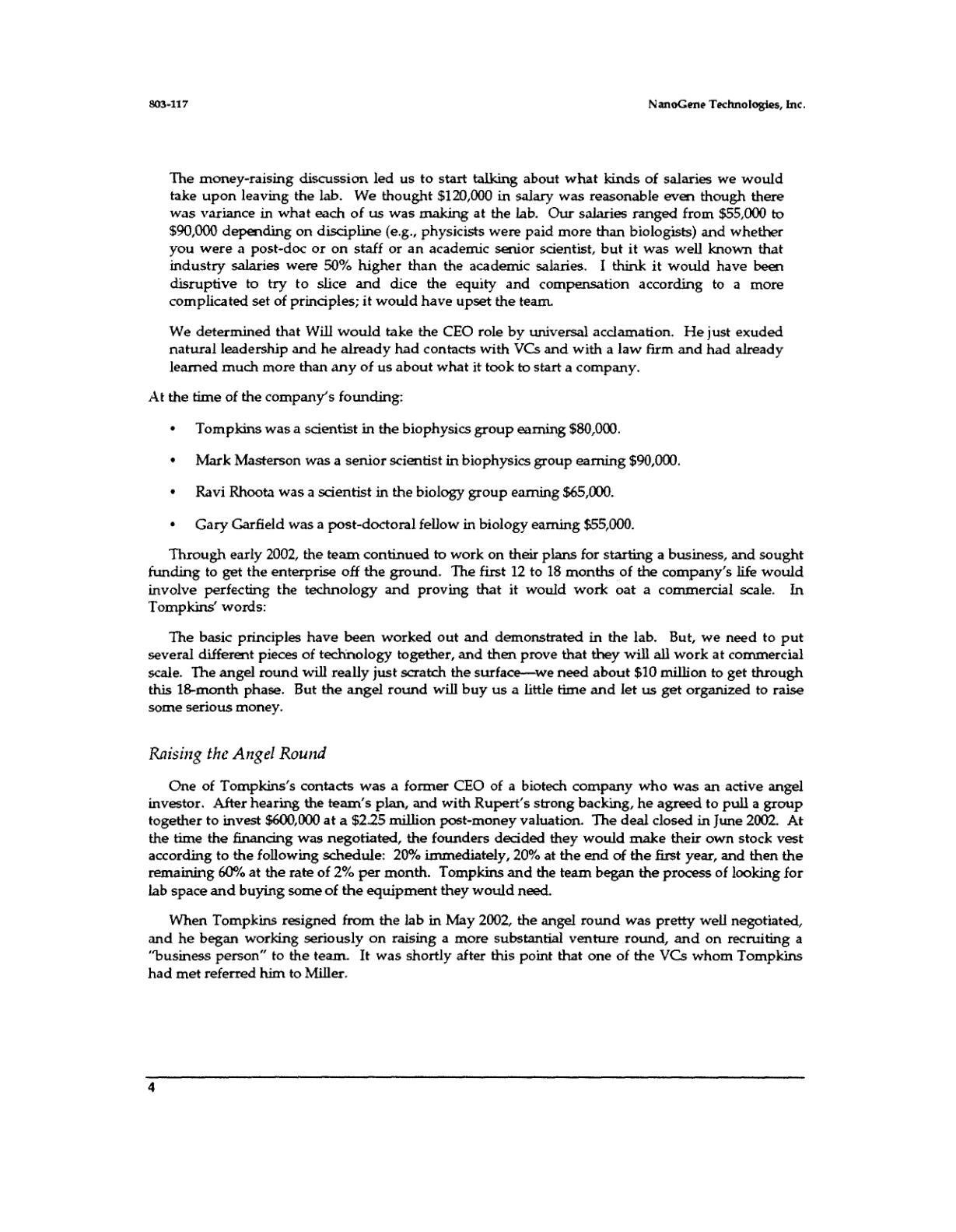
Source S03 · Feinberg · 19 pages
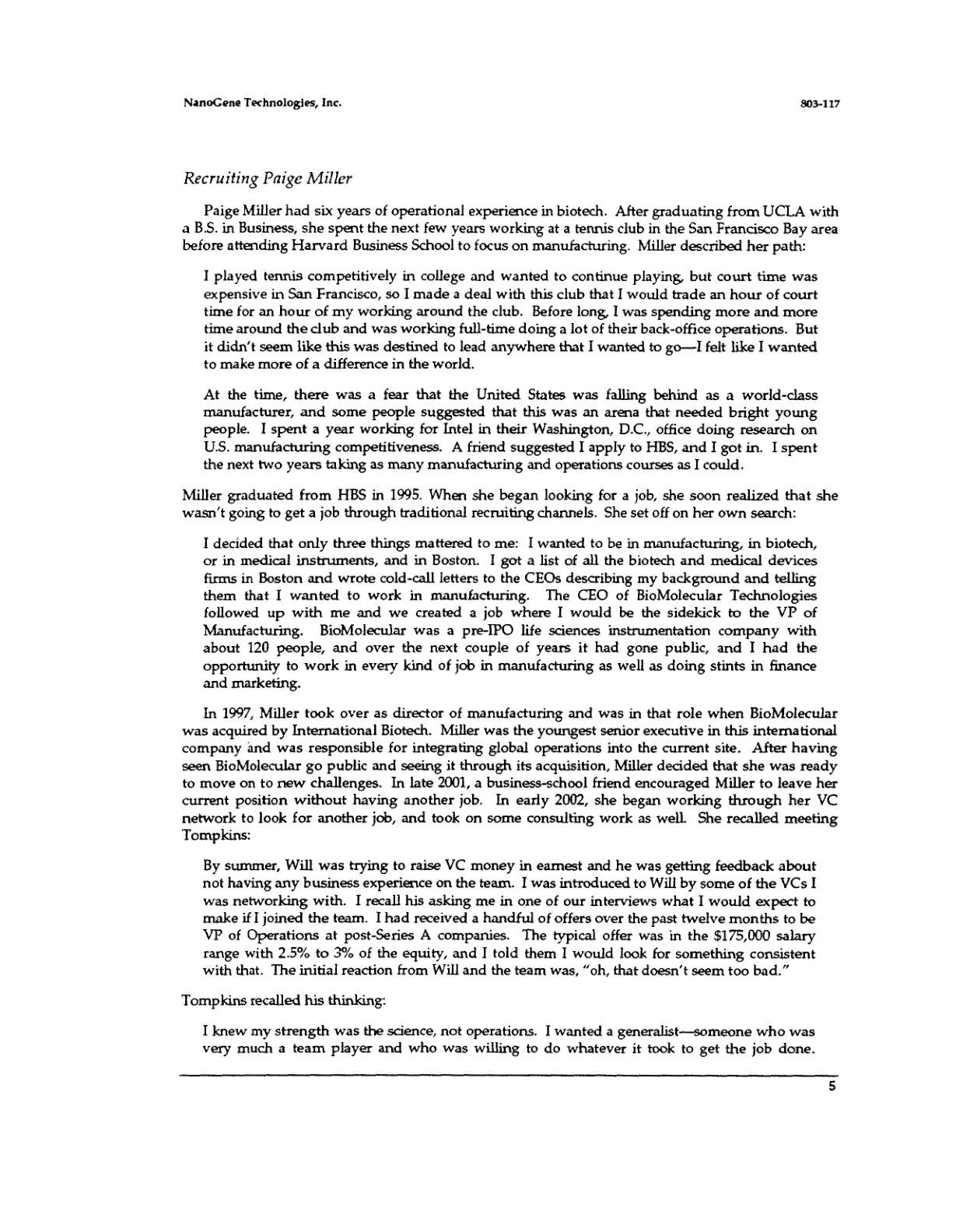
Source S04 · Feinberg · 10 pages
Source S06 · Soule · 8 pages
Source S09 · Soule · 10 pages
Source S10 · Levav · 40 pages
Source S11 · Lattin · 41 pages
Source S12 · Lattin · 21 pages
Source S13 · Lattin · 4 pages
Source S14 · Lattin · 18 pages
Source S15 · Lattin · 18 pages
Source S16 · Feinberg · 32 pages
Source S17 · Feinberg · 23 pages
Source S19 · Mendelson · 14 pages
Source S20 · Mendelson · 10 pages
Source S21 · Feinberg · 14 pages
Source S22 · Feinberg · 4 pages
Source S24 · Feinberg · 6 pages
Source S25 · Feinberg · 40 pages
Source S26 · Feinberg · 23 pages
Source S27 · Feinberg · 24 pages
Source S28 · Kasznik · 19 pages
Source S29 · Kasznik · 17 pages
Source S30 · Kasznik · 3 pages
Source S31 · Beyer · 69 pages
Source S32 · Beyer · 25 pages
Source S33 · Beyer · 24 pages
Source S34 · Beyer · 8 pages
Source S35 · Beyer · 5 pages
Source S36 · Beyer · 25 pages
Source S37 · Strebulaev · 54 pages
Source S38 · Strebulaev · 38 pages
Source S39 · Strebulaev · 21 pages
Source S40 · Reiss · 59 pages
Source S41 · Reiss · 11 pages
Source S42 · Reiss · 5 pages
Source S43 · Reiss · 3 pages
Source S44 · Reiss · 9 pages
Source S45 · Richardson · 37 pages
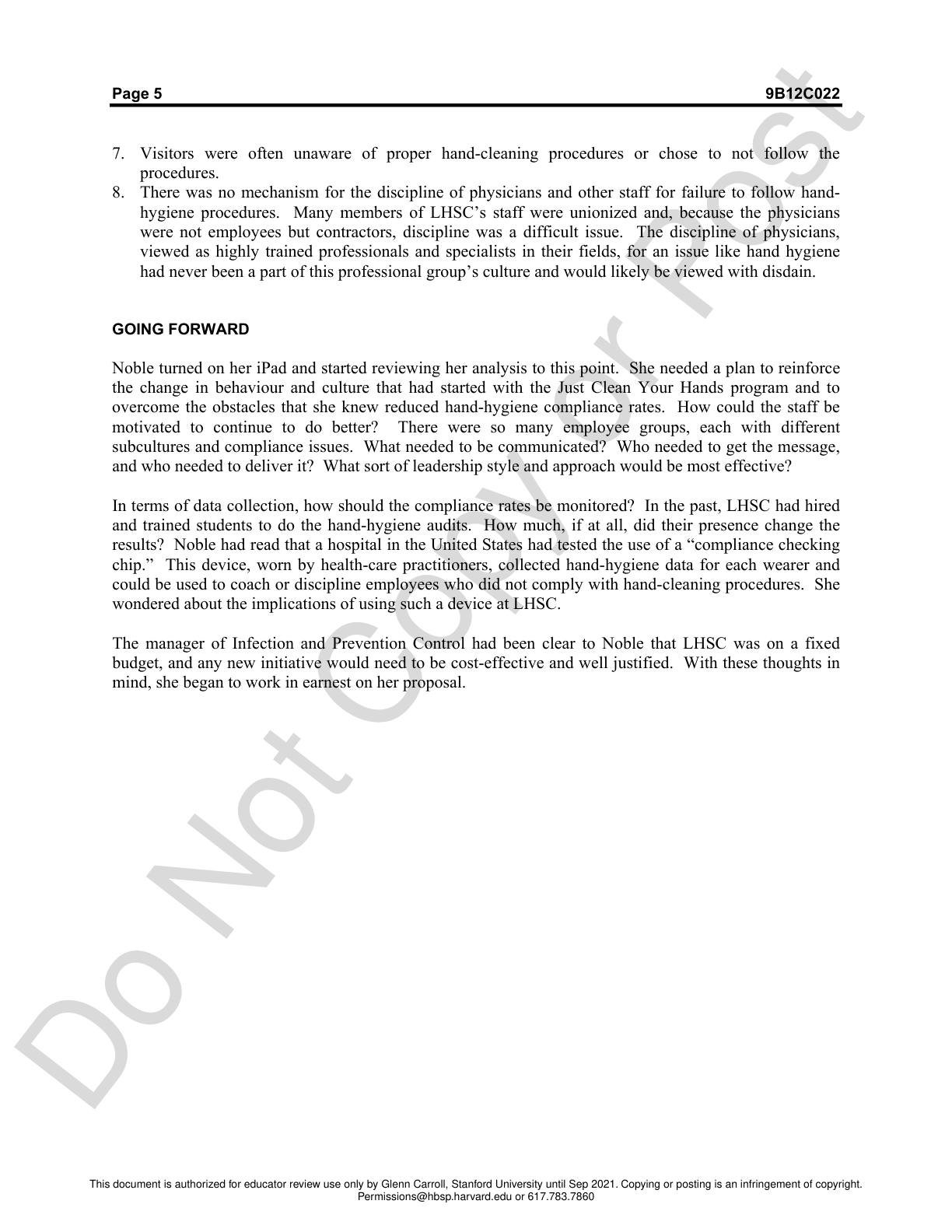
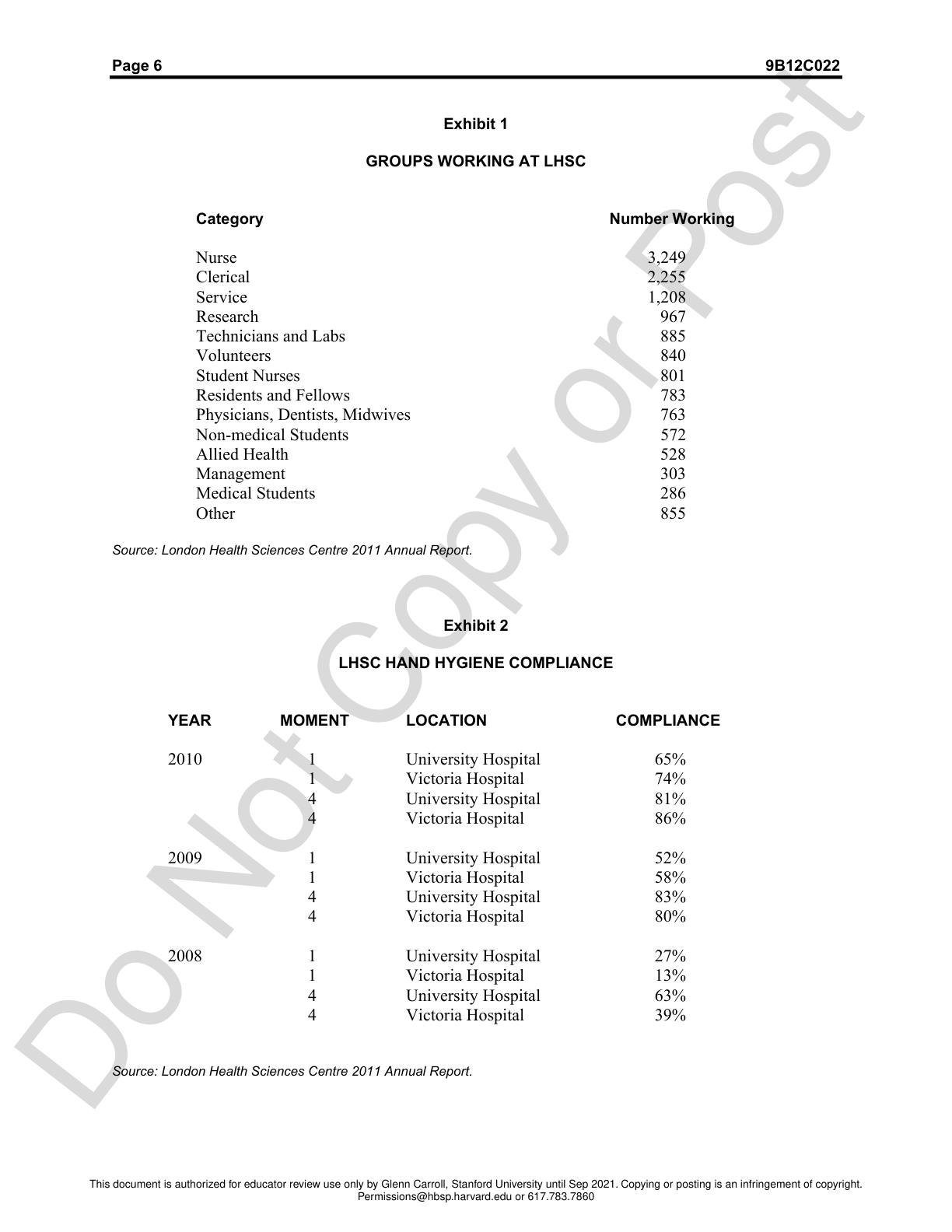
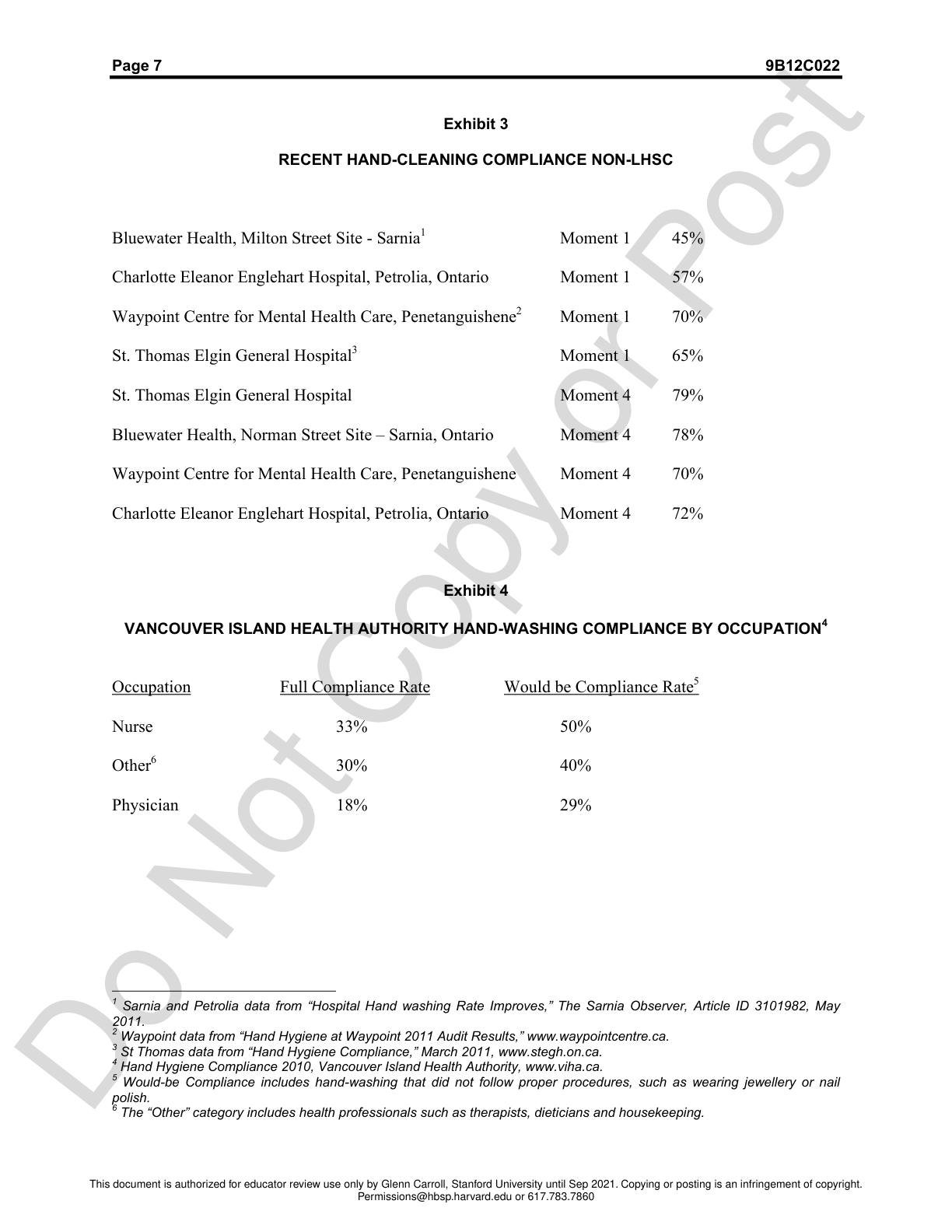
Source S48 · Carroll · 5 pages
Source S49 · Carroll · 7 pages
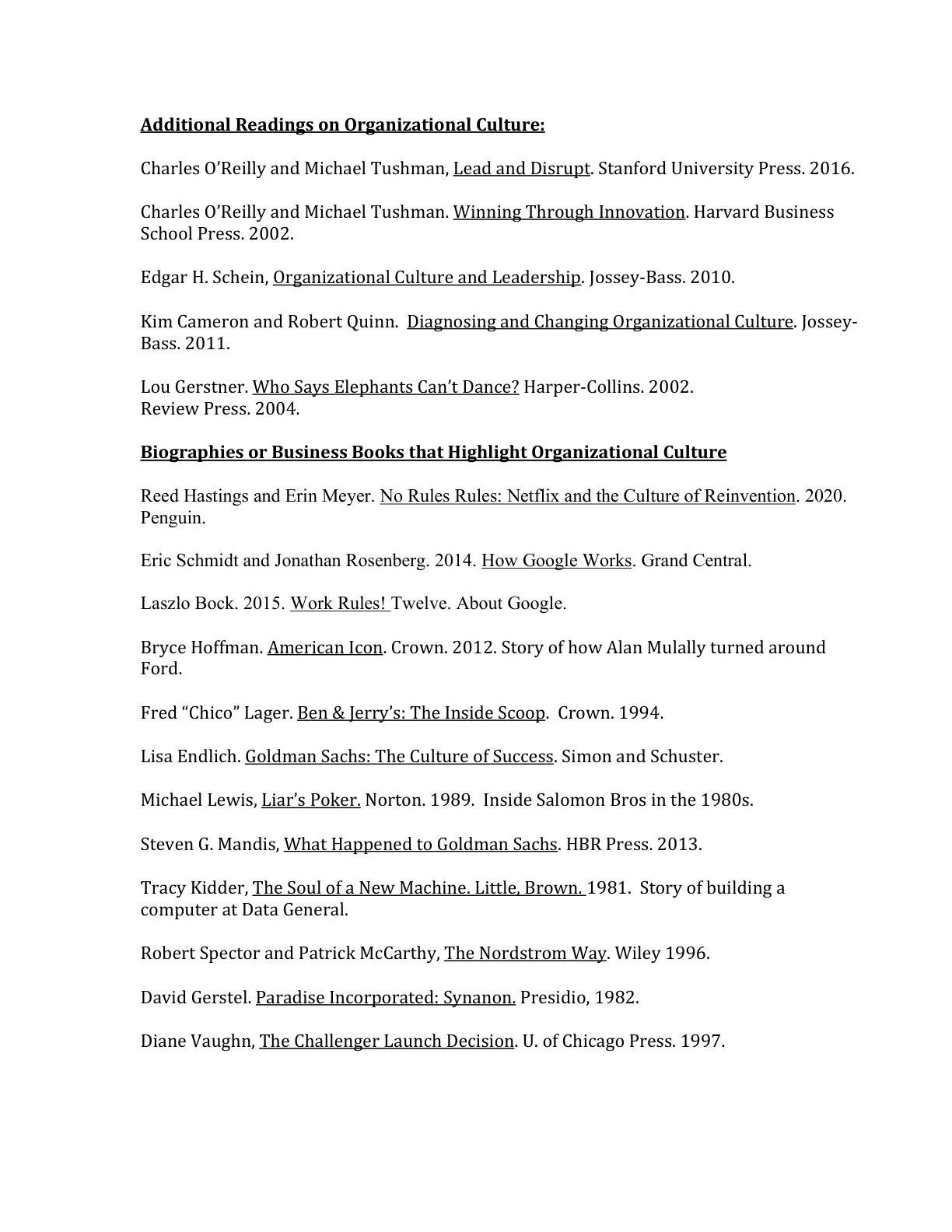
Source S50 · Carroll · 1 pages
Source S52 · Abrahams · 1 pages
Source S53 · Abrahams · 1 pages
Source S54 · Abrahams · 16 pages
Source S55 · Abrahams · 9 pages
Source S56 · Abrahams · 3 pages
Source S57 · Bootcamp · 1 pages
Source S58 · Bootcamp · 4 pages