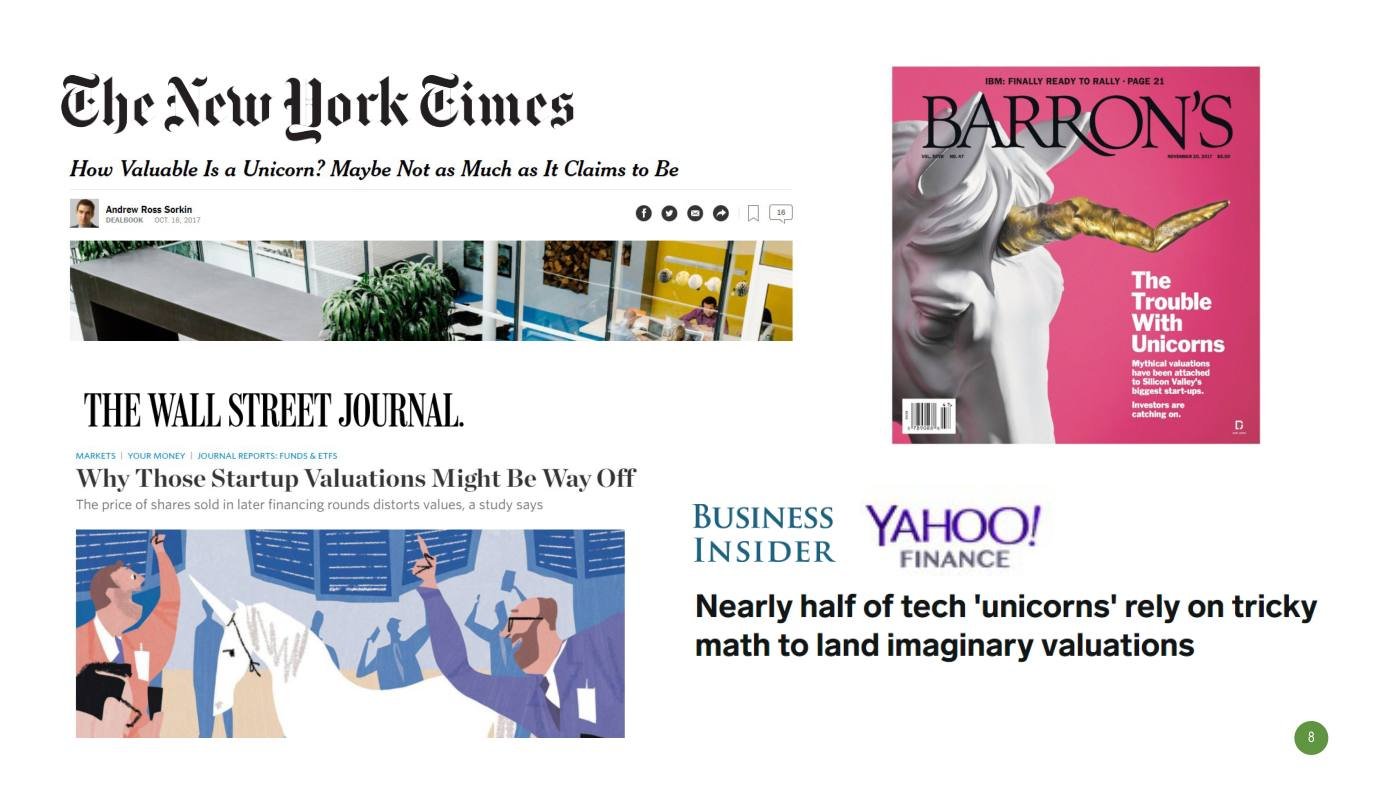
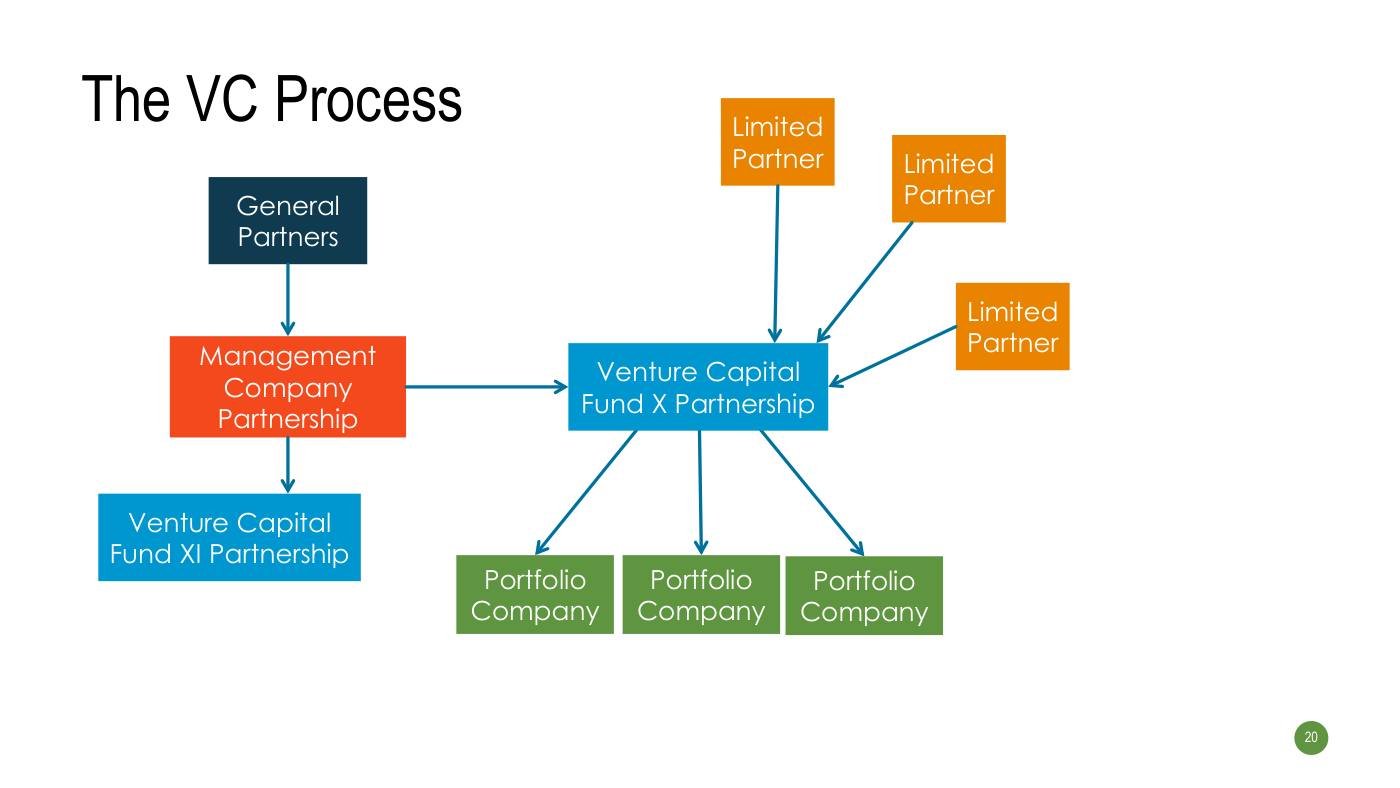
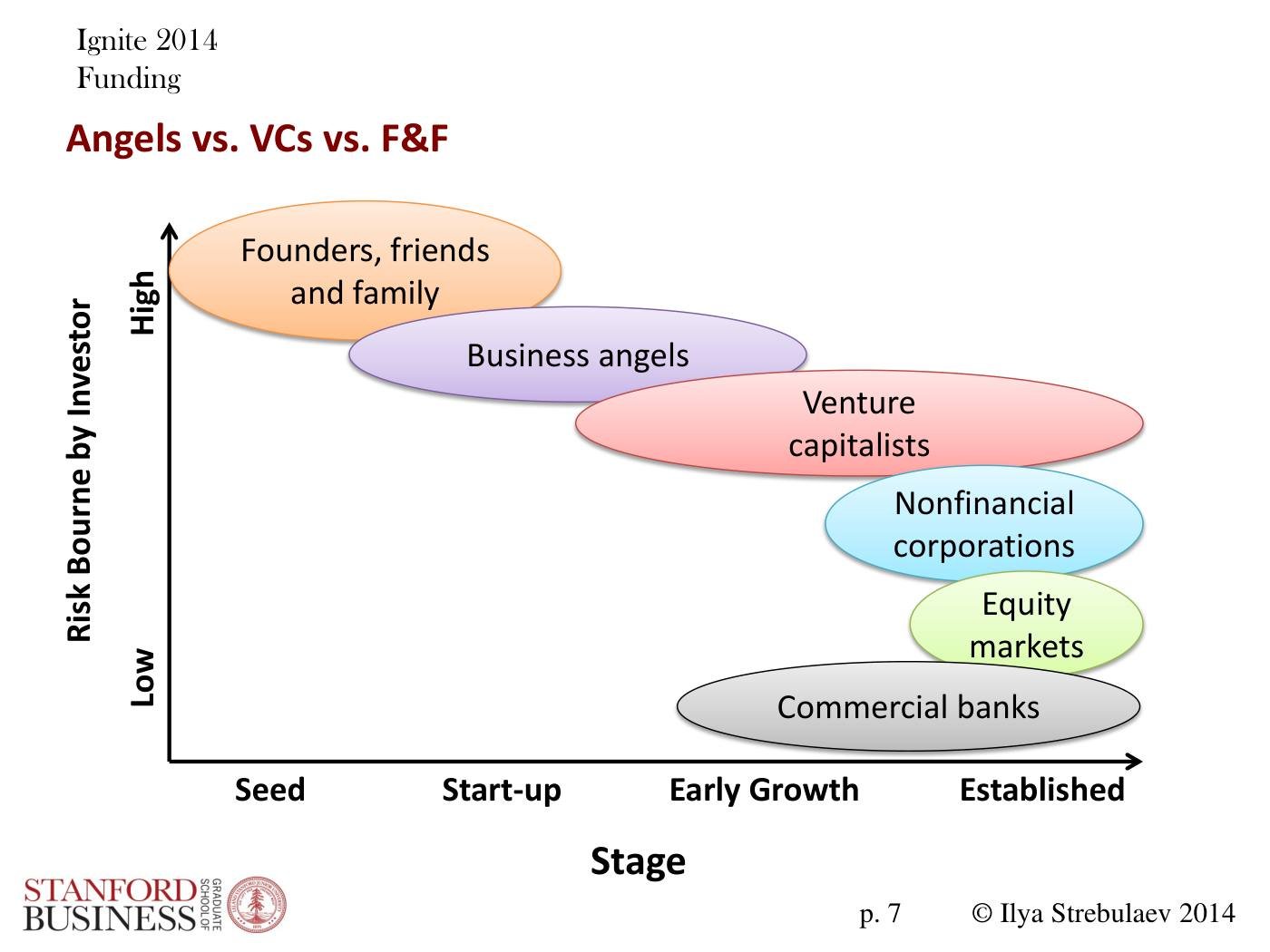
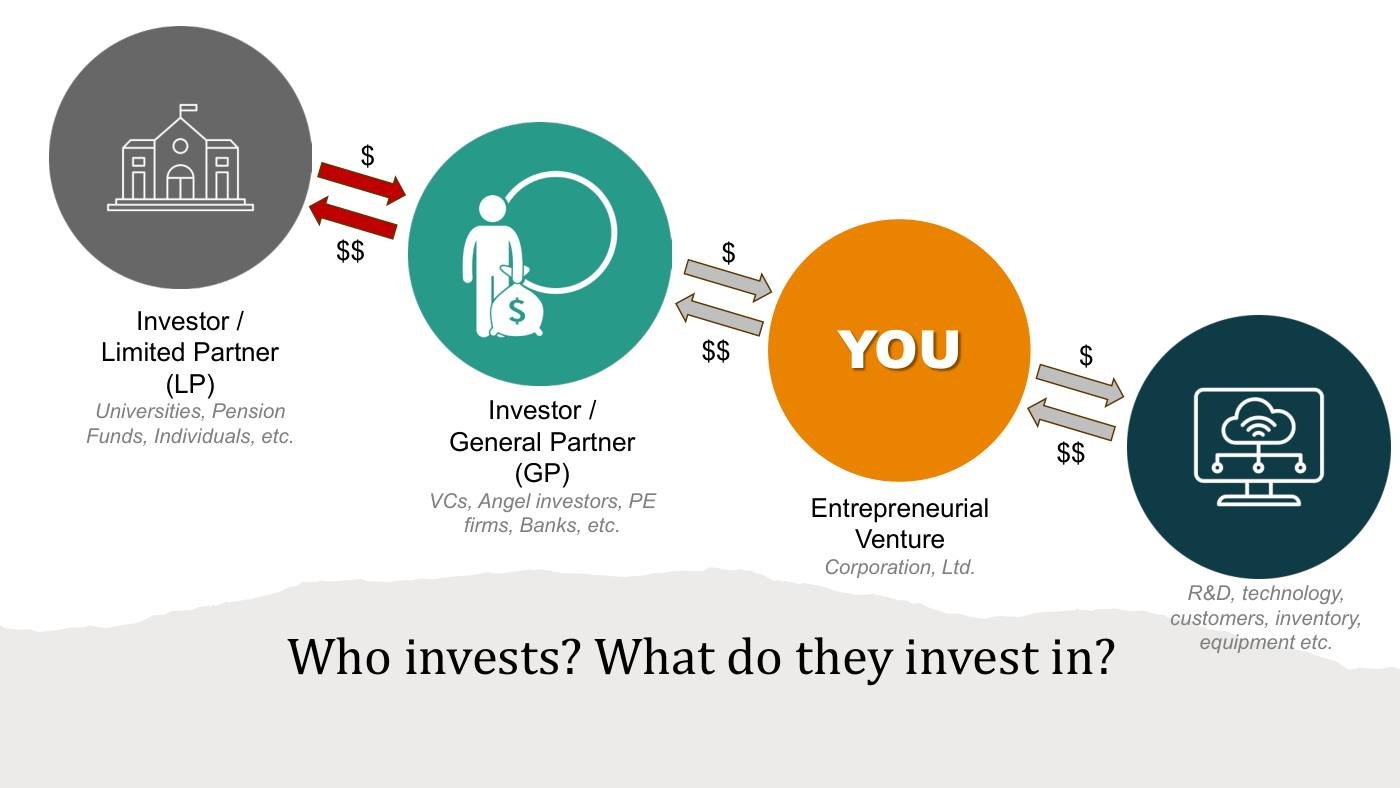
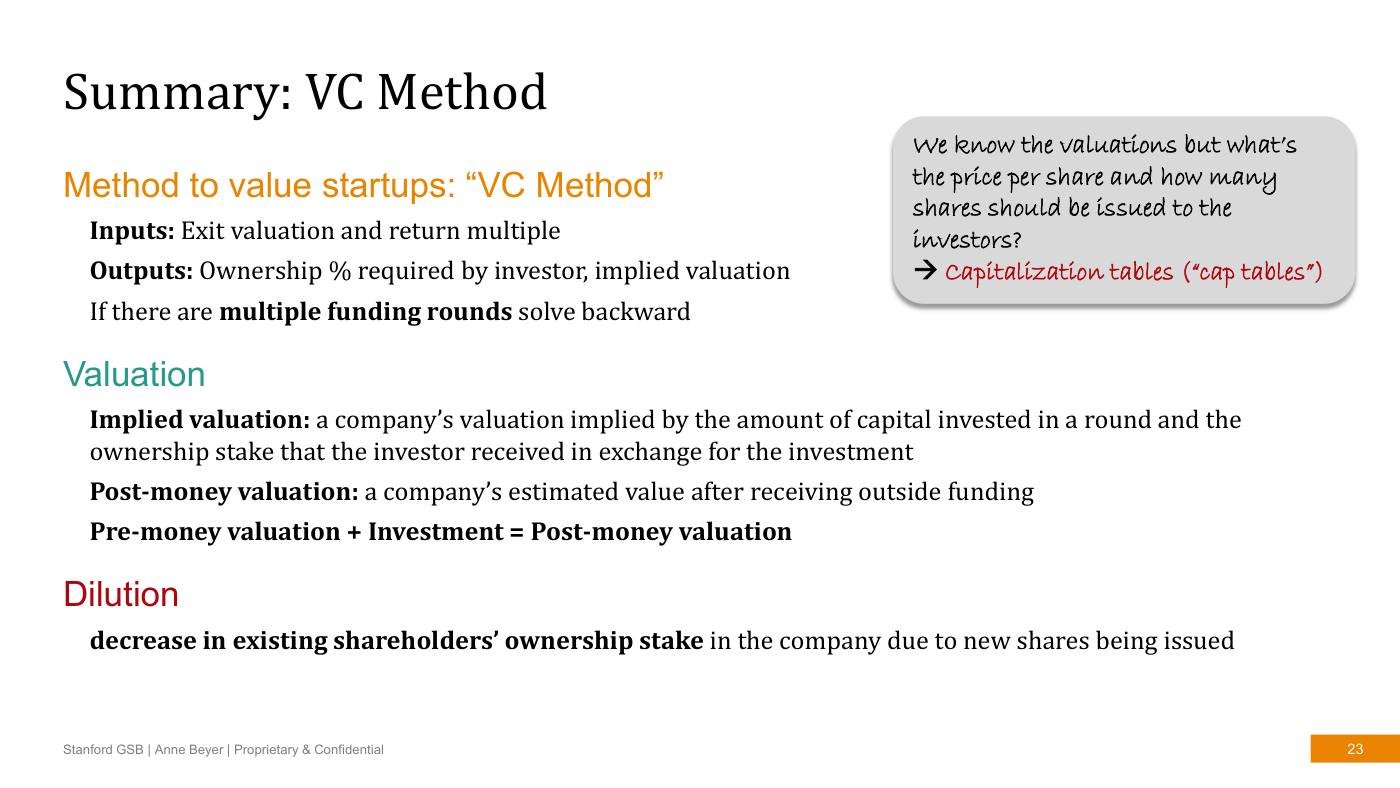
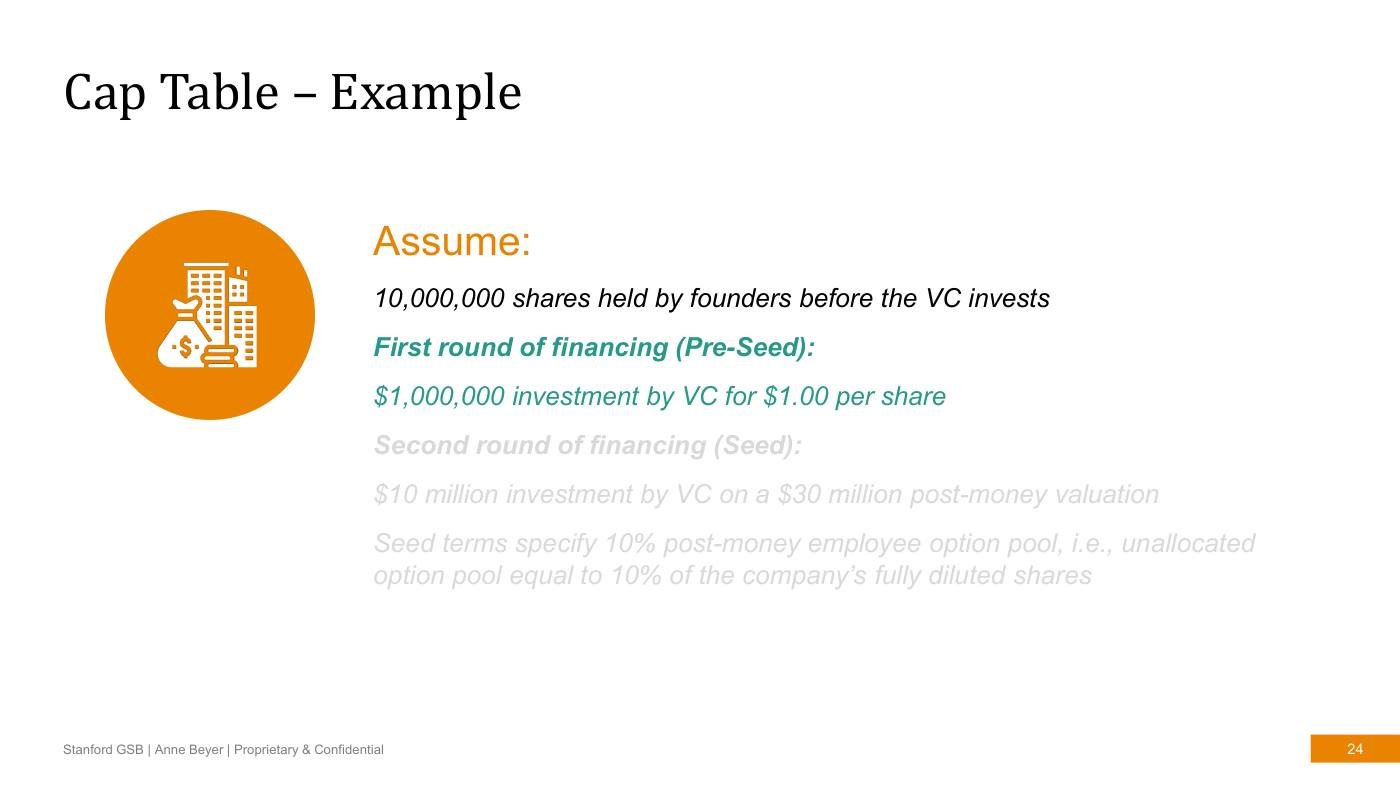
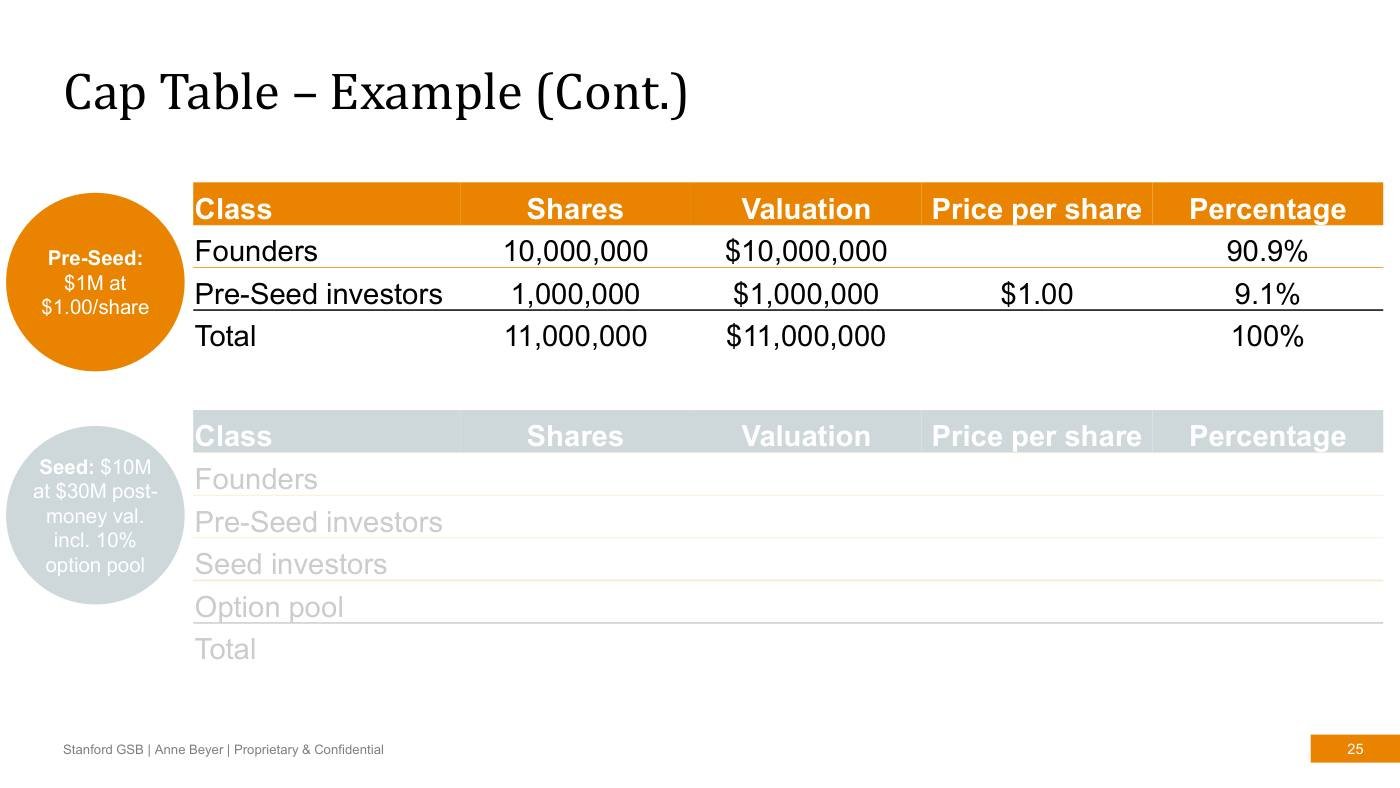
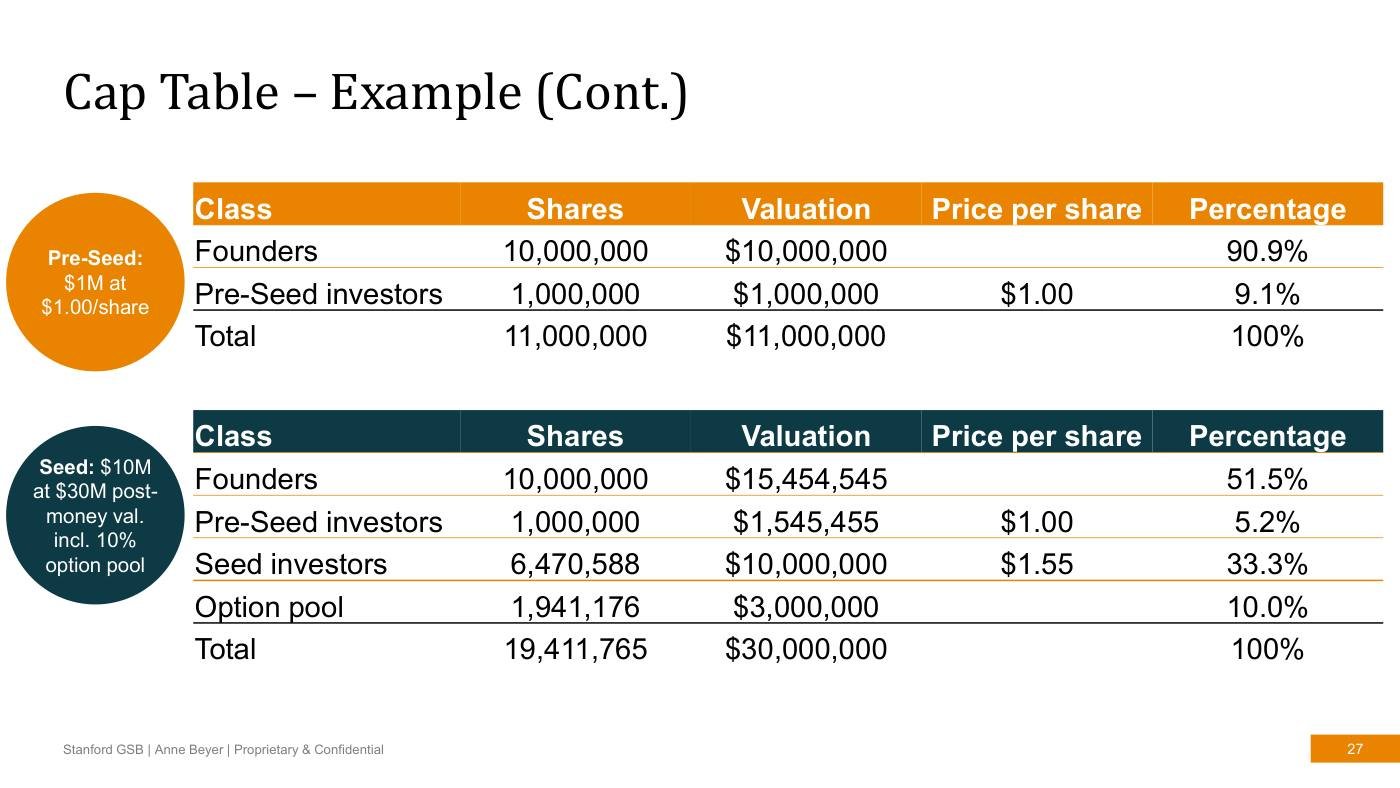
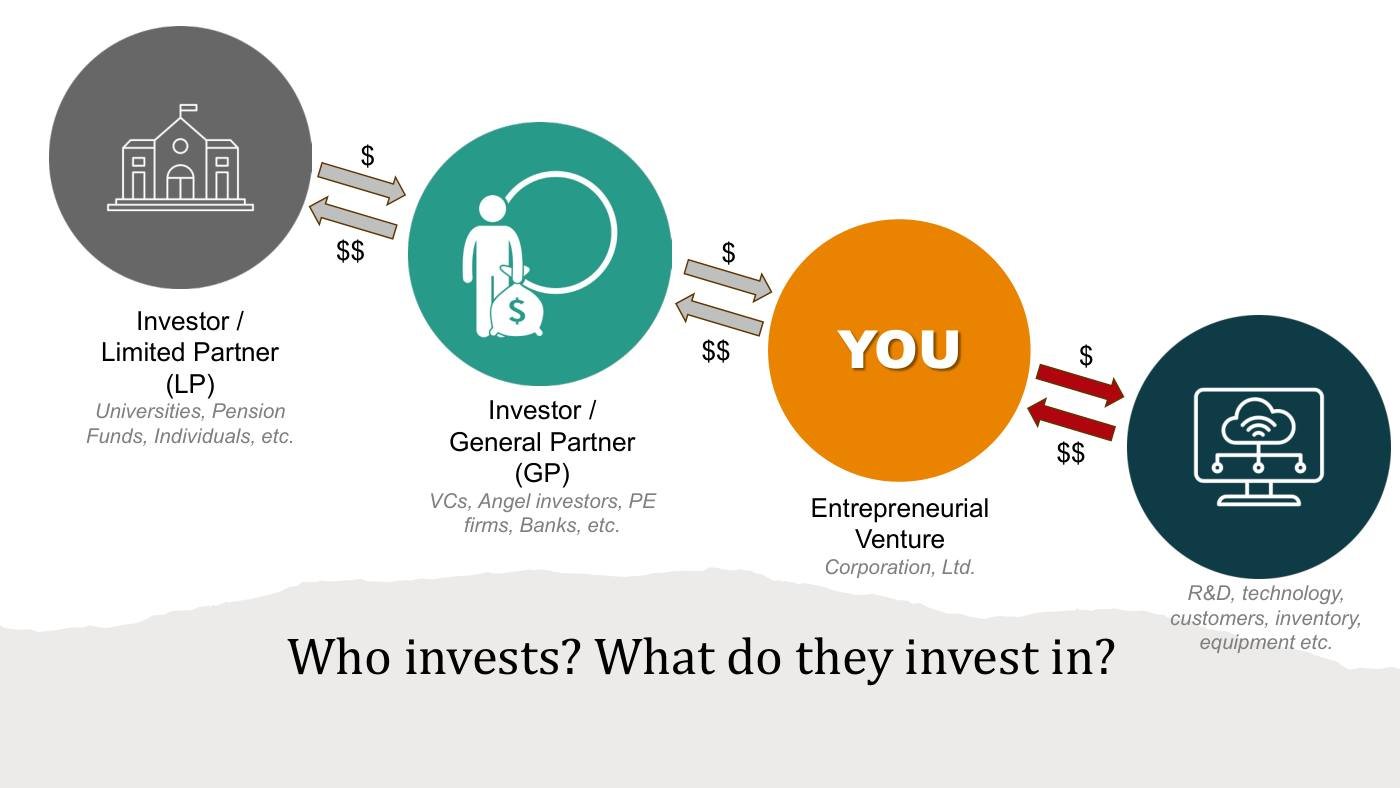
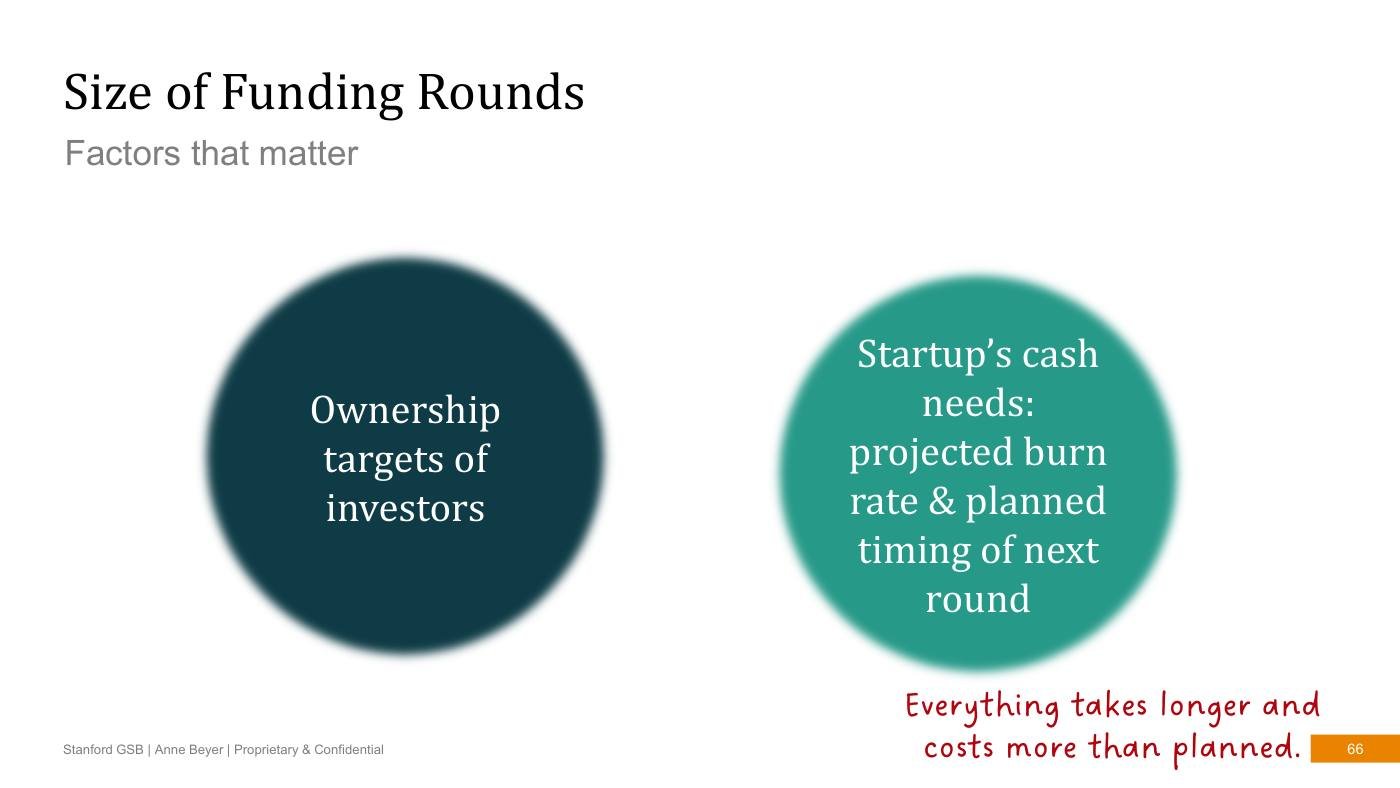
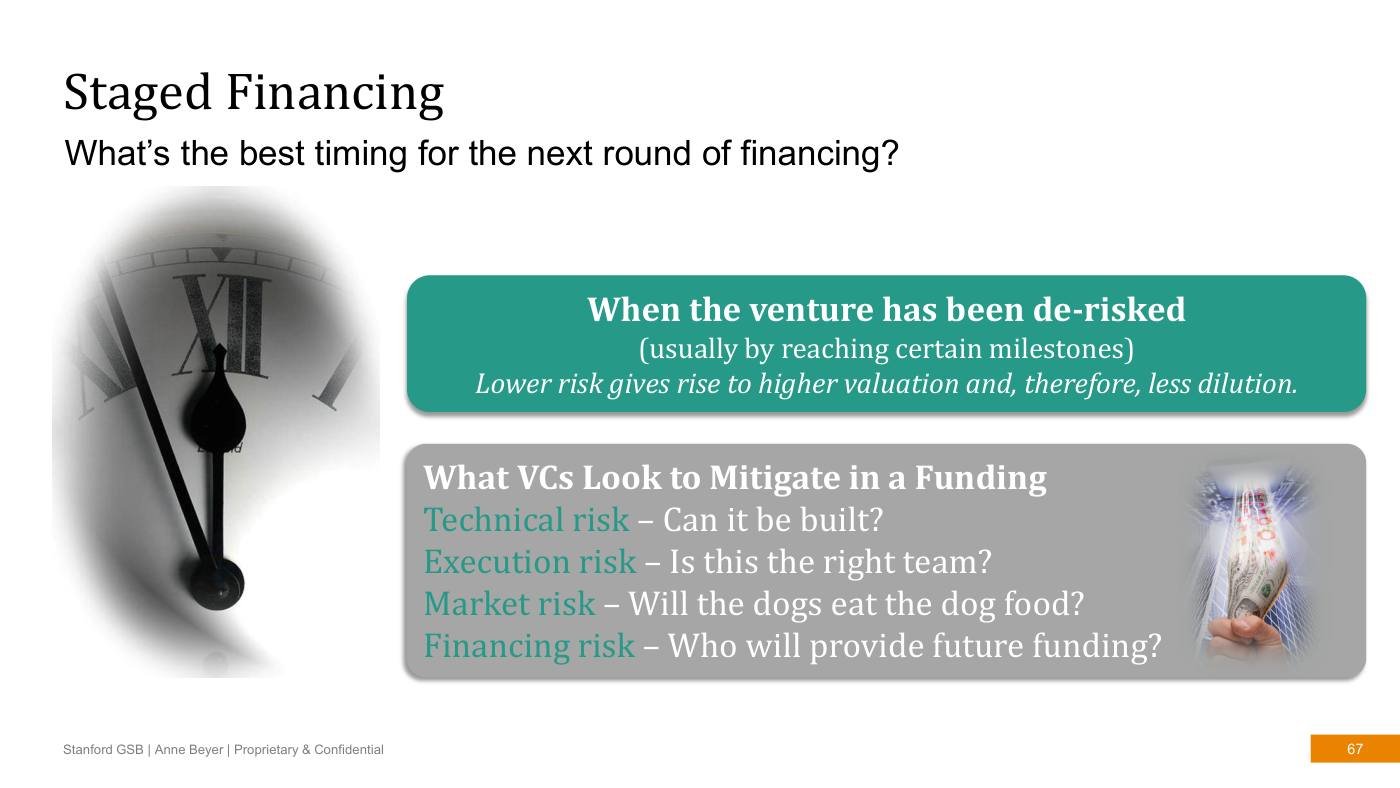
In June 2021 Klarna raised $639 million in a round led by SoftBank at a $45.6 billion valuation. Thirteen months later, in July 2022, it raised $800 million at $6.7 billion, a cut of about 85%. Existing investors Sequoia, Bestseller, Silver Lake and Commonwealth Bank of Australia took part, joined by Mubadala and the Canada Pension Plan Investment Board. Klarna attributed the reset to the fall in public fintech valuations (peers down 80–90% from their peaks), rising rates and inflation, and had cut about 10% of its workforce in May 2022. On 10 September 2025 Klarna listed on the NYSE at $40 per share, a valuation of roughly $15 billion; the stock opened at $52 and closed its first day at $45.82. Sequoia held about 21% at the listing. The same company was therefore priced by three different marginal investors at three different moments, and an investor's outcome depended far more on its entry price, its share of later rounds and its fund's time horizon than on whether Klarna itself succeeded.
Sources: FinTech Futures: Klarna lands $800m funding as valuation cut to $6.7bn from $45.6bn last year · Fortune: Klarna's NYSE debut, the biggest IPO of 2025 · MarketBeat: Klarna prices IPO at $40, valuing the company at $15 billion
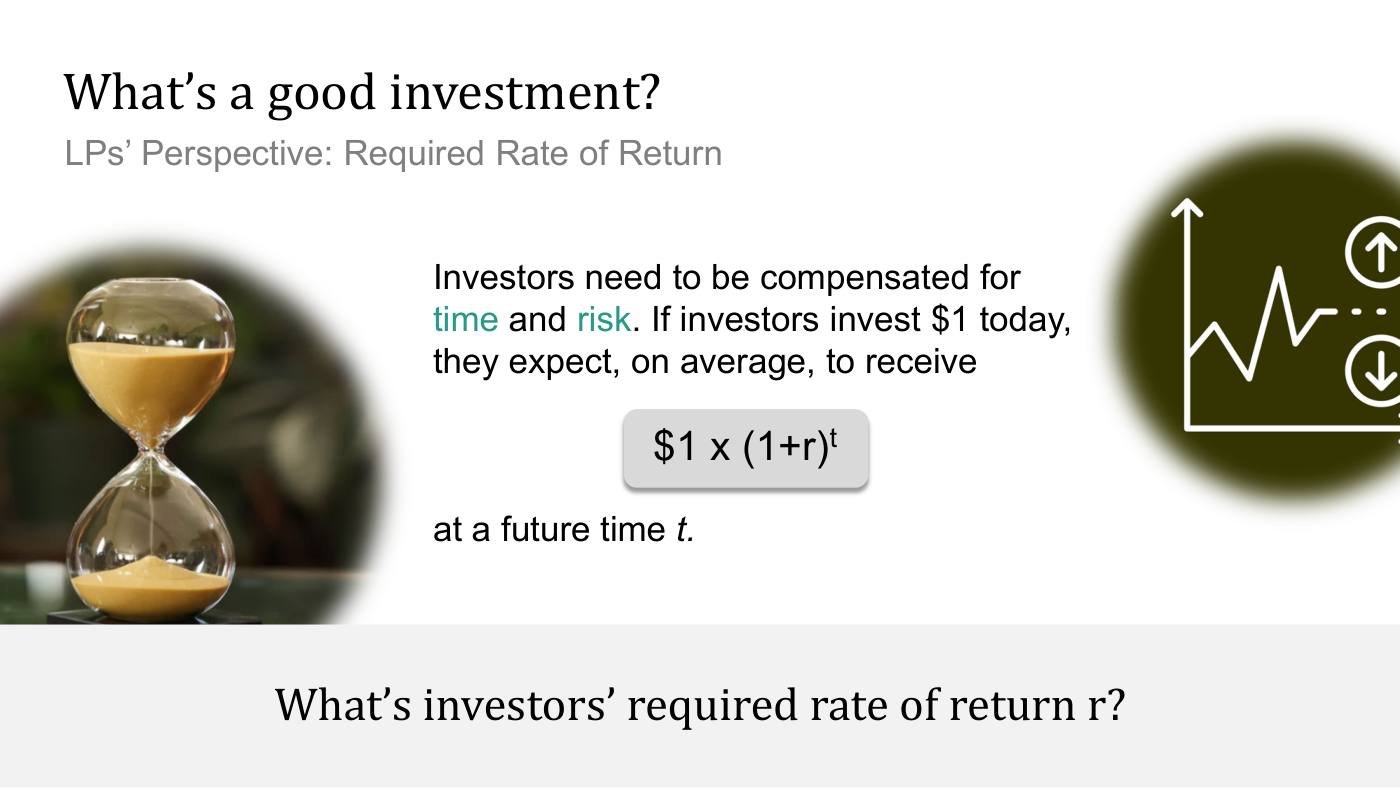
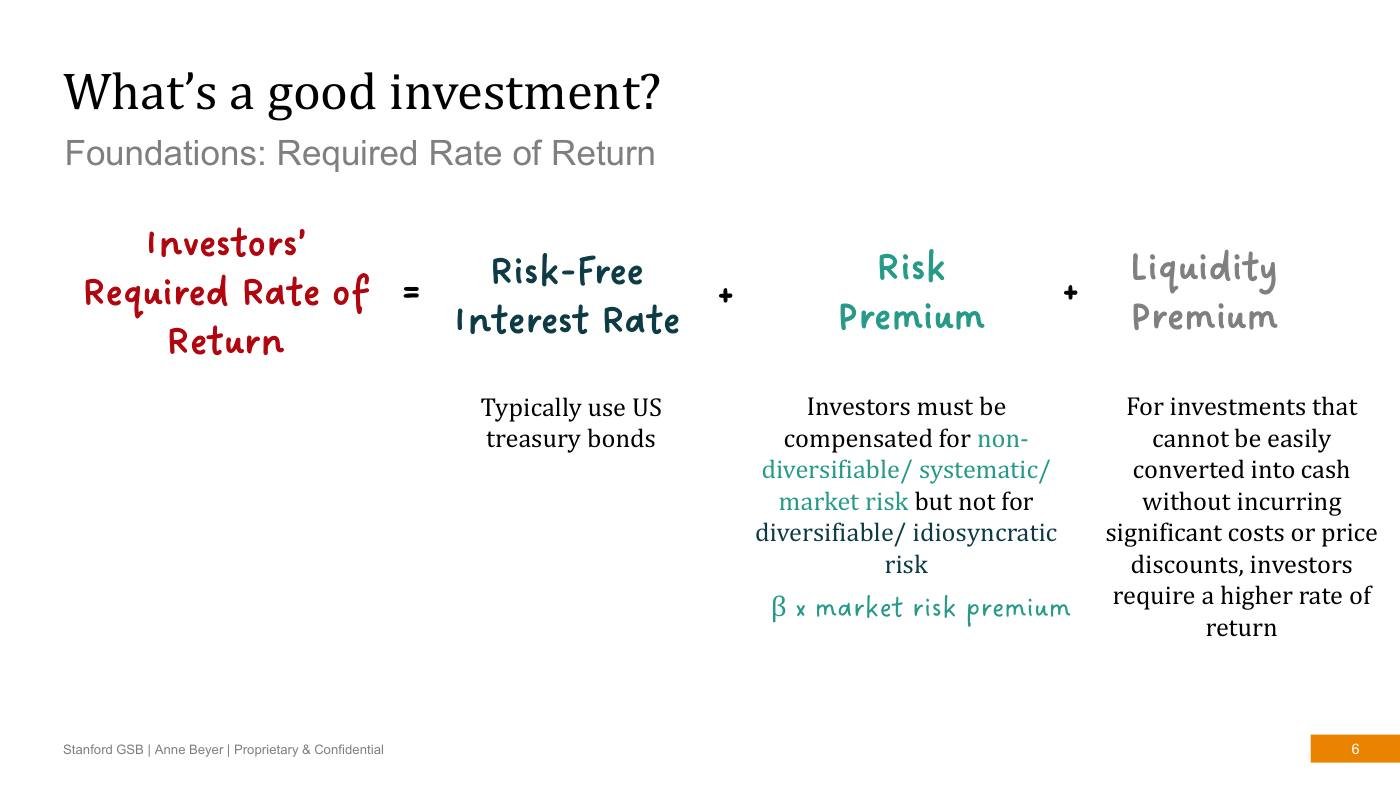
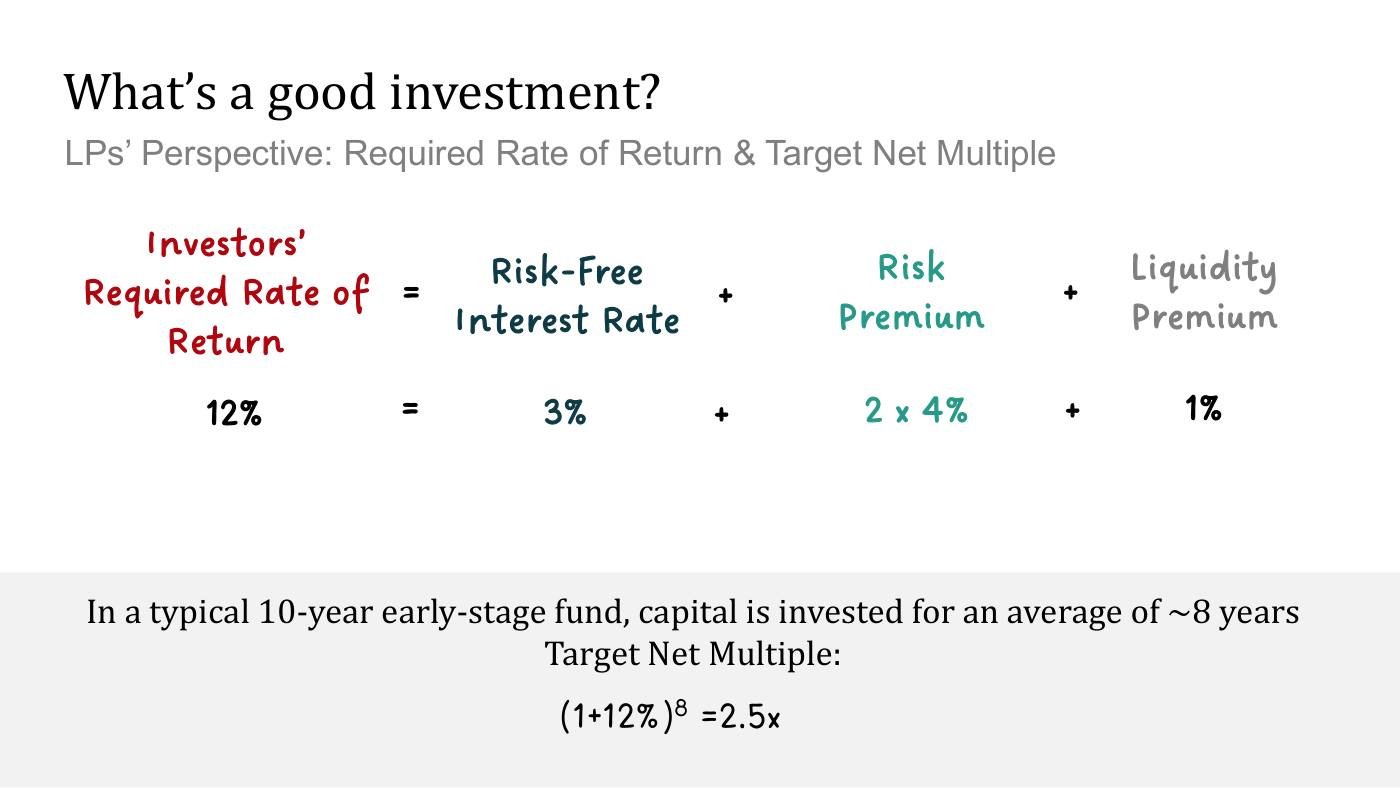
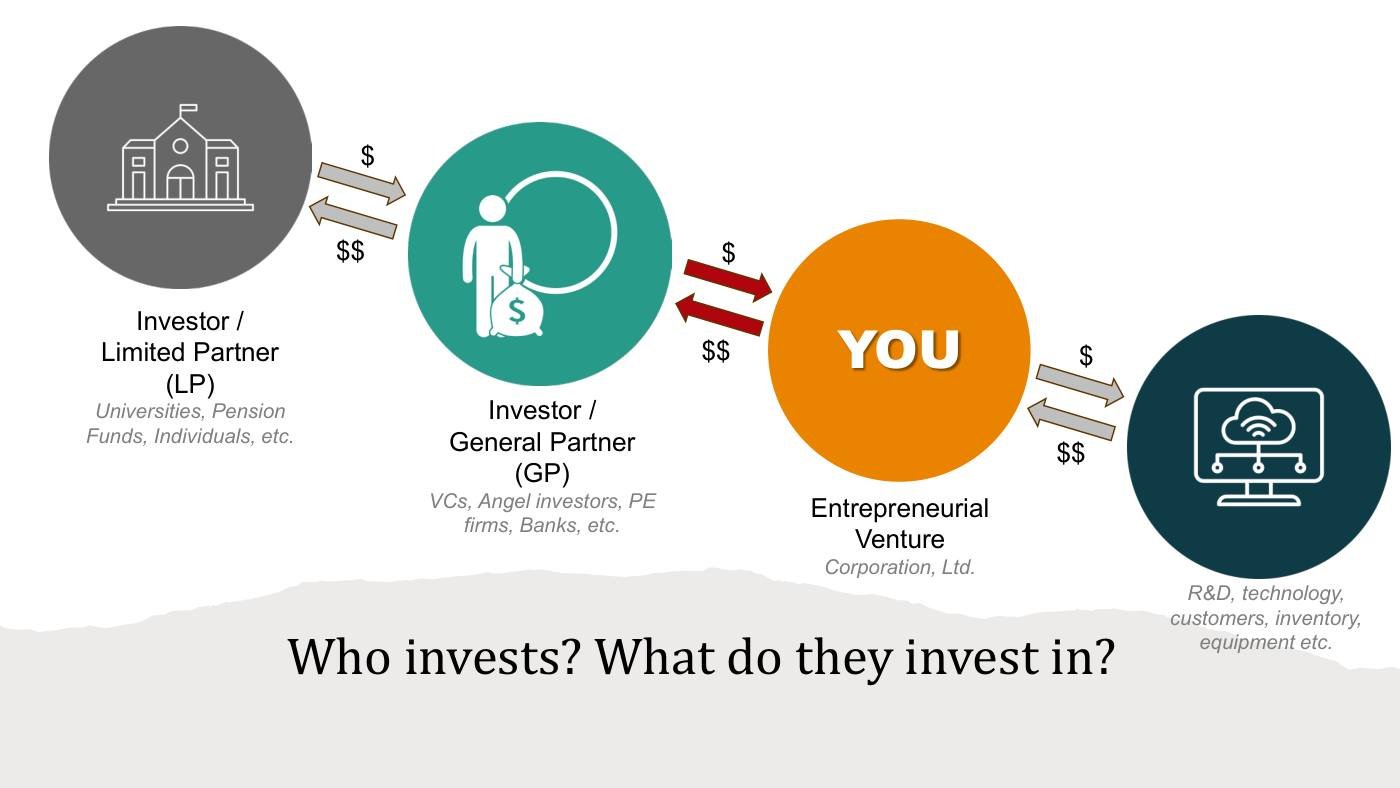
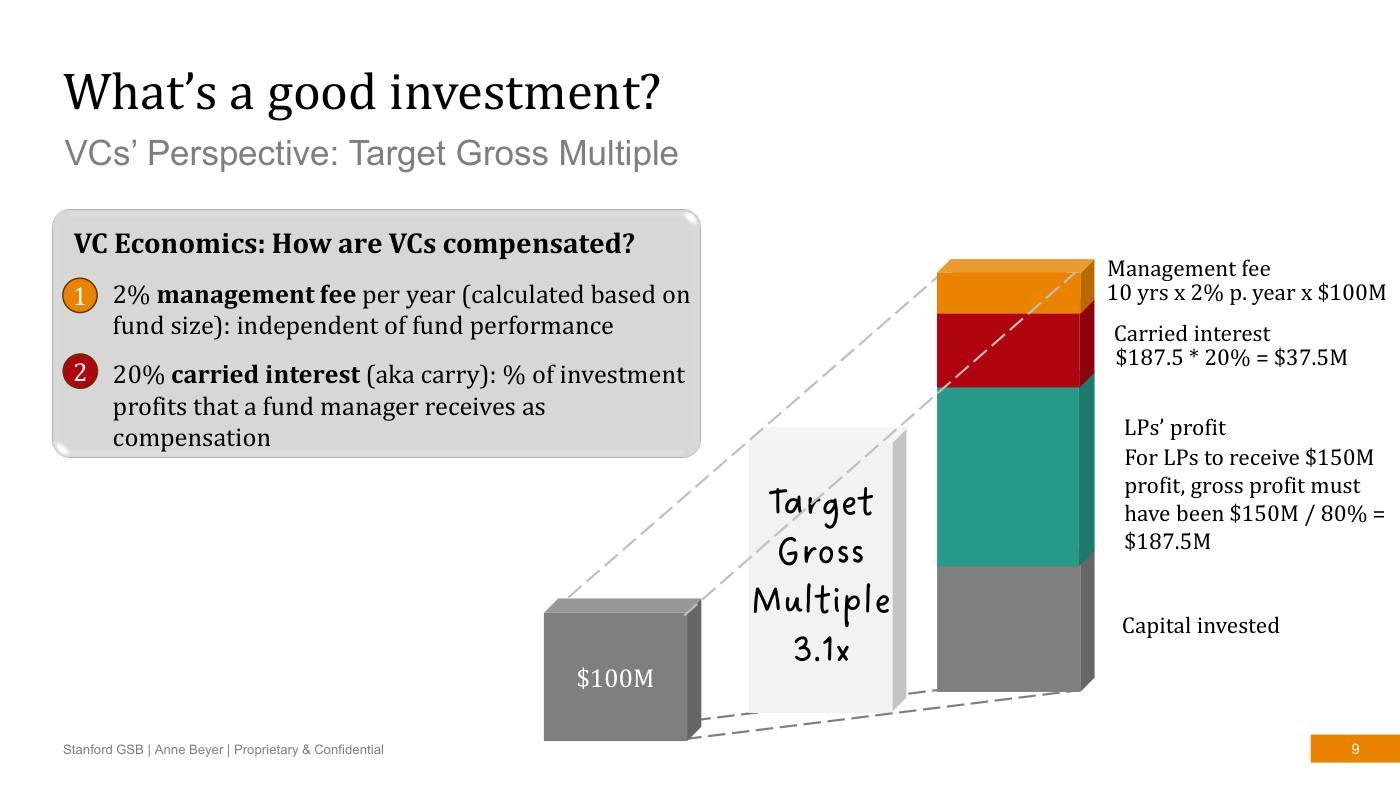
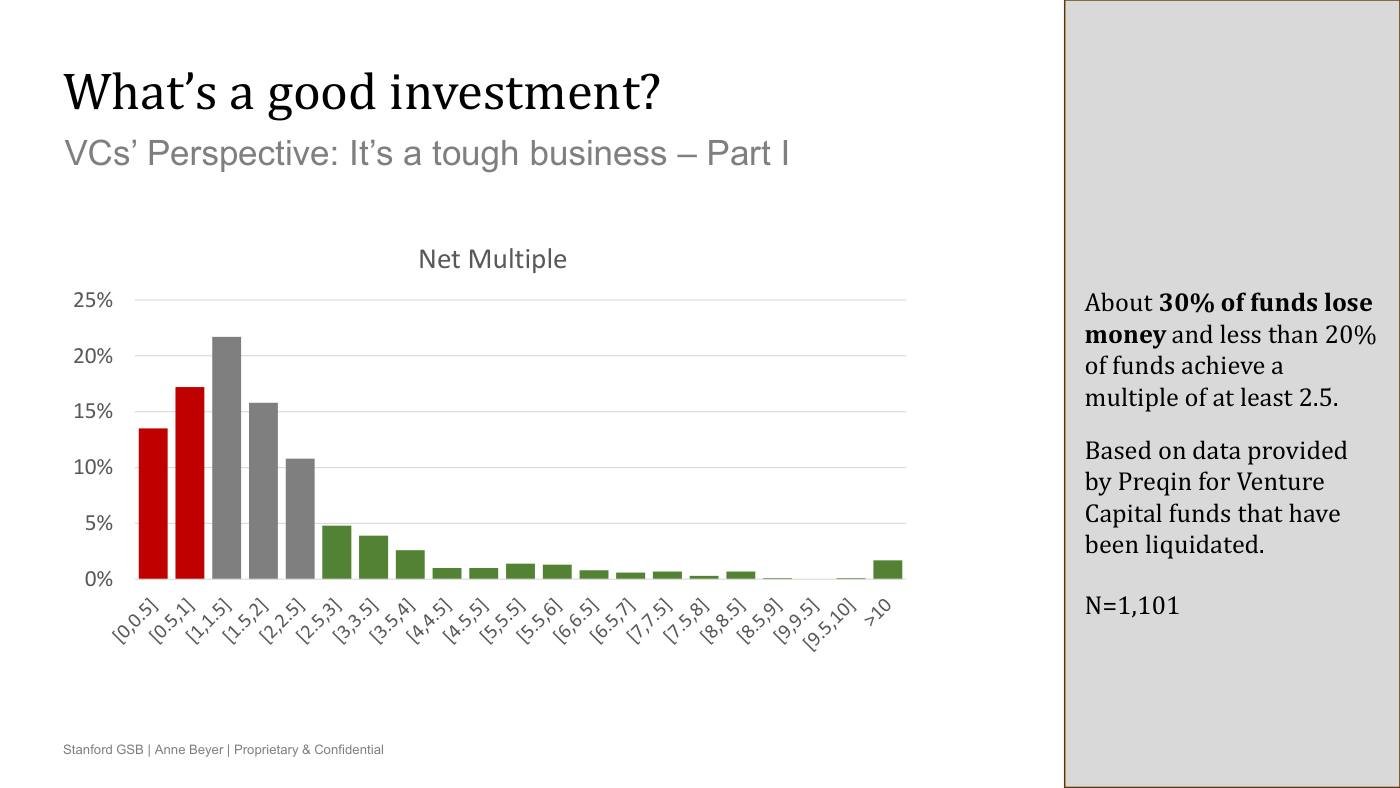
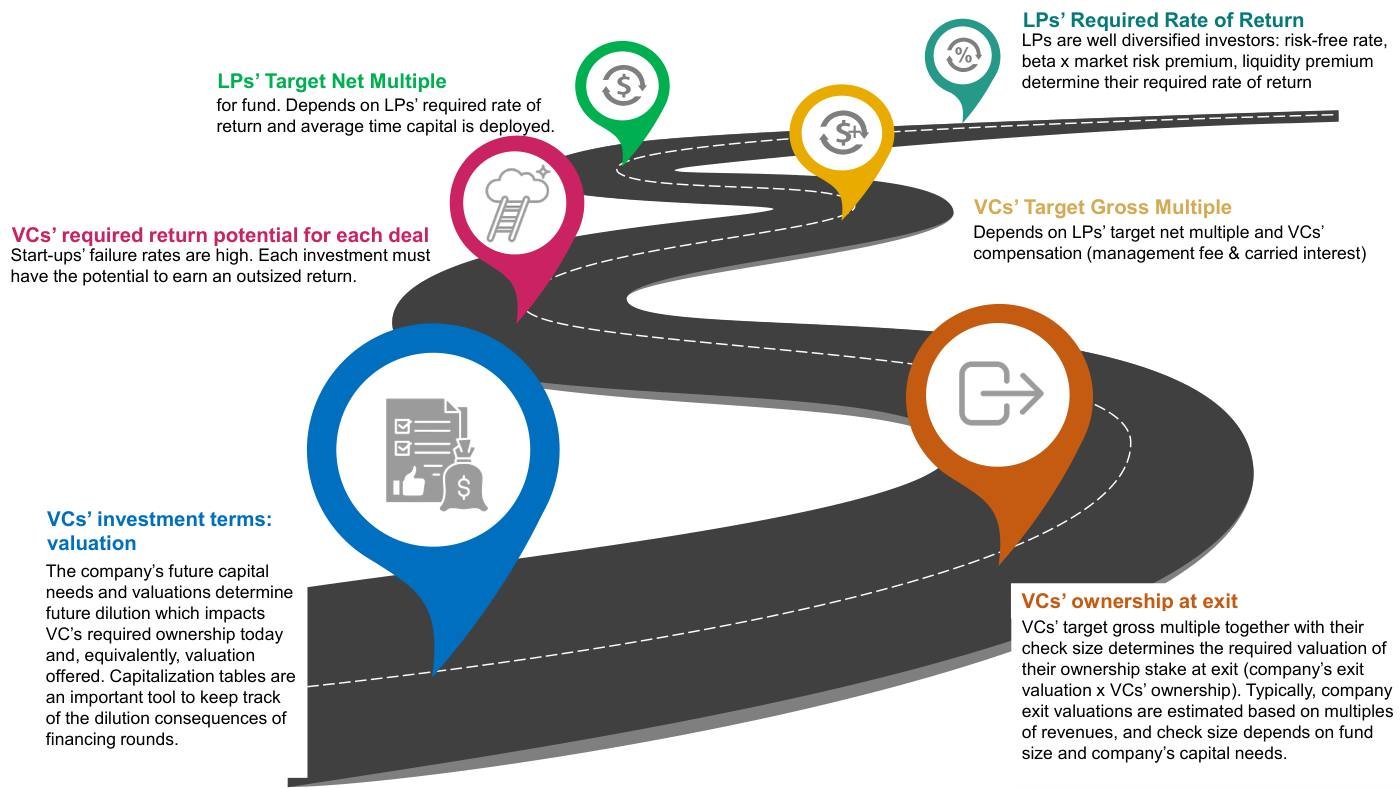
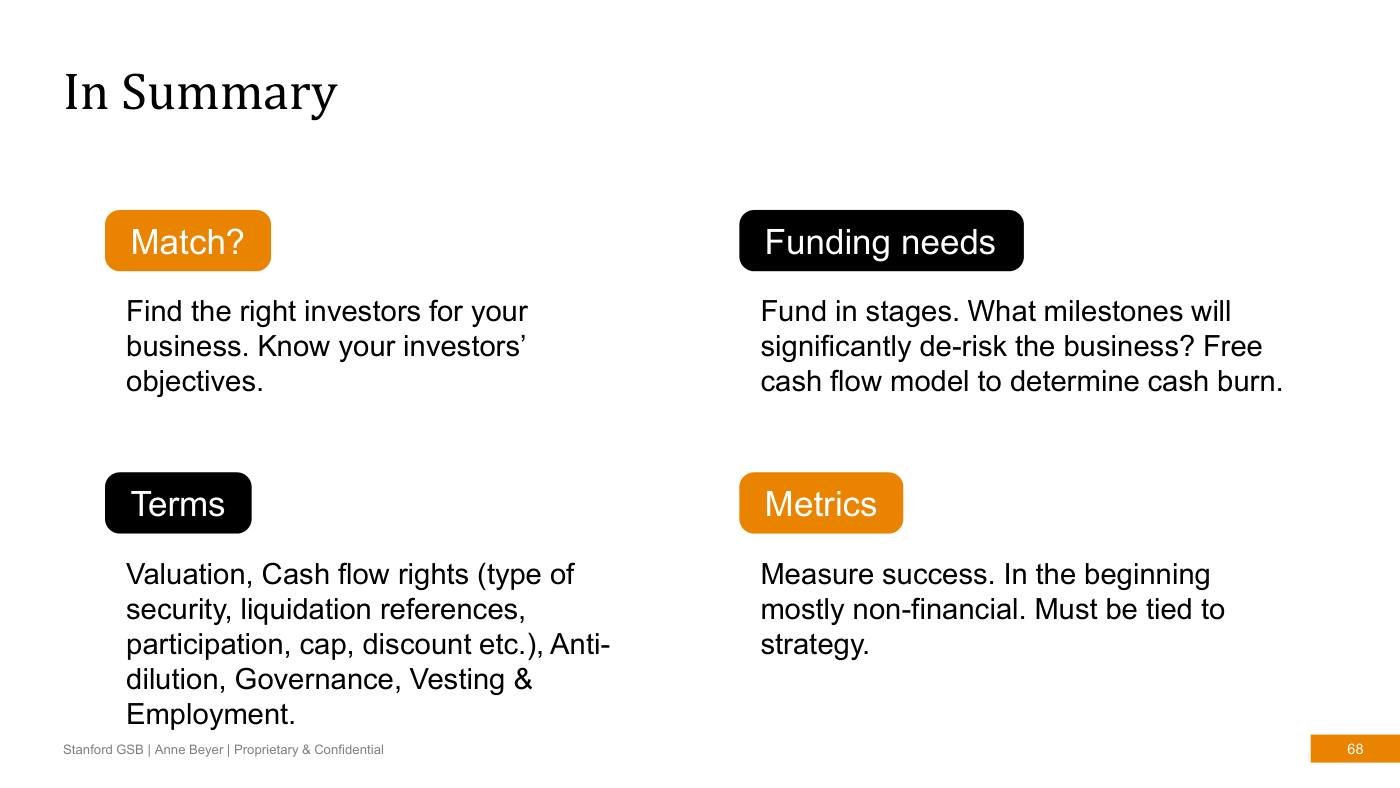
At the roughly $15B listing value, compare the outcome for an investor who entered at $45.6B in 2021, one who entered at $6.7B in 2022, and a long-time holder such as Sequoia (about 21% at listing). What multiple did each earn before any later dilution, and what does that tell you about how fund economics, entry price and holding period shape which investors a founder should take money from?