A five-template idea sheet and two testable concepts.
1
06 / OpeningSystematic ideation: thinking inside the box
The decision and the learning goals
Apply all five ideation templates
Distinguish an interesting change from a valuable one
Connect a generated concept to a plausible user need
90-minute workshopOpening 5 minConcepts and original examples 35 minPractice 25 minDebrief 15 minReview 10 min
2
06 / TheorySystematic ideation: thinking inside the box
A template creates a form that still needs a purpose
Systematic ideation starts with the components and resources already present in a product or its immediate environment. The template specifies a transformation. The team then considers what benefit the transformed form could provide and to whom.
This reverses the familiar sequence of identifying a need and searching freely for solutions. The unfamiliar form can interrupt habitual thinking, but novelty provides no evidence of demand. Evaluate the resulting idea for customer benefit, technical feasibility and the economic work required to deliver it.
3
06 / TheorySystematic ideation: thinking inside the box
Subtraction, division and multiplication change different things
Subtraction removes a component or function while requiring the remaining product to remain useful. Division separates components physically, functionally or in a preserving way, where each part keeps the character of the whole. Multiplication introduces another instance of a component and changes an attribute of that instance.
The distinction matters because a vague instruction to “improve the product” often produces a familiar addition. A template gives the team a specific operation to attempt. Work through the operation before judging the result, then examine the new form for a plausible benefit.
4
06 / TheorySystematic ideation: thinking inside the box
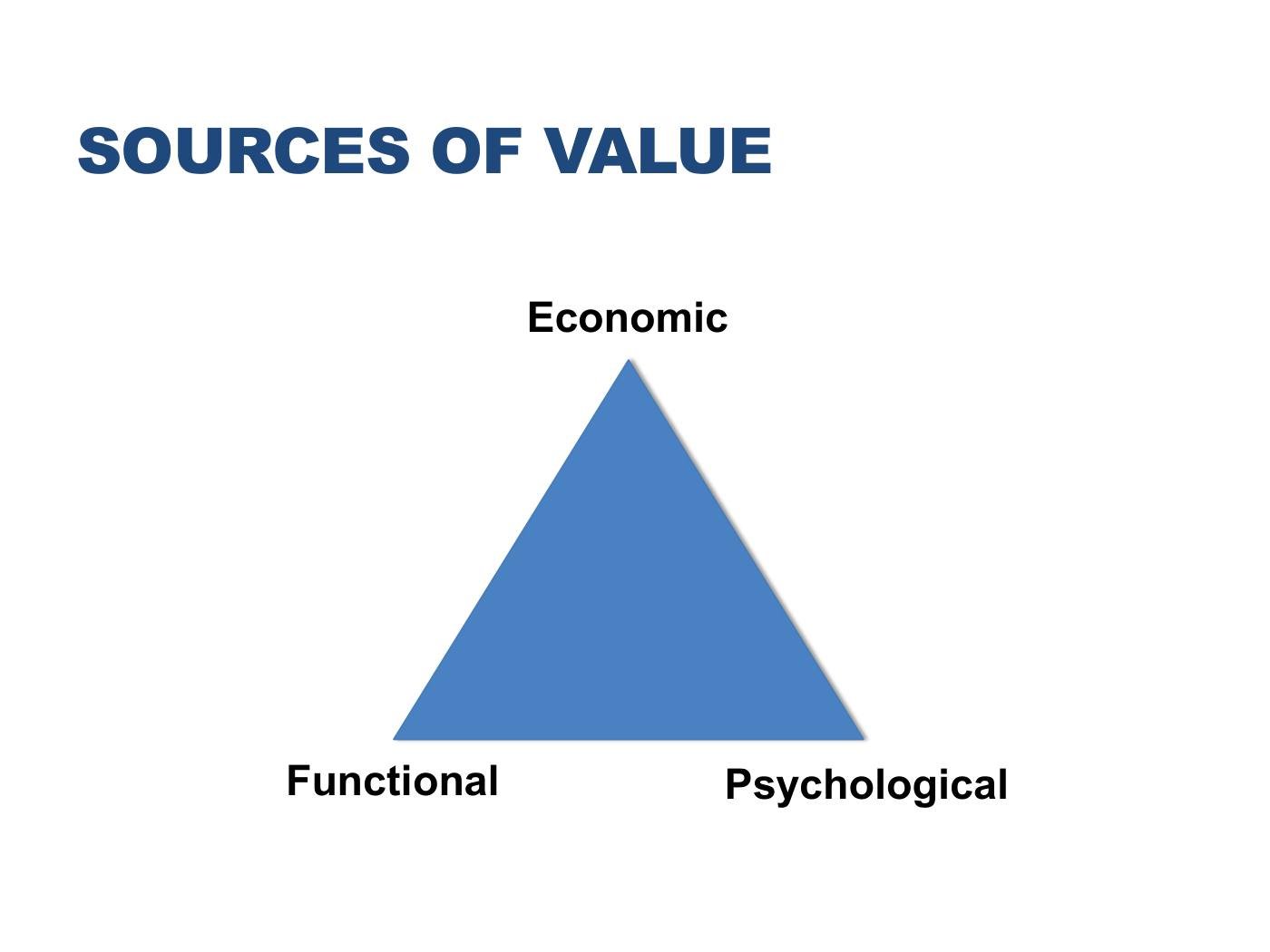
Three sources of value
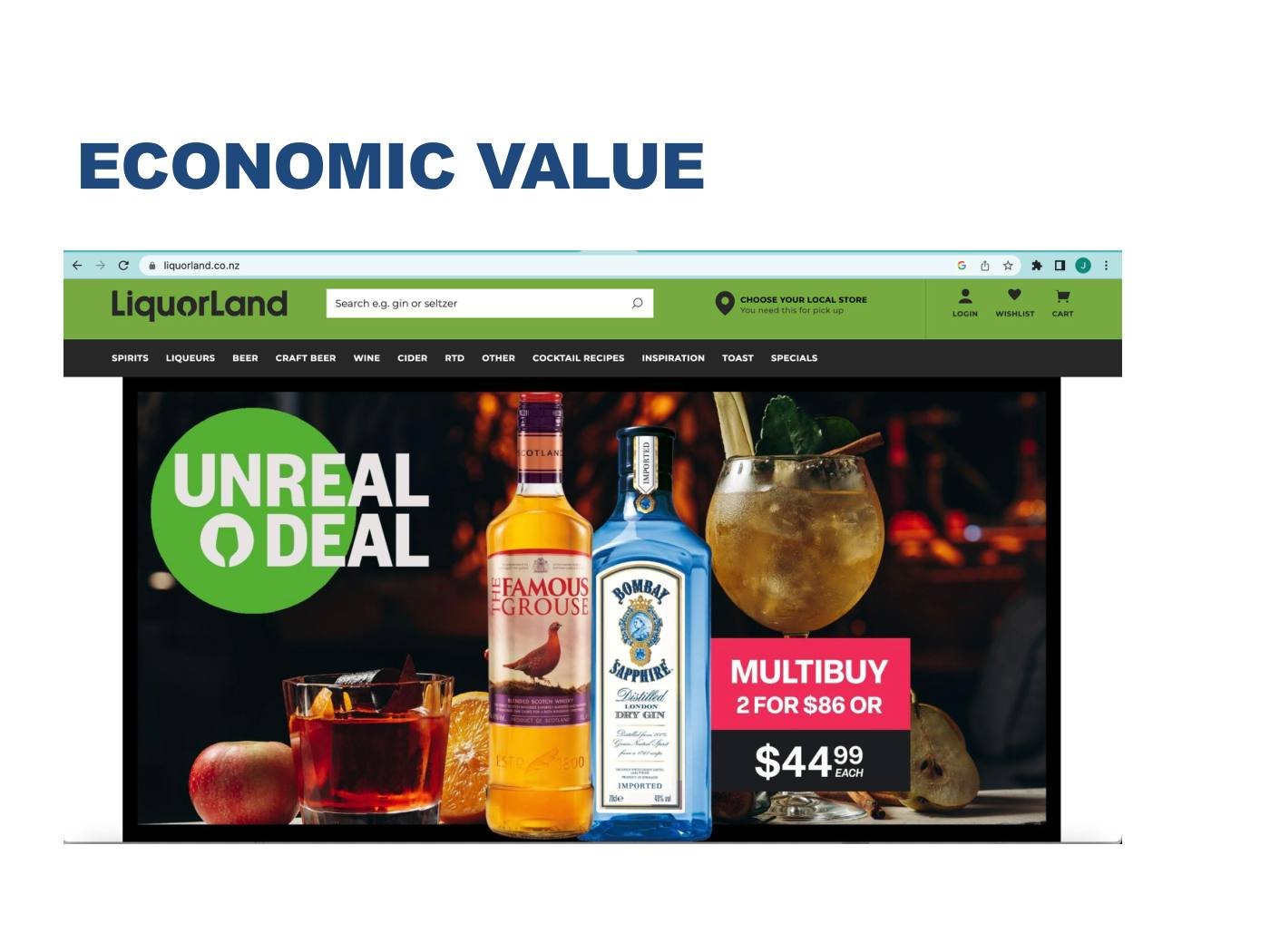
Economic value: changes in money or resources.
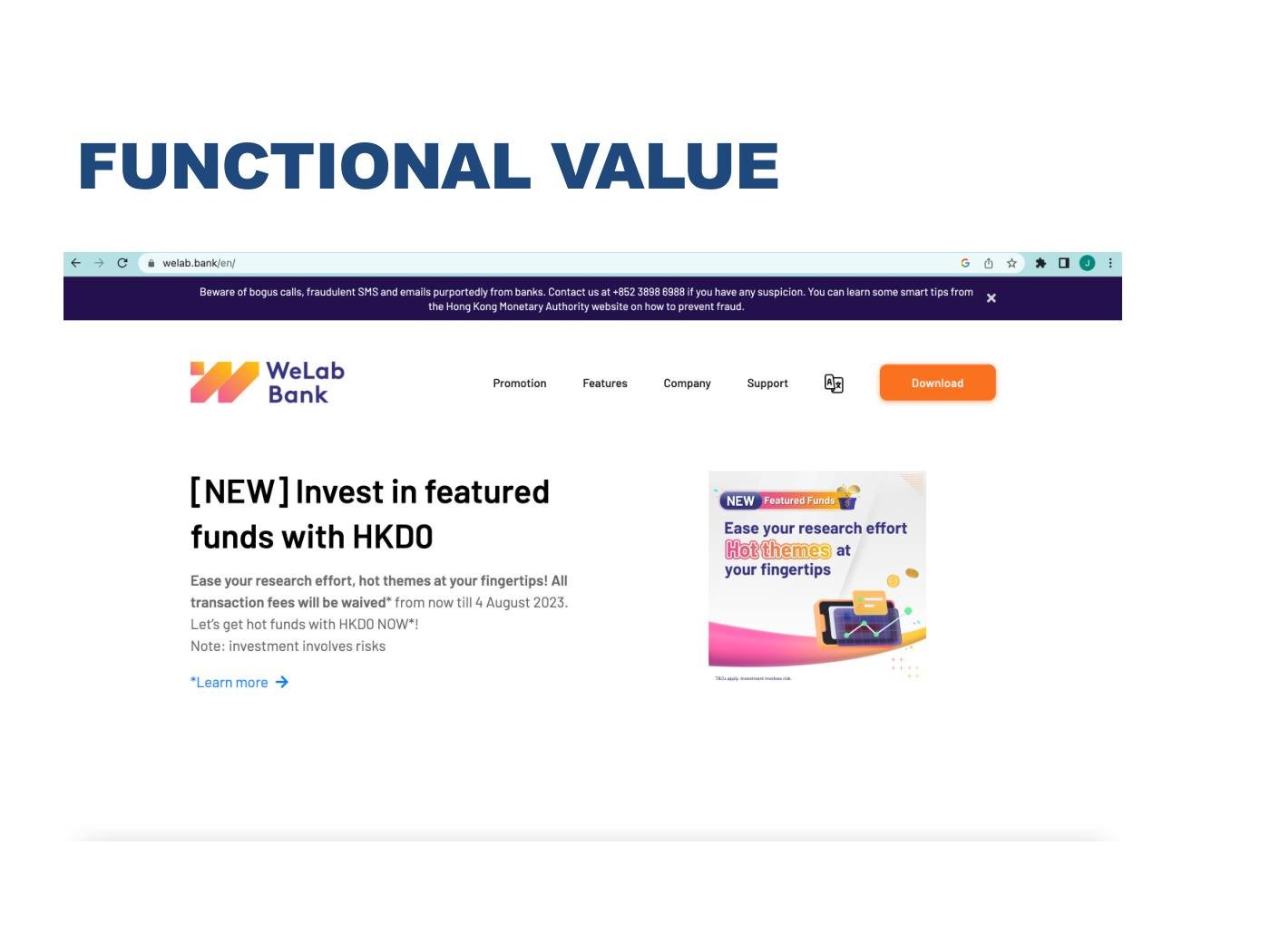
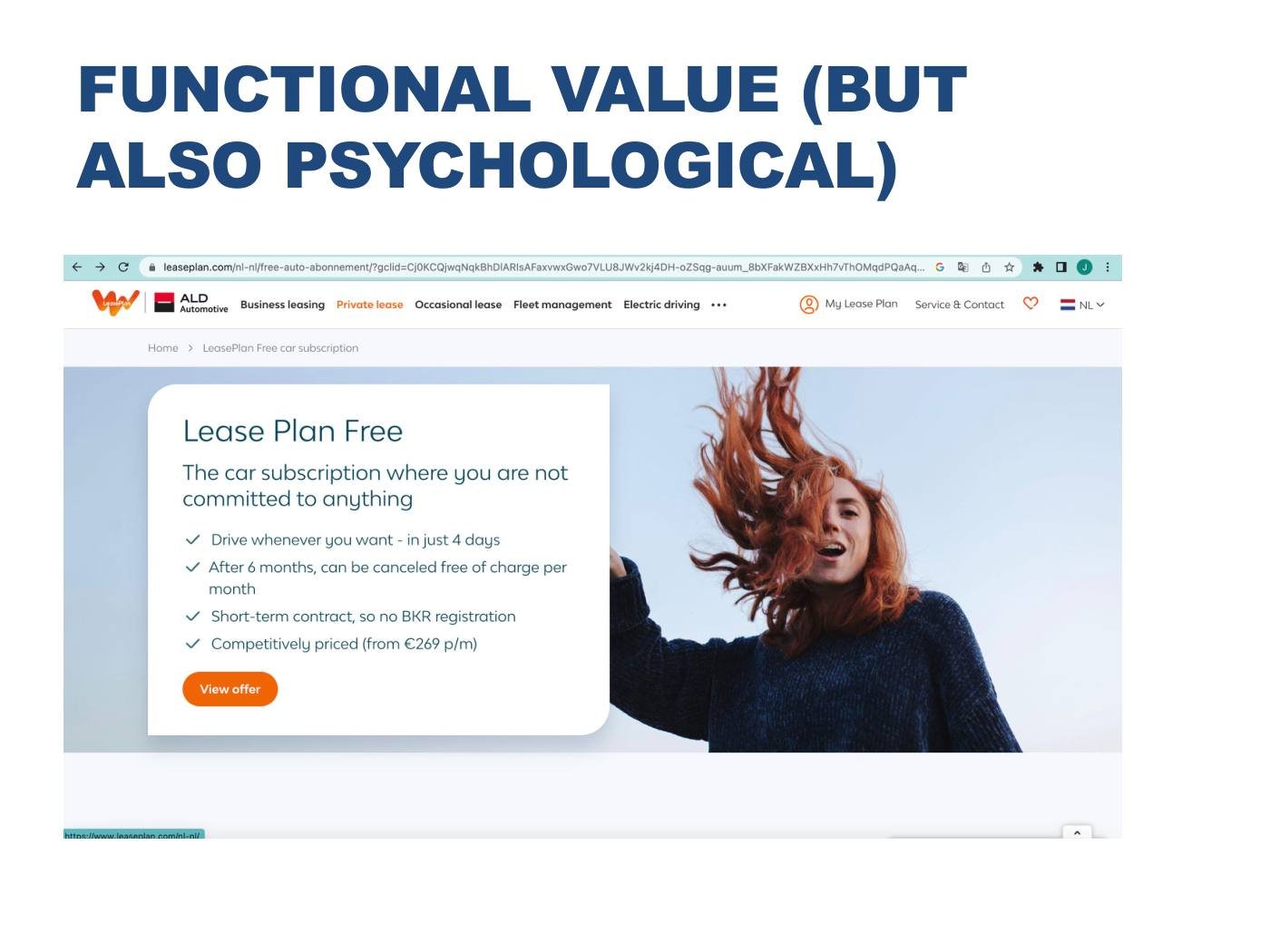
Functional value: a task becomes possible or works better.
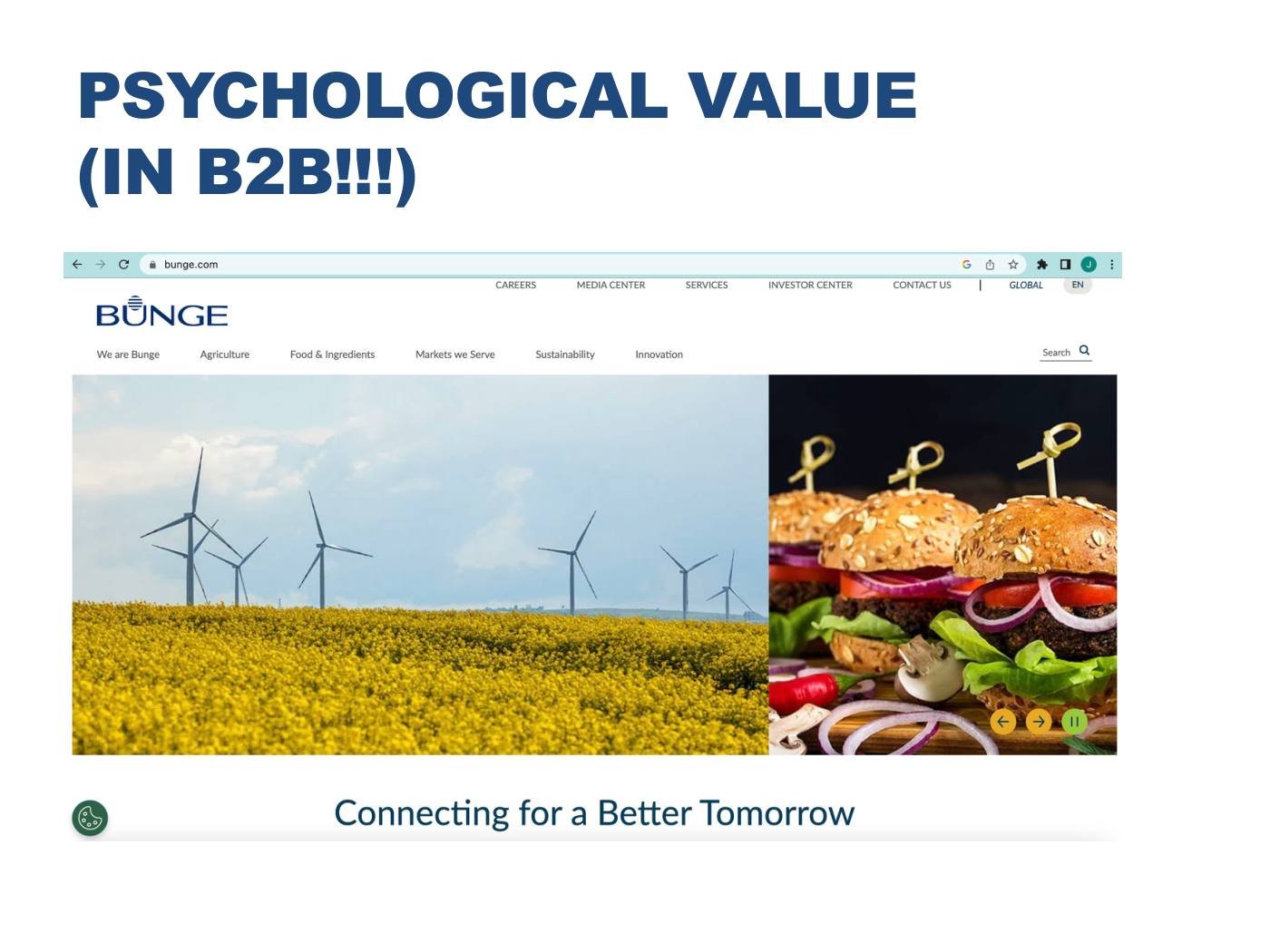
Psychological value: confidence, identity, reassurance or experience.
An idea can create more than one kind of value, but the target customer decides what matters.
5
06 / TheorySystematic ideation: thinking inside the box
Needs first and form first
These are different starting points for generating possibilities. Both still require a real customer need and a feasible delivery mechanism before the idea becomes a business proposal.
Needs first
Begin with a user problem, then explore possible responses.
Form first
Systematically change a product, then ask which real needs the new form might serve.
Worked application
Illustrative application: a need-first process starts with one-handed drinking while carrying equipment. A form-first process removes the bottle’s separate cap, visualizes the new opening and then asks which situations benefit. The structural change itself does not prove that those users want it.
The template method below makes the form-first process repeatable while keeping validation as a later task.
6
06 / TheorySystematic ideation: thinking inside the box
Five ideation templates
Template
Change
Question
Subtraction
Remove an important component.
Which need could the simpler product serve?
Task unification
Assign another function to an existing resource.
What else can this part do?
Division
Separate physically or functionally.
What improves when parts are apart?
Multiplication
Add a modified copy of a component.
Why should the added copy differ?
Attribute dependency
Create or remove a relationship.
What should vary with the situation?
7
06 / TheorySystematic ideation: thinking inside the box
Apply a template without skipping a step
Form-first ideation deliberately changes an existing product before searching for a use. Keep the structural change separate from the later claim that a customer wants it.
01
Inventory
List components, functions and nearby resources. For a bottle: container, cap, handle, insulation and the user’s hand. This inventory defines the system in which the transformation will occur.
02
Transform
Apply one specified template. Task unification assigns an additional job to an existing component. Example: make the handle also measure a serving, rather than adding an unrelated digital service.
03
Visualize
Describe or sketch the resulting object precisely. Show where the measuring marks sit, how the handle fills and how the user pours. A label such as “smart bottle” is too vague.
04
Find a use
Investigate a plausible beneficiary and situation. Does a person preparing drinks away from a kitchen need a measuring tool? Test handling, hygiene and willingness to carry it before claiming value.
The template generates a candidate. Customer evidence and technical constraints decide whether that candidate deserves development.
8
06 / Source pageSystematic ideation: thinking inside the box
Ideation templates: what they are and why they work
9
06 / Source pageSystematic ideation: thinking inside the box
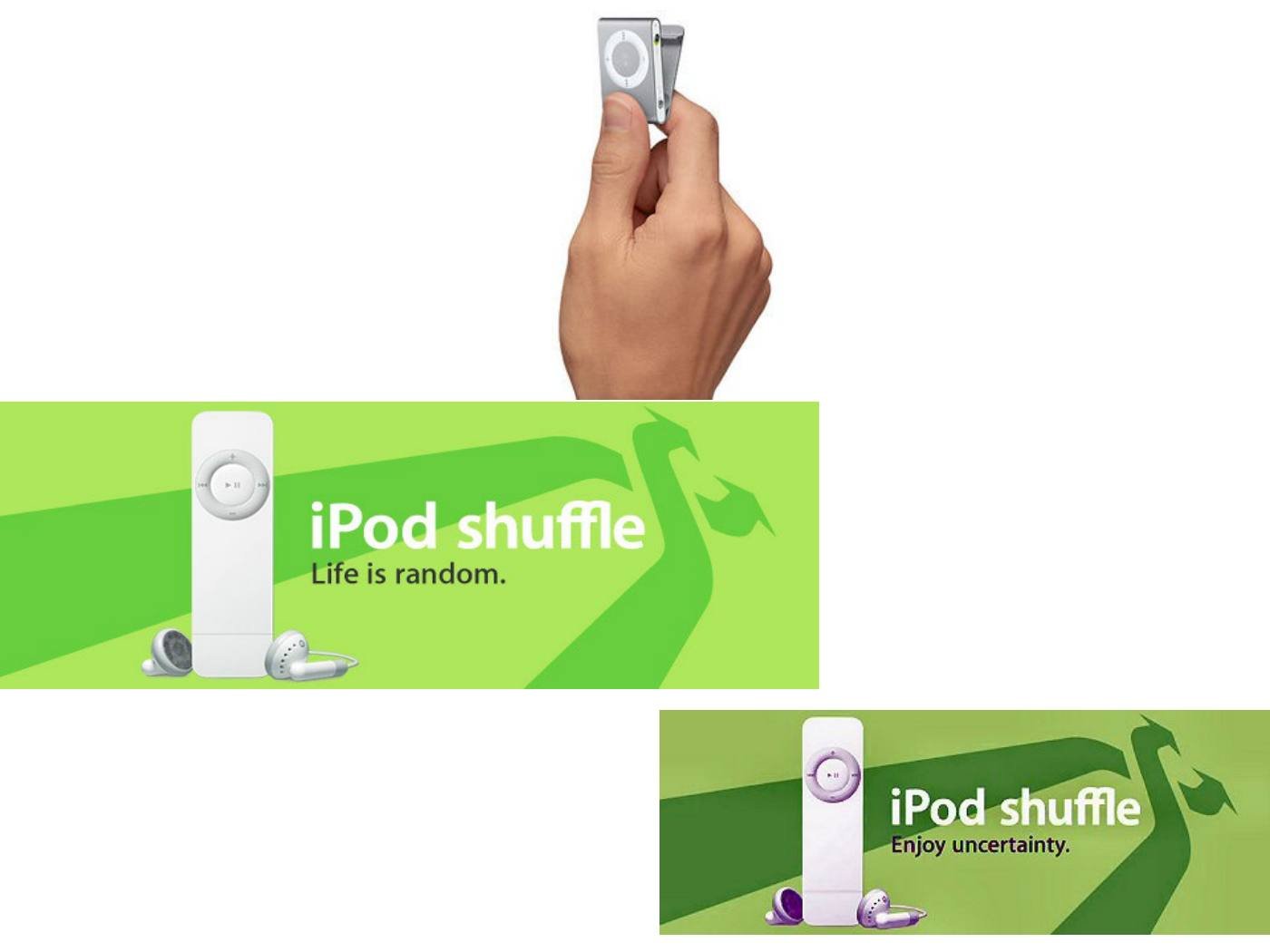
Subtraction: the iPod shuffle removes the screen
10
06 / Source pageSystematic ideation: thinking inside the box
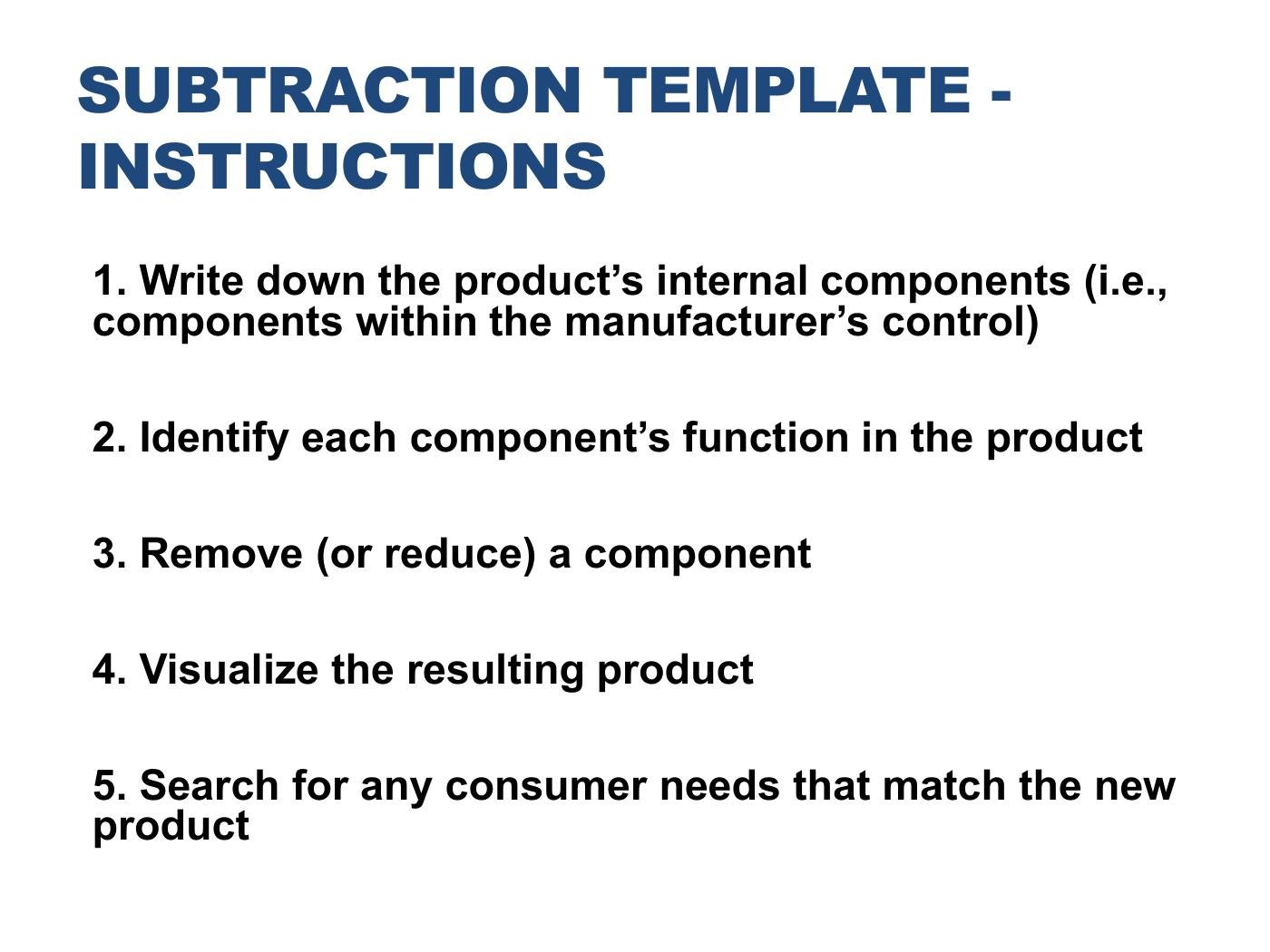
Subtraction template: the five-step procedure
11
06 / Source pageSystematic ideation: thinking inside the box
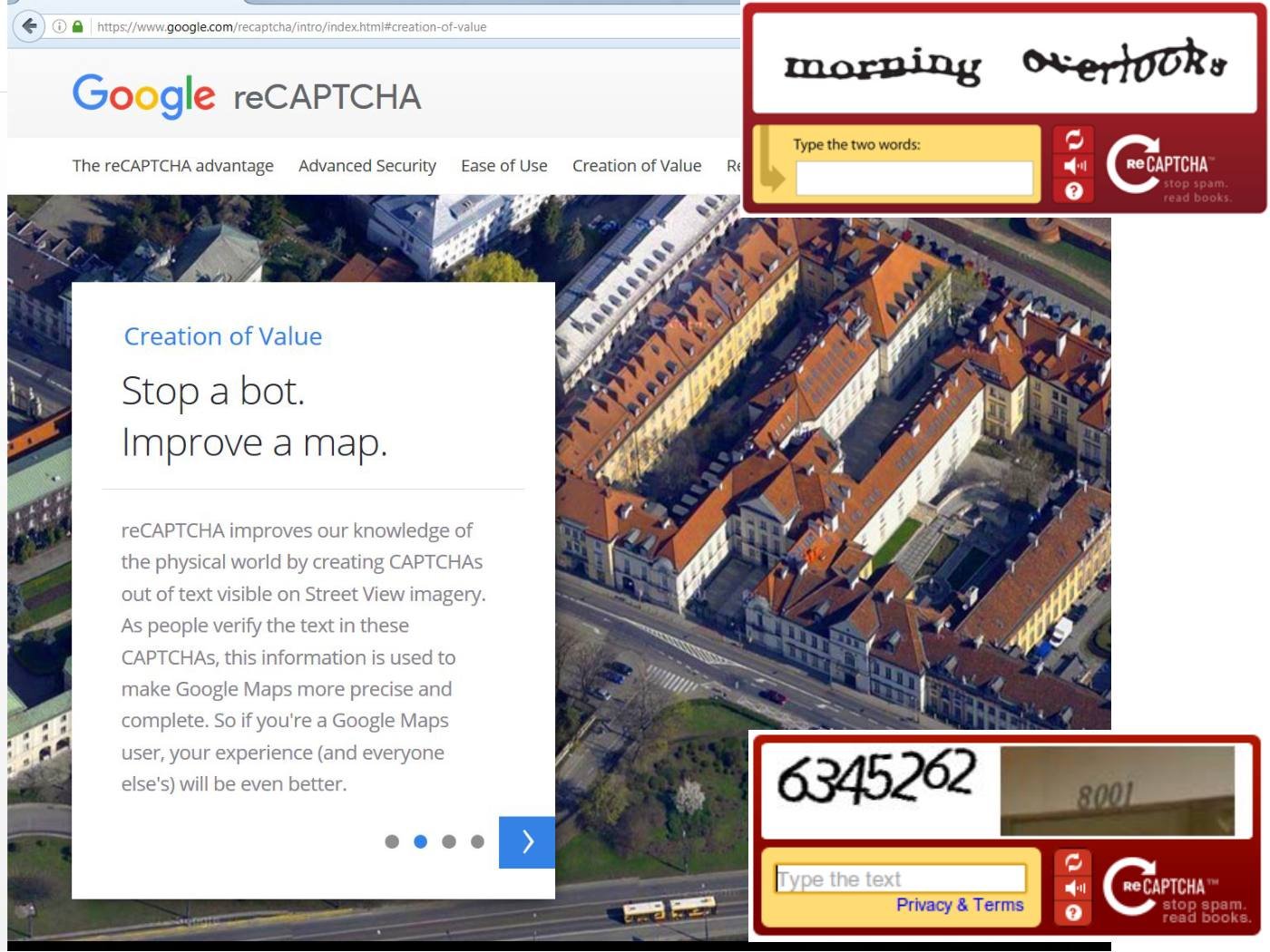
Task unification: reCAPTCHA turns a security check into data labor
12
06 / Source pageSystematic ideation: thinking inside the box
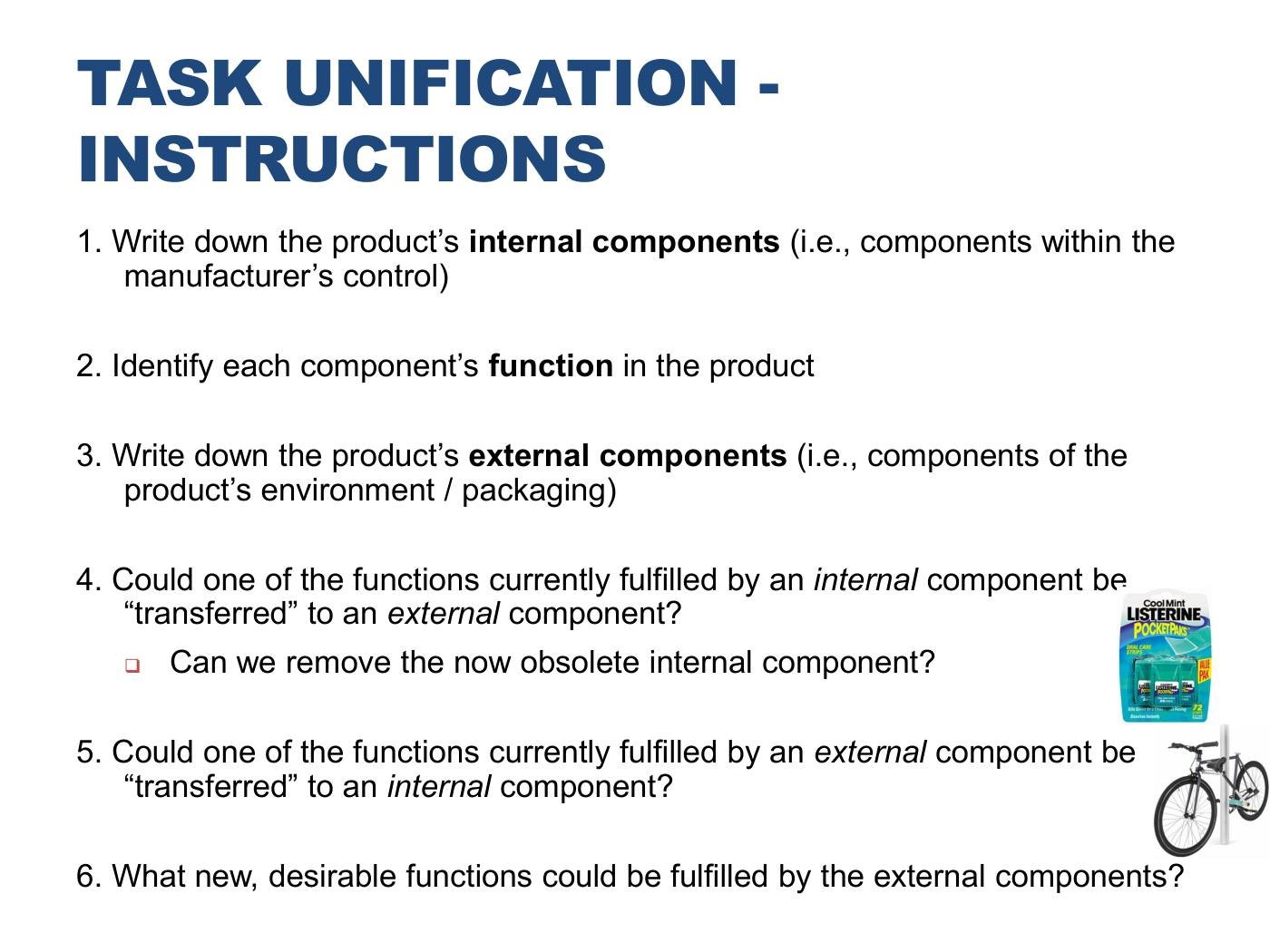
Task unification: moving functions between internal and external components
13
06 / TheorySystematic ideation: thinking inside the box
Task unification and attribute dependency
Task unification assigns an additional job to an existing resource. The resource may be a component, a person or something in the immediate environment. The question is whether that resource can perform the new function without undermining its existing purpose.
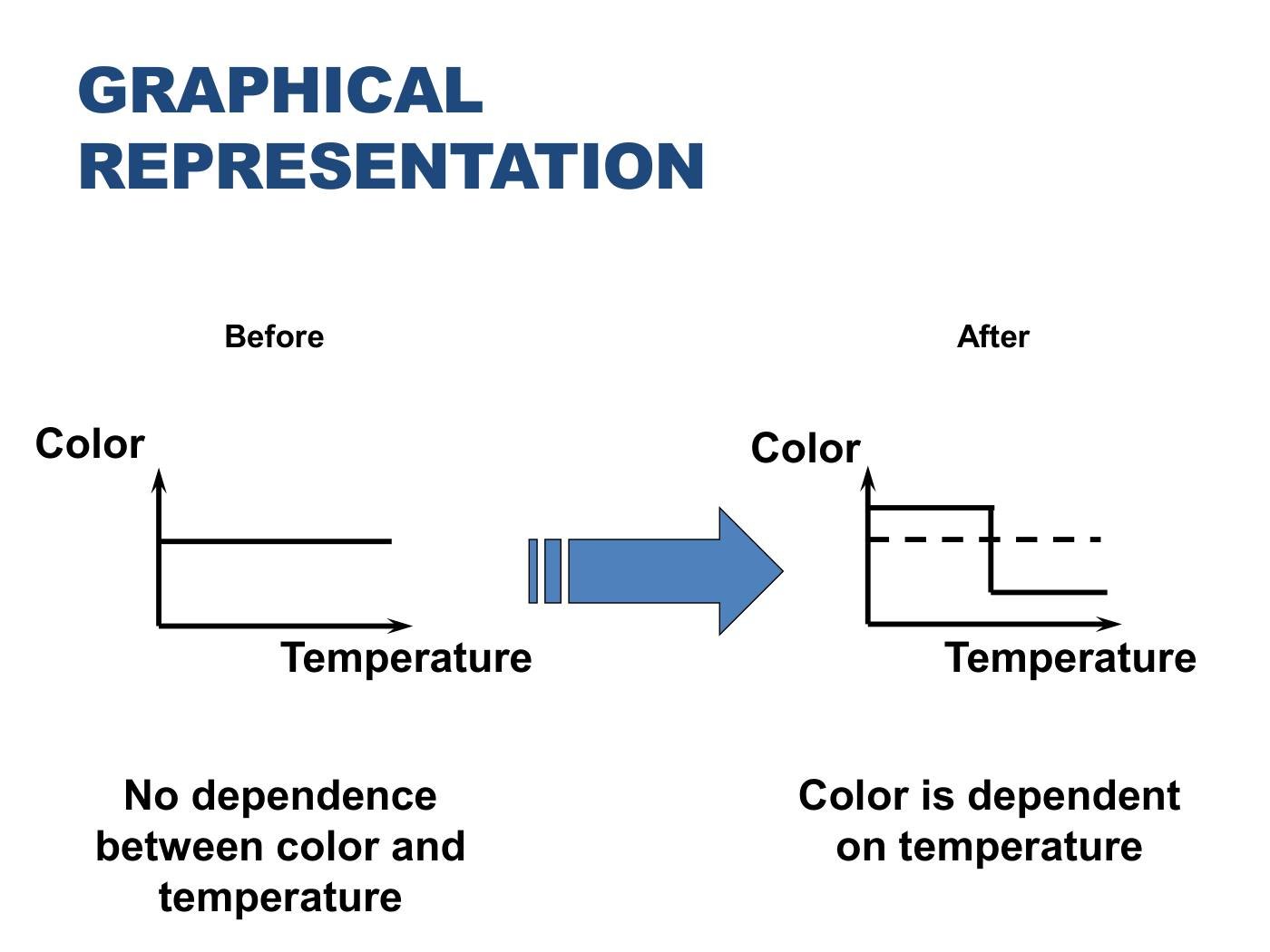
Attribute dependency creates or changes a relationship between attributes. The relationship can be continuous or triggered by a threshold. The source graphs show why drawing the relationship helps: the graph makes the proposed behavior specific enough to discuss and test.
14
06 / TheorySystematic ideation: thinking inside the box
Value can be economic, functional or psychological
Economic value concerns money or resources. Functional value concerns the ability to perform a task. Psychological value concerns an experience such as confidence, identity or reassurance. A single offering can create several forms of value.
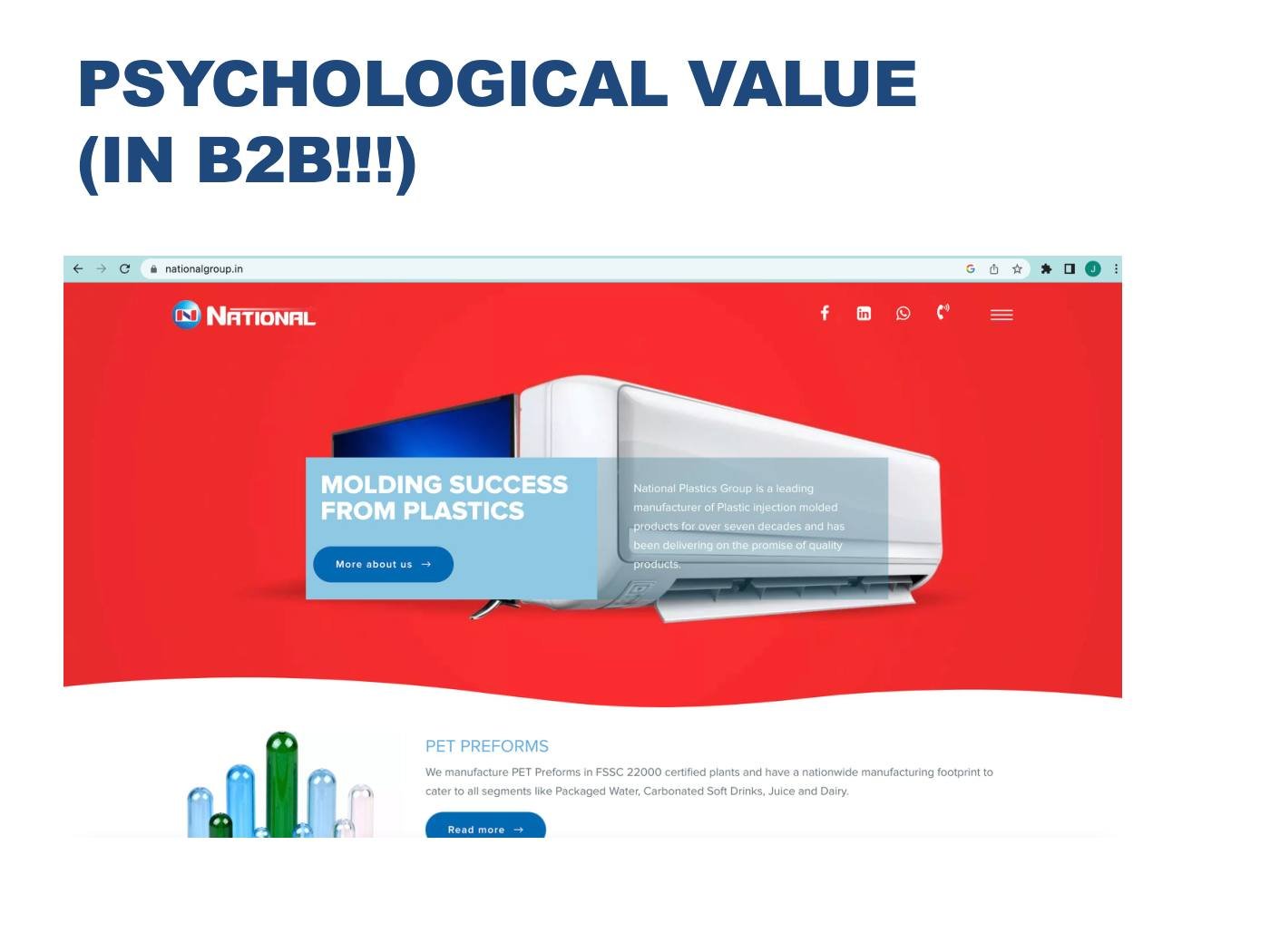
The customer’s situation determines their importance. A technically superior feature may be irrelevant when the buyer values simplicity or reduced perceived risk. Psychological value also appears in business purchases because people anticipate consequences for their work, reputation and relationships.
15
06 / TheorySystematic ideation: thinking inside the box
A reusable bottle: illustrative concepts
Template
Possible concept
Need to test
Subtraction
Remove the separate cap; use a self-closing opening.
Can someone drink and seal it with one hand?
Task unification
The handle also clips to a bag.
Does a separate clip create a recurring hassle?
Division
A removable base for cleaning.
Is cleaning the bottom a meaningful problem?
16
06 / TheorySystematic ideation: thinking inside the box
Attribute dependency
Illustrative design relationship: a display changes as contents become hotter.
17
06 / TheorySystematic ideation: thinking inside the box
Screen the generated ideas
Does a specific customer have the proposed need?
Does the new form create a benefit, a cost or both?
Is the change technically and economically plausible?
Which assumption can be tested cheaply?
18
06 / TheorySystematic ideation: thinking inside the box
A constraint can help creativity
The template narrows the transformation you attempt.
It prevents a blank-page search from relying only on familiar associations.
It still requires judgment: surprising does not mean useful.
19
06 / Source pageSystematic ideation: thinking inside the box
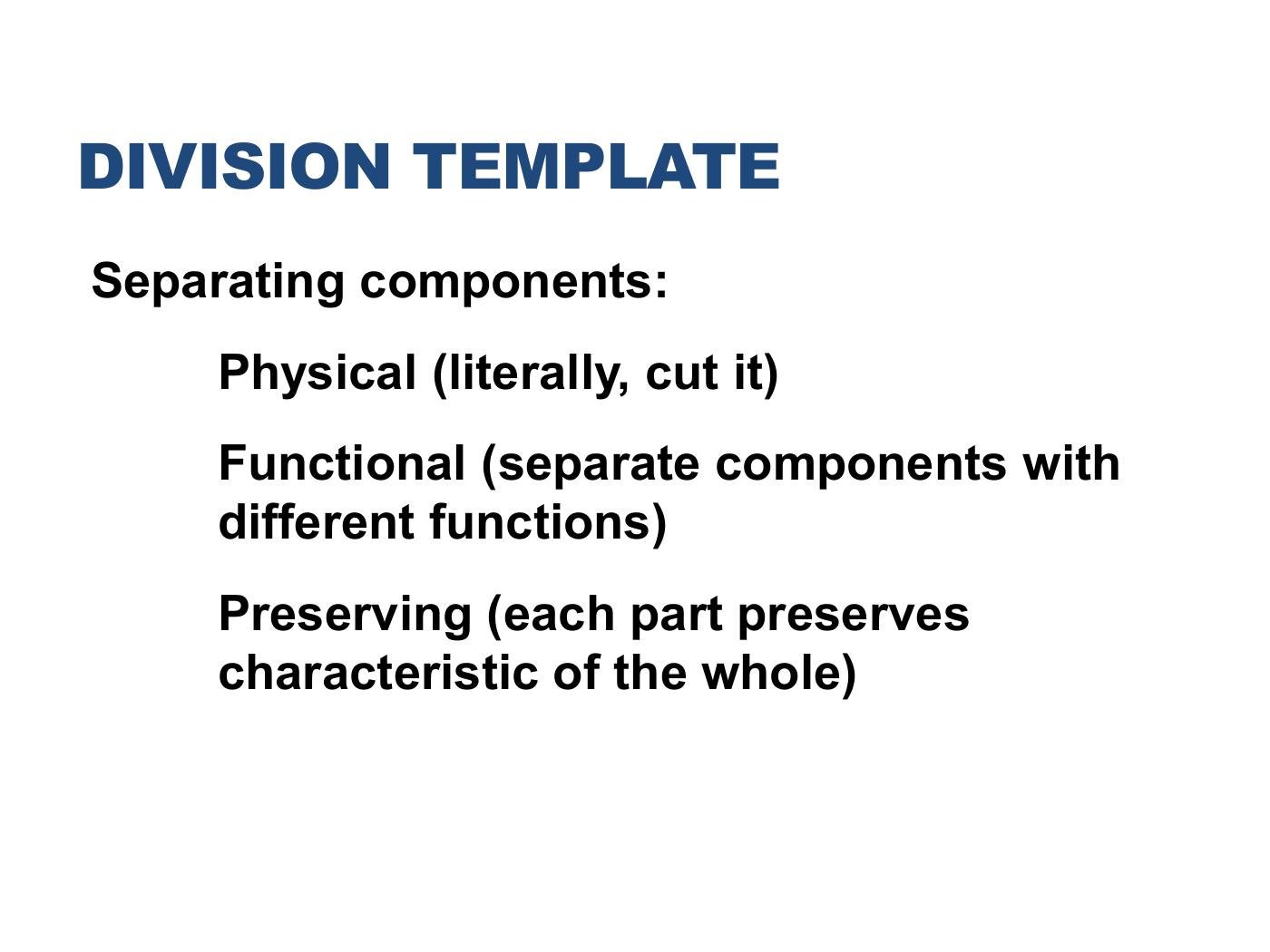
Division template: three ways to separate
20
06 / Source pageSystematic ideation: thinking inside the box
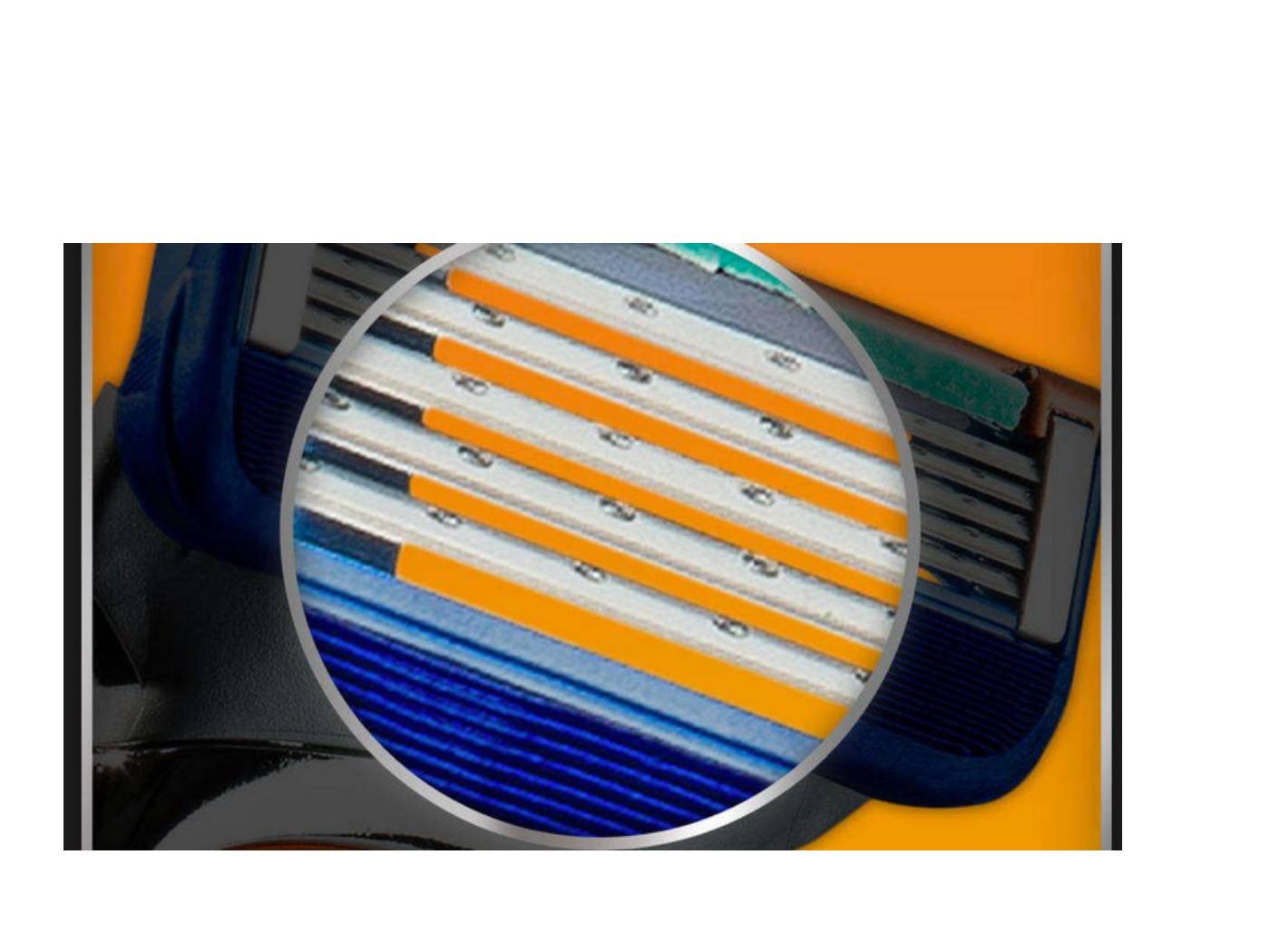
Multiplication: multi-blade razors
21
06 / Source pageSystematic ideation: thinking inside the box
Drawing an attribute dependency before and after
22
06 / Source pageSystematic ideation: thinking inside the box
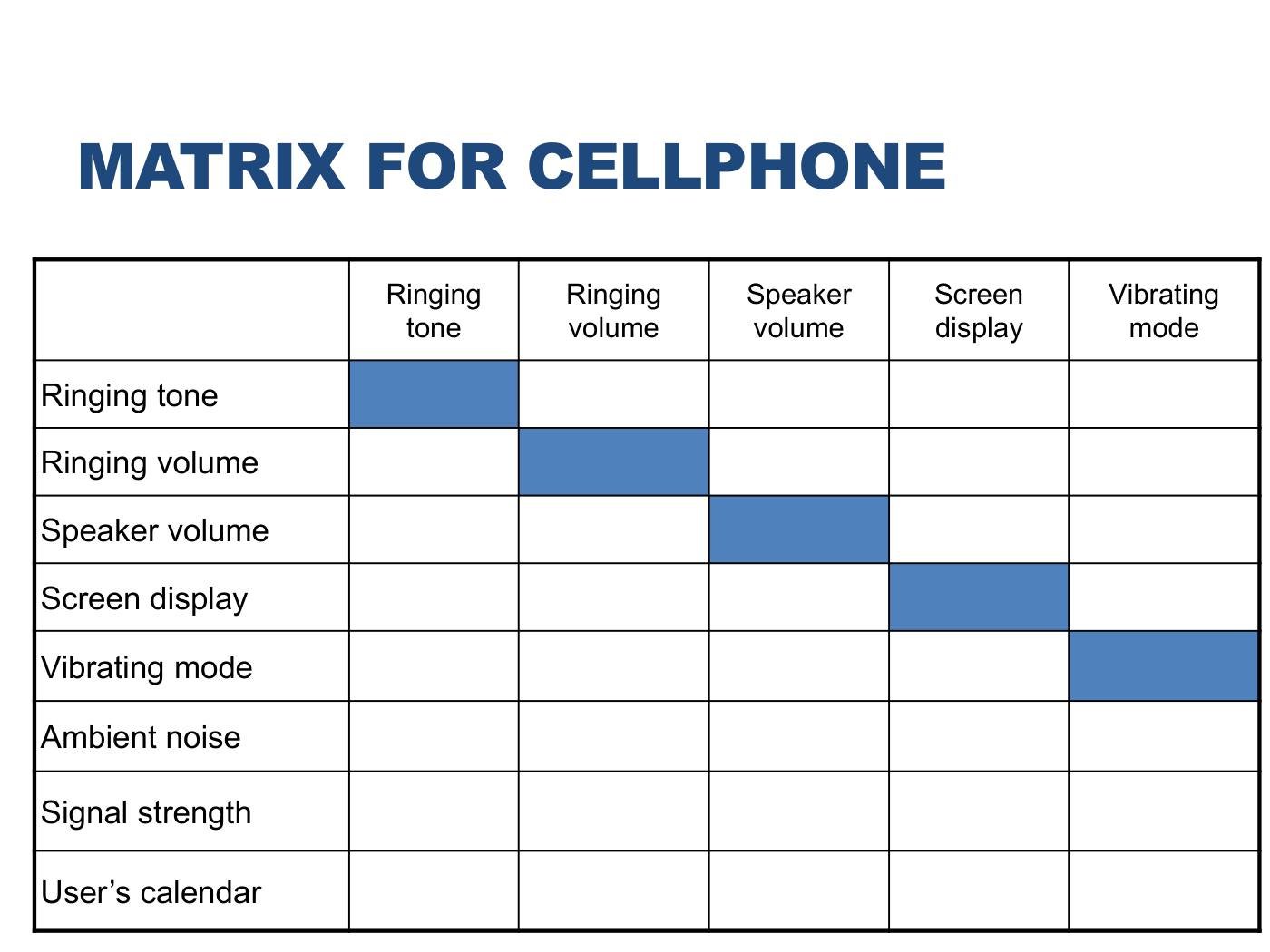
Forecasting matrix for a cellphone
23
06 / Source pageSystematic ideation: thinking inside the box
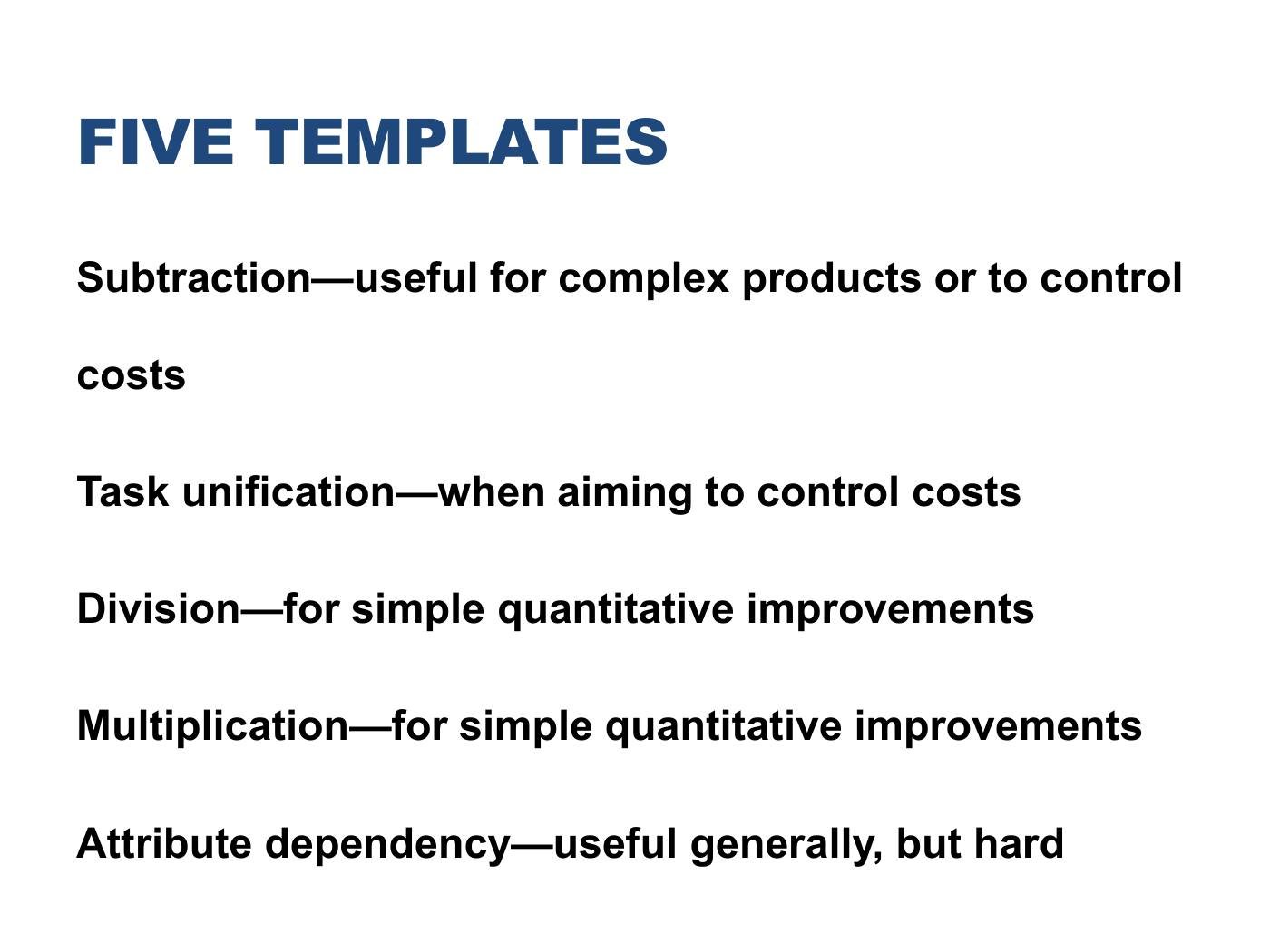
When to use each of the five templates
24
06 / Deep diveSystematic ideation: thinking inside the box
A forecasting matrix for Relay
Attribute dependency applied to a service, using the cellphone matrix as the model.
Columns are attributes Relay controls. Rows add attributes outside Relay's control that touch every fill attempt. Each cell asks: should this controllable attribute change with that one?
Most promising cells involve external rows, as in the cellphone case. Each filled cell is a hypothesis to test in the pilot, not a feature decision.
External or internal attribute
Patients texted per gap
Reply window
Offer order
Hours until the slot
Widen the batch inside 3 hours
Shorten to 10 minutes when urgent
Nearest patients first when urgent
Patient's past acceptance
Fewer texts to reliable accepters
No dependency proposed
Reliable accepters first
Patient's distance from clinic
No dependency proposed
Longer window for far patients
Exclude patients beyond travel time
Visit type (evaluation vs follow-up)
Smaller batch for long evaluations
No dependency proposed
Match visit length to slot length
Illustrative design hypotheses. Any dependency that uses patient data must respect the HIPAA minimum-necessary principle (Lesson 28).
25
06 / ApplicationSystematic ideation: thinking inside the box
A bottle with more components
A fictional team adds a second compartment because “more storage means more value.” A template exercise asks a sharper question: who benefits, why must the compartments differ, and what new cleaning or carrying cost appears?
What would make multiplication useful rather than merely additional?
26
06 / Current practiceSystematic ideation: thinking inside the box
Current practice: generative AI as an ideation partner
AI produces many ideas quickly, and buyers rate them well
Wharton researchers compared 200 product ideas from MBA students with 200 from GPT-4 for the same brief. A blind consumer survey gave the AI ideas a higher average purchase probability (47% versus 40%), and GPT-4 produced its 200 ideas in about 15 minutes. Volume is no longer the bottleneck; screening is.
AI help makes ideas more similar to each other
In a 2024 Science Advances experiment with 300 writers and 600 evaluators, access to AI suggestions raised individual novelty and usefulness ratings but made the resulting stories about 10.7% more similar to one another. A team that asks the same model the same open question will converge on the same ideas as its competitors.
Templates make good prompts
The practical response is to give the model a specific operation, not an open brief: list Relay's components and ask for subtraction of each one, or for dependencies between hours-to-slot and every controllable attribute. The structure that disciplines human ideation also forces varied machine output, and the human job shifts to visualizing, screening and testing.
06 / PracticeSystematic ideation: thinking inside the box
Use all five templates
Choose a familiar object: a bottle, backpack or desk lamp. List its components and the function of each.
Your task
Create one concept with each template. Select two, identify a plausible user need and a concrete cost or drawback. Choose one assumption to test.
28
06 / DebriefSystematic ideation: thinking inside the box
Worked answer and reasoning
For a bottle, division might improve cleaning; multiplication might separate drinks that must stay apart. These are hypotheses, not demand evidence.
A dependency idea should identify both variables and explain why linking them helps a user.
Reject a concept if its benefit is vague or its new burden outweighs the proposed value.
29
06 / Venture stepSystematic ideation: thinking inside the box
Venture step: three Relay concepts from templates
Relay · venture step 06
Relay's Wizard-of-Oz pilot runs at 3 clinics: Maya texts waitlisted patients from a shared phone and logs results in a spreadsheet. A typical clinic loses about 42 slots a week to late cancellations and no-shows (illustrative), and Relay's target is to refill 40% of them, against 10-15% for front-desk phoning. Before Daniel builds v1, the team wants a wider concept set than 'automate what Maya does'. Relay's components: the waitlist, the outbound SMS, the patient's reply, the reminder message the clinic already sends, the front-desk staff, the EHR schedule and the cancellation event itself.
Your task
Produce a template idea sheet for Relay: one concept per template (five), each visualized concretely. Select three, and for each state the beneficiary, the benefit hypothesis, the new cost or risk, and one cheap test Maya can run in the existing pilot.
30
06 / Venture stepSystematic ideation: thinking inside the box
Venture step: worked reasoning
Subtraction, remove the waitlist: every patient with a future appointment becomes a candidate, and an opened slot is offered as a move-up to patients booked later in the week. Benefit: no enrollment step, so the candidate pool is far larger. Cost: each accepted move-up vacates a later slot that must itself be filled. Test: send move-up offers for 20 gaps and record acceptance and how many vacated slots were refilled.
Task unification, the existing reminder text also detects cancellations early: add 'Reply C if you can't make it' to the reminder clinics already send 24-48 hours ahead. Benefit: late cancellations become earlier cancellations, and more lead time should raise the fill rate. Illustrative arithmetic: lifting the fill rate on 42 slots from 40% to 50% adds 4.2 visits a week, about $462 at $110 per visit. Test: compare lead time and fill rate for gaps flagged by reply versus by phone call.
Attribute dependency, the number of patients texted depends on time until the slot: one or two patients when the slot is a day away, a wider batch inside three hours. Draw it as a step function of hours-to-slot. Benefit: higher fill on urgent gaps without spamming patients on easy ones. Cost: more simultaneous YES replies and the need for a polite 'already taken' message. Test: Maya varies batch size by lead time and tracks fills and opt-outs.
Rejected or parked: division (separate waitlists per therapist or visit type) is a configuration detail; multiplication (a second 'any therapist, any time' list with looser preferences) is promising but overlaps with the subtraction concept.
Recommendation: test task unification first. It reuses a message clinics already send, needs no new behavior from patients and attacks lead time, which is plausibly the main driver of fill rate. The move-up concept is second because its cascade effect could make it larger or worthless.
31
06 / DebriefSystematic ideation: thinking inside the box
Reasoning traps
Smuggling in an addition
Bolting on a new chatbot or app and calling it task unification defeats the method. The template only counts if an existing component or nearby resource (the reminder text, the patient, the front desk) takes on the new job.
Restoring what you subtracted
Teams remove the waitlist, then reintroduce it as an opt-in 'move-up list'. If the removed component's function comes back under a new name, you have not examined the stripped-down form.
Copies without a difference
Multiplying a component without changing an attribute of the copy (two identical reminders instead of one) yields more of the same. Ask why the copy must differ and what that difference does for the user.
32
06 / ReviewSystematic ideation: thinking inside the box
What you can now explain
A five-template idea sheet for Relay with three screened concepts (move-up offers, reply-to-cancel reminders, lead-time-dependent batch size), each with a benefit hypothesis, cost and pilot test, and a recommendation on which to test first.
Templates reverse the usual sequence: transform an existing product first, then search for a user and situation the new form could serve.
Each template is a specific operation on components or attributes already inside the product's closed world, which is why it beats an open request to 'improve' it.
A generated concept is a hypothesis; it earns development only when a named user's benefit outweighs the new cost in a cheap test.
Next lesson: Market segmentation & target choice
33
Check your understanding
Can constraints create useful product ideas?
Score
Question 1
Relay's team proposes dropping the waitlist entirely and instead offering any opened slot to patients already booked later that week. Which template produced this concept?
An essential component, the waitlist, is removed and the remaining system (existing bookings) must still deliver the function. It is not task unification, because no existing resource takes on a second job; the existing bookings simply become the candidate pool.
Question 2
A clinic's tablet check-in kiosk, already used to confirm insurance details, is set up to also collect a short pain-and-function questionnaire before each visit. Which template does this illustrate?
An existing resource (the kiosk and the patient's waiting time) is given an additional task. Multiplication would require adding a second, modified kiosk; here nothing is added.
Question 3
After a subtraction exercise, a team has a striking concept and says: 'Nobody has built this, so the market is wide open.' What is the right next step?
Templates generate form, not demand. Novelty can mean an untapped need or a need that does not exist. The concept becomes a candidate only after a plausible beneficiary is named and the benefit and new burden are tested with them.
Question 4
Relay drafts an attribute-dependency concept: 'make outreach smarter as the slot approaches.' What change makes it a testable dependency?
A dependency must specify the driving attribute (hours to slot), the dependent attribute (batch size) and whether the link is a threshold or continuous. 'Smarter' and 'add AI' name no relationship that can be drawn or tested.
Question 5
Illustrative: a clinic has 42 empty slots a week and Relay fills 40% of them. A concept raises the fill rate to 50%. At $110 per visit, how much extra weekly revenue does the concept add over the current 40%?
Extra visits = 42 x (0.50 - 0.40) = 4.2; 4.2 x $110 = $462. $1,848 is the revenue from the 40% fill itself (16.8 x $110), and $4,620 treats all 42 slots as gained.
Question 6
Relay adds a second waitlist called 'flex list' for patients who will accept any therapist and any time, alongside the normal list of patients with specific preferences. Which template is this?
The original list stays intact and a second instance is added that differs in one attribute (preference strictness). Division would separate the existing list into parts; nothing is separated here, a modified copy is added.
Workbook
Can constraints create useful product ideas?
Module output: An evidence log, problem frame, prototype, segment choice, positioning and route to market.
Library
Every original page used in this lesson
10 appear in the slides with notes; the rest are kept here for reference.
Three sources of value: economic, functional, psychologicalA triangle with economic, functional and psychological value at its corners. The same framework appears in the native slides; the scan adds nothing beyond the labels.Levav - Ideation Templates Slides · PDF page 4
1
Economic value: a multibuy price promotionA liquor retailer's web banner offering two bottles for $86 or $44.99 each. Economic value here is pure price; the offer changes what the buyer pays, not what the product does.Levav - Ideation Templates Slides · PDF page 5
2
Functional value: a bank app that reduces research effortA Hong Kong digital bank promoting curated 'hot theme' funds and waived fees in 2023. The claimed benefit is a task made easier (choosing funds), which is functional value.Levav - Ideation Templates Slides · PDF page 6
3
Functional value that is also psychological: a cancel-anytime car subscriptionA Dutch car-lease subscription page promising delivery in four days and free cancellation after six months. Flexibility is functional, but 'not committed to anything' sells relief from commitment risk, a psychological benefit.Levav - Ideation Templates Slides · PDF page 7
4
Psychological value in B2B: an agribusiness homepageBunge's homepage pairing wind turbines and a burger with the line 'Connecting for a Better Tomorrow'. Even commodity B2B suppliers sell reassurance and identity to the people who choose them.Levav - Ideation Templates Slides · PDF page 8
5
Psychological value in B2B: a plastics manufacturerAn Indian plastics-molding firm's site headlined 'Molding success from plastics'. The message is about the buyer's success and safety in choosing, not about molding tolerances.Levav - Ideation Templates Slides · PDF page 9
6
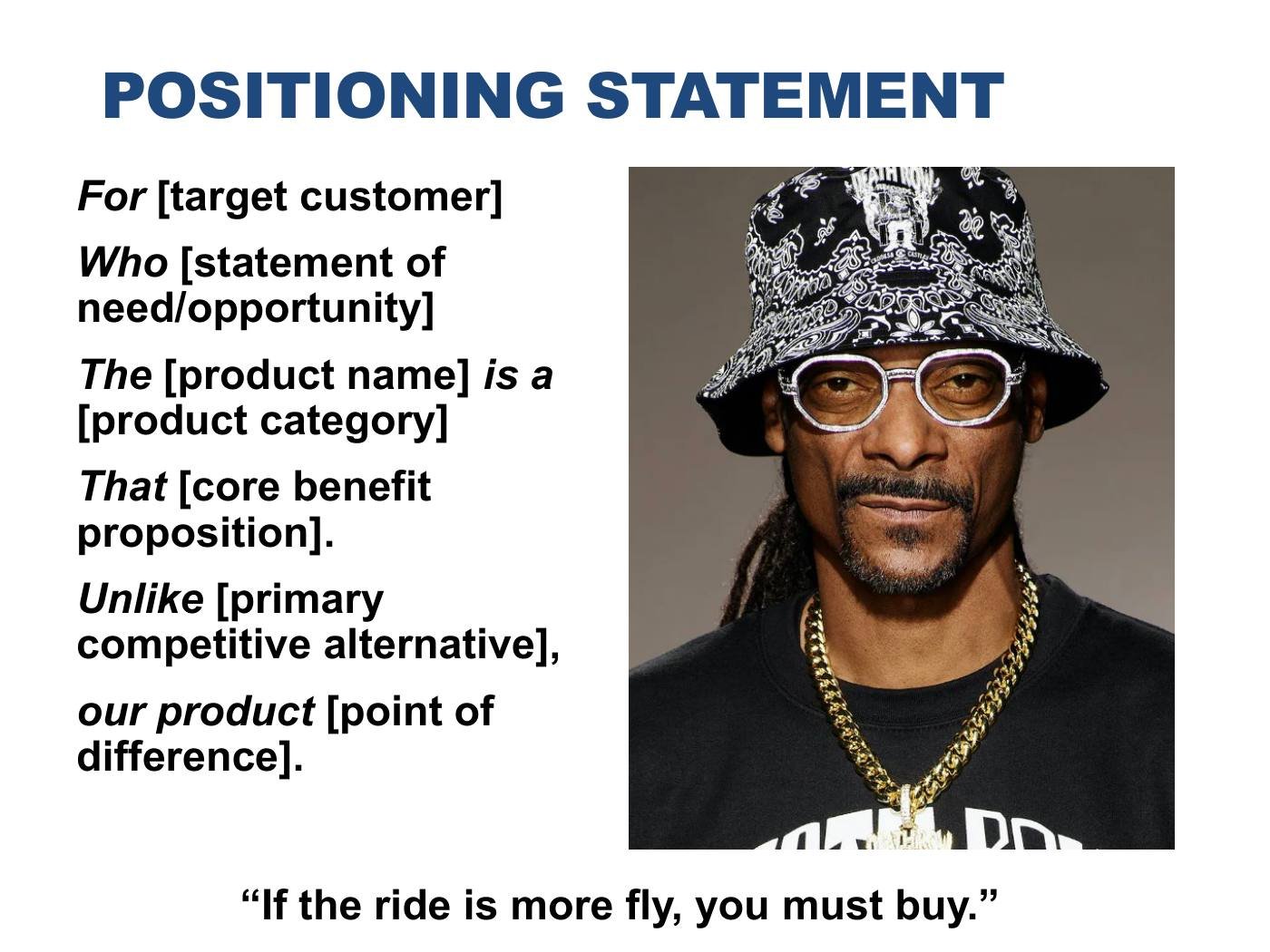
Positioning statement templateThe For / Who / The product is a / That / Unlike / Our product template, illustrated with a Snoop Dogg quote. Positioning is the subject of Lesson 8; here it previews how a generated concept must eventually be stated against an alternative.Levav - Ideation Templates Slides · PDF page 10
7
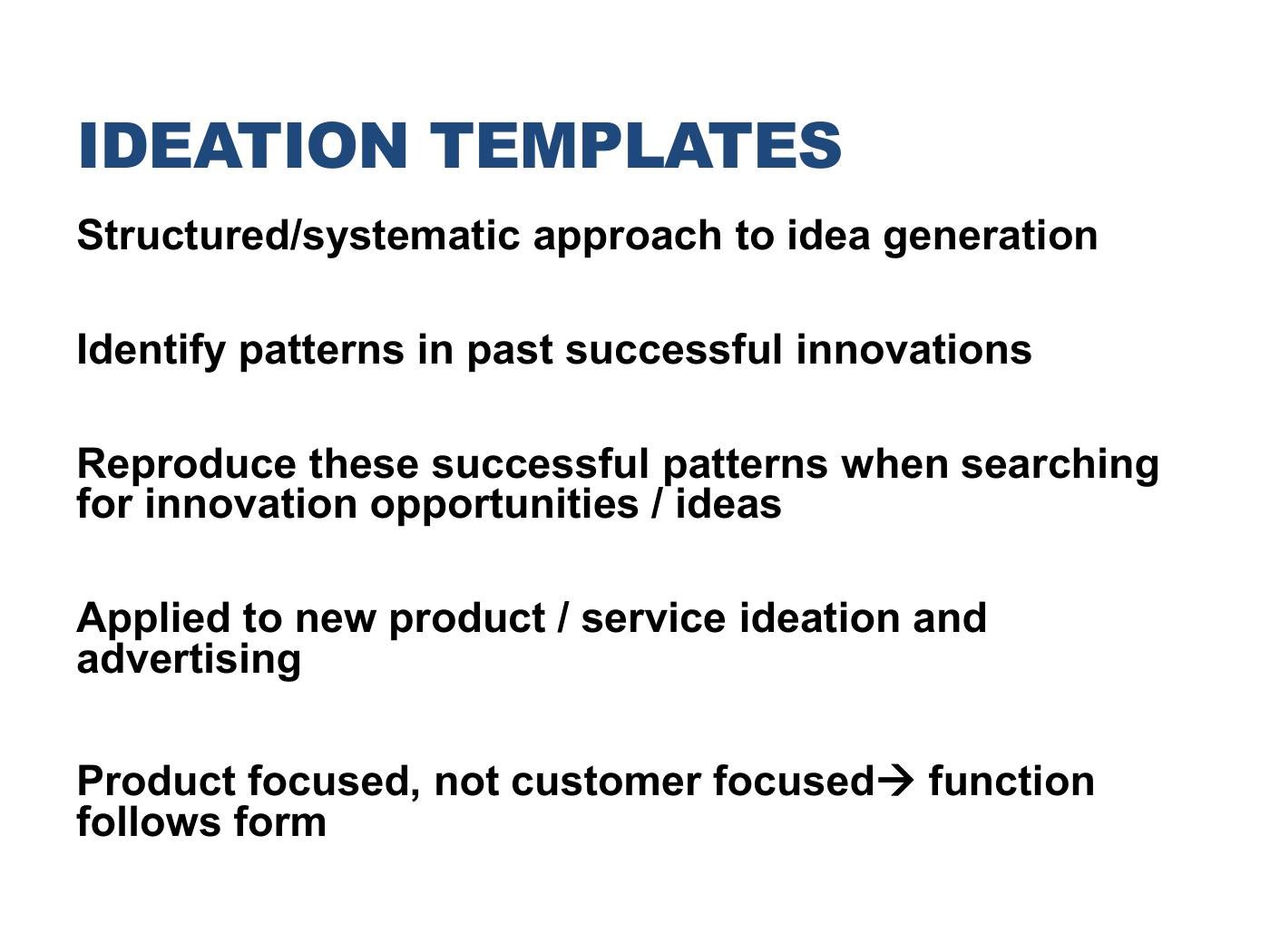
Ideation templates: what they are and why they workFive claims: templates are a structured approach to idea generation, derived from patterns in past successful innovations, reproducible when searching for new ideas, usable for products, services and advertising, and product-focused so that function follows form. The last line is the key reversal: you change the product first and look for the need second. That makes the method fast and generative, but it also means every output is a hypothesis about demand, never evidence of it.Levav - Ideation Templates Slides · PDF page 12 · in the slides
8
Subtraction in software: Snapchat and TwitterThe Snapchat and Twitter logos, used as examples of products defined by removing something. Snapchat removed message permanence; early Twitter removed length (140 characters). The constraint became the product.Levav - Ideation Templates Slides · PDF page 13
9
Subtraction: the iPod shuffle removes the screenThe 2005 iPod shuffle, a music player with no display, and its ads: 'Life is random' and 'Enjoy uncertainty'. Apple removed a component every competitor considered essential and then found the need the new form served: cheap, tiny, random play during exercise. The ad copy turns the missing feature into the benefit, which is what a well-run subtraction does.Levav - Ideation Templates Slides · PDF page 14 · in the slides
10
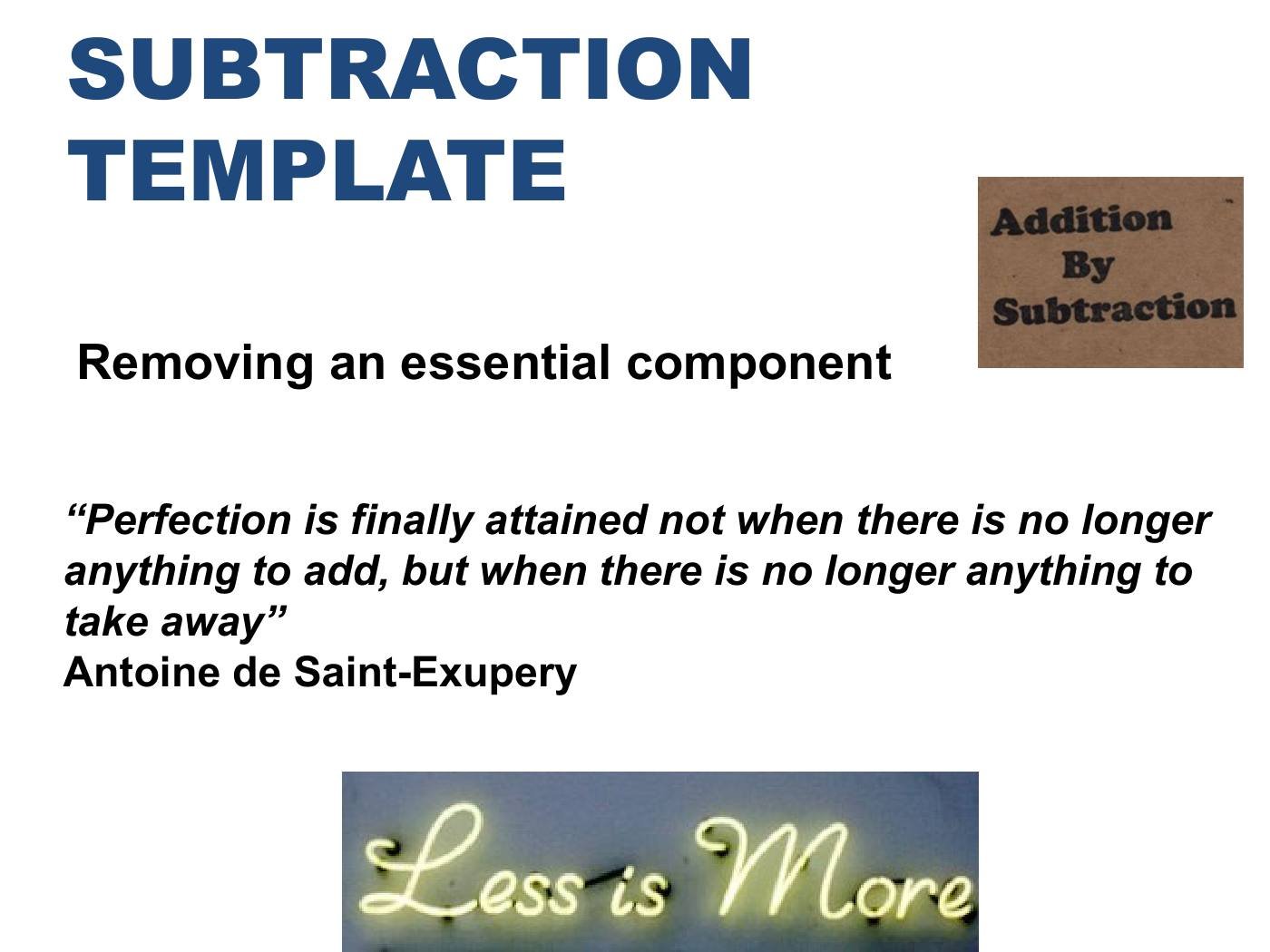
Subtraction template: definition'Removing an essential component', with Saint-Exupery's line that perfection is reached when nothing is left to take away. The word 'essential' matters: removing a trivial part produces no new form worth examining.Levav - Ideation Templates Slides · PDF page 15
11
Subtraction template: the five-step procedureList the internal components the maker controls; identify each one's function; remove or reduce one; visualize the result; search for needs the new product could meet. Steps 4 and 5 are where teams cheat. Visualize the stripped-down product literally before asking who wants it, and do not quietly restore the removed component's function with a new part.Levav - Ideation Templates Slides · PDF page 16 · in the slides
12
Task unification template: definition'Assigning a new task to an existing resource', with a recycling symbol. The resource must already exist in the product or its immediate environment; adding a new part is not task unification.Levav - Ideation Templates Slides · PDF page 17
13
Task unification: reCAPTCHA turns a security check into data laborGoogle's reCAPTCHA page, 'Stop a bot. Improve a map.', with distorted words from scanned books and house numbers from Street View. The user's effort, already spent proving they are human, is assigned a second job: transcribing text machines could not read. No new resource is added; an existing one does two tasks, which is why the idea was cheap to scale.Levav - Ideation Templates Slides · PDF page 18 · in the slides
14
Task unification: a billboard that becomes a bedA Pakistani mattress brand's roadside sign whose frame converts into a bed for people sleeping outdoors at night. The sign's structure gains a second function at a different time of day, carrying the brand's message about comfort.Levav - Ideation Templates Slides · PDF page 19
15
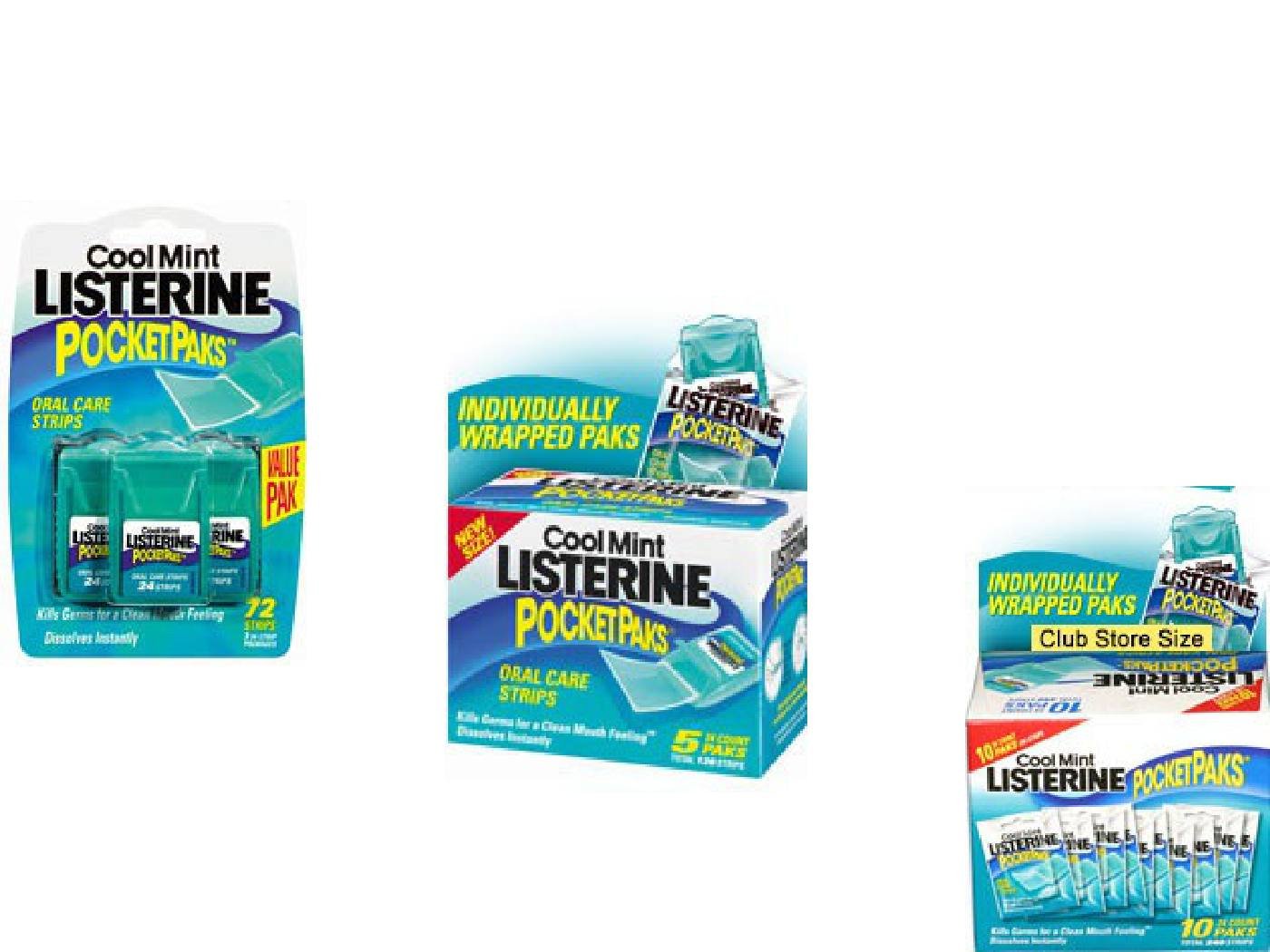
Listerine PocketPaks packagingDissolving oral-care strips in pocket packs, value packs and club-store multipacks. Set up for the next slide: the liquid and bottle are gone because saliva, an external resource, now dissolves the active ingredient.Levav - Ideation Templates Slides · PDF page 20
16
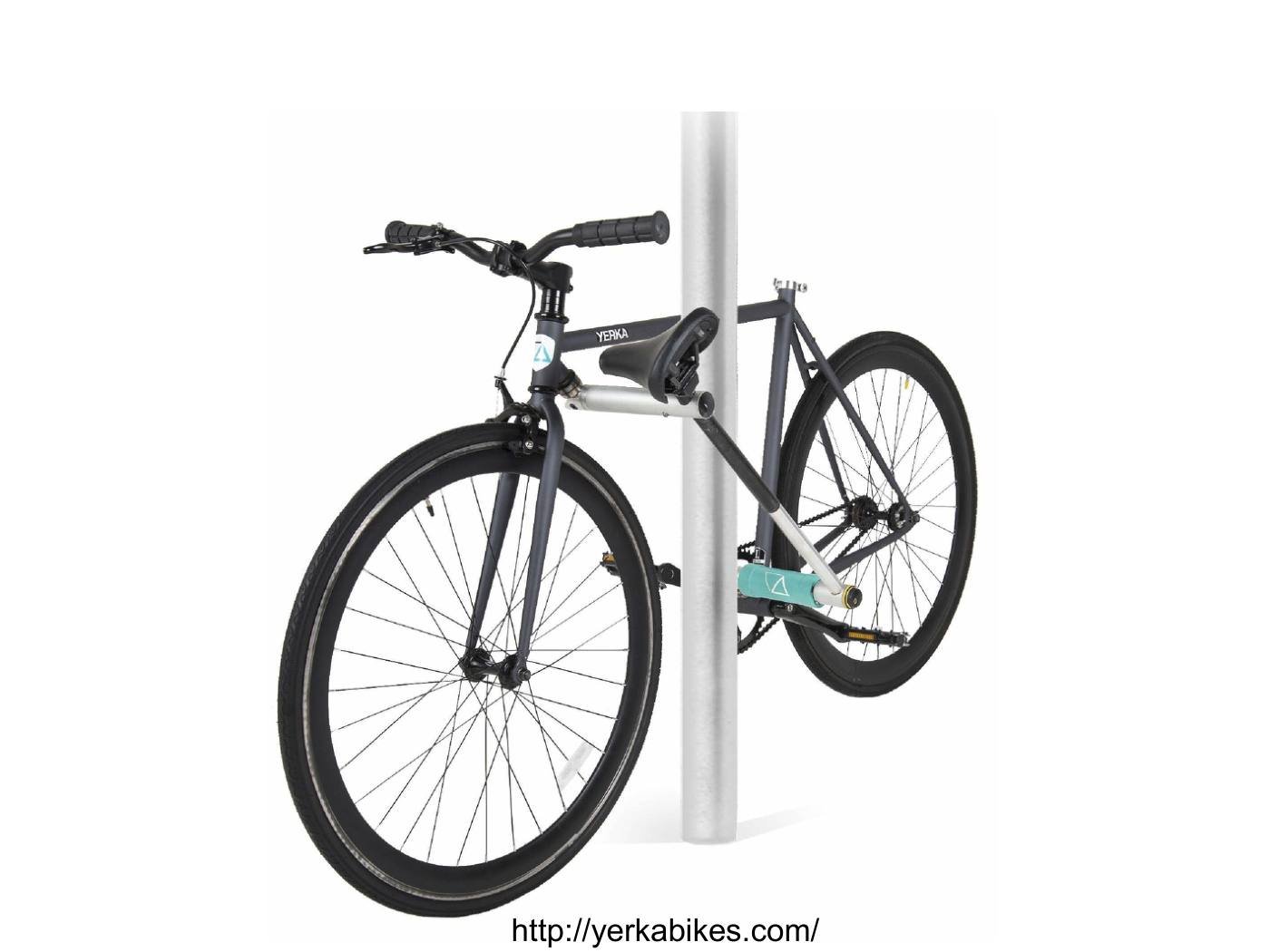
Task unification: the Yerka bike whose frame is the lockA bicycle locked to a pole using its own down tube, which swings open around the pole. A function normally performed by an external accessory (the lock) is moved into an internal component (the frame).Levav - Ideation Templates Slides · PDF page 21
17
Task unification: moving functions between internal and external componentsSix steps: list internal components; identify their functions; list external components in the environment or packaging; move an internal function to an external component (and drop the obsolete part); move an external function inside; ask what new functions external components could perform. The internal/external split is the practical engine. Listerine PocketPaks pushes a function out to saliva; the Yerka bike pulls the lock's function into the frame. For a service like Relay, external components include patients, front-desk staff and the clinic's EHR.Levav - Ideation Templates Slides · PDF page 22 · in the slides
18
Division template: three ways to separatePhysical division (cut it), functional division (separate components with different functions) and preserving division (each part keeps the character of the whole). The three types produce different questions. Physical and functional division ask what improves when parts are apart; preserving division asks what a smaller unit of the whole could do on its own.Levav - Ideation Templates Slides · PDF page 23 · in the slides
19
Physical division: zip-off trousersConvertible hiking trousers whose lower legs detach to make shorts. Cutting the product creates a new use (one garment for changing temperatures) with a cost in weight and zippers.Levav - Ideation Templates Slides · PDF page 24
20
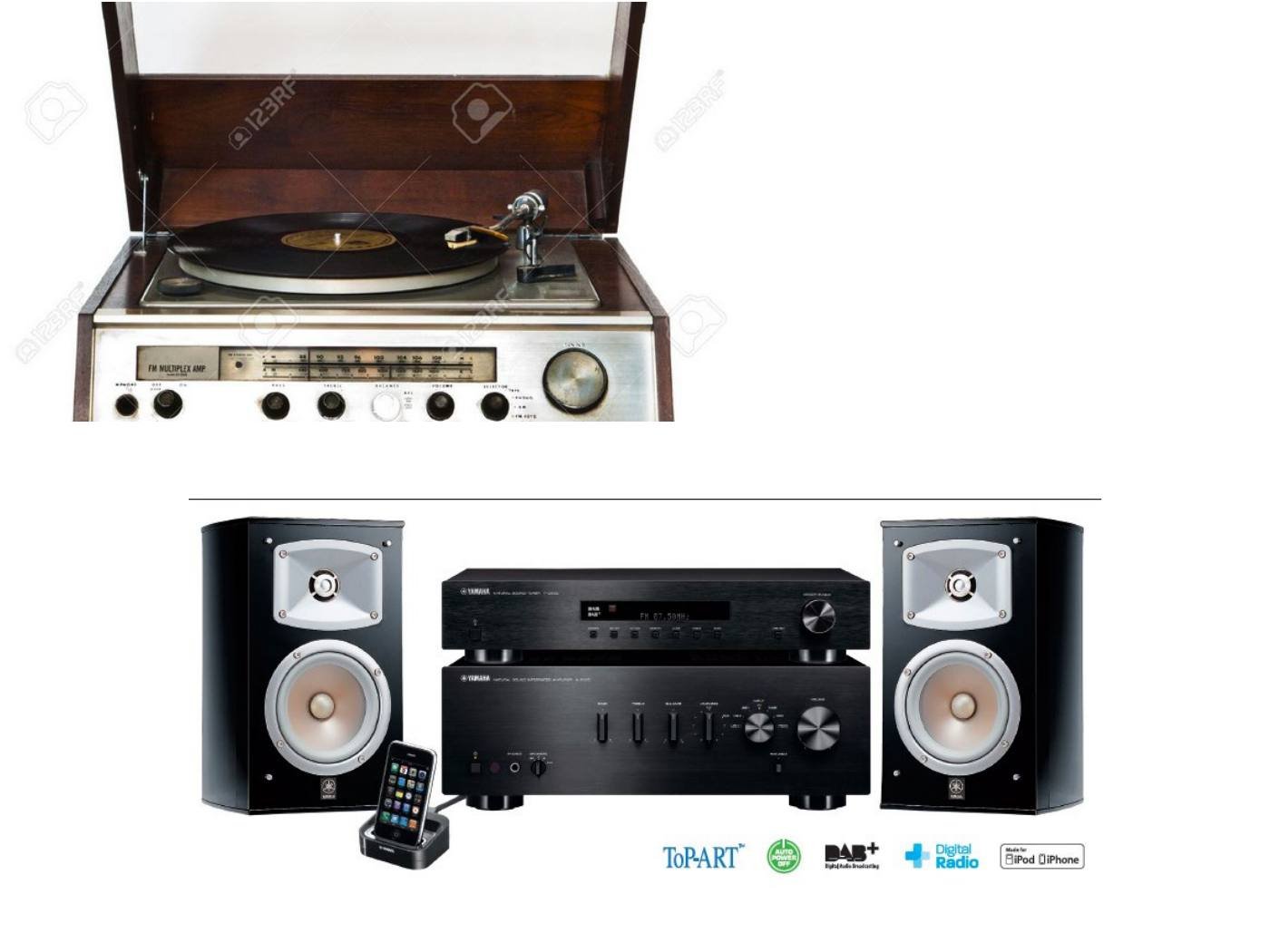
Functional division: from console stereo to separate componentsAn all-in-one record console beside a separates hi-fi system with speakers, amplifier, tuner and a phone dock. Separating functions let buyers upgrade, place and mix components independently.Levav - Ideation Templates Slides · PDF page 25
21
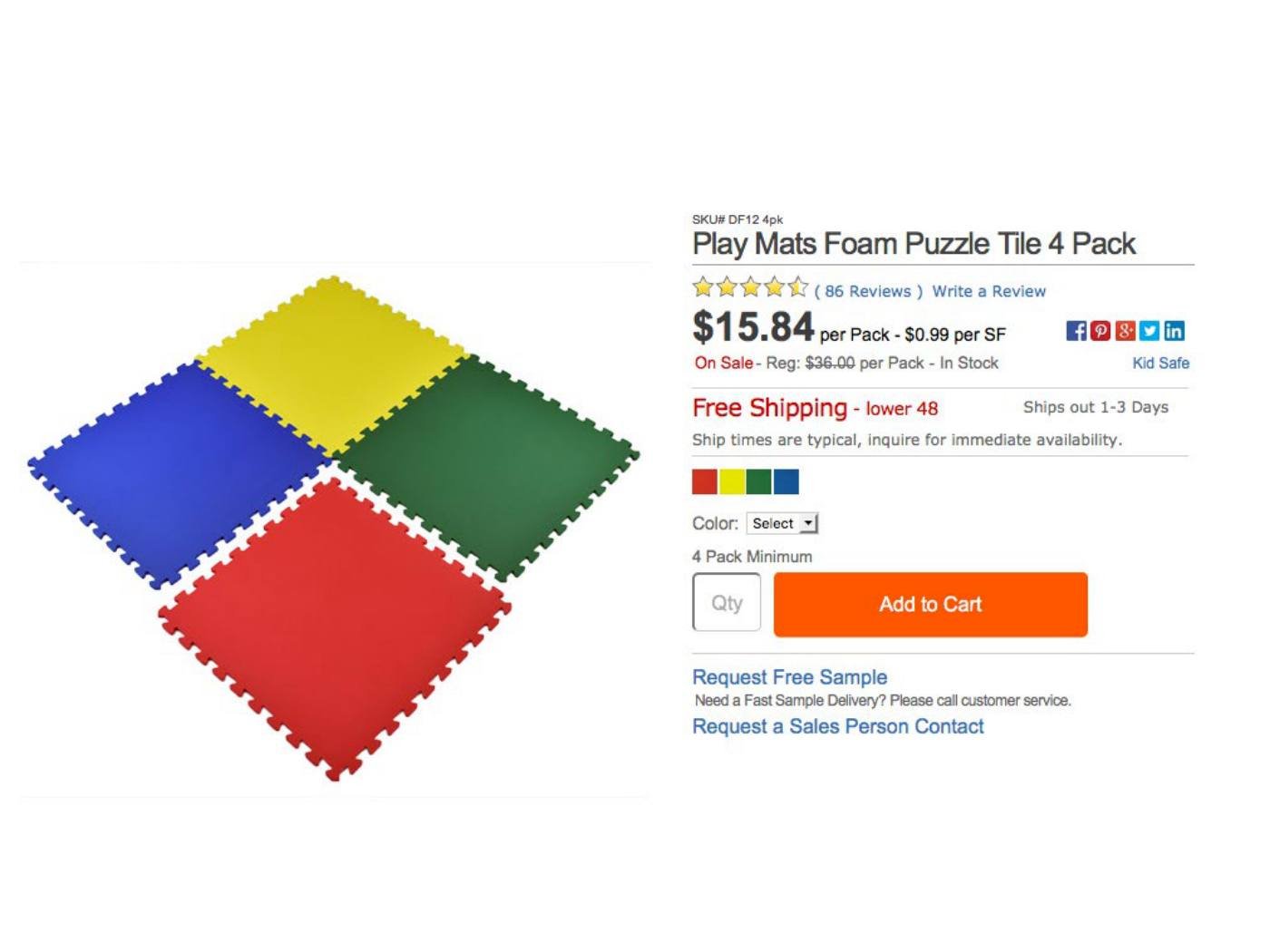
Preserving division: foam puzzle tilesInterlocking foam play-mat tiles sold in four-packs at $15.84. Each tile is a small mat in its own right, so the product scales to any room.Levav - Ideation Templates Slides · PDF page 26
22
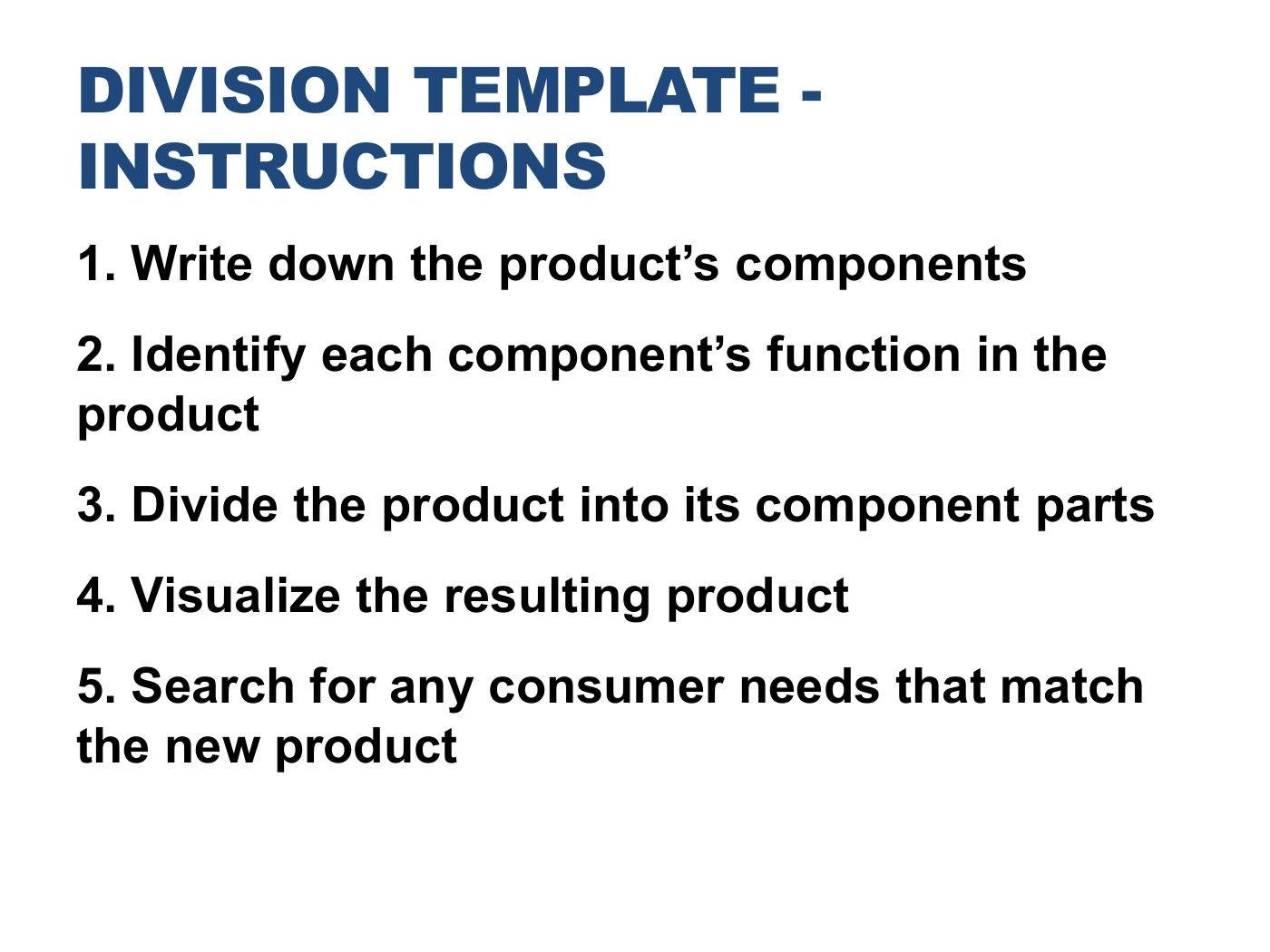
Division template: procedureList components, identify functions, divide the product into its parts, visualize, then search for matching needs. The same component-function inventory used for subtraction; only the operation changes.Levav - Ideation Templates Slides · PDF page 27
23
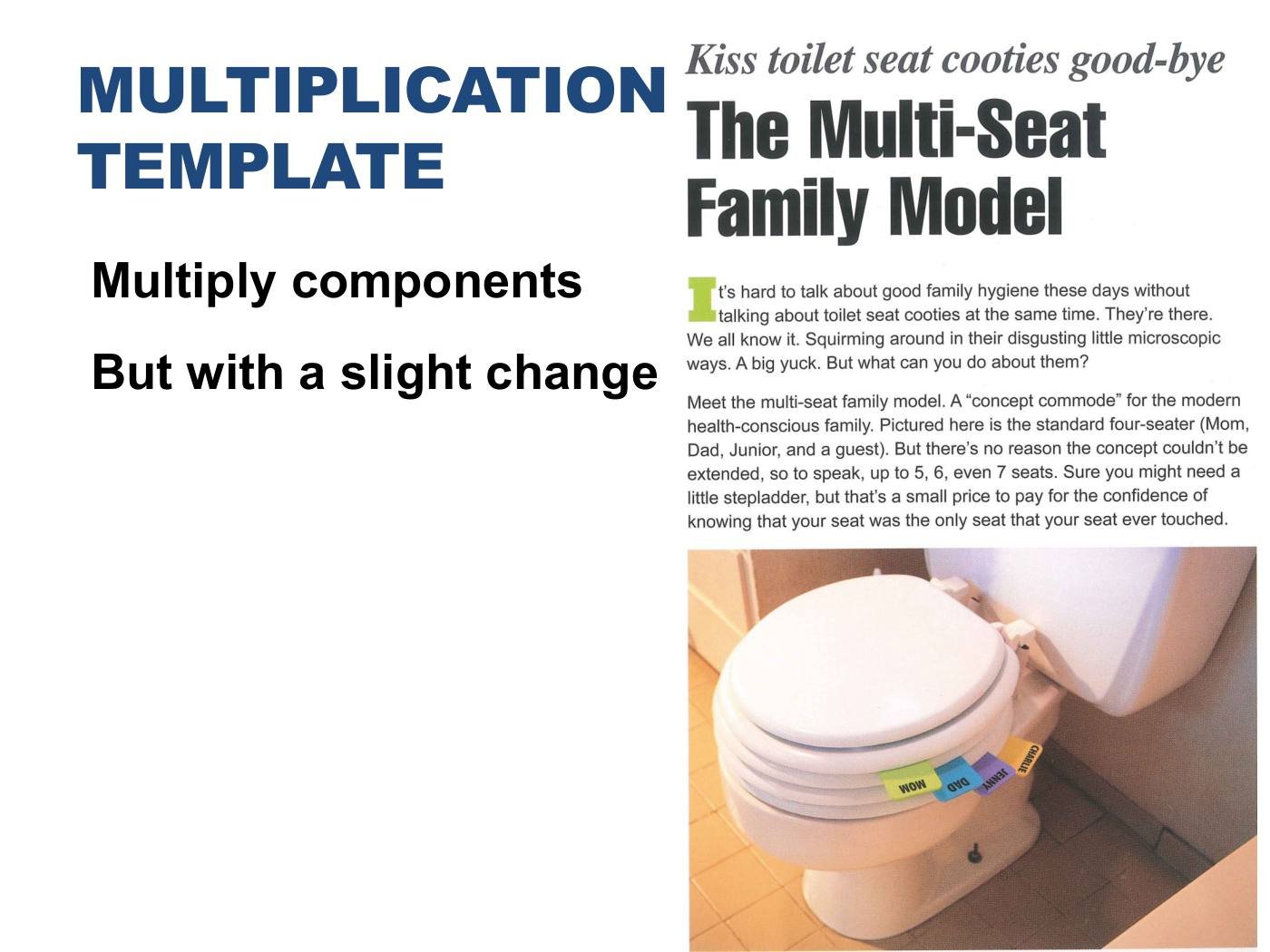
Multiplication template and a parody 'multi-seat' toiletThe rule 'multiply components, but with a slight change' beside a satirical ad for a stacked four-seat family toilet. The parody fails because the copies differ only by color label; the change does not create a credible benefit.Levav - Ideation Templates Slides · PDF page 28
24
Multiplication: multi-blade razorsA close-up of a razor cartridge with several parallel blades. Adding copies is only half the template: the extra blades are set at different positions so each does a slightly different job. Copies that are identical to the original usually produce plain addition, not an idea.Levav - Ideation Templates Slides · PDF page 29 · in the slides
25
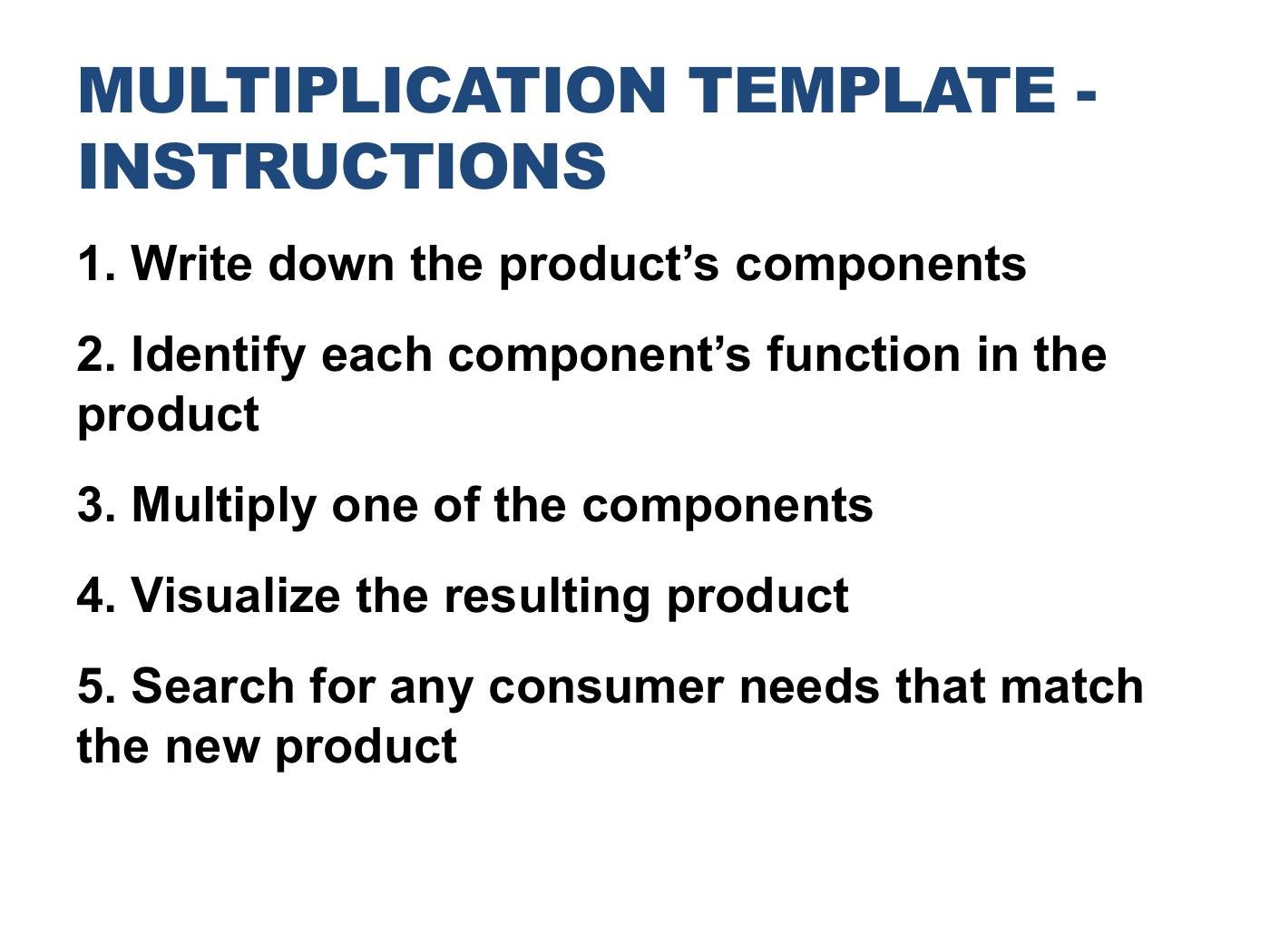
Multiplication template: procedureList components, identify functions, multiply one component, visualize, search for needs. Add the missing instruction yourself: change an attribute of the copy.Levav - Ideation Templates Slides · PDF page 30
26
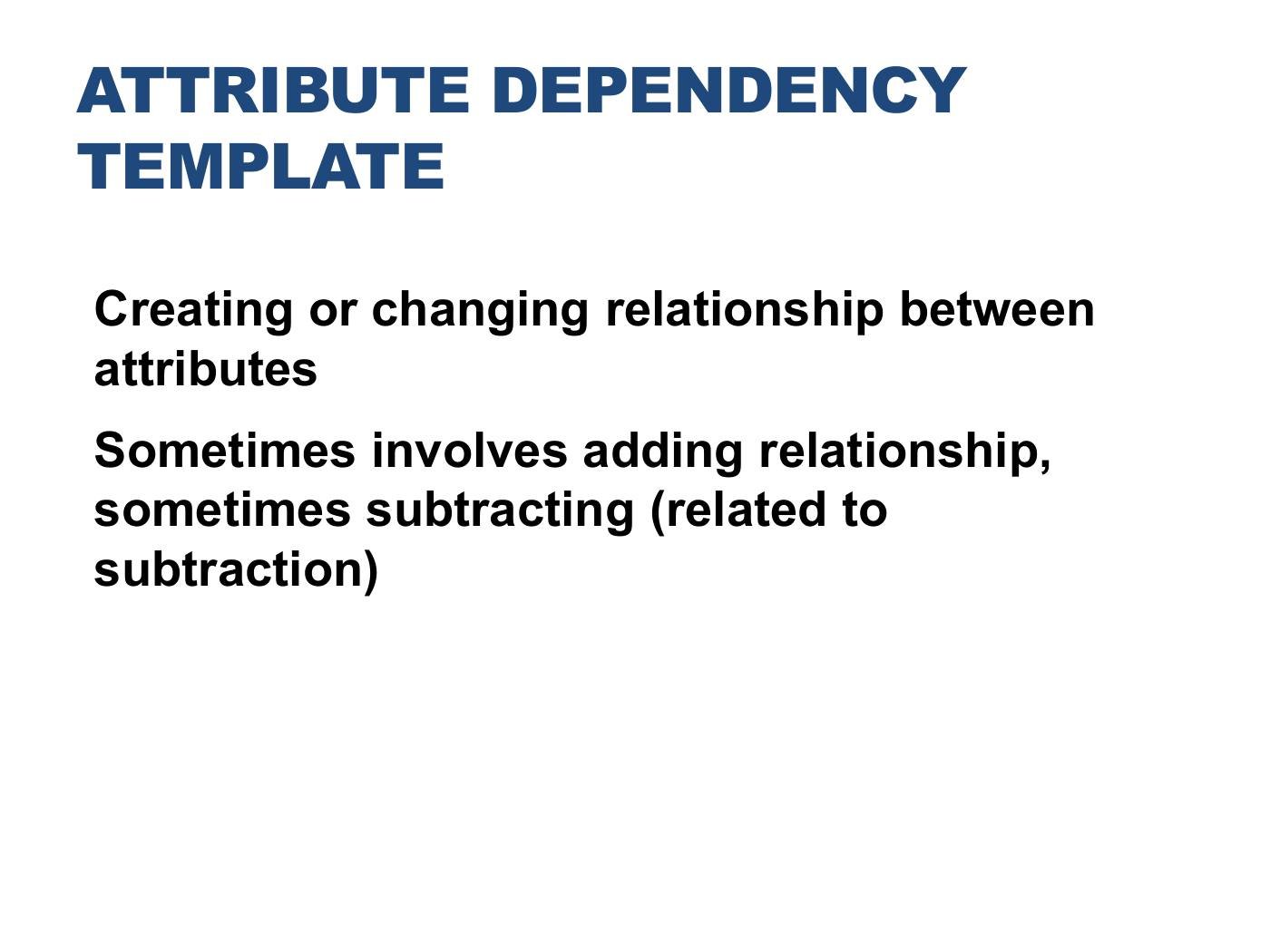
Attribute dependency template: definitionCreating or changing a relationship between attributes; sometimes adding a dependency, sometimes removing one. Removing a dependency is the subtraction of a relationship, as the employee-pricing example later shows.Levav - Ideation Templates Slides · PDF page 31
27
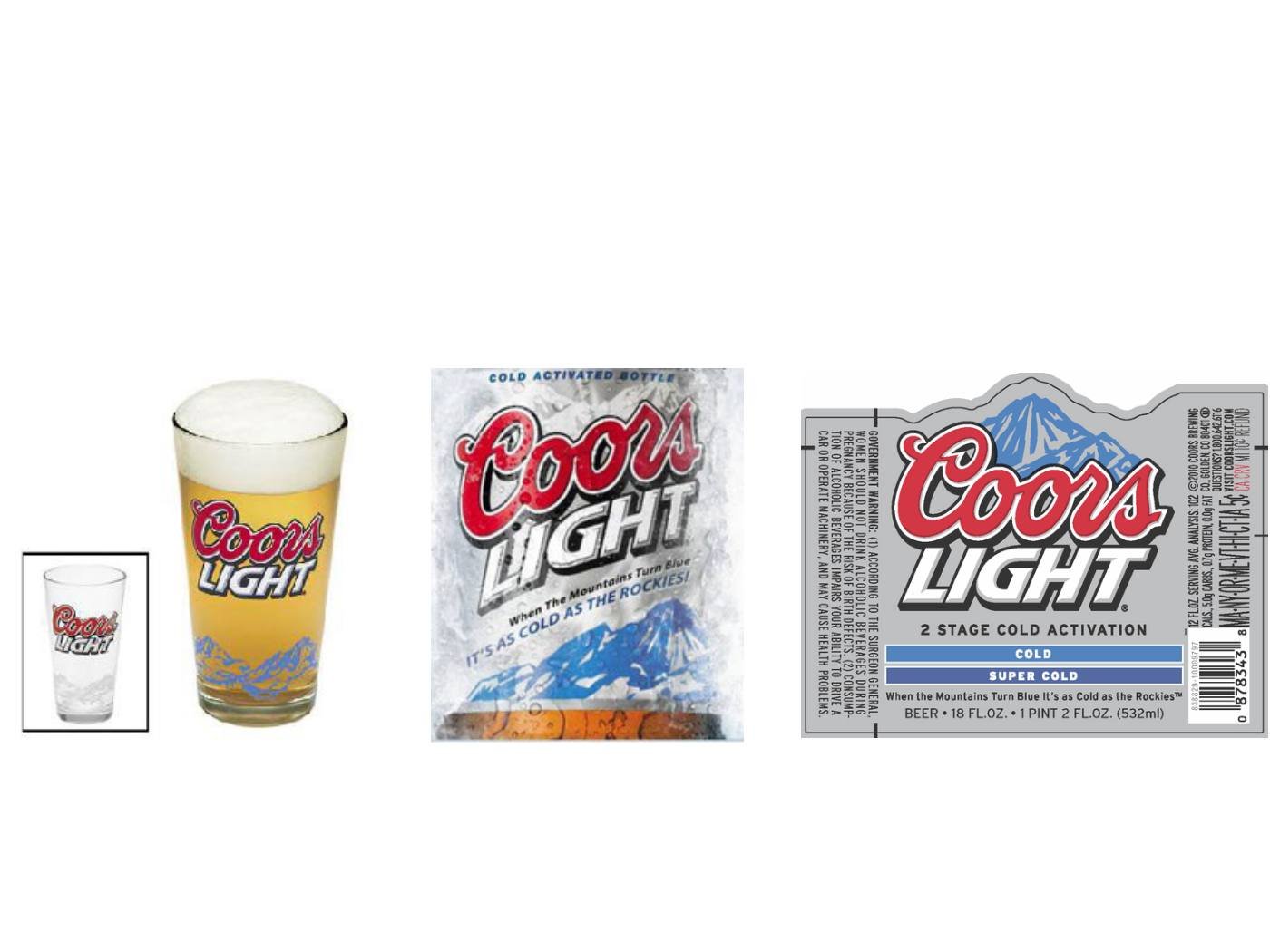
Attribute dependency: Coors Light cold-activated labelsCoors Light glasses, cans and a bottle label whose mountains turn blue when the beer is cold. Label color is made to depend on temperature, turning a fixed attribute into a signal.Levav - Ideation Templates Slides · PDF page 32
28
Drawing an attribute dependency before and afterTwo graphs of color against temperature: a flat line (no dependence) and a step that drops above a threshold (color depends on temperature). The graph forces precision: which variable drives which, and whether the relationship is continuous or a threshold. 'Make it smarter' cannot be drawn; 'send to more patients as the slot gets closer' can.Levav - Ideation Templates Slides · PDF page 33 · in the slides
29
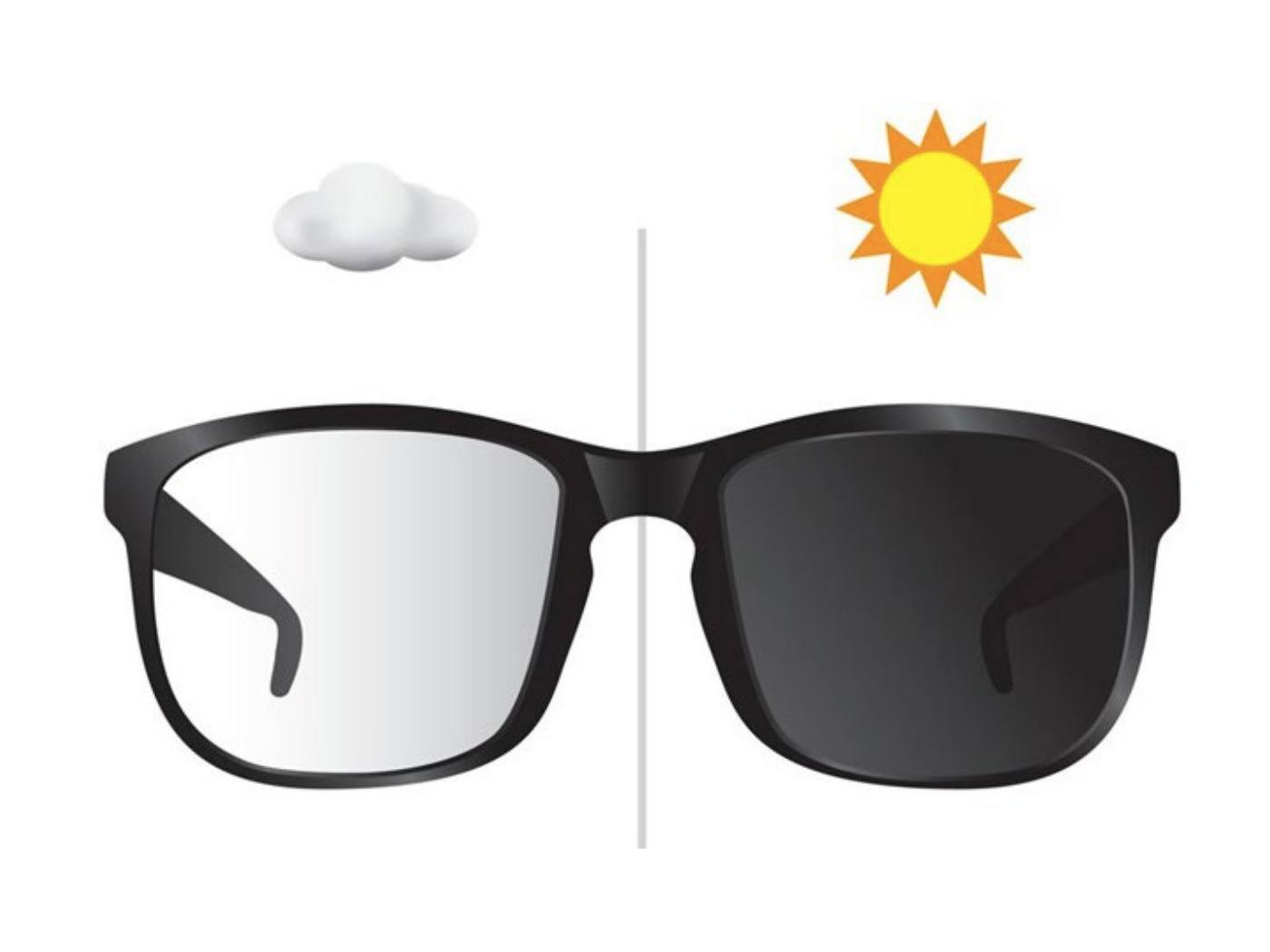
Attribute dependency: photochromic lensesGlasses that are clear under cloud and dark in sunshine. Lens tint depends on light intensity, so one pair replaces two.Levav - Ideation Templates Slides · PDF page 34
30
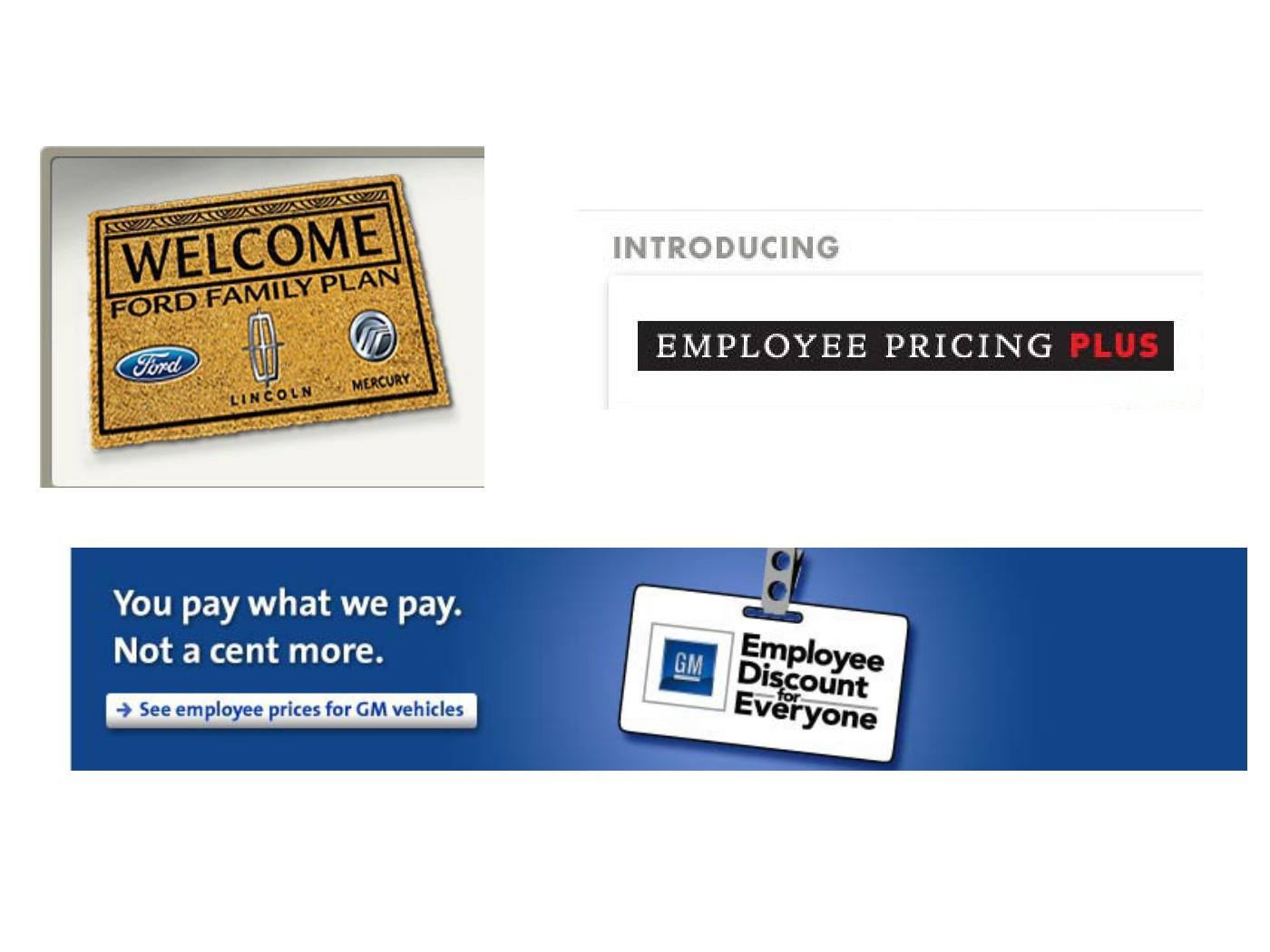
Removing a dependency: employee pricing for everyoneFord's Family Plan and GM's 'Employee Discount for Everyone' campaigns. Price normally depends on whether the buyer is an employee; the campaigns broke that link for all customers.Levav - Ideation Templates Slides · PDF page 35
31
Attribute dependency in services: UberThe Uber wordmark. Surge pricing makes price depend on local demand in real time.Levav - Ideation Templates Slides · PDF page 36
32
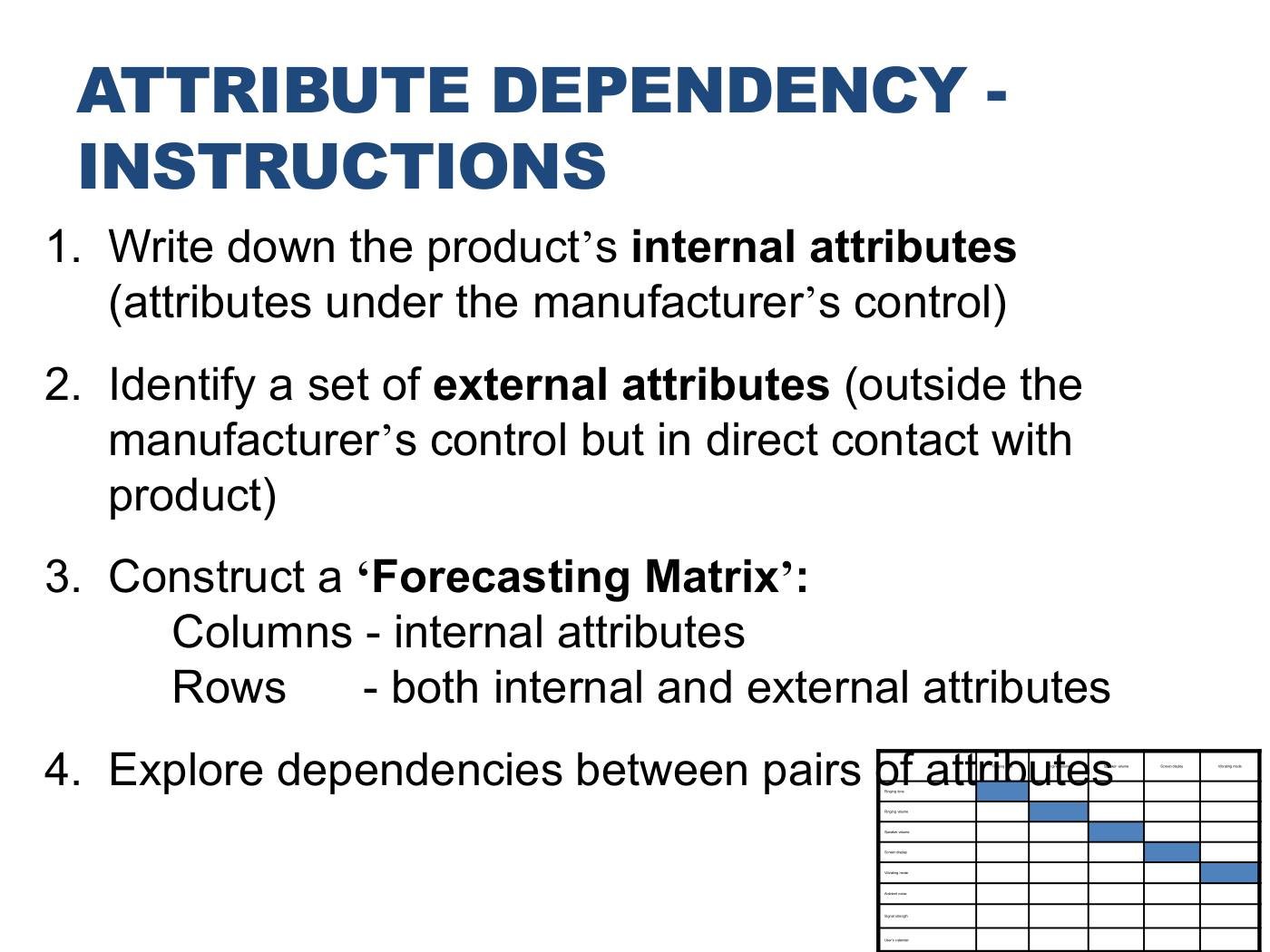
Attribute dependency: the forecasting-matrix procedureList internal attributes the maker controls and external attributes in contact with the product; build a matrix with internal attributes as columns and all attributes as rows; explore each pair. The procedure is shown in full on the next slide.Levav - Ideation Templates Slides · PDF page 37
33
Forecasting matrix for a cellphoneA grid with ringing tone, ringing volume, speaker volume, screen display and vibrating mode as columns, and the same five plus ambient noise, signal strength and the user's calendar as rows; the diagonal is blocked out. Each empty cell is a candidate dependency: ringing volume that rises with ambient noise, or vibrate-only during calendar meetings, both of which later shipped. The external rows are where most useful dependencies come from.Levav - Ideation Templates Slides · PDF page 39 · in the slides
34
When to use each of the five templatesSubtraction for complex products or cost control; task unification for cost control; division and multiplication for simple quantitative improvements; attribute dependency useful generally but hard. Use this as a selection guide, not a ranking. A cost-constrained startup gets most from subtraction and task unification, because both remove or reuse resources rather than adding them.Levav - Ideation Templates Slides · PDF page 40 · in the slides