A strategic transition changes several connected choices
The Netflix history moves through physical distribution, streaming, content and international expansion. Each transition changes the customer proposition, economics and capabilities required. Calling all of them “growth” hides the work needed to make the next model function.
Map the old and proposed models side by side. Identify which capabilities transfer, which become less valuable and which must be developed. Then examine whether the transition undermines the current business before the new one can support it. Historical outcomes should not substitute for the uncertainty decision makers faced at the time.
A pivot changes an important element of the venture’s model in response to learning. A change of activity without a reasoned connection to evidence can become an unrelated expansion. State which observation rejects the old assumption and why the proposed change addresses it.
Preserve what remains supported. A team may have evidence for a customer need but weak evidence for a revenue model or channel. Separating those elements reduces the risk of discarding useful learning or carrying an unsupported assumption into the next version.
Use the archived Netflix discussion to trace a strategic transition. Each stage changes several connected activities rather than replacing only the customer-facing format.
01
DVD delivery
An offer based on physical media requires inventory, delivery and a way to make the waiting period acceptable. Customer convenience depends on the complete delivery system and the pricing arrangement.
02
Subscription model
A recurring payment changes the revenue relationship and the importance of continued customer value. Analyze use, retention and service costs together instead of treating a subscription label as sufficient business logic.
03
Streaming
Digital delivery changes access and the operating system behind it. Rights, technology and customer expectations become part of the transition. Earlier capabilities may help in some areas and constrain others.
04
Organizational change
Ask which resources, incentives and measures must change with the strategy. A transition can require running the existing model while learning how the new one works.
This is a historical teaching sequence. The next analysis asks what changed in customers, activities and economics, then distinguishes a reasoned pivot from an unrelated expansion.
A pivot revises an important part of the business in response to what has been learned. An adjacent idea becomes coherent only if its customer, activities and economics connect to the proposed strategy.
Coherent change
Responds to a changed opportunity and explains how existing strengths help create new ones.
Unrelated expansion
Adds an activity without a clear account of customer value, capabilities or business logic.
Worked application
Illustrative application: a team learns that supervisors value an audit trail more than faster messaging and changes the offer accordingly. Adding an unrelated consumer app because it sounds promising does not follow from that evidence. Spell out what is retained, what changes and why.
The strategy memo should connect new evidence to a revised choice and the capabilities that choice requires.
A strategy requires particular tasks and behaviors. People, formal structure, rewards and cultural expectations influence whether those behaviors occur. A company can describe a new strategy while continuing to reward the choices that supported the old one.
The alignment model asks how the organization must change to execute the proposed strategy. Identify a concrete contradiction and its operating consequence. A consistent organization does not eliminate uncertainty, but an inconsistent one can prevent the strategy from receiving a fair test.
A recommendation under uncertainty should identify the evidence that would lead to revision. This protects a strategic direction from changing with every anecdote while also preventing commitment from becoming immune to evidence.
Specify what the next period of work should establish, when the decision will be reviewed and which alternatives remain available. Consider the cost of waiting and the cost of reversing the choice. An experiment that arrives after an irreversible commitment may have little decision value.
A vision describes a desired direction. Evidence helps choose which actions are plausible ways to move toward it and which assumptions need revision.
Vision
A direction that helps people understand what the organization is trying to achieve.
Evidence
Information about whether the chosen path can work. Vision can guide choices without making an unsupported path true.
Worked application
Illustrative application: “make handoffs dependable” can remain the objective while repeated tests reject a notification-heavy product. The team might try an authoritative record or service process instead. Preserving the exact feature despite contradictory observations confuses the means with the objective.
State which commitments define the purpose and which are hypotheses about how to accomplish it.
Netflix: the opening strategic transitions / summary
Selected reading: PDF pages 2, 3, 4, 5
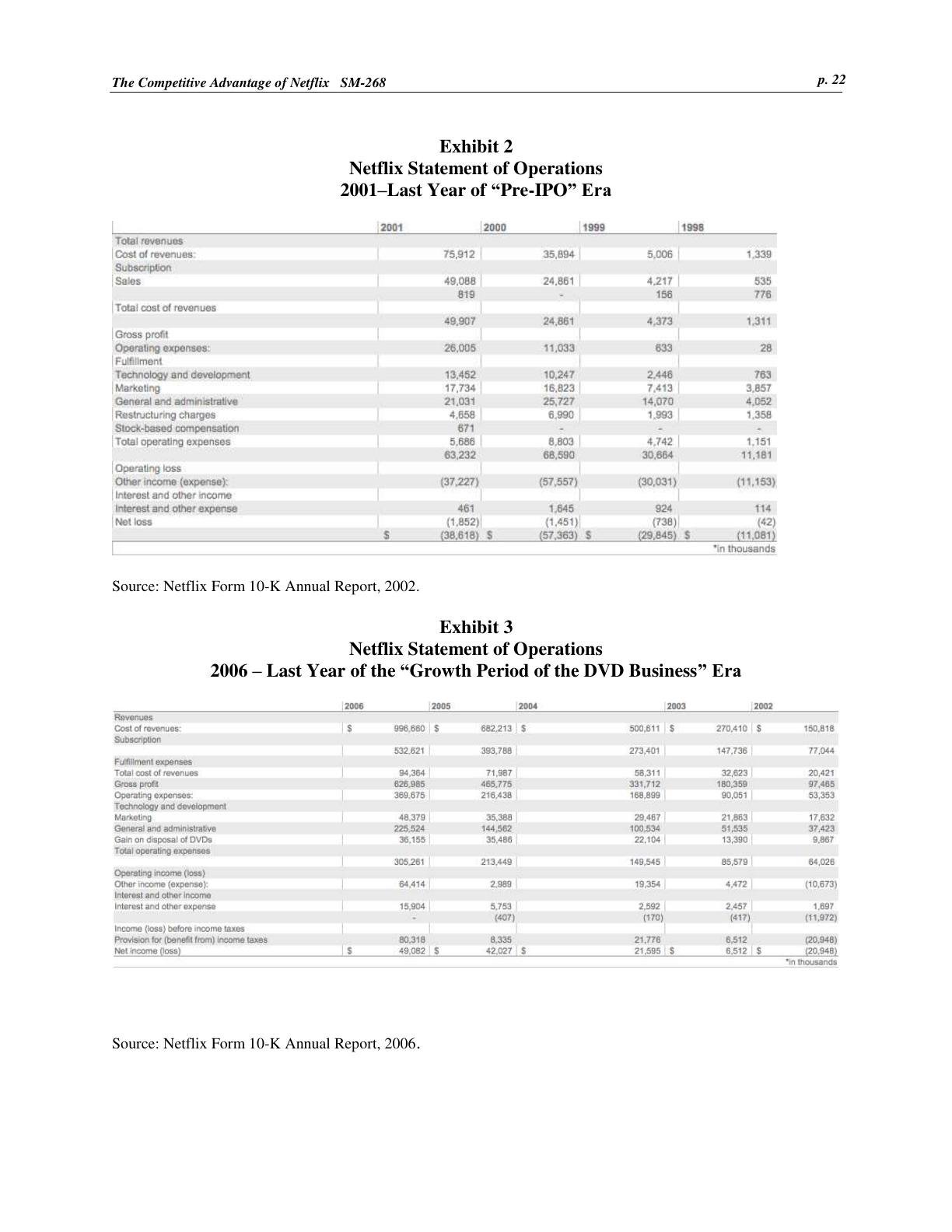
The opening excerpt frames Netflix’s history as changing business models and describes early subscription, delivery and recommendation choices. It also presents a deliberately designed approach to organizational culture.
The business model changes
The early move from per-rental transactions to subscription changes the customer relationship and the revenue logic.
Operations enable the promise
Physical media, packaging and return logistics affect whether a mail-based offer can deliver convenience at viable cost.
Recommendations connect to activity
The excerpt introduces recommendations alongside inventory management. A customer-facing capability belongs to a wider operating system.
Organization follows an intent
The culture discussion describes high expectations and substantial discretion. The case links management choices to the work the company expects to perform.
Netflix: the opening strategic transitions / discussion
Selected reading: PDF pages 2, 3, 4, 5
Critical points
The selected scope
These pages introduce later eras but mainly describe early choices. They do not establish every causal explanation for the later streaming and content businesses.
Interdependent changes
Changing a price or delivery format affects costs, behavior and required capabilities. Examine the connected design before calling a transition a simple product switch.
A practice and its fit
A policy drawn from one company can have different effects under different work and labor conditions. Evaluate the mechanism and trade-offs before copying it.
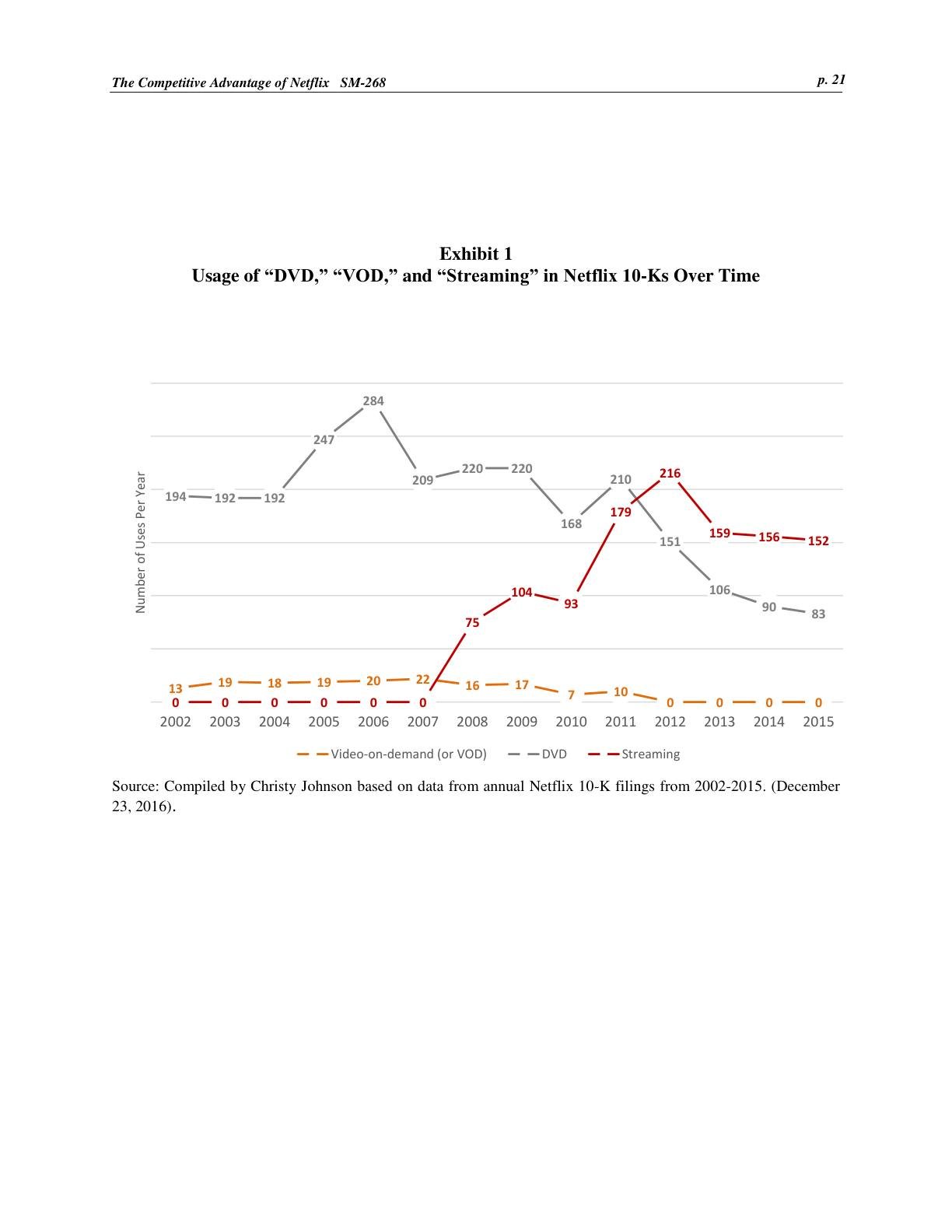
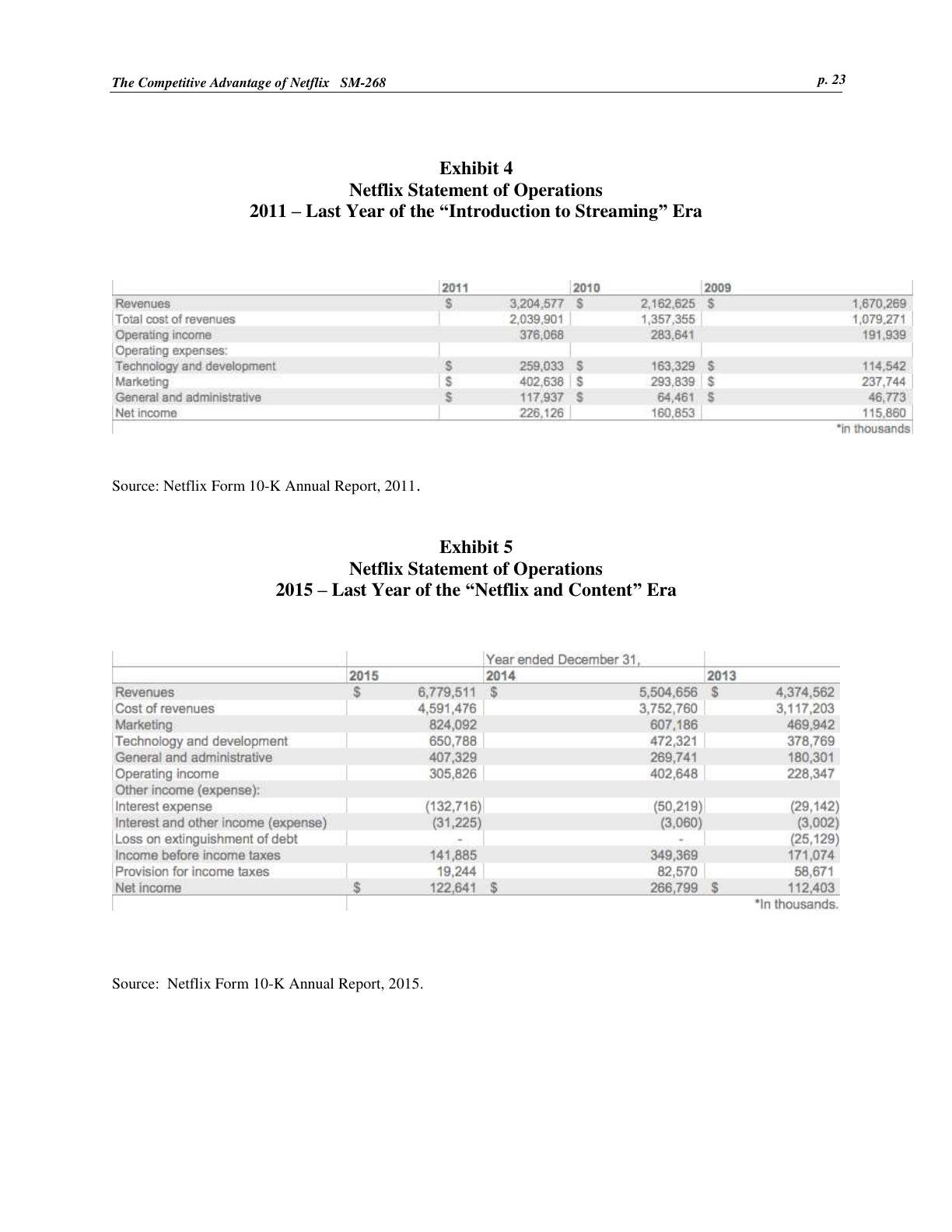
The teaching materials examine how logistics, customer knowledge, access, content and organizational choices mattered differently across historical eras. A capability useful in DVD delivery was not automatically an advantage in streaming or content.
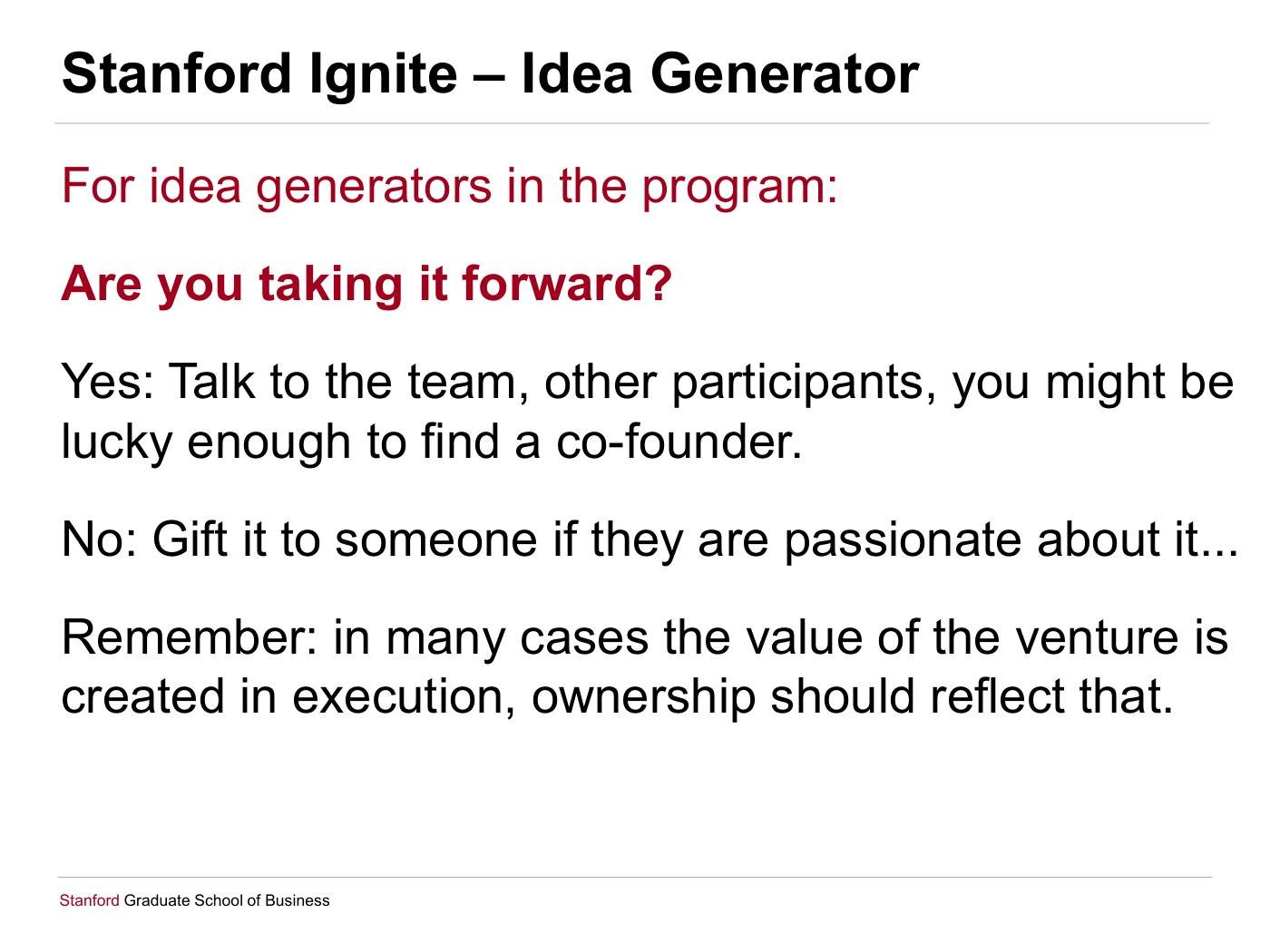
How should a firm decide which strengths to preserve and which to rebuild?
28
15 / Current practiceStrategic change, pivots & organizational alignment
Current practice: Netflix changes its model, and its metrics, again
From one subscription to tiers and ads
Netflix launched an ad-supported plan at $6.99 a month on November 3, 2022, in nine countries including the US. Selling advertising requires capabilities the subscription model did not: ad sales, measurement and an ad-tech stack.
Monetizing shared accounts
In May 2023 Netflix rolled out paid sharing in the US, charging $7.99 a month for each extra member outside the household. By its own estimate, more than 100 million households had been sharing accounts they did not pay for.
New model, new scorecard
In April 2024 Netflix said it would stop reporting quarterly subscriber numbers from Q1 2025 and steer investors to revenue and profit. Once revenue per member varies by tier and ads, a subscriber count no longer measures the business, so the measures had to change with the strategy.
Fictional firm: an established physical service has loyal customers and delivery expertise. A digital alternative removes shipping but requires new technology and rights. Current customers have shown interest, but repeated use is untested.
Your task
Compare staying, a staged test and a full pivot. Map the capability gaps and state a trigger for the next commitment.
Venture step: The pivot to multi-location groups and Relay Scheduler
Relay · venture step 15
Fourteen months after launch, Relay's data shows that multi-location PT groups retain about 3x longer than independent clinics and buy 10 or more locations at once. Independents churn faster. Daniel wants to launch Relay Scheduler, an AI assistant on a third-party LLM API that converses with patients, proposes slots and predicts who will accept. LLM inference would lower gross margin from about 80% to 72% unless it is managed. Priya Raman, Head of Growth since month 9, runs a founder-style direct sales motion built for single clinics.
Your task
Write a before/after strategy map (customer, offer, activities, economics, organization), a decision rule that says when to commit, stage or stop, and an alignment plan naming three organizational contradictions and how to fix them.
Keep: the purpose (fill empty slots) and the core evidence (40% fill rate), plus the patient waitlist and the HIPAA program. Change: the customer, from independent clinics to groups of 5-60 locations, and the offer, from SMS automation to Relay Scheduler with multi-site admin and reporting.
Economics, illustrative: independents at 4.5% monthly churn last about 22 months, so LTV = 399 x 0.80 x 22 = about $7,000 per location. Groups at 1.5% churn last about 67 months, so LTV = 399 x 0.72 x 67 = about $19,250 at the v2 margin. The group case still wins even after LLM costs, but only if per-location CAC holds near the $2,400 direct figure despite longer enterprise sales cycles.
Decision rule: stage before committing. Commit when (a) at least 3 groups sign 10 or more locations within two quarters, (b) Scheduler pilots match or beat v1's fill rate, and (c) gross margin is at least 75% after inference. Stop if two of the three fail by month 20. Do not cut off existing independents; stop spending acquisition money on them.
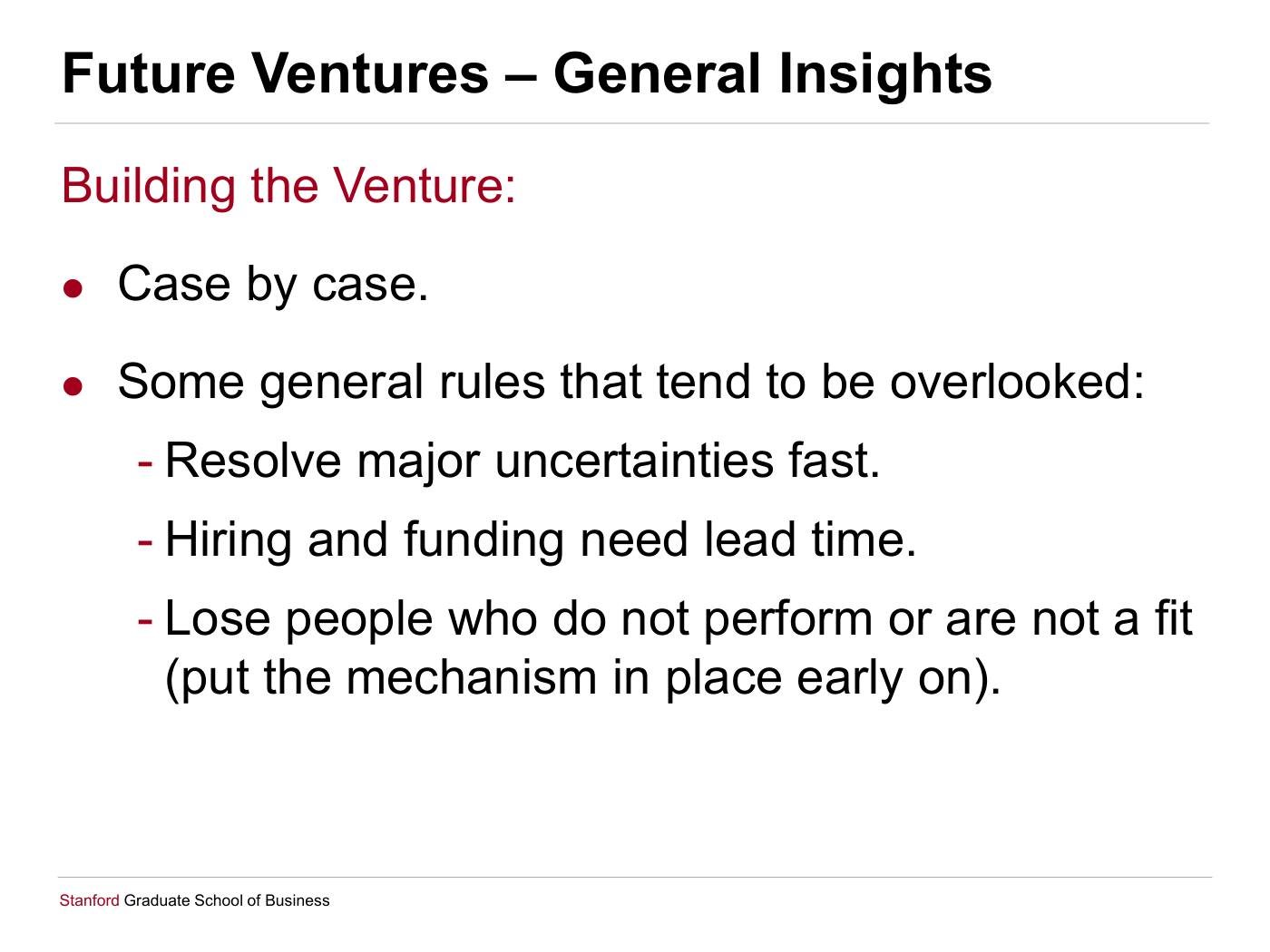
Alignment contradictions: (1) sales pay is based on logos, which rewards small single clinics, so pay on locations live and net revenue retention instead; (2) onboarding is built for one site, so build a group rollout playbook and a named implementation lead; (3) engineering rewards shipping speed while group procurement demands security reviews and a BAA with the LLM vendor, so add compliance to the definition of done.
Unrelated-expansion test: a patient-facing consumer app would not follow from the evidence. The data is about who buys and retains, not about patient demand.
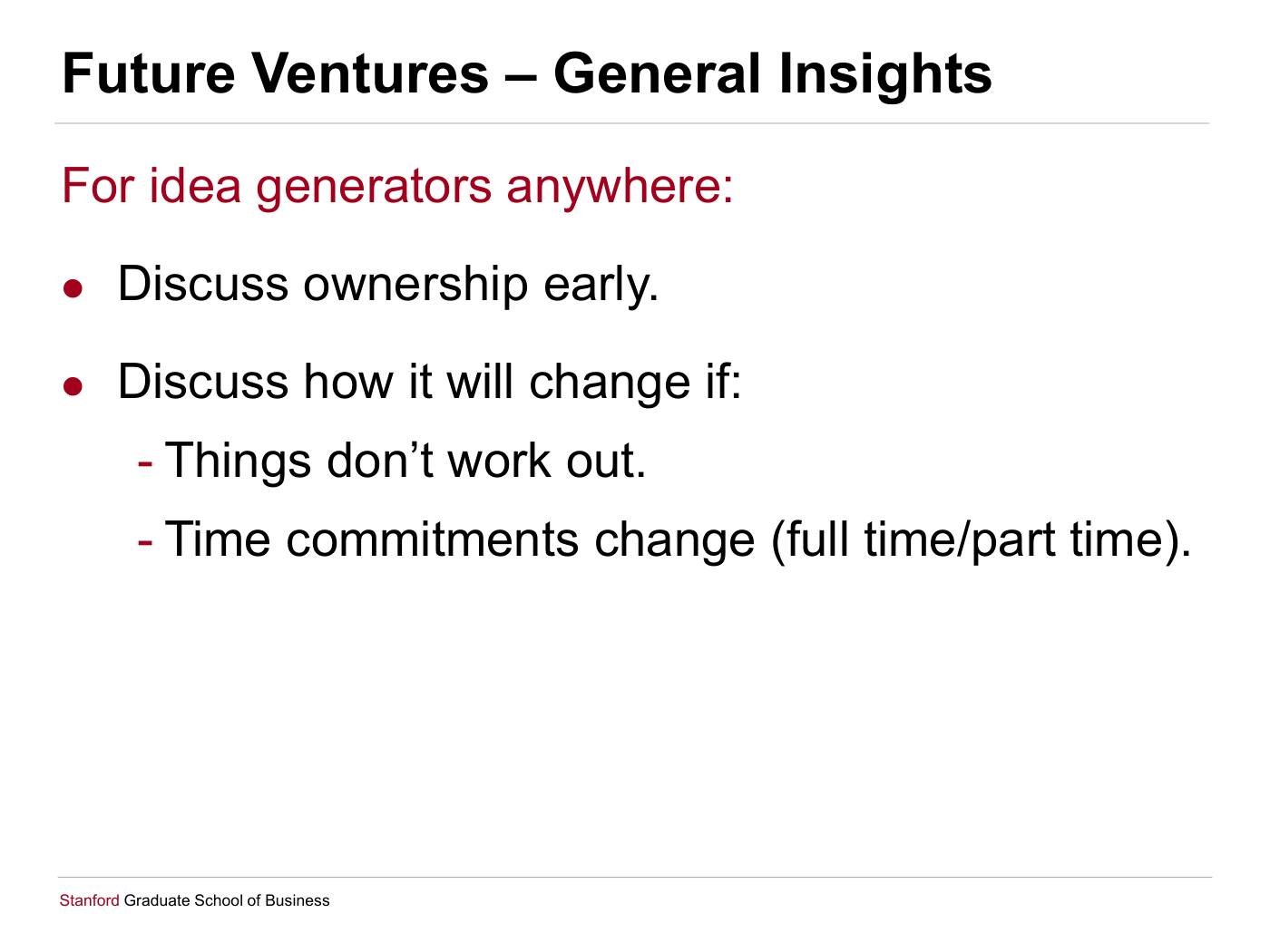
'AI scheduling is the future' is a vision. The pivot is justified by retention and deal-size data for groups. Write down which observation rejects the old segment and which assumption the new model still has to prove.
Ignoring the new model's economics
Moving to Scheduler adds LLM inference cost (80% to 72% gross margin) and longer enterprise sales cycles. Recompute LTV and CAC under the new model instead of carrying v1's numbers forward.
Announcing a strategy the org chart contradicts
If sales pay, onboarding processes and engineering's definition of done still serve single clinics, the pivot will fail in execution and be judged a strategic mistake.
Relay's before/after strategy map, a staged pivot decision rule with three thresholds and a review date, and an alignment plan covering sales pay, onboarding and engineering's definition of done.
A coherent pivot changes the elements the evidence rejected and keeps the purpose and learning that remain supported.
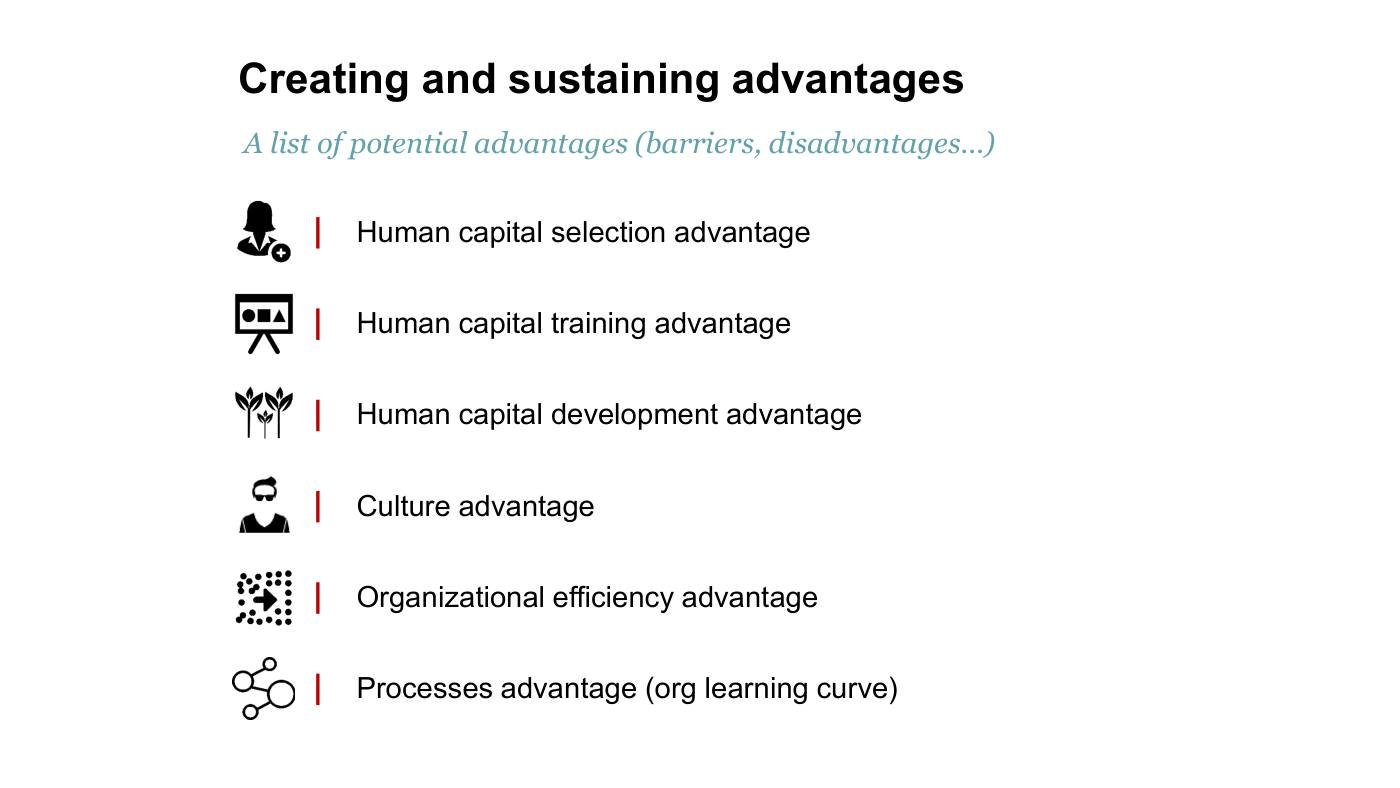
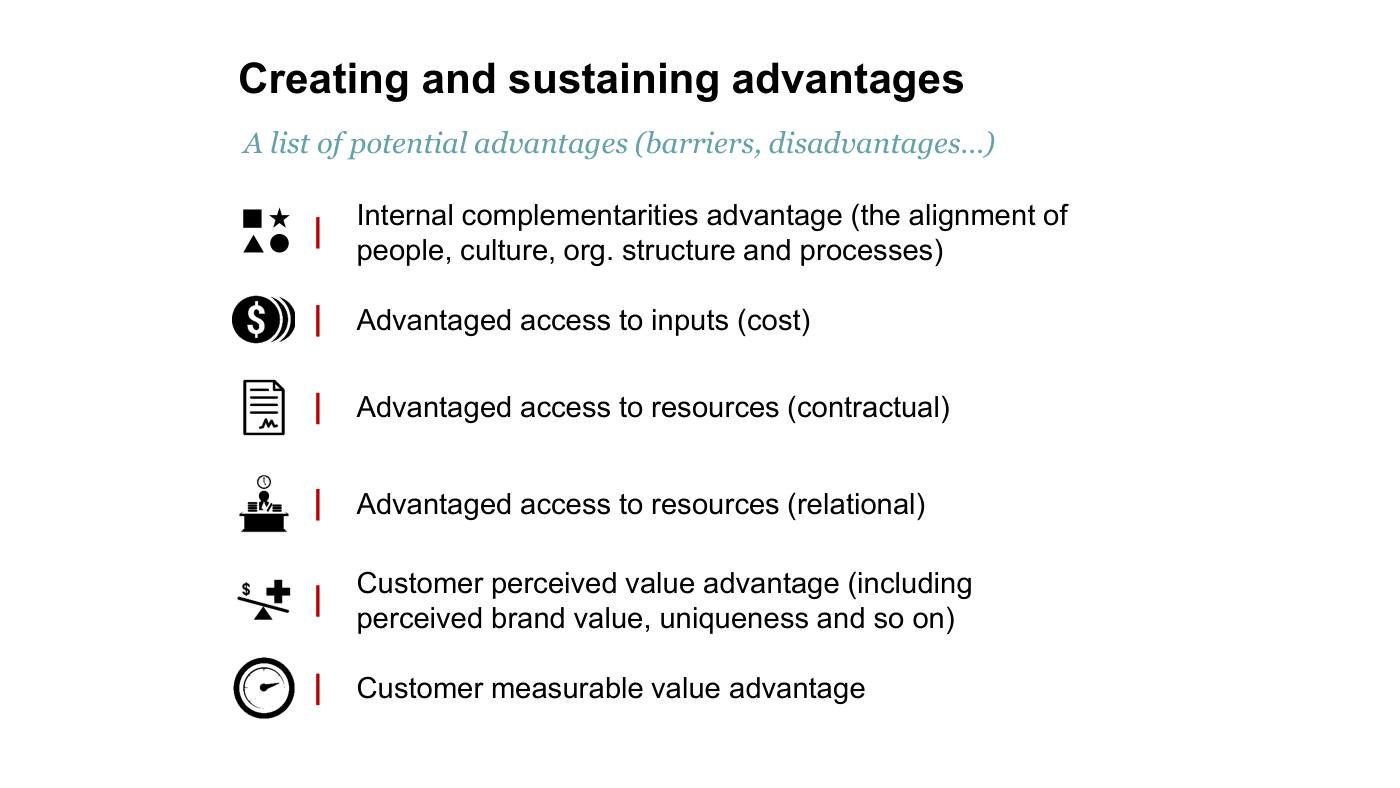
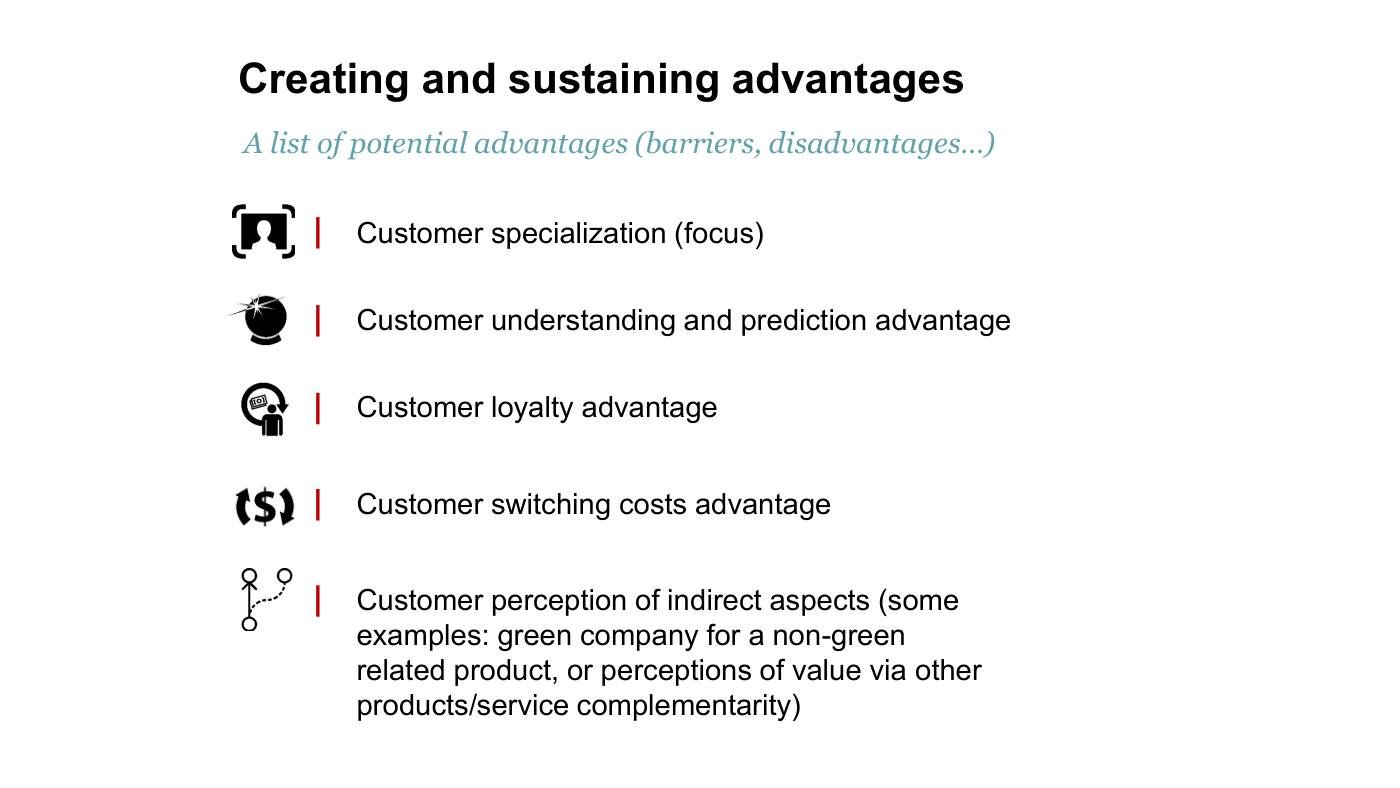
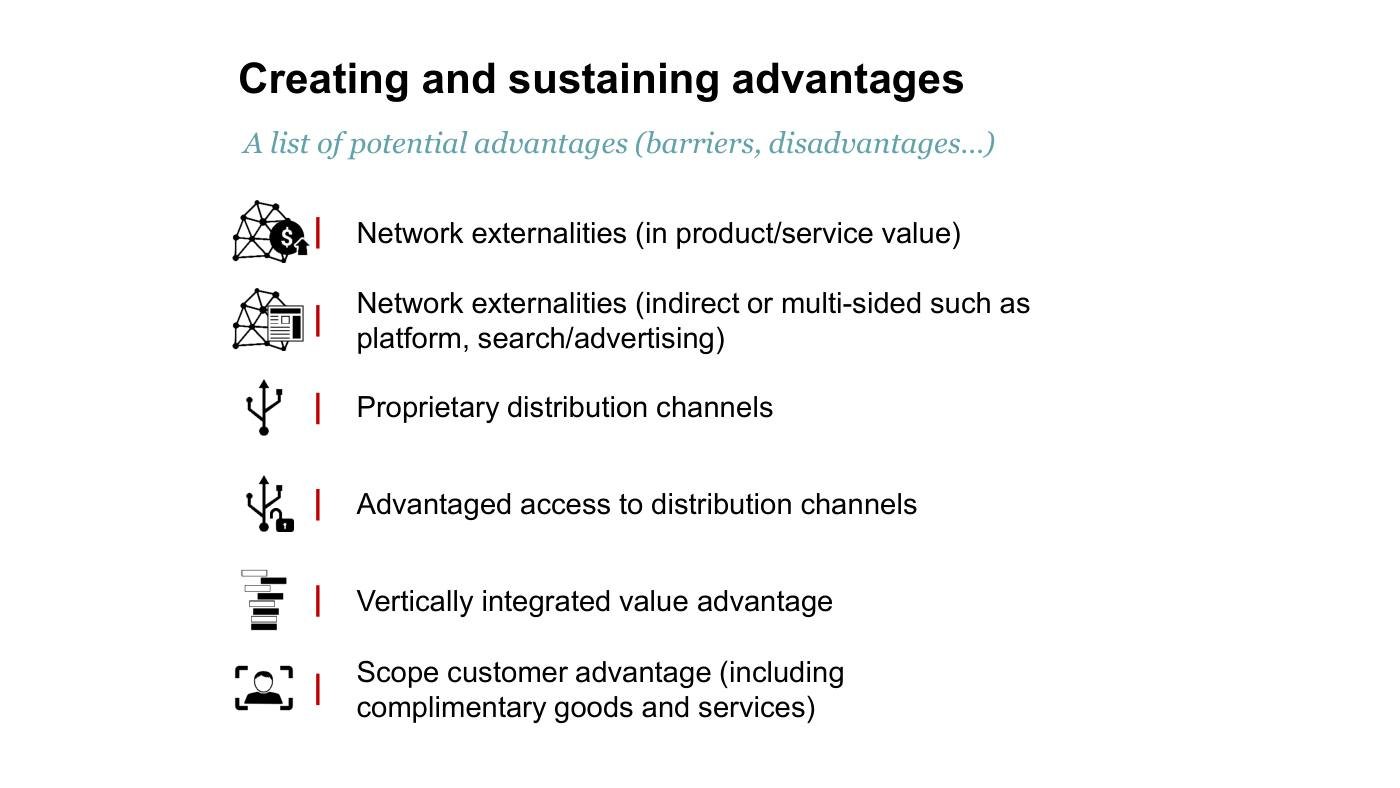
Advantages are tied to a model: logistics strengths from the DVD era did not survive into streaming, while customer-side assets did.
Strategy changes only when incentives, processes, hiring and culture change with it, and a staged decision rule keeps commitment open to evidence.
Next lesson: Financial statements & economic reality
35
Check your understanding
What should stay consistent when a business changes its model?
Score
Question 1
Relay's data shows groups retain about 3x longer than independents. Which proposed change is a coherent pivot rather than an unrelated expansion?
The evidence concerns who retains and buys at scale, so changing segment and the activities that serve it follows directly. The dental version might later be adjacent, but nothing in the retention data supports it now.
Question 2
Illustrative figures: independents churn 4.5% a month and groups 1.5%. At $399 a location, 80% margin for independents and 72% (with LLM costs) for groups, what is the approximate LTV per group location?
Lifetime is 1/0.015, about 67 months, and 399 x 0.72 x 67 = about $19,250. $21,400 uses the old 80% margin and ignores the inference cost that comes with Scheduler; $10,500 is the blended v1 figure.
Question 3
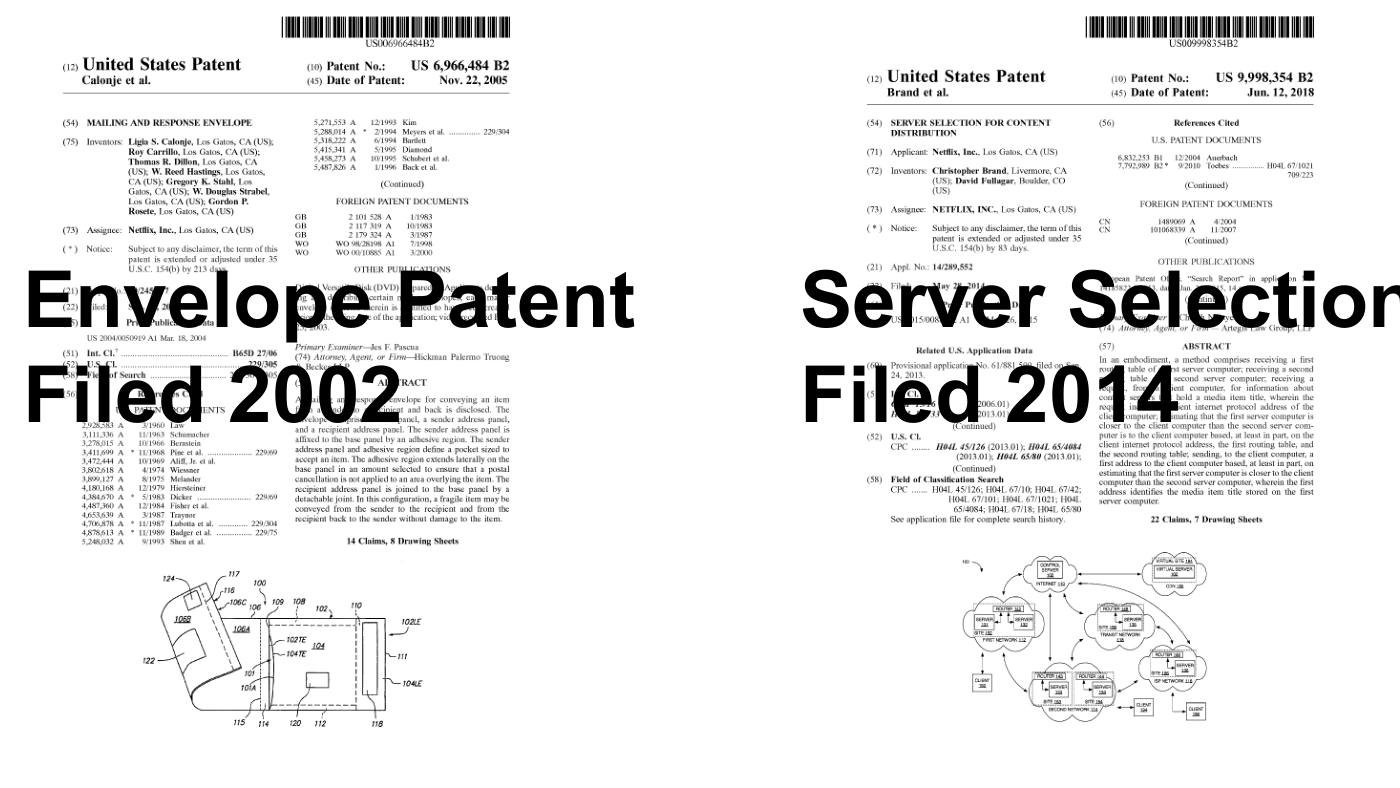
Netflix's DVD-era advantages included envelope patents, warehouse optimization and shipping operations. What happened to these when Netflix moved to streaming?
Logistics capabilities have no role in digital delivery. What carried over were customer-side assets. The tempting answer, 'barriers', assumes an advantage keeps working once the competitive setting changes.
Question 4
Relay announces a security-first enterprise strategy, but engineers are still promoted for feature velocity and sales reps are paid per new logo. What is the most likely result?
Incentives, promotions and processes shape behavior more than announcements do. Unless the levers change, the old model keeps being executed and the pivot may be rejected for the wrong reason.
Question 5
Which decision rule is best for Relay's pivot?
A good rule names the evidence, the thresholds, the review date and the alternatives, and it comes before an irreversible commitment. A full pivot now treats the vision as proof; waiting on independents or rivals tests the wrong thing.
Question 6
A common misconception: 'A pivot means abandoning the original idea.' Which statement is more accurate?
Relay keeps its purpose (filling empty slots) and its validated fill-rate result, and changes the segment, offer and go-to-market. Throwing out supported learning is as costly as keeping an unsupported assumption.
Workbook
What should stay consistent when a business changes its model?
Module output: A business-model map, market/game models and an advantage-and-pivot memo.
Library
Every original page used in this lesson
8 appear in the slides with notes; the rest are kept here for reference.
Netflix's business model and advantages by eraSection opener framing Netflix's history from 1997 to the present as a sequence of eras. Divider; the era pages carry the content.Feinberg - Competitive Strategy Slides · PDF page 28
1
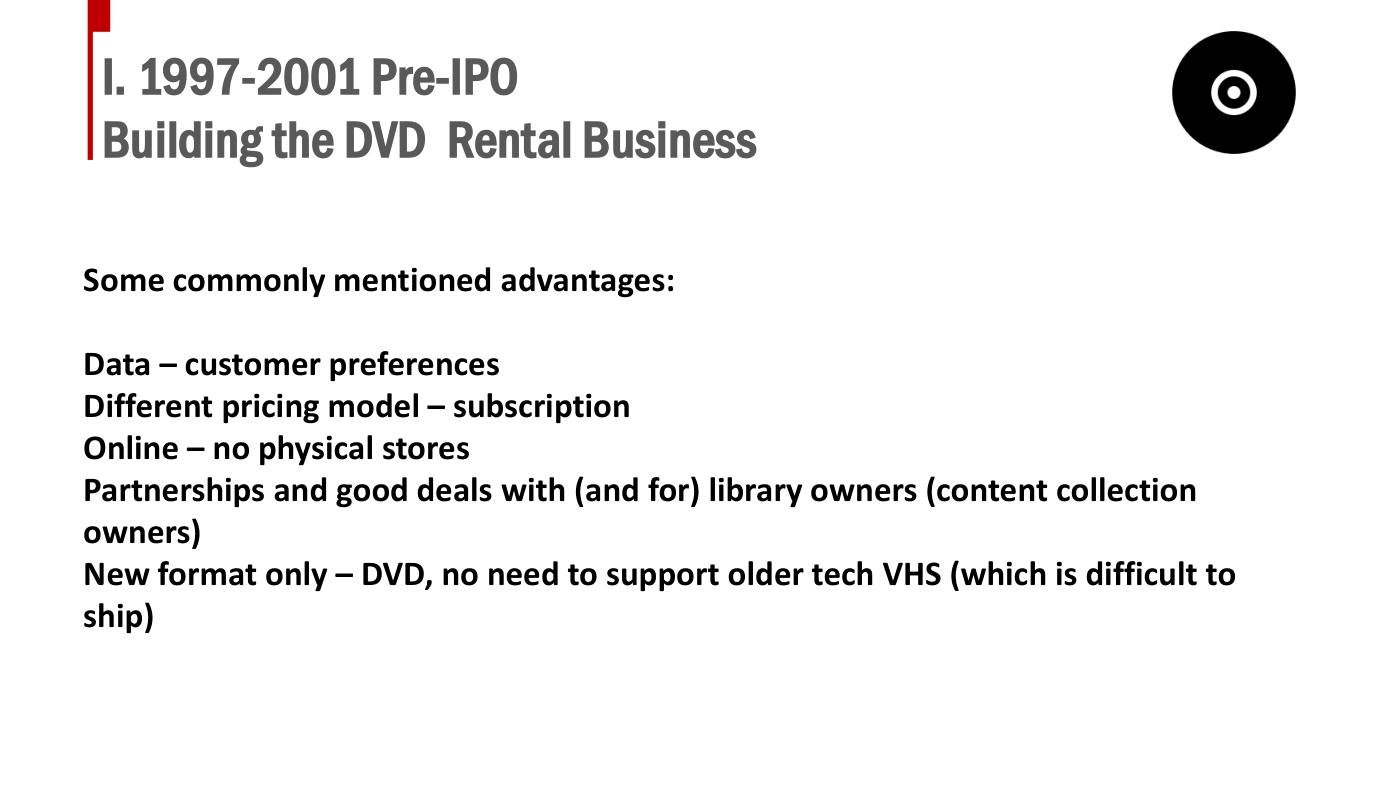
Era I, 1997-2001: building DVD rentalAdvantages commonly cited for the pre-IPO DVD business: customer-preference data, subscription pricing, no physical stores, deals with content-library owners, and a DVD-only format that avoided shipping bulky VHS tapes. Several of these advantages were about the model rather than the product: subscription pricing and DVD-only shipping made mail rental economic. They were advantages against Blockbuster's store model, not against a future streaming rival.Feinberg - Competitive Strategy Slides · PDF page 29 · in the slides
2
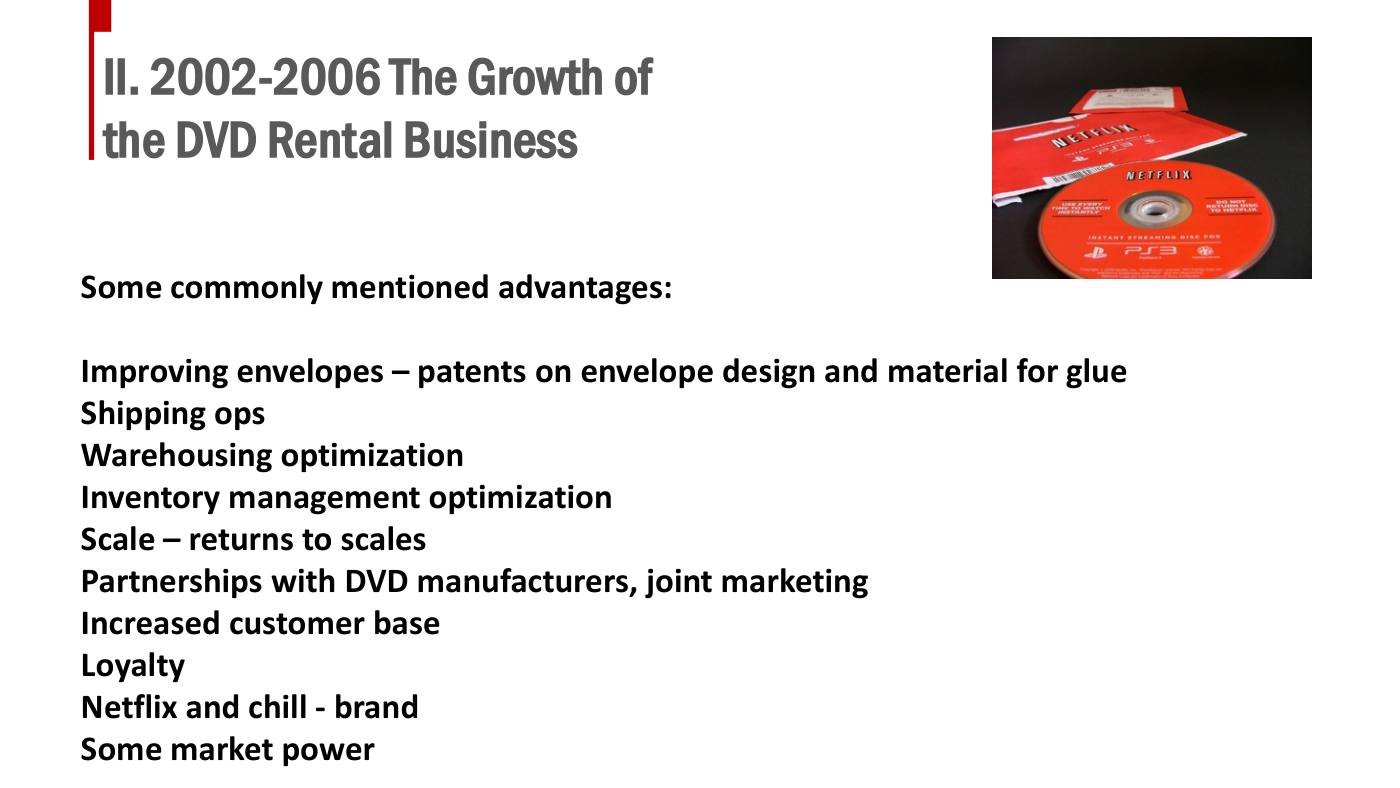
Era II, 2002-2006: scaling DVD rentalAdvantages in the growth era: envelope patents and materials, shipping operations, warehouse and inventory optimization, returns to scale, DVD-manufacturer partnerships, a growing customer base, loyalty, brand and some market power. Most items on this list are logistics capabilities. Streaming made almost all of them irrelevant, so ask of each one whether it transfers to the next model or becomes a sunk cost.Feinberg - Competitive Strategy Slides · PDF page 30 · in the slides
3
Era III, 2007-2011: introducing streamingAdvantages cited for streaming: instant access, a lighter physical-asset base that investors valued, no shipping costs, an early-adopting tech-savvy customer base, and a new viewing experience (try, switch, binge). It also lists a network-delivery item tied to traffic prioritization. What transferred was the customer base, brand, subscription relationship and recommendation data. The logistics did not transfer. A pivot is easier when the assets that carry over are customer-side.Feinberg - Competitive Strategy Slides · PDF page 31 · in the slides
4
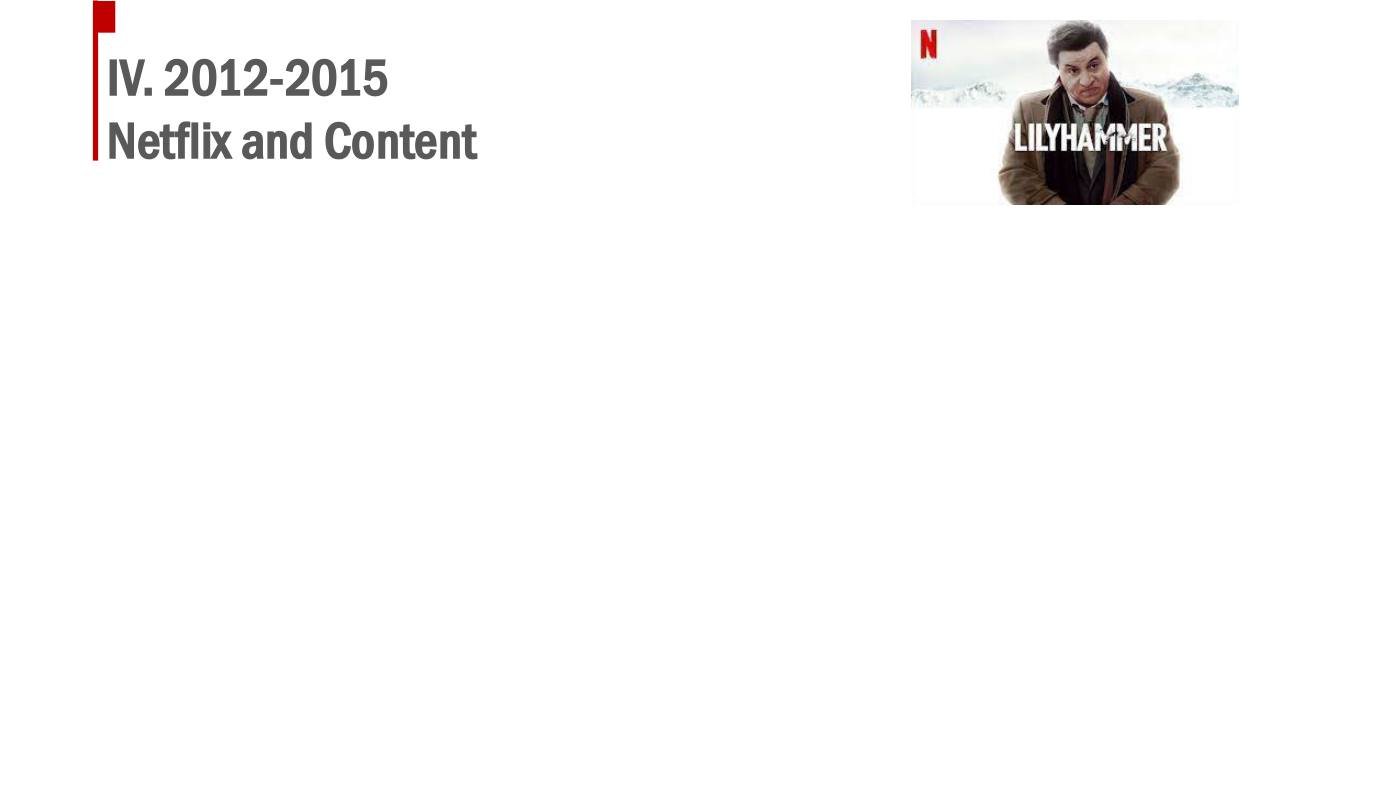
Era IV, 2012-2015: original contentEra header for Netflix's move into original content, illustrated with its first original series. Header only; the shift from licensing to owning content is discussed in the case pages.Feinberg - Competitive Strategy Slides · PDF page 32
5
Era V, 2016 onward: international expansionEra header with a world map of Netflix's 2016 global launch, with China shown as excluded. Header only.Feinberg - Competitive Strategy Slides · PDF page 33
6
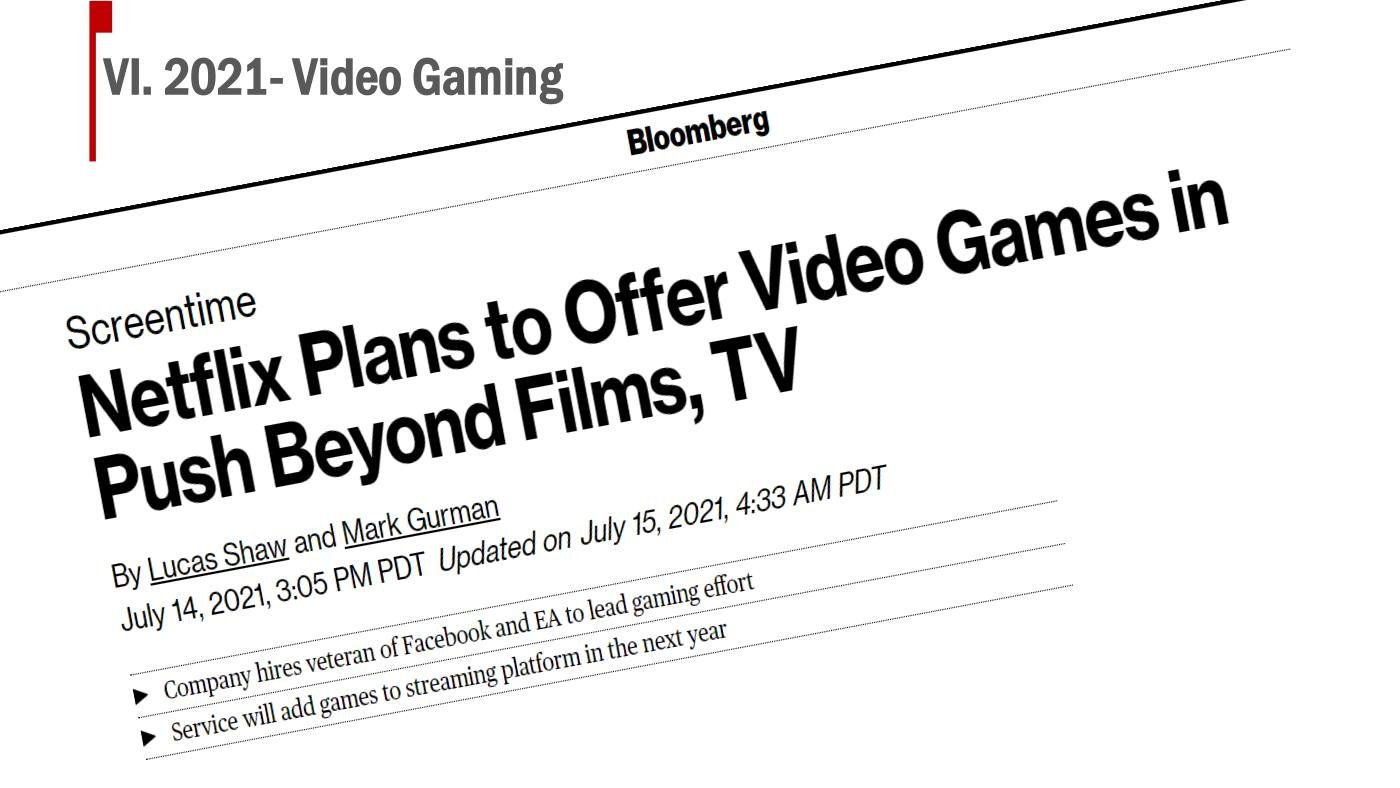
Era VI, 2021: video gamingA July 2021 Bloomberg headline: Netflix hires a former Facebook and EA executive and plans to add games to its streaming service. Test this move against the lesson's pivot-versus-unrelated-expansion distinction. Which existing assets (subscriber base, billing, brand) does gaming use, and which capabilities must be built from scratch?Feinberg - Competitive Strategy Slides · PDF page 34 · in the slides
7
Two patents, two eras: envelope (2002) and server selection (2014)Netflix's mailing-envelope patent filed in 2002 and its content-delivery server-selection patent filed in 2014. The protected know-how moved with the model, from return envelopes to delivery networks. An advantage built for one era rarely survives into the next, so each transition needs a new source of advantage.Feinberg - Competitive Strategy Slides · PDF page 35 · in the slides
8
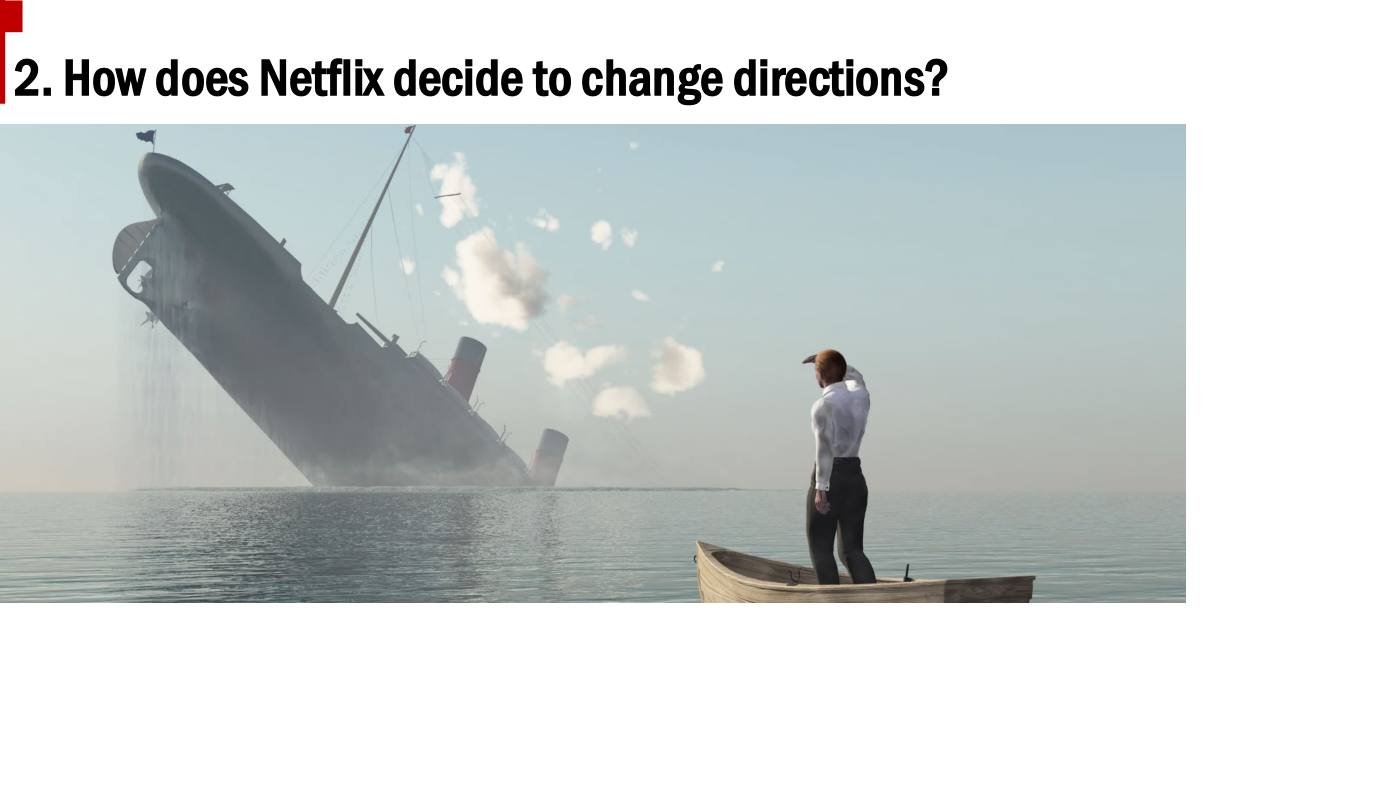
How does Netflix decide to change direction?A discussion prompt with an image of a sinking ship. Prompt only; native slides 18 and 20 give the decision-rule content.Feinberg - Competitive Strategy Slides · PDF page 36
9
Does a pattern emerge?A prompt asking how Netflix repeatedly creates new business models. Prompt only.Feinberg - Competitive Strategy Slides · PDF page 37
10
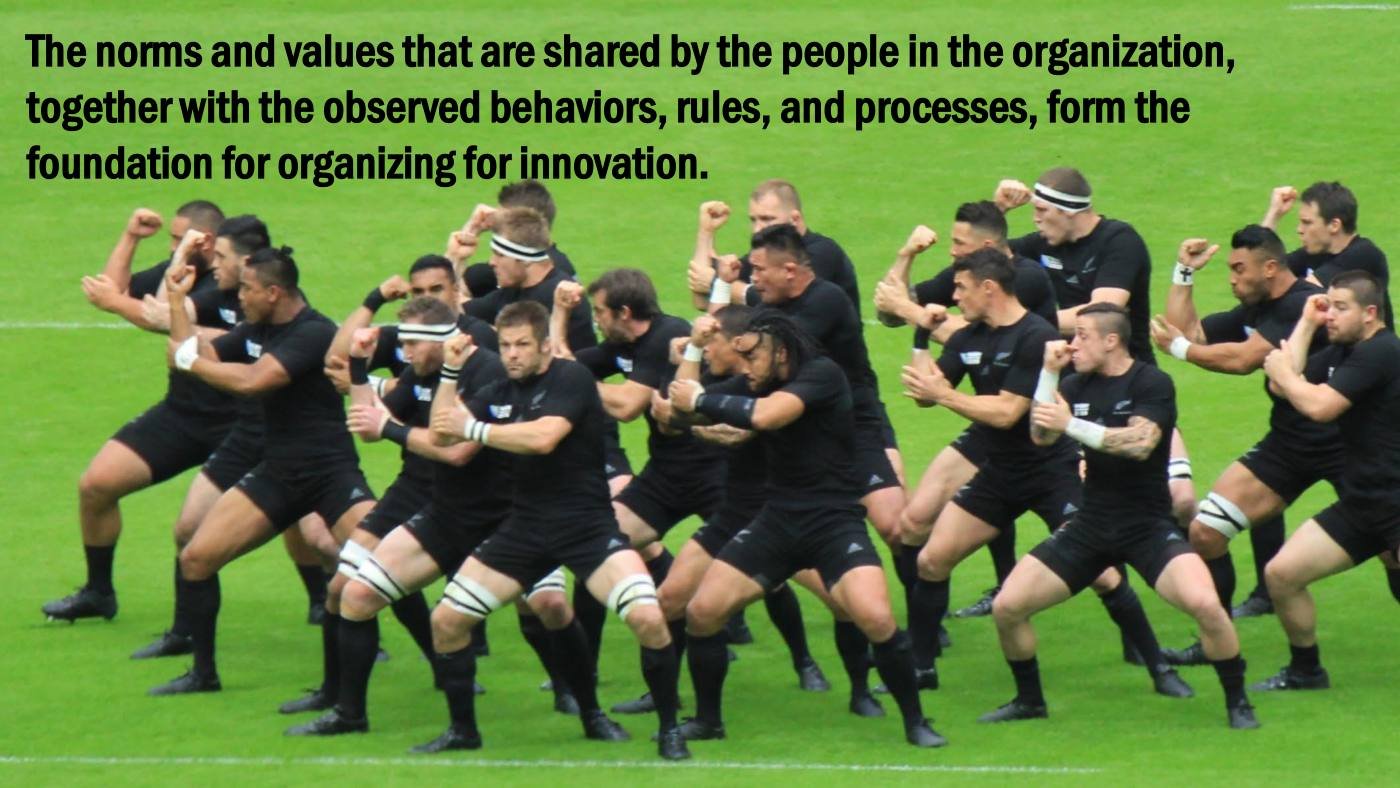
Culture as the foundation for organizing innovationA statement that the norms and values shared in an organization, together with observed behaviors, rules and processes, form the foundation for organizing for innovation. The claim joins espoused values to observed behavior. A pivot announced in values but not reflected in rules and processes will not be executed.Feinberg - Competitive Strategy Slides · PDF page 38 · in the slides
11
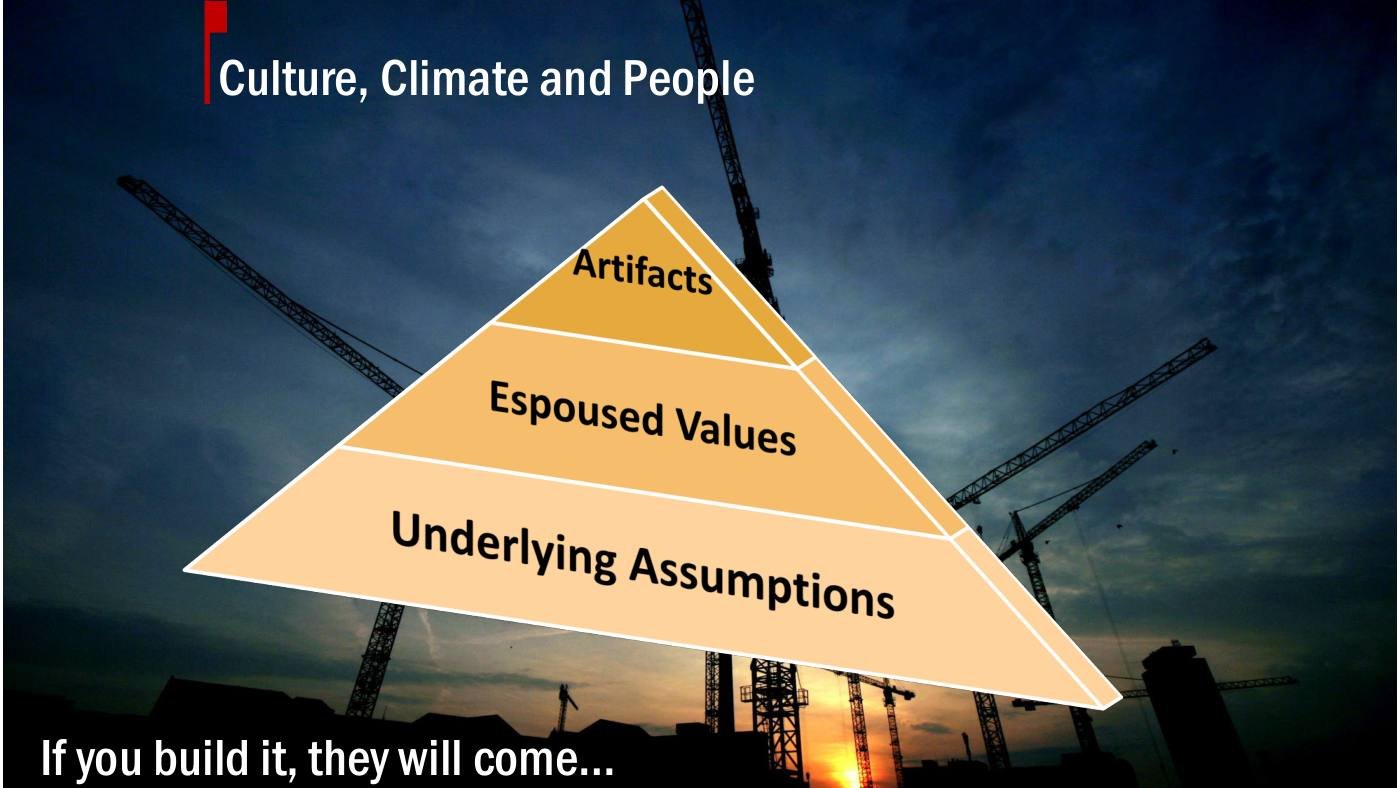
Three levels of culture: artifacts, espoused values, assumptionsA pyramid with visible artifacts at the top, espoused values in the middle and underlying assumptions at the base (Schein's model). Pivots usually fail at the base. If Relay's team assumes 'we win by shipping fast to small clinics', a new value statement about enterprise security will not change behavior until that assumption changes.Feinberg - Competitive Strategy Slides · PDF page 39 · in the slides
12
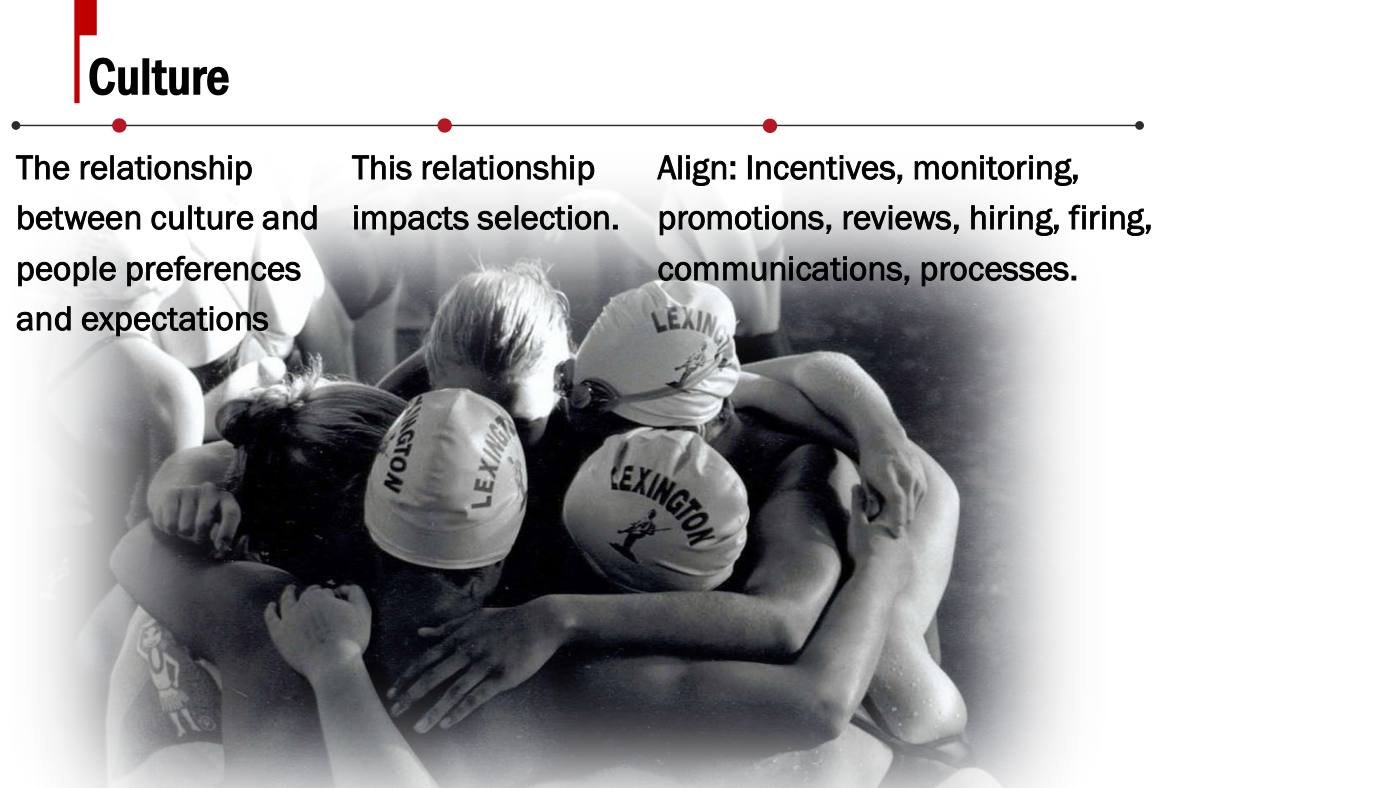
Aligning culture with people and management leversCulture interacts with people's preferences and expectations, which shapes who joins and stays. Alignment runs through incentives, monitoring, promotions, reviews, hiring, firing, communication and processes. This is the checklist for a pivot alignment plan: for each lever, name what changes when the strategy changes. Lessons 35-36 return to these levers.Feinberg - Competitive Strategy Slides · PDF page 40 · in the slides