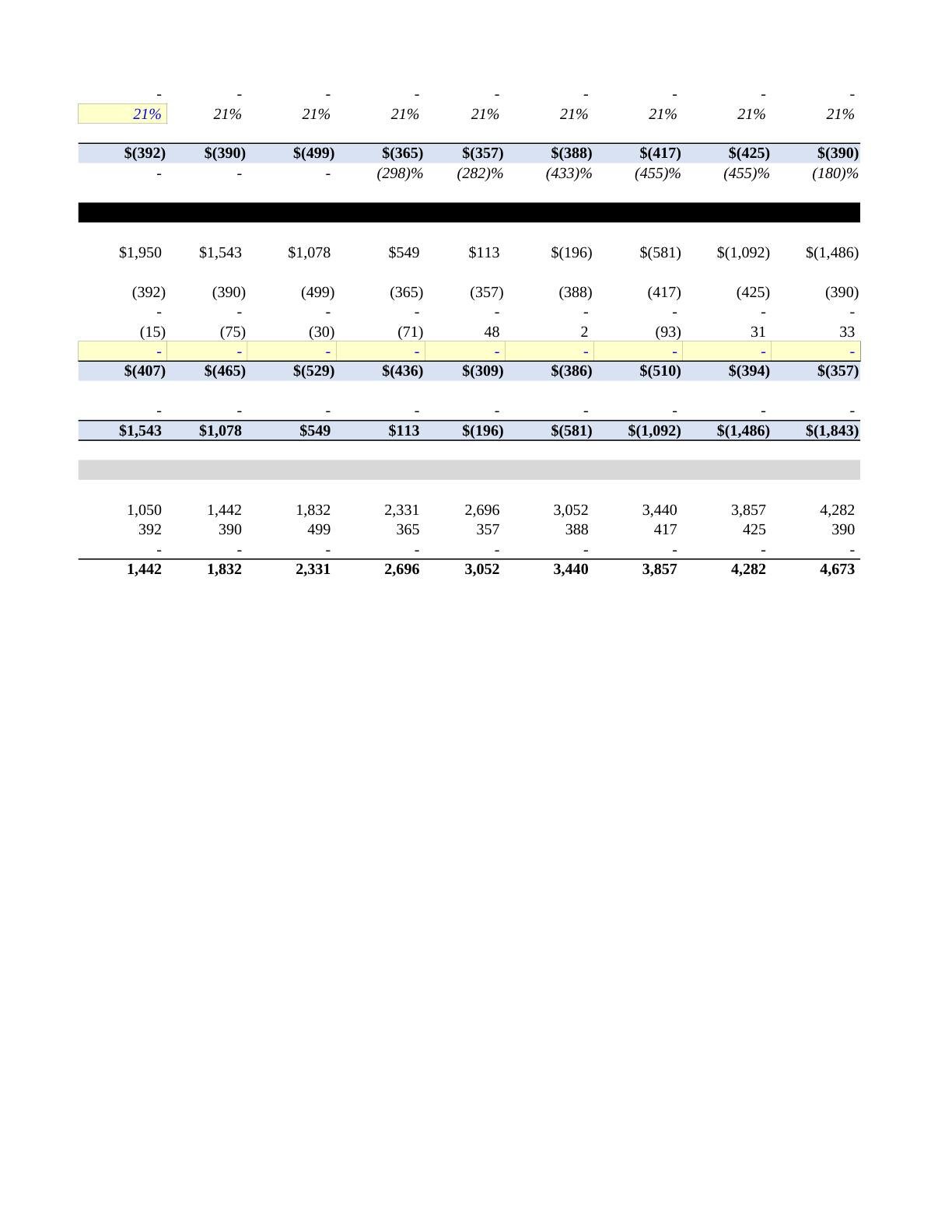
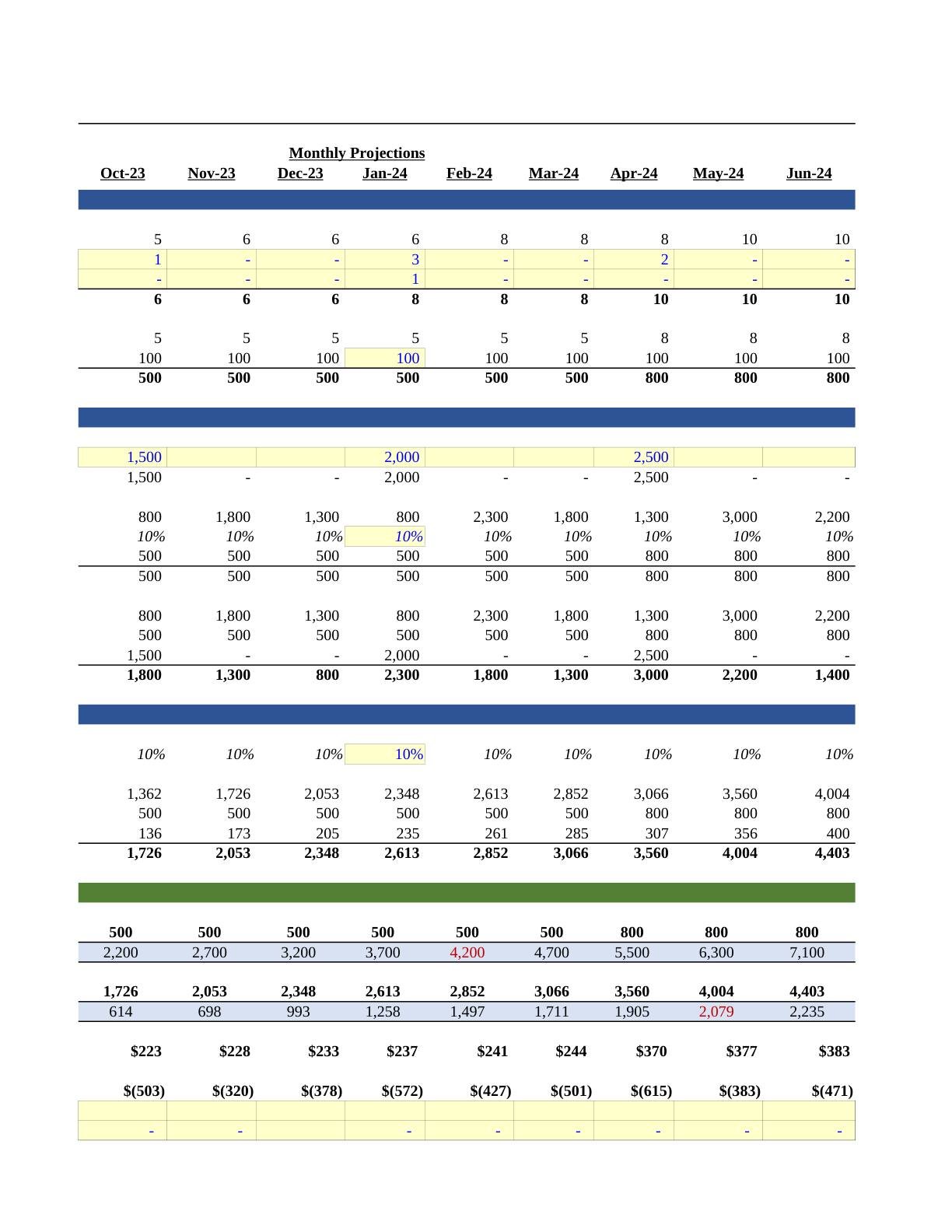
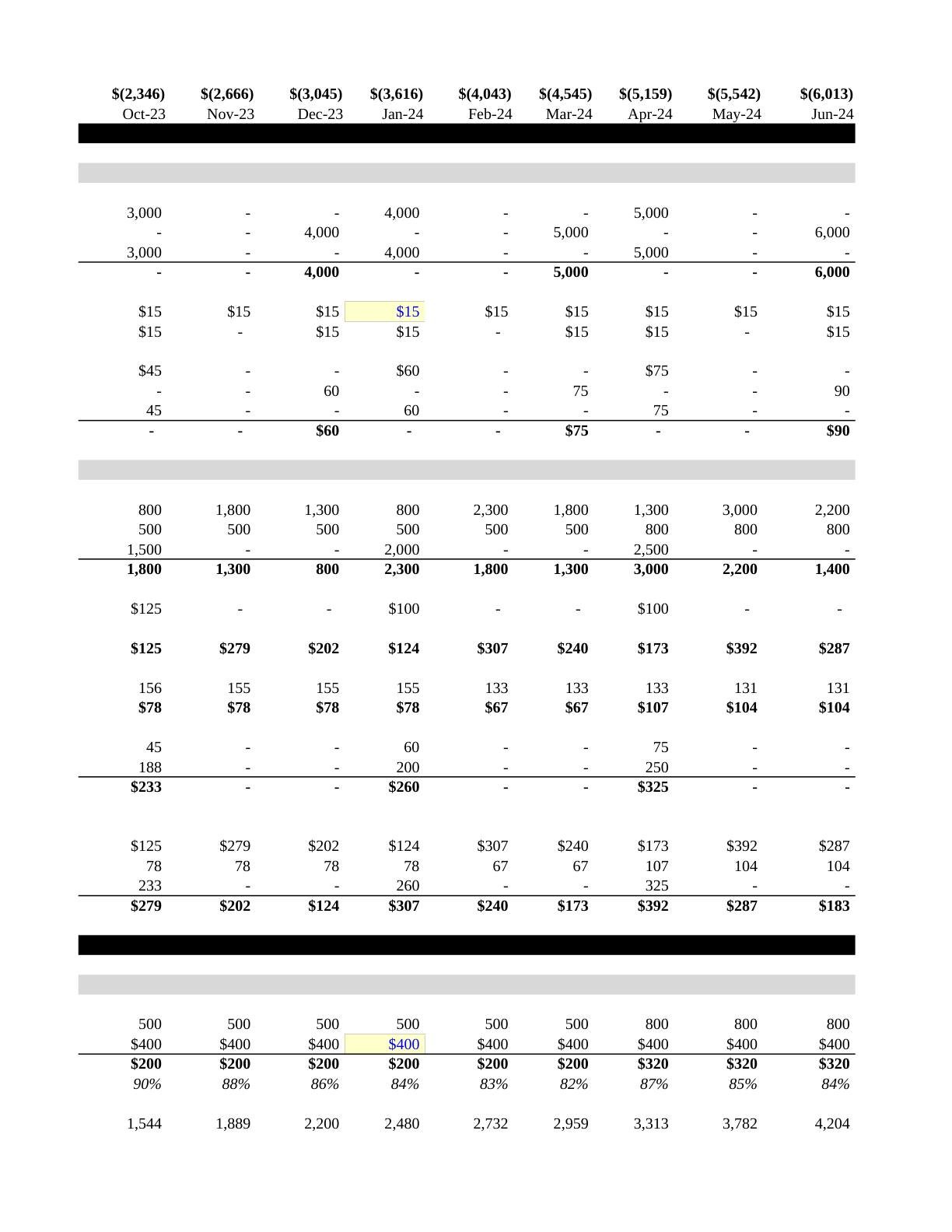
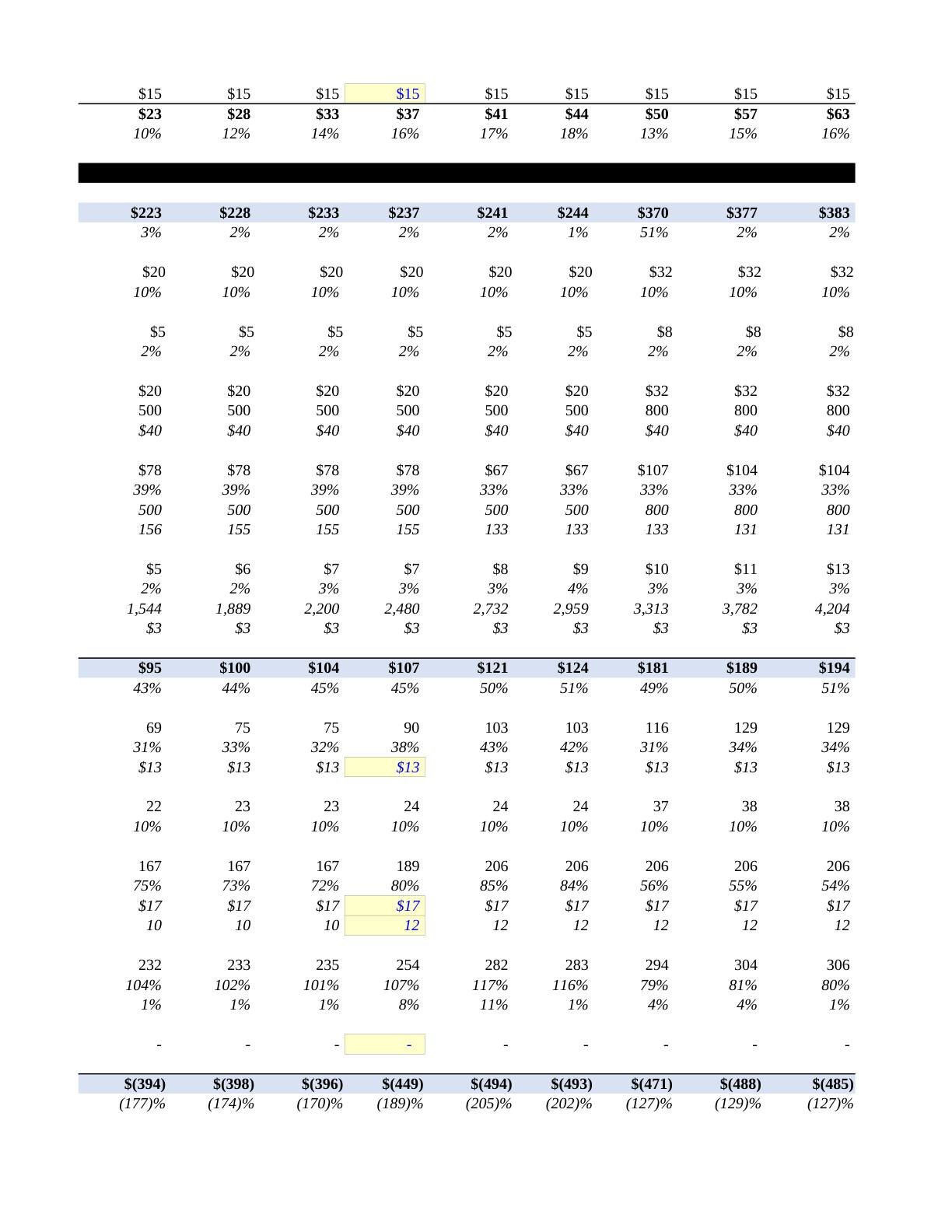
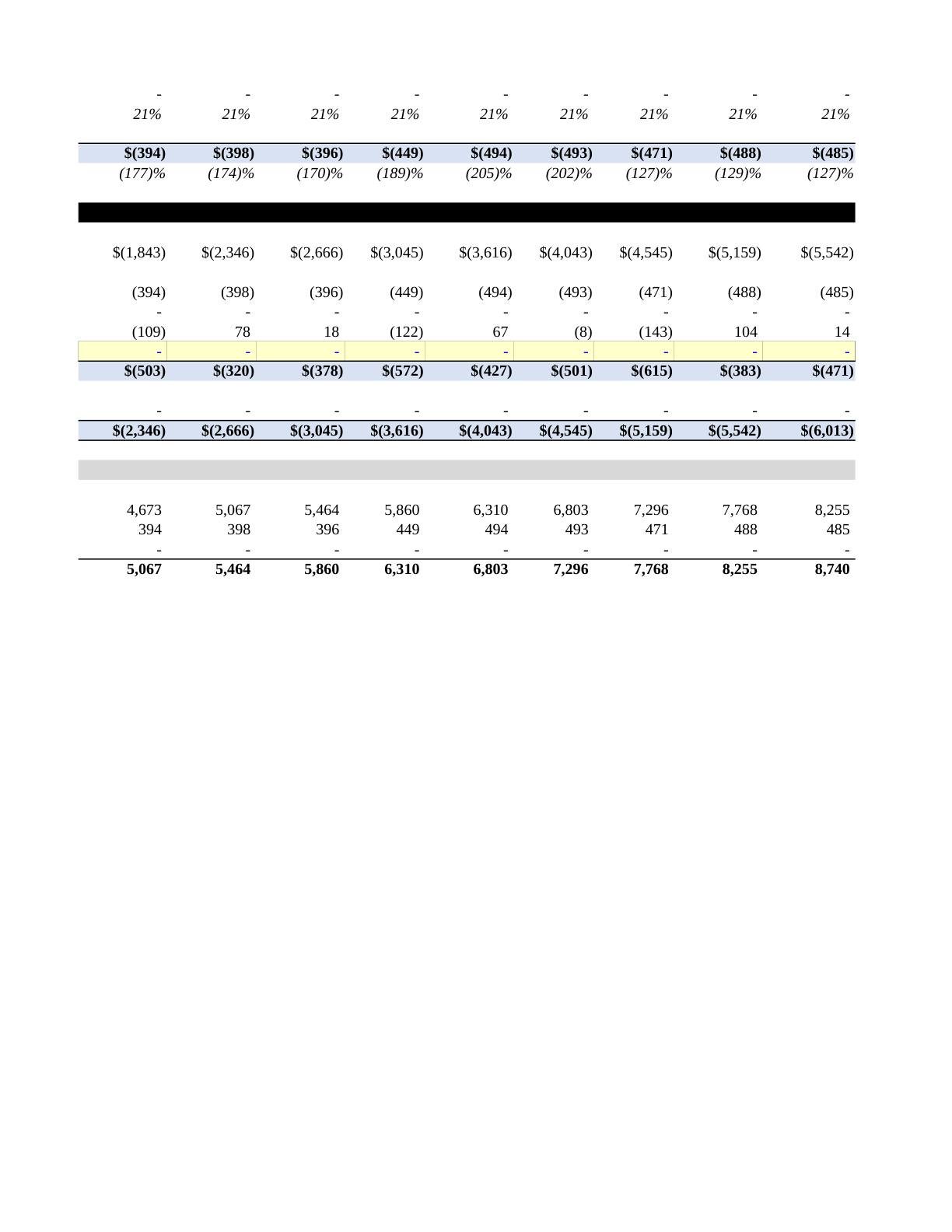
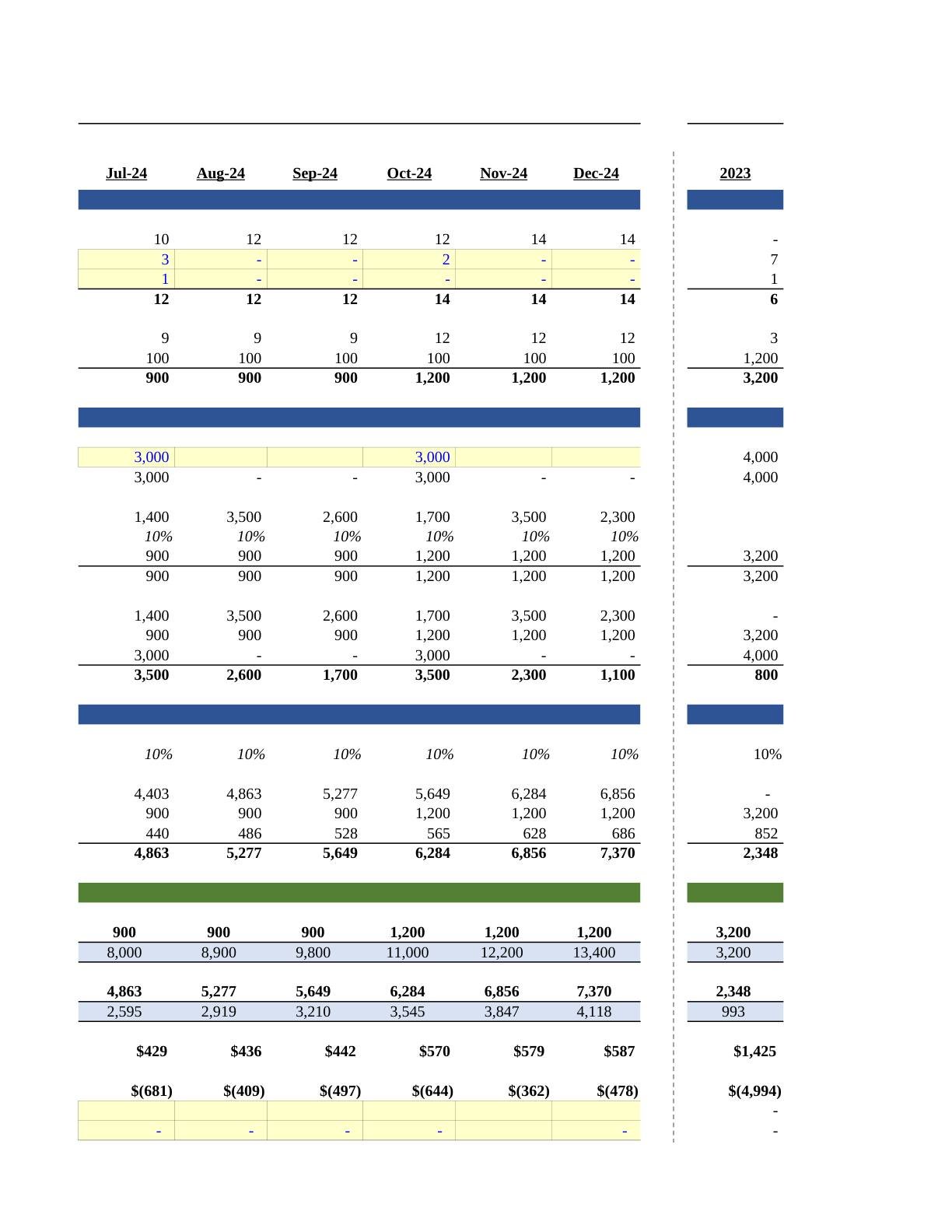
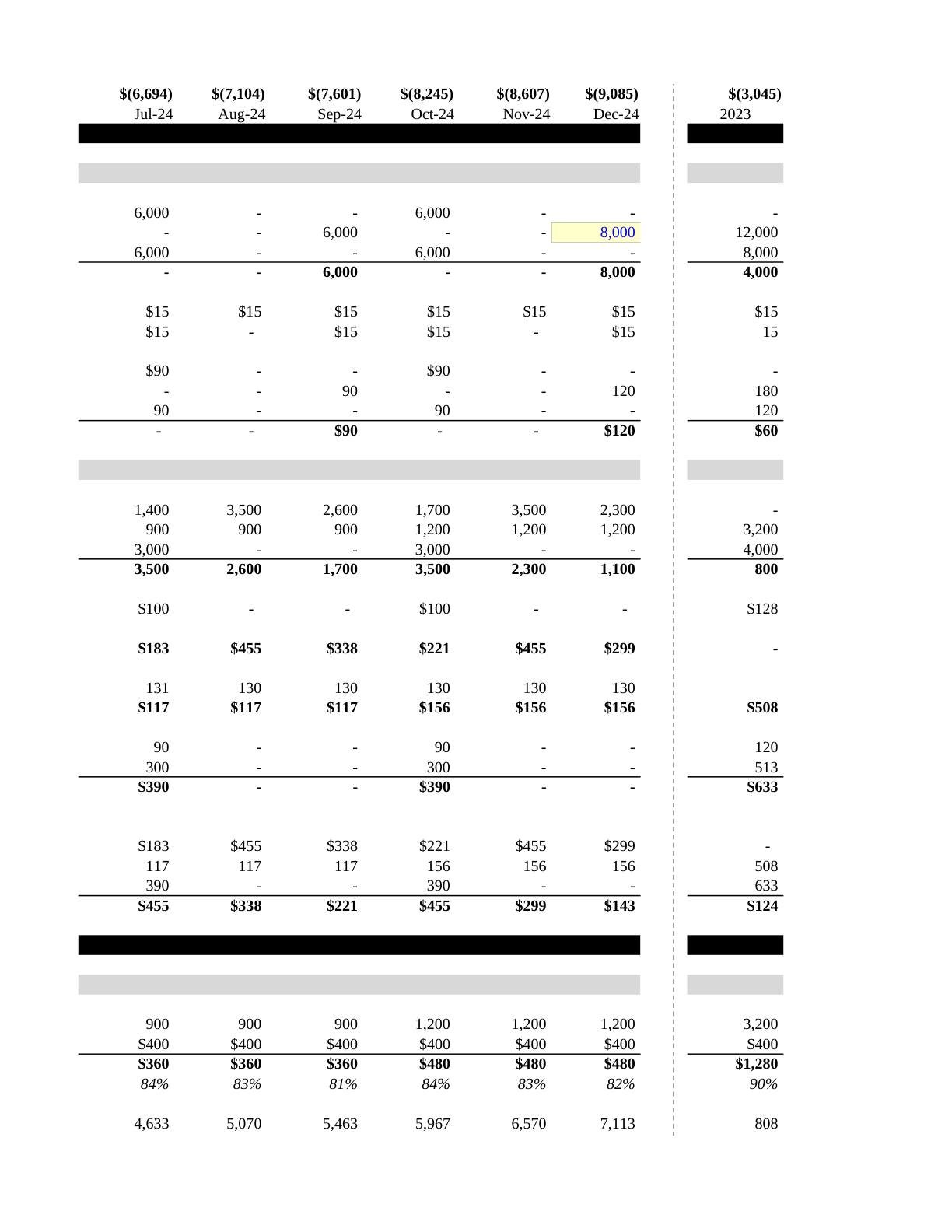
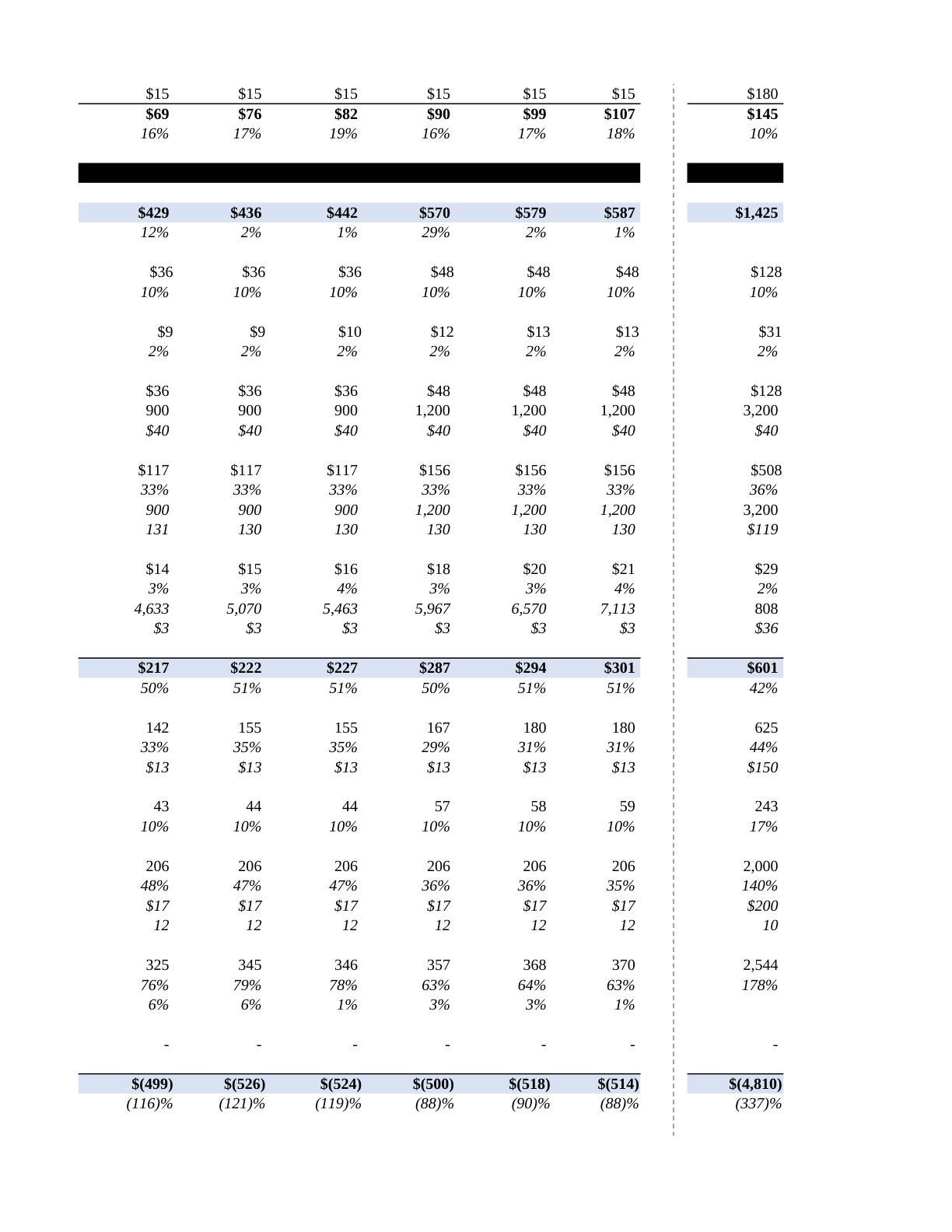
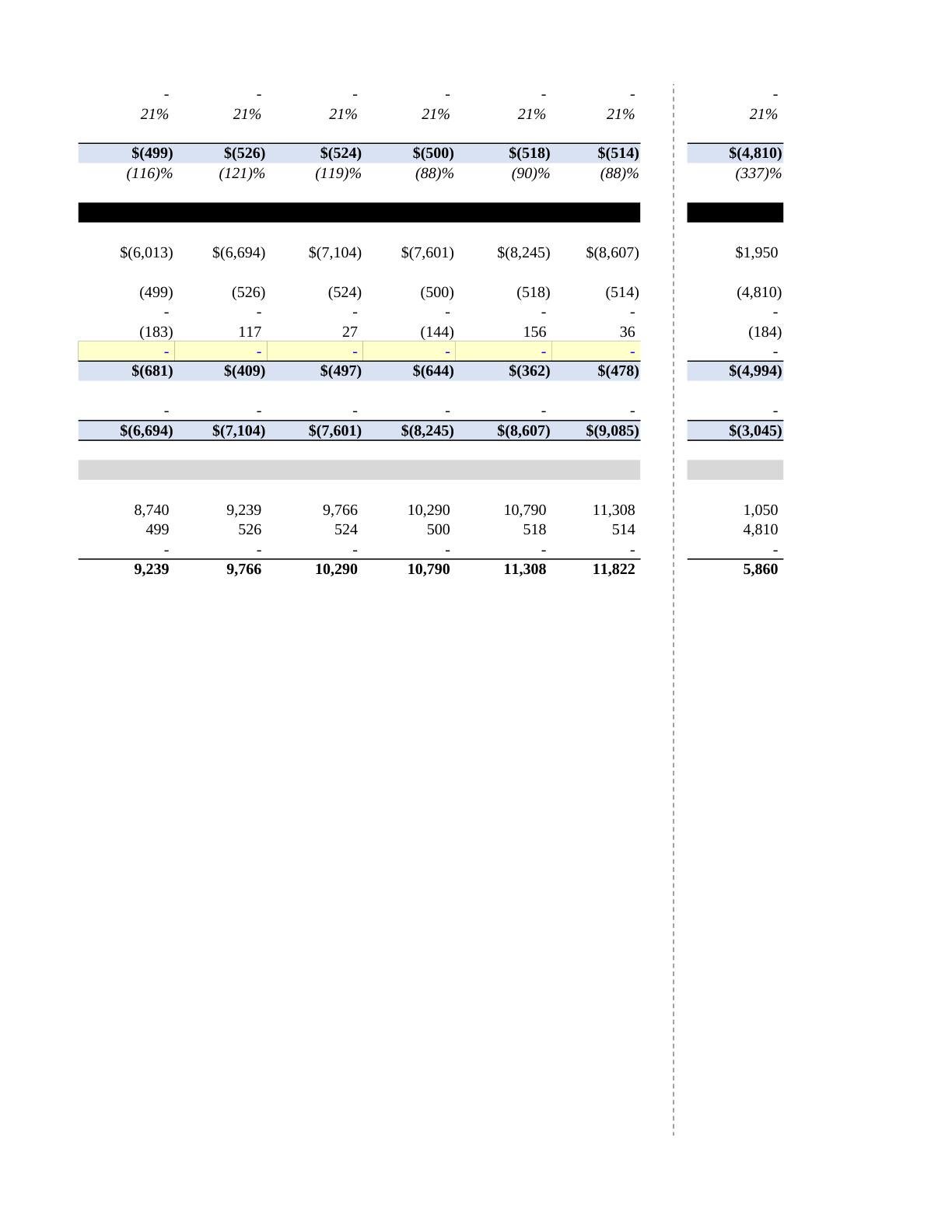
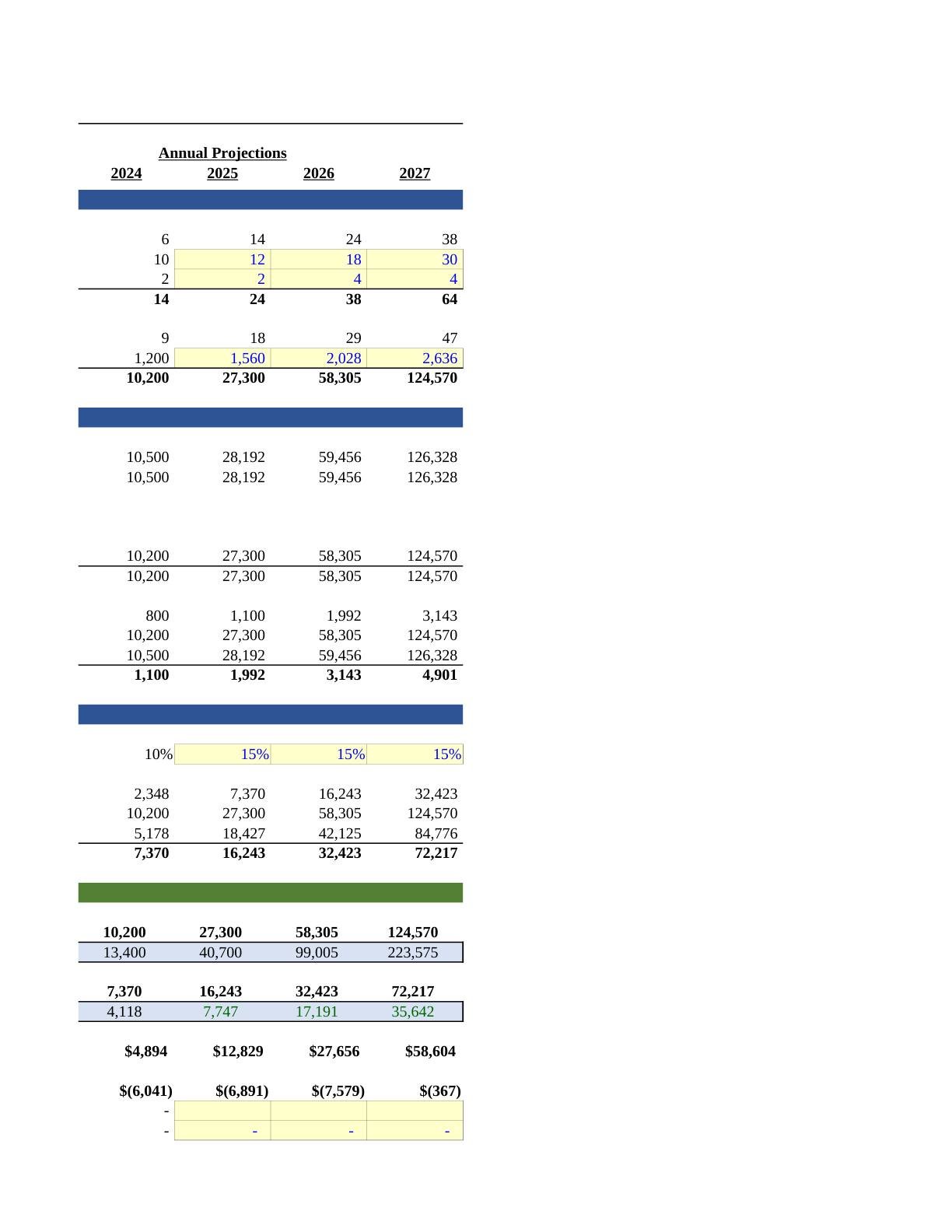
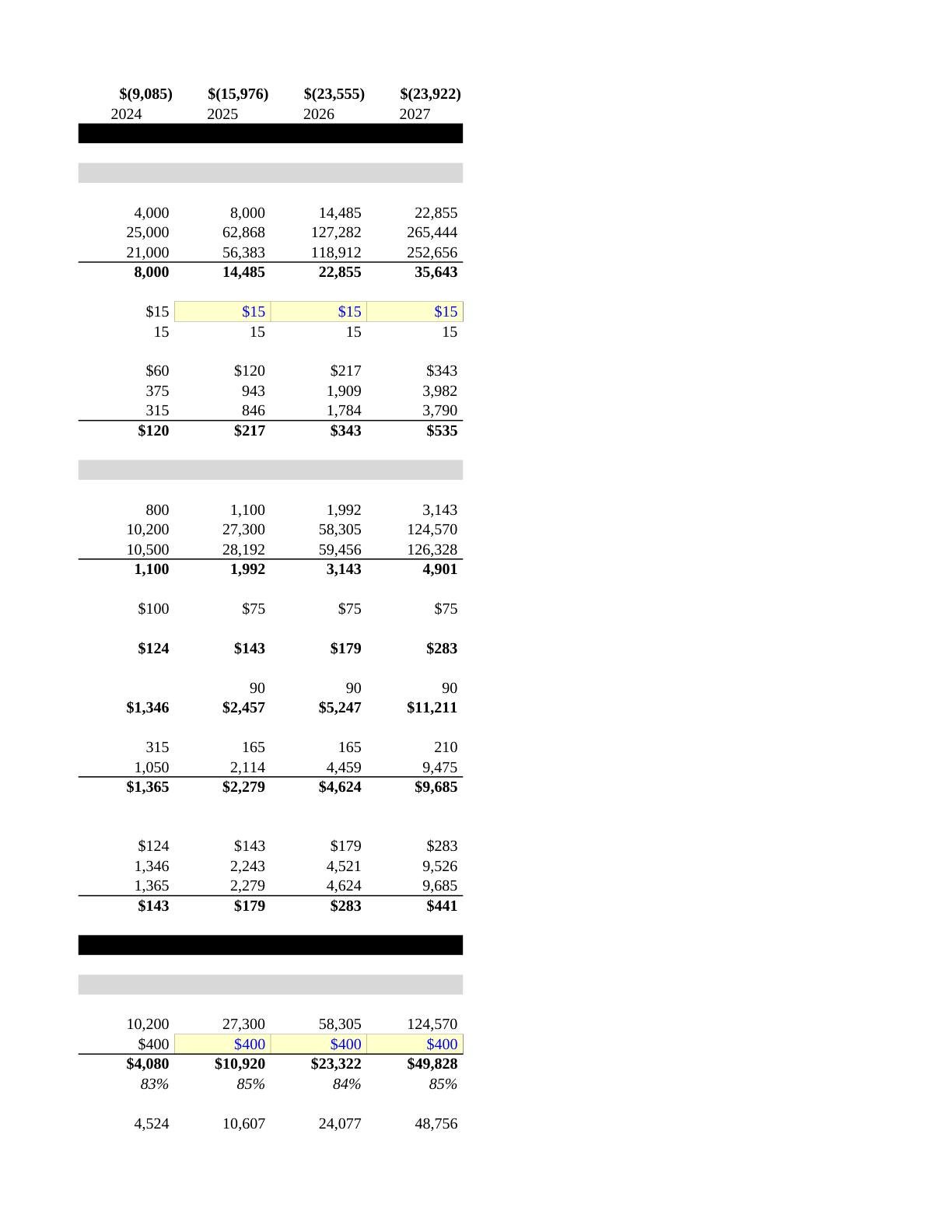
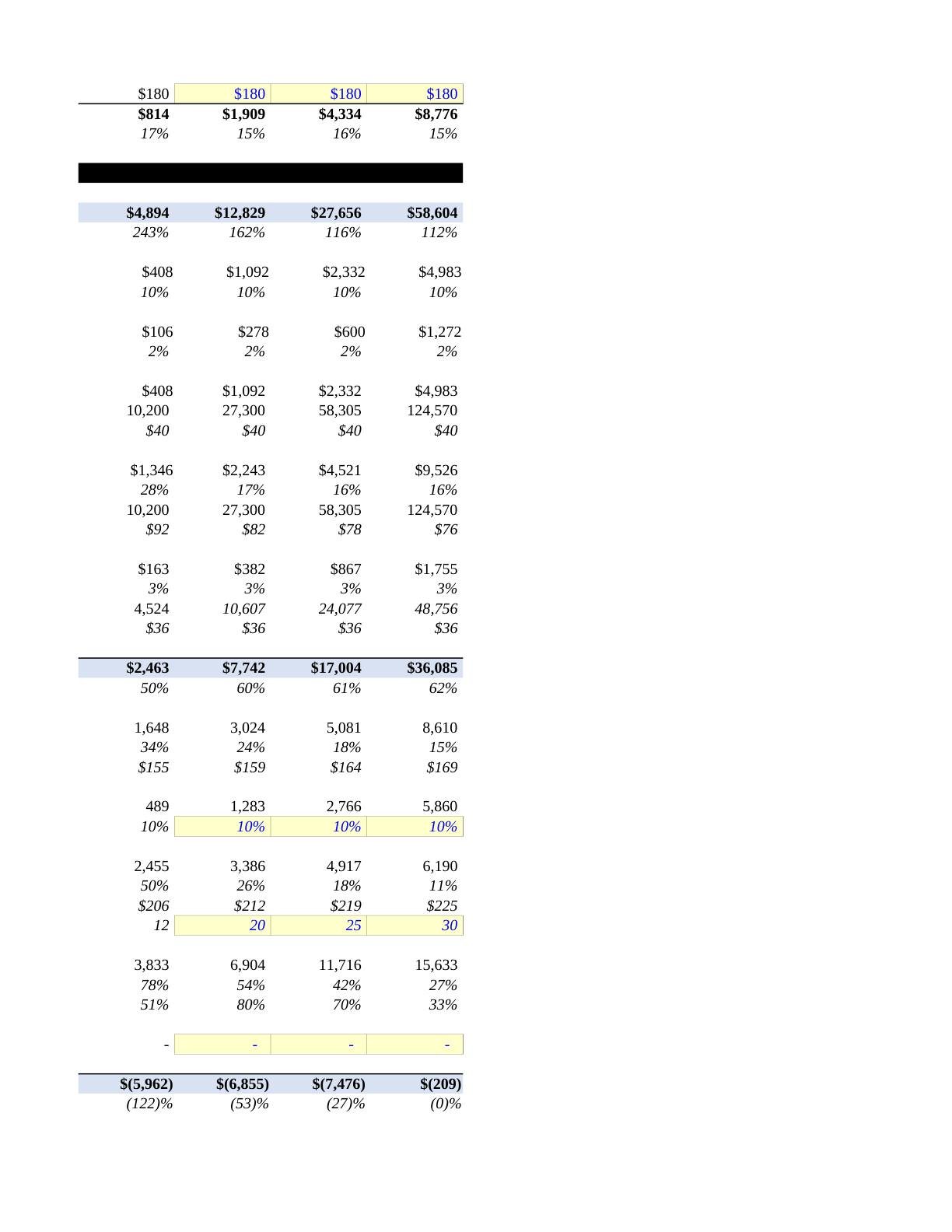
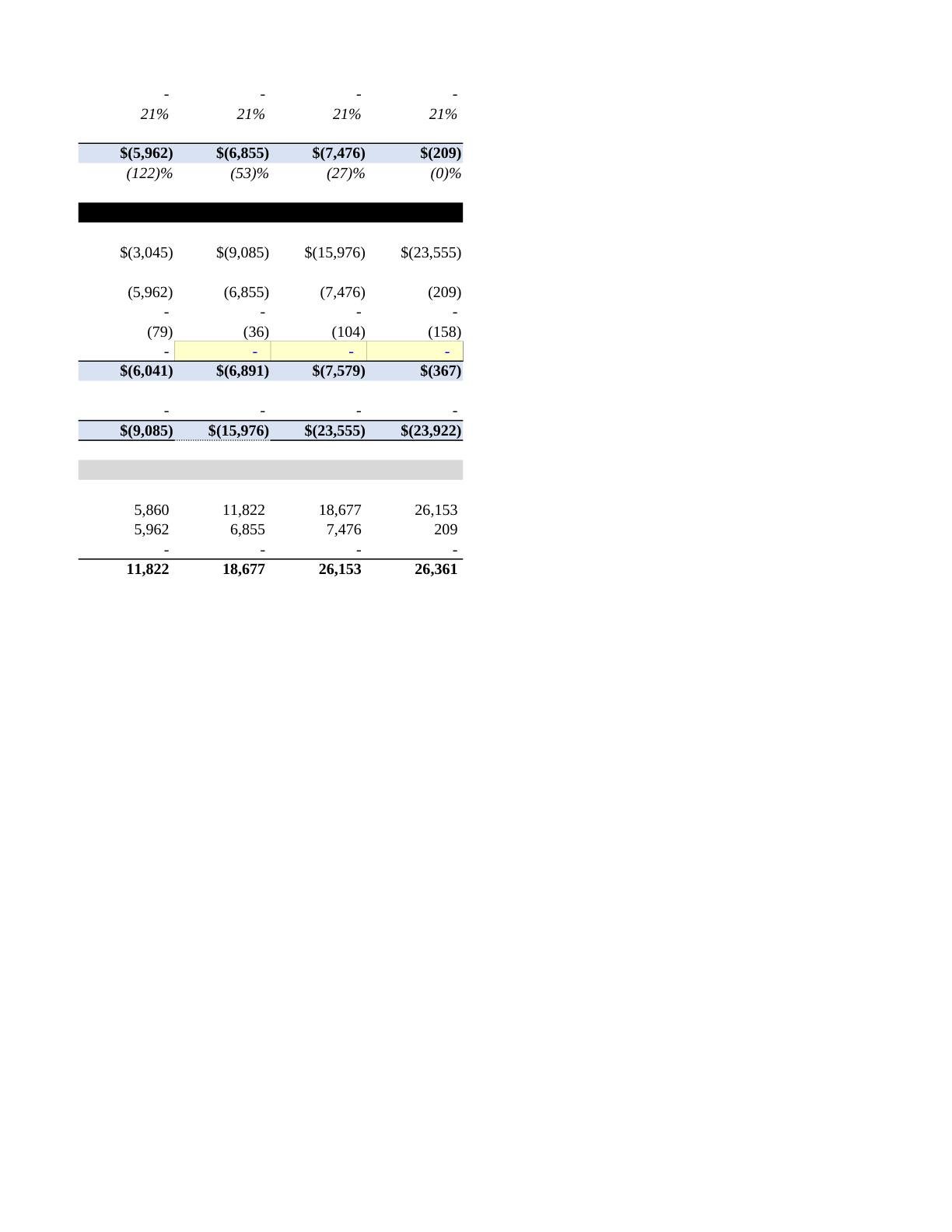
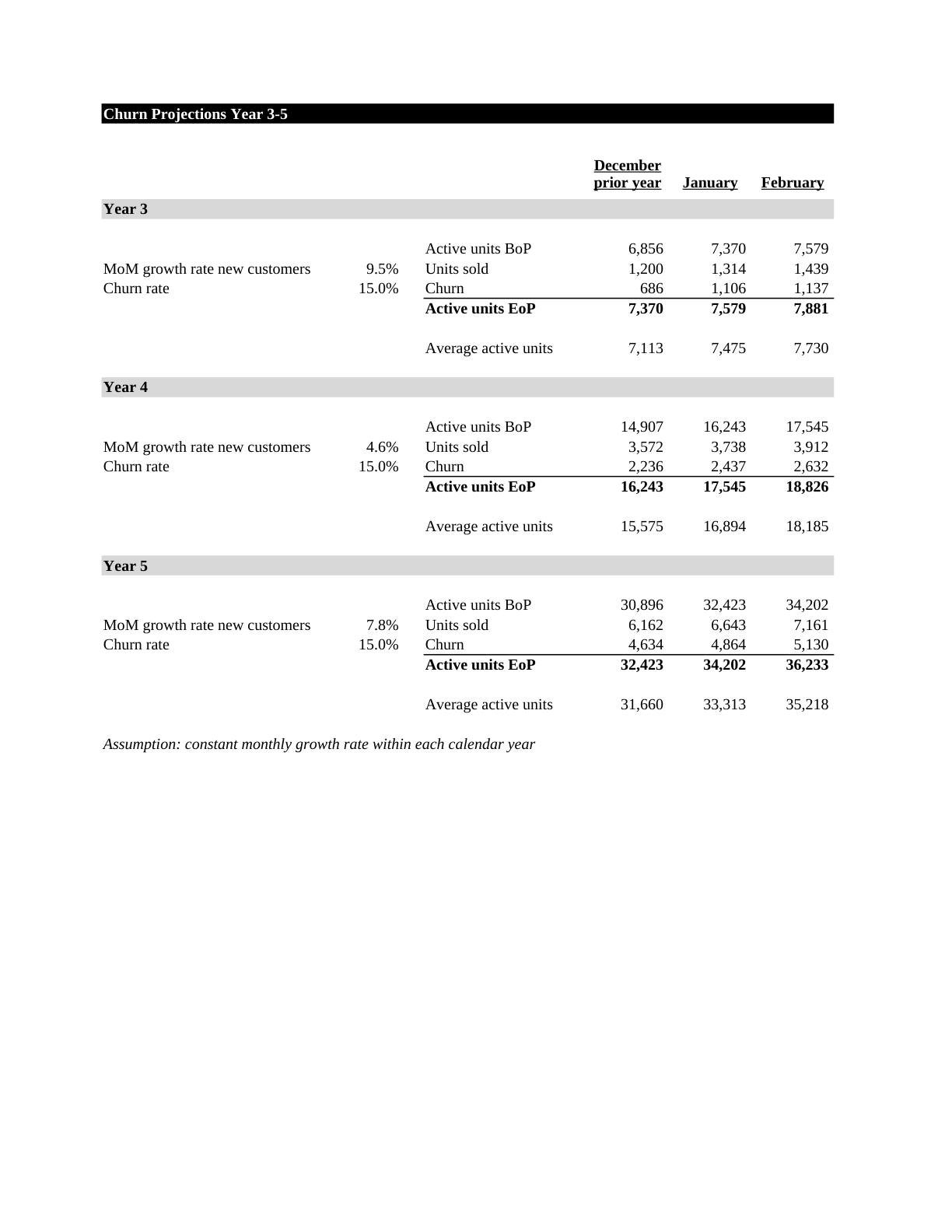
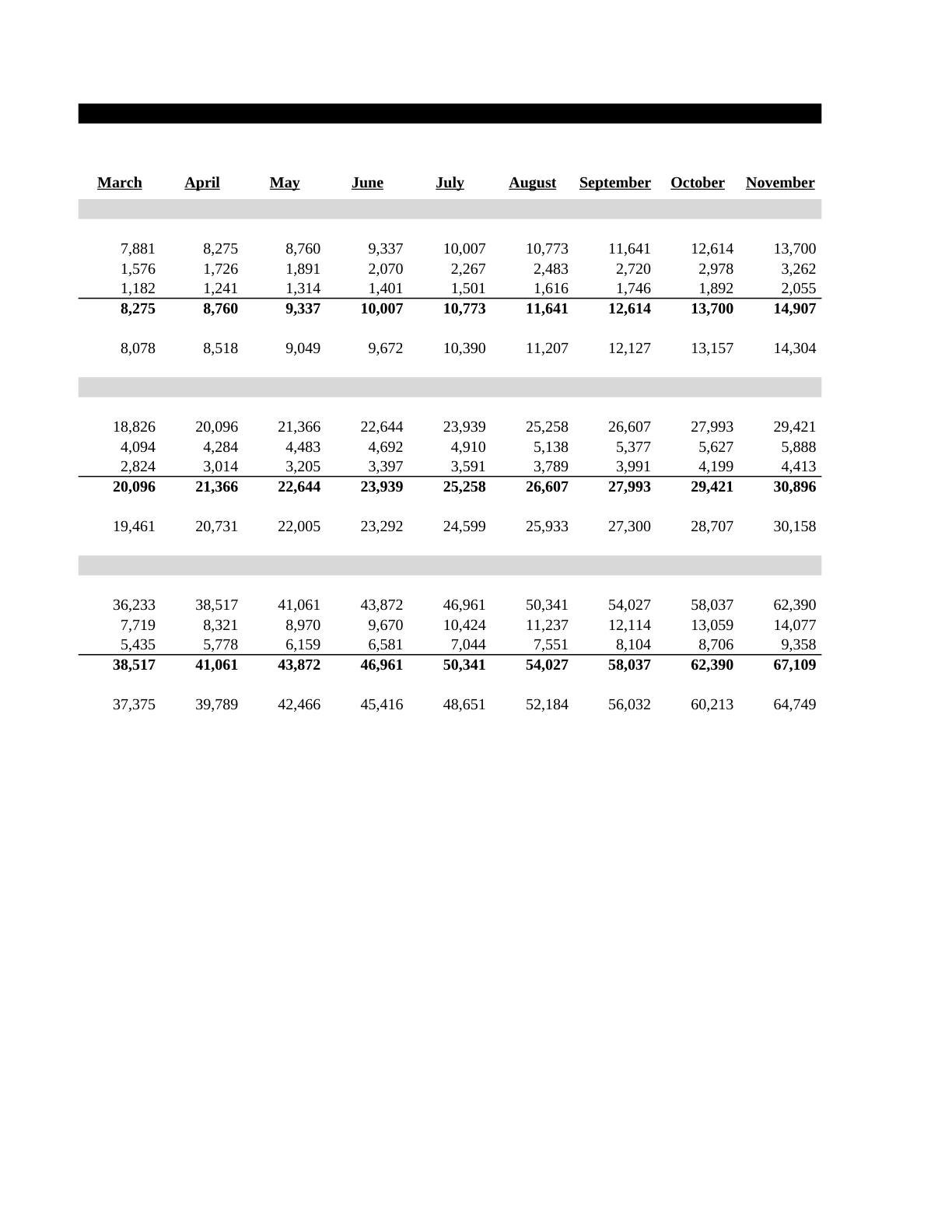
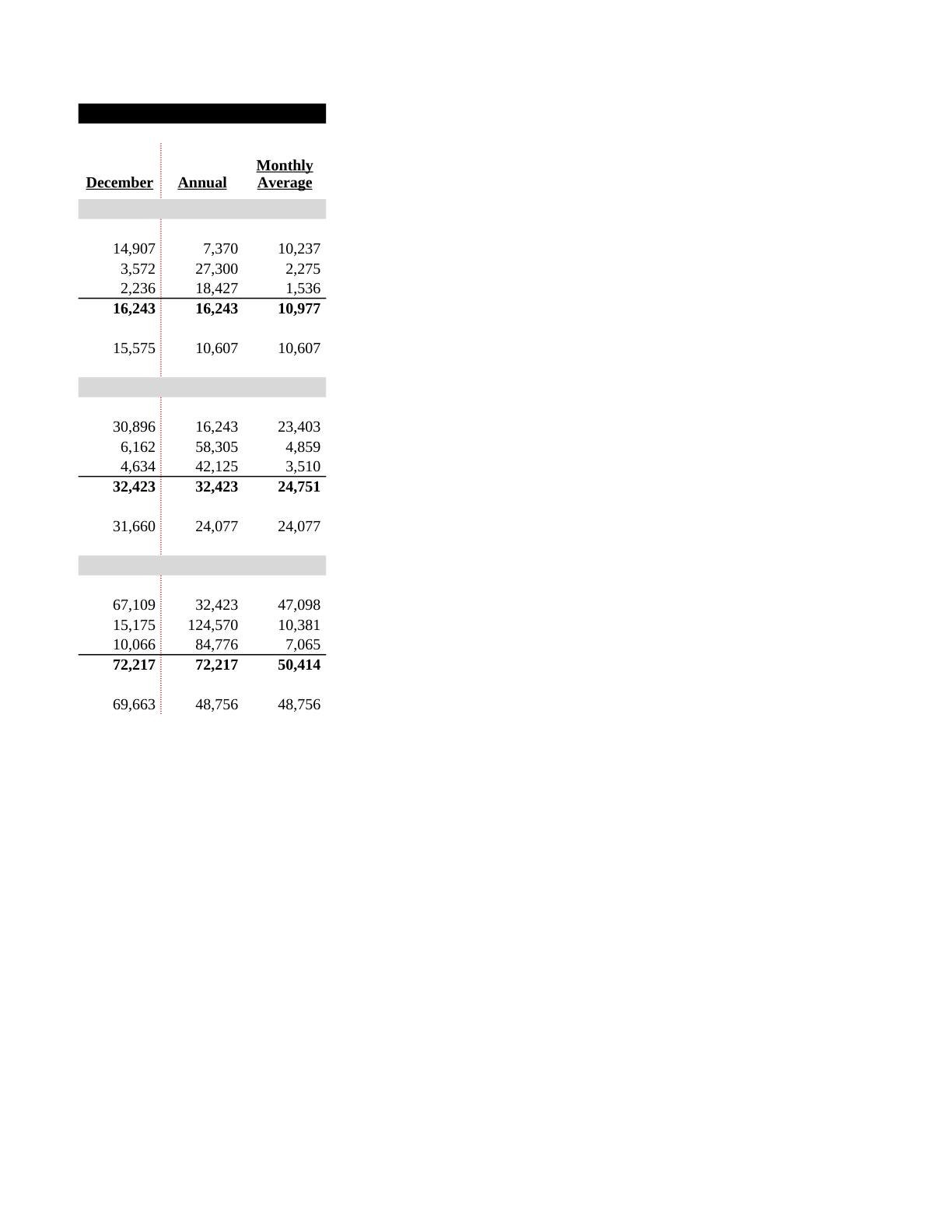
Cash requirements follow the lowest point in the forecast
A financing requirement depends on when receipts and payments occur. A company can end a year with enough cash and still become unable to pay an obligation earlier in the year. Inspect the monthly cash trajectory and its minimum, rather than only the final balance.
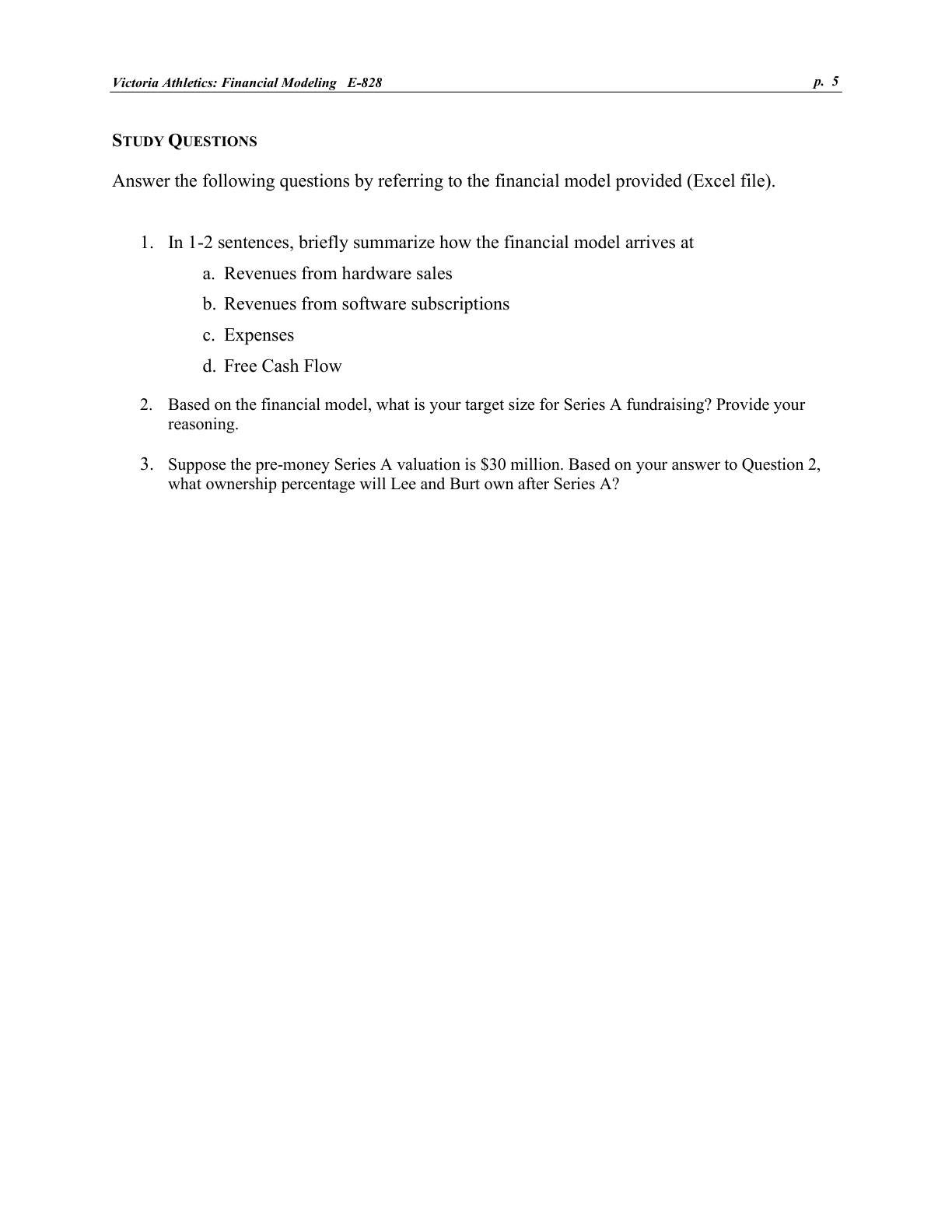
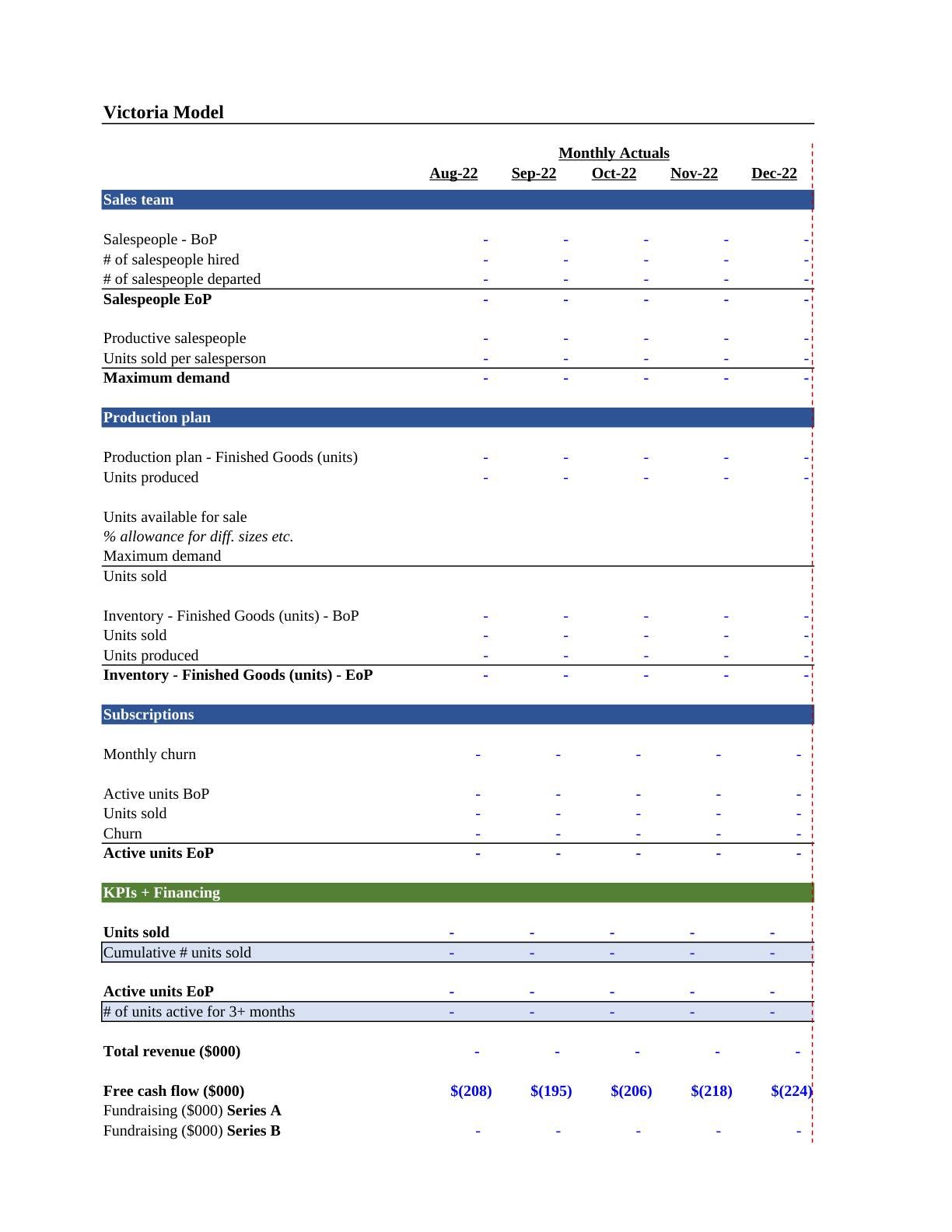
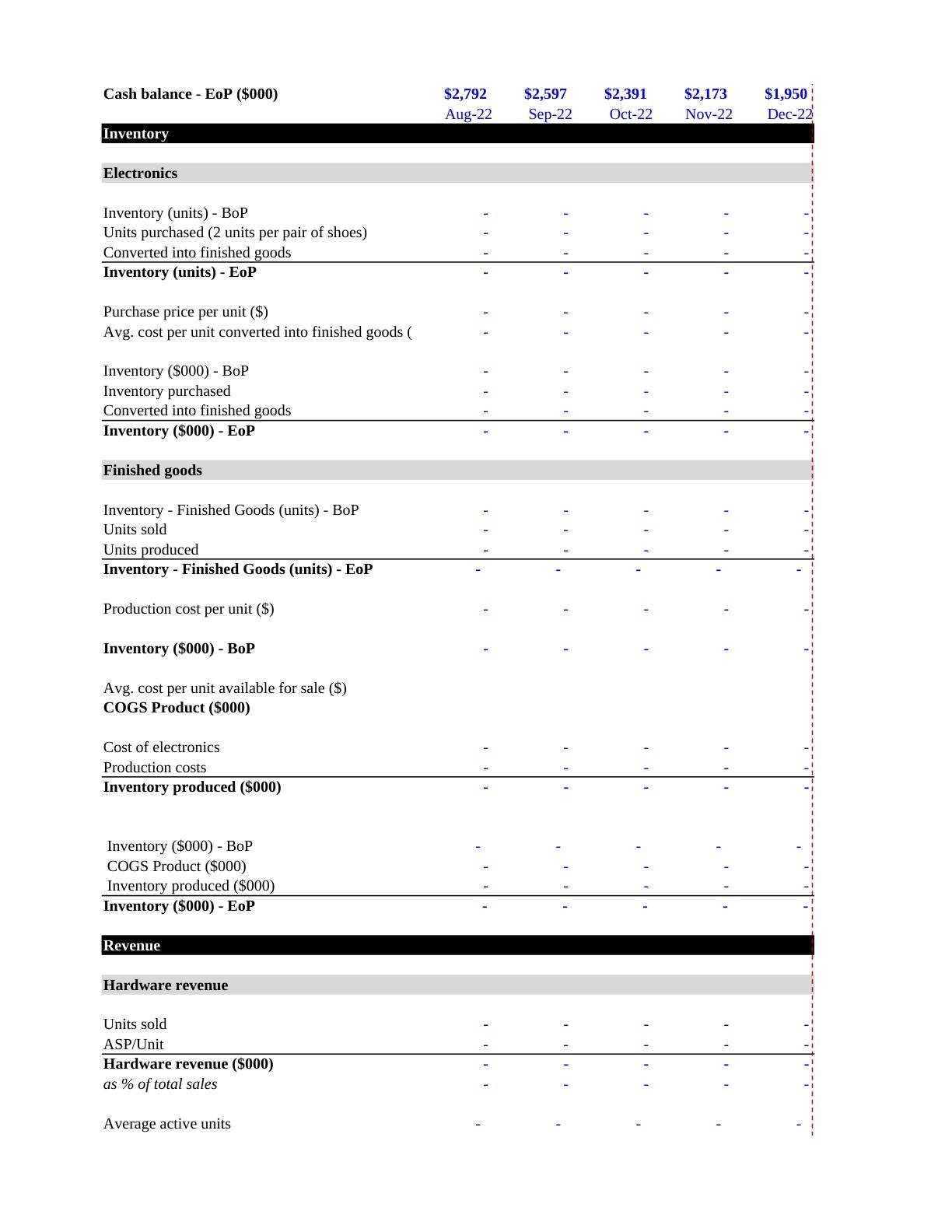
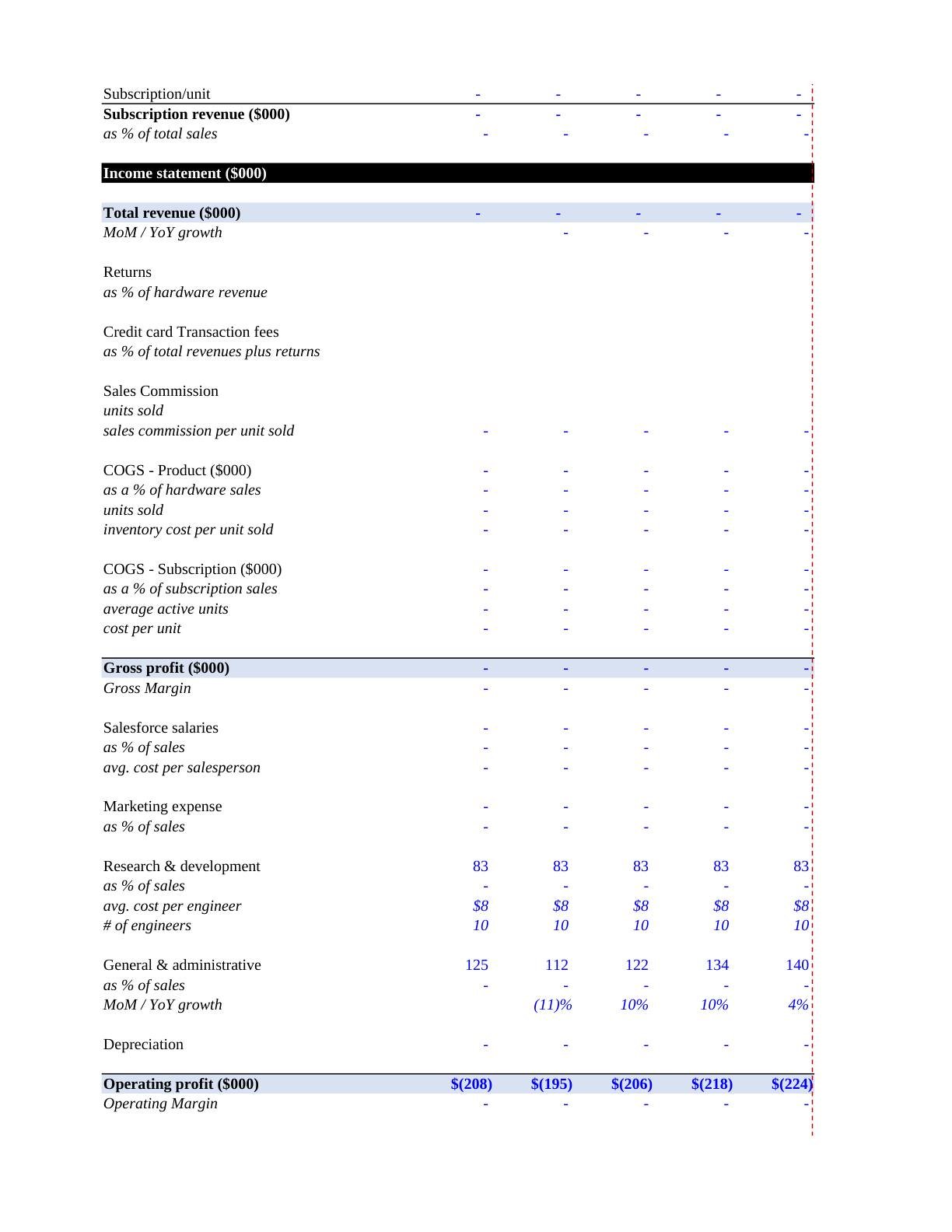
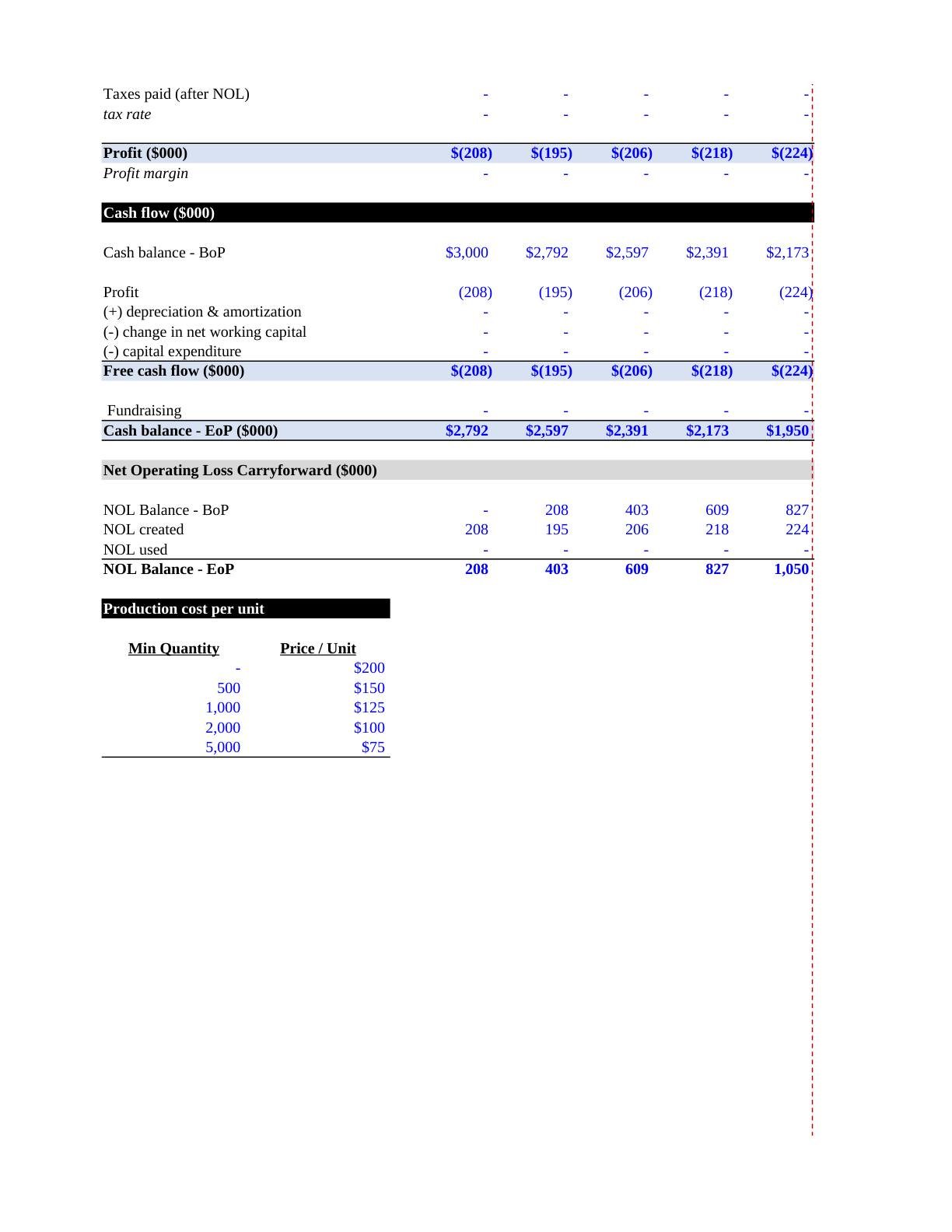
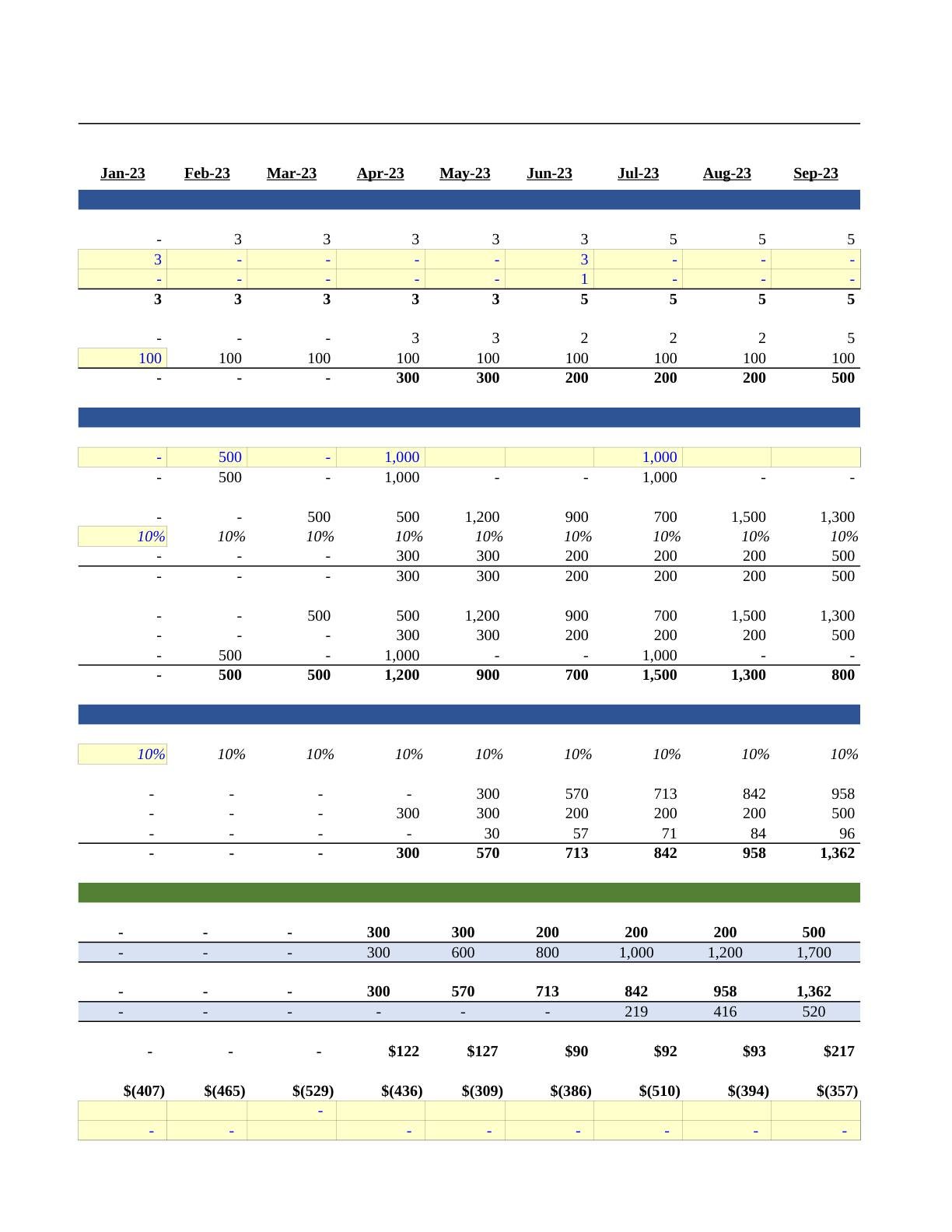
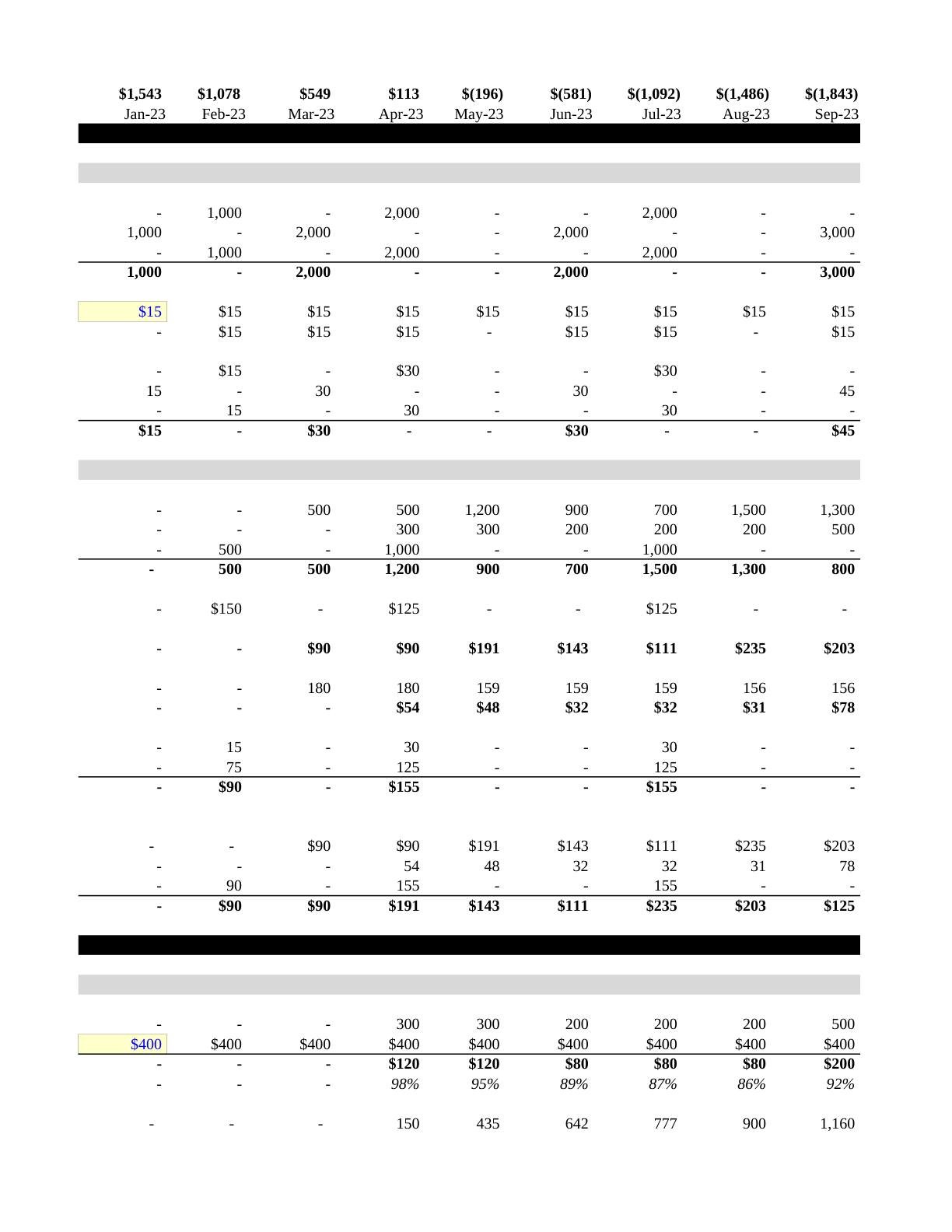
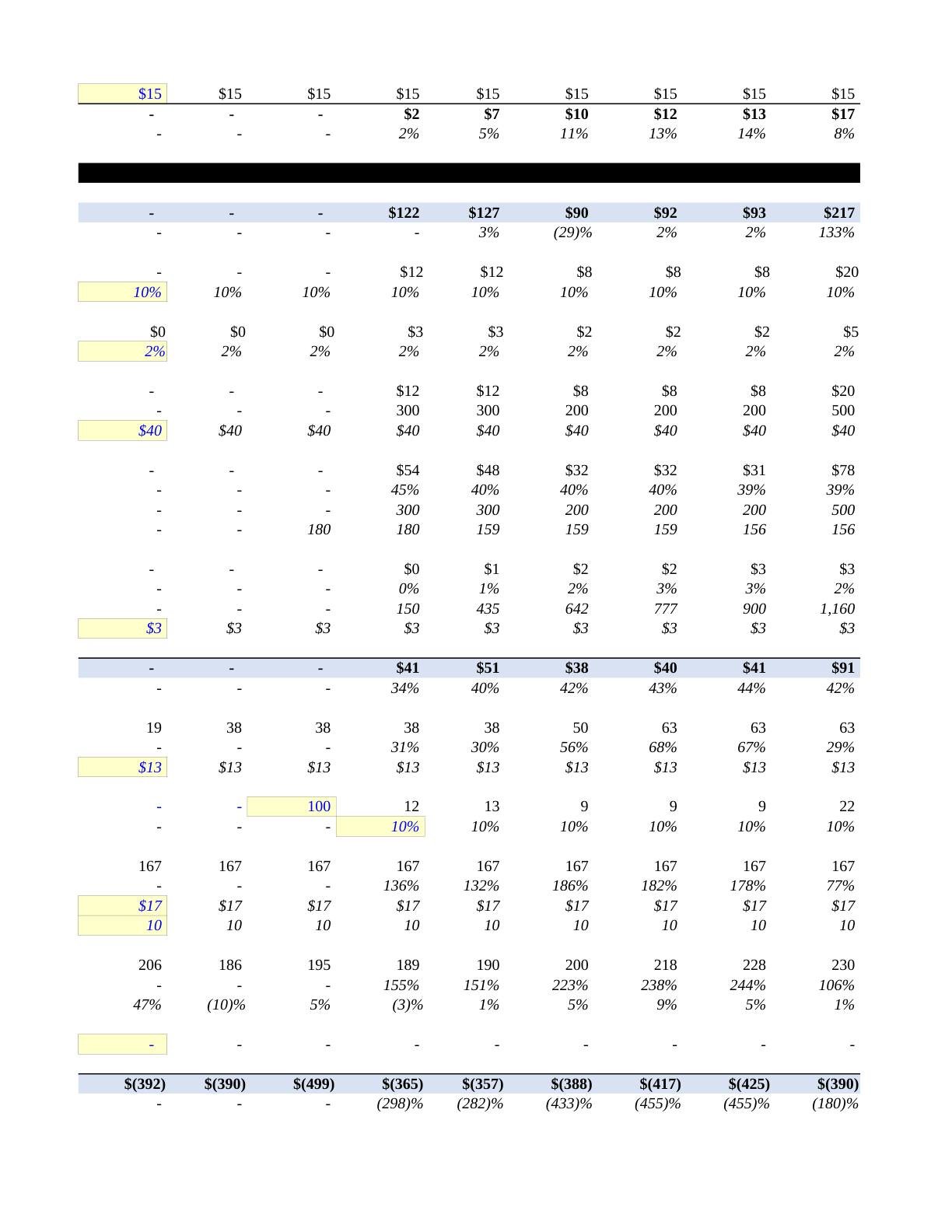
For Victoria, the hiring lag and the advance electronics purchase create cash demands before associated revenue. Funding should cover the path to the chosen milestone and an explicit buffer. The buffer reflects uncertainty and financing lead time rather than a hidden addition to the forecast.
Sensitivity changes one input; a scenario changes a coherent story
Sensitivity analysis asks how an output changes when an input varies while other assumptions remain fixed. This can reveal which assumptions most affect cash or value. A scenario combines changes that could plausibly occur together.
A slower adoption scenario may also imply excess inventory, later hiring and additional support work. Changing conversion alone may understate the consequence. Describe the business story first, then modify the model consistently. Retain a clear comparison with the base case so that the decision maker can understand the cause of the change.
The Victoria case sets two milestones: 4,000 pairs of shoes sold and 2,000 subscribers enrolled for at least three months. The hardware milestone corresponds to $1.6 million of cumulative shoe revenue at $400 per pair. The subscriber milestone includes a duration requirement.
Reaching 2,000 subscribers for a single month is therefore insufficient. Track the relevant cohorts and their survival to the required age. A model that checks only the current subscriber balance can report the milestone too early and understate the capital needed to reach it.
A response plan gives a downside scenario decision value
A downside case is more useful when it identifies actions available before cash becomes critical. Distinguish costs that can change quickly from commitments that cannot. A late response may preserve the spreadsheet’s arithmetic while leaving no practical time to execute the plan.
Define an observable trigger and a feasible action. Consider the effect on learning and the milestone itself. Delaying a hire can save cash while also delaying the evidence needed for the next financing. The revised forecast must reflect both consequences.
Illustrative: 10 reps, 100 leads each, $200 collected per sale, $12,500 payments, $30,000 starting cash; no other cash flows.
10
20 / Deep diveScenarios, sensitivity & cash requirements
Relay: three scenarios after the seed
Illustrative monthly model; $4M seed assumed at the start of FY2; hiring from 9 to 22 people.
Base: 5 new clinics a month, 3% churn. Downside: 3 new clinics a month, 5% churn. Upside: the base plus 4 channel clinics a month from month 6 at $1,500 CAC.
Runway is close in all three because payroll drives burn. The scenarios separate on the operating evidence available for the Series A.
The selected study-question page asks the learner to connect an operating model to funding size and post-financing ownership. A reasoned answer requires the schedules developed in the preceding operating-model lesson.
Trace the model
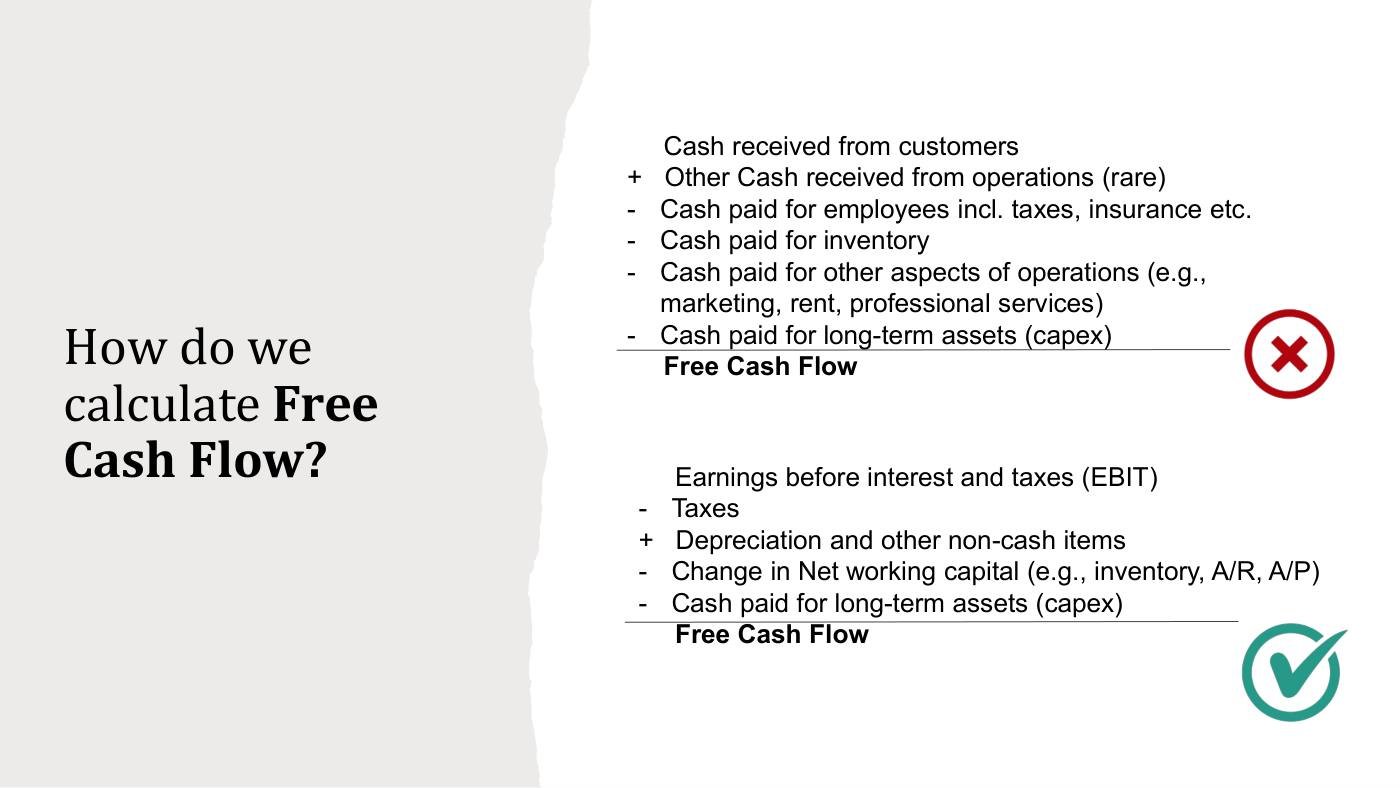
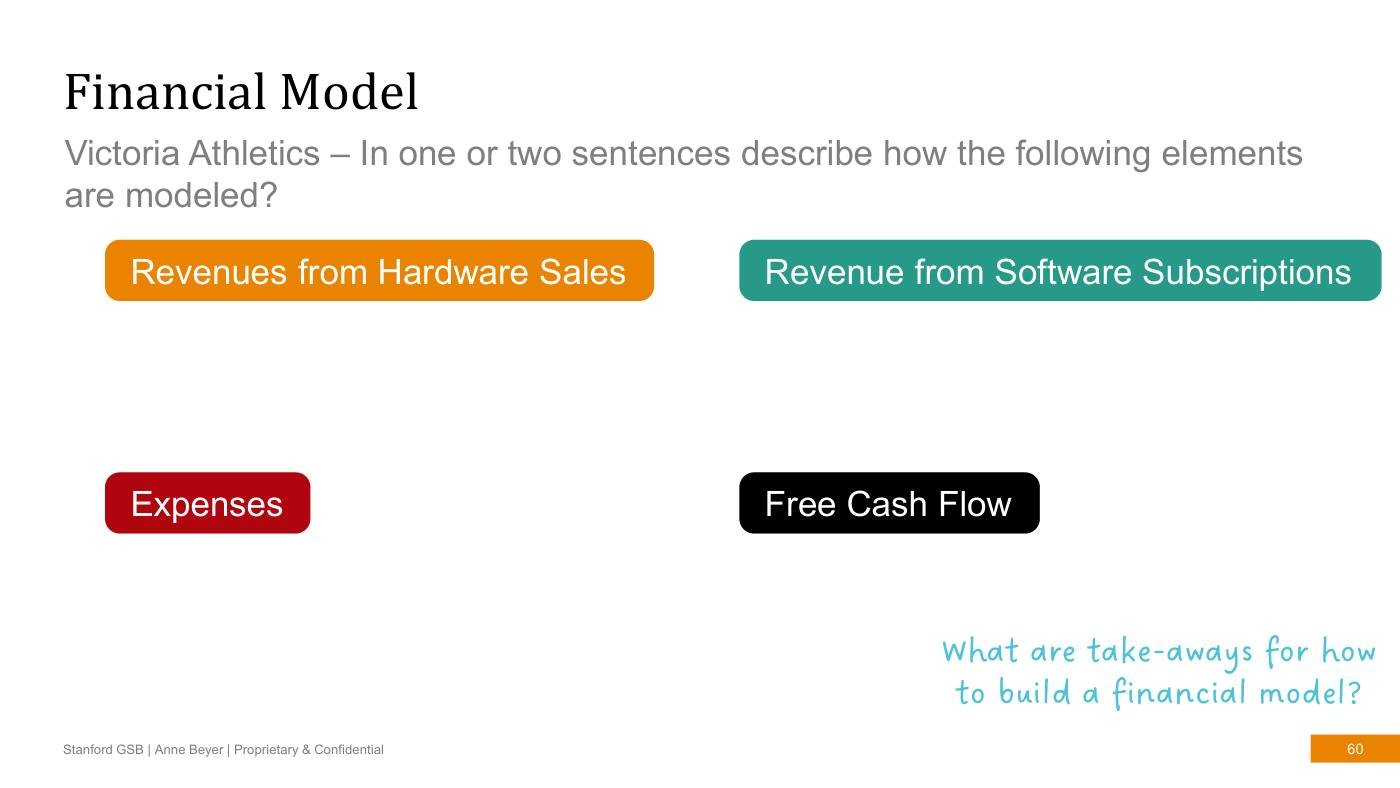
Explain how hardware sales, subscription revenue and expenses connect to free cash flow.
Justify the raise
State how the amount supports the operating plan and its financing needs, rather than choosing an unexplained round size.
Connect financing to ownership
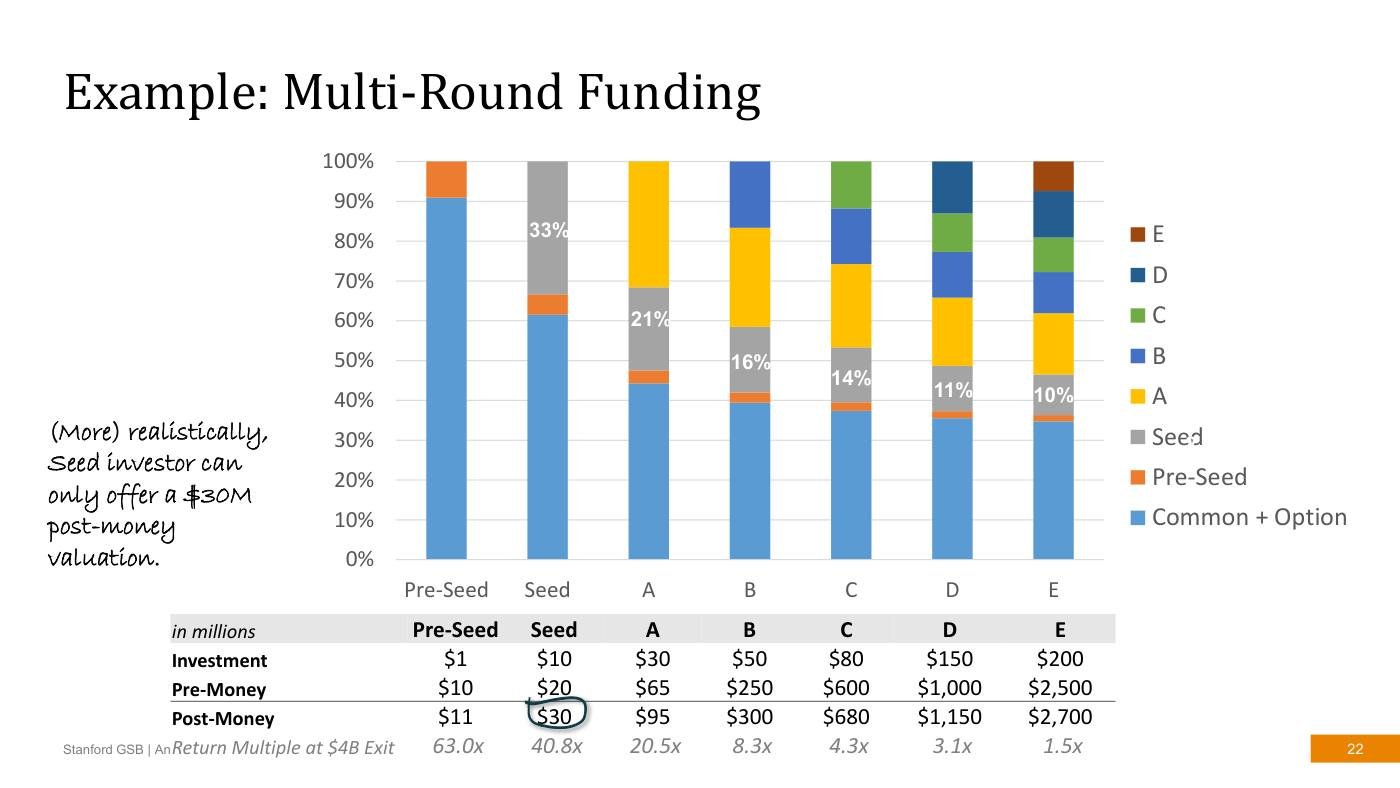
The question supplies a $30m pre-money assumption. The new-money amount then changes the post-money denominator under the stated priced-round model.
Use the underlying schedules
The question page asks for analysis using the supplied financial model. The course’s illustrative cash bridge isolates the same timing logic with explicit simplified flows.
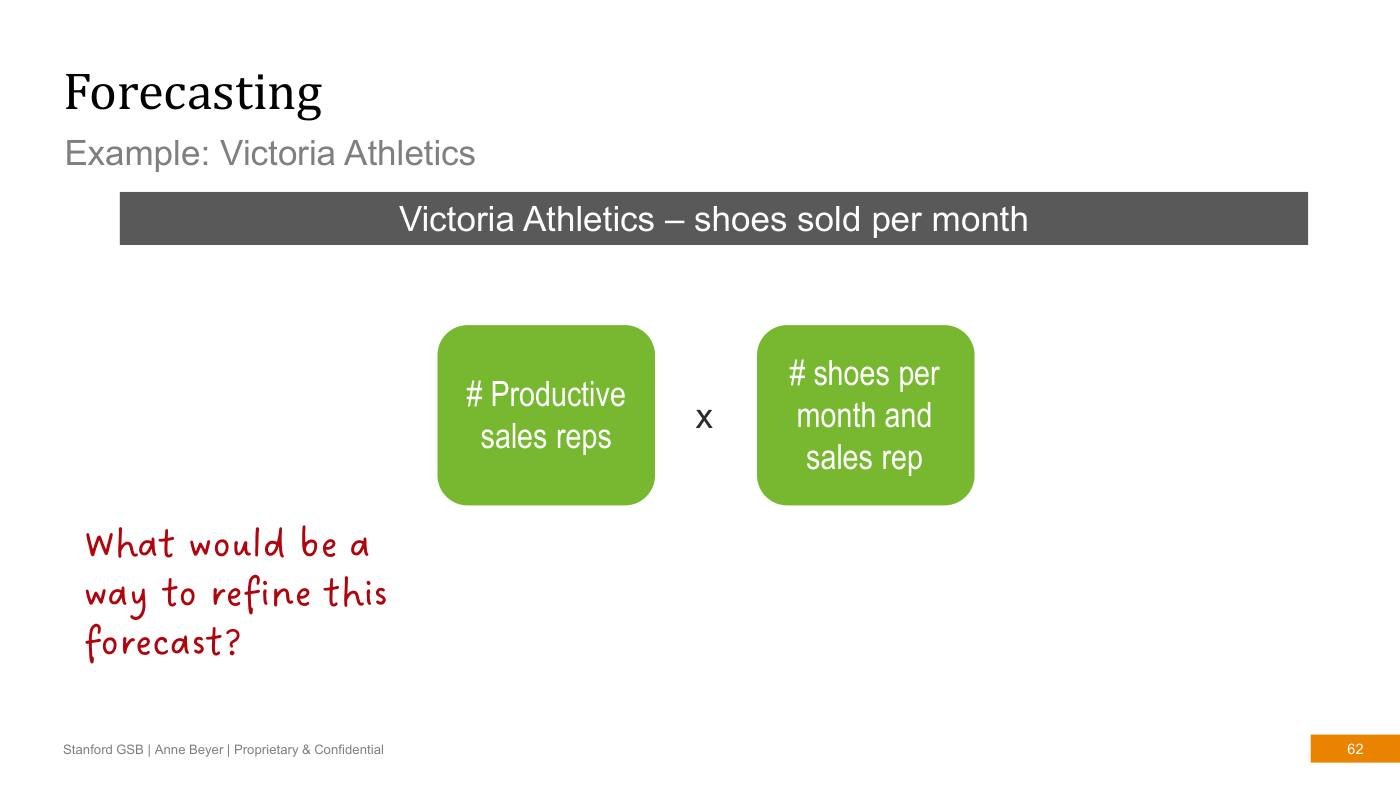
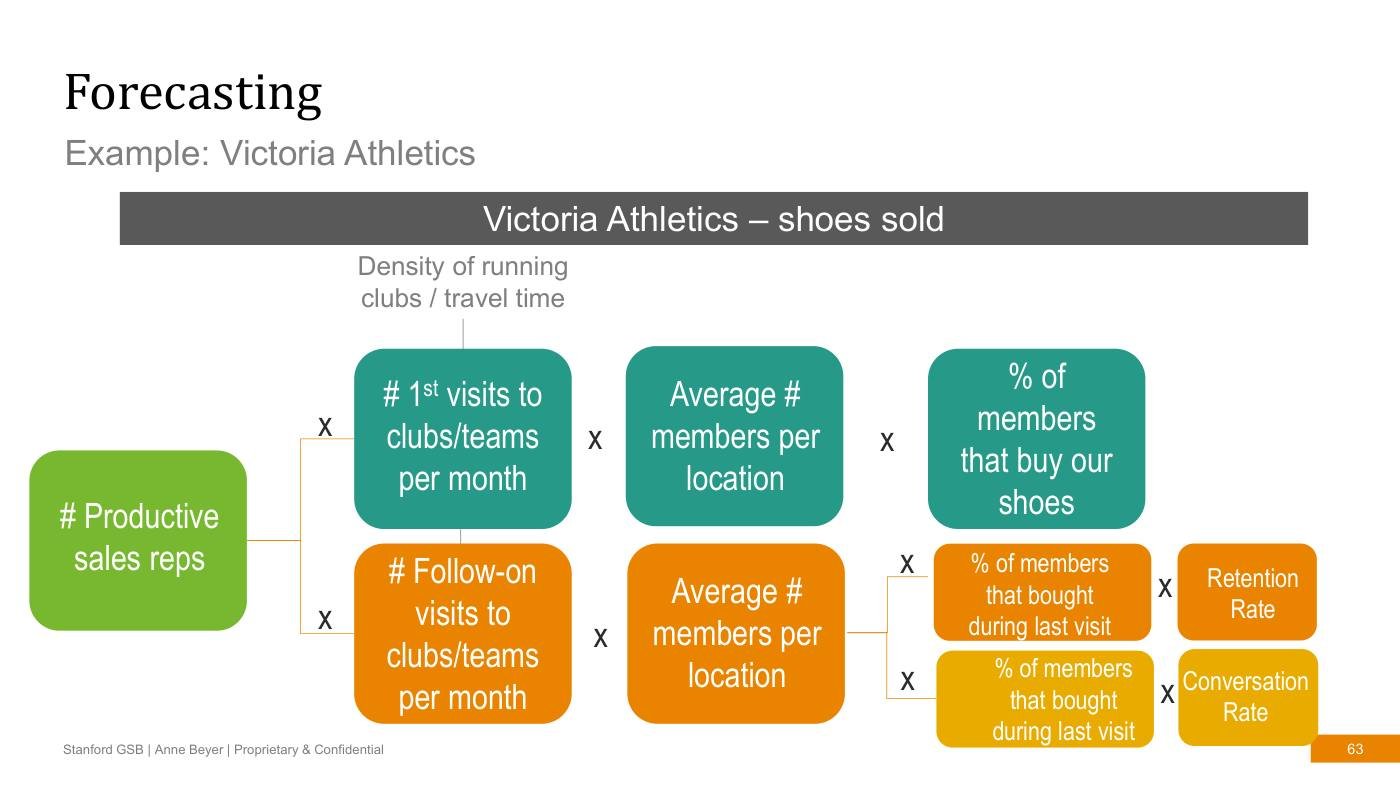
Victoria Athletics: operating drivers / discussion
Selected reading: PDF page 5
Critical points
Assumptions and observations
Sales productivity and churn are model inputs in this fictional case. Label them accordingly when interpreting the forecast.
A shared time convention
Define when hiring, training, sales, billing and churn occur. A one-month shift can change both the forecast and its minimum cash balance.
Simplifications have limits
The supplied tax and capital assumptions belong to the exercise. A full venture forecast requires the actual obligations, rights and operating schedules.
17
20 / Current practiceScenarios, sensitivity & cash requirements
Current practice: plan for longer gaps between rounds
Seed to Series A now takes longer
Carta data cited by SaaStr put the median time from seed to Series A at 2.2 years as of the end of 2024. In a later Carta analysis of US startups, 39% of companies that raised a Series A in Q3 2025 took three or more years from seed, against 19% in Q3 2019.
What it means for the model
An 18-month runway plan assumes a raise timeline that many companies no longer achieve. Relay's seed should fund roughly 24 to 30 months under the downside, with an explicit response plan, rather than the time to the planned milestone alone.
Illustrative monthly cash schedule, amounts in thousands. Opening cash is 100. Net operating cash flows for months 1–6 are −35, −40, −30, −20, −10 and +5. The milestone is reached at month 6. Management requires a minimum cash balance of 30. A downside delays the positive 5 by two months, adding −20 in month 6 and −10 in month 7 before +5 in month 8. No other financing is committed.
Your task
Find the minimum cumulative cash balance before new financing in each case. Calculate the new cash needed at the start to keep cash at or above 30. Explain the effect of the milestone delay.
Venture step: Relay scenarios, runway and the seed amount
Relay · venture step 20
Relay enters FY2 with $924,000 and late-FY1 burn of about $60,000 a month. The plan hires from 9 to 22 people (one a month from month 2, illustrative $12,500 fully loaded each). Base: 5 new clinics a month, 3% churn. Downside: new clinics -40% (3 a month), churn 5%. Upside: a PT-association referral channel (no revenue share) adds 4 clinics a month from month 6 at $1,500 CAC. The seed is $4,000,000; for this exercise assume it arrives at the start of FY2.
Your task
Produce a scenario sheet: monthly cash for each case, runway with and without the seed, clinics and ARR after 14 months, the cash need to reach a Series A with a 6-month buffer, and one downside trigger with the action it sets off.
Without new money or hiring, runway is short in every case: cash reaches zero in about 17.6 months (base), 16.8 (downside) and 17.8 (upside), because the upside spends more on acquisition early. The bible's 924,000 / 60,000 = 15.4 months is the constant-burn shortcut.
With the seed and the hiring plan, burn climbs to about $211,000 a month by month 14. Cash runs out in about 28.7 months (base), 27.9 (downside) and 29.4 (upside). Runway barely moves across scenarios because payroll dominates cost.
What does move is the milestone: after 14 months Relay has about 97 clinics and $465k ARR in the base, 60 clinics and $287k in the downside (churn of 3 a month cancels 3 new), and 129 clinics and $618k in the upside. The downside fails the Series A on evidence long before it fails on cash.
Cash need to month 15 plus a 6-month buffer at the month-15 burn: base 2,103k + 6 x 211k - 924k = $2.44M; downside $2.51M. The $4M seed covers both; the surplus funds the slower Series A timeline investors now expect.
Trigger: if new clinics run below 4 a month for two consecutive months or churn exceeds 4%, freeze hiring at 15. Under the downside, burn then stays near $130,000 and cash stays positive beyond 36 months, buying time to complete the multi-location pivot.
When payroll dominates, scenarios can show nearly identical runway while the milestone diverges sharply. Report clinics, ARR and retention at the planned raise date alongside months of cash.
Triggers that fire too late
A trigger set at 'three months of cash left' leaves no time to act or raise. Tie triggers to leading operating signals (new clinics, churn) early enough that a hiring freeze still changes the outcome.
Constant-burn runway on a hiring plan
Cash divided by today's burn (15.4 months for Relay) is wrong when burn is rising each month with new hires. Run the monthly schedule and find the actual low point.
A three-scenario cash plan for Relay with runway with and without the seed, 14-month clinic and ARR outcomes, a $2.4M to $2.5M funding need covered by the $4M seed, and a hiring-freeze trigger.
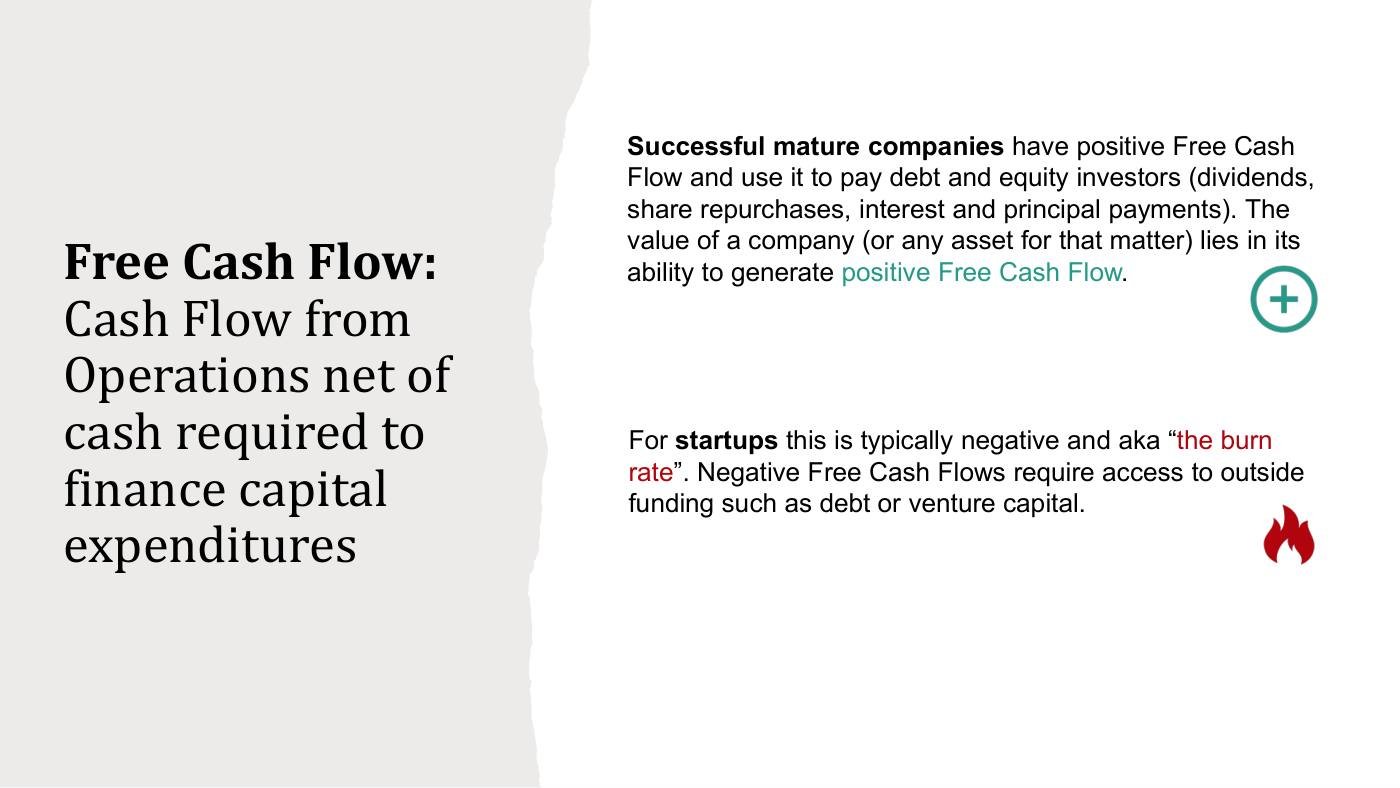
The capital requirement is set by the lowest point of the monthly cash path plus a stated buffer, not by year-end cash or a constant-burn ratio.
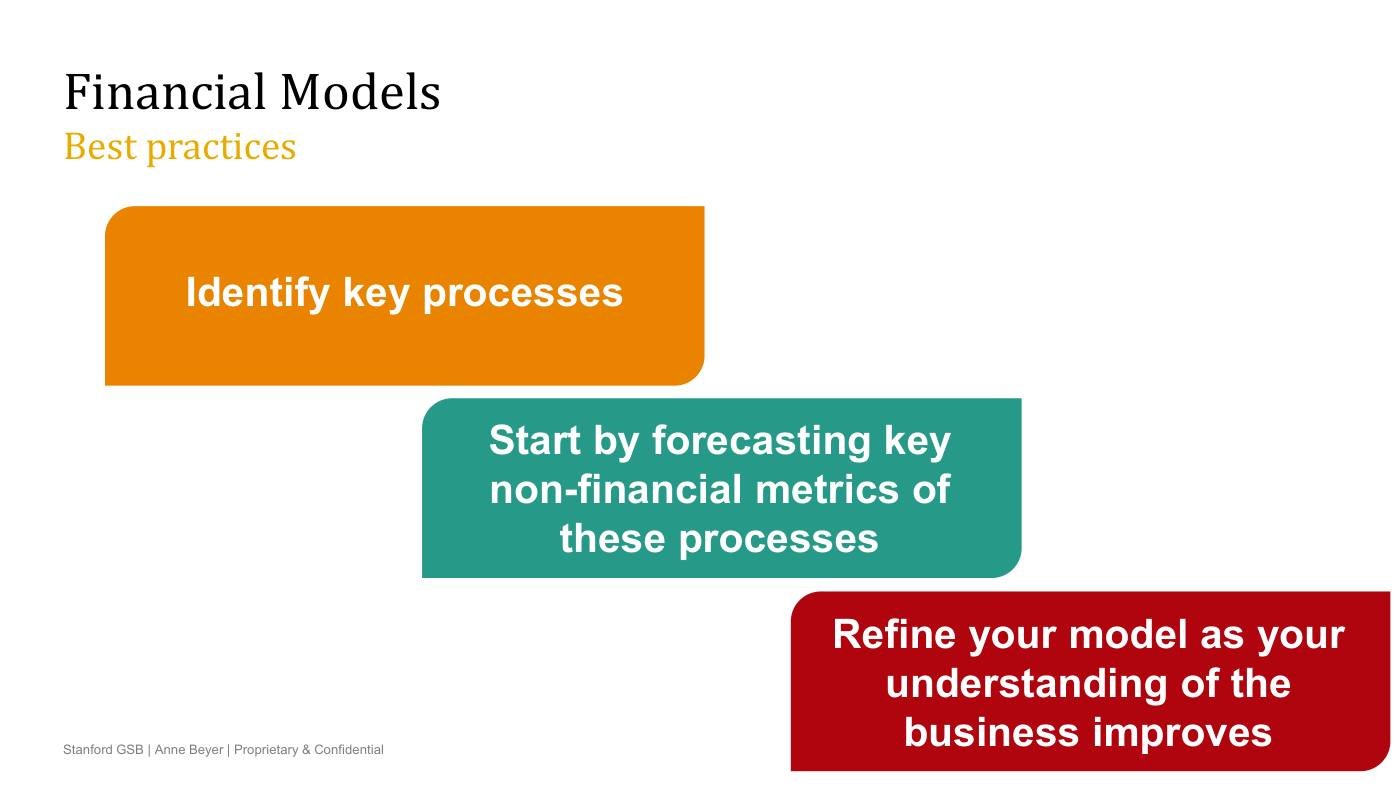
A coherent scenario changes the assumptions that move together under one story and includes management's response.
For Relay, the downside threatens the Series A milestone before it threatens cash, so the trigger must act on operating signals.
Next lesson: Present value & investment decisions
24
Check your understanding
Which scenario determines the capital requirement?
Score
Question 1
Monthly net cash flows (in $k) are -120, -150, -90, +40, -60, +30 from opening cash of 500. Management requires a minimum balance of 150. How much new cash is needed at the start?
Balances are 380, 230, 140, 180, 120, 150. The minimum is 120 in month 5, which is 30 short of the 150 floor. Checking only that cash stays positive or looking at the final 150 misses the month-5 low point.
Question 2
Relay has $924,000 and burns $60,000 a month. A downside scenario in which new clinics exactly offset churn holds burn at $55,048. Management keeps a $300,000 floor. How many months until the floor is reached?
Usable cash is 924,000 - 300,000 = 624,000, and 624,000 / 55,048 = 11.3 months. Dividing all of the cash (16.8 months) ignores the floor, and using the base burn answers a different scenario.
Question 3
Relay's base model needs cumulative burn of $2.10M through month 15 and burns about $211k in month 15. With $924k on hand and a six-month buffer at the month-15 burn, what is the funding requirement?
2,103k + 6 x 211k - 924k = 2.44M. Omitting the buffer gives $1.18M, which leaves Relay raising the Series A with no cash cushion; omitting existing cash overstates the need.
Question 4
An analyst models Relay's downside by cutting new clinics 40% and leaving everything else unchanged. Which revision makes it a coherent scenario rather than a one-input sensitivity?
A scenario changes the assumptions that move together under one story. Weaker independent demand appears in both new-clinic volume and churn, and management would respond on hiring. A price cut or channel launch belongs to different stories.
Question 5
Under the plan to hire to 22, Relay's runway after the seed is about 28.7 months in the base case and 27.9 months in the downside. What is the main lesson for the board?
Payroll dominates burn, so runway barely changes, but ARR after 14 months is about $287k instead of $465k. Investors fund evidence. The useful response uses the remaining cash to change the plan before the round, not after.
Question 6
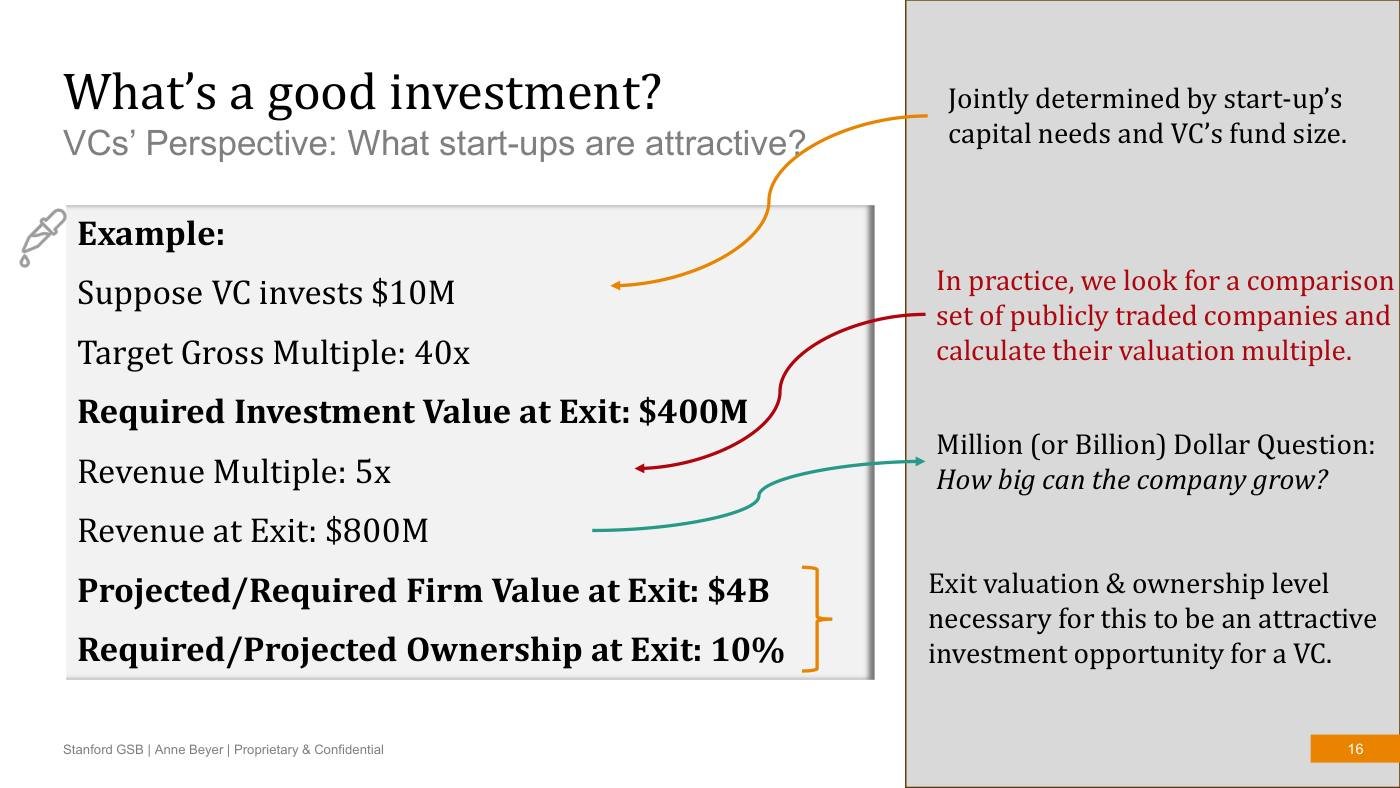
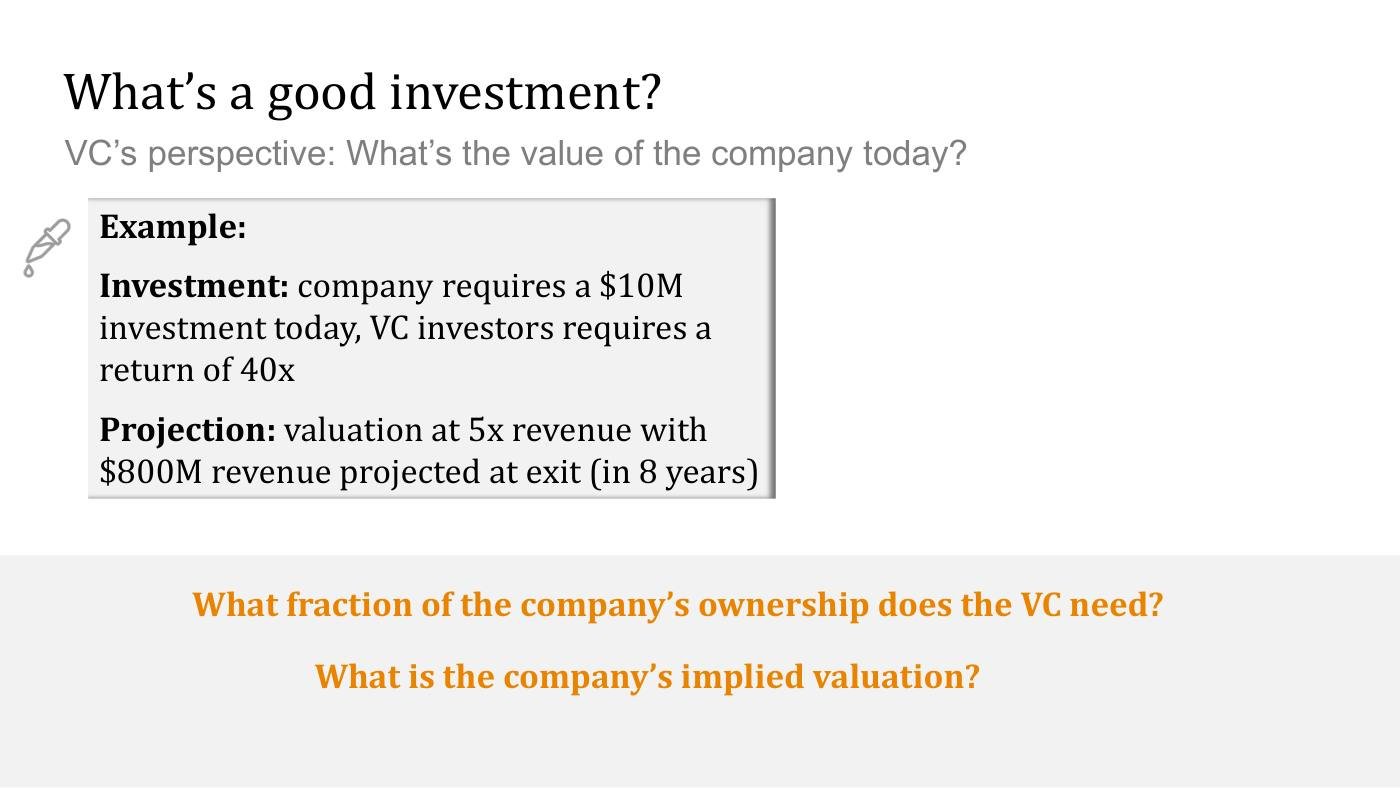
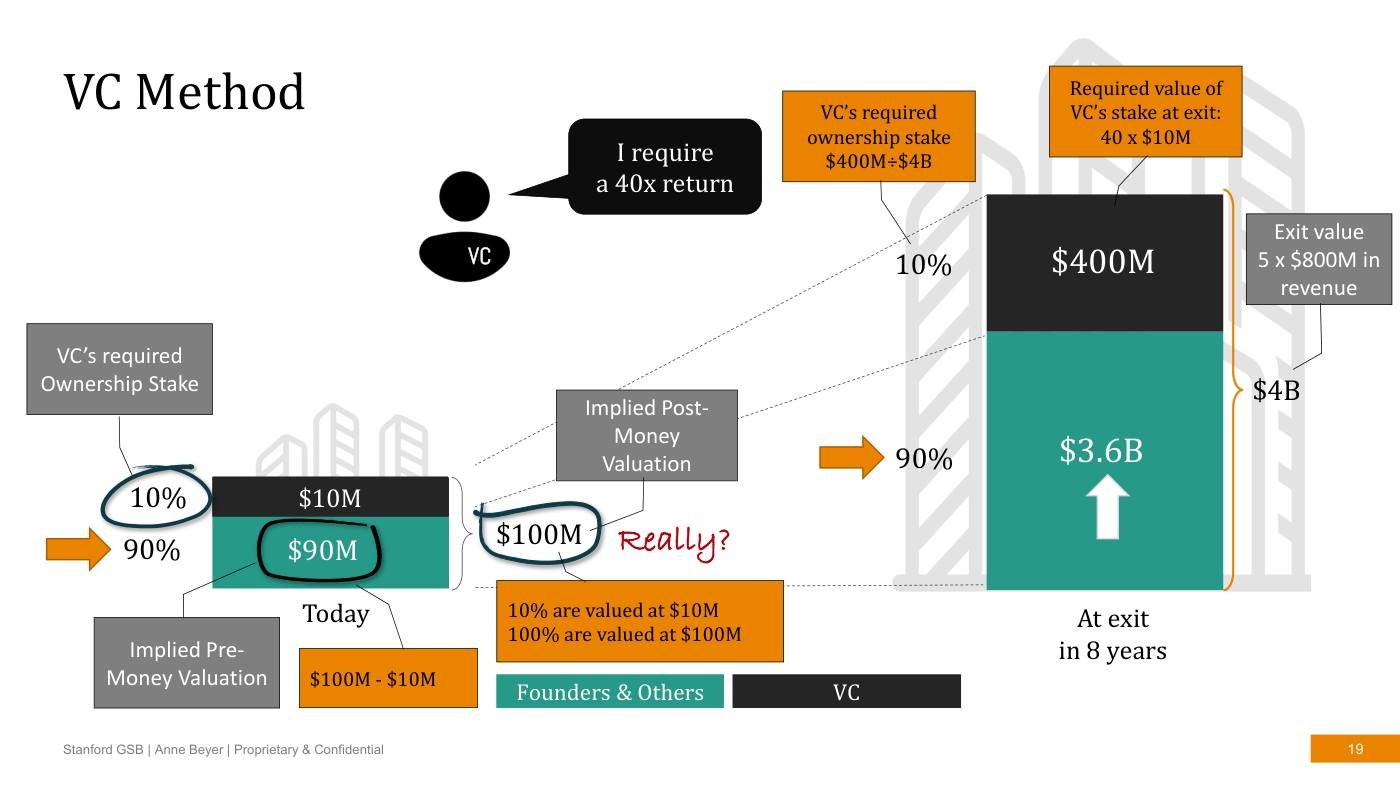
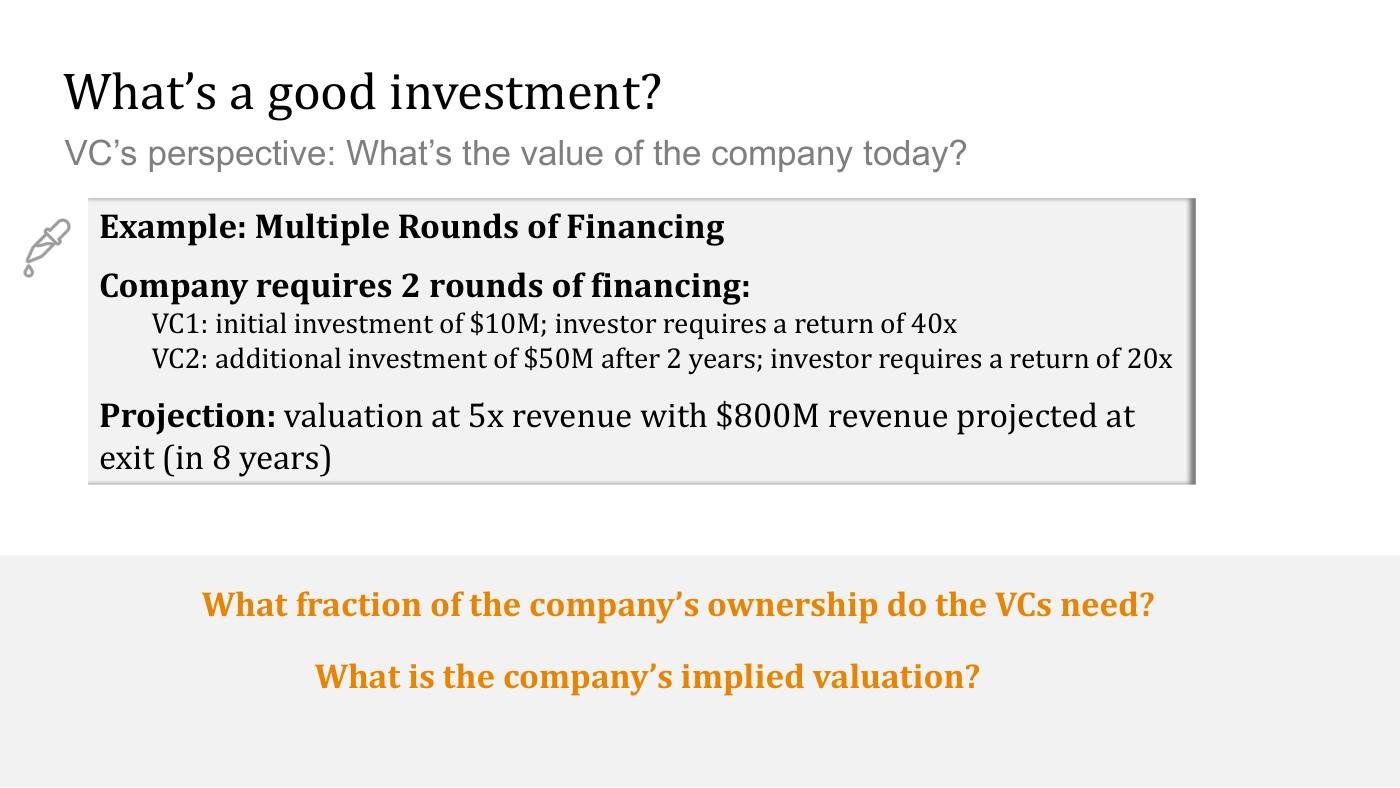
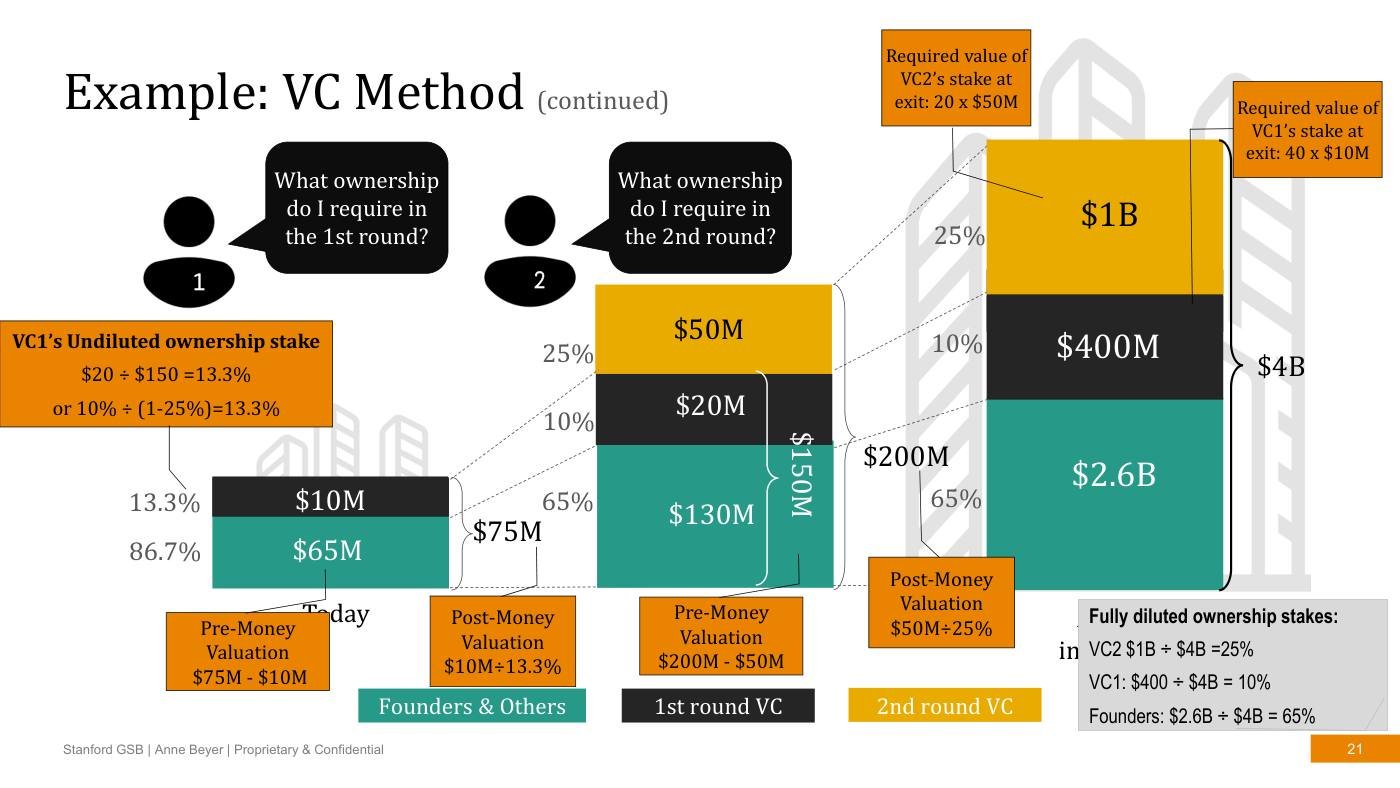
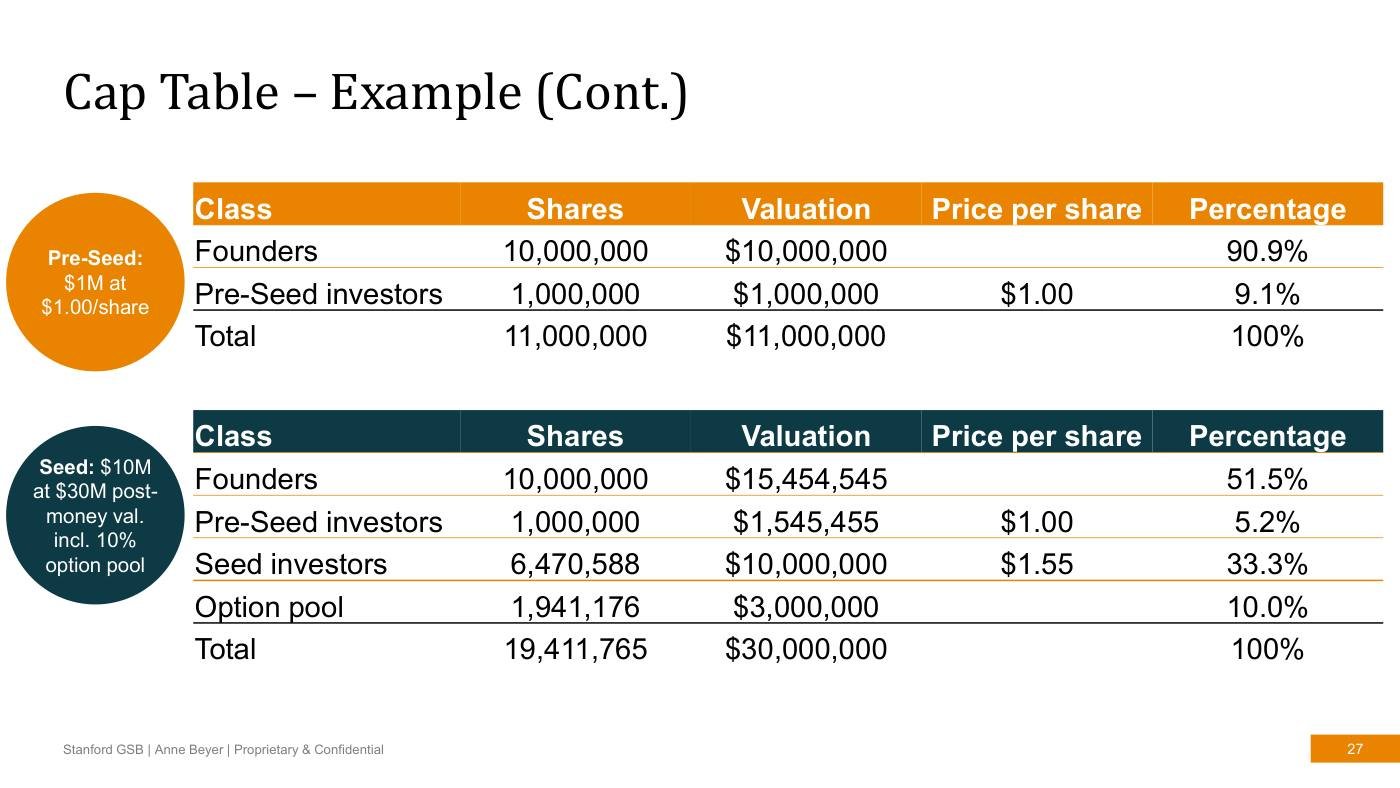
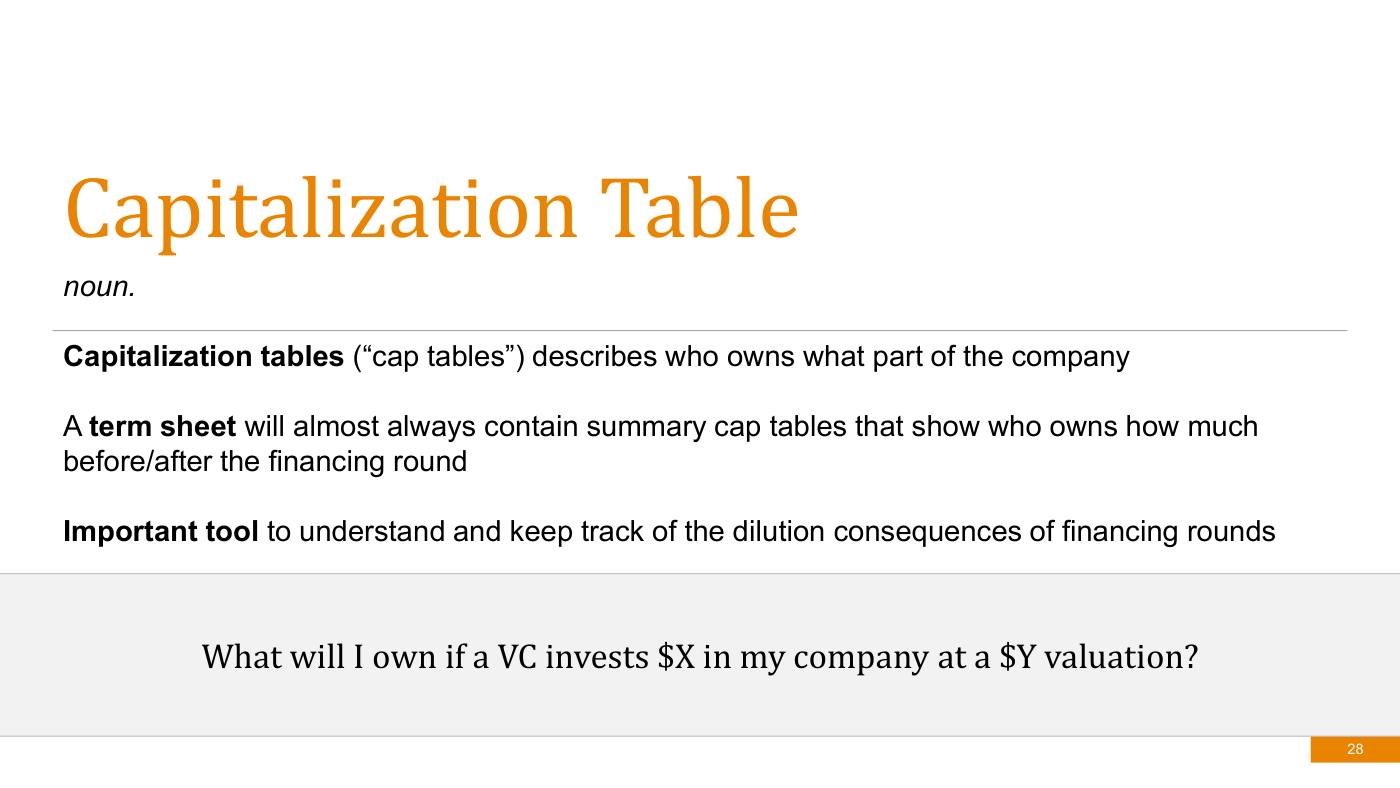
Victoria raises $8M at a $30M pre-money valuation in a priced round. What share of the company does the new investor own afterward?
Post-money = 30 + 8 = $38M; investor owns 8 / 38 = 21.05%. Dividing by pre-money (8 / 30 = 26.7%) is the common mistake. A larger buffer in the raise is paid for in this dilution.
Workbook
Which scenario determines the capital requirement?
Module output: A linked financial analysis, operating forecast, valuation and staged-investment decision.
Library
Every original page used in this lesson
4 appear in the slides with notes; the rest are kept here for reference.
Section opener: size of funding roundsDivider asking how much money a startup needs. Framing only.Beyer - Finance Slides (all 3 sessions) · PDF page 64
1
Victoria Athletics: how much should Lee raise in the Series A?The case question posed on its own slide. The answer must come from the monthly cash path in the model, not a round number.Beyer - Finance Slides (all 3 sessions) · PDF page 65
2
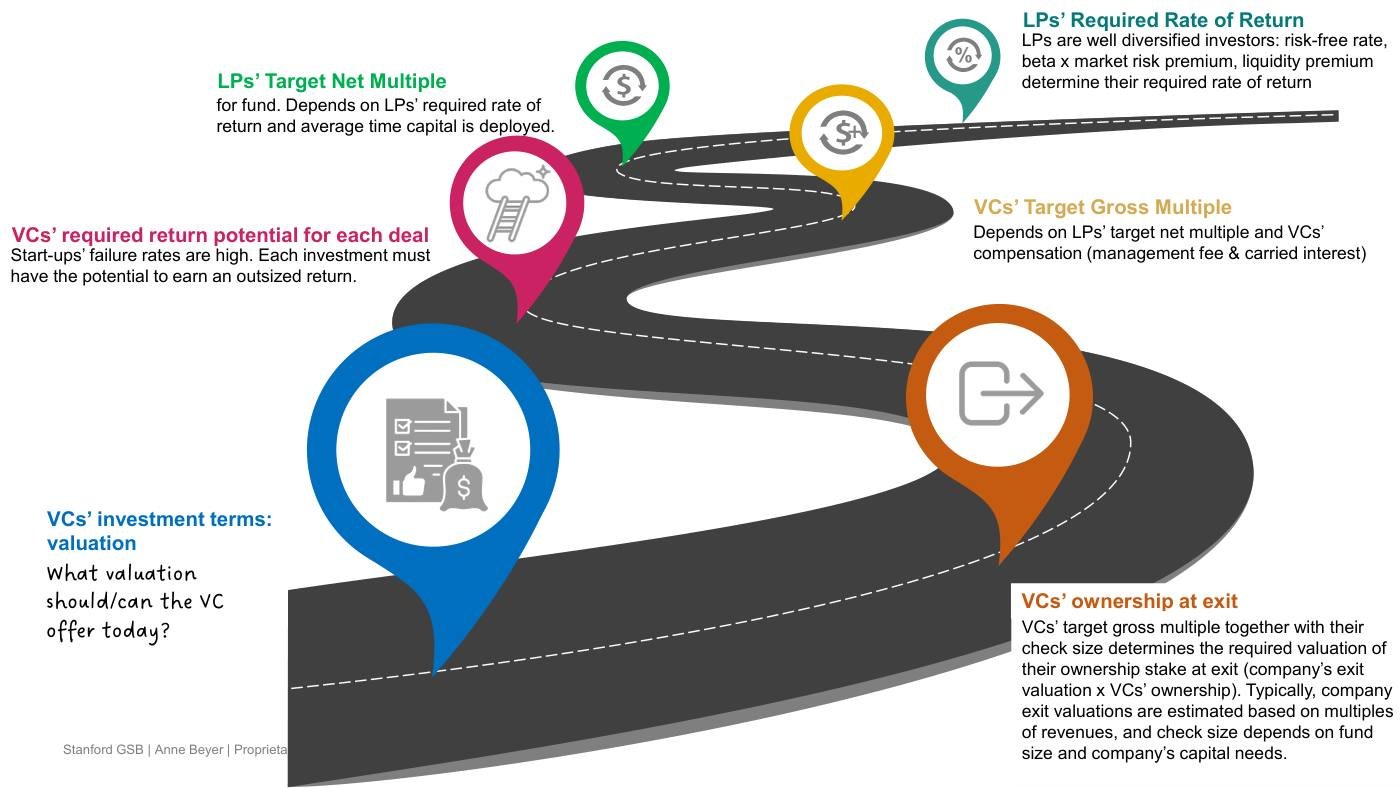
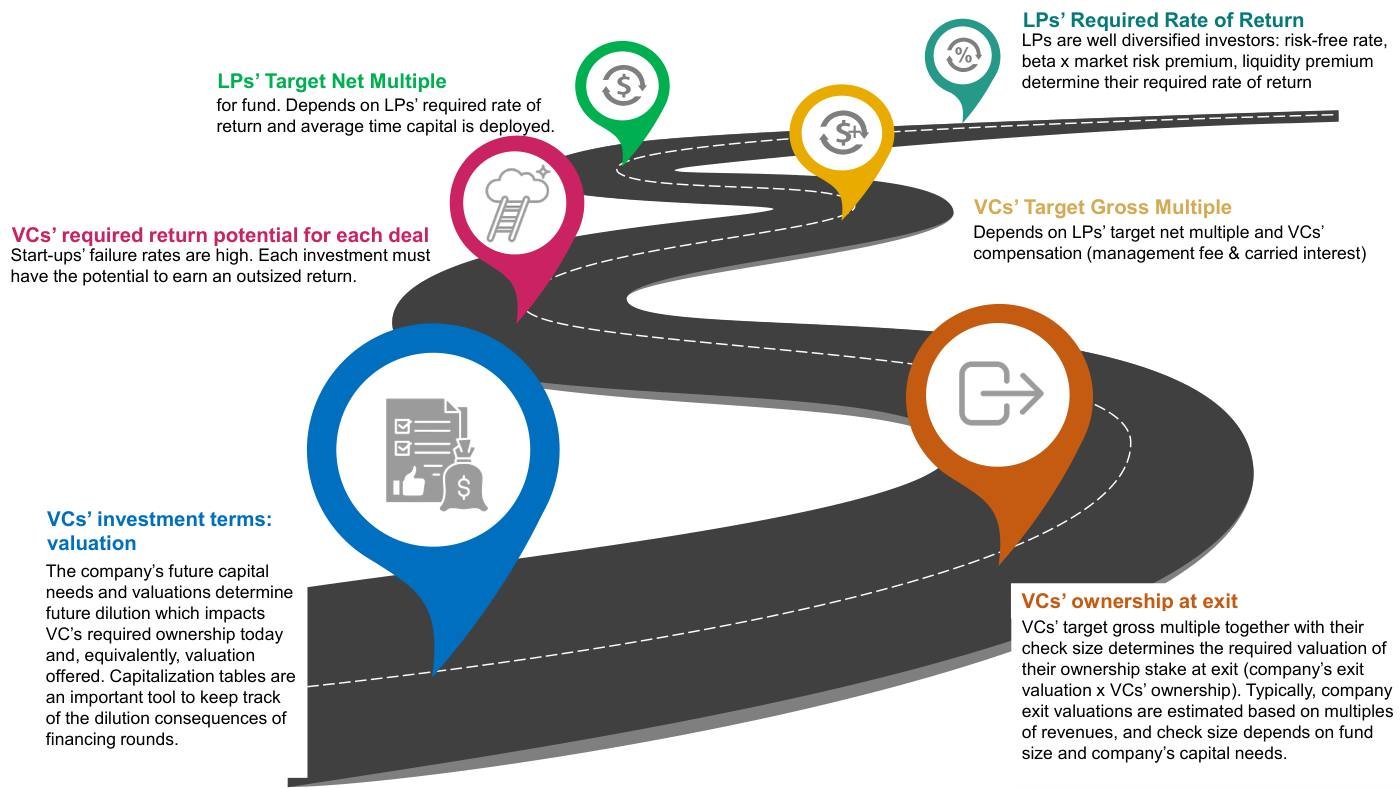
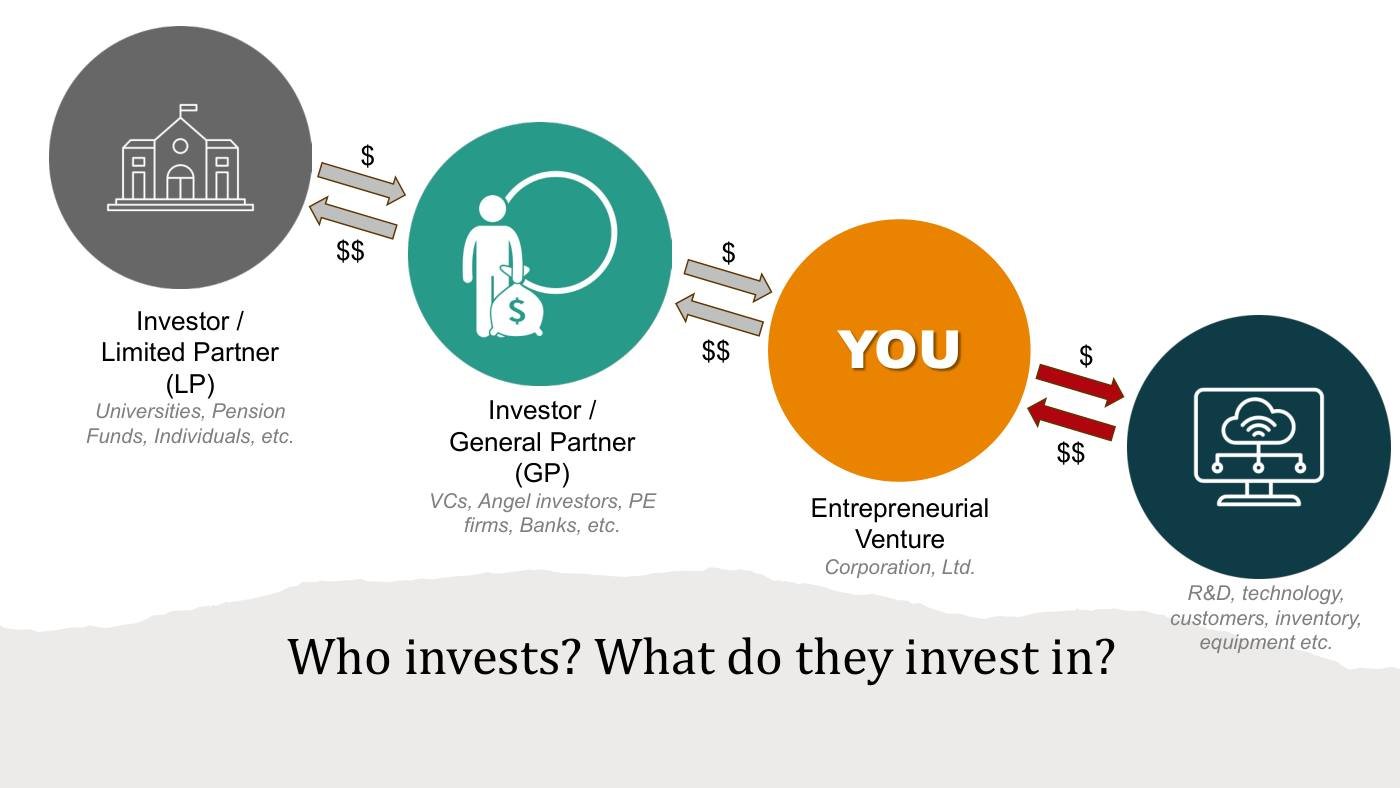
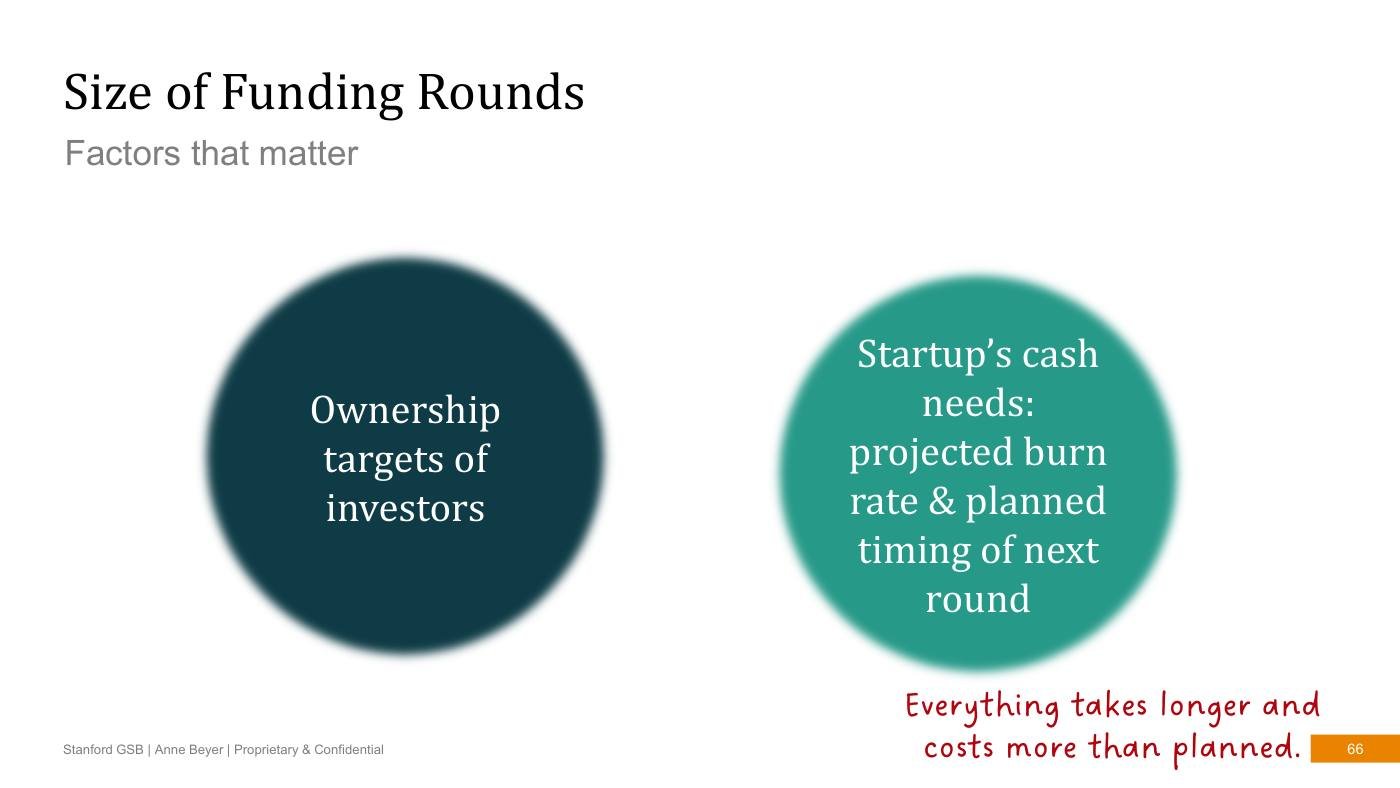
Two forces that set round sizeRound size is set by investors' ownership targets on one side and the startup's cash needs (projected burn and timing of the next round) on the other, with the warning that everything takes longer and costs more than planned. The model supplies only one side of the negotiation. If a fund needs about 20% and the pre-money is fixed, the raise is partly set by that target, so the cash plan must show what the extra money buys or what a smaller round forgoes.Beyer - Finance Slides (all 3 sessions) · PDF page 66 · in the slides
3
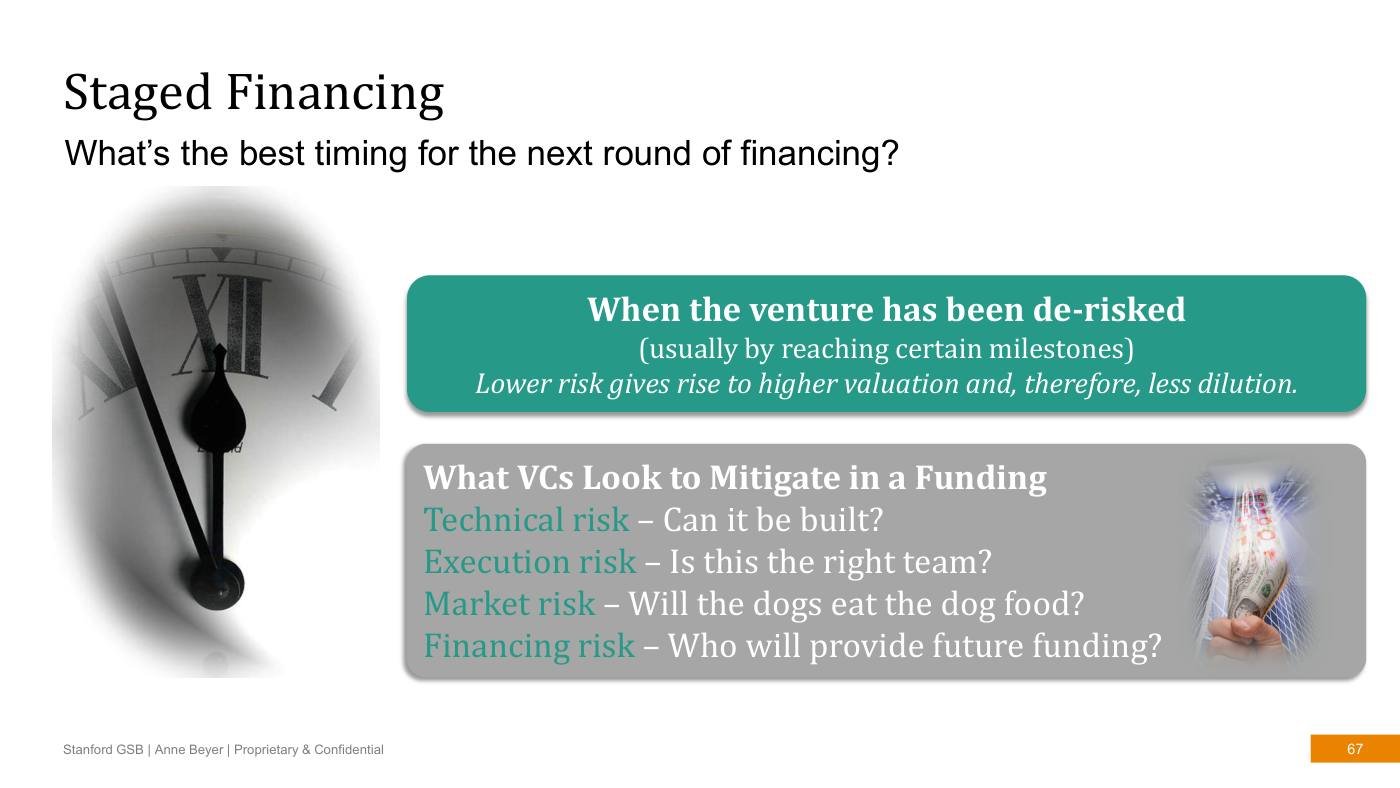
Staged financing: raise after de-risking milestonesArgues the next round is best timed after milestones reduce risk, since lower risk earns a higher valuation and less dilution; lists technical, execution, market and financing risk as what VCs try to retire. A scenario is worth modeling when it changes which of these risks is retired before cash runs low. For Relay, the downside is mainly market risk: fewer clinics and higher churn delay the evidence the Series A needs.Beyer - Finance Slides (all 3 sessions) · PDF page 67 · in the slides
4
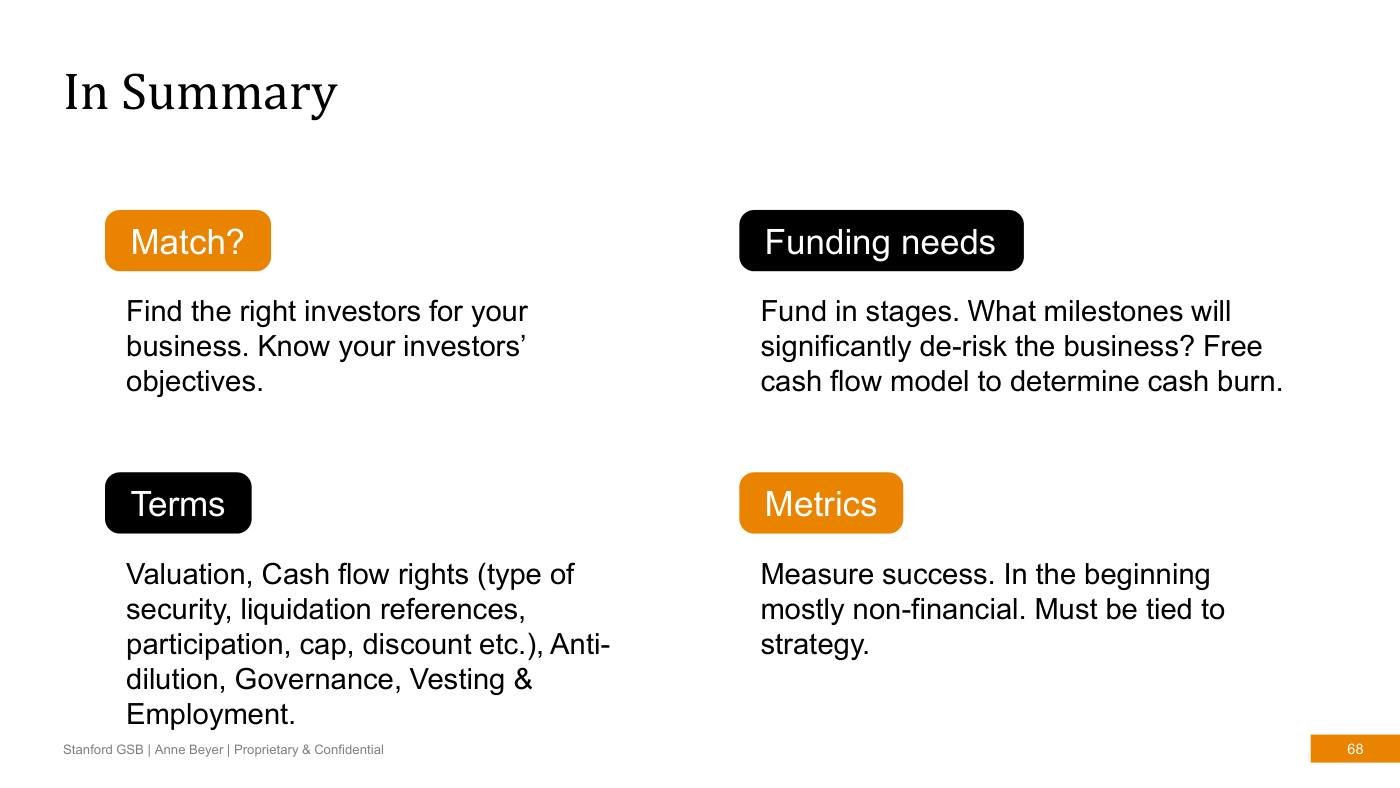
Summary: match, funding needs, terms and metricsFour boxes: find investors whose objectives match; fund in stages to milestones using a free-cash-flow model; negotiate terms beyond valuation; and measure success with mostly non-financial early metrics tied to strategy. The funding-needs box is this lesson's output: a staged amount derived from free cash flow to a named milestone, with the metrics that show the milestone was reached.Beyer - Finance Slides (all 3 sessions) · PDF page 68 · in the slides
5
Victoria case study questions: from model to raise to ownershipAsks how the model builds hardware revenue, subscription revenue, expenses and free cash flow; what Series A size the model supports; and what the founders own after a raise at a $30 million pre-money valuation. The questions chain together: the raise follows from the cash minimum plus buffer, and ownership follows from the raise divided by post-money (raise / (30 + raise)). A larger buffer is paid for in dilution.Beyer - Victoria Financial Modeling Case · PDF page 5 · in the slides